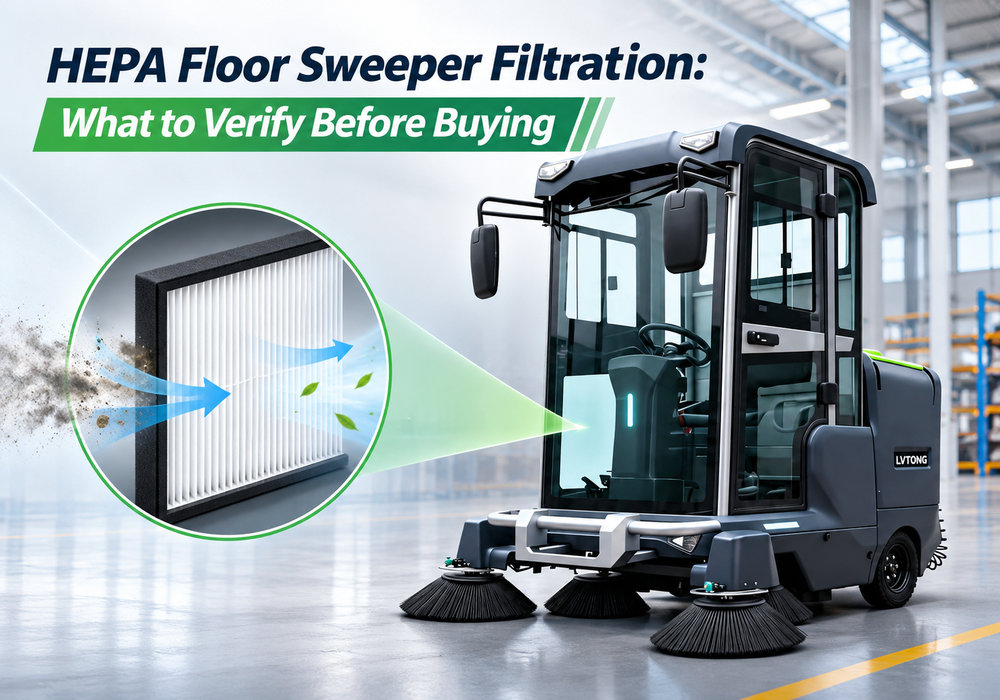
A floor sweeper is judged by one visible output: whether dust is gone. Yet the specification that decides that output — filtration — is the one buyers verify least. Catalogues print “HEPA” on everything from push sweepers to full-size ride-on machines, and the word costs nothing to print. This guide explains what a HEPA floor sweeper actually is, which claims a filter class can and cannot support, and the five questions that separate tested filtration from marketing wording before you commit to a purchase order. (For the broader selection picture — size, hopper, runtime, price logic — start with the professional floor sweeper buying guide; this page stays on the filtration layer only.)
إجابة سريعة: a HEPA floor sweeper is defined by filter class and test evidence, not by a sticker.
- True HEPA is a filter classification — typically class H13 under European standard EN 1822, tested at the most penetrating particle size (MPPS); treat the exact value as something to confirm from the report.
- “HEPA-type” and “HEPA-like” have no defined class — if a supplier cannot produce a test report, treat the word as decoration.
- Filtration performance is a system: media class + filter area + shroud sealing + vacuum airflow. A good filter in a leaky housing changes nothing.
- Match the machine to the dust load: fine indoor dust, gritty yard dust and oily metal chips load a filter very differently.
The sections below turn those four points into a verification checklist you can send to any supplier.
What “HEPA” Actually Means on a Floor Sweeper
HEPA is a classification for the filter media, not a category of machine — the same sweeper can ship with a standard panel filter, a HEPA-class panel filter, or no fine filter at all.
HEPA stands for High-Efficiency Particulate Air, and the definition belongs to the filter element: under European standard EN 1822 and the related ISO 29463 framework, HEPA classes start where the media retains at least 99.95% of particles at the most penetrating particle size, measured under defined test conditions. Two consequences follow for buyers. First, the class number describes a laboratory result for the media — it says nothing about how the filter is seated inside the machine. Second, a machine-level claim (“HEPA floor sweeper”) is only meaningful when the class report AND the housing sealing are both documented. Ask for both, or treat the label as a media note only.
Why Dust Control Decides Sweeper Performance Indoors
Fine dust is the fraction customers and staff actually complain about — the visible debris is collected, the invisible fraction stays airborne and settles on stock, racking and desks.
Coarse debris is easy: any working sweeper lifts it into the hopper. The engineering challenge is the fine fraction that the brush action and air current keep suspended. Indoors, that fraction drives the complaints that sweeper purchases were supposed to end — dust films on stored goods, dust rings near racking, filters in HVAC clogging early. Both the US Environmental Protection Agency’s indoor air quality resources و منظمة الصحة العالمية treat airborne particulates as a health-relevant exposure, which is why facility managers increasingly ask sweeping contractors what the machine’s filtration actually is. Industrial sweeper dust control, in other words, is not a luxury spec — it is the difference between sweeping that looks clean and sweeping that is clean.
Filter Class Is a Test Report, Not a Label
Any filtration claim you intend to rely on should arrive as a document: class, standard, test method and filter area — on paper, with the model number on it.
The floor sweeper dust filter is a consumable component, and its market uses words loosely. “HEPA-type” and “HEPA-like” have no standardised meaning; “99% efficient” without a test method, particle size and face velocity is not a comparable number. A usable answer to “is this a HEPA floor sweeper?” contains: the filter class (H13/H14 or the equivalent ISO class), the standard and test method behind it, the filter media area in square metres, and the matching initial airflow. If the supplier manufactures or sources filters for different models, ask whether the report corresponds to the exact model and filter part number you are buying — a class achieved by a larger filter in another machine does not transfer automatically.
Match the Sweeper Format to the Dust Load
The dust load decides the format: light indoor debris suits compact walk-behind machines, heavy or abrasive dust pushes you toward full-sized machines with larger filter area and bigger hoppers.
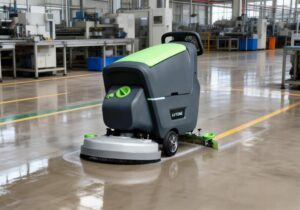
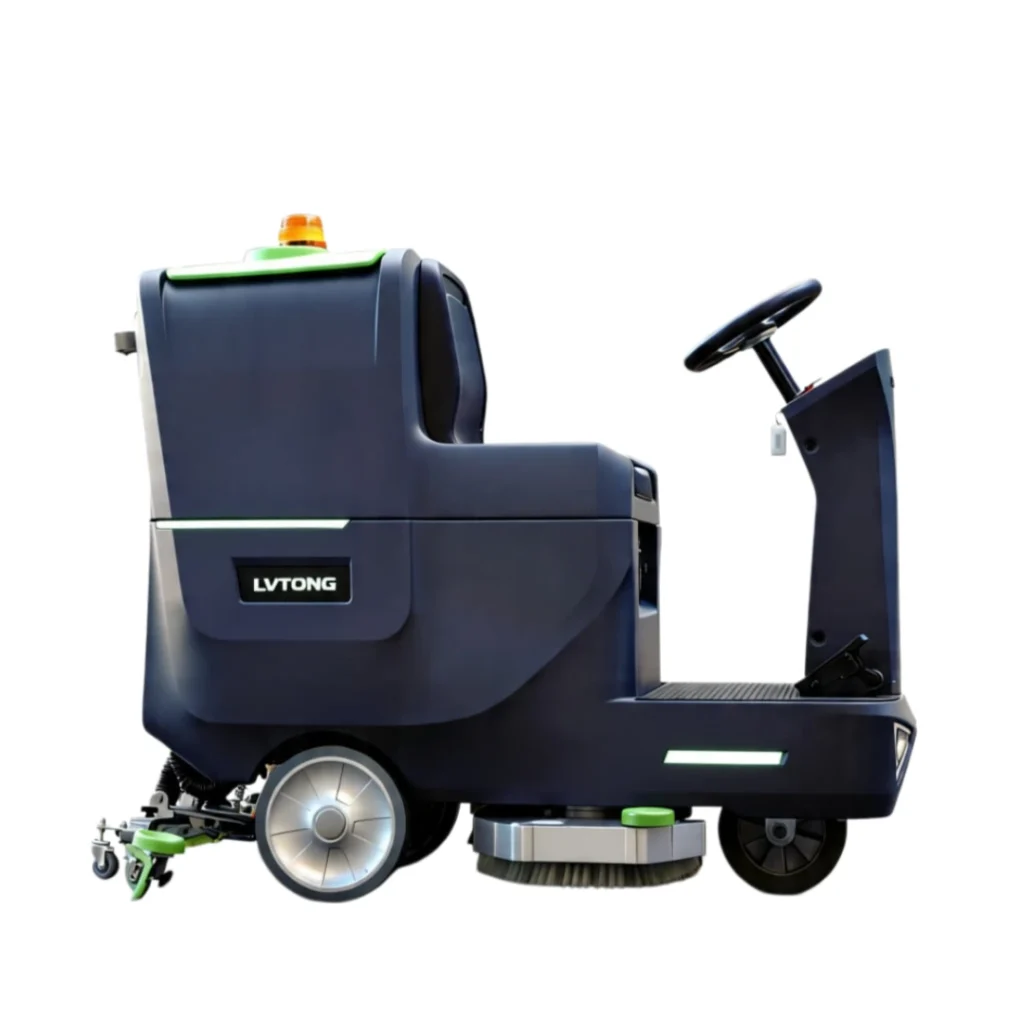
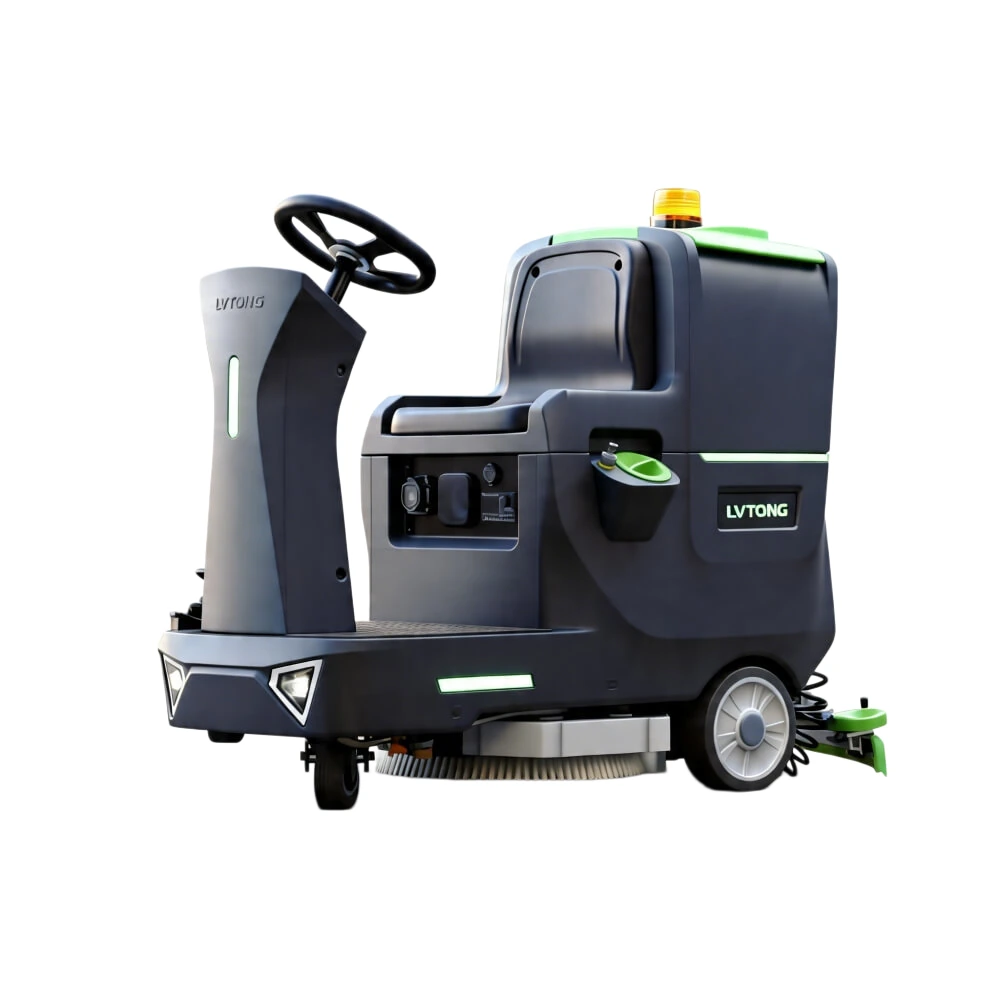
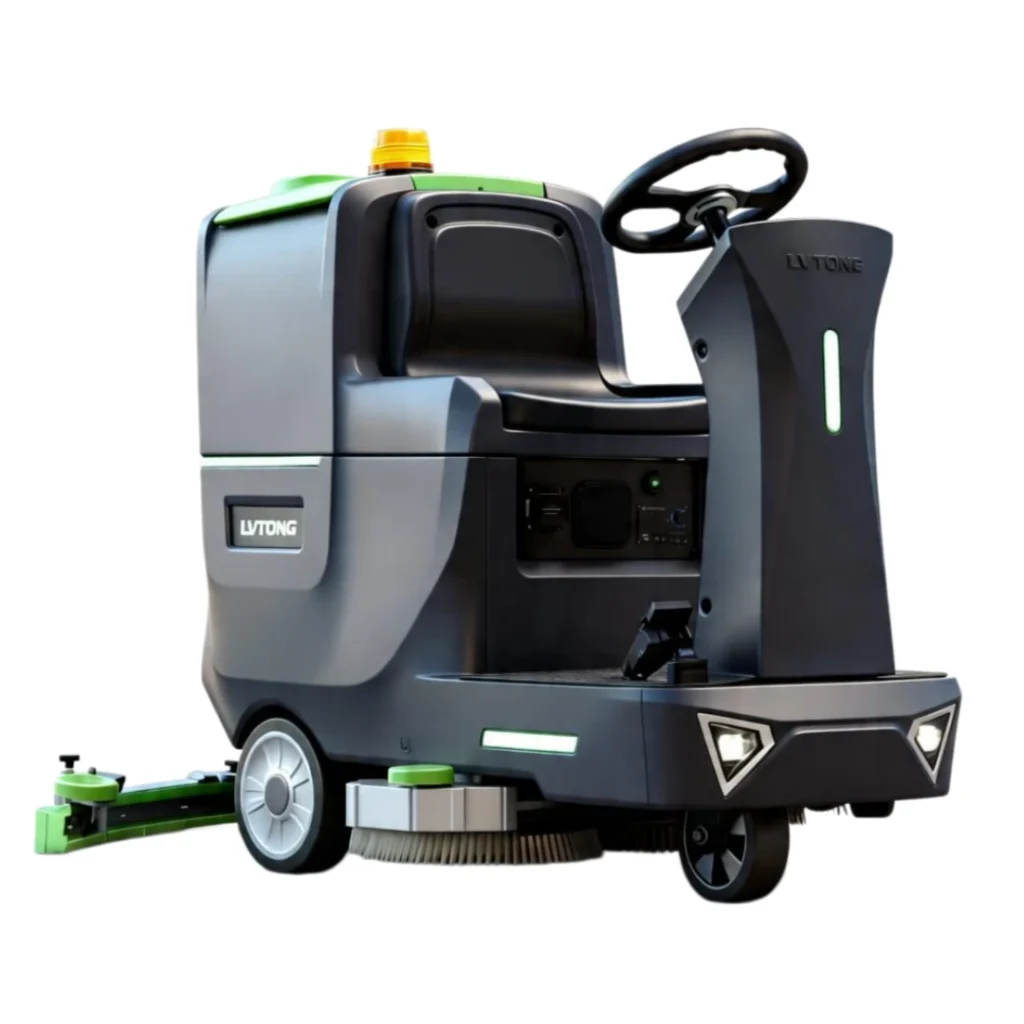
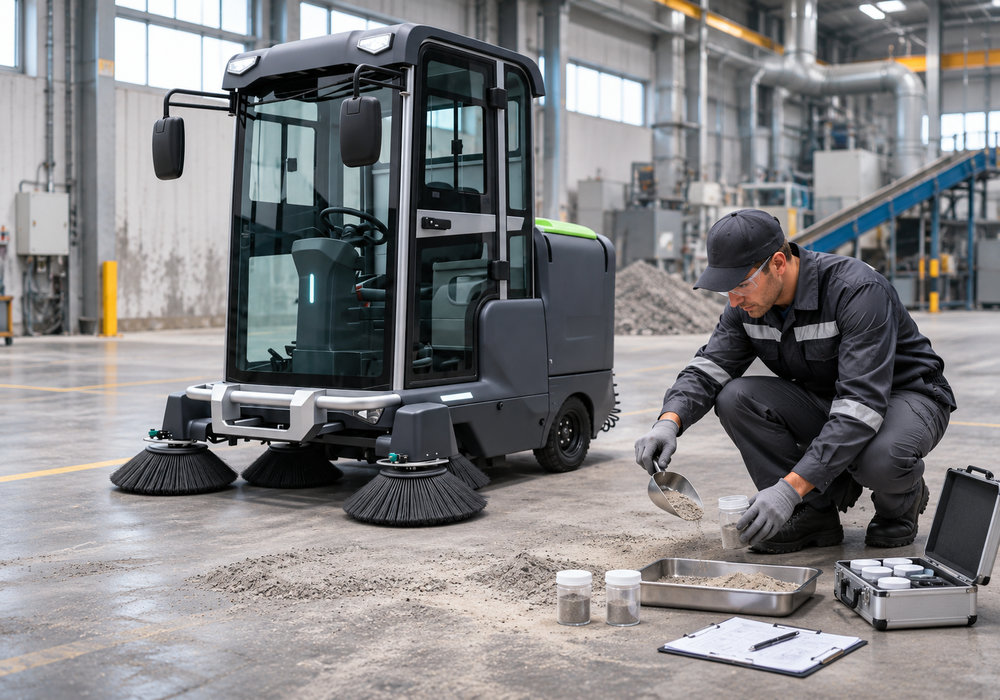
Three load profiles cover most sites. Light and dry — showrooms, offices, small warehouses — works with compact machines, and filtration matters mainly for the fine fraction that escapes upward. Mixed indoor-outdoor duty — logistics yards, parking structures — needs a full-sized HEPA floor sweeper candidate: larger filter area, mechanical filter shakers, and a hopper that seals. Heavy industrial dust is the third profile, and the product pages of heavy ride-on machines describe it honestly: the 1950 semi-closed كاسحة شوارع قابلة للركوب documents a steel-plant raw-material yard where iron-ore dust clogged machine filters until a multi-machine configuration brought dust concentration down — filter loading is a real operating constraint, not a catalogue footnote. Where a ride-on sweeper with a vacuum and water-spray suppression system fits the site, spray suppression reduces the fine fraction before it ever reaches the filter. A ride on hepa floor sweeper request should therefore always state the dust profile first; the filtration spec follows from it, not the other way round.
Five Questions to Send Your Supplier
Send these five before the quotation — the shape of the answers tells you more than the demo.
| # | سؤال | What a good answer looks like |
|---|---|---|
| 1 | Which filter class, tested to which standard and method? | Class + standard (EN 1822 / ISO 29463 or equivalent) + test report with model and filter part number |
| 2 | What is the filter media area, and what airflow does the vacuum deliver? | Both numbers stated for the exact model, with the pairing explained (area without airflow, or airflow without area, is half a spec) |
| 3 | How is the filter sealed into its housing? | Description of the sealing geometry and any bypass paths — the class report only holds if air cannot go around the media |
| 4 | How does the machine cope with filter loading in my application? | Matched answer referencing your dust profile: shaker, spray suppression, pre-separation, or an honest “this model is not intended for that load” |
| 5 | What filter maintenance and spare supply do you support? | Cleaning method (depends on model), inspection routine, spare filter availability for your market, and replacement intervals expressed as “depends on dust load” rather than a fixed promise |
Suppliers who answer questions 1–3 with documents and questions 4–5 with conditions are the ones whose filtration you can put into a tender file. Evasive answers here usually predict evasive answers elsewhere.
Filtration Inside the Total Cost of Ownership
The filter is a consumable with a service burden — price it as part of operating cost, not as a line in the sales brochure.
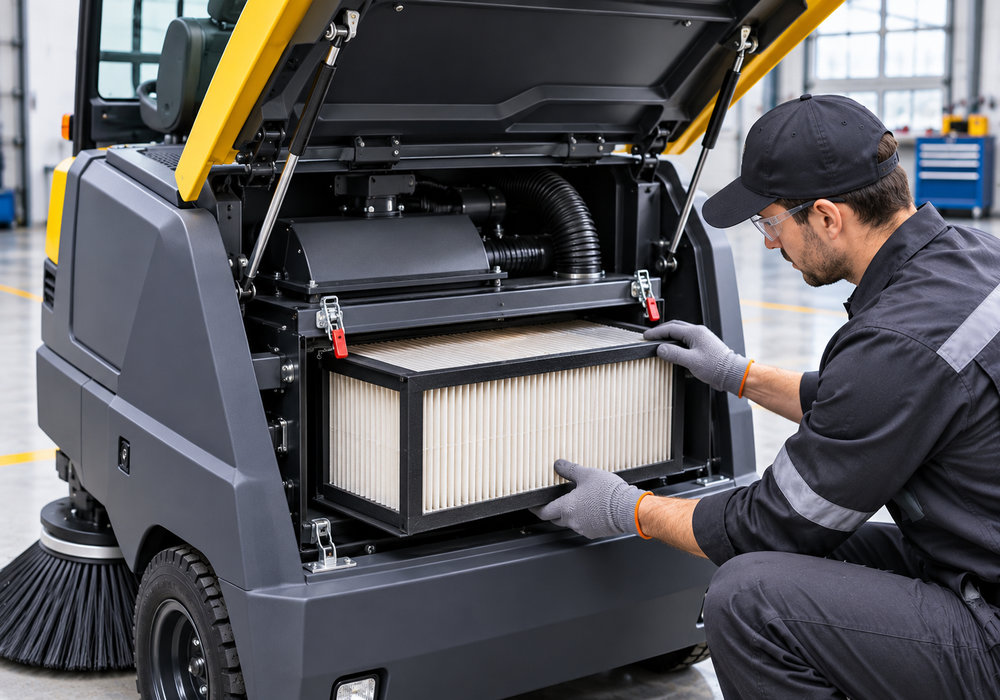
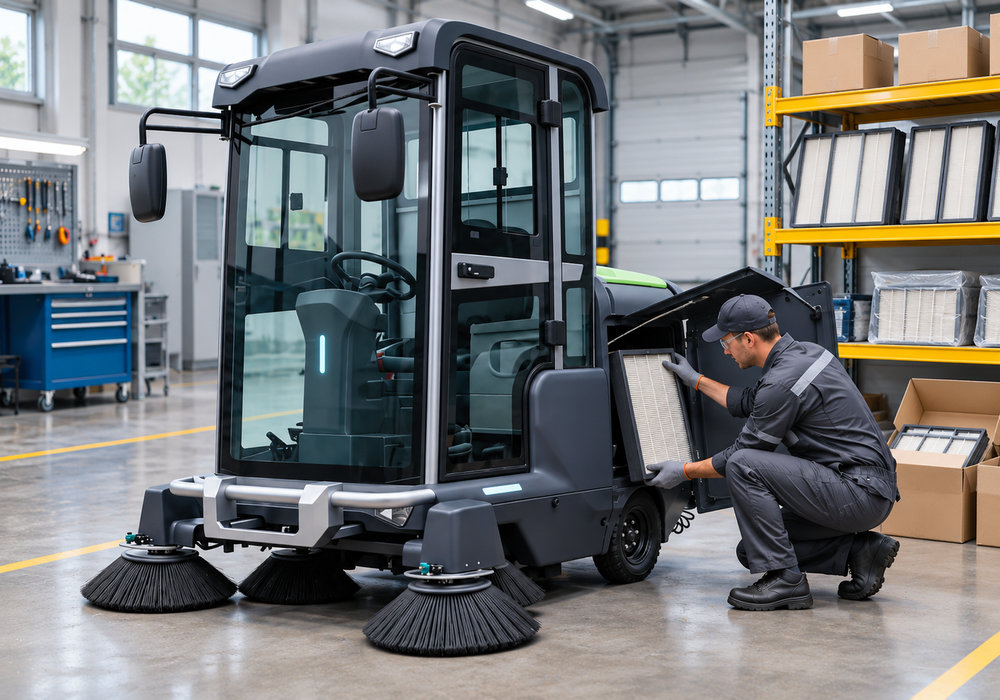
Every filtration claim creates downstream work: filters must be cleaned or shaken, inspected, and eventually replaced. How often depends on the dust load, the filter area relative to the machine’s airflow, and whether the site uses spray suppression — which is why honest suppliers answer “it depends” and hand you an inspection routine instead of a fixed interval. When comparing machines, ask what filter replacement involves (access panels, tools, downtime), whether filters can be cleaned in place, and how spare filters reach your market. A machine with excellent filtration and no local filter supply converts its best feature into its worst downtime risk.
Where Filtration Meets Air-Quality Rules
Keep two ledgers separate: facility air quality expectations, and occupational exposure duties — a sweeper can help with both but is certified for neither.
Facility-side, industrial floor sweeper air quality testing is usually driven by customer audits or internal ESG programmes, and references such as the EPA’s indoor air quality guidance (linked above) frame what “good” means for occupied spaces. Duty-side, occupational exposure limits — including duties around silica dust control on concrete and mineral surfaces — are set by the authorities in your market, and a sweeper is one control among several, never the compliance certificate itself. Machine-level safety is its own layer again: electrical and mechanical safety of sweeping machines is covered by standards such as IEC 60335-2-72 (see the IEC webstore entry), and North American buyers commonly look for يو ال certification paths. Verify each layer with its own document; do not accept one certificate as covering all three.
Red Flags in Filtration Marketing
Four patterns in sales material should slow the deal down.
- A “HEPA” sticker with no class, standard or report behind it.
- Efficiency percentages quoted without a test method, particle size or airflow condition.
- Filter area absent from the datasheet while “multi-stage filtration” is claimed — stages without area are marketing geometry.
- Machine-level HEPA claims with no statement about housing sealing or bypass.
None of these proves a bad machine. Each one proves the claim cannot yet be written into your specification — and that is the moment to ask for documents rather than discounts.
A Practical Verification Workflow
Documents first, then a demo with your own debris, then a pilot — in that order.
- Define your dust profile in writing (indoor/outdoor share, particle character, moisture, oil presence).
- Collect the filtration documents (class report, filter area, sealing description, spares policy).
- Run a site demo with your real debris, then open the filter access and inspect loading after the session.
- Agree the inspection and cleaning routine with the operator team — the ride-on sweeper operation guide shows where after-use care fits the shift; filtration checks extend that routine, and the floor sweeper repair and maintenance guide covers what worn or loaded filters do to the machine when checks slip.
- Pilot one machine for a full cycle before fleet orders, and record filter condition at fixed intervals.
How We Spec Sweepers for Dusty Sites
We publish verified machine facts and treat filtration class as a document to be issued per model — ask for it before you buy.
LVTONG builds electric lithium sweeper machines for export, and our product pages describe dust handling the way we can verify it: the LT-S1350S pairs its vacuum with water-spray suppression for fine dust, and the 1950 line is documented in steel-yard service where filter loading is managed by configuration and maintenance. Where a project requires a specific filter class, we treat that as a specification item to confirm per model and target market — the same discipline this page asks of any supplier. If you are shortlisting machines, our team can answer the five questions in the table above for any model under consideration — send us your dust profile and site layout to start.
الأسئلة الشائعة
Is a HEPA floor sweeper necessary for every facility?
No. Match filtration to the dust profile and the sensitivity of the space. Fine indoor dust, health-sensitive environments and audit-driven sites justify HEPA-class verification; coarse outdoor debris may be fully served by standard filtration with good sealing and hopper design.
What should a genuine HEPA test report show?
Filter class (e.g. H13 or the equivalent ISO class), the standard and test method, the most penetrating particle size condition, and the filter part number matching your machine. A report without a model reference is not an answer.
Do ride-on sweepers come with HEPA filtration?
It depends on the model and configuration. Filtration is a build option on many ride-on machines, so state the class requirement in the enquiry and ask for the matching report — the same five-question checklist applies.
How often should a floor sweeper dust filter be cleaned or replaced?
It depends on dust load, filter area and whether spray suppression is used. Inspect after early shifts, clean per the manual’s method, and replace on damage or when cleaning no longer restores airflow — not on a fixed calendar promise.