مقدمة
يتطلب تنظيف الأرضيات الخرسانية بفعالية أكثر من مجرد اختيار منظف قوي جهاز تنظيف الأرضيات. يجب أن تتناسب طريقة التنظيف مع سطح الخرسانة ونوع التلوث والفرشاة أو الوسادة والمنظف وتدفق المياه وظروف استعادة مياه الصرف الصحي.
قبل التنظيف بالفرك، أزل الأوساخ السائبة وحدد ما إذا كانت الأرضية غير مطلية، أو مطلية، أو مصقولة، أو خشنة، أو مطلية بالإيبوكسي. يجب معالجة بقايا الزيوت والمواد الكيميائية مسبقًا، بينما يجب شفط الغبار والرمل وجزيئات المعادن أو كنسها قبل التنظيف الرطب.
يشرح هذا الدليل كيفية تنظيف الأرضيات الخرسانية خطوة بخطوة، واختيار آلة تنظيف الأرضيات والفرشاة المناسبة، وإزالة الملوثات الصناعية الشائعة، وحل المشكلات مثل الغبار المتبقي، وبقع الزيت، وخطوط الماء، والخدوش، وضعف استعادة مياه الصرف الصحي.
إجابة سريعة
لتنظيف الأرضيات الخرسانية باستخدام آلة تنظيف الأرضيات، ابدأ بكنس أو شفط الأوساخ المتراكمة، ثم عالج بقايا الزيوت أو المواد الكيميائية، واختر فرشاة أو وسادة مناسبة للسطح، وافرك الأرضية بحركات متداخلة. اجمع مياه الصرف فورًا وافحص الأرضية قبل إعادة فتح المكان. استخدم آلة تنظيف يدوية للمساحات الضيقة أو المسدودة، وآلة تنظيف آلية للمساحات المفتوحة الواسعة.
| خطوة | فعل |
|---|---|
| 1 | حدد السطح الخرساني |
| 2 | قم بكنس أو شفط الحطام المتناثر |
| 3 | المعالجة المسبقة للزيوت أو بقايا المواد الكيميائية |
| 4 | اختر الفرشاة والوسادة والمنظف |
| 5 | اضبط تدفق الماء وضغط الفرشاة |
| 6 | التنظيف في تمريرات متداخلة |
| 7 | استعادة مياه الصرف الصحي |
| 8 | افحص الأرضية ونظف الآلة |

هل يمكن استخدام آلة تنظيف الأرضيات على الأرضيات الخرسانية؟
نعم. يمكن استخدام آلة تنظيف الأرضيات على معظم الأرضيات الخرسانية، ولكن يجب اختيار الفرشاة والوسادة والمنظف وتدفق الماء وضغط الفرشاة وفقًا لحالة السطح. فالخرسانة غير المعالجة أكثر مسامية وحساسية للماء الزائد، بينما تتطلب الأسطح المعالجة والمصقولة والمطلية عادةً فرشًا ومواد تنظيف أقل قوة.
حدد نوع سطح الخرسانة قبل التنظيف
تختلف استجابة الأسطح الخرسانية المختلفة للماء والمنظفات وضغط الفرشاة والفرك الميكانيكي. لذا، حدد نوع السطح قبل اختيار طريقة التنظيف.
| سطح خرساني | السمة الرئيسية | مخاطر التنظيف | النهج الموصى به | فحص إضافي |
|---|---|---|---|---|
| خرسانة غير معالجة | مسامي وماص | قد تتغلغل الزيوت والمياه المتسخة ومحاليل التنظيف في السطح | استخدم تدفق المياه المتحكم به واستعد مياه الصرف الصحي بسرعة | تحقق من وجود آثار الصنفرة، والشقوق، والمسام المفتوحة، والمناطق المتآكلة بشدة. |
| الخرسانة المختومة | نفاذية أقل | قد يؤدي استخدام فرش خشنة أو الضغط المفرط إلى تآكل مادة منع التسرب. | استخدم فرشاة نايلون أو وسادة تنظيف مناسبة مع ضغط متوسط | افحص مادة منع التسرب بحثًا عن التآكل والتقشير والخدوش والوصلات التالفة. |
| الخرسانة المصقولة | ناعم وكثيف | قد تؤدي الفرش أو الوسادات الكاشطة إلى تقليل اللمعان أو ترك خدوش مرئية. | استخدم وسادة ناعمة أو فرشاة نايلون غير كاشطة بضغط منخفض | تحقق من مستوى اللمعان، والخدوش السطحية، والشقوق، وحالة المفاصل. |
| الخرسانة الكثيفة | سطح مقوى ومقاوم للتآكل | قد تؤثر المنظفات غير المتوافقة على المظهر أو تترك بقايا. | استخدم منظفًا متعادلًا وضغطًا معتدلًا بالفرشاة | افحص وجود بقايا مواد كيميائية، وتشطيب غير متساوٍ، وشقوق، ومناطق متآكلة. |
| الخرسانة الخشنة أو المصقولة بالمكنسة | سطح خشن وغير مستوٍ، ويصعب تنظيفه بالتساوي. | قد تبقى الأوساخ والغبار ومياه الصرف الصحي في أخاديد السطح | استخدم فرشاة نايلون صلبة يمكنها الوصول إلى السطح الخشن | افحص الأخاديد، والمناطق المنخفضة، والشقوق، والوصلات، والمناطق التي تتراكم فيها الأوساخ |
| الخرسانة المطلية بالإيبوكسي | سطح أملس محمي بطبقة من الراتنج | قد يؤدي الضغط المفرط أو استخدام وسادات خشنة أو مواد كيميائية غير مناسبة إلى خدش أو تلف الطلاء | استخدم فرشاة ناعمة من النايلون أو وسادة غير خشنة مع ضغط خفيف | افحص وجود أي تقشر أو فقاعات أو خدوش أو تلف في الطلاء أو خرسانة مكشوفة |
| الخرسانة المتضررة أو الرملية | جزيئات سطحية سائبة وخرسانة ضعيفة | قد يؤدي الضغط المفرط للماء والفرشاة إلى تفاقم عملية الصنفرة أو تلف السطح. | قلل من تدفق المياه وضغط الفرشاة، واستعد مياه الصرف الصحي على الفور | تحقق من مدى تآكل الرمل، والجسيمات السائبة، والتشققات، والأضرار الهيكلية. |
| الخرسانة عالية المسامية | يمتص الماء والمنظفات والملوثات بسرعة | قد يتغلغل المحلول المتسخ بعمق ويصبح من الصعب إزالته | استخدم أقل كمية ممكنة من الماء، ونظف على مراحل صغيرة، واسترجع مياه الصرف الصحي بسرعة. | اختبر امتصاص الماء في منطقة صغيرة قبل تنظيف الأرضية بالكامل. |
اختر طريقة التنظيف المناسبة لنوع التلوث
تتراكم أنواع مختلفة من الملوثات على الأرضيات الخرسانية في مختلف الصناعات. وتعتمد طريقة التنظيف المناسبة على ما إذا كانت الأرضية تحتوي بشكل أساسي على غبار أو زيت أو بقايا مواد كيميائية أو أوساخ مختلطة.
اتبع بيانات السلامة الخاصة بمورد المواد الكيميائية وإجراءات الموقع قبل إجراء عملية المعادلة. لا تخلط مواد التنظيف الكيميائية إلا بعد التأكد من توافقها.
| نوع التلوث | سيناريوهات شائعة | صعوبة التنظيف الرئيسية | العلاج الموصى به |
|---|---|---|---|
| آثار الإطارات | مواقف السيارات، وأرصفة التحميل، والمصانع | تلتصق علامات المطاط بالأسطح الملساء | ضع منظفًا مناسبًا، واتركه لفترة كافية، ثم افركه بقطعة مناسبة. |
| الأسمنت والغبار المعدني | مناطق البناء، مصانع الأسمنت | ينتشر الغبار الناعم ويتحول إلى طين عند البلل | قم بتنظيفه بالمكنسة الكهربائية جيداً قبل فركه بالماء |
ما هي أفضل آلة تنظيف الأرضيات للأرضيات الخرسانية؟
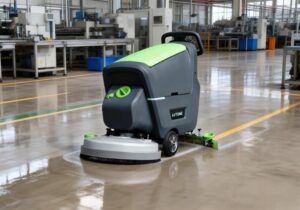
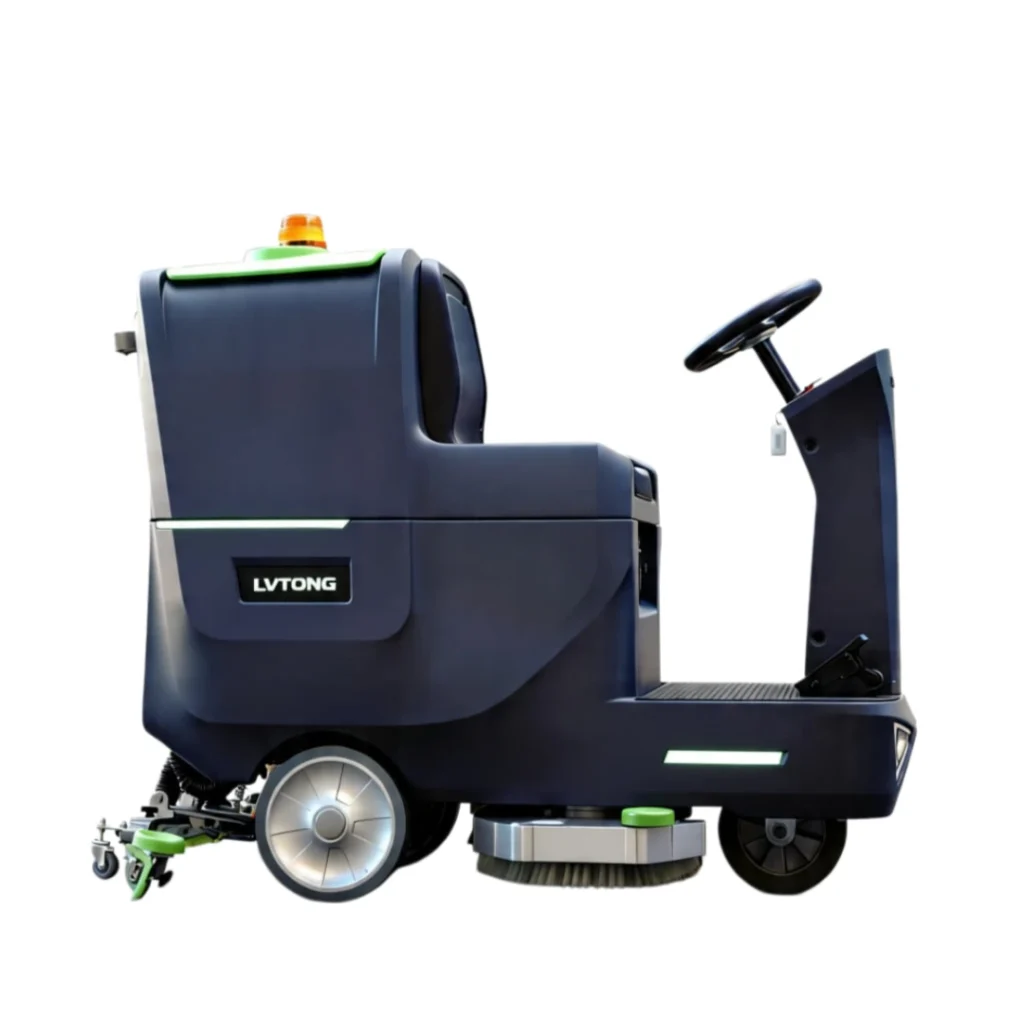
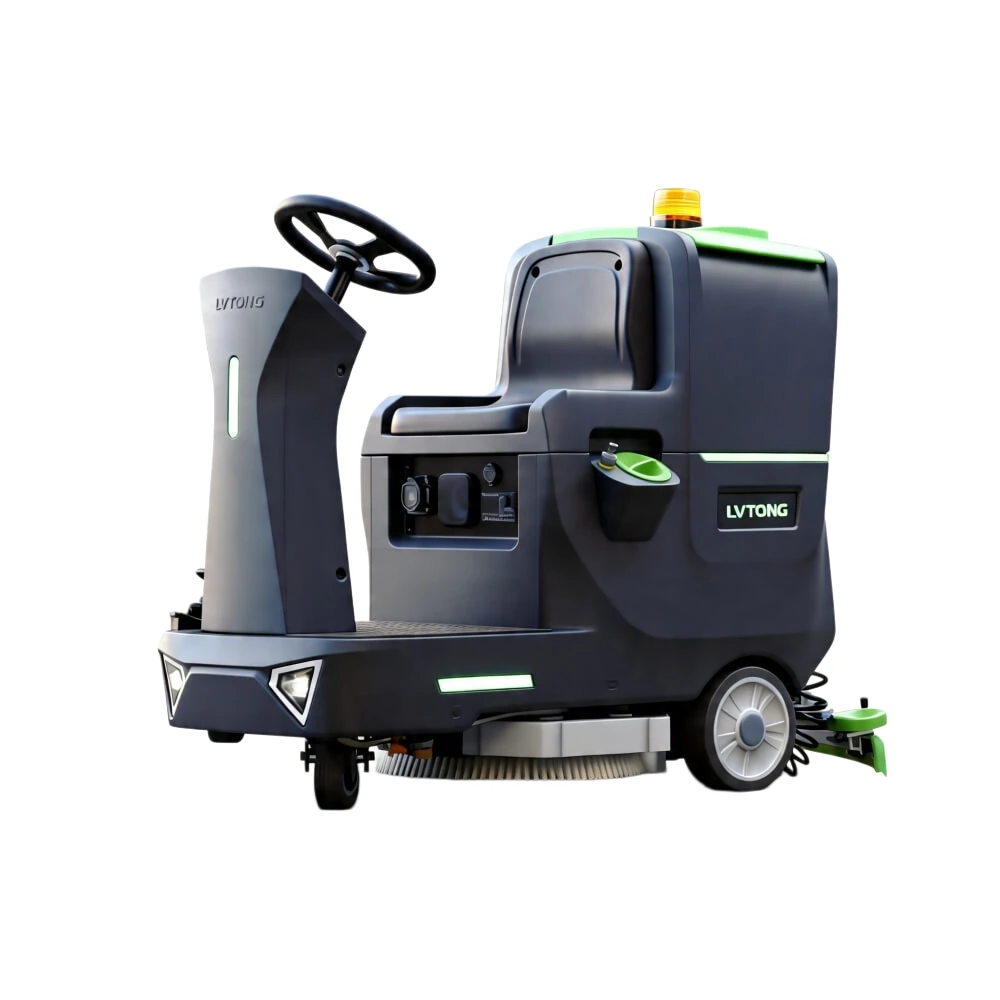
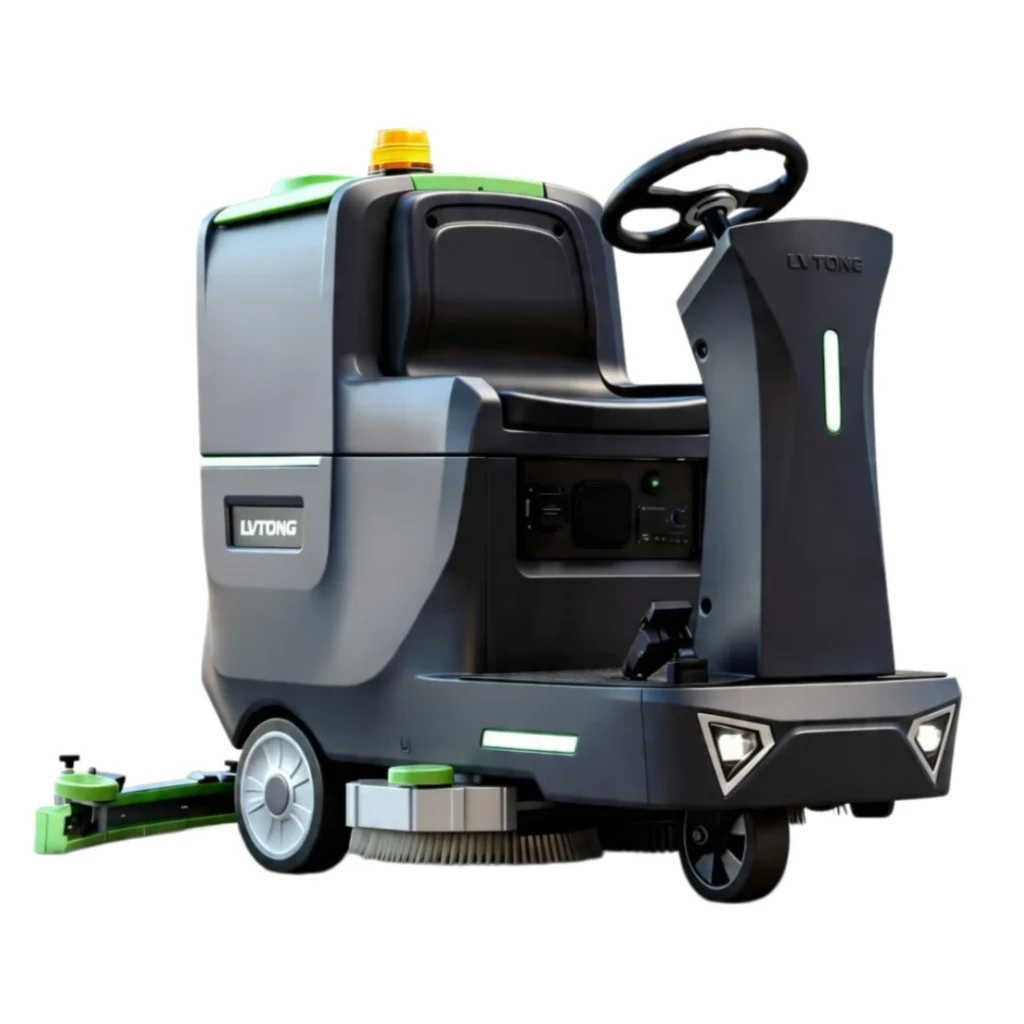
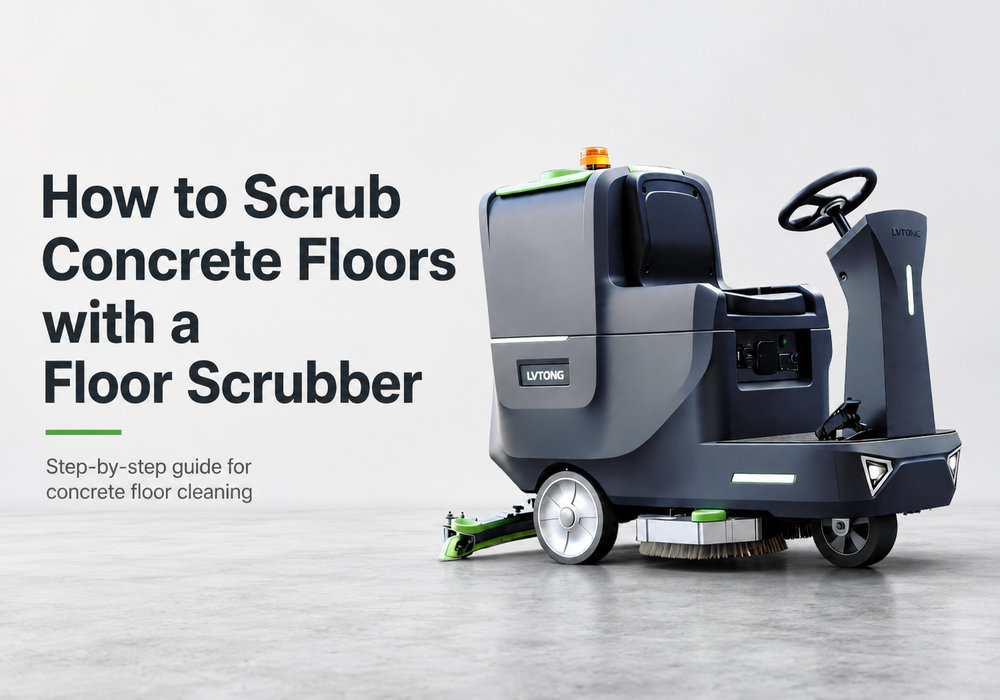
يعتمد اختيار أفضل آلة تنظيف الأرضيات على مساحة الأرضية، وعرض الممر، والعوائق، وملمس السطح، ومستوى التلوث، وتكرار التنظيف، ووقت التشغيل المطلوب. آلات تنظيف الأرضيات التي تُدفع سيرًا على الأقدام وهي عموماً أكثر ملاءمة للمساحات الضيقة أو المعيقة، بينما أجهزة التنظيف بالركوب وهي أنسب للأرضيات المفتوحة الكبيرة وفترات التنظيف الطويلة.
مقارنة بين آلة تنظيف الأرضيات الخرسانية اليدوية وآلة تنظيف الأرضيات الخرسانية ذاتية الدفع
أجهزة تنظيف الأرضيات الصناعية تنقسم في المقام الأول إلى فئتين: أجهزة تنقية الأرضيات التي تسير في الخلف وأجهزة تنقية الأرضيات التي تُركب على ظهرها. وتختلف هاتان الفئتان اختلافاً كبيراً في كفاءة التنظيف والسيناريوهات القابلة للتطبيق وصعوبة التشغيل. يعتمد اختيار النوع المناسب على احتياجاتك الخاصة.
| عامل الاختيار | جهاز غسيل خلفي | جهاز تنظيف بالركوب |
|---|---|---|
| الأنسب لـ | ممرات ضيقة، غرف صغيرة، ومناطق محجوبة | مستودعات ومصانع ومواقف سيارات كبيرة |
| القدرة على المناورة | أفضل في المساحات الضيقة | يتطلب مساحة دوران أكبر |
| جهد المشغل | يسير المشغل خلف الآلة | يبقى المشغل جالساً |
| مدة التنظيف | أفضل لمهام التنظيف القصيرة | أفضل لفترات التنظيف الطويلة |
| الاستثمار الأولي | أقل عموماً | أعلى بشكل عام |
| القيد الرئيسي | انخفاض الإنتاجية في المناطق المفتوحة الكبيرة | أقل ملاءمة للمناطق الضيقة أو المزدحمة |
تعتمد إنتاجية التنظيف الفعلية على طراز الآلة، وحالة الأرضية، وتكرار الدوران، وسرعة المشغل، ووقت إعادة تعبئة المياه، ووقت التخلص من مياه الصرف الصحي.
أداة تنظيف وفرشاة موصى بها حسب حالة الأرضية
| حالة الأرضية الخرسانية | فرشاة التنظيف الموصى بها | نوع الفرشاة / الوسادة |
|---|---|---|
| غبار خفيف على الخرسانة المغلقة | آلة تنظيف الأرضيات التي تُدفع سيرًا على الأقدام أو تُركب على الأرض | فرشاة نايلون |
| غبار كثيف وحطام | آلة تنظيف الأرضيات الخرسانية الصناعية | فرشاة نايلون أو سلكية |
| بقع الزيت | آلة تنظيف مزودة بنظام منظف | وسادة تنظيف أو فرشاة صلبة |
| المخلفات الكيميائية | جهاز التنظيف بعد عملية التعادل | فرشاة أو وسادة من النايلون |
| مستودع كبير تزيد مساحته عن 3000 متر مربع | آلة تنظيف الأرضيات الخرسانية التي يمكن ركوبها | فرشاة أو وسادة من النايلون |
| ورشة عمل صغيرة أو ممر ضيق | آلة تنظيف الأرضيات الخرسانية التي تُدفع باليد | فرشاة نايلون |
أفضل فرشاة أو وسادة لتنظيف الأرضيات الخرسانية
| فرشاة أو وسادة | مناسب لـ | تجنب الاستخدام على | ملحوظات |
|---|---|---|---|
| فرشاة ناعمة من النايلون | الخرسانة المصقولة أو المختومة أو المطلية | حطام كثيف مغروس | مناسب للتنظيف الروتيني |
| فرشاة نايلون متوسطة الحجم | أرضيات خرسانية عامة وتربة مختلطة | طبقات رقيقة شديدة اللمعان | خيار جيد للأغراض العامة |
| فرشاة نايلون صلبة | خرسانة خشنة غير مطلية | أسطح سهلة الخدش | يساعد على تنظيف الأسطح الخشنة |
| وسادة تنظيف | الخرسانة الملساء، وطبقات الزيت، وآثار الإطارات | أرضيات ذات ملمس عميق | اختر مستوى خشونة الوسادة بعناية |
| فرشاة سلكية | تطبيقات محدودة للأعمال الشاقة على الخرسانة الخشنة غير المطلية | الخرسانة المصقولة أو المصقولة أو المغلقة أو المزخرفة المصنوعة من الإيبوكسي | اختبر منطقة صغيرة قبل الاستخدام الكامل |
اختبر دائمًا الفرشاة أو الوسادة أو المنظف القوي على منطقة صغيرة وغير ظاهرة قبل تنظيف الأرضية بأكملها.
قبل التنظيف: قائمة التحقق من الأرضية الخرسانية والآلة
افحص الأرضية الخرسانية
- قم بإزالة العوائق الكبيرة مثل الكرتون، والحطام المعدني، والأدوات، وقطع غيار المعدات.
- حدد الأشياء الحادة، والخرسانة غير المعالجة، والشقوق العميقة، والوصلات غير المستوية.
- تحقق من تغلغل الزيت، ومناطق الصنفرة، وبقايا المواد الكيميائية قبل التنظيف.
- قم بمعالجة البقع الصعبة مسبقاً قبل استخدام آلة تنظيف الأرضيات.
افحص آلة تنظيف الأرضيات
- تحقق من حالة الفرشاة أو الوسادة.
- افحص شفرة الممسحة ونظام استعادة مياه الصرف الصحي.
- افحص خزان المياه النظيفة وخزان الصرف الصحي.
- اختبر دوران الفرشاة وقوة الشفط وشاشة لوحة التحكم.
- تأكد من عدم وجود تسرب للمياه أو مشكلة كهربائية.

كيفية تنظيف الأرضيات الخرسانية خطوة بخطوة
تتطلب الأسطح الخرسانية المختلفة إعدادات تنظيف مختلفة، ولكن العملية الأساسية تشمل الفحص، وإزالة الحطام الجاف، والمعالجة المسبقة للبقع، واختيار الفرشاة، والفرك المتحكم فيه، واستعادة مياه الصرف الصحي، والعناية بالآلة.
الخطوة 1: فحص وتحديد سطح الخرسانة
حدد ما إذا كانت الأرضية غير مطلية، أو مطلية، أو مصقولة، أو مضغوطة، أو خشنة، أو مطلية بالإيبوكسي. تحقق من وجود تشققات، أو فواصل تالفة، أو طبقات طلاء مفكوكة، أو مناطق صنفرة، أو تسرب للزيت، أو بقايا مواد كيميائية.
اختبر الفرشاة والوسادة والمنظف وإعدادات الجهاز المختارة على منطقة صغيرة وغير ظاهرة قبل تنظيف الأرضية بالكامل.
الخطوة الثانية: كنس أو شفط الحطام المتناثر
أزل الرمل، وشظايا المعادن، والحجارة، ومواد التغليف، والغبار الناعم قبل التنظيف الرطب. قد تتسبب المخلفات الكبيرة أو الحادة في تلف الفرشاة، وسدّ نظام الشفط، وتقليل احتكاك الممسحة، وخدش الأرضية.
في المناطق الصناعية المتربة, يُفضل استخدام المكنسة الكهربائية لأن الكنس قد يعيد توزيع الجزيئات الدقيقة.
الخطوة 3: المعالجة المسبقة للزيوت وآثار الإطارات وبقايا المواد الكيميائية
الزيوت والشحوم
أزيلي الزيت المتراكم باستخدام مادة ماصة قبل وضع مزيل الشحوم المناسب. اتركي المنظف على البقعة للمدة الموصى بها، ولكن لا تدعيه يجف. حرّكي المنطقة المتضررة قبل فركها بالكامل.
علامات الإطارات
استخدم منظفًا مناسبًا لسطح الخرسانة واتركه لفترة كافية. استخدم وسادة مناسبة أو فرشاة نايلون لفرك البقع قبل إزالة المحلول المتسخ.
المخلفات الكيميائية
حدد المادة المنسكبة واتبع إجراءات التعامل مع المواد الكيميائية وبيانات السلامة الخاصة بالموقع قبل التنظيف. تأكد من توافق الأرضية مع المنظف، وقم بمعادلة المنظف فقط عند الضرورة، واشطف المنطقة قبل استخدام آلة التنظيف.
الخطوة الرابعة: اختيار الفرشاة والوسادة والمنظف
استخدم فرشاة نايلون صلبة للخرسانة الخشنة غير المطلية، وفرشاة نايلون متوسطة لتنظيف الخرسانة بشكل عام، وفرشاة ناعمة أو وسادة غير خشنة للأرضيات المصقولة أو المطلية بالإيبوكسي.
لإزالة طبقات الزيت أو آثار الإطارات على الخرسانة الملساء، استخدم منظفًا متوافقًا ووسادة تنظيف مناسبة.
الخطوة 5: ضبط تدفق الماء وضغط الفرشاة
ابدأ بأقل ضغط فعال للفرشاة وتدفق للمياه. قم بزيادتها تدريجياً فقط إذا بقيت التربة.
تتطلب الخرسانة المسامية أو التالفة عمومًا تحكمًا أكثر صرامة في المياه، بينما تتطلب الأسطح المطلية أو المصقولة قوة ميكانيكية أقل.
الخطوة السادسة: التنظيف بحركات متداخلة مستقيمة
قسّم الأرضية إلى مناطق تنظيف يسهل التحكم بها. ابدأ من أبعد نقطة واتجه نحو المخرج.
تحرك بسرعة ثابتة وقم بتداخل المسارات المتجاورة بحوالي 5-10 سم، أو وفقًا لعرض التنظيف الخاص بالآلة وظروف الرؤية.
خفف السرعة قبل الانعطاف حتى تبقى الممسحة ملامسة للأرضية وتستمر في استعادة مياه الصرف الصحي.
الخطوة 7: استعادة مياه الصرف الصحي وفحص الأرضية
راقب مؤشر خزان التجميع، وأداء الشفط، ومستوى مياه الصرف الصحي أثناء التشغيل. قم بتفريغ الخزان قبل أن يصل إلى الحد الأقصى المحدد للجهاز.
توقف فوراً إذا بقيت المياه خلف الجهاز، أو ضعفت قوة الشفط، أو أصدر نظام الاسترداد ضوضاء غير طبيعية.
افحص المنطقة التي تم تنظيفها تحت إضاءة كافية. تحقق من وجود آثار الماء، والغبار المتبقي، وظلال الزيت، والشرائط غير المنظفة، والرواسب حول المفاصل أو الجدران.
الخطوة 8: اشطف وخزن آلة تنظيف الأرضيات
بعد التنظيف، قم بإيقاف تدفق المحلول ونظام الفرشاة، واستعد مياه الصرف المتبقية، وأوقف الآلة في منطقة الصيانة المخصصة.
أفرغ خزان التجميع واشطفه، ونظف الممسحة المطاطية وخرطوم الشفط، واشطف الفرشاة أو الوسادة، واترك أغطية الخزان مفتوحة لتجف. اشحن الجهاز وخزنه وفقًا لتعليمات الشركة المصنعة.

الإعدادات الأولية الموصى بها لأنواع مختلفة من الأسطح الخرسانية
| سطح خرساني | فرشاة أو وسادة | تدفق المياه | ضغط الفرشاة | الاحتياطات الرئيسية |
|---|---|---|---|---|
| خرسانة غير معالجة | فرشاة نايلون متوسطة أو صلبة | منخفض إلى متوسط | ابدأ بمستوى منخفض وقم بزيادته إذا لزم الأمر. | استعادة مياه الصرف الصحي بسرعة |
| الخرسانة المختومة | فرشاة نايلون أو وسادة متوافقة | قليل | منخفض إلى متوسط | تجنب إتلاف المادة المانعة للتسرب |
| الخرسانة المصقولة | وسادة ناعمة أو فرشاة نايلون ناعمة | قليل | قليل | حماية اللمعان والتشطيب |
| الخرسانة الكثيفة | فرشاة أو وسادة من النايلون | منخفض إلى متوسط | معتدل | استخدم منظفًا محايدًا متوافقًا |
| خرسانة خشنة | فرشاة نايلون صلبة | معتدل | معتدل | افحص الأخاديد والمناطق غير المستوية |
| الخرسانة المطلية بالإيبوكسي | فرشاة ناعمة أو وسادة غير خشنة | قليل | قليل | تجنب الخدش أو الانفصال |
بعد التنظيف: الفحص والعناية بالآلة
بعد تنظيف الأرضيات الخرسانية، يصبح الفحص والعناية بالآلة ضروريين للتأكد من جودة التنظيف، وتقليل مخاطر الانزلاق، وإطالة عمر خدمة آلة تنظيف الأرضيات.
افحص أرضية الخرسانة النظيفة
- بعد التنظيف، تأكد من عدم وجود بقع أو غبار أو آثار ماء أو مياه متسخة على الأرضية. انتبه جيدًا لزوايا الجدران، وقواعد الأجهزة، والوصلات، والشقوق. امسح الأرضية بمنديل ورقي أو قطعة قماش جافة للتأكد من سلامة نظام استعادة مياه الصرف الصحي. تأكد من عدم وجود أي خطر انزلاق واضح قبل إعادة استخدام المنطقة بشكل طبيعي.
نظف وخزن آلة تنظيف الأرضيات
- أوقف تشغيل الفرشاة، ورذاذ الماء، ومحرك الشفط، والكهرباء الرئيسية بالترتيب الصحيح. انزع الفرشاة أو الوسادة واشطفها، ونظف شفرة الممسحة، وأفرغ خزانات الماء النظيف ومياه الصرف، وخزّن آلة تنظيف الأرضيات في مكان جاف وجيد التهوية. إذا لم تُستخدم الآلة لفترة طويلة، فأفرغ الخزانات، واشحن البطارية بالكامل، وغطِّ الجهاز لمنع تراكم الغبار.

مشاكل وحلول تنظيف الأرضيات الخرسانية
تظهر المشاكل التالية غالبًا عند تنظيف الأرضيات الخرسانية. ترتبط معظم هذه المشاكل بعدم اكتمال التنظيف المسبق، أو اختيار فرشاة غير مناسبة، أو ضعف امتصاص الماء، أو الضغط المفرط على الفرشاة، أو استخدام منظف غير صحيح.
مشاكل نتائج التنظيف
| مشكلة | الأسباب المحتملة | الحلول |
| يبقى الغبار بعد التنظيف | عدم اكتمال التنظيف المسبق، وانخفاض ضغط الفرشاة، وسوء ضبط الممسحة | قم أولاً بالتنظيف بالمكنسة الكهربائية أو المكنسة اليدوية، ثم زد ضغط الفرشاة بشكل مناسب، واضبط الممسحة المطاطية. |
| لا تزال بقع الزيت باقية | تركيز مزيل الشحوم منخفض جدًا، ووقت التلامس قصير جدًا، والفرشاة أو الوسادة غير مناسبة. | قم بالمعالجة المسبقة بمزيل الشحوم، وقم بزيادة وقت التلامس، واستخدم وسادة تنظيف أو فرشاة خشنة. |
| تبقى بقع الماء | كمية كبيرة من الماء، ضعف في الشفط، خزان مياه الصرف الصحي ممتلئ، خرطوم مسدود | قلل تدفق المياه، وافحص محرك الشفط، وأفرغ خزان مياه الصرف الصحي، ونظف الخرطوم والممسحة. |
| تترك الممسحة آثاراً | شفرات متسخة أو بالية، وجود شوائب تحت الشفرة، زاوية غير صحيحة | نظّف الشفرات وافحصها، واقلب الشفرات البالية أو استبدلها، واضبط وضعية الممسحة. |
| يبقى الماء خلف جهاز التنظيف | ضعف الشفط، أو انسداد الخرطوم، أو تلف الشفرة، أو السرعة الزائدة | تحقق من تدفق هواء الشفط، ونظف الخرطوم، وافحص الشفرات، وخفف سرعة التشغيل. |
| يعود الغبار بعد جفاف الأرضية | الغبار المتراكم في المسام، أو التنظيف غير الكامل بالمكنسة الكهربائية، أو المحلول المتسخ، أو صنفرة السطح. | قم بتنظيف الأرضية بالمكنسة الكهربائية قبل فركها، واستبدل محلول التنظيف المتسخ، وكرر عملية التنظيف، ثم افحص حالة الأرضية. |
مشاكل تلف الأرضيات الخرسانية
| مشكلة | الأسباب المحتملة | الحلول |
|---|---|---|
| خدوش على الخرسانة | نوع الفرشاة غير مناسب أو ضغط الفرشاة مفرط | استخدم فرشاة نايلون أو وسادة مناسبة، وقلل من ضغط الفرشاة. |
| تزداد عملية صنفرة الخرسانة سوءًا | ضغط زائد، كمية كبيرة من الماء، منظف قوي من الأحماض أو القلويات | قلل من تدفق المياه، واستعد مياه الصرف الصحي بسرعة، واستخدم منظفًا محايدًا. |
| تغير لون الأرضية | بقايا المواد الكيميائية، تركيز المنظفات الزائد، ترك الماء المتسخ لفترة طويلة جدًا | قم بمعادلة البقايا، وخفف المنظف بشكل صحيح، واستعد مياه الصرف الصحي على الفور |
كيفية الحفاظ على نظافة الأرضيات الخرسانية بعد التنظيف بالفرك
افحص سطح الخرسانة والمادة المانعة للتسرب بانتظام. ينبغي تحديد وتيرة إعادة الإغلاق بناءً على مستوى حركة المرور، والتعرض للمواد الكيميائية، والتآكل المرئي، ووتيرة التنظيف، وتوصيات الشركة المصنعة لمادة الإغلاق.
تجنب الصدمات القوية: لا تقم بسحب المعدات الثقيلة مباشرة على الأرضيات الخرسانية، لأن ذلك قد يتسبب في حدوث خدوش أو تشققات أو تلف في السطح.
نظف الانسكابات بسرعة: ينبغي معالجة بقع الزيت وتسربات المواد الكيميائية في أسرع وقت ممكن لمنع التغلغل وتغير اللون.
حافظ على جفاف الأرضية: بعد التنظيف، تأكد من استعادة مياه الصرف الصحي بالكامل وأن الأرضية جافة بما يكفي للاستخدام الآمن.

الأسئلة الشائعة حول تنظيف الأرضيات الخرسانية
هل يمكن استخدام آلة تنظيف الأرضيات على الأرضيات الخرسانية؟
نعم. يمكن تنظيف معظم أنواع الأرضيات الخرسانية، سواءً كانت غير مطلية أو مطلية أو مصقولة أو مضغوطة أو مغطاة، باستخدام آلة تنظيف الأرضيات. يجب اختيار الفرشاة والوسادة والمنظف وتدفق الماء وضغطه بما يتناسب مع حالة السطح.
كيف تقوم بتنظيف الأرضيات الخرسانية باستخدام آلة تنظيف الأرضيات؟
قم بكنس أو شفط الحطام السائب، ومعالجة بقايا الزيت أو المواد الكيميائية مسبقًا، واختيار الفرشاة أو الوسادة الصحيحة، والفرك بحركات متداخلة، واستعادة مياه الصرف الصحي، وفحص الأرضية قبل إعادة فتح المنطقة.
ما هي أفضل فرشاة لتنظيف الأرضيات الخرسانية؟
تُعدّ فرشاة النايلون متوسطة الحجم مناسبة للعديد من الأرضيات الخرسانية العادية. قد تتطلب الخرسانة الخشنة غير المطلية فرشاة نايلون أكثر صلابة، بينما تتطلب الأسطح المصقولة أو المطلية بالإيبوكسي عادةً فرشاة أكثر نعومة أو وسادة غير خشنة.
هل يمكن لآلة تنظيف الأرضيات الخرسانية إزالة بقع الزيت؟
يمكن لآلة تنظيف الأرضيات إزالة العديد من بقع الزيت السطحية، لكن الزيت المتغلغل عادةً ما يتطلب معالجة مسبقة بمزيل شحوم مناسب. يجب امتصاص الزيت المتراكم أولاً حتى لا ينتشر أثناء التنظيف.
هل آلة تنظيف الأرضيات ذات الفرشاة الواحدة مناسبة للأرضيات الخرسانية؟
تُعدّ آلة تنظيف الأرضيات ذات الفرشاة الواحدة مناسبة للعديد من المساحات الخرسانية الصغيرة والمتوسطة، خاصةً عندما تكون سهولة المناورة مهمة. أما بالنسبة للأرضيات المفتوحة الكبيرة، أو فترات التنظيف الطويلة، أو التلوث الشديد، فقد تكون آلة تنظيف الأرضيات الأكبر حجماً، سواءً كانت يدوية أو آلية، أكثر كفاءة.
لماذا لا يزال الغبار موجوداً على أرضية الخرسانة بعد تنظيفها؟
قد لا يكون تنظيف الأرضية بالمكنسة الكهربائية قد تم بشكل كامل، أو قد لا تصل الفرشاة إلى نسيج السطح، أو قد يكون محلول التنظيف مشبعًا بالغبار، أو قد يكون سطح الخرسانة نفسه رمليًا. لذا، افحص عملية التنظيف وحالة الأرضية جيدًا.
هل يمكن لآلة تنظيف الأرضيات أن تُلحق الضرر بالأرضيات الخرسانية؟
نعم. قد يؤدي الضغط المفرط للفرشاة، أو استخدام فرش خشنة، أو مواد كيميائية غير متوافقة، أو مياه الصرف الصحي الراكدة إلى خدش الطلاء، أو التأثير على التشطيبات المصقولة، أو تفاقم حالة الخرسانة المتضررة أو التي تحتاج إلى صنفرة. لذا، يُنصح باختبار طريقة التنظيف على مساحة صغيرة أولاً.
كم مرة يجب تنظيف الأرضيات الخرسانية؟
ينبغي تحديد وتيرة التنظيف بناءً على حركة المرور، وتوليد الغبار، والتعرض للزيوت، ومتطلبات السلامة، ومعايير المظهر. المصنع ذو الحركة المرورية العالية و أرضيات المستودعات قد يتطلب الأمر تنظيفًا موضعيًا يوميًا وتنظيفًا شاملاً للمنطقة بشكل دوري.
الخاتمة
يعتمد تنظيف الأرضيات الخرسانية بنجاح على اختيار طريقة التنظيف المناسبة لنوع السطح ونوع التلوث. ابدأ بتحديد نوع الخرسانة، وإزالة الأوساخ المتراكمة، ومعالجة بقايا الزيوت أو المواد الكيميائية مسبقًا. ثم اختر الفرشاة أو الوسادة المناسبة، واستخدم تدفقًا وضغطًا مناسبين للماء، واجمع مياه الصرف قبل أن تتغلغل في الأرضية أو تترك آثارًا.
تُعدّ آلات التنظيف اليدوية أكثر ملاءمةً للمساحات الضيقة أو ذات العوائق، بينما تُعدّ الآلات التي تُركب عليها أكثر كفاءةً في الأرضيات المفتوحة الواسعة. ويجب أن يُراعي الاختيار النهائي أيضًا عرض الممر، ونوعية الأرضية، وتكرار التنظيف، ومستوى التلوث، ووقت التشغيل المطلوب، وسعة تصريف المياه العادمة.
هل تحتاج إلى مساعدة في اختيار آلة تنظيف الأرضيات المناسبة لأرضيتك الخرسانية؟ أرسل LVTONG مساحة أرضيتك، ونوع السطح، وعرض الممر، ومستوى التلوث الرئيسي، وجدول التنظيف اليومي. يمكن لفريقنا أن يوصي بالآلة والفرشاة المناسبة، بالإضافة إلى نظام التنظيف الأمثل.
لتوصية بآلة تنظيف أرضيات مناسبة، يرجى تقديم ما يلي:
– منطقة التنظيف الكاملة
– نوع السطح الخرساني
– أضيق عرض للممر
- التلوث الرئيسي
– وتيرة التنظيف
– وقت التشغيل المطلوب
– صور أو مقاطع فيديو للأرضية