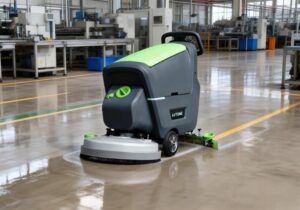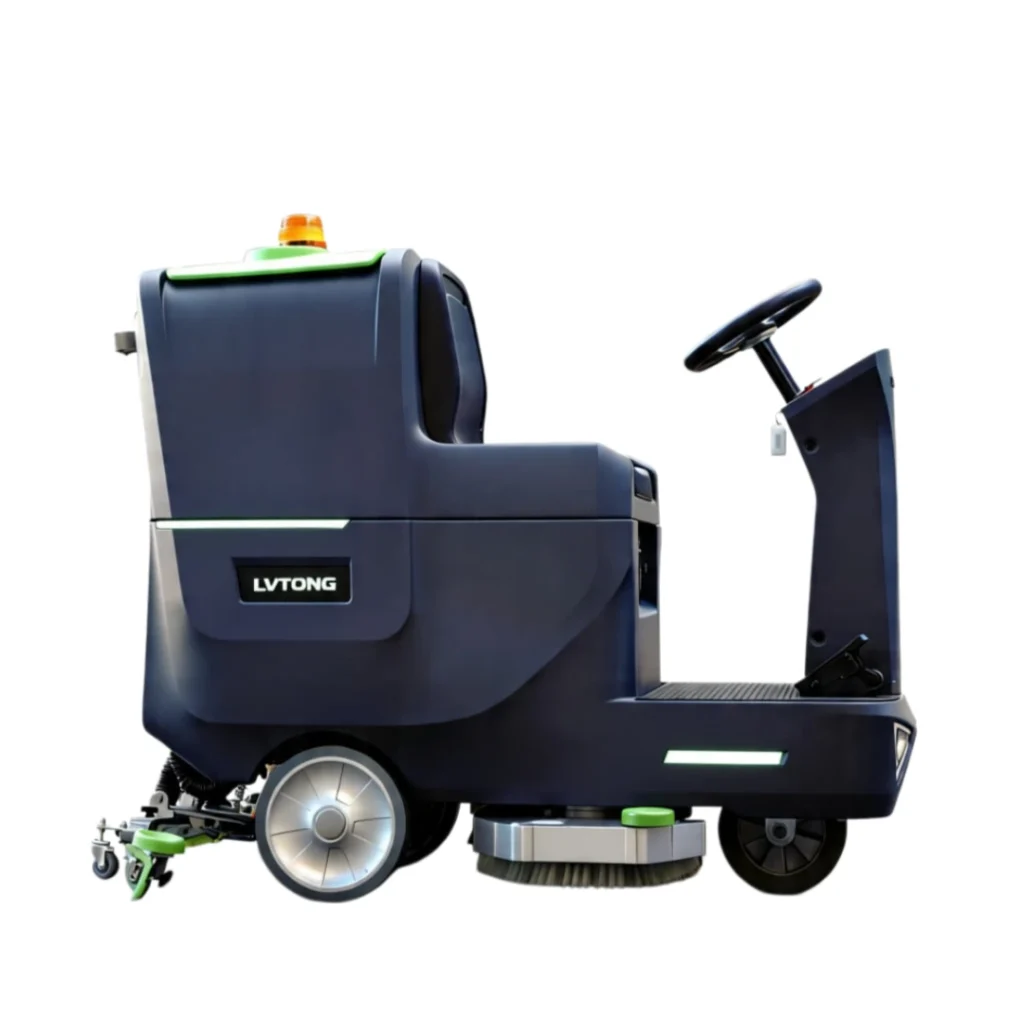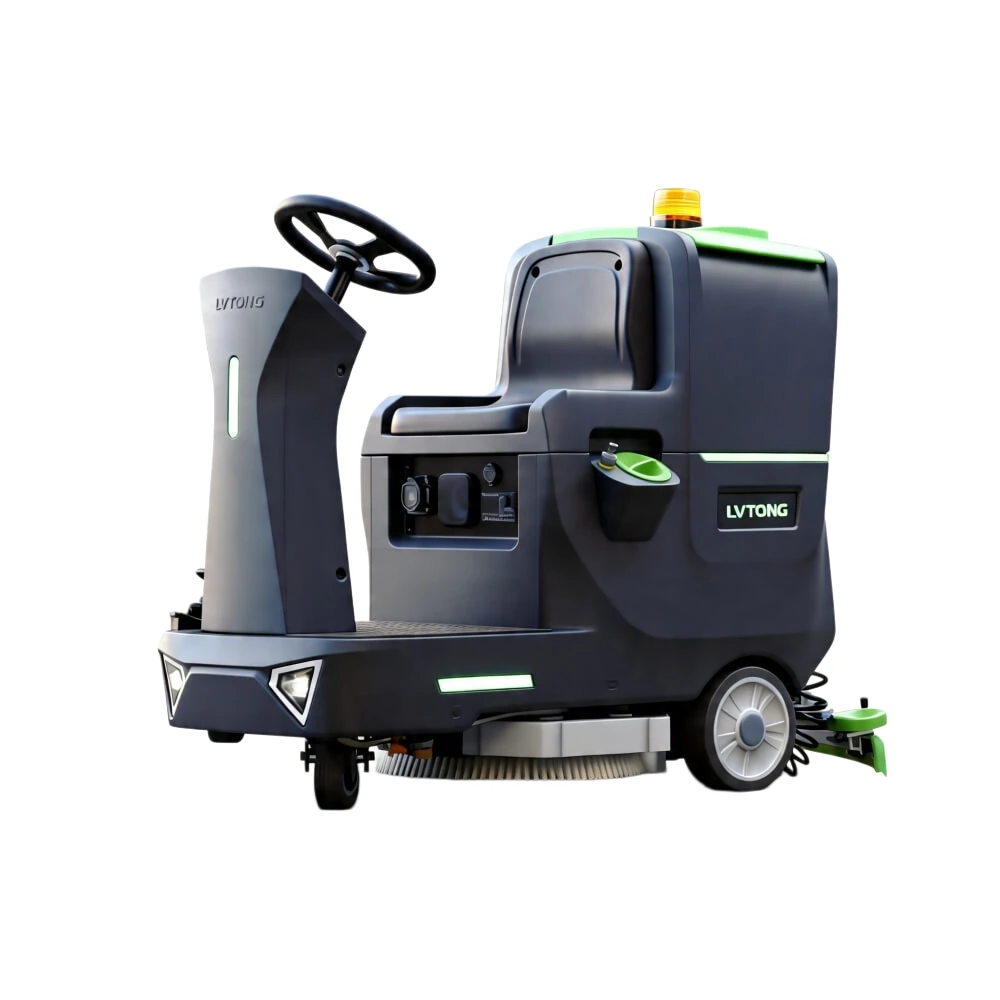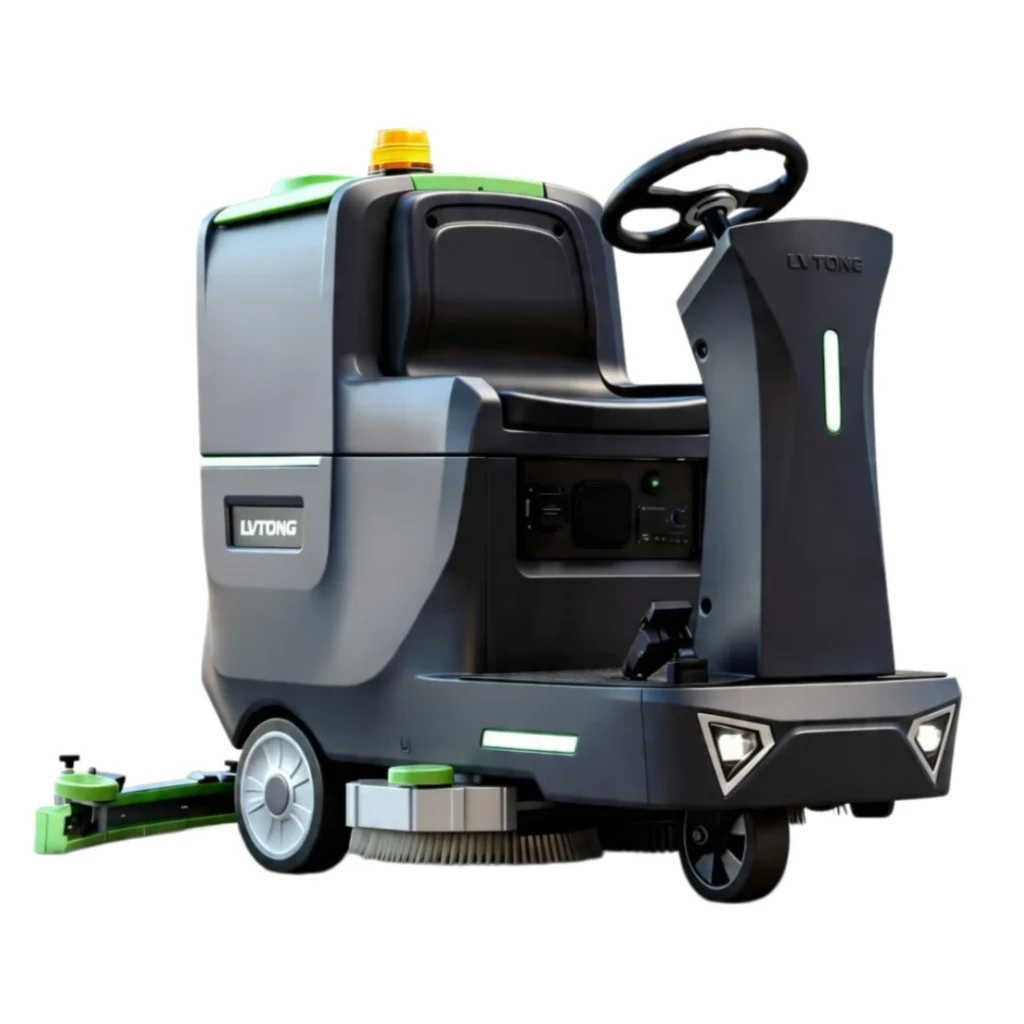
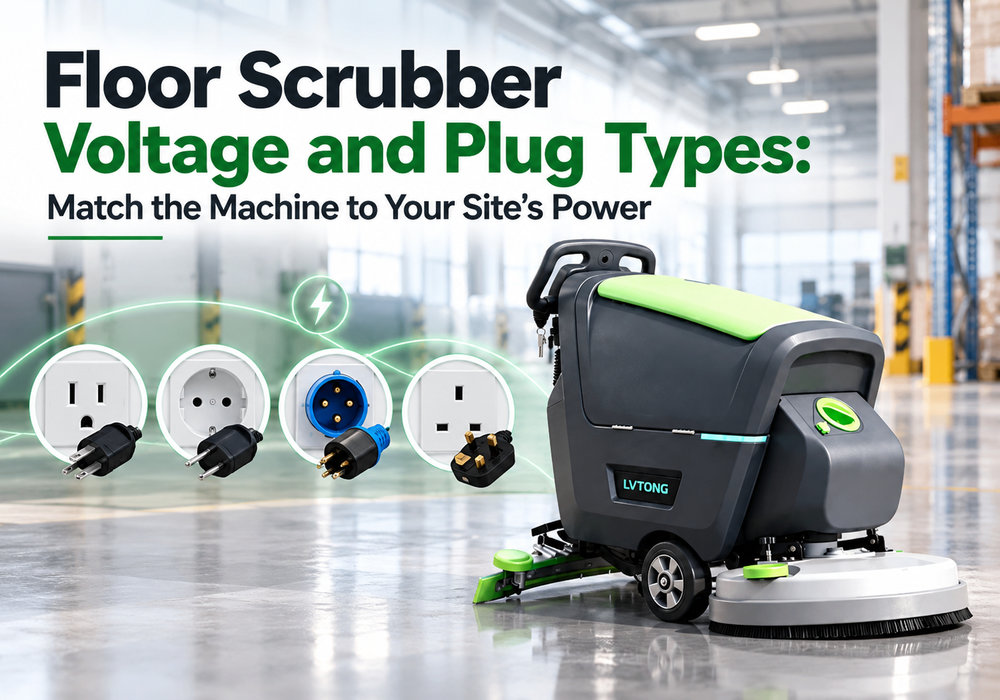
Bei LVTONG wählen wir für jede Baustelle die passende Scheuersaugmaschine oder Scheuersaugmaschine aus, abgestimmt auf die jeweiligen Reinigungsanforderungen. Ein Lager mit langen Epoxidharz-Gängen und eine Schule mit engen Fluren benötigen möglicherweise ähnliche Geräte, doch die Reinigungsabläufe unterscheiden sich. Wir prüfen, ob die Maschine den Reinigungsprozess vor Ort mit gleichmäßiger Reinigungsmittelzufuhr, mechanischer Scheuerwirkung, Schmutzwasserrückgewinnung, ausreichendem Tankvolumen, angemessener Akkulaufzeit, ausreichendem Wenderaum und akzeptablem Bedieneraufwand bewältigen kann. In der Praxis umfasst der Begriff „Scheuersaugmaschine“ oft verschiedene Hartbodenreinigungsverfahren. „Scheuersaugmaschine“ hingegen zeichnet sich in der Regel durch die gleichzeitige Zufuhr von Reinigungsmittel, Scheuerwirkung und Schmutzwasserrückgewinnung in einem Arbeitsgang aus. Da viele moderne Scheuersaugmaschinen diesen Prozess bereits beherrschen, überschneiden sich die Begriffe bei der Modellauswahl.
| Vergleichspunkt | Bodenschrubber | Auto-Scheuersaugmaschine |
|---|---|---|
| Begriffsverwendung | Umfasst Scheuersaugmaschinen für Hartböden in den Ausführungen handgeführt, aufsitzend und als Scheuersaugmaschine mit Trocknerfunktion. | Punkte für Ein-Pass-Waschen, motorbetriebenes Schrubben, Abzieheraufnahme und Schmutzwasserrückgewinnung. |
| Überlappen | Moderne Scheuersaugmaschinen können bereits auf demselben Weg Reinigungslösung abgeben, schrubben und das Abwasser zurückgewinnen. | Automatische Scheuersaugmaschinen werden oft in den Produktreihen für Bodenreinigungsmaschinen oder Scheuersaugtrockner aufgeführt. |
| Selektionsgrenze | Format, Scrub-Deck, Tanks, Laufzeit, Zugriff, Wiederherstellungsergebnis und Bedieneraufwand im Verhältnis zur zugewiesenen Arbeitslast. | Nachdem die Stromversorgung für die Reinigung und Rückgewinnung bestätigt wurde, entscheiden Routenanpassung, Tankkonfiguration, Laufzeit und Betriebskosten über die Eignung. |
Der Reinigungsprozess hinter Bodenreinigungsmaschinen und automatischen Scheuersaugmaschinen
Zwei Maschinen mit ähnlichen Leistungsdaten können sich auf demselben Boden unterschiedlich verhalten. Manche Modelle schrubben zwar effektiv, müssen aber häufiger nachgefüllt werden. Andere fördern das Schmutzwasser gleichmäßiger, benötigen aber mehr Wendefläche, einen besseren Zugang zum Abfluss oder eine leistungsstärkere Batterie. Sinnvoller Vergleich ist die Reinigungsleistung der Maschine auf dem jeweiligen Boden.
Lange Strecken mit wenigen Abflüssen werden oft durch die Tankkapazität und die Abwasserrückgewinnung verlangsamt, während enge Strecken durch Kurvenfahrten und Nacharbeiten an den Rändern Zeitverluste erleiden. Die richtige Scheuersaugmaschine oder automatische Scheuersaugmaschine sorgt für eine gleichmäßige Reinigung, sodass der Bediener die zugewiesene Zone ohne wiederholte Stopps oder manuelle Nacharbeiten abschließen kann.
Wenn beide Optionen bereits in einem Arbeitsgang Wasser reinigen und zurückgewinnen, ist die Konfiguration das nächste Kriterium. Kompakte Fahrwege mit Türen, Regalen, Ecken, Geräteabständen und kurzen Fahrstrecken eignen sich für Maschinen, bei denen die Reinigungsfläche nah am Bediener bleibt. Längere, offene Bereiche erfordern eine gleichmäßigere Bewegung, weniger Unterbrechungen und ausreichend Platz zum Wenden, Nachfüllen, Entleeren, Laden und Lagern.
Unser Sortiment an handgeführten Scheuersaugmaschinen Unterstützt die Reinigung in einem Arbeitsgang: Auftragen der Reinigungslösung, Schrubben des Bodens und Aufnehmen der verschmutzten Lösung während der Bewegung des Bedieners. Nutzen Sie diesen Prozess als Grundlage und vergleichen Sie anschließend Routenpassung, Bodenbeschaffenheit, Tankbedarf, Laufzeit und Rückgewinnungsbedarf.
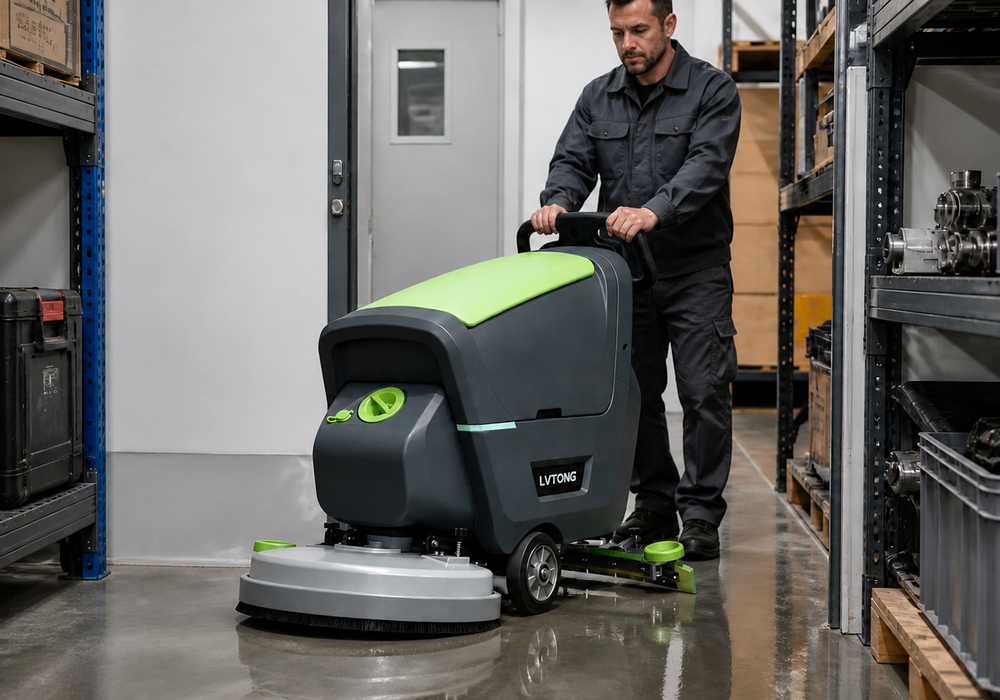
Reinigungsfläche, Gänge und Wendefläche bestimmen den Scheuersaugmaschinentyp
Die Streckenführung kann den Maschinentyp beeinflussen, noch bevor die Modellgröße entscheidend ist. In der Praxis ändert sich die Modellauswahl oft, nachdem der Käufer ein Foto der Strecke oder einen Grundriss übermittelt hat. Eine Aufsitz-Scheuersaugmaschine mag auf den ersten Blick flächenmäßig überlegen sein, verliert aber Zeit an Gangenden, Türübergängen, Abflussentfernungen oder beim Zugang zum Lager. Kompakte, handgeführte Geräte kommen besser in Ecken und Lücken zurecht, wenn ein Bediener mehrere separate Bereiche in einer Schicht reinigen muss.
Breitere Reinigungswege verbessern die Produktivität nur dann, wenn der Bediener in Bewegung bleiben kann. Wenn enge Gänge den Zugang einschränken, LT-S530X Schmalgangsszenario Unterstützt die Routenbestimmung für Regale, Produktionslinien und Gerätelücken.
| LVTONG-Modell | Maschinenformat | Verifizierte LVTONG-Daten und Quellenangabe | Streckenbeurteilung |
|---|---|---|---|
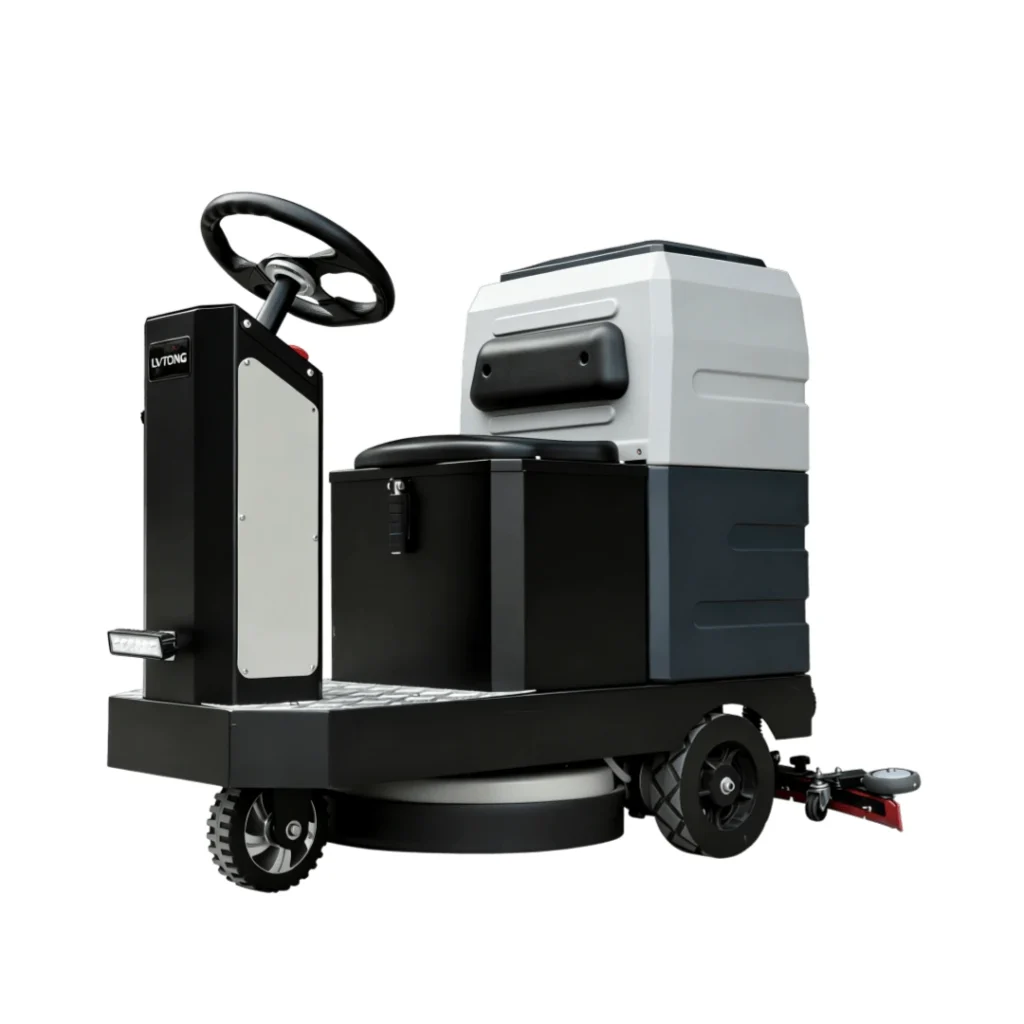
| Q5 Aufsitz-Scheuersaugmaschine | Selbstfahrende Scheuersaugmaschine | Die FAQ auf der Produktseite des Q5 geben ein Tankvolumen von 50 Litern und eine Reinigungsleistung von 1.980 m²/h an. Die Produktbeschreibung von LVTONG weist eine Anwendungsfläche von 500–2.000 m² und eine angegebene Breite von 510 mm aus. | Kompakte Geschäftsstraßen, Lebensmittelproduktionsbereiche, Werkstätten, Läden und unterteilte Räume, in denen Wenden, Zugang durch Türen und häufige Reinigungsintervalle wichtig sind. |
| LT-S530X Industrielle Scheuersaugmaschine | Industrielle handgeführte Scheuersaugmaschine | Die FAQ auf der Produktseite des LT-S530X nennen einen 62-Liter-Flüssiglösungstank bzw. einen 65-Liter-Schmutzwassertank sowie eine Reinigungsleistung von 2.100 m²/h. Für den Einsatz in schmalen Gängen werden eine Gehäusebreite von 50 cm und eine Gangbreite von 0,8 m angegeben. Auf der LVTONG-Homepage wird eine Scheuerbreite von 530 mm genannt, während in den Produktbeschreibungen ein Einsatzbereich von 1.000–4.000 m² und eine Kehrbreite von 550 mm angegeben werden. | Schmale Industriegänge, Produktionsspuren, Lücken zwischen Anlagen und Regalbereiche, wo es auf die Begehbarkeit ankommt, ohne den Zugang zu beeinträchtigen. |
| V6 Aufsitz-Scheuersaugmaschine | Aufsitz-Scheuersaugmaschine | Die technischen Daten der LVTONG Aufsitz-Scheuersaugmaschine geben einen 60-Liter-Frischwassertank, einen 55-Liter-Schmutzwassertank, eine Arbeitsleistung von 4.600 m²/h und eine Steigfähigkeit von 15% für V6 an. Ebenfalls angegeben sind eine Einsatzfläche von 2.000–4.000 m² und eine Arbeitsbreite von 1.050 mm. | Offene Industriewege, bei denen der breitere Reinigungsweg ausreichend Arbeitsraum bietet und die Bedienung im Sitzen die Ermüdung des Bedieners verringert. |
| LT-S860X Aufsitz-Scheuersaugmaschine | Aufsitz-Scheuersaugmaschine | Auf der LVTONG-Homepage werden für die LT-S860X eine Scheuerbreite von 860 mm, ein 130-Liter-Wassertank und eine Arbeitsleistung von 6.800 m²/h angegeben. Die Produktdaten der LVTONG-Aufsitz-Scheuersaugmaschine nennen einen 130-Liter-Frischwassertank, einen 135-Liter-Schmutzwassertank, eine Arbeitsleistung von 6.800 m²/h und eine Scheuerbreite von 860 mm. Ebenfalls angegeben sind eine geeignete Fläche von 10.000–15.000 m² und eine Scheuerbreite von 860 mm. | Größere, offene Strecken mit ausreichendem Wenderaum, Stauraum, Zugang zu Abflüssen und Schichtbedarf für einen gleichmäßigen Fahrbetrieb. |
Wenn die Hauptzone ein gleichmäßiges Vorankommen mit dem Aufsitz-Scheuersauggerät zulässt, sollte sie im Vergleich mit einem Aufsitz-Scheuersauggerät berücksichtigt werden. Enge Seitenzonen bleiben im Vergleich mit einem handgeführten Scheuersauggerät, da ausgelassene Kanten, häufiges Rückwärtsfahren und manuelle Nachbearbeitung den Vorteil einer breiteren Maschine zunichtemachen können. In gemischten Anlagen ist es oft sinnvoller, auf der Hauptstrecke ein Aufsitz-Scheuersauggerät und in den Seitenzonen eine kompakte handgeführte Scheuersaugmaschine einzusetzen.
Vergleichen Sie die Vorlaufkosten mit Arbeitsaufwand, Produktivität und Wasserrückgewinnung.
Selbstfahrende Scheuersaugmaschinen sind in der Anschaffung günstiger und benötigen weniger Lagerplatz. Sie eignen sich besonders für kürzere Strecken mit Hartböden, Regalen, Theken, Produktionsanlagen, Wandkanten und häufigen Kurven. Auf langen, offenen Strecken können die Kosten steigen, da der Bediener die gesamte Strecke zurücklegen und häufiger anhalten muss, um Tanks aufzufüllen, den Akku zu leeren oder die Zone zu wechseln.
Aufsitz-Scheuersaugmaschinen sind in der Anschaffung teurer, reduzieren aber die Laufwege des Bedieners auf längeren Strecken. Die Kosten werden deutlicher, wenn man die Strecke in Zeit umrechnet. Berücksichtigen Sie für eine Schicht die bezahlte Laufzeit, Nachfüll- und Entleerungsstopps, Unterbrechungen durch Akku- oder Ladevorgänge, Wischarbeiten und die Verzögerung bei der Wiedereröffnung. Multiplizieren Sie diese Zeit mit der Reinigungsfrequenz und den Lohnkosten. Die Maschine mit den niedrigsten Gesamtbetriebskosten ist diejenige, die diese Streckenunterbrechungen nach der Inbetriebnahme reduziert, selbst wenn ihr Anschaffungspreis höher ist.
Auf dem V6 Aufsitz-Scheuersaugmaschine Auf der Seite wird ein Szenario für eine 10.000 m² große Lagerhalle mit Epoxidharzboden vorgestellt, in der zwei V6-Scheuersaugmaschinen zur Entfernung von Gabelstaplerreifenspuren und Staub eingesetzt wurden. Die Seite berichtet von einer Steigerung der Reinigungseffizienz um 501 TP3T, einer Reduzierung der Arbeitskosten um 601 TP3T und einer Verkürzung der Reinigungszeit um 2 Stunden. Diese Ergebnisse beziehen sich auf das beschriebene Szenario und unterstreichen eine wichtige praktische Erkenntnis: Fahrzeit und Arbeitskosten müssen in die Kostenkalkulation einbezogen werden, bevor der Kaufpreis die Maschinenauswahl bestimmt.
Die Wasserrückgewinnung beeinflusst auch die tatsächlichen Kosten. Eine unzureichende Rückgewinnung hinterlässt nasse Streifen, verzögert die Wiedereröffnung, erfordert Nachreinigungsarbeiten und beeinträchtigt die Sicherheit von Fußgängern in öffentlichen Bereichen oder Produktionsstätten. Für US-amerikanische Betriebe gilt: OSHA-Standard für begehbare Arbeitsflächen Es ist erforderlich, dass die Böden in den Arbeitsräumen sauber und, soweit möglich, trocken gehalten werden und dass die Arbeitsflächen frei von Gefahren wie Leckagen und verschütteten Flüssigkeiten sind. Dies ersetzt nicht die lokalen Sicherheitsvorschriften anderer Märkte, verdeutlicht aber, warum die Rückgewinnungsleistung in dieselbe Kostenanalyse wie Arbeitskosten, Produktivität und Anschaffungspreis einbezogen werden sollte.
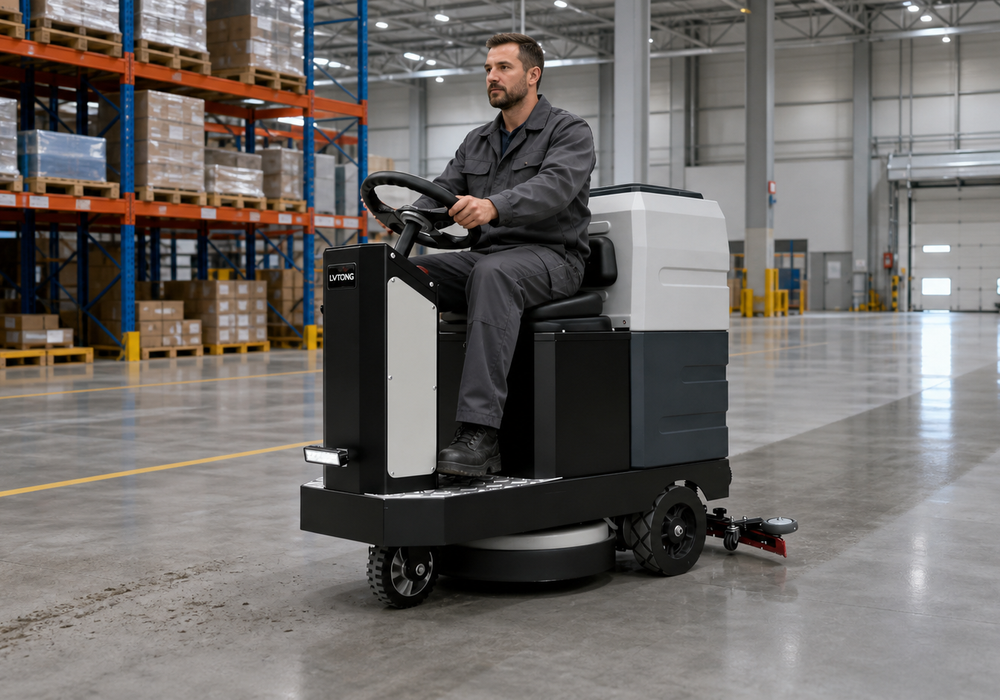
Passen Sie die Scheuerbürste und den Reinigungsprozess an Verschmutzungsgrad und Bodenoberfläche an.
Bodenmaterial und Verschmutzungsart beeinflussen die Wahl der Scheuersaugmaschine stärker als die Maschinengröße. Epoxidstaub, öliger Beton, Keramikfliesen, Marmor, Reifenspuren in Lagerhallen und rutschfeste Fliesen erfordern unterschiedliche Bürstendrücke, Wasserdurchflussmengen, Reinigungsmittel, Bedienergeschwindigkeiten und Einstellungen zur Rückgewinnung.
| Boden / Erde | Reinigungsprozess | Modellreferenz | Standortprüfungen |
|---|---|---|---|
| Zement, Keramikfliesen, Epoxidharzböden und Marmor mit normaler Verschmutzung | Scheibenbürste, gleichmäßige Wasserabgabe, Abstreiferaufnahme und regelmäßige Abwasserrückgewinnung | Q5 Aufsitz-Scheuersaugmaschine | Fotos vom Boden; Reinigungshäufigkeit; Gangbreite |
| Epoxidharzböden, Zementböden, verschleißfeste Bodenbeläge, rutschfeste Fliesen, Keramikfliesen und Marmor in engen Industriestraßen | Stärkere Reinigungsleistung durch Handfahrzeuge, stabilere Wiederherstellung und bessere Durchfahrtsmöglichkeiten durch engere Fahrspuren | LT-S530X Industrielle Scheuersaugmaschine | Engster Gang; Gerätelücken; Bedarf an Auffangbehältern |
| Gabelstaplerreifenspuren, Öl, Fett und anhaftender Schmutz | Bürstenwahl, Reinigungsmittel, Wassermenge, Einwirkzeit, Bedienergeschwindigkeit und Erholungseinstellung | V6 Aufsitz-Scheuersaugmaschine | Fotos der Ölverschmutzung; Reifenspurentiefe; lose Trümmer |
| Lange, offene Industriehallen mit Staub, Öl und Fahrzeugverkehr | Mitfahrstrecke, kontinuierliche Bewegung, Erholungsleistung und Schichtplan | LT-S860X Aufsitz-Scheuersaugmaschine | Wendefreiheit; Zugang zum Abfluss; Reinigungsfenster |
Auf Industriegeländen müssen lose Verpackungsabfälle, Steine, grobe Trümmer und Metallfragmente vor Beginn der Nassreinigung überprüft werden. Diese Vor-Ort-Prüfungen dienen der Bestätigung von Scheuerdeck, Wasserdurchfluss, Reinigungsmittel, Rückgewinnungseinstellung und Routenführung, bevor eine Maschine empfohlen wird.
Je nach Streckenlänge und Schaltdruck zwischen Hand- und Aufsitzmäher wählen.
Kurze, kurvenreiche Routen begünstigen eine enge Kontrolle. Lange, offene Routen mit wenig Zeit zum Reinigen begünstigen eine gleichmäßige Bewegung.
- Die Streckenlänge allein bestimmt nicht das Format. Gemischte Anlagen kombinieren oft eine lange Hauptstraße mit kleinen Räumen, Seitengängen, Eingängen und Produktionsbereichen. Die Hauptstraße eignet sich für eine Aufsitz-Scheuersaugmaschine, während in unterteilten Bereichen weiterhin eine handgeführte Scheuersaugmaschine zum Einsatz kommt.
- Aufsitz-Scheuersaugmaschinen verlieren ihren Vorteil, wenn der Bediener keine gleichmäßige Reinigungslinie halten kann. Häufiges Durchfahren von Türen, enge Gänge, geparkte Geräte, blockierte Ecken, Aufzugsnutzung und eingeschränkter Zugang zu Abflüssen können eine größere Maschine langsamer machen als erwartet. Eine kompakte, handgeführte Scheuersaugmaschine eignet sich besser, wenn Zugänglichkeit und Kantenreinigung wichtiger sind als die Fahrgeschwindigkeit im Sitzen.
- Der Schichtbetrieb beeinflusst die Wahl des Reinigungssystems, insbesondere wann die Reinigung vor Öffnung, Produktionswiederaufnahme oder Wiederaufnahme des Betriebs abgeschlossen sein muss. Ein kurzes Zeitfenster begünstigt das System, das die zugewiesene Zone mit möglichst wenigen Unterbrechungen reinigt, und nicht unbedingt die größere Maschine. In gemischten Anlagen sollten die Zonen separat zugewiesen werden: Aufsitz-Scheuersaugmaschinen für lange, offene Fahrspuren und handgeführte Scheuersaugmaschinen für Eingänge, enge Gänge, Ecken und abgetrennte Räume.
Der LT-S860X Beispiel für den Frachtbereich des Flughafens Guangzhou Die Angaben dienen als Orientierungshilfe für die Streckenführung, sind aber kein allgemeingültiges Produktivitätsversprechen. Vergleichen Sie bei einem neuen Standort die Länge der ununterbrochenen Fahrt, die Erreichbarkeit von Be- und Entleerungsstationen, die Verkehrsführung, die Parkmöglichkeiten und das Ladekonzept, bevor Sie einen Aufsitz-Scheuersaugbagger als bessere Wahl betrachten.
Häufige Fehler beim Vergleich von Scheuersaugmaschinen und automatischen Scheuersaugmaschinen
Die meisten Mängel zeigen sich nach der ersten Woche durch zusätzliche Umdrehungen, Nachfüllstopps, nasse Streifen, ausgelassene Kanten oder manuelle Nachbesserungen. Für eine Angebotserstellung ist ein klarer Tagesablauf mit Zugangspunkten, Wiederherstellungsergebnissen, Schmutzbelastung und Wartungsplan hilfreich.
- Die Größe ist für die Strecke ungeeignet. Eine kompakte Scheuersaugmaschine kann auf langen, offenen Strecken an Effizienz verlieren, während eine übergroße Aufsitz-Scheuersaugmaschine in engen Bereichen langsamer wird. Planen Sie die tägliche Route, die engste Stelle, den Wendebereich, die Befüll- und Entleerungsstelle sowie die Einfahrt zum Lagerplatz sorgfältig ein, bevor Sie handgeführte oder aufsitzbare Scheuersaugmaschinen vergleichen.
- Reinigungsbreite ohne Zugang. Ein breiterer Reinigungsweg verbessert die Leistung nur dann, wenn die Maschine passieren, wenden, Wasser zurückgewinnen und in Bewegung bleiben kann. Türöffnungen, Gangenden, Wendepunkte und nasse Streifen nach der Wasserrückgewinnung liefern ein klareres Bild der Produktivität als die Breite allein.
- Lose Verschmutzungen sollten vor der Nassreinigung entfernt werden. Öl, Fett, Reifenspuren, Metallspäne, Steine und Verpackungsabfälle erfordern unterschiedliche Reinigungsschritte. Ungeeignete lose Verschmutzungen müssen vor der Nassreinigung entfernt werden. Bei Strecken mit häufigem trockenem Schmutz empfiehlt sich ein Vorkehren, bevor die Scheuersaugmaschine eingesetzt wird.
- Die Wartungskosten wurden nicht berücksichtigt. Bürstenscheiben, Pads, Abstreiferklingen, Schläuche, Filter, Batterien, Ladegeräte und Abflussleitungen beeinflussen die tägliche Verfügbarkeit. Die Q5-Seite Zu den täglichen Wartungsmaßnahmen gehören die Reinigung der Bürstenscheibe, das Entleeren des Abwassertanks und die Überprüfung von Batterie und Filter. Der Austausch von Bürstenscheibe und Saugabstreifer hängt von der Nutzungshäufigkeit und den Bodenverhältnissen ab.
Was Sie vor der Angebotsanfrage senden sollten
Bevor wir eine Scheuersaugmaschine oder eine automatische Scheuersaugmaschine empfehlen, prüft unser Team die Route, den Zustand des Bodens, das Reinigungsfenster, den Wasserzugang und die örtlichen Gegebenheiten.
| Zu sendende Informationen | Was sollte man einbeziehen? | Warum es für die Auswahl wichtig ist |
|---|---|---|
| Route und Gebiet | Reinigungsfläche pro Schicht, schmalster Gang, Türbreite, Wendefläche, Rampen, Aufzüge und Lagereingang | Prüft, ob eine handgeführte oder eine Aufsitz-Scheuersaugmaschine die Strecke ohne Zeitverlust passieren kann. |
| Boden und Erde | Bodenmaterial, Hauptbodenart, Reifenspuren, Ölflecken, Staubablagerungen, Fugen, Bodenschäden, lose Ablagerungen und Fotos von schwer zu reinigenden Bereichen | Anleitungen zu Scheuerdeck, Wasserdurchfluss, Reinigungsmittel, Rückgewinnungseinstellung und Reinigungsprozess. |
| Reinigungsplan und Arbeitskräfte | Reinigungshäufigkeit, verfügbares Reinigungsfenster, aktuelle Personalstruktur, Anzahl der Reinigungskräfte und ob die Reinigung während der Kunden- oder Produktionszeiten erfolgt | Zeigt, ob eine höhere Produktivität eine größere Maschine und höhere Anschaffungskosten rechtfertigt. |
| Wasser, Aufladung und Entsorgung | Ladestation, Zugang zu sauberem Wasser, Nachfüllstellen, Ablassstellen, Abwasserentsorgungsbereich und Lagerfläche | Identifiziert Nachfüll-, Entleerungs-, Lade- und Lagerpunkte, die den Reinigungsablauf verlangsamen. |
| Website-Beschränkungen | Lärmgrenzwerte, Anforderungen an trockene Böden, Vorschriften für die Lebensmittelverarbeitung, Grenzwerte für die Innenraumluft, Chemikalienbeschränkungen, Rampen, Verkehrsregelung und Bereiche, die die Maschine nicht betreten darf. | Filtert vor der Modellauswahl Konfigurationen heraus, die die Standortbeschränkungen nicht erfüllen können. |
Bei LVTONG nutzen wir diese Details, um die Route, den Bodenzustand und die Wiederherstellungsanforderungen mit unseren Lösungen abzugleichen. gewerbliche und industrielle Bodenreinigungsmaschinen, Dann empfehlen wir Ihnen ein passendes Modell wie beispielsweise Q5, LT-S530X, V6 oder LT-S860X.
Häufig gestellte Fragen
Ist eine Scheuersaugmaschine dasselbe wie eine Bodenschrubbmaschine?
In vielen Kaufgesprächen werden die beiden Begriffe synonym verwendet. Scheuersaugmaschine ist der Oberbegriff für Maschinen zur Reinigung von Hartböden. Automatische Scheuersaugmaschine hingegen betont einen integrierten Prozess, bei dem die Zufuhr von Reinigungsmittel, die mechanische Reinigung und die Schmutzwasserrückgewinnung in einem Arbeitsgang erfolgen. Vergleichen Sie bei der Auswahl das Scheuerdeck, die Reinigungsmittel- und Schmutzwassertanks, die Akkulaufzeit, die Abwasseraufnahme und die Bedienerfreundlichkeit.
Ist ein handgeführtes Gerät nach dem Kauf einer Aufsitz-Scheuersaugmaschine noch sinnvoll?
Ja, wenn die Anlage sowohl offene Fahrspuren als auch unterteilte Bereiche aufweist. Eine Aufsitz-Scheuersaugmaschine kann die Hauptroute bearbeiten, während eine handgeführte Scheuersaugmaschine um Türen, Ecken, kleine Räume, Regale, Produktionsanlagen und enge Gänge herumarbeitet. Durch diese Aufteilung der Route werden erzwungene Wendemanöver, nicht gereinigte Kanten und manuelle Nacharbeiten reduziert.
Welche Fotos vom Gelände machen das Angebot genauer?
Bitte senden Sie Fotos von engsten Gängen, Türen, Wendepunkten, Rampen, Abflüssen, Nachfüllstationen, Ladebereichen, Lagerzufahrten, Reifenspuren, Ölflecken, Staubablagerungen, Bodenschäden und Bereichen, in denen die aktuelle Reinigungsmethode Wasser oder Schmutz zurücklässt. Diese Fotos verdeutlichen die Zugangsbeschränkungen, den Reinigungsaufwand und die Wahl des geeigneten Scheuerdecks vor der Angebotserstellung.
Wie oft werden Scheuerbürsten und Abzieherblätter ausgetauscht?
Die FAQ zum Q5-Produkt geben 3–6 Monate als allgemeines Wechselintervall für Bürstenscheibe und Saugschaber an. Die tatsächliche Wechseldauer hängt jedoch von der Nutzungshäufigkeit und den Bodenverhältnissen ab. Lange Strecken, raue Böden, starke Verschmutzung und eine weniger intensive tägliche Reinigung können den Wechselzyklus verkürzen.
Abschluss
Die richtige Scheuersaugmaschine ist diejenige, mit der der Bediener die gesamte Strecke innerhalb einer Schicht sauber erledigen kann, mit stabiler Nachbearbeitung und akzeptablen Nachbesserungsarbeiten.
Auf engstem Raum oder geteilten Strecken bleiben handgeführte Geräte näher am Arbeitsbereich. Aufsitzgeräte eignen sich für lange, offene Fahrspuren mit ausreichend Platz zum Wenden, Befüllen, Entleeren, Parken und Laden.
Bei LVTONG prüft unser Team Ihre Routenplanung, Fotos der Böden, die Wasserversorgung und die Reinigungsmöglichkeiten, bevor wir Ihnen eine geeignete Scheuersaugmaschine oder einen automatischen Scheuersaugautomaten empfehlen. Senden Sie uns Ihre Standortdetails über unser Kontaktseite für ein Angebot, das auf den tatsächlichen Arbeitsaufwand abgestimmt ist.