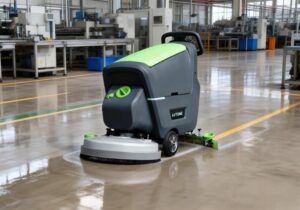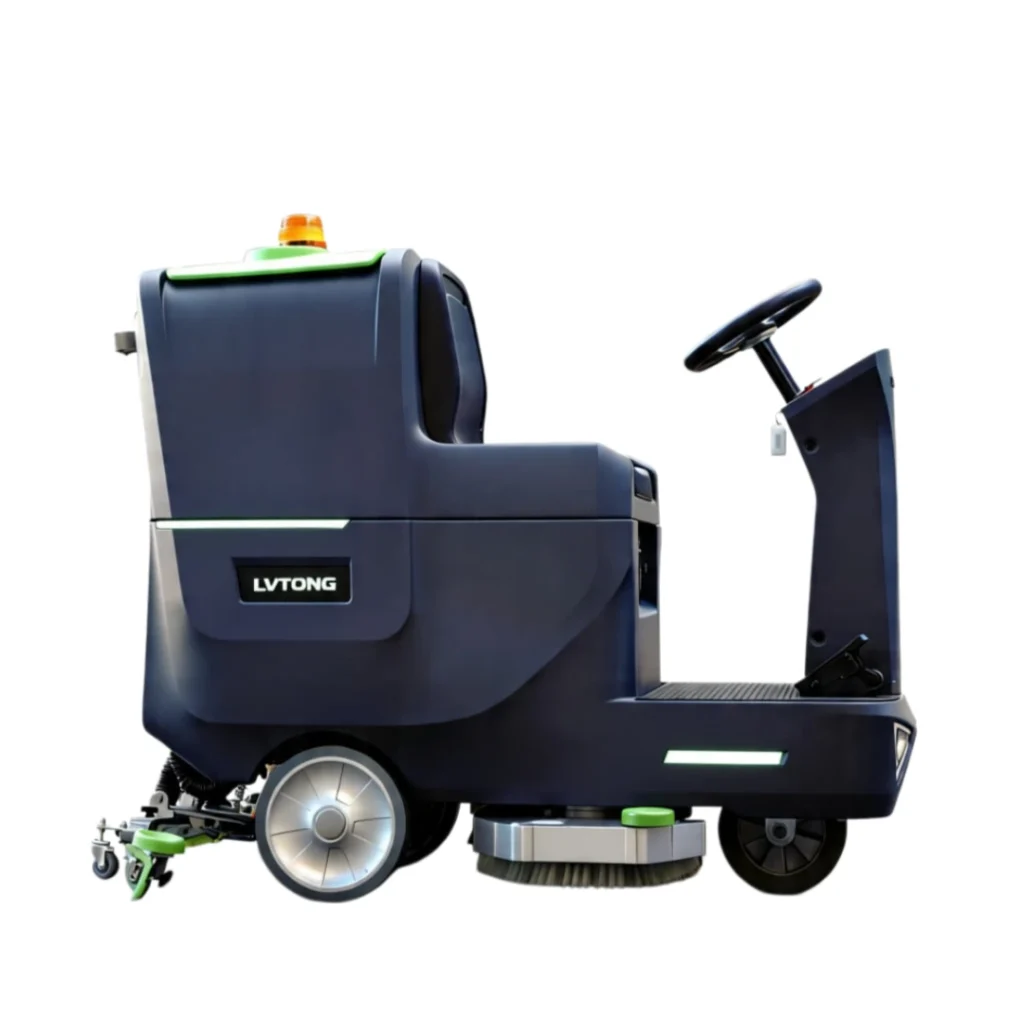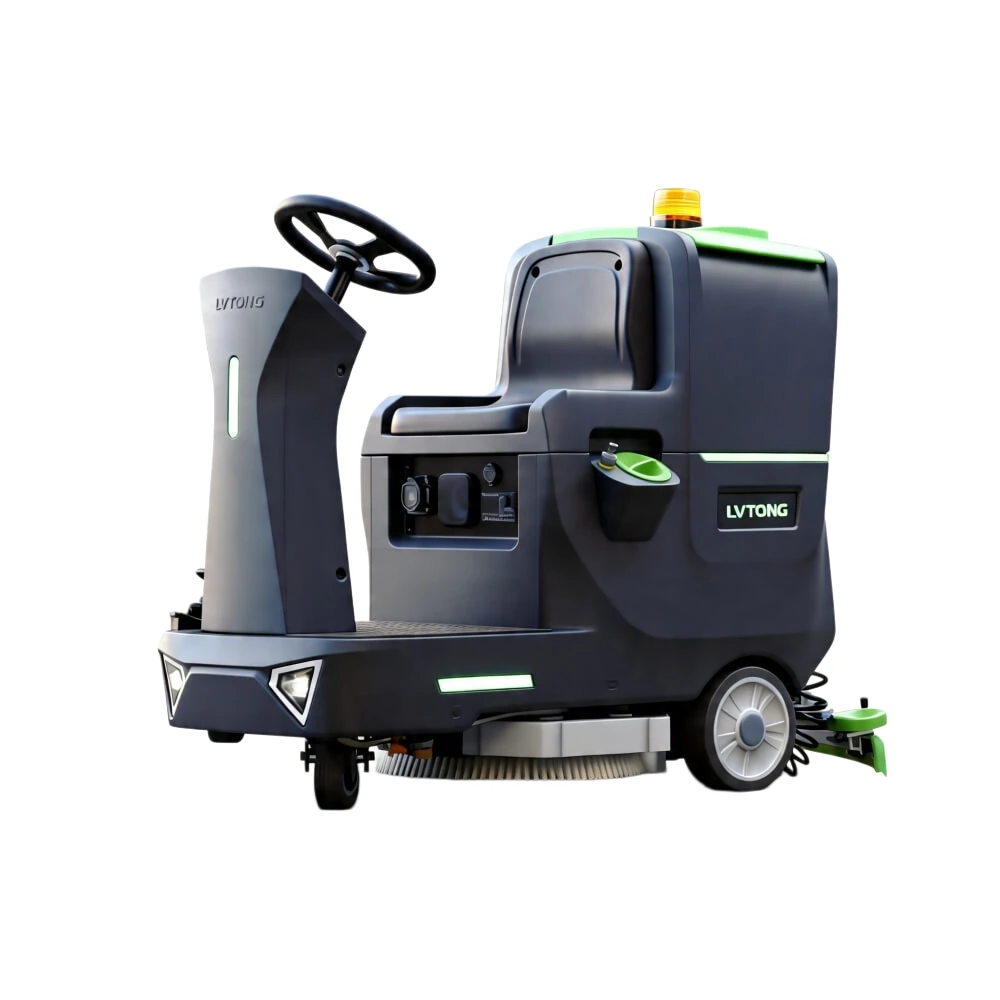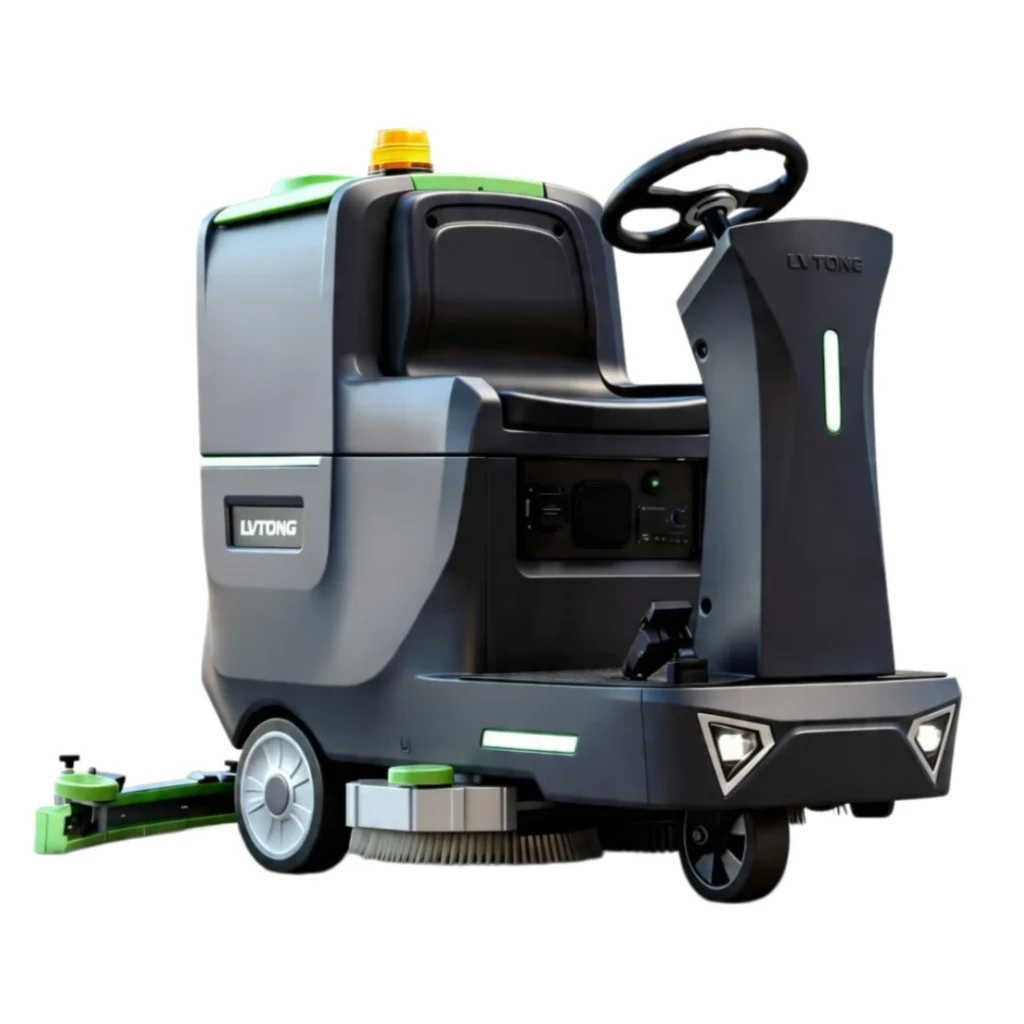
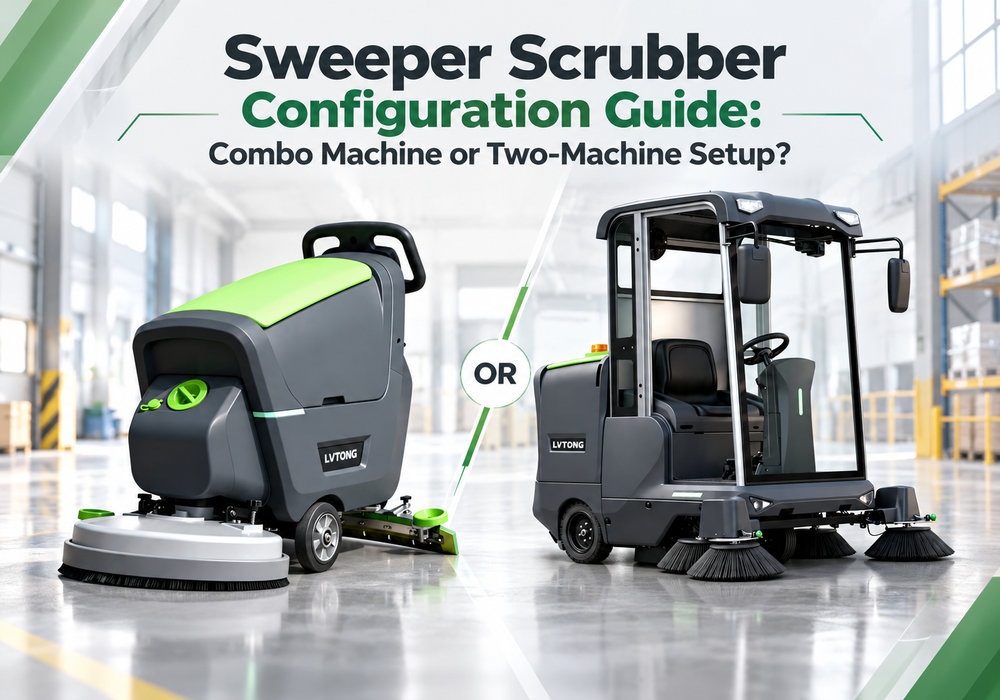
Eine Scheuersaugmaschine ist eine gewerbliche Reinigungsmaschine, die mithilfe von Sensoren, Kartierung und autonomer Navigation Böden schrubbt, wäscht, Schmutzwasser auffängt und diese mit minimalem manuellem Eingriff reinigt. Für Einzelhandelsgeschäfte, Lagerhallen, Einkaufszentren, Krankenhäuser, Schulen, Logistikzentren und andere Einrichtungen mit regelmäßig anfallenden Reinigungsrouten können Scheuersaugmaschinen den Personalaufwand reduzieren, die Reinigungsqualität verbessern und eine sicherere Bodenpflege ermöglichen.
Die Wahl des richtigen Modells hängt nicht nur von Maschinengröße und Preis ab. Käufer sollten die Raumaufteilung, den Bodentyp, die Reinigungsroute, die Hindernisdichte, die Akkulaufzeit, das Tankvolumen, das Bürstensystem, die Wasserrückgewinnungsleistung, die Sicherheitssensoren, die Kartierungsfunktion, die Fernüberwachung und den langfristigen Kundendienst vergleichen. Dieser Leitfaden erklärt, wie Sie eine Scheuersaugmaschine für Einzelhandelsgeschäfte, Lagerhallen und Einrichtungen mit unterschiedlichen Bodentypen auswählen.
Wichtigste Erkenntnisse
- Einzelhandelsgeschäfte sollten der Hinderniserkennung, dem geräuscharmen Betrieb und der Sicherheit von Fußgängern Priorität einräumen.
- Lagerhäuser sollten Laufzeit, Tankkapazität, Navigationsstabilität und Routenplanung priorisieren.
- Anlagen mit unterschiedlichen Bodentypen sollten den Fokus auf die Kompatibilität des Bürstensystems und die Wasserrückgewinnungsleistung legen.
- Der beste Scheuersaugroboter ist derjenige, der zu Ihrer Reinigungsroute, den Bodenverhältnissen und Ihren Betriebszielen passt.
- Der ROI ist typischerweise am höchsten in Einrichtungen mit vorhersehbaren und wiederholbaren Reinigungsplänen.
Kurzantwort: So wählen Sie einen Scheuersaugroboter aus
Um den passenden Scheuersaugroboter auszuwählen, sollten Sie zunächst die Raumaufteilung und die Bodenarten berücksichtigen. Im Einzelhandel sind folgende Aspekte besonders wichtig: Fußgängersicherheit, Hinderniserkennung, geräuscharmer Betrieb, kompakte Manövrierfähigkeit und sichere Reinigung um Regale, Auslagen und Kassenbereiche. In Lagerhallen sollten Sie lange Laufzeiten, Routenplanung, ein großes Tankvolumen, zuverlässige Navigation und Fernüberwachung priorisieren. Bei verschiedenen Bodenarten vergleichen Sie Bürstensysteme, Bürstendruck, Wasserrückgewinnung und Kompatibilität mit Fliesen, versiegeltem Beton, Epoxidharz, Vinyl, Terrazzo und strukturierten Böden.
Ein guter Scheuersaugroboter sollte auf Ihre tägliche Reinigungsroute abgestimmt sein, nicht nur auf die Gesamtfläche. Die beste Wahl ist die Maschine, die die erforderliche Reinigungsfläche sicher, zuverlässig und mit minimalen Ausfallzeiten bewältigt. Zu den typischen Anwendern von Scheuersaugrobotern zählen Facility Manager, Lagerbetreiber, Einzelhandelsketten, Flughafen-Wartungsteams, Gesundheitseinrichtungen, Bildungseinrichtungen, Logistikdienstleister, gewerbliche Reinigungsunternehmen und Hausverwaltungen.
Robotergestützte vs. automatische vs. autonome Bodenreinigungsmaschinen
Viele Käufer verwenden die Begriffe automatische, robotergestützte und autonome Scheuersaugmaschine synonym, doch sie bezeichnen nicht immer dasselbe. Eine automatische Scheuersaugmaschine benötigt unter Umständen noch einen menschlichen Bediener, während eine robotergestützte oder autonome Scheuersaugmaschine mithilfe von Sensoren, Kartierung und Routenplanung vordefinierte Bereiche mit minimalem manuellem Eingriff reinigt.
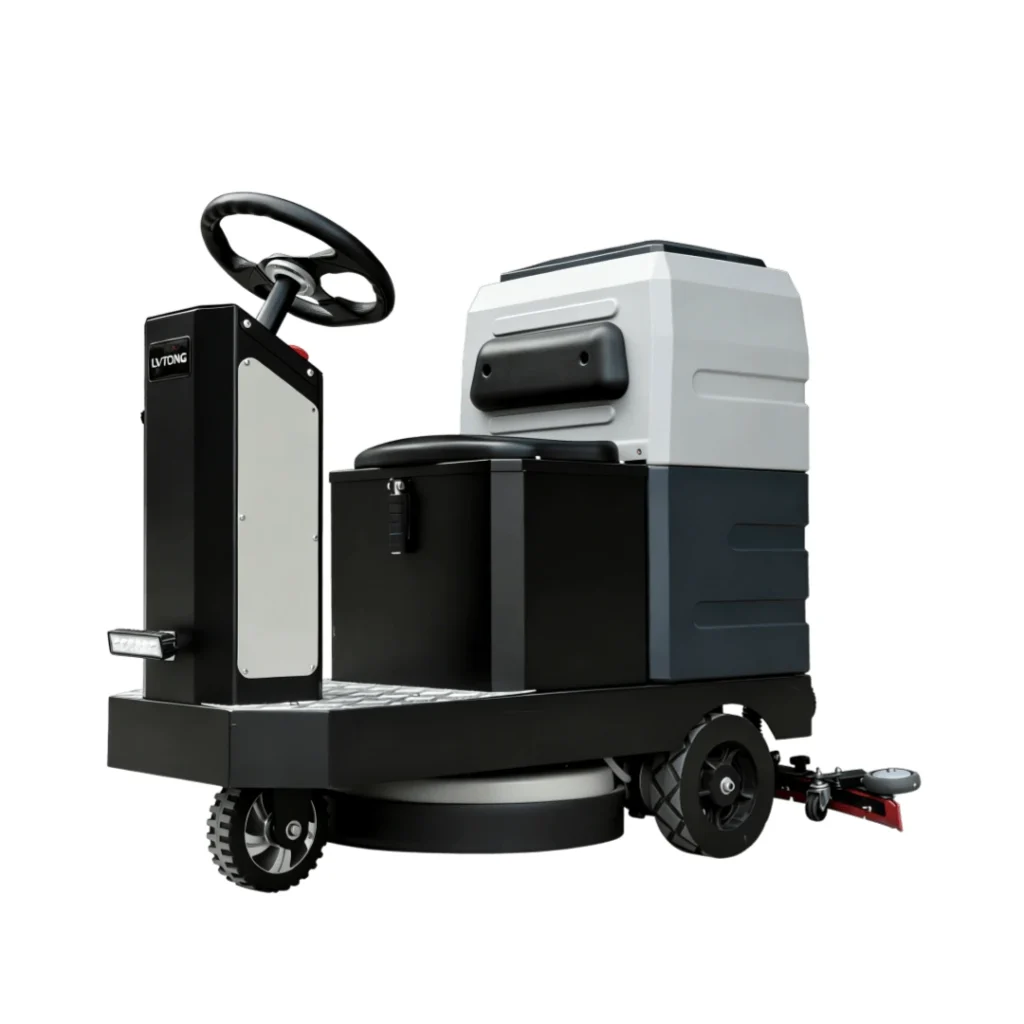
Aufsitz-Scheuersaugmaschinen

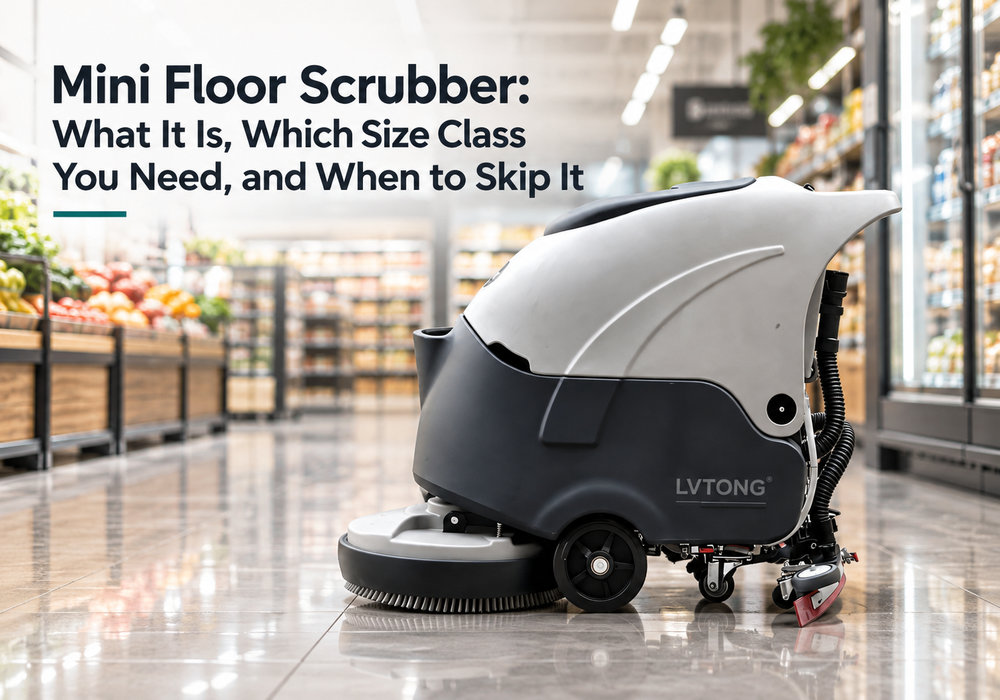
Automatische und handgeführte Scheuersaugmaschinen sind nach wie vor für kleine und mittelgroße Flächen nützlich, stehen aber nicht im Mittelpunkt dieses Leitfadens. Eine handgeführte Scheuersaugmaschine erfordert in der Regel die ständige Kontrolle durch einen Bediener und eignet sich daher für schmale Gänge, kleine Räume, Schulen, Kliniken und Einzelhandelsgeschäfte mit begrenzten Reinigungsrouten. Benötigt eine Einrichtung jedoch wiederholbare Routen, eine geringere Abhängigkeit von Personal und ein intelligenteres Reinigungsmanagement, kann eine robotergestützte Scheuersaugmaschine langfristig die bessere Lösung sein.
Aufsitz-Scheuersaugmaschinen

Automatische Aufsitz-Scheuersaugmaschinen eignen sich für große, offene Flächen wie Lagerhallen, Fabriken, Logistikzentren und Einkaufszentren. Sie steigern die Produktivität im Vergleich zu handgeführten Maschinen, benötigen aber weiterhin einen Bediener während der Reinigung. In Einrichtungen mit planbaren Reinigungsrouten und Personalmangel kann eine robotergestützte oder autonome Scheuersaugmaschine den manuellen Mehraufwand weiter reduzieren und gleichzeitig für gleichmäßigere Reinigungsergebnisse sorgen.
Eine Aufsitz-Scheuersaugmaschine kann nach wie vor die bessere Wahl sein, wenn sich die Umgebungsbedingungen häufig ändern, eine manuelle Steuerung erforderlich ist oder die Reinigungsaufgaben unregelmäßig anfallen. Ein Scheuersaugroboter eignet sich in der Regel besser für wiederkehrende Routen, öffentliche Bereiche, Verkaufsflächen und Lagerhallen, die kartiert und nach einem Reinigungsplan gereinigt werden können.
Robotergestützte und autonome Scheuersaugmaschinen
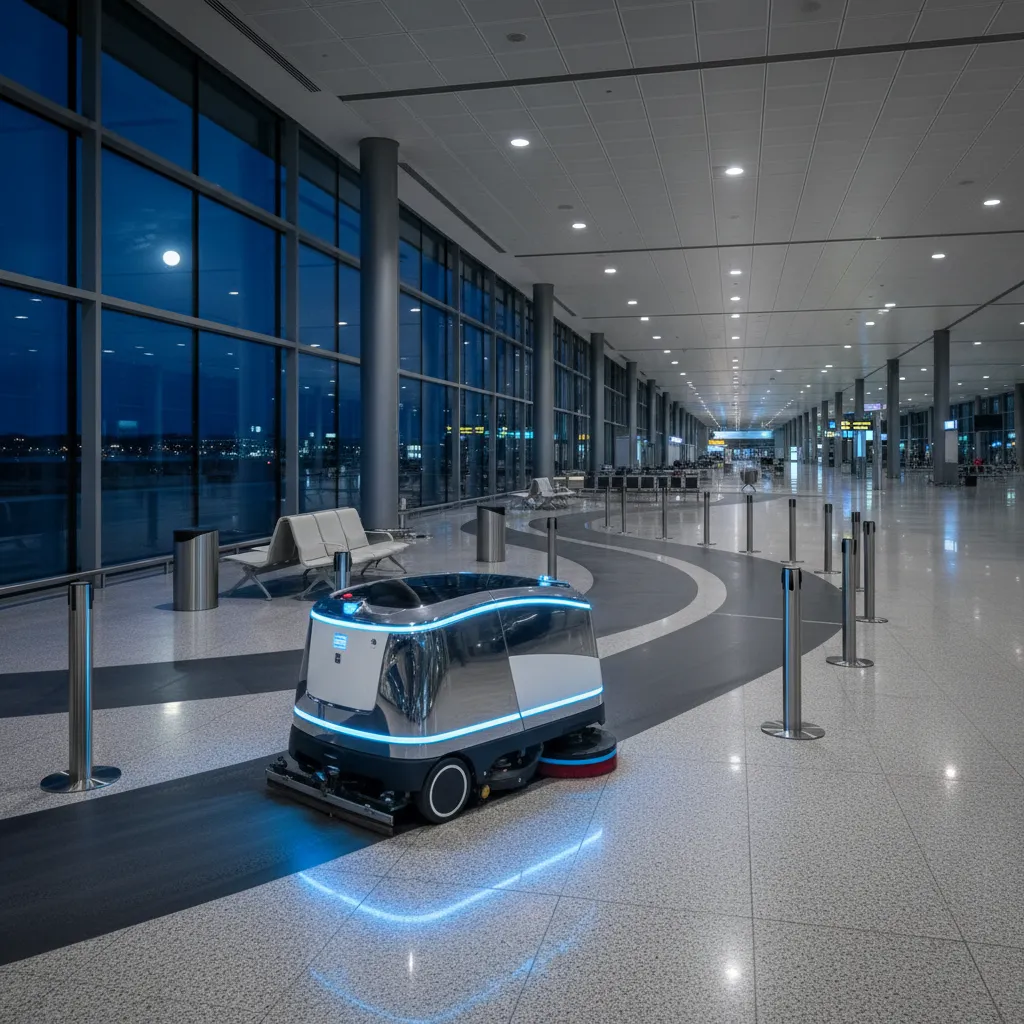
Robotergestützte und autonome Scheuersaugmaschinen sind für Einrichtungen konzipiert, die wiederholbare Reinigungsrouten, geringeren Personalaufwand und eine intelligentere Reinigungssteuerung benötigen. Diese Maschinen nutzen intelligente Navigation, Hinderniserkennung, Sicherheitssensoren, Kartierung und Routenplanung, um Böden mit minimalem manuellem Eingriff zu reinigen.
Sie eignen sich besonders für Einzelhandelsgeschäfte, Lagerhallen, Einkaufszentren, Krankenhäuser, Schulen, Flughäfen und Logistikzentren, wo Reinigungsarbeiten häufig und vorhersehbar anfallen. Bei der Auswahl einer autonomen Scheuersaugmaschine sollten Käufer Navigationsstabilität, Fußgängersicherheit, Hinderniserkennung, Laufzeit, Tankkapazität, Bürstensystem, Wasserrückgewinnung und Kundendienst vergleichen.
| Maschinentyp | Was es bedeutet | Am besten geeignet für | Hauptbeschränkung |
|---|---|---|---|
| Automatische Bodenreinigungsmaschine | Schrubbt, wäscht und sammelt Schmutzwasser automatisch auf, benötigt aber in der Regel dennoch einen menschlichen Bediener. | Allgemeine gewerbliche Reinigung | Beinhaltet nicht immer die Navigation für autonomes Fahren. |
| Automatisch fahrende Scheuersaugmaschine | Der Bediener geht hinter der Maschine her, während diese reinigt. | Kleine Flächen, schmale Gänge, Schulen, Kliniken und Geschäfte | Erfordert kontinuierlichen Bedienereinsatz |
| Aufsitz-Scheuersaugmaschine | Der Bediener sitzt auf der Maschine und steuert sie manuell | Große Freiflächen, Lagerhallen, Fabriken und Einkaufszentren | Benötigt weiterhin einen Bediener |
| Roboter-Bodenreinigungsmaschine | Nutzt Sensoren, Kartierung und Routenplanung, um geplante Routen zu bereinigen. | Einzelhandelsgeschäfte, Lagerhallen, Einkaufszentren, Schulen und wiederkehrende Reinigungsrouten | Erfordert Routenplanung und regelmäßige Überwachung |
| Autonome Bodenreinigungsmaschine | Ein selbstfahrender, kommerzieller Scheuersaugwagen, der für vordefinierte Routen konzipiert ist | Einrichtungen mit Arbeitskräftemangel und planbaren Reinigungszeiten | In komplexen oder sich verändernden Umgebungen kann menschliche Unterstützung erforderlich sein. |
Wie man die Produktivität von Scheuersaugrobotern einschätzt
Hersteller geben häufig Abdeckungsraten an, doch die tatsächliche Produktivität eines Scheuersaugroboters hängt von mehr als nur Reinigungsbreite und Arbeitsgeschwindigkeit ab. Auch die Routenplanung, die Hindernisdichte, die Wendefrequenz, die Akkulaufzeit, die Nachfüllzyklen, die Wasserrückgewinnung und der erforderliche Grad an menschlicher Überwachung spielen eine Rolle.
Eine einfache theoretische Produktivitätsformel lautet:
Abdeckungsgrad = Reinigungsbreite × Betriebsgeschwindigkeit × Umrechnungsfaktor
Diese Formel bietet eine nützliche Grundlage für die Reinigung offener Flächen. Roboter-Scheuersaugmaschinen sollten jedoch auch anhand ihrer praktischen Produktivität und der Erfüllungsquote ihrer Reinigungsrouten bewertet werden. Eine Maschine kann zwar theoretisch eine hohe Reinigungsleistung aufweisen, ihre tatsächliche Leistung wird jedoch geringer ausfallen, wenn die Einrichtung viele Regale, Paletten, Fußgänger, Kurven, Bodenübergänge oder temporäre Hindernisse aufweist.
Käufer von Scheuersaugrobotern sollten sowohl die theoretische Produktivität als auch die tatsächliche Leistung auf realen Reinigungsrouten vergleichen. Testen Sie die Maschine nach Möglichkeit vor dem Kauf in den vorhandenen Räumlichkeiten. Eine Demo-Route zeigt, ob der Scheuersaugroboter Gänge, Bodenübergänge, Hindernisse, Fußgängerverkehr und die übliche Reinigungsfrequenz bewältigen kann.
Wichtige Spezifikationen zum Vergleich bei einem Scheuersaugroboter
| Spezifikation | Was zu überprüfen ist | Warum das wichtig ist |
| Navigationssystem | Kartierungsmethode, Routenplanung und Stabilität des autonomen Fahrens | Ermittelt, wie genau die Maschine den Reinigungsrouten folgt. |
| Hinderniserkennung | Sensoren, Kameras, LiDAR, Stoßfänger und Sicherheitsreaktion | Hilft dabei, Zusammenstöße mit Personen, Einkaufswagen, Regalen, Paletten und temporären Hindernissen zu vermeiden. |
| Sicherheitssensoren | Notstopp-, Fußgängererkennungs-, Kantenerkennungs- und Warnsysteme | Wichtig für Einzelhandelsgeschäfte, Krankenhäuser, Schulen und öffentliche Bereiche |
| Akkulaufzeit | Reinigungszeit pro Vollladung | Ermittelt, ob die Maschine die geplante Route absolvieren kann. |
| Ladezeit | Vollständige Ladezeit und Zwischenladeoptionen | Beeinträchtigt Ausfallzeiten und die Reinigung im Mehrschichtbetrieb |
| Reinigungsbreite | Bürstenwegbreite und Gesamtmaschinenbreite | Beeinträchtigt die Produktivität und die Regalplatzkompatibilität |
| Tankkapazität | Größe des Lösungs- und Rückgewinnungstanks | Größere Tanks reduzieren die Anzahl der Nachfüll- und Entleerungsstopps. |
| Bürstensystem | Scheiben-, Zylinder-, Orbital- oder Doppelbürstensystem | Bestimmt die Kompatibilität mit verschiedenen Bodentypen und die Reinigungsleistung |
| Wasserrückgewinnung | Abzieherdesign, Saugleistung und Trockenbodenergebnisse | Hilft dabei, nasse Böden und Rutschgefahren zu reduzieren |
| Fernüberwachung | App, Dashboard, Reinigungsberichte oder Flottenmanagement | Hilft Managern, den Reinigungsfortschritt und den Maschinenstatus zu verfolgen. |
| Serviceunterstützung | Ersatzteile, Schulungen, Garantie und technischer Support | Reduziert Ausfallzeiten nach dem Kauf |
Wie man den richtigen Scheuersaugroboter für den jeweiligen Anwendungsbereich auswählt
Wie man einen Roboter-Scheuersaugroboter für Einzelhandelsgeschäfte auswählt
Einzelhandelsgeschäfte benötigen Reinigungsroboter, die sicher in der Nähe von Kunden, Regalen, Warenauslagen, Einkaufswagen, Kassenbereichen und bei wechselnden Bodenverhältnissen arbeiten können. Das optimale Modell sollte kompakt genug für Gänge, aber gleichzeitig stabil genug sein, um offene Verkaufsflächen effizient zu reinigen.
Für Einzelhandelsumgebungen gilt folgende Priorität:
- Hinderniserkennung für Kunden, Einkaufswagen, Regale und Displays
- Geräuscharmer Betrieb für die Reinigung während der Geschäftszeiten
- Kompakte Abmessungen für Gänge und Kassenbereiche
- Zuverlässige Wasserrückgewinnung zur Reduzierung der Risiken durch nasse Böden
- Routenplanung für die tägliche Wiederholungsreinigung
- Sicherer Betrieb im Umfeld von Fußgängern
- Einfache manuelle Steuerung bei Bedarf
- Bürstensysteme geeignet für Fliesen-, Vinyl-, Epoxid- oder polierte Böden
Hauptmerkmale intelligenter, autonomer Lagerhallen-Scheuersaugmaschinen
Lagerhallen und Logistikzentren benötigen intelligente, autonome Scheuersaugmaschinen, die große Flächen reinigen, Hindernissen ausweichen und auf vorhersehbaren Routen fahren können. Diese Umgebungen können Paletten, Gabelstapler, Regale, Ladezonen, Fußgängerwege und wechselnde Verkehrsströme umfassen.
Vergleichen Sie für die Lagerreinigung Folgendes:
- Lange Akkulaufzeit für ausgedehnte Reinigungsrouten
- Große Lösungs- und Rückgewinnungstanks zur Reduzierung der Stillstandszeiten
- Stabile autonome Navigation in offenen Bereichen
- Routenplanung für Gänge, Laderampen und Lagerzonen
- Hinderniserkennung für Paletten, Gabelstapler, Wagen und Arbeiter
- Breiter Reinigungsweg für große Bodenflächen
- Langlebiges Bürstensystem für Beton- oder Epoxidböden
- Fernüberwachung für Reinigungsberichte und Flottensteuerung
- Manuelle Übersteuerung für komplexe oder stark frequentierte Bereiche
Eine intelligente, autonome Scheuersaugmaschine für Lagerhallen sollte Produktivität und Sicherheit in Einklang bringen. In großen Anlagen liegt der größte Nutzen oft in der Reduzierung wiederholter manueller Reinigungswege und der Verbesserung der Konsistenz der täglichen oder nächtlichen Reinigungspläne.
Robotergestützte Bodenreinigungsmaschinen für das Gesundheitswesen, Schulen und öffentliche Einrichtungen
Im Gesundheitswesen, im Bildungsbereich und in öffentlichen Einrichtungen werden Reinigungsroboter benötigt, die eine sichere, leise und gleichmäßige Reinigung gewährleisten. Zu diesen Bereichen gehören häufig Flure, Eingangshallen, Cafeterien, Klassenzimmer, Wartebereiche und andere Räume, in denen sich während der Reinigung Personen aufhalten können.
Für diese Einrichtungen gilt folgende Priorisierung:
- Geräuscharmer Betrieb für die Reinigung am Tag
- Starke Wasserrückgewinnung zur Reduzierung der Risiken durch nasse Böden
- Sicherheitssensoren für Fußgänger, Patienten, Studenten und Mitarbeiter
- Routenplanung für Korridore und öffentliche Bereiche
- Einfache Reinigungsberichte für Facility Manager
- Bürsten- und Padoptionen für Fliesen-, Vinyl-, Terrazzo- oder versiegelte Böden
- Einfache Wartungsarbeiten für den täglichen Gebrauch
- Zuverlässiger Kundendienst und Bedienerschulung
Ziel ist nicht nur die Reinigungsgeschwindigkeit. Im Gesundheits- und Bildungswesen sind Sicherheit, Konsistenz, Wasserrückgewinnung und ein vorhersehbarer Betrieb oft wichtiger als eine maximale Reinigungsleistung.
Wie man einen Scheuersaugroboter für verschiedene Bodenarten auswählt
Viele Einrichtungen verfügen über unterschiedliche Bodenbeläge. Ein Geschäft kann beispielsweise Fliesen, Vinyl und polierten Beton kombinieren. Ein Lagerhaus kann versiegelten Beton, Epoxidharz, strukturierte Bereiche und Eingangsbereiche umfassen. Ein Krankenhaus oder eine Schule kann Flure, Cafeterien, Eingangshallen und Technikräume mit unterschiedlichen Reinigungsanforderungen beinhalten.
Bei der Auswahl eines Scheuersaugroboters für verschiedene Bodenarten sollten Sie das Bürstensystem, den Bürstendruck, die Wasserdurchflussregelung, die Abstreiferleistung und die Kompatibilität der Pads vergleichen.
| Bodenart | Empfohlene Konfiguration | Was zu überprüfen ist |
| Glatte Fliesen | Scheibenbürste oder weiches Pad | Gleichbleibender Druck und gute Wasserrückgewinnung |
| Versiegelter Beton | Scheiben- oder Zylinderbürste | Bodenniveau, Oberflächenbeschaffenheit und Bürstendruck |
| Epoxidböden | Weiches Pad oder geeignete Scheibenbürste | Vermeiden Sie aggressive Polierpads, die die Oberfläche beschädigen könnten. |
| Vinylböden | Weiches Pad oder Bürstensetup mit niedrigem Druck | Oberflächenbeschichtung schützen und Streifenbildung reduzieren |
| Terrazzo | Geeignete Matte und kontrollierter Wasserdurchfluss | Glanz erhalten und Rückstände vermeiden |
| Strukturierte Böden | Zylindrische Bürste | Besserer Kontakt mit Rillen und Oberflächenstruktur |
| Fugen | Zylindrische Bürste | Bessere Leistung bei vertieften Linien und unebenen Oberflächen |
| Gemischt genutzte Gewerbeflächen | Einstellbare Bürsten- und Wassereinstellungen | Flexibilität über verschiedene Reinigungszonen hinweg |
Bürstensysteme, Wasserrückgewinnung und Bodenverträglichkeit
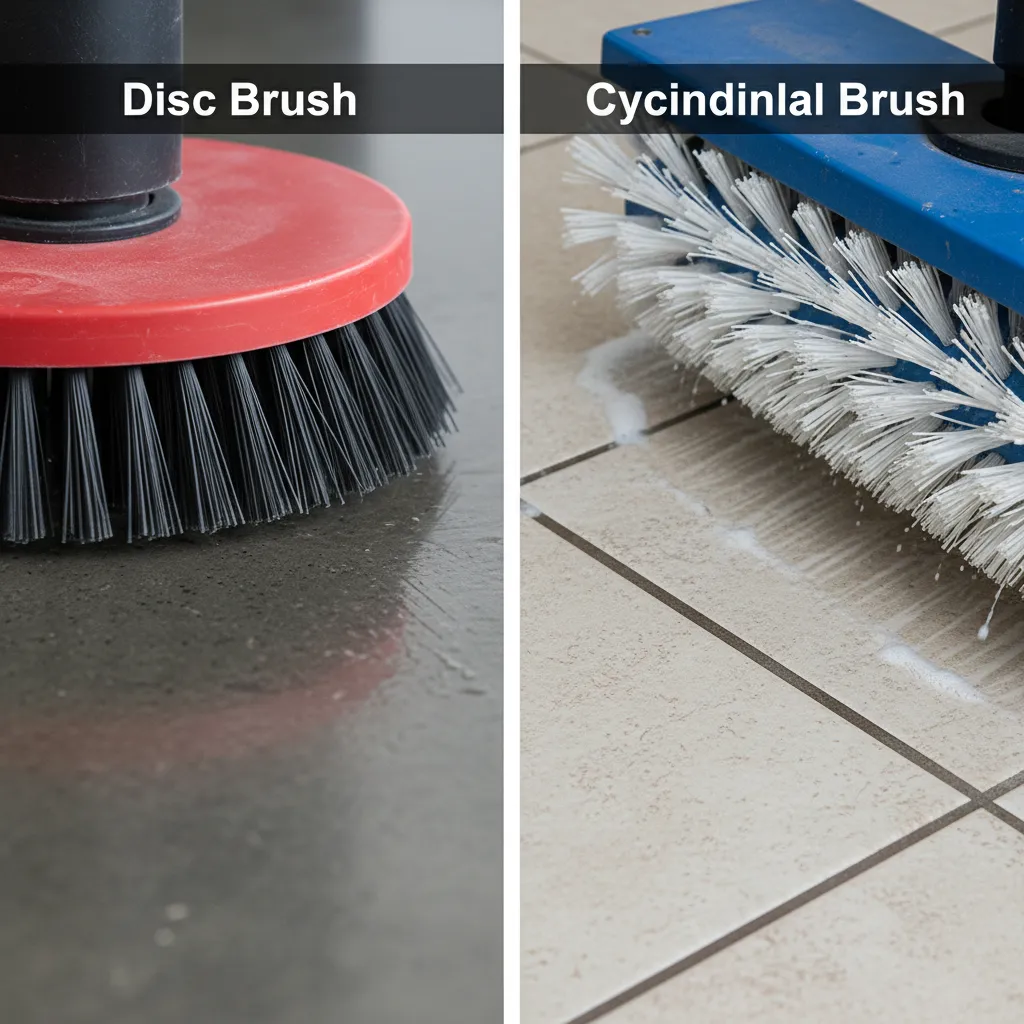
Die Bürstentechnologie ist einer der wichtigsten Faktoren bei der Auswahl eines Scheuersaugroboters für verschiedene Bodenarten. Das richtige Bürstensystem hängt vom Bodenmaterial, dem Verschmutzungsgrad, der Oberflächenstruktur, der Reinigungsfrequenz und dem Bedarf an Wasserrückgewinnung ab.
Scheibenbürstensysteme werden häufig auf glatten Böden wie Fliesen, versiegeltem Beton, Epoxidharz und Vinyl eingesetzt. Sie üben einen direkten Druck nach unten aus und eignen sich gut für die tägliche Reinigung, die allgemeine Schmutzentfernung und polierte Gewerbeböden.
Zylindrische Bürstensysteme eignen sich besser für strukturierte Böden, Fugen und die Aufnahme von leichtem Schmutz. Da die Bürsten mit höherer Geschwindigkeit rotieren, reinigen sie unebene Oberflächen und Vertiefungen effektiver als herkömmliche Scheibensysteme.
Orbitalsysteme erzeugen durch ihre kontrollierte Bewegung eine starke Reinigungswirkung und eignen sich daher für bestimmte Tiefenreinigungsaufgaben oder spezielle Bodenbeläge. Doppelbürstensysteme erhöhen die Reinigungsbreite und steigern die Produktivität auf größeren Flächen.
Die Wasserrückgewinnung ist ebenso wichtig. Ein Scheuersaugroboter sollte Böden ausreichend trocknen, um ein sicheres Begehen zu gewährleisten, insbesondere in Einzelhandelsgeschäften, Gesundheitseinrichtungen, Schulen und öffentlichen Gebäuden. Käufer sollten vor der Modellauswahl die Konstruktion der Abstreifer, die Saugleistung, das Fassungsvermögen des Schmutzwassertanks und die Ergebnisse der Bodentrocknung vergleichen.
| Bürstensystem | Am besten geeignet für | Hauptvorteil |
| Scheibenbürste | Glatte Fliesen, versiegelter Beton, Epoxidharz und Vinyl | Stabile tägliche Reinigung und direkter Abwärtsdruck |
| Zylindrische Bürste | Strukturierte Böden, Fugen und leichter Schmutz | Besserer Kontakt mit Rillen und unebenen Oberflächen |
| Orbitalsystem | Bestimmte Tiefenreinigungsarbeiten und die Pflege von Bodenbelägen | Starke Reinigungswirkung bei kontrollierter Bewegung |
| Doppelbürstensystem | Große Flächen und breitere Reinigungswege | Höhere Produktivität und größere Bodenabdeckung |
Laufzeit, Aufladung, Kartierung und Fernüberwachung
Akkulaufzeit und Ladezeit
Die Akkulaufzeit beeinflusst, wie viel Fläche ein Reinigungsroboter reinigen kann, bevor er zum Aufladen anhalten muss. Einrichtungen mit kurzen Reinigungsstrecken benötigen möglicherweise nur eine moderate Akkulaufzeit, während Lagerhallen, Einkaufszentren und große Einzelhandelsgeschäfte längere Betriebszeiten oder geplante Ladeintervalle erfordern.
Auch die Ladezeit ist wichtig. Wird das Gerät im Mehrschichtbetrieb eingesetzt, sollten Käufer prüfen, ob der Akku Schnellladen, Zwischenladen oder zeitgesteuertes Laden zwischen den Reinigungsrouten unterstützt. Im gewerblichen Bereich sollten Käufer vor dem Kauf außerdem die elektrische Sicherheit, den Akkuschutz, die Kompatibilität des Ladegeräts und den Kundendienst überprüfen.
Kartierung und Routenplanung
Kartierung und Routenplanung entscheiden darüber, wie effizient der Reinigungsroboter seine Reinigungsaufgaben wiederholt. Ein gutes System sollte es den Bedienern ermöglichen, Reinigungsrouten zu erstellen, zu speichern, zu bearbeiten und zu wiederholen. In sich verändernden Umgebungen sollte die Maschine sicher auf temporäre Hindernisse reagieren, ohne die Routenstabilität zu beeinträchtigen.
Für Einzelhandelsgeschäfte sollte die Routenplanung Gänge, Eingänge, Kassenbereiche und öffentliche Bereiche berücksichtigen. Für Lagerhallen sollte sie offene Flächen, Lagergänge, Laderampen und Verkehrszonen einbeziehen. In Einrichtungen mit unterschiedlichen Bodenbelägen sollten zudem Übergänge zwischen den Etagen und Änderungen der Reinigungsmodi in die Routenplanung einfließen.
Fernüberwachungs- und Reinigungsberichte
Die Fernüberwachung unterstützt Gebäudemanager bei der Überwachung des Reinigungsfortschritts, des Maschinenstatus, des Akkuladestands, von Fehlermeldungen, der Routenabwicklung und des Wartungsbedarfs. Dies ist besonders nützlich für große Gebäude, Unternehmen mit mehreren Standorten und Einrichtungen, die mehr als einen Reinigungsroboter einsetzen.
Reinigungsberichte können Managern auch dabei helfen, zu beurteilen, ob die Maschine die geplante Route abgearbeitet hat, wie lange die einzelnen Aufgaben gedauert haben und wo möglicherweise noch eine manuelle Nachkontrolle erforderlich ist.
Wasserrückgewinnung und Lösungskontrolle
Ein Scheuersaugroboter sollte nicht nur den Boden reinigen, sondern auch das Schmutzwasser effektiv auffangen. Eine gute Wasserrückgewinnung trägt dazu bei, dass Böden schneller trocknen und die Rutschgefahr in öffentlichen Bereichen verringert wird.
Käufer sollten folgende Aspekte vergleichen: Steuerung des Lösungsflusses, Kapazität des Auffangbehälters, Abstreiferkonstruktion, Saugleistung, Schaumkontrolle, Wasserverbrauch pro Reinigungsroute, Kompatibilität der Reinigungslösung und Anforderungen an die Abwasserentsorgung.
Eine effiziente Wasser- und Chemikalienkontrolle kann die Nachfüllhäufigkeit, den Chemikalienabfall und die Betriebskosten senken. Sie kann außerdem Nachhaltigkeitsziele unterstützen, indem sie den Wasserverbrauch und das Abwasservolumen reduziert.
Wartung, Sensoren und Softwareprüfungen
Robotergestützte Scheuersaugmaschinen benötigen sowohl die übliche Wartung von Reinigungsmaschinen als auch die Wartung des intelligenten Systems. Ein guter Wartungsplan sollte Tanks, Bürsten, Abstreifer, Batterien, Sensoren, Software und Navigationssysteme umfassen.
| Frequenz | Was zu überprüfen ist |
| Täglich | Leeren und spülen Sie die Lösungs- und Rückgewinnungstanks. |
| Täglich | Reinigen Sie die Abzieherblätter und überprüfen Sie die Wasserrückgewinnung. |
| Täglich | Entfernen Sie Schmutz von Bürsten, Pads und Scheuerdecks. |
| Täglich | Wischsensoren, Kameras und Sicherheitserkennungsbereiche |
| Wöchentlich | Bürstenverschleiß, Padzustand und Abzieherausrichtung prüfen. |
| Wöchentlich | Fehlerwarnungen, Routenprobleme und Reinigungsberichte prüfen |
| Monatlich | Batteriezustand, Ladeverhalten und Anschlüsse prüfen |
| Monatlich | Not-Aus- und Sicherheitssensoren testen |
| Nach Bedarf | Software aktualisieren, Karten neu kalibrieren und Reinigungsrouten anpassen |
Die Sauberkeit der Sensoren ist besonders wichtig. Staub, Wasserflecken oder Schmutz auf den Sensoren können die Hinderniserkennung, die Navigationsgenauigkeit und die Routenleistung beeinträchtigen.
Auswahlrahmen für robotergestützte Bodenreinigungsmaschinen
Anlagen mit einer Fläche von weniger als 20.000 Quadratfuß, schmalen Gängen und begrenztem Manövrierraum profitieren oft von kompakten Roboter-Scheuersaugmaschinen, die eine bessere Navigation und Flexibilität bieten.
Für Anlagen mit einer Fläche von mehr als 50.000 Quadratfuß und vorhersehbaren Reinigungsrouten kann eine größere autonome Scheuersaugmaschine mit längerer Laufzeit und höherem Tankvolumen eine höhere Produktivität und einen besseren ROI erzielen.
In Bereichen mit unterschiedlichen Bodenbelägen sollten verstellbare Bürstensysteme, eine Wasserdurchflussregelung und bodenspezifische Reinigungsmodi Priorität haben, um eine gleichbleibende Reinigungsleistung in den verschiedenen Bereichen zu gewährleisten.
Wenn Arbeitskräftemangel eine große operative Herausforderung darstellt, werden Navigationszuverlässigkeit, Routenautomatisierung, Fernüberwachung und die Fähigkeit zur Berichtsbereinigung zu wichtigen Auswahlkriterien.
Checkliste für den Kauf eines Scheuersaugroboters
Nutzen Sie diese Checkliste, bevor Sie einen Scheuersaugroboter auswählen.
| Checklistenpunkt | Fragen, die man stellen sollte |
| Anlagenlayout | Gibt es enge Gänge, offene Bereiche, Aufzüge, Rampen, Regale oder viele Hindernisse? |
| Bodenarten | Muss die Maschine Fliesen, Beton, Epoxidharz, Vinyl, Terrazzo oder strukturierte Böden reinigen können? |
| Reinigungsroute | Ist die Route vorhersehbar und wiederholbar genug für eine autonome Reinigung? |
| Navigationssystem | Unterstützt das Gerät Kartierung, gespeicherte Routen und Routenbearbeitung? |
| Hinderniserkennung | Kann es Personen, Wagen, Paletten, Auslagen und temporäre Objekte erkennen? |
| Sicherheitsmerkmale | Beinhaltet es Not-Aus, Warnleuchten, Fußgängersicherheitssensoren und eine manuelle Übersteuerung? |
| Akkulaufzeit | Kann eine Akkuladung die geplante Reinigungsroute vollständig abdecken? |
| Ladezeit | Passt das Aufladen zu Ihrem Reinigungsplan oder Schichtplan? |
| Tankkapazität | Werden die Lösungs- und Rückgewinnungstanks unnötige Stillstandszeiten reduzieren? |
| Bürstensystem | Ist der Bürstentyp für Ihre Bodenbeläge und den Verschmutzungsgrad geeignet? |
| Wasserrückgewinnung | Trocknet der Boden schnell genug, um eine sichere Nutzung zu gewährleisten? |
| Fernüberwachung | Können Manager den Reinigungsstatus, den Abschluss von Routen und Warnmeldungen einsehen? |
| Wartung | Sind Bürsten, Abzieher, Sensoren, Batterien und Software leicht zu warten? |
| Serviceunterstützung | Sind Ersatzteile, Schulungen, Garantie und technischer Support verfügbar? |
| ROI | Wie viele Arbeitsstunden kann der Reinigungsroboter pro Woche oder Monat einsparen? |
Für wen ist die Investition in einen Reinigungsroboter geeignet?
Eine robotergestützte Bodenreinigungsmaschine ist oft eine sinnvolle Investition für Einrichtungen, die täglich dieselben Routen reinigen, mit Arbeitskräftemangel zu kämpfen haben, im Mehrschichtbetrieb arbeiten oder große gewerbliche Bodenflächen verwalten.
Zu den typischen Käufern zählen Einzelhandelsketten, Lagerbetreiber, Einkaufszentren, Flughäfen, Schulen, Krankenhäuser, Logistikzentren, Produktionsstätten und Anbieter von gewerblichen Reinigungsdienstleistungen.
Einrichtungen mit vorhersehbaren Reinigungsplänen erzielen in der Regel die schnellste Amortisation.
ROI und Arbeitsersparnis durch Roboter-Scheuersaugmaschinen
Roboter-Scheuersaugmaschine vs. traditionelle Reinigung
| Faktor | Roboter-Bodenreinigungsmaschine | Manuelle Reinigung |
|---|---|---|
| Arbeitskräftebedarf | Niedrig | Hoch |
| Reinigungskonsistenz | Hoch | Variable |
| Routenwiederholbarkeit | Exzellent | Beschränkt |
| Berichtsfunktion | Verfügbar | Normalerweise nicht verfügbar |
| Produktivität | Hoch | Mäßig |
| Langfristige Arbeitskosteneinsparungen | Bedeutsam | Beschränkt |
Die Rentabilität einer Scheuersaugmaschine hängt von den Arbeitskosten, der Reinigungshäufigkeit, der Routenlänge, der Größe der Einrichtung und dem Umfang der möglichen Reduzierung manueller Arbeit ab. Einrichtungen mit regelmäßig wiederkehrenden Reinigungsrouten profitieren in der Regel am meisten, da dieselbe Route täglich gleichmäßig gereinigt werden kann.
Bei der ROI-Schätzung sollten Sie folgende Faktoren berücksichtigen: aktueller manueller Reinigungsaufwand, Reinigungshäufigkeit pro Woche, Arbeitskosten pro Stunde, Kosten für Maschinenkauf oder -leasing, Batteriekosten, Kosten für Bürsten- und Abzieherwechsel, Wartungskosten, Schulungsaufwand, Ausfallrisiko, Routenabschlussrate, erwartete Maschinenlebensdauer und Kundendienst.
Ein Reinigungsroboter kann nicht alle Reinigungsarbeiten ersetzen. Mitarbeiter müssen weiterhin Kanten, Ecken, verschüttete Flüssigkeiten, Toiletten, Treppen und unregelmäßige Reinigungsaufgaben übernehmen. Die beste Rentabilität erzielt man in der Regel durch den Einsatz von Reinigungsrobotern für vorhersehbare, offene Bereiche, während Mitarbeiter Detailreinigungen und Sonderaufgaben durchführen.
Benötigen Sie Hilfe bei der Auswahl eines Scheuersaugroboters?
Die Auswahl des richtigen Scheuersaugroboters erfordert mehr als nur den Vergleich von Datenblättern. Das passende Modell sollte zu Ihrem Bodentyp, der Raumaufteilung, dem Reinigungsplan, dem Schwierigkeitsgrad von Hindernissen, dem Personalbedarf und Ihren langfristigen Betriebszielen passen.
LVTONG unterstützt gewerbliche Käufer bei der Bewertung der Anforderungen an robotergestützte und autonome Bodenreinigungssysteme, einschließlich Reinigungsrouten für Einzelhandelsgeschäfte, Reinigung von Lagerhallen und Logistikzentren, Kompatibilität mit verschiedenen Bodenbelägen, Auswahl des Bürstensystems, Akkulaufzeit, Tankkapazität, Wasserrückgewinnung, Navigationsanforderungen, Hinderniserkennung, Serviceunterstützung, Schulung, Wartungsplanung und ROI-Bewertung.
Wenn Sie einen Scheuersaugroboter für Einzelhandelsgeschäfte, Lagerhallen, Einkaufszentren, Schulen, Krankenhäuser oder Einrichtungen mit verschiedenen Bodenarten suchen, wenden Sie sich an das LVTONG-Team, um Anwendungshinweise und Modellempfehlungen zu erhalten.
Häufig gestellte Fragen zu Scheuersaugrobotern
Wie wähle ich einen Scheuersaugroboter aus?
Wählen Sie den passenden Reinigungsroboter anhand verschiedener Kriterien wie Raumaufteilung, Bodenart, Reinigungsroute, Hindernisdichte, Akkulaufzeit, Tankinhalt, Bürstensystem, Wasserrückgewinnung, Navigation, Sensoren und Kundendienst. Für optimale Ergebnisse testen Sie die Maschine vor dem Kauf in Ihren Räumlichkeiten.
Wie wähle ich eine autonome Scheuersaugmaschine für Einzelhandelsgeschäfte aus?
Für Einzelhandelsgeschäfte empfiehlt sich eine autonome Scheuersaugmaschine mit zuverlässiger Hinderniserkennung, geräuscharmem Betrieb, kompakter Manövrierfähigkeit, zuverlässiger Wasserrückgewinnung und sicherer Fußgängersteuerung. Die Maschine sollte Gänge, Kassenbereiche, Regale, Auslagen und Kundenverkehr problemlos reinigen können, ohne den Geschäftsbetrieb zu stören.
Wie wähle ich einen Scheuersaugroboter für verschiedene Bodenarten aus?
Bei unterschiedlichen Bodenarten sollten Sie Bürstensysteme, Bürstendruck, Pad-Optionen, Wasserdurchflussregulierung und Abzieherleistung vergleichen. Scheibenbürsten eignen sich in der Regel für glatte Böden, während Zylinderbürsten oft besser für strukturierte Oberflächen, Fugen und leichten Schmutz geeignet sind.
Auf welche Merkmale sollte ich bei einer intelligenten, autonomen Scheuersaugmaschine für Lagerhallen achten?
Eine intelligente, autonome Scheuersaugmaschine für Lagerhallen sollte lange Akkulaufzeiten, ein großes Tankvolumen, stabile Navigation, Routenplanung, Hinderniserkennung, Fernüberwachung und langlebige Reinigungskomponenten bieten. Sie sollte zudem sicher in der Nähe von Paletten, Gabelstaplern, Regalen, Mitarbeitern und dem wechselnden Warenverkehr im Lager arbeiten können.
Worin besteht der Unterschied zwischen einer Roboter-Scheuersaugmaschine und einer automatischen Scheuersaugmaschine?
Eine automatische Scheuersaugmaschine reinigt und sammelt das Wasser in der Regel selbstständig ein, kann aber dennoch eine vollständige manuelle Bedienung erfordern. Eine robotergestützte Scheuersaugmaschine verfügt über autonome Navigation, Sensoren, Kartierung und Routenplanung und kann so vordefinierte Routen mit minimalem Bedienereingriff reinigen.
Wie lange hat ein Scheuersaugroboter im Durchschnitt eine Lebensdauer?
Die meisten gewerblichen Scheuersaugroboter haben eine zu erwartende Lebensdauer von 5 bis 10 Jahren, abhängig von der Nutzungshäufigkeit, der Wartungsqualität, dem Zustand der Batterie und der Betriebsumgebung.
Kann ein Scheuersaugroboter das Reinigungspersonal vollständig ersetzen?
Nein. Roboter-Scheuersaugmaschinen sind für die Automatisierung wiederkehrender Bodenreinigungsaufgaben konzipiert. Für die Reinigung von Kanten, Toiletten, Treppenhäusern, die Beseitigung von Verschmutzungen und detaillierte Desinfektionsarbeiten wird weiterhin Personal benötigt.
Kurzzusammenfassung für Käufer
Im Einzelhandel werden häufig kompakte Roboter-Scheuersaugmaschinen mit fortschrittlicher Hinderniserkennung, leisem Betrieb und zuverlässigen Fußgängersicherheitsfunktionen benötigt.
In Lager- und Logistikeinrichtungen sind längere Laufzeiten, stabile Navigation, Routenplanung, große Tankkapazität und Fernüberwachung in der Regel die wichtigsten Auswahlkriterien.
Bei Flächen mit Fliesen, Beton, Epoxidharz, Vinyl, Terrazzo oder anderen gemischten Bodenbelägen sollten die Bürstenverträglichkeit, die Wasserkontrolle und die bodenspezifischen Reinigungseinstellungen sorgfältig geprüft werden.
Anstatt sich nur auf die Maschinengröße zu konzentrieren, sollten Käufer eine robotergestützte Scheuersaugmaschine auswählen, die zu ihren Reinigungsrouten, dem Zustand der Böden, dem Personalbedarf und den langfristigen Wartungszielen passt.
Abschluss
Die Wahl des richtigen Scheuersaugroboters beginnt mit dem Verständnis Ihrer Einrichtung, nicht nur mit dem Vergleich von Maschinengröße oder Preis. Einzelhandelsgeschäfte benötigen sichere Navigation, geringe Geräuschentwicklung und zuverlässige Hinderniserkennung. Lagerhallen benötigen Laufzeit, Routenplanung, Tankkapazität und Fernüberwachung. Einrichtungen mit unterschiedlichen Bodenarten benötigen das passende Bürstensystem, die richtige Wassersteuerung und ein System zur Wasserrückgewinnung.
Der beste Reinigungsroboter ist derjenige, der optimal zu Ihren Reinigungsrouten, Bodenbelägen, Personalbedarf, Sicherheitsanforderungen und langfristigen Betriebskosten passt. Durch den Vergleich von Navigation, Sensoren, Laufzeit, Tankkapazität, Bürstensystem, Wasserrückgewinnung, Rentabilität und Kundendienst können Käufer die optimale Reinigungslösung für die tägliche gewerbliche Bodenpflege auswählen.