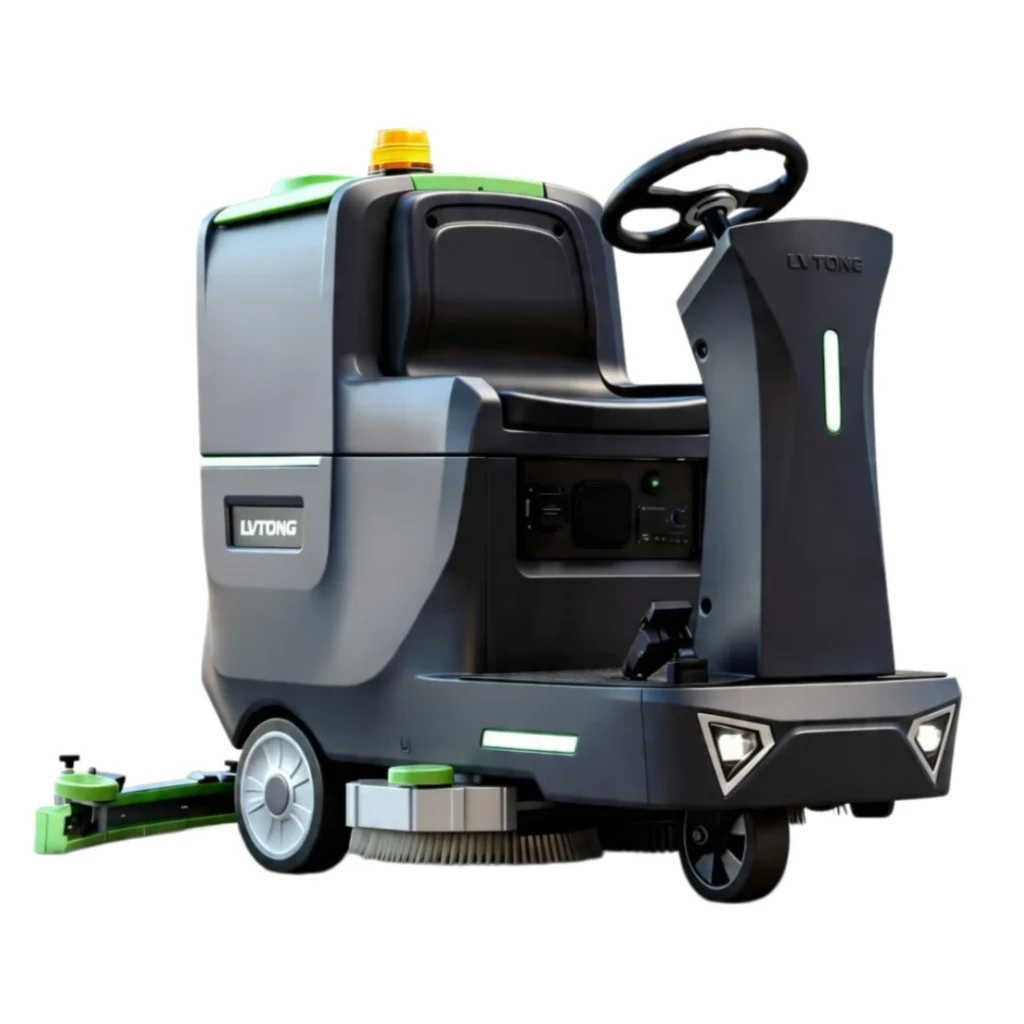
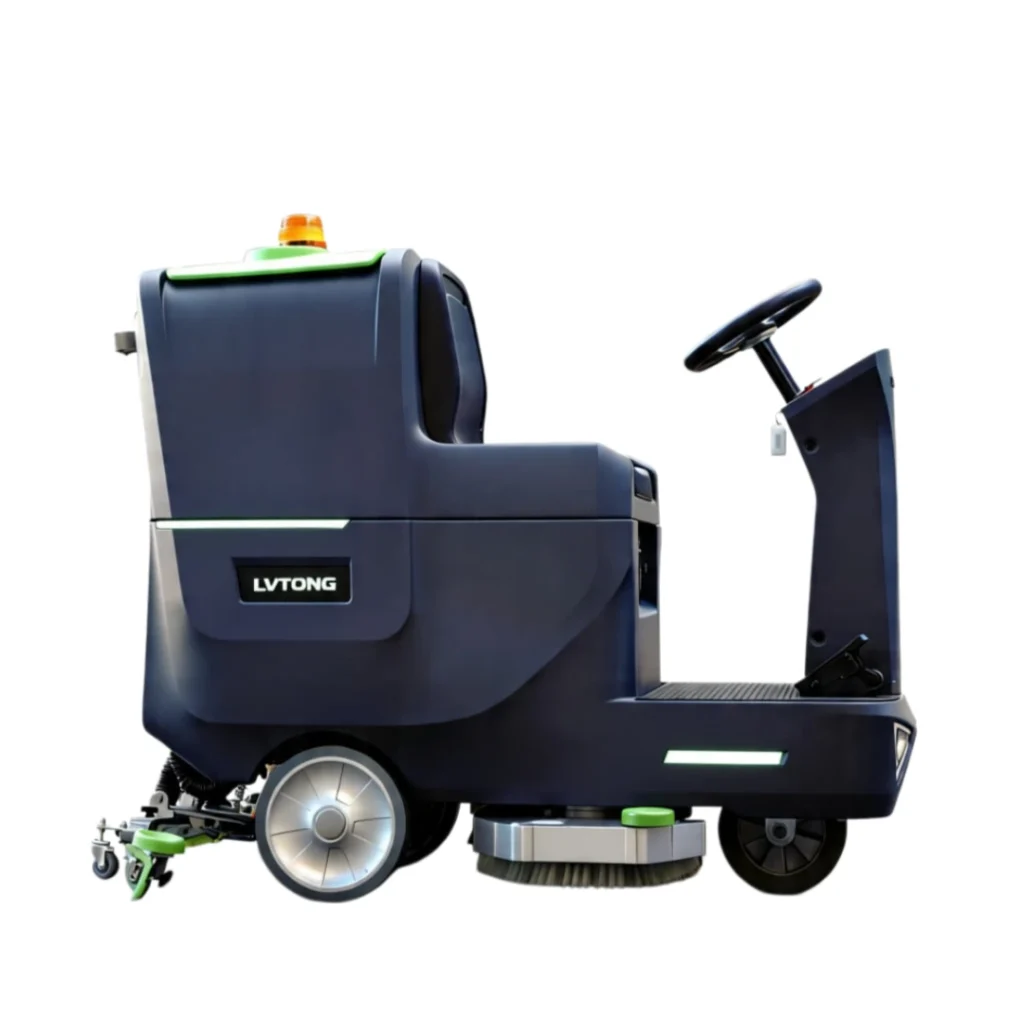
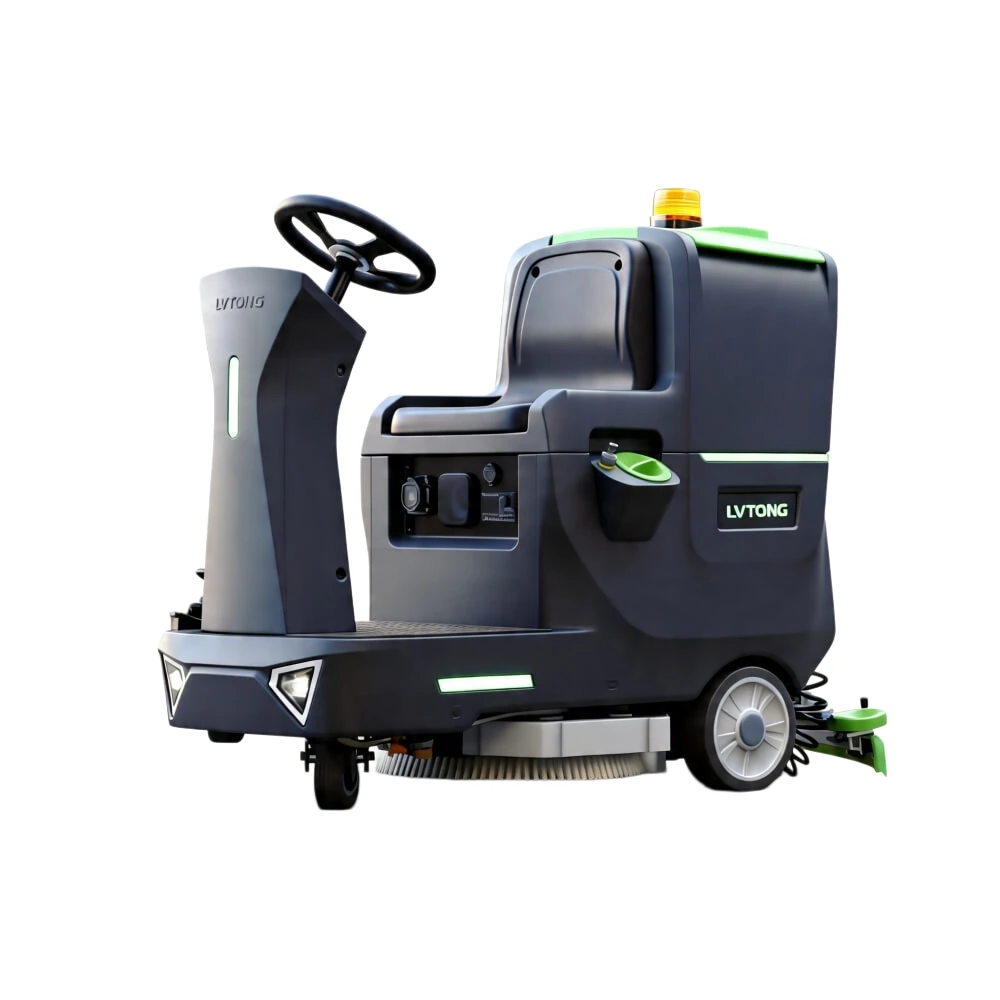
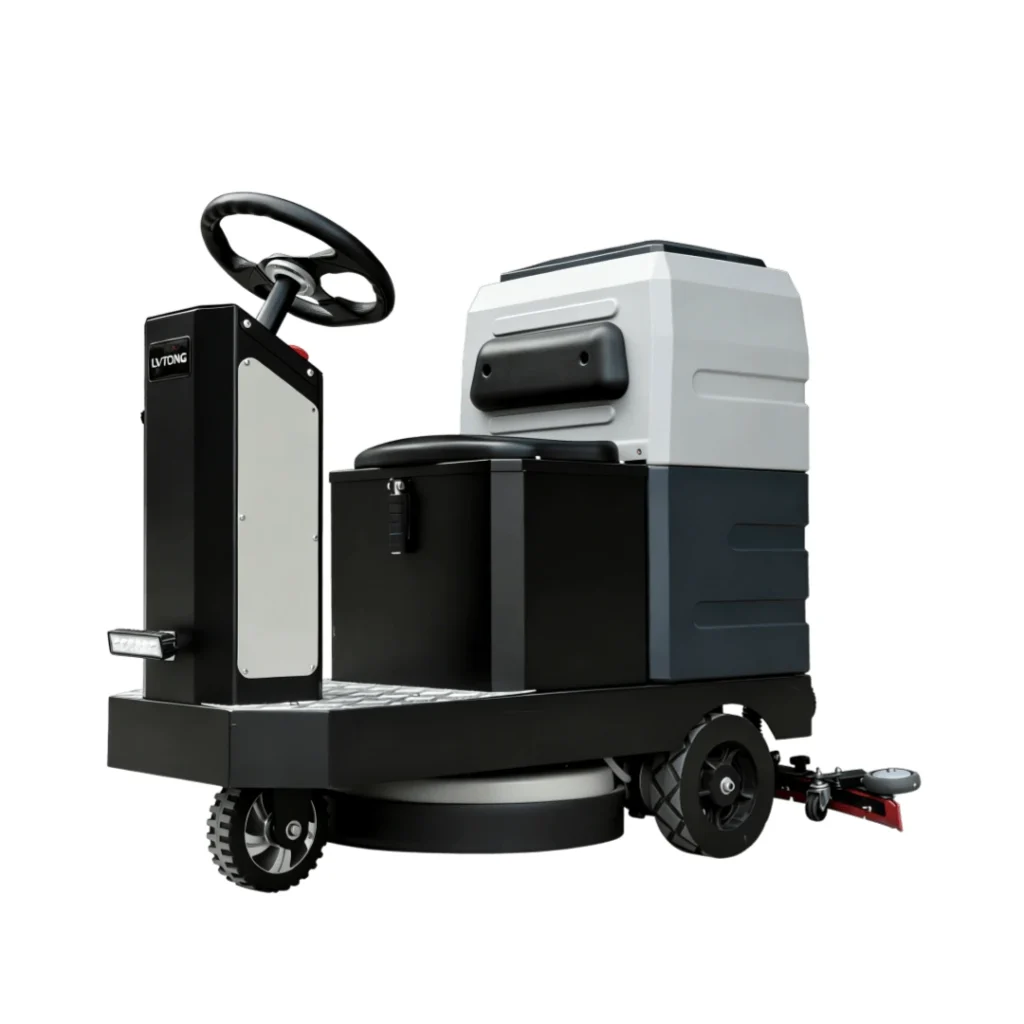
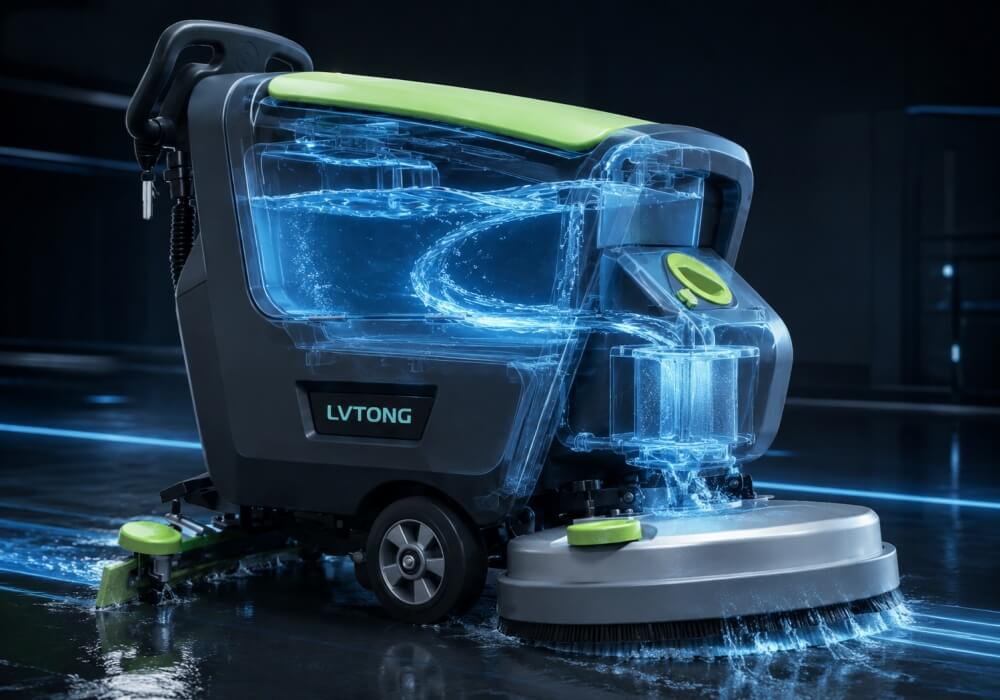
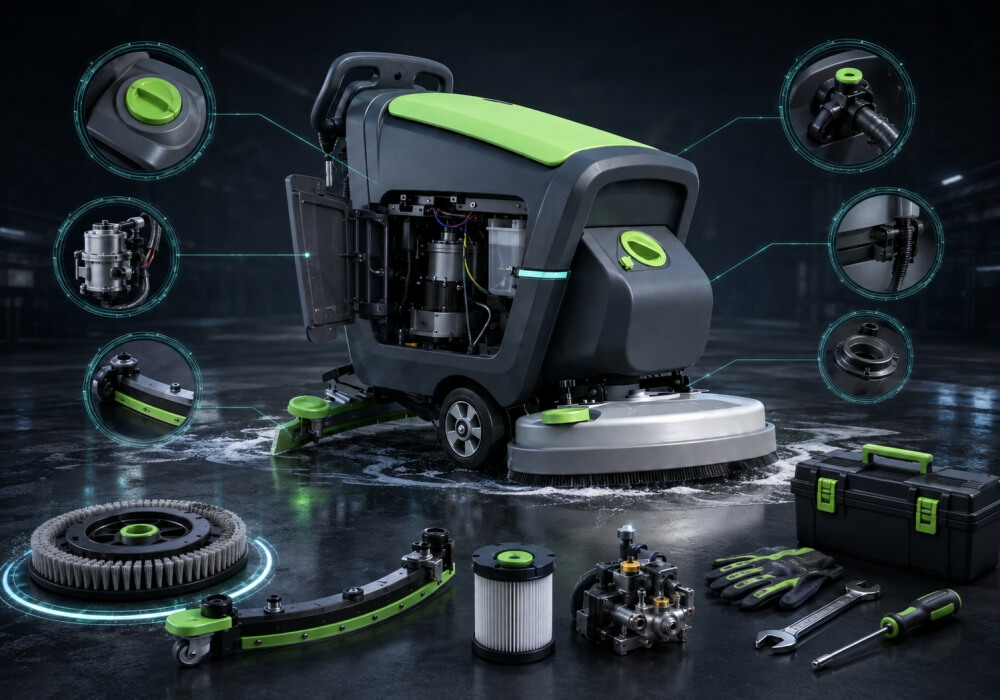
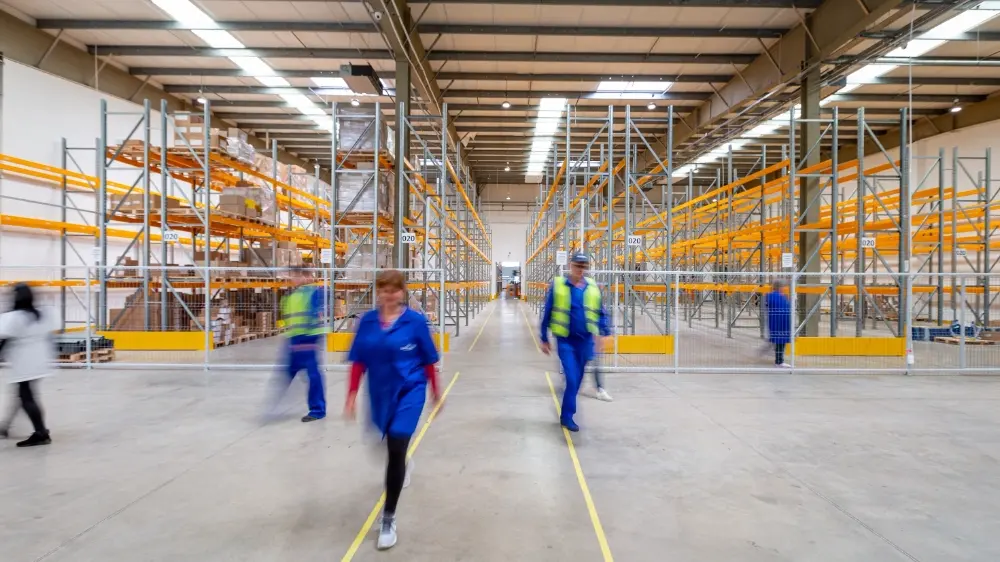
Choosing the best ride on floor scrubber for a large warehouse can reduce labor pressure, improve cleaning efficiency, lower water and chemical waste, and keep warehouse floors safer for daily operations. Large warehouses, logistics centers, and distribution facilities need machines with wide cleaning paths, large solution and recovery tanks, long runtime, strong water recovery, and reliable durability.
In this 2026 guide, we explain how to choose the best ride-on floor scrubber for warehouse cleaning by comparing cleaning width, tank capacity, battery runtime, brush system, operator comfort, safety, maintenance, and total cost of ownership.
Quick Answer: Best Ride-On Floor Scrubber for Warehouses
The best ride on floor scrubber for warehouses should match your warehouse size, floor condition, cleaning frequency, aisle width, shift length, and labor cost. For very large warehouses over 20,000 sq ft, choose a ride-on floor scrubber with a wide cleaning path, large tanks, long runtime, strong brush pressure, and durable construction. For medium warehouses or mixed-use areas, choose a more compact ride-on model that balances maneuverability and cleaning productivity.
For LVTONG models, the LT-S860X is suitable for very large warehouses, the LT-S710X fits medium to large warehouses, and the LT-S560X is better for flexible warehouse cleaning routes or mixed-use spaces.
Why Large Warehouses Need Ride-On Floor Scrubbers
Large warehouses can span tens of thousands of square feet. Manual mopping or small push scrubbers simply can’t keep up. A ride-on scrubber offers a wide cleaning path, large solution and recovery tanks, and long runtime-letting one operator cover massive floor areas in a fraction of the time.
This type of industrial warehouse floor scrubber provides consistent cleaning quality-even pressure, uniform water recovery-and quicker drying, which is critical for both safety and throughput in busy warehouse environments. For operators, the ride-on scrubbing reduces fatigue compared to manually pushing heavy machines, thereby improving productivity and lowering labor costs.

Key Criteria for Choosing the Best Ride-On Floor Scrubber
| Selection Factor | Why It Matters for Warehouses |
| Cleaning width and coverage rate | A wider cleaning path reduces the number of passes and shortens cleaning time in large open areas. |
| Solution and recovery tank capacity | Larger tanks reduce refill and drain stops, which is important for long warehouse cleaning routes. |
| Battery runtime | Longer runtime supports full-shift cleaning and reduces downtime during daily operations. |
| Brush pressure and brush type | Adjustable brush pressure and suitable brushes help clean concrete, epoxy, rough floors, dust, and tire marks. |
| Squeegee and water recovery system | Strong water recovery helps floors dry faster and reduces slip risks in busy warehouse areas. |
| Durability and build quality | Heavy-duty frames, motors, and suction systems support high-frequency warehouse use. |
| Operator comfort | Ergonomic seats, simple controls, and clear dashboards reduce fatigue during long shifts. |
| Maintenance and spare parts | Easy brush, squeegee, and battery maintenance helps reduce downtime and long-term cost. |
| Total cost of ownership | Buyers should compare labor savings, water use, chemical use, maintenance, downtime, and service life, not only purchase price. |

LVTONG Ride-On Floor Scrubber Models for Warehouse Cleaning
The following LVTONG ride-on floor scrubber models are designed for different warehouse sizes, cleaning routes, and operating needs in 2026:
| Model | Best For | Key Advantage | Suitable Warehouse Type |
| LT-S860X | Very large warehouses and logistics centers | Wide cleaning path, large tank capacity, and long runtime | Large open warehouses, distribution centers, and high-frequency cleaning routes |
| LT-S710X | Medium to large warehouses | Balanced tank capacity, maneuverability, and operator comfort | Warehouses that need both productivity and flexible movement |
| LT-S560X | Flexible warehouse cleaning and mixed-use spaces | More compact size with practical runtime | Warehouses with mixed layouts, smaller zones, or narrower routes |
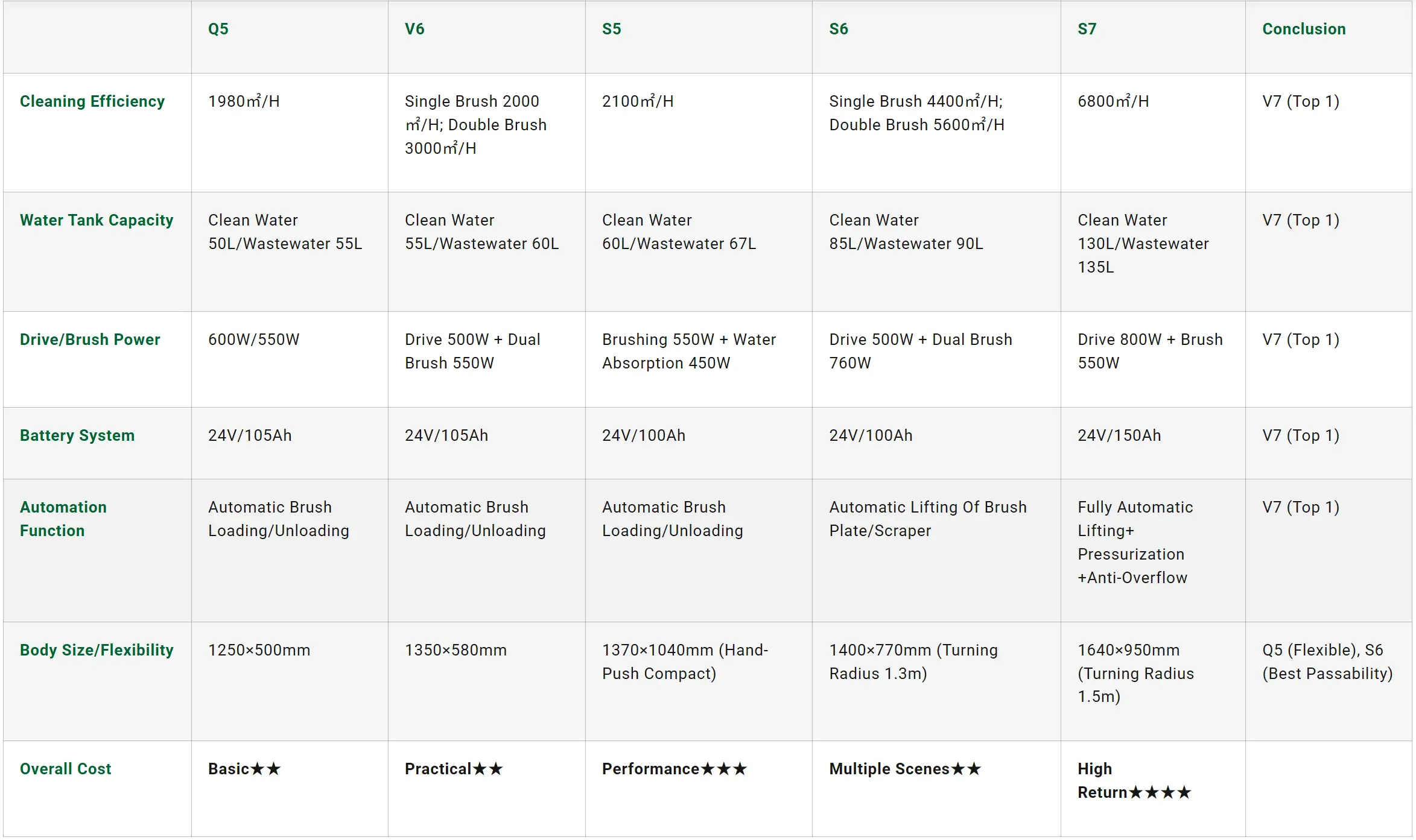
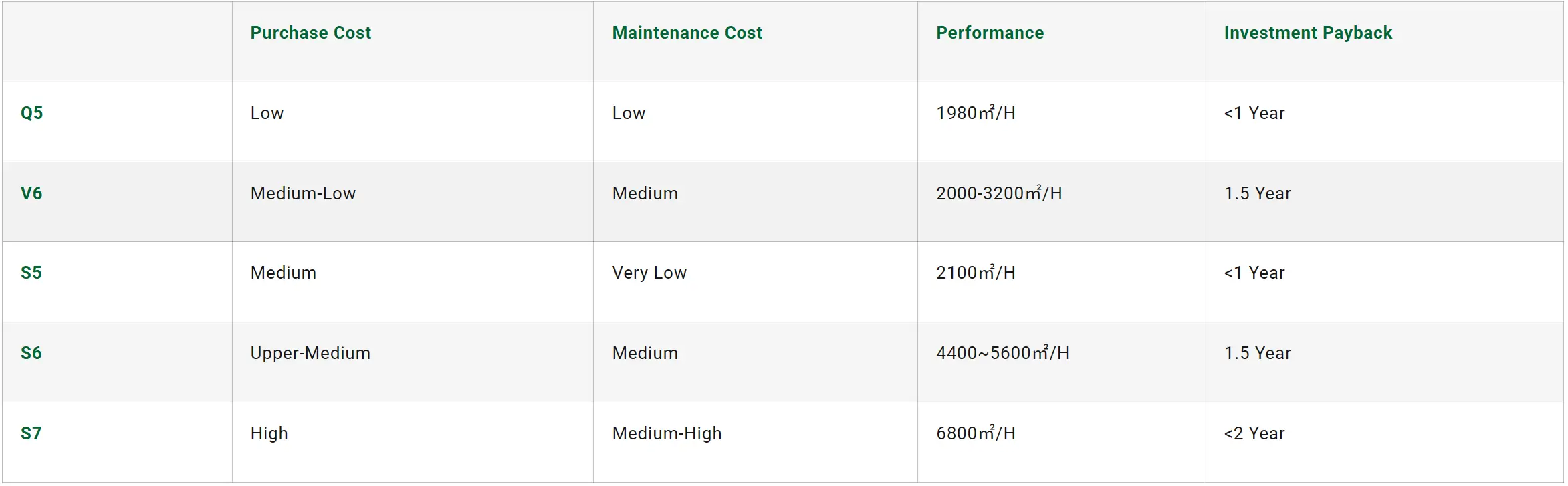
These ride-on floor scrubbers combine wide cleaning paths, strong water recovery, practical tank capacity, reliable runtime, and durable construction. The right model depends on warehouse size, floor condition, aisle width, cleaning frequency, operator needs, and total cost of ownership.
How to Choose the Right Ride-On Scrubber by Warehouse Size
Follow these steps to select the best ride-on scrubber for your facility.
- Determine your Warehouse Size and cleaning frequency—Large facilities (for example, over 20,000 sq ft) cleanings performed more frequently gain the most value from the LT-S860X and LT-S710X wide-path, high-capacity machines.
- Evaluate floor type and condition-such as concrete, rough warehouse floors require heavy—Duty brush systems and high vacuum performance. The selected scrubber must allow for adjustable brush pressure and heavy-duty squeegees.
- Estimate shift length and downtime tolerance—For operations that require multiple shifts or have long cleaning cycles, models offering long runtimes and large water tanks are best because they minimize refilling stops.
- Consider TCO — Calculate potential savings in labor, water, and chemical usage, and maintenance over time. Often a high-end ride-on scrubber yields better ROI in 12–24 months.
- Factor in operator comfort and ease of use — Machines with ergonomic seats, easy controls, and straightforward maintenance reduce operator fatigue and maintenance downtime.
- Maintenance planning and parts availability—select a brand with available spare parts, ease of maintenance, and support – this ensures long-term reliability.
Ride-On Scrubber vs Sweeper-Scrubber for Big Warehouses
Some buyers search for ride-on sweeper scrubber machines for big warehouses because warehouse floors may contain both dust and debris. A ride-on floor scrubber is mainly used to scrub, wash, and recover dirty water from the floor. It is suitable for concrete, epoxy, and sealed warehouse floors with dust, tire marks, light oil, or general soil.
A sweeper-scrubber is more suitable when the warehouse floor has loose debris, packaging waste, wood chips, dust piles, or mixed dry and wet soil. It can sweep debris and scrub the floor in one process.
Choose a ride-on floor scrubber when your main goal is washing and drying the floor. Choose a sweeper-scrubber when your warehouse needs both debris collection and floor scrubbing in one pass.
Safety and Maintenance Tips for Warehouse Ride-On Scrubbers
Large warehouses are busy environments with racks, pallets, forklifts, workers, and moving goods. When using a ride-on floor scrubber, safety and maintenance should be part of the daily cleaning process.
- Train operators in safe driving, turning, reversing, and stopping, especially near racks, pallets, forklifts, docks, and tight zones.
- Check the squeegee and suction system to ensure strong water recovery and faster drying.
- Place wet floor signs in active cleaning zones and high-traffic areas.
- Charge batteries in a suitable, well-ventilated charging area and follow electrical safety requirements.
- Inspect tanks, hoses, brushes, squeegees, batteries, and electrical components regularly.
- Keep spare parts such as brushes, pads, and squeegee blades available to reduce downtime.
- Maintain the machine according to the supplier’s instructions to protect both workers and warehouse assets.
Conclusion: Choosing the Best Ride-On Floor Scrubber for Warehouses
The best ride on floor scrubber for a warehouse is the machine that matches your floor area, aisle width, cleaning frequency, floor condition, runtime needs, tank capacity, safety requirements, and total cost of ownership.
For very large warehouses and logistics centers, a wide-path ride-on scrubber such as the LT-S860X can improve productivity and reduce cleaning interruptions. For medium to large warehouses, the LT-S710X offers a balance of runtime, tank capacity, and maneuverability. For mixed-use warehouse spaces, the LT-S560X can support more flexible cleaning routes.
If your facility needs faster cleaning, lower labor pressure, better water recovery, and safer warehouse floors, contact LVTONG for ride-on floor scrubber recommendations, model selection support, and a warehouse cleaning solution.
Conclusion: Choosing the Best Ride-On Floor Scrubber for Warehouses
What is the best ride on floor scrubber for warehouses?
The best ride on floor scrubber for warehouses depends on warehouse size, aisle width, floor type, cleaning frequency, runtime needs, and tank capacity. Large warehouses usually need wider cleaning paths, larger tanks, longer battery runtime, strong brush pressure, and reliable water recovery.
How do I choose a ride-on floor scrubber for a large warehouse?
Start by measuring the warehouse size, aisle width, turning areas, and cleaning route. Then compare cleaning width, solution and recovery tank capacity, battery runtime, brush system, squeegee performance, operator comfort, maintenance access, and total cost of ownership.
What cleaning width is best for warehouse ride-on scrubbers?
A wider cleaning width improves productivity in large open areas, but the machine must still fit through aisles, doors, ramps, and turning zones. Large warehouses can benefit from wider cleaning paths, while mixed-layout warehouses may need a more compact ride-on model.
What tank capacity does a warehouse ride-on scrubber need?
Warehouse ride-on scrubbers should have enough solution and recovery tank capacity to reduce refill and drain stops. Larger tanks are better for long cleaning routes and full-shift operation, while medium tanks may be suitable for smaller warehouses or mixed-use areas.
Is a ride-on scrubber better than a walk-behind scrubber for warehouses?
A ride-on scrubber is usually better for large warehouses because it covers more floor area per hour and reduces operator fatigue. A walk-behind scrubber may still be suitable for small warehouses, tight aisles, or areas with many obstacles.