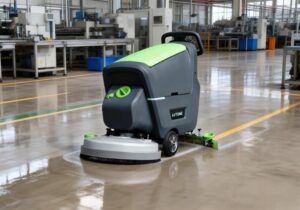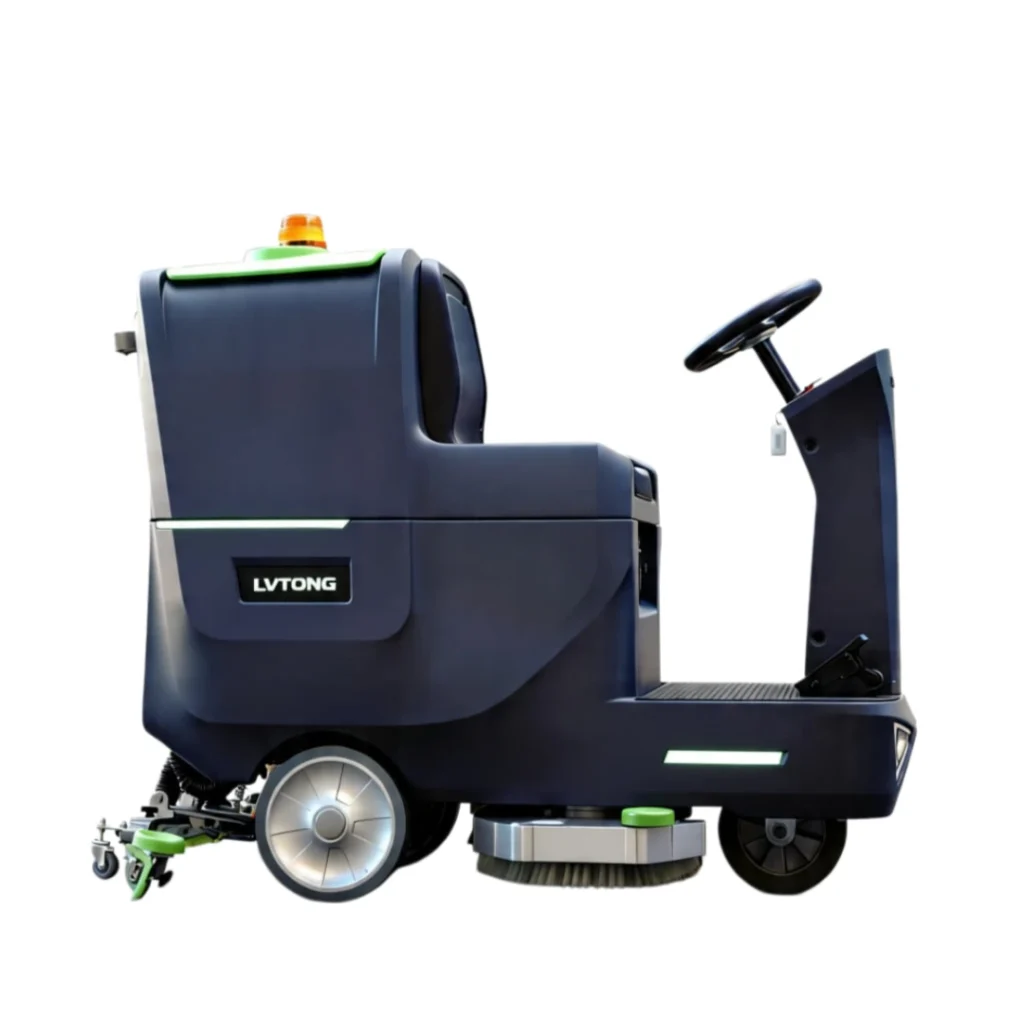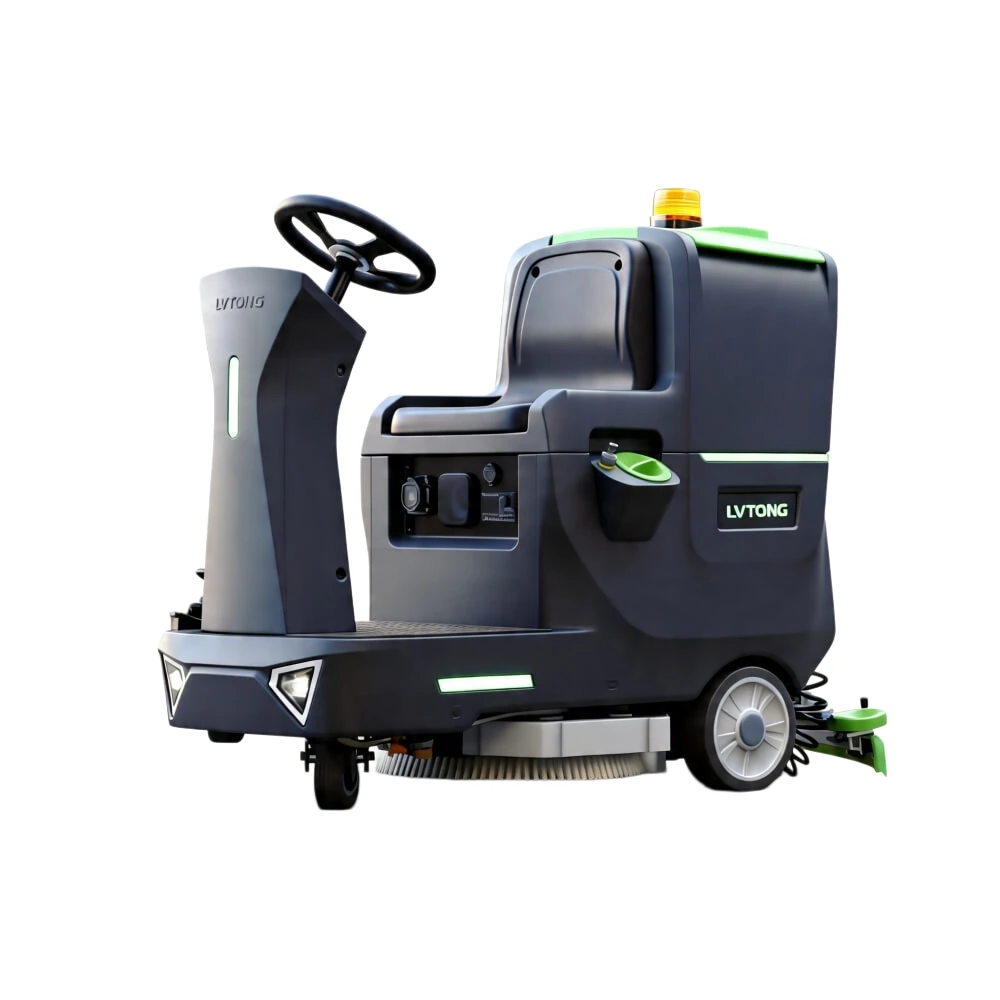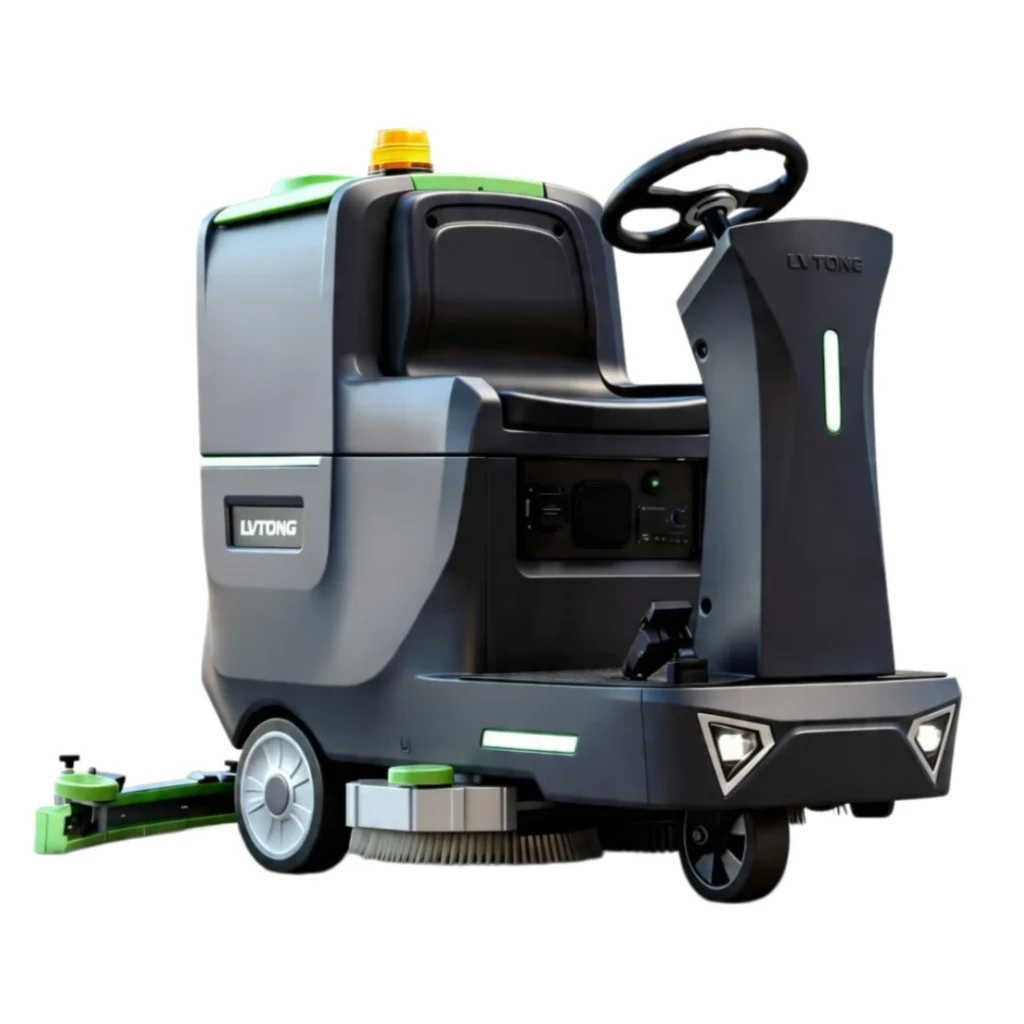
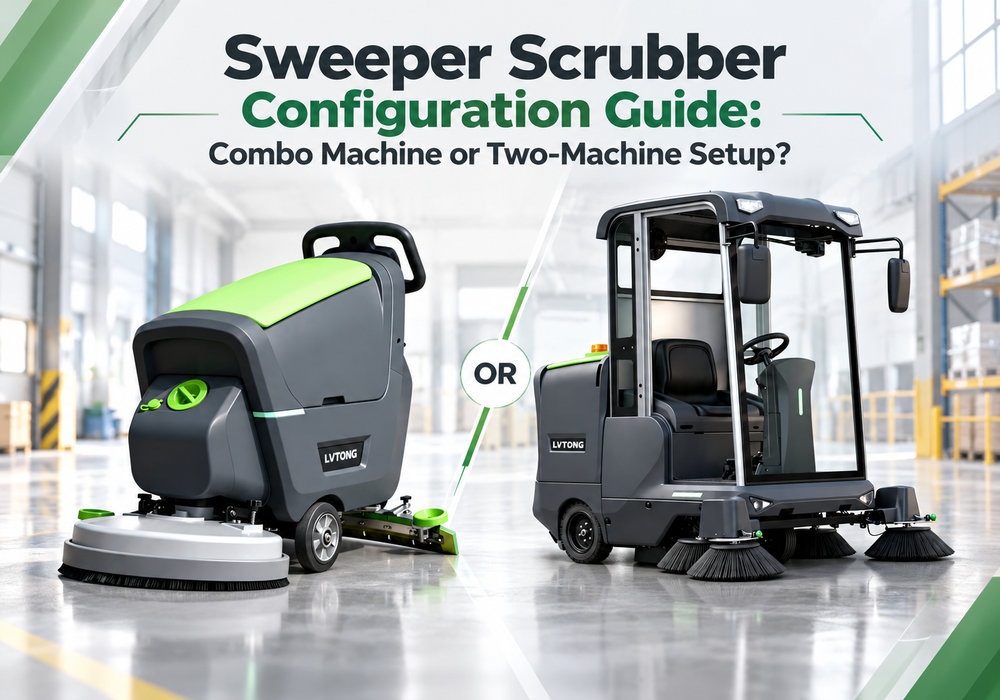
Elegir la fregadora de suelos adecuada para uso comercial no se trata solo de comprar una máquina de limpieza. Se trata de encontrar la fregadora idónea, con el ancho de limpieza adecuado, el sistema de cepillos, la autonomía de la batería, la capacidad del depósito y el rendimiento de secado precisos para satisfacer las necesidades reales de limpieza de sus instalaciones.
En oficinas, supermercados, hospitales, almacenes, fábricas, escuelas, centros logísticos y otros espacios comerciales, la máquina inadecuada puede provocar una limpieza lenta, recargas frecuentes, una recuperación deficiente del agua, fatiga del operario y mayores costes a largo plazo. Sin embargo, la máquina correcta puede mejorar la eficiencia de la limpieza, reducir la carga de trabajo, mantener los suelos más seguros y facilitar enormemente el mantenimiento diario.
Esta guía sobre fregadoras de suelos comerciales explica cómo elegir una fregadora de suelos adecuada para uso comercial, teniendo en cuenta la superficie del suelo, el tipo de suelo, el nivel de tráfico, el estado de la suciedad, las horas de trabajo y la frecuencia de limpieza.
¿Qué es una fregadora de suelos para uso comercial?
Una fregadora de suelos de uso comercial es una máquina de limpieza diseñada para lavar, fregar y secar suelos en entornos grandes o de mucho tránsito. A diferencia de una fregona, una fregadora de suelos comercial aplica una solución de limpieza, utiliza cepillos o almohadillas para eliminar la suciedad y, a continuación, recoge el agua sucia mediante un sistema de aspiración y escurridor.
Un sistema completo de limpieza de pisos comerciales generalmente incluye una máquina fregadora de pisos, un sistema de cepillo o almohadilla, un tanque de solución, un tanque de recuperación, un motor de vacío, un conjunto de rasqueta, un sistema de batería y un proceso de mantenimiento diario. Las empresas también pueden explorar LVTONG. Secadoras fregadoras de suelos comerciales para comparar diferentes opciones de limpieza comercial e industrial.
- Una fregadora de suelos de empuje o con asiento
- Un cepillo de disco, un cepillo cilíndrico o una almohadilla de limpieza
- Un tanque de agua limpia o solución
- Un tanque de recuperación para aguas sucias
- Un motor de vacío
- Un sistema de rasqueta para la recuperación de agua
- Una batería y un cargador
- Detergente de limpieza adecuado
- Un proceso de mantenimiento diario
Por eso, la elección de una fregadora de suelos no debe basarse únicamente en el precio. Una buena fregadora para uso comercial debe ajustarse al tamaño del espacio, al material del suelo, a la frecuencia de limpieza y al tipo de suciedad que se acumula a diario.
Respuesta rápida: ¿Cómo elegir la fregadora de suelos adecuada para uso comercial?
Para elegir la fregadora de suelos adecuada para uso comercial, comience con cinco preguntas clave:
- ¿Qué tan grande es el área que necesita limpiar?
- ¿El espacio es abierto, estrecho, está abarrotado o lleno de obstáculos?
- ¿Qué tipo de suelo tiene: hormigón, baldosas, epoxi, vinilo, caucho o piedra?
- ¿Qué tipo de suciedad necesita eliminar: polvo, huellas, aceite, grasa, derrames o marcas de montacargas?
- ¿Cuántas horas necesita funcionar la máquina cada día?
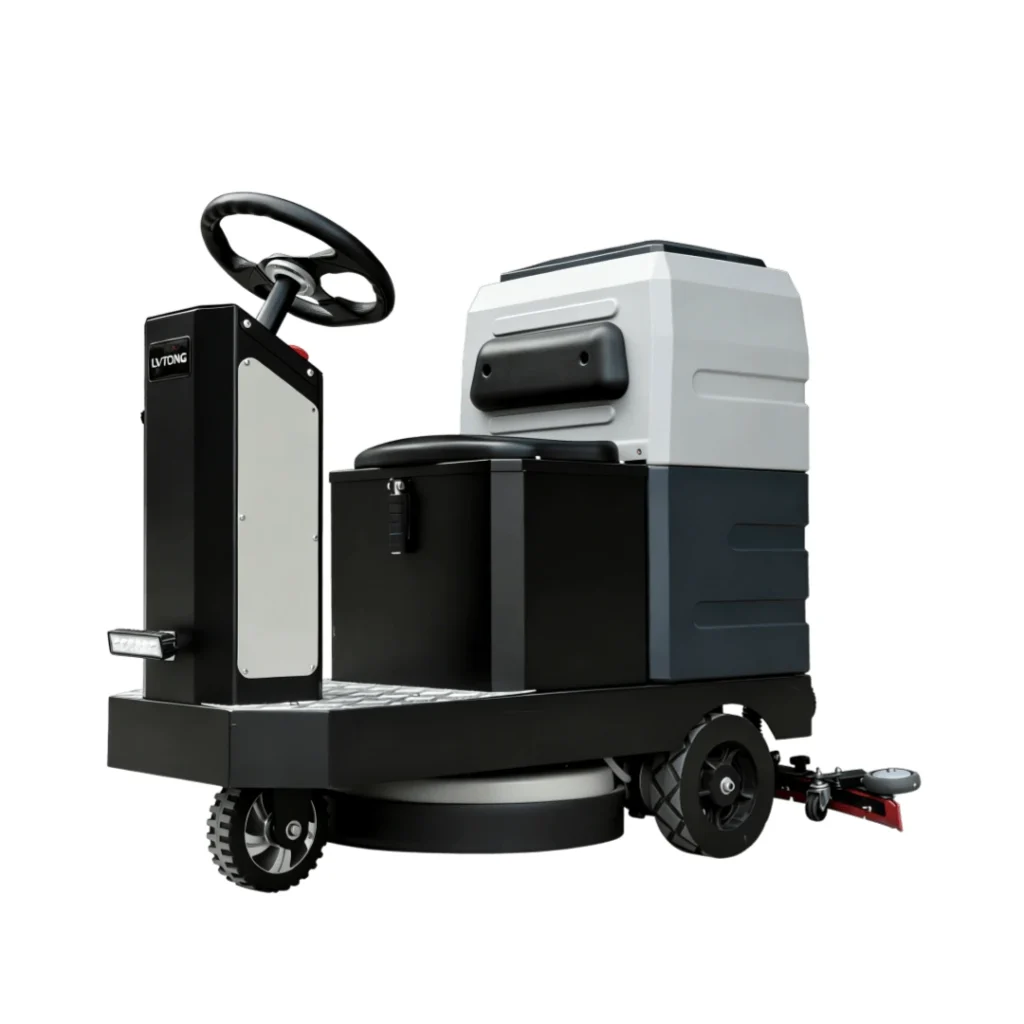
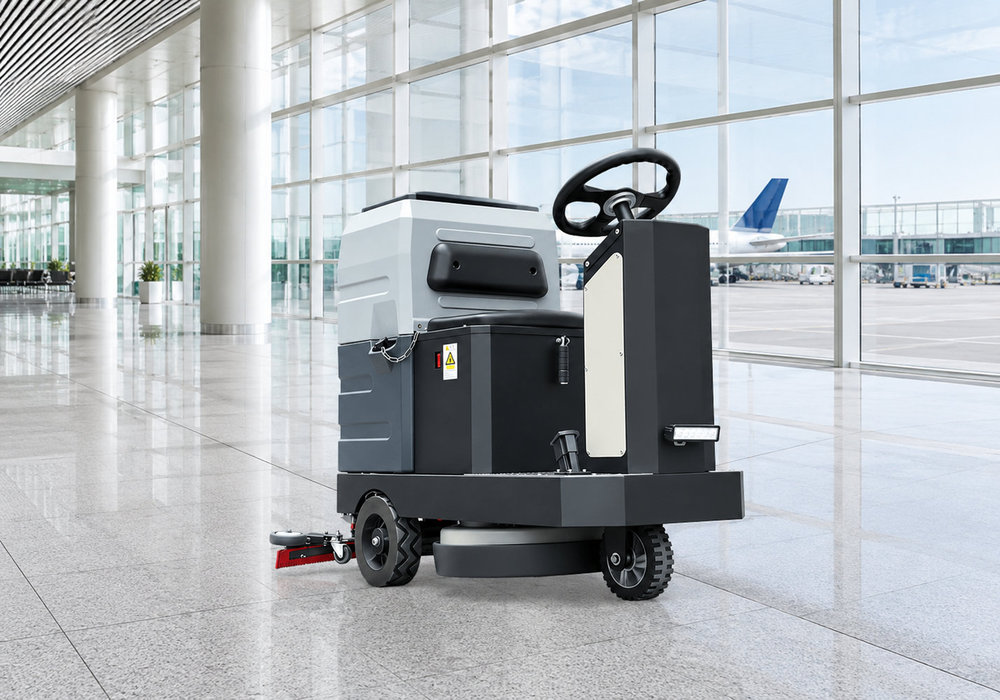
Para áreas comerciales pequeñas y medianas, una fregadora de suelos de conductor acompañante suele ser más fácil de controlar y más rentable. Para grandes espacios abiertos como almacenes, centros logísticos, aeropuertos y fábricas, una fregadora de suelos con conductor permite una limpieza más rápida y reduce la fatiga del operario.
Recomendación de expertos
Según nuestra experiencia en proyectos de limpieza comercial en almacenes, fábricas, supermercados, escuelas, hospitales y centros logísticos, el error más común al comprar una máquina es elegirla basándose únicamente en el ancho de limpieza o el precio. En la práctica, el tamaño de las instalaciones, el tipo de suelo, las horas de funcionamiento diarias, la duración de la batería, el sistema de cepillos y el rendimiento de recuperación de agua influyen mucho más en la eficiencia de la limpieza a largo plazo y en el coste operativo. Los compradores que evalúan estos factores antes de comparar marcas suelen lograr una mayor productividad y menores costes de mantenimiento.
Selección de fregadoras de suelos comerciales de un vistazo
Si solo tienes que recordar tres cosas al elegir una fregadora de suelos para uso comercial, céntrate en estas prioridades:
• Adapte el tamaño de la máquina a las necesidades de las instalaciones, en lugar de comprar el modelo más grande.
• Seleccione el sistema de cepillo adecuado según el tipo de suelo y las condiciones del terreno.
• Compare la duración de la batería, la capacidad del tanque y la recuperación de agua en lugar de solo el precio de compra.
Para la mayoría de las instalaciones comerciales, estos tres factores tienen un mayor impacto en la eficacia de la limpieza que la marca por sí sola.
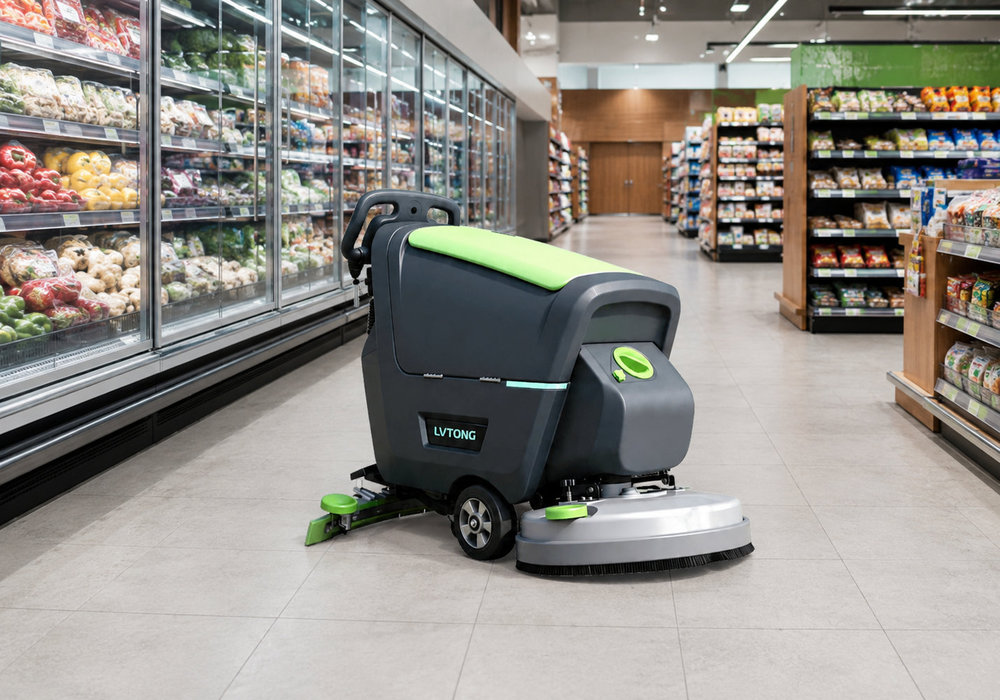
¿Por qué las empresas necesitan una fregadora de suelos comercial?
El fregado manual puede funcionar en áreas muy pequeñas, pero se vuelve ineficiente cuando la superficie a limpiar es grande, el suelo se ensucia rápidamente o las instalaciones necesitan resultados de limpieza uniformes todos los días.
Una fregadora de suelos para uso comercial puede ayudar a las empresas a:
- Limpia áreas más grandes en menos tiempo.
- Reducir el trabajo manual
- Mejora la velocidad de secado del suelo.
- Menor riesgo de resbalones causados por suelos mojados
- Mantén una apariencia más profesional.
- Reducir el desperdicio de agua y productos químicos
- Mejorar la consistencia de la limpieza
- Gestionar los horarios de limpieza diarios es más sencillo.
En instalaciones con mucho tránsito peatonal, movimiento de vehículos, polvo, aceite o derrames, los equipos comerciales de fregado de suelos suelen ser una solución a largo plazo más práctica que la limpieza manual repetida.
Factores clave a considerar antes de comprar una fregadora de suelos para uso comercial.
Al seleccionar una fregadora de suelos para uso comercial, los factores más importantes no son solo el tamaño o el precio de la máquina. Debe evaluar todo el proceso de limpieza.
1. Área de limpieza y productividad
El primer paso es calcular la superficie total que se debe limpiar diariamente. Una máquina con un ancho de limpieza mayor puede cubrir más superficie por hora, pero puede no ser adecuada para pasillos estrechos o espacios concurridos.
Por ejemplo:
- Las tiendas pequeñas, las oficinas y las clínicas pueden necesitar una fregadora compacta de conductor acompañante.
- Las instalaciones de tamaño mediano pueden necesitar un modelo de operador a pie más grande con mayor capacidad de depósito.
- Los grandes almacenes y fábricas pueden necesitar una fregadora autopropulsada con un ancho de limpieza mayor y una mayor autonomía de la batería.
Al comparar máquinas, compruebe la eficiencia de limpieza estimada, que suele expresarse en pies cuadrados o metros cuadrados por hora. Considere también las condiciones reales de trabajo. Los obstáculos, los giros, los pasillos estrechos y el tiempo de reabastecimiento pueden reducir la productividad real.
2. Fregadoras de suelos de empuje frente a fregadoras de suelos con conductor
Una de las decisiones más importantes es si elegir una fregadora de suelos de empuje o una fregadora de suelos con asiento.
Las fregadoras de suelos de conductor acompañante suelen ser mejores para:
- Áreas de tamaño pequeño a mediano
- Espacios reducidos
- Pasillos estrechos
- tiendas minoristas
- Escuelas
- hospitales
- Edificios de oficinas
- Zonas con muchas curvas u obstáculos
Si sus instalaciones tienen pasillos estrechos, muchos obstáculos o áreas de limpieza de tamaño mediano, máquinas fregadoras de suelos autopropulsadas Suelen ser más fáciles de manejar y más flexibles.
Las fregadoras de suelos con conductor suelen ser mejores para:
- Grandes áreas abiertas
- almacenes
- Centros logísticos
- Aeropuertos
- Fábricas
- zonas de aparcamiento
- Grandes supermercados
- Instalaciones con turnos de limpieza prolongados
Para grandes almacenes, fábricas, centros logísticos y otros espacios abiertos, máquinas fregadoras de suelos con conductor Puede mejorar la velocidad de limpieza y reducir la fatiga del operario.
Comparación entre fregadoras de suelos de empuje y fregadoras de suelos con asiento
| Característica | Fregadora industrial de operador a pie | Fregadora con operador a bordo |
|---|---|---|
| Mejor para | Espacios pequeños y medianos | Grandes espacios abiertos |
| Maniobrabilidad | Mejor en zonas estrechas | Mejor en áreas amplias |
| Velocidad de limpieza | Moderado | Alto |
| Fatiga del operador | Mayor durante turnos largos | Menor durante turnos largos |
| Coste inicial | Generalmente más bajo | Generalmente más alto |
| Capacidad del tanque | De pequeño a mediano | Más grande |
| Complejidad del mantenimiento | Más sencillo | Más complejo |
| Uso ideal | Oficinas, tiendas, escuelas, hospitales | Almacenes, fábricas, centros logísticos |
Si sus instalaciones tienen muchos pasillos estrechos, un modelo compacto de conductor a pie podría ser la opción más inteligente. Si su equipo necesita limpiar miles de metros cuadrados al día, un modelo con conductor podría ahorrarle más tiempo y mano de obra a largo plazo.
H2: Selección de una fregadora de suelos en función del tamaño de las instalaciones.
El tamaño de las instalaciones es una de las maneras más fáciles de reducir las opciones.
H3: Pequeñas zonas comerciales
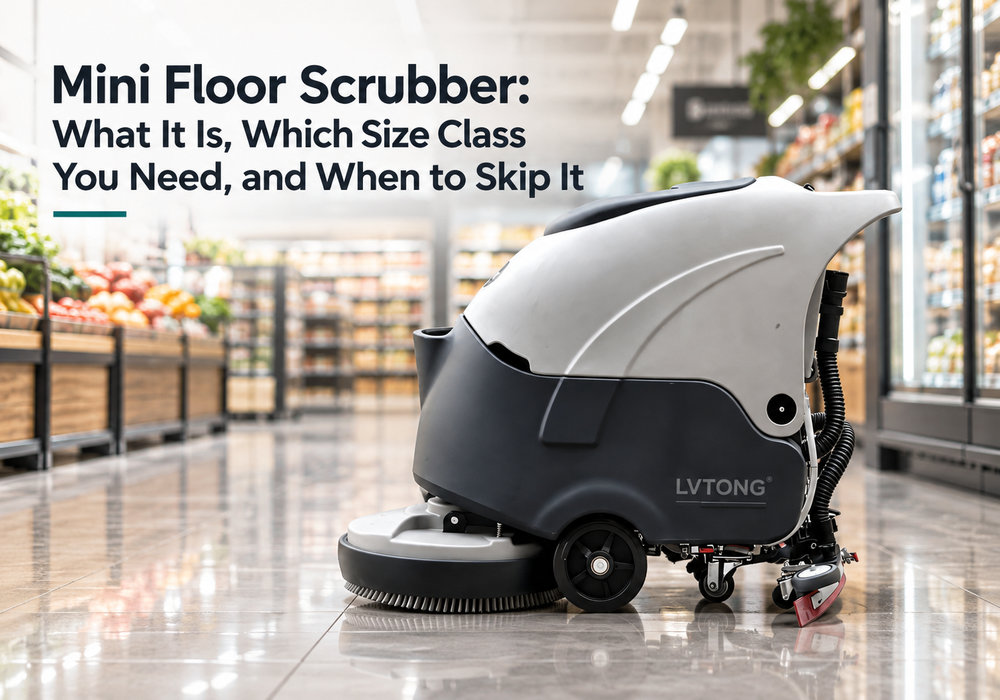
Para áreas comerciales pequeñas como tiendas de conveniencia, oficinas pequeñas, clínicas y restaurantes, una fregadora de suelos compacta que se maneja de pie suele ser suficiente.
Características recomendadas:
- Cuerpo compacto
- Radio de giro fácil
- Controles simples
- Rendimiento de secado rápido
- Nivel de ruido bajo
- Limpieza fácil del tanque
Una fregadora de suelos más pequeña para uso comercial es más fácil de almacenar, más fácil de manejar y más adecuada para la limpieza durante o entre el horario laboral.
Instalaciones comerciales de tamaño mediano
Para áreas de tamaño mediano, como escuelas, supermercados, centros comerciales, talleres y edificios de oficinas, elija una fregadora de conductor acompañante con un ancho de limpieza mayor y una capacidad de depósito más grande.
Características recomendadas:
- Ancho de limpieza medio
- Tanques de solución y recuperación de mayor tamaño
- Excelente rendimiento como escobilla de goma
- Buena duración de la batería
- Diseño de asa cómoda
- Opciones de cepillo o almohadilla para diferentes tipos de suelo.
Por ejemplo, una fregadora de suelos autopropulsada con un ancho de limpieza de entre 500 y 600 mm puede ofrecer un buen equilibrio entre productividad y maniobrabilidad.
Grandes instalaciones
Para grandes áreas comerciales e industriales como almacenes, centros logísticos, aeropuertos y fábricas, una fregadora de suelos con conductor suele ser más eficiente.
Características recomendadas:
- Amplia pista de limpieza
- Grandes tanques de solución y recuperación
- Larga duración de la batería
- Fuerte presión del cepillo
- Posición de conducción cómoda
- Marco resistente
- Alto rendimiento en la recuperación de agua
Una fregadora de suelos con conductor puede ayudar a reducir la fatiga del operario y mejorar la velocidad de limpieza cuando la superficie del suelo es grande y diáfana.
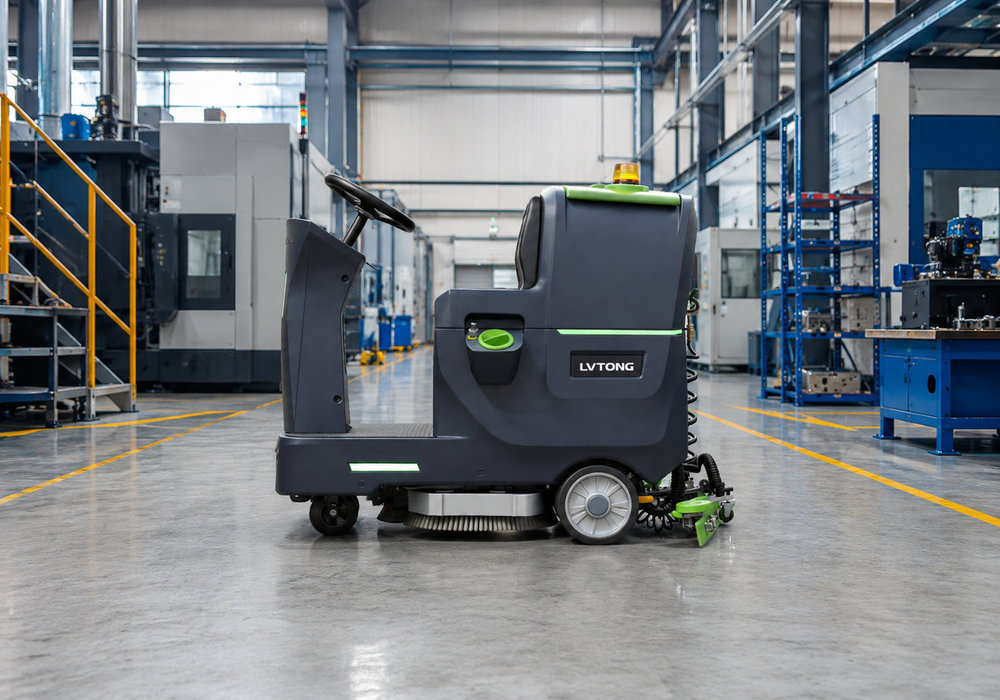
Cómo elegir una fregadora de suelos según el tipo de suelo.
Los distintos tipos de suelo requieren diferentes tipos de cepillos, niveles de presión y métodos de limpieza. Usar el cepillo o la almohadilla incorrectos puede reducir los resultados de la limpieza o dañar la superficie del suelo.
Suelos de hormigón pulido
El hormigón pulido es común en almacenes, fábricas, tiendas minoristas y centros logísticos. Es duradero, pero el polvo, las marcas de neumáticos y las manchas de aceite pueden acumularse rápidamente.
Configuración recomendada:
- Fregadora de suelos de uso medio o pesado.
- Cepillo de nailon o almohadilla adecuada
- Buena presión del cepillo
- Sistema de recuperación de agua potente
- Escobilla de goma duradera
Para grandes superficies de hormigón, una fregadora de suelos con conductor suele ser más eficiente.
Suelos de baldosas cerámicas
Los azulejos de cerámica son comunes en supermercados, escuelas, hospitales, cocinas y edificios públicos. La suciedad puede acumularse en las juntas, por lo que es importante elegir bien el cepillo.
Configuración recomendada:
- Fregadora de empuje para áreas pequeñas
- Cepillo cilíndrico o de disco, según la profundidad de la lechada.
- Presión moderada del cepillo
- Escobilla de secado rápido
- Detergente adecuado para superficies de baldosas
Si la limpieza de las juntas es importante, elija un sistema de cepillo que pueda alcanzar las superficies irregulares con mayor eficacia.
Pisos de epoxi
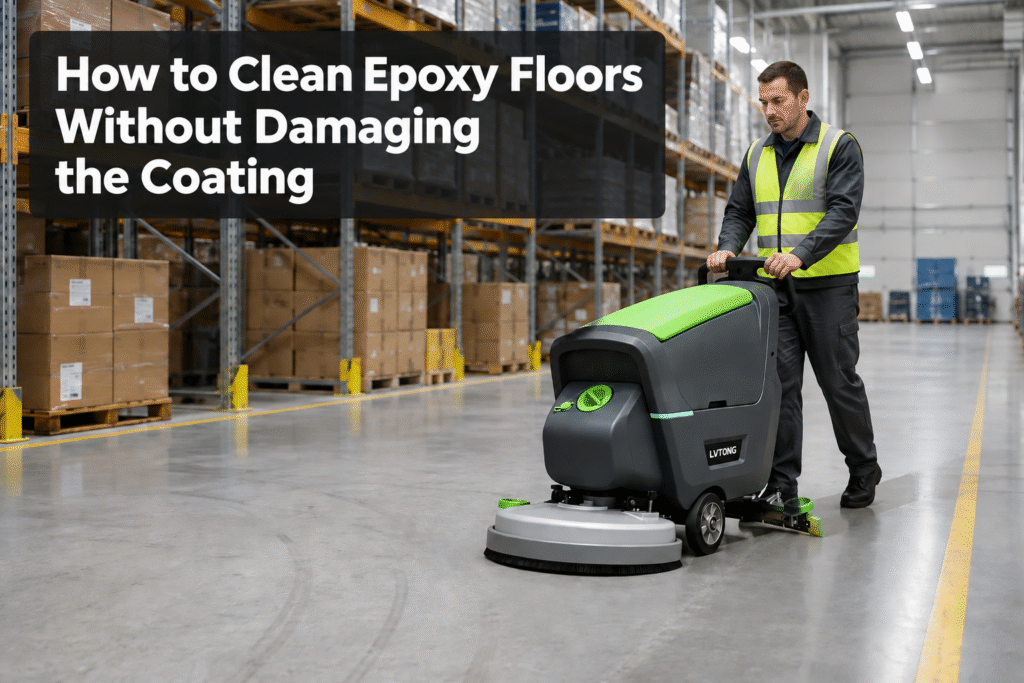
Los suelos de resina epoxi se utilizan con frecuencia en fábricas, almacenes, talleres y garajes. Pueden soportar el tráfico industrial, pero pueden acumular aceite, grasa, polvo y marcas de neumáticos.
Configuración recomendada:
- Fregadora de suelos duradera para uso comercial o industrial
- Brocha de rigidez media
- Escobilla de goma resistente al aceite si es necesario
- Buena potencia de succión
- Solución de limpieza adecuada para grasa o aceite.
En instalaciones con frecuentes manchas de aceite, la presión del cepillo y la selección del detergente son especialmente importantes.
Suelos de vinilo y caucho
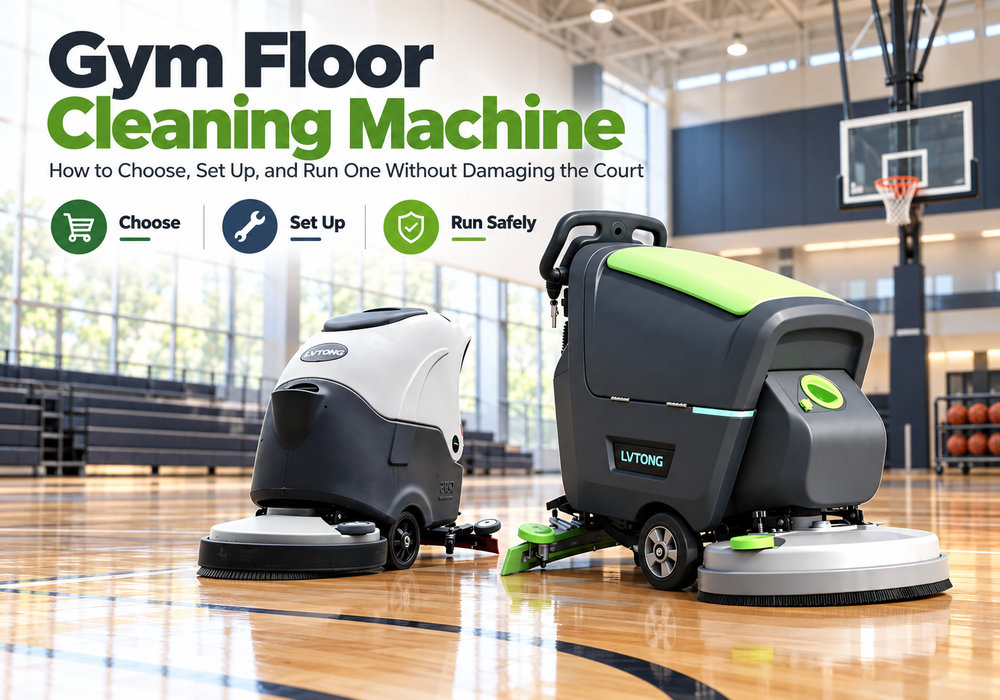
Los suelos de vinilo y caucho se utilizan con frecuencia en escuelas, hospitales, gimnasios y edificios comerciales. Estas superficies requieren una limpieza eficaz pero delicada.
Configuración recomendada:
- Cepillo suave o almohadilla de limpieza adecuada
- Reducir la presión del cepillo
- Flujo de agua controlado
- Funcionamiento silencioso
- Buen rendimiento de secado
Evite utilizar cepillos demasiado abrasivos que puedan desgastar o rayar la superficie.
Suelos de piedra natural
La piedra natural requiere una limpieza más cuidadosa porque algunas superficies son sensibles a los productos químicos agresivos o a los cepillos abrasivos.
Configuración recomendada:
- Cepillo suave o no abrasivo
- Solución de limpieza neutra o adecuada
- Ajuste de presión más baja
- Uso controlado del agua
- Proceso de limpieza suave
En el caso de la piedra natural, consulte siempre las recomendaciones de limpieza del fabricante del suelo antes de utilizar productos químicos fuertes o estropajos abrasivos.
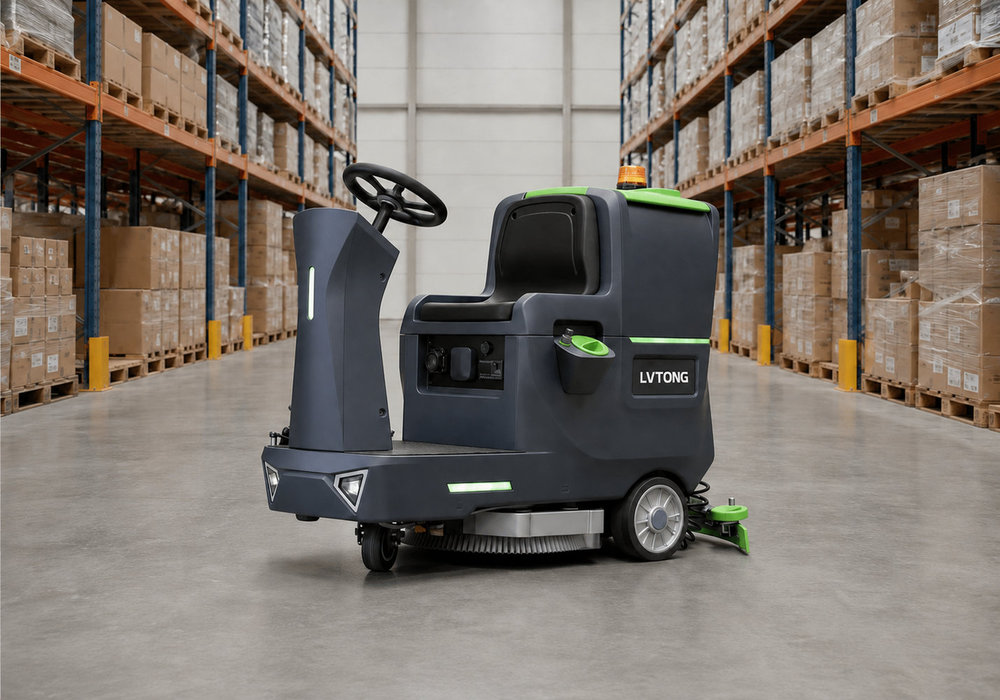
Autonomía de la batería y turnos de limpieza diarios
El rendimiento de la batería es otro factor clave a la hora de elegir una fregadora de suelos para uso comercial. Una máquina con poca autonomía puede interrumpir las tareas de limpieza y requerir recargas frecuentes.
Al comparar sistemas de baterías, tenga en cuenta lo siguiente:
- Tiempo de funcionamiento por carga
- Tiempo de carga
- Tipo de batería
- Necesidades de mantenimiento de la batería
- Si un solo cargo puede cubrir un turno de limpieza completo
- Si es posible cobrar por oportunidad
- Costo de reemplazo a lo largo del tiempo
Para las empresas con turnos de limpieza diarios, la duración de la batería debe coincidir con el horario de trabajo real. Una pequeña tienda minorista puede necesitar solo una duración corta, mientras que un almacén o fábrica puede requerir varias horas de funcionamiento continuo. La duración de la batería también afecta el rendimiento de la máquina a largo plazo y el costo de reemplazo. Para obtener más detalles, lea nuestra guía sobre duración de la batería de la fregadora de suelos.
Las baterías de litio son cada vez más comunes porque suelen cargarse más rápido, requieren menos mantenimiento y ofrecen un rendimiento más estable en comparación con las baterías tradicionales. Sin embargo, la mejor opción depende de tu presupuesto, la carga de trabajo y el programa de carga.
Sistema de cepillos y ancho de la trayectoria de limpieza
El sistema de cepillos influye directamente en el rendimiento de la limpieza. El cepillo o la almohadilla adecuados ayudan a eliminar la suciedad de forma eficaz sin dañar el suelo.
Cepillos de disco
Los cepillos de disco son comunes y adecuados para muchos suelos lisos. Se utilizan con frecuencia en tiendas, oficinas, escuelas, hospitales y zonas comerciales en general.
Ideal para:
- Suelos lisos
- Limpieza de mantenimiento diaria
- Suciedad y huellas en general
- Tareas de limpieza de intensidad media
Cepillos cilíndricos
Los cepillos cilíndricos son útiles cuando el suelo tiene suciedad ligera, superficies irregulares o juntas de baldosas. En algunos entornos, pueden fregar y recoger pequeños residuos con mayor eficacia.
Ideal para:
- almacenes
- Suelos de baldosas
- Áreas con escombros ligeros
- Instalaciones con polvo o partículas
- Suelos con juntas o ranuras poco profundas.
Almohadillas de limpieza
Las almohadillas se pueden usar para distintos niveles de limpieza, desde un mantenimiento ligero hasta un fregado más intenso. La almohadilla adecuada depende del material del suelo y del grado de suciedad.
Ideal para:
- Suelos comerciales lisos
- Superficies pulidas
- Limpieza de mantenimiento
- Necesidades específicas de cuidado del suelo
Ancho de la ruta de limpieza
Una trayectoria de limpieza más amplia mejora la productividad en áreas abiertas, pero puede reducir la flexibilidad en espacios reducidos. Una trayectoria más estrecha facilita el control en áreas pequeñas, pero puede llevar más tiempo limpiar pisos grandes.
Elija una ruta de limpieza más amplia si:
- La zona es grande y abierta.
- Hay menos obstáculos
- La velocidad de limpieza es importante
- Los operarios realizan tareas de limpieza durante largos turnos.
Elija una ruta de limpieza más estrecha si:
- El espacio está abarrotado.
- Los pasillos son estrechos
- Hay muchos giros
- El espacio de almacenamiento es limitado.
Capacidad del tanque y recuperación de agua
La capacidad del tanque influye en la frecuencia con la que el operador necesita detenerse para rellenar el agua limpia y vaciar el agua sucia. Los tanques más grandes pueden mejorar la productividad en áreas extensas, mientras que los tanques más pequeños son más fáciles de manejar en máquinas compactas.
Al revisar el diseño del tanque, observe lo siguiente:
- Capacidad del tanque de solución
- Capacidad del tanque de recuperación
- Facilidad de llenado
- Facilidad de drenaje
- Acceso para la limpieza del tanque
- visibilidad del nivel del agua
- Rendimiento de recuperación
Una buena recuperación de agua es especialmente importante en espacios comerciales, ya que los suelos mojados pueden provocar resbalones e interrumpir las operaciones normales. Un sistema de aspiración potente y una escobilla de goma bien diseñada ayudan a que los suelos se sequen más rápido después de la limpieza.
Nivel de ruido y limpieza durante el horario comercial
El nivel de ruido es importante en lugares donde se pueda realizar la limpieza durante el horario laboral o cerca de clientes, pacientes, estudiantes o empleados.
El funcionamiento con bajo nivel de ruido es útil para:
- hospitales
- Escuelas
- Oficinas
- Hoteles
- centros comerciales
- supermercados
- edificios públicos
Si tu equipo necesita limpiar durante el día, elige una fregadora de suelos con funcionamiento silencioso, modo ecológico o ajustes de bajo nivel de ruido. Esto ayuda a minimizar las molestias sin comprometer la limpieza de los suelos.
H2: Cómo elegir una fregadora de suelos para diferentes aplicaciones comerciales
Cada instalación presenta diferentes desafíos de limpieza. Una fregadora de suelos para uso comercial debe seleccionarse en función del entorno, no solo del tamaño de la máquina.
Almacenes y centros logísticos
Los almacenes suelen tener grandes espacios abiertos, polvo de hormigón, marcas de neumáticos de carretillas elevadoras, restos de palés y un alto tráfico diario.
Configuración recomendada de la fregadora de suelos:
- Fregadora de suelos autopropulsada para grandes superficies
- Fregadora de empuje para pasillos o esquinas estrechas.
- Ruta de limpieza más amplia
- Gran capacidad del tanque
- Larga duración de la batería
- Cepillo cilíndrico o sistema de cepillos adecuado
- Escobilla de goma resistente para suelos irregulares
Para los almacenes, la productividad y la durabilidad suelen ser los factores más importantes. Para obtener recomendaciones más detalladas sobre la limpieza de almacenes, puede leer nuestra guía de fregadoras de suelos de almacén.
Tiendas minoristas y supermercados
Las tiendas minoristas y los supermercados necesitan suelos limpios durante el horario comercial, a menudo con clientes cerca. Un secado rápido y un funcionamiento silencioso son muy importantes.
Configuración recomendada de la fregadora de suelos:
- Fregadora compacta de conductor acompañante
- Funcionamiento silencioso
- Escobilla de secado rápido
- Fácil maniobrabilidad
- Controles simples
- Modo Eco si está disponible
Una fregadora de suelos compacta ayuda a limpiar pasillos, zonas de cajas, almacenes y zonas de entrada sin molestar a los clientes.
Hospitales y centros médicos
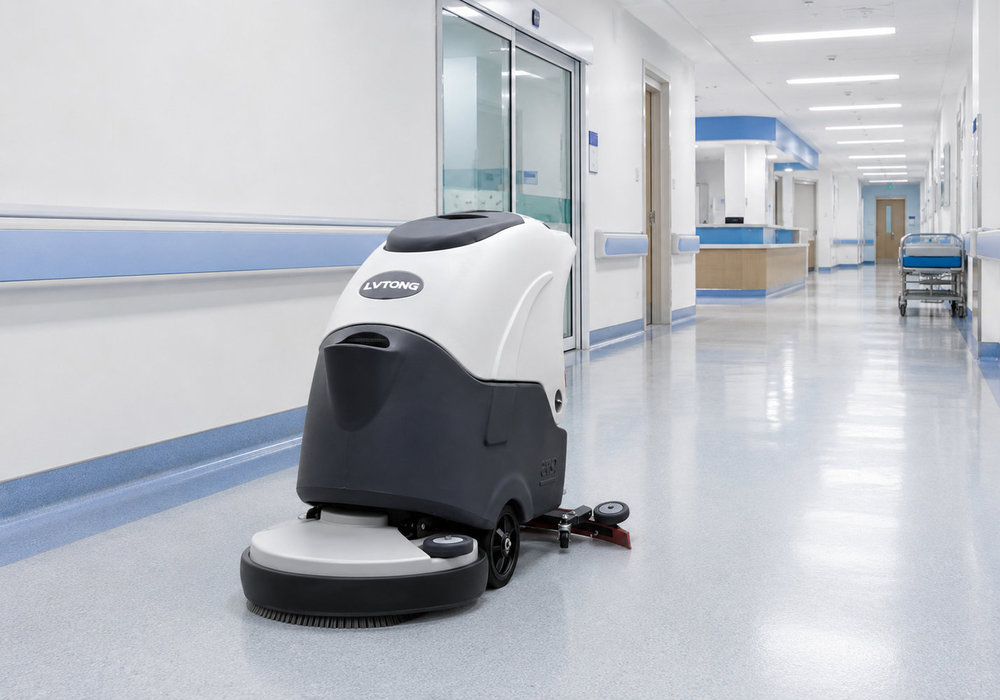
Los hospitales y centros médicos requieren una limpieza constante, bajo nivel de ruido y una fuerte recuperación de agua. Las máquinas deben ser fáciles de limpiar y adecuadas para espacios reducidos. Si su instalación es una clínica, hospital o edificio de atención médica, también puede consultar nuestra guía para elegir una Máquina de limpieza de suelos para hospitales.
Configuración recomendada de la fregadora de suelos:
- Fregadora silenciosa de empuje
- Buena recuperación de agua
- Tanques fáciles de limpiar
- Cuerpo compacto
- Cepillo suave o adecuado para suelos delicados
- Flujo de solución controlado
En los entornos sanitarios, la velocidad de secado y un diseño que priorice la higiene deben ser prioridades absolutas.
Escuelas y universidades
Las escuelas cuentan con aulas, pasillos, comedores, gimnasios y zonas de entrada. La máquina de limpieza debe ser lo suficientemente flexible para adaptarse a diferentes espacios.
Configuración recomendada de la fregadora de suelos:
- Fregadora de suelos mediana de conductor acompañante
- Sistema de cepillos duradero
- Capacidad del tanque moderada
- Funcionamiento silencioso
- Controles sencillos
- Rendimiento de secado seguro
En campus grandes, una combinación de fregadoras manuales y con conductor puede resultar más eficiente.
Fábricas y talleres
Las fábricas suelen estar expuestas a aceite, grasa, polvo, partículas metálicas y suciedad incrustada. Estos entornos requieren equipos más robustos y componentes más duraderos.
Configuración recomendada de la fregadora de suelos:
- Fregadora de alta resistencia, ya sea de conductor a pie o con asiento.
- Fuerte presión del cepillo
- Marco resistente
- Escobilla de goma resistente al aceite si es necesario
- Cepillo adecuado para suelos industriales
- Detergente de limpieza adecuado para grasa o aceite
Para los suelos de las fábricas, elija una máquina que pueda soportar suciedad incrustada y largas jornadas de trabajo.
Edificios de oficinas
Los edificios de oficinas suelen necesitar una limpieza regular de pasillos, vestíbulos, ascensores y zonas comunes. La máquina debe ser silenciosa, compacta y fácil de usar.
Configuración recomendada de la fregadora de suelos:
- Fregadora compacta o mediana de conductor acompañante
- Funcionamiento silencioso
- Cepillo o almohadilla suave
- Buen rendimiento de secado
- Fácil almacenamiento
- Mantenimiento sencillo
Una fregadora de suelos de menor tamaño suele ser suficiente para el mantenimiento diario en entornos de oficina.
¿Con qué frecuencia se deben fregar los suelos comerciales?
La frecuencia de limpieza depende del nivel de tránsito, el tipo de suciedad, el material del suelo y los requisitos de seguridad.
Como guía general:
- Las zonas de mucho tránsito pueden necesitar una limpieza diaria.
- Las zonas de tránsito moderado pueden necesitar ser fregadas varias veces por semana.
- Las zonas de poco tránsito solo necesitarán una limpieza semanal.
- Las zonas industriales con presencia de aceite, polvo o escombros pueden requerir una limpieza más frecuente.
- Las zonas comerciales y públicas pueden requerir limpiezas diarias o incluso varias veces al día.
Un buen programa de limpieza ayuda a proteger la superficie del suelo, mejora su aspecto y reduce los riesgos de seguridad.
El costo total de propiedad importa.
La fregadora de suelos más barata no siempre es la opción más rentable. Al elegir una fregadora de suelos para uso comercial, conviene tener en cuenta el coste total de propiedad, no solo el precio de compra.
Entre los factores de costo importantes se incluyen:
- Precio de la máquina
- Costo de reemplazo de la batería
- Costo de reemplazo de cepillos y almohadillas
- Costo de reemplazo de la escobilla limpiacristales
- Piezas de mantenimiento
- Riesgo de tiempo de inactividad
- Formación de operadores
- Ahorro de mano de obra
- Uso de agua y productos químicos
- Soporte técnico
Una máquina de mayor calidad puede costar más al principio, pero puede reducir el tiempo de inactividad, mejorar la productividad y durar más si se usa correctamente.
Lista de verificación para la selección de fregadoras de suelos comerciales
Antes de comprar una fregadora de suelos para uso comercial, utilice esta lista de verificación:
- Mide la superficie total a limpiar.
- Identifique el tipo de suelo.
- Comprueba si el espacio es abierto o estrecho.
- Calcula las horas de limpieza diarias.
- Decida entre fregadoras de empuje y fregadoras con asiento.
- Comparar el ancho de la ruta de limpieza.
- Comprueba la duración de la batería.
- Compruebe la capacidad del tanque.
- Revisa las opciones de cepillos y almohadillas.
- Confirmar el rendimiento de la recuperación de agua.
- Considere el nivel de ruido.
- Compruebe la disponibilidad de repuestos.
- Revisar los requisitos de mantenimiento.
- Calcular el coste operativo a largo plazo.
- Elija un proveedor que pueda brindarle apoyo y orientación.
Esta lista de verificación le ayudará a evitar elegir una máquina que sea demasiado pequeña, demasiado grande, demasiado débil o demasiado cara para sus necesidades reales de limpieza.
Errores comunes al elegir una fregadora de suelos para uso comercial
Elegir únicamente por precio
Una máquina de bajo coste puede parecer atractiva, pero si no puede limpiar la zona de forma eficiente, puede aumentar los costes laborales y el tiempo de inactividad.
Ignorando el tipo de piso
Los distintos tipos de suelo requieren cepillos, almohadillas y niveles de presión diferentes. Ignorar el tipo de suelo puede provocar una limpieza deficiente o daños en la superficie.
Subestimar la duración de la batería
Si la batería no aguanta todo el turno de limpieza, los operarios tendrán que parar para recargarla, lo que reducirá la productividad.
Elegir el tamaño de máquina incorrecto
Una máquina demasiado grande puede ser difícil de usar en áreas estrechas. Una máquina demasiado pequeña puede tardar demasiado en limpiar espacios grandes.
Olvidar los requisitos de mantenimiento
Los cepillos, rasquetas, depósitos, filtros y baterías necesitan un cuidado regular. Un mantenimiento sencillo ayuda a prolongar la vida útil de la máquina. El mantenimiento regular ayuda a reducir el tiempo de inactividad, prolongar la vida útil de la máquina y mantener un rendimiento de limpieza estable. LVTONG también proporciona mantenimiento de equipos de limpieza y asistencia posventa para fregadoras y barredoras de suelos.
Opciones recomendadas de fregadoras de suelos LVTONG
LVTONG ofrece diferentes opciones de fregadoras de suelos para necesidades de limpieza comercial e industrial. El modelo adecuado depende del tamaño de sus instalaciones, el tipo de suelo y la carga de trabajo diaria.
Para áreas comerciales de tamaño mediano, una fregadora de suelos autopropulsada como la LVTONG LT-S530X puede proporcionar un equilibrio práctico entre ancho de limpieza, maniobrabilidad y eficiencia de limpieza diaria.
Para almacenes de mayor tamaño, centros logísticos y plantas industriales diáfanas, una fregadora de suelos con conductor, como la LVTONG LT-S860X, puede ayudar a mejorar la productividad y reducir la fatiga del operario.
Para espacios reducidos, las fregadoras de suelos compactas de conductor acompañante pueden ser una mejor opción, ya que son más fáciles de girar, almacenar y operar en áreas estrechas.
Si no está seguro de qué fregadora de suelos para uso comercial es la adecuada para sus instalaciones, lo mejor es comparar la superficie del suelo, el grado de suciedad, las horas de limpieza diarias y el presupuesto antes de elegir un modelo.
Preguntas frecuentes: Fregadora de suelos para uso comercial
¿Cuál es la mejor fregadora de suelos para uso comercial?
La mejor fregadora de suelos para uso comercial depende del tamaño de sus instalaciones, el tipo de suelo, la frecuencia de limpieza y el grado de suciedad. Las fregadoras de conductor acompañante suelen ser más adecuadas para espacios pequeños y medianos, mientras que las fregadoras con conductor a bordo son más apropiadas para grandes áreas abiertas.
¿Cómo elijo una fregadora de suelos para uso comercial?
Empiece midiendo la zona de limpieza, comprobando el tipo de suelo, calculando las horas de limpieza diarias y decidiendo si necesita una máquina de empuje o una con asiento. A continuación, compare el ancho de limpieza, la duración de la batería, la capacidad del depósito, el tipo de cepillo y el rendimiento de secado.
¿Es mejor una fregadora de suelos manual o una con asiento?
Una fregadora de suelos de empuje es más adecuada para espacios estrechos, concurridos o de tamaño mediano. Una fregadora de suelos con conductor es más adecuada para instalaciones grandes donde la velocidad de limpieza y la comodidad del operario son importantes.
¿Qué fregadora de suelos es la mejor para suelos de hormigón?
Para suelos de hormigón, elija una fregadora de suelos comercial o industrial duradera con la presión de cepillado adecuada, una gran capacidad de recuperación de agua y un cepillo o almohadilla que pueda eliminar eficazmente el polvo, las marcas de neumáticos y la suciedad superficial.
¿Cuánto tiempo debería durar la batería de una fregadora de suelos industrial?
La duración de la batería depende del modelo y la carga de trabajo. Para la limpieza comercial diaria, la batería debe ser capaz de soportar el turno de limpieza requerido sin interrupciones frecuentes. Las instalaciones grandes generalmente necesitan mayor autonomía o opciones de carga más rápidas.
¿Puede una fregadora de suelos industrial limpiar las manchas de aceite?
Una fregadora industrial puede ayudar a eliminar las manchas de aceite si se combina con el cepillo adecuado, la solución de limpieza apropiada y el proceso de limpieza correcto. Para manchas de aceite o grasa persistentes, elija una máquina más duradera con mayor presión de cepillado y componentes resistentes a los productos químicos.
¿Con qué frecuencia se deben fregar los suelos comerciales?
Los suelos comerciales de alto tránsito pueden requerir limpieza diaria. Las zonas de tránsito medio pueden necesitar limpieza varias veces por semana, mientras que las de bajo tránsito solo requieren limpieza semanal. Los espacios industriales pueden requerir una limpieza más frecuente según el nivel de suciedad y las condiciones de seguridad.
¿Cuál es la diferencia entre una fregadora de suelos y una barredora de suelos?
Una fregadora de suelos lava y seca el suelo utilizando agua, detergente, cepillos, aspiradora y rasqueta. Una barredora de suelos recoge principalmente polvo y residuos secos. Algunas instalaciones pueden necesitar ambas máquinas dependiendo del entorno de limpieza. Para una comparación más detallada, lea nuestra guía completa sobre Fregadora de suelos vs. barredora de suelos.
Cómo decidir qué fregadora de suelos comercial comprar
Utilice el siguiente proceso de decisión antes de comparar marcas o precios.
Si su área de limpieza es inferior a 10 000 pies cuadrados, comience por evaluar una fregadora de suelos compacta de conductor acompañante.
Si sus instalaciones superan los 15.000 pies cuadrados con rutas de limpieza largas, una fregadora de suelos con conductor suele ser la opción más productiva.
Si el suelo incluye baldosas, lechada o hormigón texturizado, priorice el tipo de cepillo y la presión ejercida.
Si la limpieza diaria dura más de cuatro horas, compare la duración de la batería, el tiempo de carga y el coste de reemplazo antes de comprarla.
Si el servicio local es importante, verifique la disponibilidad de repuestos y el soporte técnico antes de realizar el pedido.
Seguir este proceso ayuda a los compradores a evitar seleccionar una máquina basándose únicamente en el precio de compra.
Lista de verificación para compradores de fregadoras de suelos comerciales
Antes de solicitar un presupuesto, prepare la siguiente información:
• Tamaño de las instalaciones
• Material del suelo
• Frecuencia de limpieza diaria
• Tipo de suciedad
• Zona de carga disponible
• Tipo de batería preferido
• Tiempo de funcionamiento requerido
• Ancho de la puerta
• Ancho del pasillo
• Rango de presupuesto
Proporcionar estos detalles permite a los proveedores recomendar una máquina que se ajuste mejor a las condiciones reales de funcionamiento.
Conclusión
Elegir la fregadora de suelos adecuada para uso comercial implica adaptar la máquina a las condiciones reales de limpieza. El tamaño de las instalaciones, el tipo de suelo, el sistema de cepillos, la autonomía de la batería, la capacidad del depósito, el rendimiento de secado y las necesidades de mantenimiento influyen en el resultado final.
Para áreas pequeñas y medianas, una fregadora de suelos de conductor acompañante suele ser una opción flexible y rentable. Para grandes almacenes, fábricas, aeropuertos, centros logísticos y plantas industriales abiertas, una fregadora de suelos con conductor puede ofrecer mayor productividad y mayor comodidad para el operario.
Antes de tomar una decisión, revise su área de limpieza, el horario diario, el material del piso, el nivel de suciedad y su presupuesto. Una fregadora de pisos comercial adecuada puede ayudar a su empresa a limpiar más rápido, reducir la carga de trabajo, mejorar la seguridad del piso y mantener un entorno más profesional en sus instalaciones.
Si necesita ayuda para elegir la fregadora de suelos adecuada para uso comercial, póngase en contacto con el equipo de LVTONG para obtener recomendaciones de productos en función del tamaño de sus instalaciones, el tipo de suelo y las necesidades de limpieza diarias.