Introdução
A tecnologia de baterias está se tornando um fator cada vez mais importante na escolha de lavadoras de piso. Para fábricas, armazéns, centros comerciais, instalações de saúde e outros grandes edifícios, o desempenho da bateria afeta o tempo de atividade da máquina, os cronogramas de carregamento, os requisitos de manutenção e o custo operacional a longo prazo.
O mercado de baterias para lavadoras de piso Inclui diversas tecnologias de baterias, como chumbo-ácido inundadas, AGM, gel e íon-lítio. Embora as baterias de chumbo-ácido tradicionais ainda sejam amplamente utilizadas, as baterias de íon-lítio estão recebendo maior atenção à medida que as operações de limpeza se tornam mais intensivas e os compradores exigem carregamento mais rápido, menor necessidade de manutenção de rotina e maior disponibilidade de equipamentos.
Este artigo examina as tendências atuais do mercado de baterias para lavadoras de piso, explica seis razões por trás da crescente adoção de íon-lítio, compara os sistemas de íon-lítio com os de chumbo-ácido e mostra quando cada tecnologia pode ser viável na prática.
Resposta rápida: O que está mudando no mercado de baterias para lavadoras de piso?
O mercado de baterias para lavadoras de piso está gradualmente caminhando para uma gama mais ampla de tecnologias de bateria.
As baterias de chumbo-ácido continuam sendo importantes devido às suas cadeias de suprimentos estabelecidas, compatibilidade com máquinas e menor custo inicial. Os sistemas de íon-lítio, no entanto, estão ganhando destaque em aplicações onde os compradores valorizam carregamento mais rápido, carregamento de oportunidade, menor necessidade de manutenção de rotina da bateria e alta disponibilidade da máquina.
Um relatório da Fortune Business Insights de 2026 estima que o mercado global de baterias para lavadoras de piso atingirá a seguinte meta: US$ 1,45 bilhão em 2026, aumentando para US$ 2,30 bilhões até 2034, representando uma taxa de crescimento anual composta (CAGR) prevista de 5,911 TP3T. O mesmo relatório estima que as baterias de chumbo-ácido inundadas detiveram aproximadamente 34,961 TP3T do mercado em 2025, enquanto o segmento de íon-lítio deverá crescer 6,801 TP3T durante o período de previsão. Esses números representam a definição de mercado de um provedor de pesquisa e não devem ser considerados como um consenso universal da indústria.
A principal conclusão para os compradores de equipamentos, portanto, não é que o lítio já tenha substituído o chumbo-ácido. Em vez disso, o mercado está se tornando mais específico para cada aplicação.
Tipos de baterias para lavadoras de piso em resumo
As lavadoras de piso podem usar diferentes sistemas de bateria, dependendo do projeto da máquina, das horas de operação, do orçamento e das condições de carregamento.
| Tipo de Bateria | Principais vantagens | Principais considerações | Ajuste típico |
|---|---|---|---|
| Bateria de chumbo-ácido inundada | Custo inicial mais baixo, tecnologia consolidada, fornecimento estabelecido. | Rega, ventilação e manutenção de rotina | Frotas com restrições orçamentárias |
| Bateria AGM / chumbo-ácido selada | Design selado, menor necessidade de manutenção de rotina. | O perfil de carregamento correto continua sendo importante. | Uso comercial padrão |
| Bateria de gel | Selado e de baixa manutenção | Requisitos e custos de cobrança | Aplicações comerciais selecionadas |
| Íon de lítio | Capacidade de carregamento rápido/intermediário, peso reduzido, baixa necessidade de manutenção de rotina. | Custo inicial mais elevado, compatibilidade com BMS e carregador | Limpeza frequente ou de alta utilização |
As baterias de chumbo-ácido não devem ser tratadas como um único tipo de bateria. As baterias inundadas requerem manutenção diferente dos sistemas selados AGM ou de gel. Os fornecedores atuais de baterias para limpeza de pisos continuam a oferecer diversas tecnologias de chumbo-ácido de ciclo profundo, específicas para máquinas de limpeza profissional, como as de operação a pé, com operador a bordo e outras.

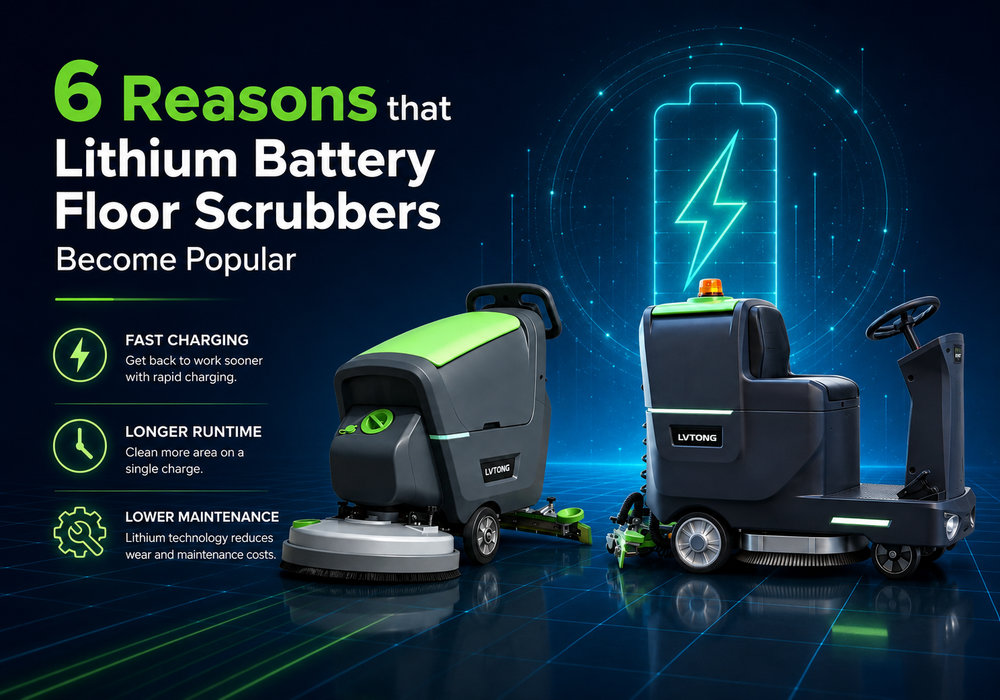
6 motivos pelos quais as baterias de íon-lítio estão ganhando espaço.
Motivo 1: Mais energia utilizável para cronogramas de limpeza exigentes.
A capacidade da bateria, por si só, não determina por quanto tempo uma lavadora de pisos pode funcionar.
O tempo de funcionamento real depende da capacidade da bateria, da demanda de energia da máquina, da pressão da escova, dos motores de tração, dos sistemas de aspiração, das condições do piso e do modo de operação.
Os sistemas de íon-lítio podem fornecer energia estável durante grande parte do ciclo de descarga, tornando-os atraentes para instalações onde a disponibilidade da máquina é mais importante do que simplesmente obter o menor preço de compra inicial.
Para grandes fábricas, centros de logística e outros ambientes de alta utilização, a questão prática deve ser, portanto:
A bateria consegue completar o percurso de limpeza necessário com um cronograma de carregamento aceitável?
Os compradores devem comparar o tempo de funcionamento real da máquina em condições de limpeza representativas, em vez de presumir que uma determinada composição química de bateria sempre proporcionará uma porcentagem fixa de tempo de funcionamento adicional.
Motivo 2: Carregamento mais rápido e carregamento de oportunidade
A flexibilidade de carregamento é um dos principais motivos pelos quais compradores comerciais e industriais consideram os sistemas de íon-lítio.
Muitos sistemas de lítio suportam carregamento intermediário ou de oportunidade, desde que a bateria, o sistema de gerenciamento de bateria e o carregador sejam projetados para isso. Isso permite que os operadores recarreguem a bateria durante os intervalos para refeições, trocas de turno ou outros períodos em que a máquina não está em uso.
No entanto, é impreciso afirmar que todas as lavadoras de piso a bateria de lítio carregam em duas ou três horas.
As especificações atuais dos lavadores de gases comerciais mostram que o tempo de carregamento varia consideravelmente de acordo com a capacidade da bateria e a configuração do carregador. Algumas máquinas equipadas com baterias de lítio podem ser carregadas em aproximadamente três horas, enquanto sistemas de maior capacidade podem exigir um tempo consideravelmente maior.
A comparação correta deve, portanto, incluir:
- Capacidade da bateria;
- Saída do carregador;
- Tempo de carregamento completo;
- Capacidade de aproveitar oportunidades;
- Horário diário de limpeza;
- Janelas de carregamento disponíveis.
Para operações com vários turnos, a flexibilidade de carregamento pode ser mais importante do que a capacidade nominal da bateria em si.
Motivo 3: Maior potencial de vida útil da bateria
A substituição da bateria representa uma parte importante do custo total de propriedade.
As baterias de íon-lítio podem proporcionar uma vida útil mais longa em muitas aplicações de alta utilização, mas não existe um número único de ciclos de vida útil que se aplique a todas as baterias de lítio ou de chumbo-ácido.
A duração da bateria depende de fatores como:
- Química de baterias;
- Profundidade de descarga;
- Temperatura de operação;
- Estratégia de carregamento;
- Gestão de bateria;
- Carga da máquina;
- Condições de armazenamento.
O mesmo se aplica à tecnologia de chumbo-ácido. As baterias modernas de eletrólito líquido, AGM e outras de ciclo profundo podem ter características de desempenho muito diferentes, portanto, os compradores devem comparar as especificações e a garantia da bateria fornecida com o equipamento, em vez de confiar apenas nos rótulos químicos.
Isso é especialmente importante ao calcular o custo total de propriedade.
Os compradores que desejam entender como a composição química da bateria, os hábitos de carregamento e as condições de operação afetam a vida útil também podem ler nosso relatório detalhado. guia de duração da bateria da lavadora de pisos.
Motivo 4: Reduzir a manutenção de rotina da bateria.
Os requisitos de manutenção são outra diferença importante.
As baterias de chumbo-ácido inundadas normalmente exigem atenção mais rotineira, incluindo verificações do nível do eletrólito e procedimentos de carregamento adequados.
As baterias de íon-lítio eliminam a necessidade de abastecimento rotineiro de água e inspeção do eletrólito, reduzindo a quantidade de manutenção específica da bateria exigida pelas equipes de limpeza.
No entanto, "bateria sem manutenção" não significa "máquina sem manutenção".“
Os operadores ainda devem inspecionar:
- Conexões da bateria;
- Condição do carregador;
- Cabos e conectores;
- Temperatura da bateria;
- Códigos de erro ou avisos do BMS;
- Danos físicos;
- Odor ou calor anormais.
O carregador e a bateria devem sempre ser compatíveis com a configuração aprovada pelo fabricante da lavadora de pisos.
Motivo 5: Menor peso e maior flexibilidade de design
As baterias de íon-lítio geralmente oferecem maior densidade de energia do que os sistemas convencionais de chumbo-ácido, permitindo que os projetistas de equipamentos reduzam o peso da bateria ou otimizem a capacidade energética de maneiras diferentes.
Em máquinas de limpeza compactas, um peso menor da bateria pode contribuir para facilitar o manuseio e o transporte.
Em máquinas maiores, a embalagem da bateria também pode influenciar:
- Dimensões da máquina;
- Distribuição de peso;
- Comportamento de virada;
- Capacidade disponível da bateria;
- Acesso ao serviço.
O peso por si só não deve determinar a decisão de compra, mas pode se tornar importante em máquinas comerciais compactas, instalações com elevadores ou rampas e aplicações onde o equipamento precisa ser transportado entre locais.
Motivo 6: Melhor adequação para limpeza automatizada e de alta utilização
Uma das tendências mais importantes do mercado de baterias para lavadoras de piso é a relação entre a tecnologia das baterias e a utilização do equipamento.
Com a crescente automação das lavadoras de piso, as instalações precisam cada vez mais de sistemas de bateria que se adaptem a curtos períodos de recarga e a cronogramas de operação repetitivos.
Por exemplo, os modelos atuais de lavadoras autônomas estão disponíveis com baterias de íon-lítio e capacidade de recarga de oportunidade, permitindo que as máquinas operem por períodos de limpeza mais curtos e recarreguem entre as tarefas.
Isso não significa que toda máquina autônoma precise de tecnologia de íon-lítio ou que todas as instalações devam adotar a limpeza robótica.
Isso significa que a seleção de baterias está se tornando cada vez mais parte de uma estratégia operacional mais ampla que envolve:
- Cronogramas de limpeza;
- Automação;
- Utilização da máquina;
- Infraestrutura de carregamento;
- Gestão de frotas;
- Planejamento de manutenção.
Instalações que avaliam como a tecnologia de baterias funciona com sistemas de limpeza robótica podem explorar nossas opções. guia de lavadora de pisos autônoma Para obter mais informações sobre navegação, carregamento, aplicações e requisitos de funcionamento.
Baterias de íon-lítio versus baterias de chumbo-ácido para lavadoras de piso
Para compradores profissionais, a pergunta correta não é simplesmente:
“Qual bateria é melhor?”
Uma pergunta melhor seria:
“Qual bateria oferece o melhor desempenho para este cronograma de limpeza específico?”
| Fator de comparação | Íon de lítio | Bateria de chumbo-ácido inundada | Bateria AGM / Chumbo-ácido selada |
|---|---|---|---|
| Custo inicial | Geralmente mais alto | Geralmente mais baixo | Baixo a médio |
| Rega rotineira | Não | Sim | Não |
| Flexibilidade de carregamento | Geralmente alto quando aprovado | Mais restritivo | Depende do projeto. |
| Cobrança de oportunidade | Comum em sistemas compatíveis | Geralmente menos adequado | Depende do fabricante. |
| Peso | Geralmente mais baixo | Mais alto | Mais alto |
| Manutenção de rotina | Baixo | Mais alto | Baixo |
| Potencial de vida útil | Forte em aplicações de uso intenso. | Depende muito dos cuidados. | Depende do design da bateria. |
| Melhor ajuste | Uso frequente ou em vários turnos | Aplicações com restrições orçamentárias | Uso comercial padrão |
| Principal preocupação do comprador | Investimento inicial e compatibilidade | Tempo de manutenção e carregamento | Perfil de custos e tarifas |
Não há um vencedor universal.
A decisão deve ser baseada nas horas de funcionamento, oportunidades de carregamento, capacidade de manutenção, custo de substituição e disponibilidade necessária da máquina.
Por que as baterias de íon-lítio estão ganhando destaque no mercado de baterias para lavadoras de piso?
Pesquisas de mercado publicadas identificam a limpeza mecanizada, a expansão de armazéns e logística, a infraestrutura comercial e os equipamentos de limpeza autônomos como fatores que impulsionam a demanda por baterias para lavadoras de piso. A Fortune Business Insights também identifica o íon-lítio como a tecnologia de bateria de crescimento mais rápido em sua previsão de mercado.
Diversas mudanças operacionais ajudam a explicar essa tendência.
Utilização mais intensiva de equipamentos
Quando uma lavadora de pisos é usada uma vez por dia, um longo período de carregamento durante a noite pode não apresentar grandes dificuldades operacionais.
Quando a mesma máquina é necessária em vários turnos, o tempo de carregamento torna-se muito mais importante.
Maior foco no tempo de atividade das máquinas
As empresas avaliam cada vez mais quanto tempo uma máquina está realmente disponível para limpeza.
O carregamento da bateria, a manutenção e problemas inesperados com a bateria podem reduzir o tempo de utilização do equipamento.
Crescimento da limpeza automatizada
Os sistemas de limpeza autônomos e conectados criam novas exigências em relação à estratégia de carregamento, monitoramento de baterias e disponibilidade previsível das máquinas.
Maior atenção ao custo total de propriedade
Os compradores profissionais comparam cada vez mais o custo total do ciclo de vida, em vez de apenas o preço de compra.
Isso inclui:
- Substituição da bateria;
- Tempo de inatividade durante o carregamento;
- Trabalho de manutenção;
- Requisitos do carregador;
- Utilização de equipamentos;
- Disponibilidade de peças de reposição.
Demanda de bateria para lavadoras de piso por aplicação
Os requisitos de bateria variam consideravelmente de acordo com o setor.
Fábricas de produção
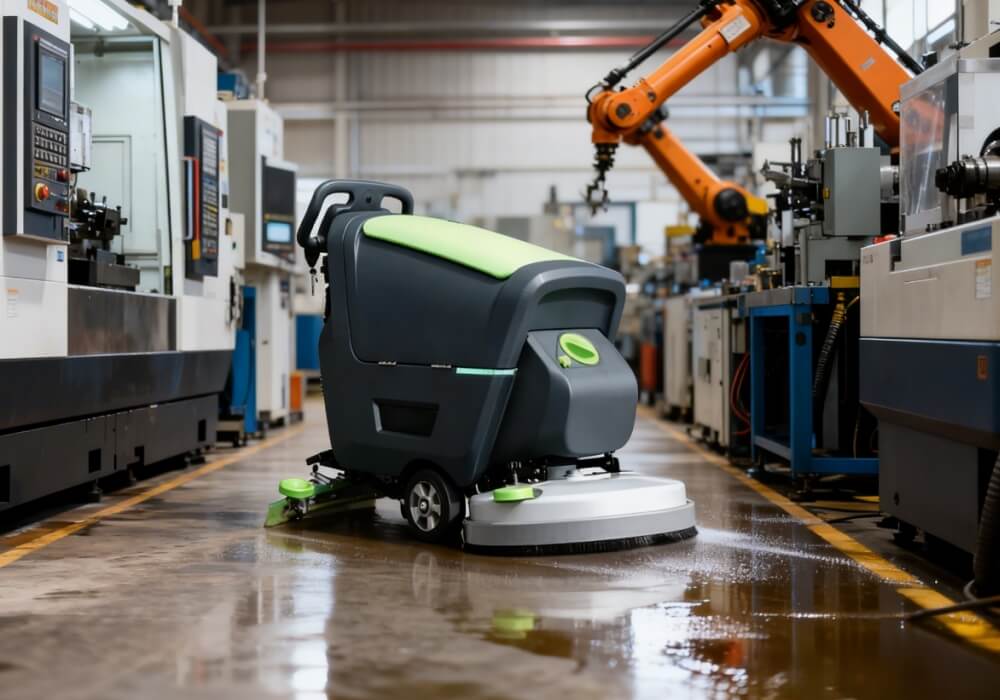
Grandes instalações de produção geralmente exigem longos percursos de limpeza e manutenção regular do piso.
A seleção da bateria deve levar em consideração as horas de operação diárias, o nível de contaminação, os períodos de carregamento e se o equipamento é usado em vários turnos.
Operações com uso intenso podem se beneficiar de um carregamento mais rápido, enquanto instalações com uso menos intenso podem continuar a obter resultados econômicos aceitáveis com sistemas de chumbo-ácido.
Armazenamento e logística
Armazéns e centros de distribuição frequentemente combinam grandes áreas com horários de funcionamento prolongados.
A Fortune Business Insights estima que o setor de armazenagem e logística representou o maior segmento de usuários finais em sua análise de mercado de baterias para lavadoras de piso em 2025.
Para essas instalações, os compradores devem prestar atenção especial a:
- Tempo de execução;
- Janelas de carregamento;
- Disponibilidade da máquina;
- Substituição da bateria;
- Compatibilidade com máquinas de cortar relva de alta capacidade.
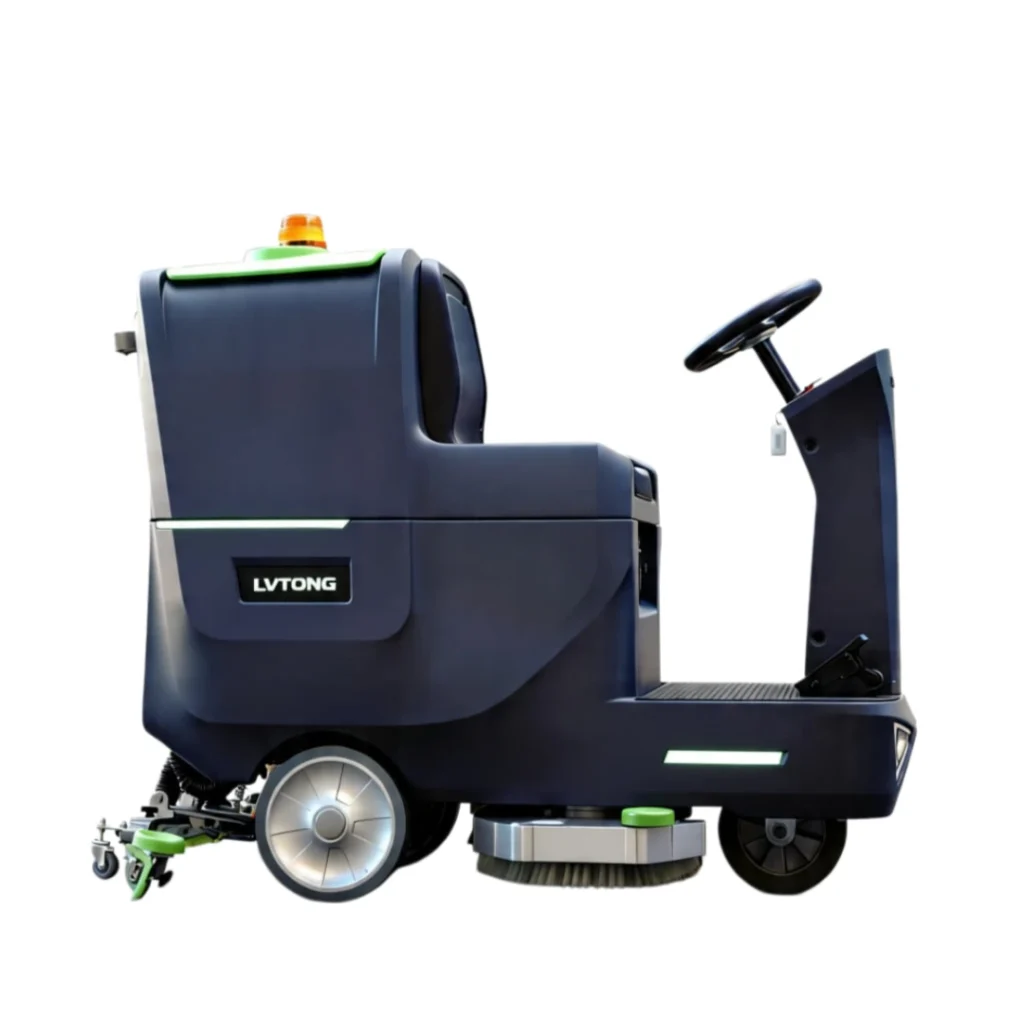
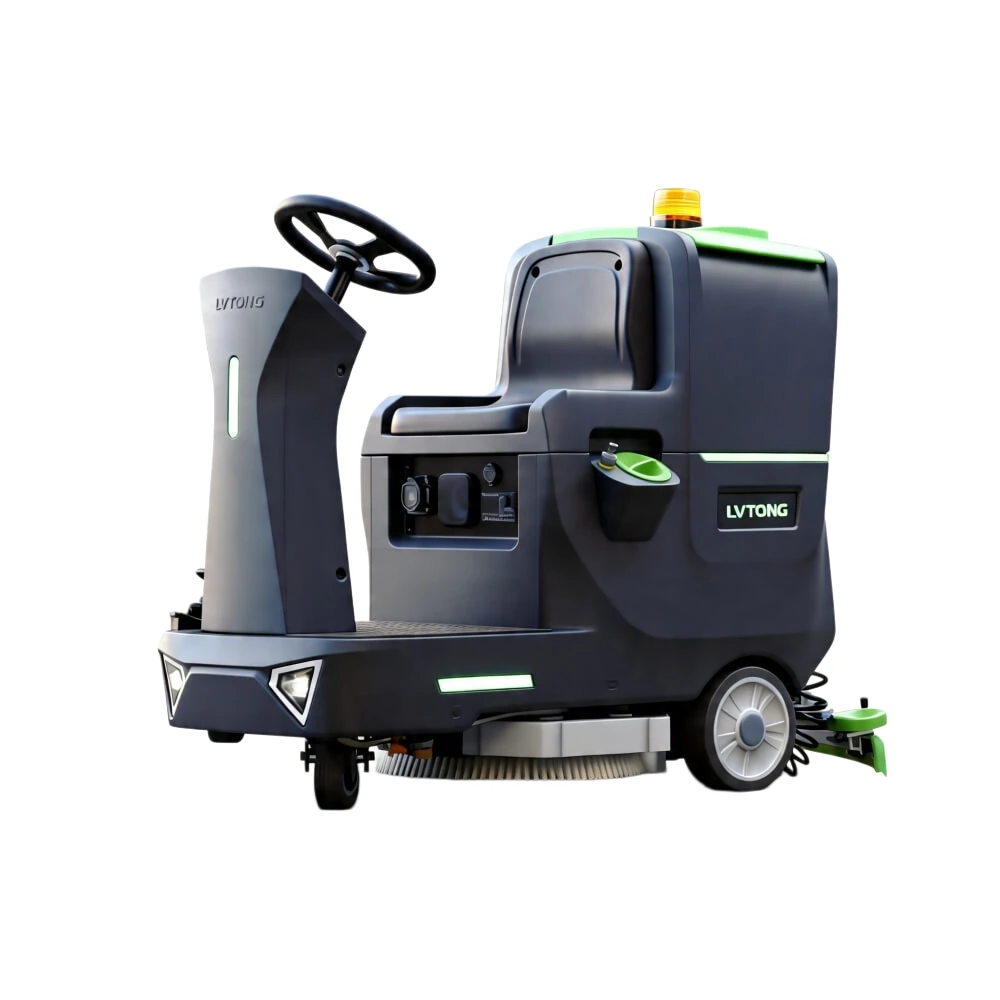
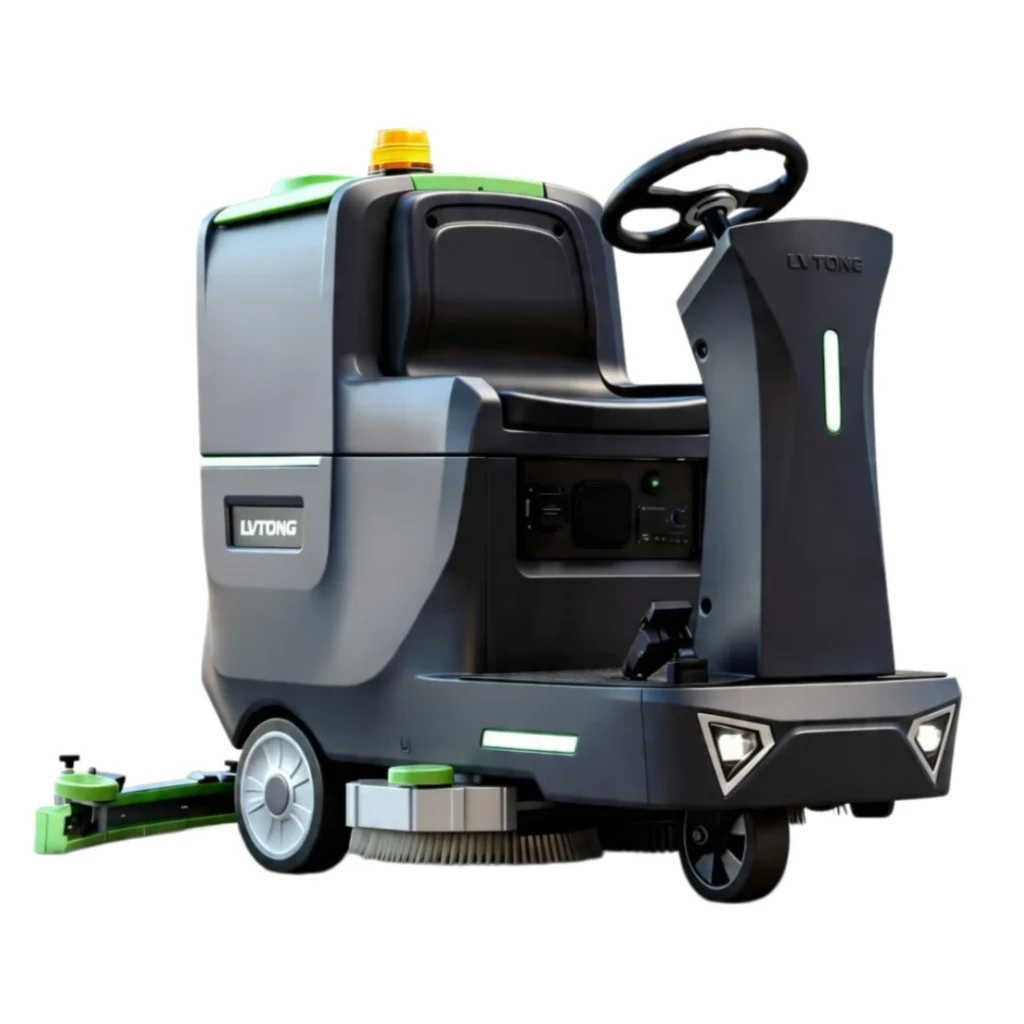
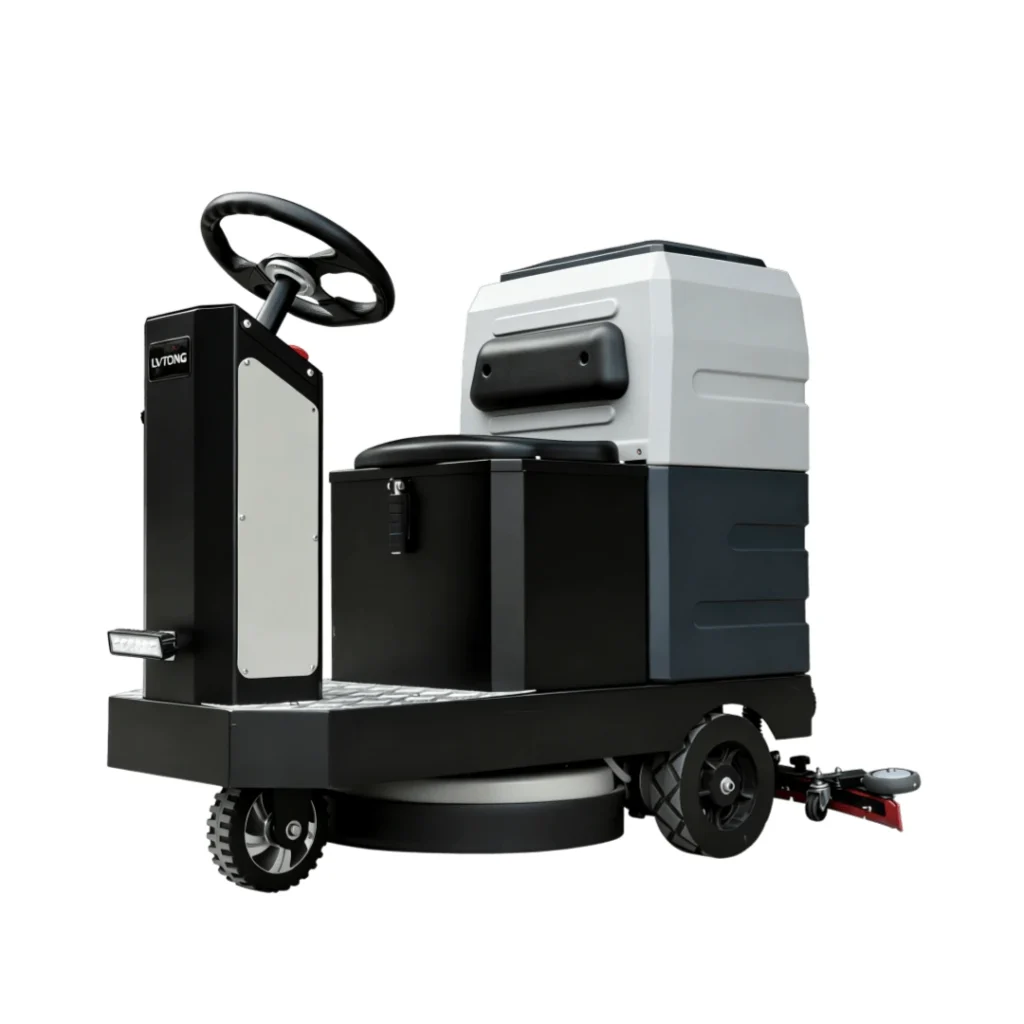
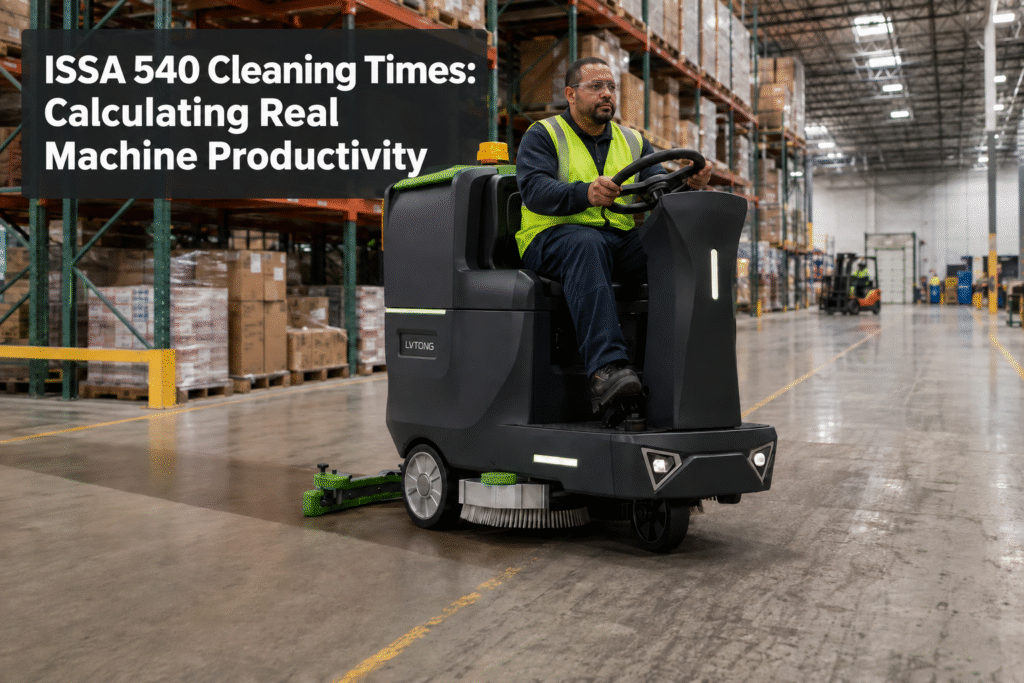
Armazéns de grande porte que exigem rotas de limpeza mais longas também podem comparar as soluções da LVTONG. máquinas de lavar pisos com operador a bordo para diferentes áreas e horários de funcionamento.
Instalações de Processamento de Alimentos
Os locais de produção de alimentos podem exigir ciclos frequentes de limpeza e procedimentos de manutenção de equipamentos cuidadosamente gerenciados.
A escolha da bateria deve ser considerada juntamente com os procedimentos de lavagem da máquina, a localização do carregador, os requisitos de higiene e os horários de funcionamento.
Grandes instalações comerciais
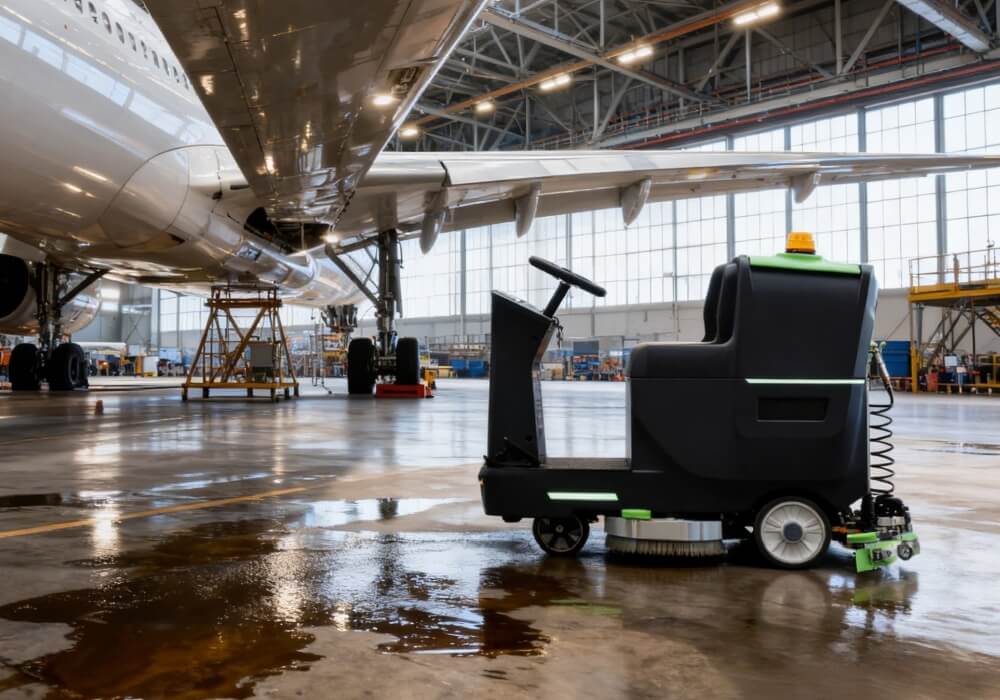
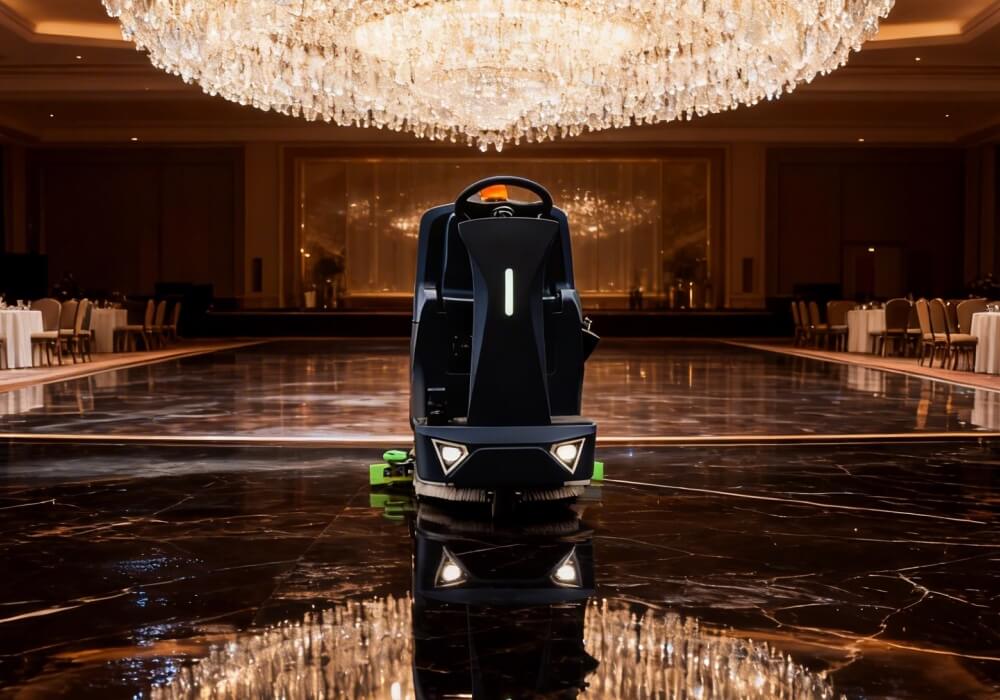
Centros comerciais, aeroportos, hospitais e outros grandes edifícios podem exigir o funcionamento de lavadoras de piso durante períodos limitados de limpeza.
Nessas aplicações, um carregamento confiável e um tempo de funcionamento previsível podem ser mais valiosos do que alcançar o menor custo inicial da bateria.
Operações em vários turnos
Instalações com múltiplos turnos de trabalho estão entre as candidatas mais fortes para a avaliação de sistemas de íon-lítio.
Em locais onde as opções de carregamento são limitadas, uma bateria que suporte carregamento intermediário aprovado pode aumentar a disponibilidade da máquina.
No entanto, os compradores devem calcular se a utilização adicional justifica realmente o investimento inicial mais elevado.
Quando as baterias de chumbo-ácido ainda podem ser a melhor escolha
As baterias de íon-lítio não são automaticamente as melhores opções para todas as lavadoras de piso.
As baterias de chumbo-ácido podem continuar sendo uma opção prática quando:
- A máquina é utilizada apenas algumas horas por dia;
- O carregamento noturno está disponível;
- O custo inicial de aquisição é a principal restrição;
- As instalações já possuem infraestrutura de carregamento compatível;
- Baterias de substituição estão facilmente disponíveis localmente;
- A equipe de manutenção está familiarizada com o sistema de baterias.
O mercado atual de baterias para lavadoras de piso ainda reflete essa realidade. De acordo com a Fortune Business Insights, as baterias de chumbo-ácido inundadas permaneceram o maior segmento químico em sua estimativa para 2025, apesar do crescimento projetado mais rápido para as baterias de íon-lítio.
Este é um ponto importante para os compradores: O crescimento do mercado não significa que uma única tecnologia de bateria seja adequada para todas as aplicações.
O que os compradores devem verificar antes de escolher um sistema de bateria para lavadora de pisos
Antes de selecionar uma configuração de bateria, os compradores comerciais e industriais devem comparar o sistema operacional completo.
1. Horário de limpeza diária
Quantas horas o lavador de gases deve funcionar por dia?
2. Janela de carregamento
A máquina pode ser carregada durante a noite ou precisa voltar a funcionar rapidamente?
3. Capacidade da bateria
A capacidade em Ah selecionada corresponde à demanda real de energia da máquina e ao percurso de limpeza?
4. Compatibilidade do carregador
O carregador deve ser compatível com a composição química, a voltagem e os requisitos de gerenciamento da bateria.
5. Cobrança por Oportunidade
Confirme se o carregamento intermediário é aprovado pelo fabricante da bateria e da máquina.
6. Temperatura de operação
Ambientes frios ou quentes podem afetar o desempenho da bateria. Verifique a faixa de temperatura de carregamento e operação permitida pelo fabricante.
7. Capacidade de Manutenção
Verifique se a instalação possui pessoal e procedimentos para a manutenção de baterias de chumbo-ácido inundadas.
8. Disponibilidade de substituição
Uma bateria tecnicamente avançada oferece valor limitado se unidades de reposição, carregadores ou suporte técnico forem difíceis de obter localmente.
Portanto, os compradores de longo prazo devem avaliar o fornecedor. Manutenção e assistência técnica de equipamentos de limpeza funcionalidades, juntamente com as especificações da bateria e da máquina.
9. Proteção de segurança
Para sistemas de lítio, avalie o sistema de gerenciamento de baterias e a proteção contra condições anormais de tensão, corrente e temperatura.
10. Custo Total de Propriedade
Comparar:
Preço de compra + substituição da bateria + manutenção + tempo de inatividade para carregamento + custo do serviço + utilização esperada.
Não escolha uma bateria baseando-se apenas no preço de compra.
Considerações sobre sustentabilidade e ciclo de vida da bateria
O desempenho ambiental não deve ser reduzido a uma simples afirmação de que "o lítio é ecologicamente correto".“
A sustentabilidade da bateria depende de múltiplos fatores, incluindo:
- Matérias-primas;
- Fabricação;
- Eficiência energética;
- Vida útil esperada;
- Número de substituições;
- Fonte de eletricidade local;
- Reciclagem de baterias;
- Cuidados paliativos.
As baterias de chumbo-ácido possuem sistemas de reciclagem consolidados em muitos mercados, enquanto a infraestrutura de reciclagem de baterias de lítio continua em desenvolvimento.
Portanto, os compradores comerciais devem questionar os fornecedores sobre a vida útil da bateria, a possibilidade de reparo, a disponibilidade de peças de reposição e a reciclagem ao final de sua vida útil, em vez de se basearem apenas em alegações ambientais genéricas.
Perspectivas do mercado de baterias para lavadoras de piso
É provável que o mercado de baterias para lavadoras de piso permaneça tecnologicamente diversificado, em vez de migrar imediatamente para uma única composição química de bateria.
As baterias de chumbo-ácido inundadas, AGM e outros tipos de baterias já estabelecidos continuarão a atender aplicações com restrições de custo e menor utilização.
Ao mesmo tempo, os sistemas de íon-lítio provavelmente receberão atenção crescente, visto que carregamento mais rápido, baixa manutenção de rotina, menor peso e alta disponibilidade da máquina produzem um benefício operacional mensurável.
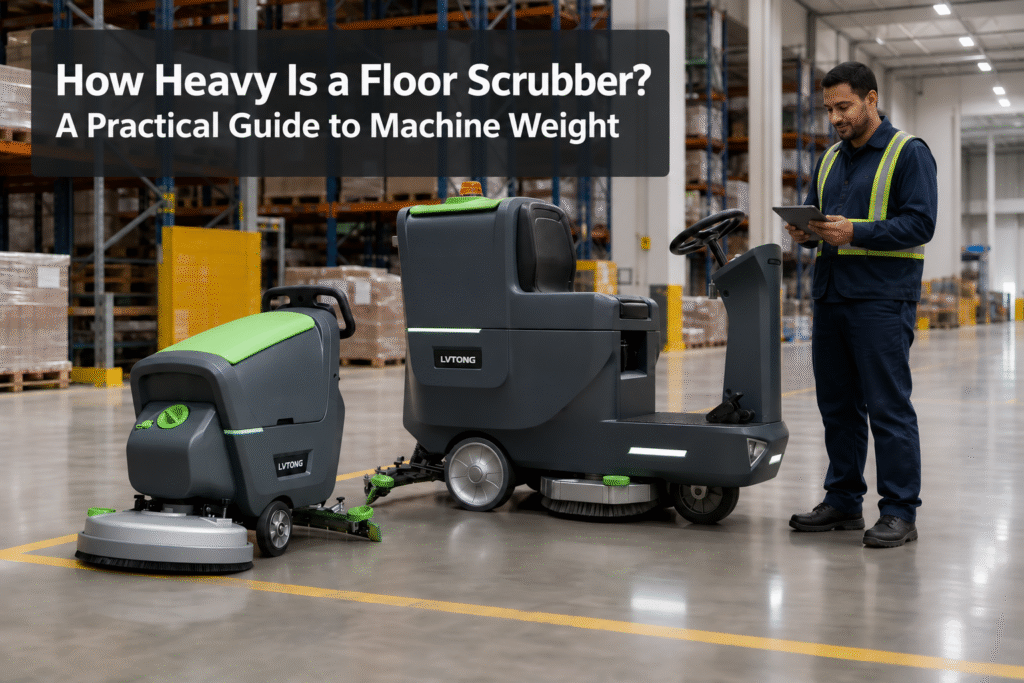
Os compradores que desejam comparar máquinas completas em vez de apenas tecnologias de bateria podem explorar a gama de produtos da LVTONG. lavadoras e secadoras de piso comerciais Em configurações para serem conduzidas a pé ou montadas no chão.
O crescimento da limpeza autônoma pode aumentar ainda mais a importância da estratégia de carregamento e do gerenciamento de baterias, visto que essas máquinas geralmente operam com padrões de utilização diferentes das lavadoras convencionais operadas por um operador.
Para os compradores, a principal tendência é, portanto, clara:
A seleção de baterias para lavadoras de piso está deixando de ser uma simples decisão sobre componentes e passando a considerar também a produtividade e o custo do ciclo de vida do produto.
Perguntas frequentes
Qual o tamanho do mercado de baterias para lavadoras de piso?
Uma estimativa da Fortune Business Insights para 2026 avalia o mercado global de baterias para lavadoras de piso em US$ 1,45 bilhão em 2026 e projeta que ele alcance US$ 2,30 bilhões até 2034.
As estimativas de mercado podem variar entre as empresas de pesquisa, pois as definições de produtos, as composições químicas das baterias, a cobertura geográfica e os métodos de previsão podem ser diferentes.
Por que as baterias de íon-lítio para lavadoras de piso estão se tornando mais populares?
Os sistemas de íon-lítio podem oferecer vantagens em aplicações que exigem carregamento rápido ou intermediário, baixa manutenção de rotina da bateria, menor peso da bateria e alta disponibilidade do equipamento.
O valor dessas vantagens depende da máquina, do carregador e da frequência de limpeza.
As baterias de íon-lítio são sempre melhores que as de chumbo-ácido para lavadoras de piso?
Não.
As baterias de íon-lítio podem ser atraentes para operação frequente ou em vários turnos, enquanto as de chumbo-ácido podem continuar sendo econômicas para máquinas de menor utilização, onde o carregamento noturno está disponível e o custo inicial é importante.
Quanto tempo leva para carregar a bateria de lítio de uma lavadora de pisos?
Não existe um tempo de carregamento universal.
O tempo de carregamento depende da capacidade da bateria, da composição química da bateria, da potência do carregador e do sistema de carregamento do aparelho. As especificações comerciais publicadas mostram que os tempos de carregamento de baterias de lítio podem variar significativamente entre os modelos.
As baterias de lítio para lavadoras de piso podem ser carregadas durante o período de recarga?
Muitos sistemas de íon-lítio suportam carregamento intermediário ou de oportunidade, mas somente quando aprovado pelo fabricante da bateria e do equipamento.
Siga sempre o procedimento de carregamento especificado.
As baterias de lítio para lavadoras de piso precisam de manutenção?
As baterias de íon-lítio não requerem abastecimento de água ou verificação rotineira do eletrólito.
No entanto, os usuários ainda devem inspecionar as conexões, os carregadores, o estado da bateria e os avisos do BMS de acordo com o cronograma de manutenção do fabricante.
Quais setores industriais apresentam forte demanda por baterias para lavadoras de piso?
As principais aplicações incluem armazenagem e logística, edifícios comerciais, manufatura, saúde e varejo. Esses também estão entre os segmentos de usuários finais identificados na pesquisa atual de mercado de baterias para lavadoras de piso.
O que devo comparar antes de trocar de baterias de chumbo-ácido para baterias de lítio?
Compare o tempo de execução diário, as janelas de carregamento, a capacidade da bateria, a compatibilidade com o carregador, os requisitos de manutenção, a disponibilidade de peças de reposição, a temperatura de operação, a garantia e o custo total do ciclo de vida.
Conclusão
O mercado de baterias para lavadoras de piso está evoluindo à medida que as operações de limpeza se tornam mais mecanizadas, automatizadas e focadas na utilização.
A tecnologia de íon-lítio está ganhando destaque por oferecer carregamento mais rápido, capacidade de recarga sob demanda, menor necessidade de manutenção rotineira e maior flexibilidade em aplicações de uso intenso. No entanto, as baterias de chumbo-ácido continuam sendo uma opção prática e econômica para muitas instalações com menor demanda ou com orçamento limitado.
Para compradores profissionais, a melhor bateria não é necessariamente a que possui a tecnologia mais recente.
A escolha certa é o sistema de baterias que seja compatível com a lavadora de pisos, a programação diária de limpeza, a infraestrutura de carregamento, a capacidade de manutenção e as expectativas de custo total.
Antes de trocar a tecnologia da bateria, compare as condições operacionais completas, em vez de confiar apenas no tempo de execução, na vida útil ou nas especificações de carregamento.
Solicite uma recomendação de bateria para lavadora de pisos.
Não tem certeza se as baterias de íon-lítio, AGM ou chumbo-ácido inundadas são mais adequadas para sua operação de limpeza?
Envie as seguintes informações para a LVTONG:
- Modelo de lavadora de pisos;
- Tensão e capacidade da bateria necessárias;
- Horário de funcionamento diário;
- Área de limpeza;
- Número de turnos de limpeza;
- Tempo de carregamento disponível;
- Ambiente operacional;
- País ou mercado de destino;
- Tipo de bateria preferido, se conhecido.
A LVTONG pode recomendar uma lavadora de pisos e uma configuração de bateria adequadas com base nos requisitos específicos da sua aplicação.
A LVTONG pode recomendar uma lavadora de pisos e uma configuração de bateria adequadas com base nos requisitos específicos da sua aplicação. Entre em contato com a LVTONG para uma solução personalizada de lavadora de pisos. e compartilhe seu horário de funcionamento, área de limpeza, requisitos de bateria e mercado de destino.
Fontes e Metodologia
Dados analisados: Agosto de 2026
Fontes públicas analisadas:
- Fortune Business Insights — Análise do tamanho, participação e mercado da indústria de baterias para lavadoras de piso, atualizado em junho de 2026.
- Bateria Trojan — informações sobre baterias profissionais para limpeza de pisos.
- Kärcher — especificações atuais de lavadoras comerciais de íon-lítio usadas para verificar se o tempo de operação e o tempo de carregamento variam de acordo com a máquina e a configuração da bateria.
- Tennant — informações atuais sobre depuradores autônomos são usadas para analisar aplicações de carregamento de íon-lítio e de oportunidade.
Metodologia: Os dados de mercado são apresentados como estimativas do provedor de pesquisa mencionado. Os dados técnicos de tempo de carregamento, autonomia e vida útil não são generalizáveis para todas as lavadoras de piso, pois o desempenho real depende da composição química da bateria, da capacidade da bateria, da potência do carregador, da carga da máquina e das condições de operação.