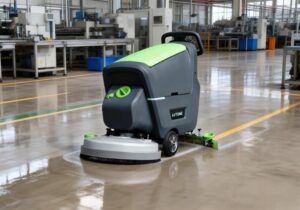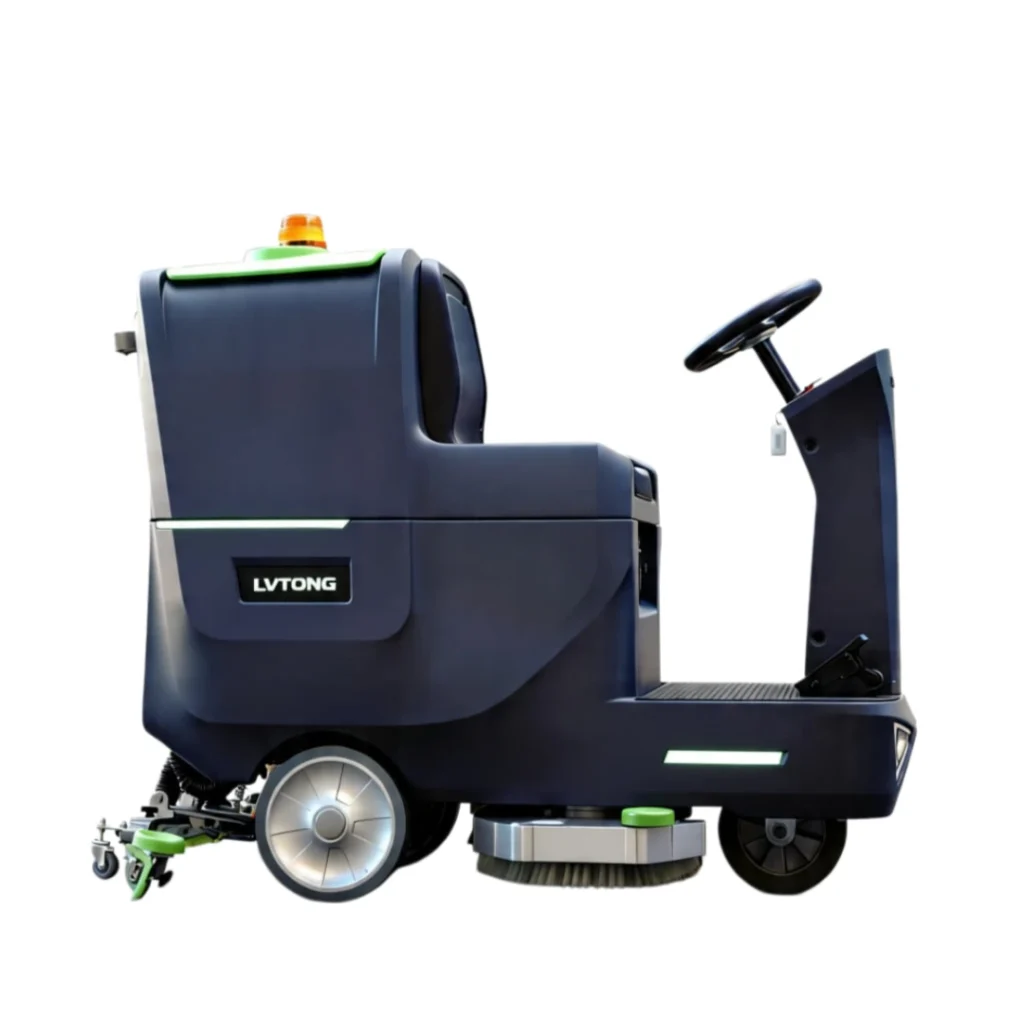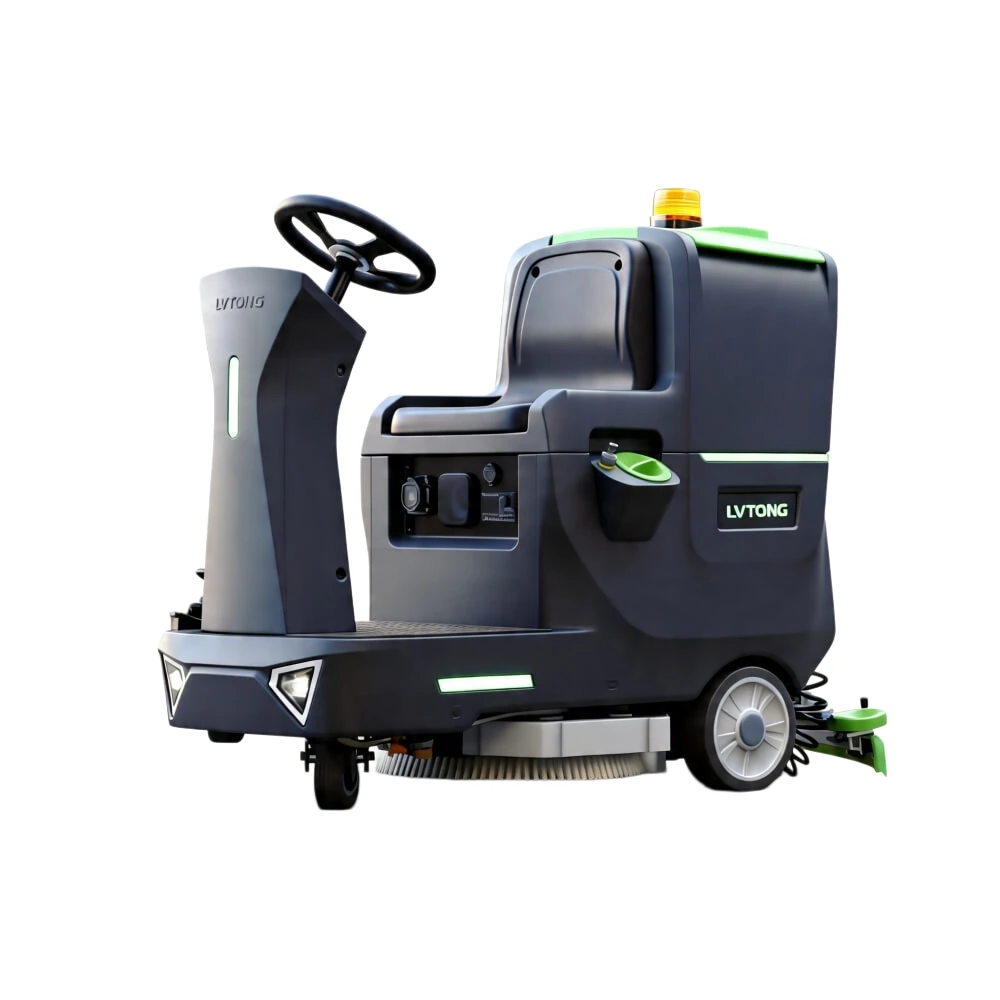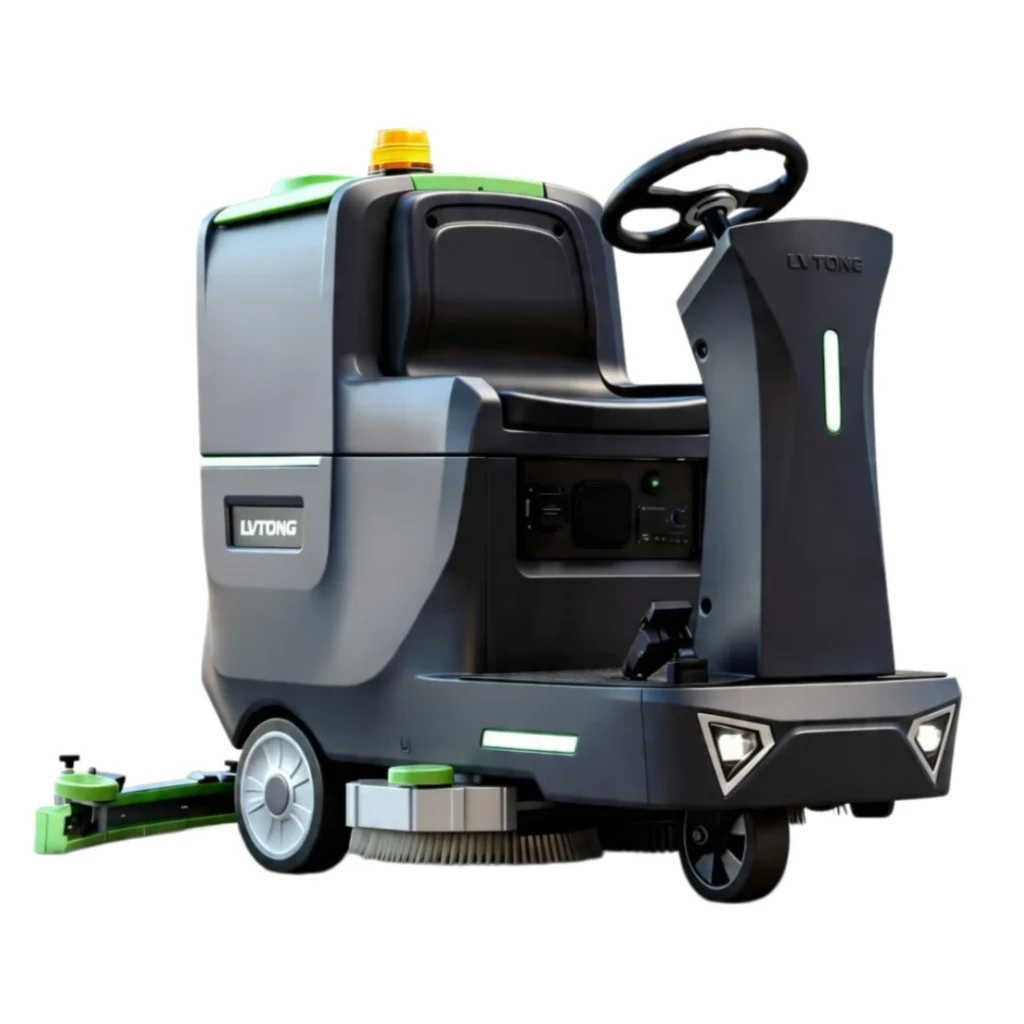

A floor scrubber is a powerful cleaning machine; it plays an important role in cleaning floors in commercial and industrial environments. However, like many machines, floor scrubbers can also malfunction. In severe cases, they may even stop working, which can disrupt your cleaning schedules and increase maintenance costs.
Quick Answer
Floor scrubbers usually fail because of battery problems, worn squeegee blades, clogged recovery systems, damaged brushes, vacuum motor issues, improper cleaning solutions, or electrical faults. Most failures can be prevented through routine maintenance, proper charging habits, and regular inspections. Understanding early warning signs can reduce downtime and extend equipment lifespan.
Do not worry! In this blog, we will help you identify the causes, along with proven fixes, to get your machine working efficiently again.
Common Floor Scrubber Problems at a Glance
| Problem | Possible Cause | Quick Fix |
|---|---|---|
| Machine won’t start | Battery issue | Recharge or replace battery |
| Leaves water behind | Worn squeegee blade | Replace blade |
| Weak cleaning performance | Worn brushes or pads | Install new parts |
| Poor suction | Blocked hose | Remove debris |
| Bad smell | Dirty recovery tank | Empty and clean tank |
| Motor overheating | Excessive operating time | Allow cooling |
| Random shutdown | Circuit issue | Check wiring |
What is a floor scrubber?
A floor scrubber is specialized cleaning equipment designed to scrub, wash, and dry floor surfaces effectively. Unlike traditional mops, floor cleaners simultaneously clean and absorb water, leaving floors dry immediately after cleaning. Here are the two main types of floor scrubbers:
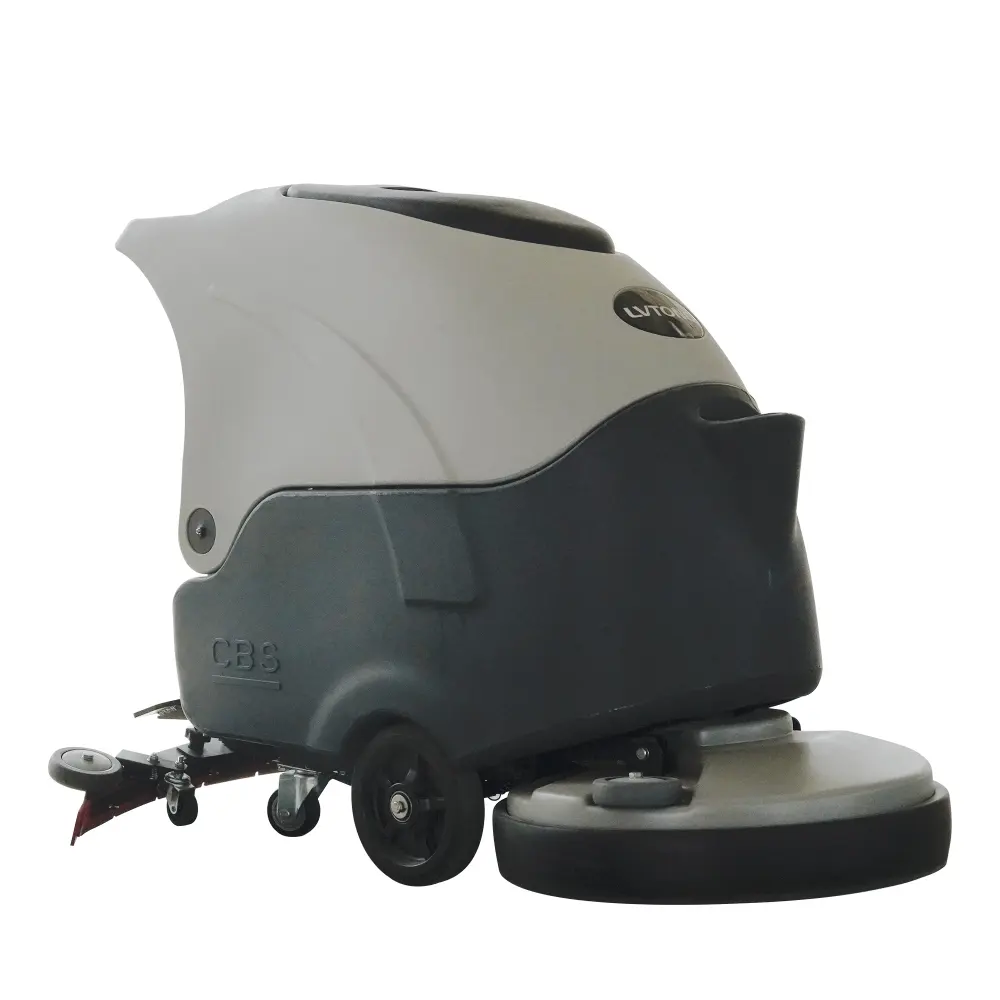
Walk-behind scrubbers: Hand-operated by one person walking behind the equipment, ideal for cleaning small or medium-sized rooms.
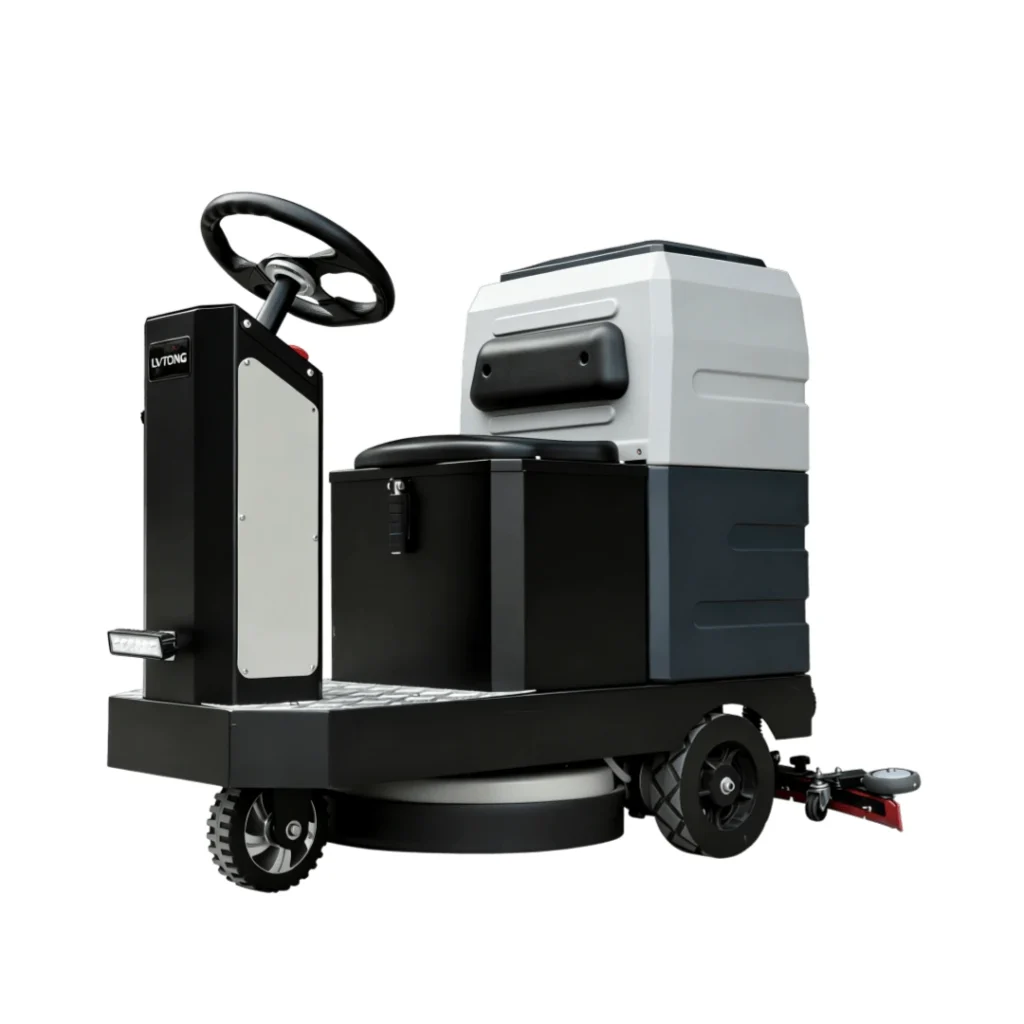
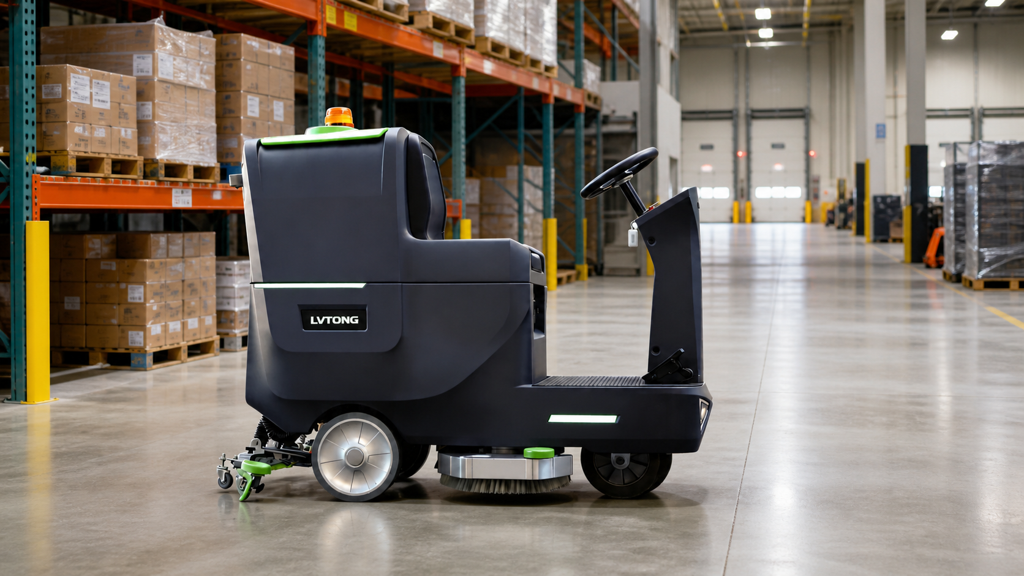
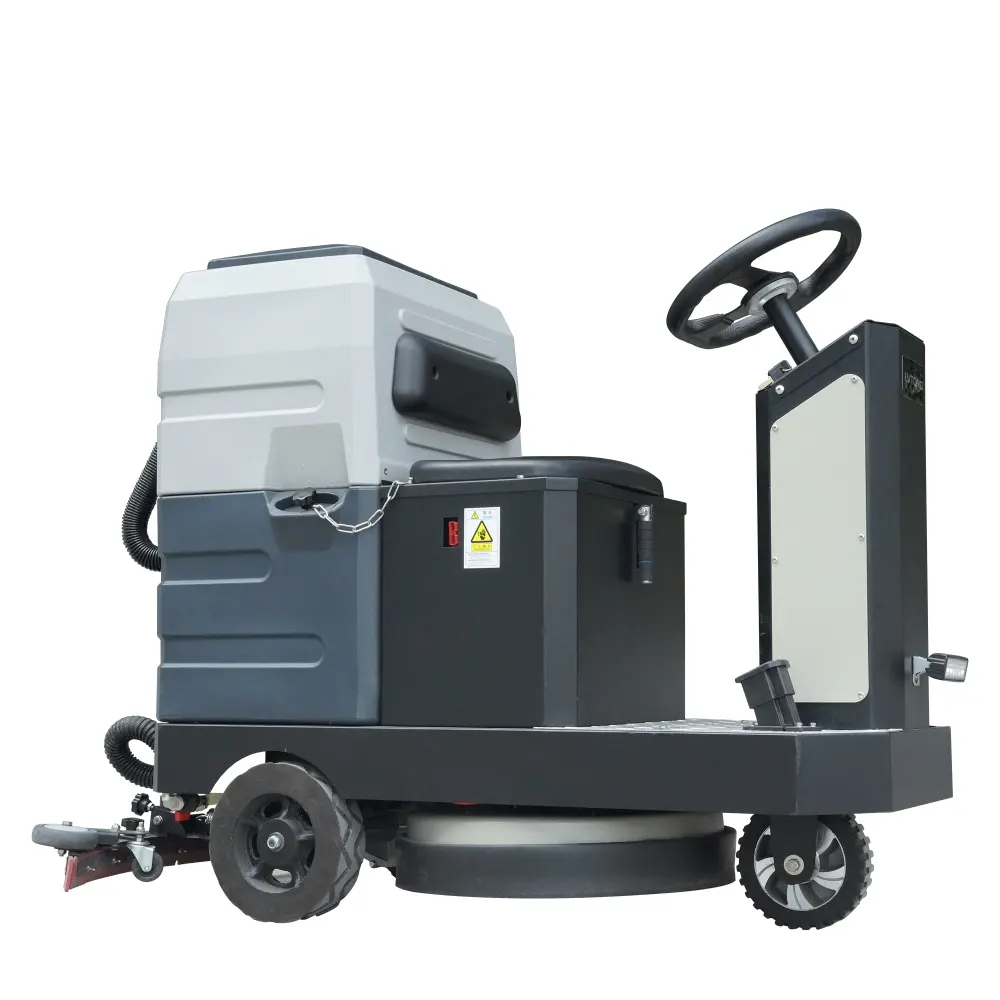
Ride-on scrubbers: It is a larger floor cleaning machine that the operators can sit on to clean the floor. Suitable for expansive commercial or industrial tile floors.
7 Reasons Floor Scrubbers Fail and Solutions
Battery or Power Problems (Machine Won’t Start or Stops Suddenly)
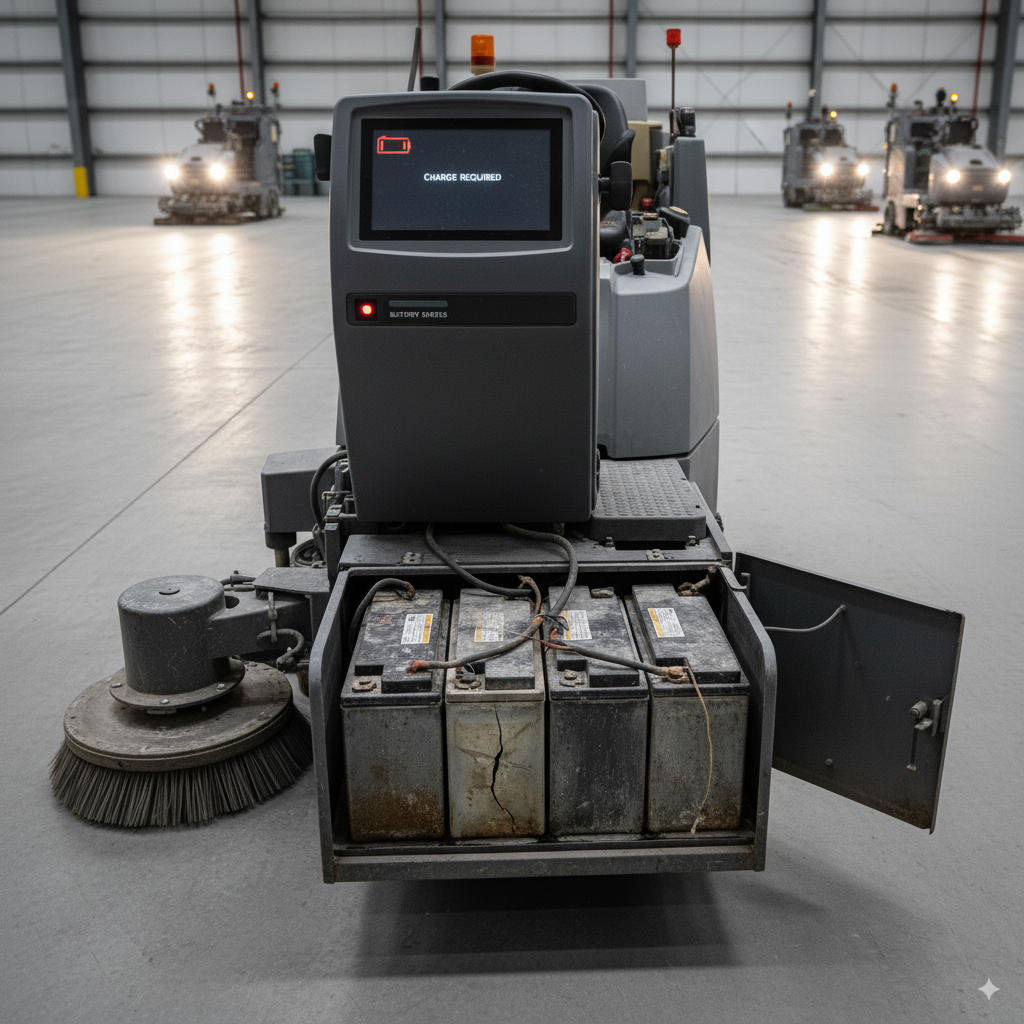
If you want a floor scrubber to operate, it needs power to keep it going. Therefore, if your floor cleaning machine goes wrong, it may the power goes wrong.
Low or dead battery charge, old or worn-out batteries, using the wrong battery type, and improper charging habits will influence battery performance, then will make a difference to the floor scrubber.
Solution:
Therefore, in order to maximize run time and performance, you need to charge the battery fully before starting the floor cleaning machine. In addition, replace them with the correct type and voltage for your floor scrubber. Knowing your equipment and using the correct battery and charger.
For facilities requiring extended runtime, ride-on floor scrubbers with large-capacity batteries can reduce downtime significantly. For example, the LVTON V6 Ride-On Floor Scrubber uses dual 100AH batteries and a 60L water tank, allowing continuous operation for 3–4 hours.
Clogged Squeegee or Worn Blade (Leaves Water Behind)
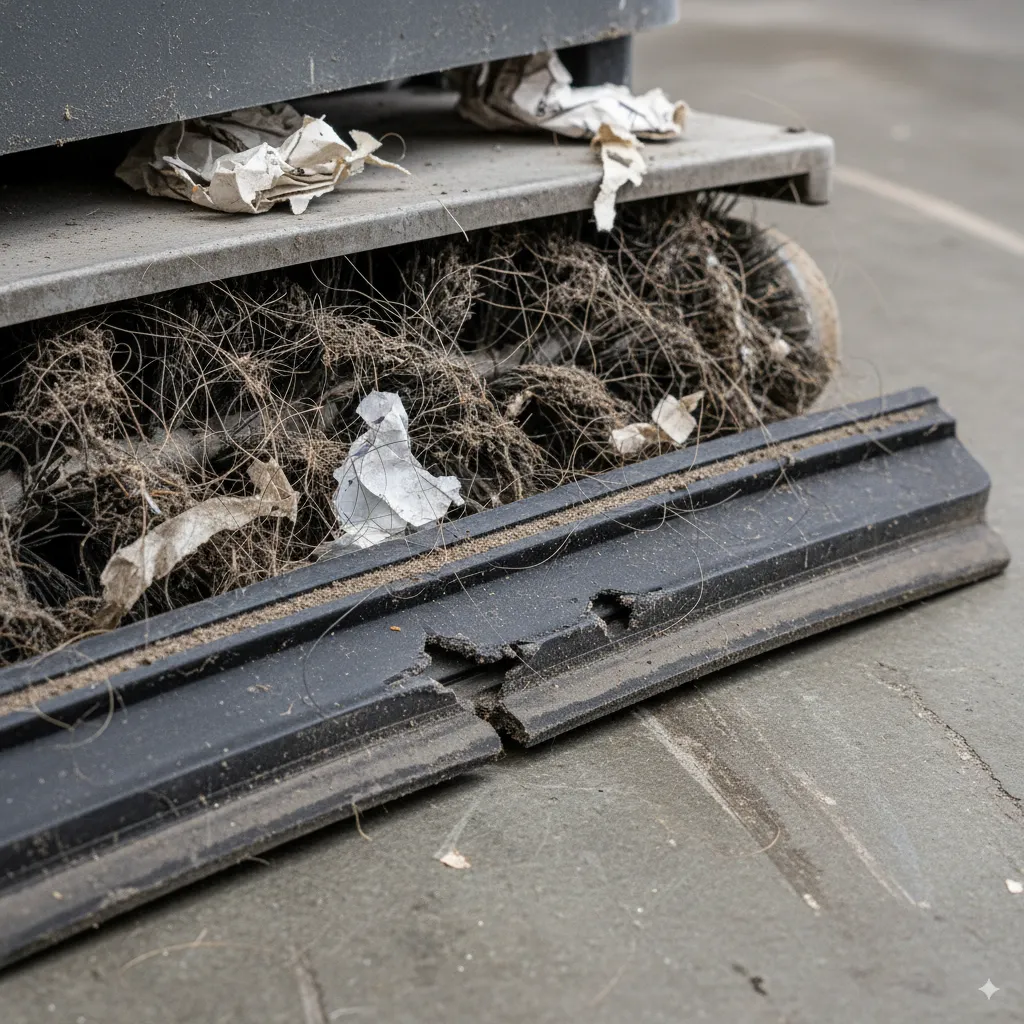
Have you noticed that things tend to wear out after prolonged use? The rubber strip on the squeegee is an easily wear part, so if you use it for a long time, it will be worn out.
Factors such as floor roughness and frequency of use can cause the edges of the squeegee blades to wear or deform, making it impossible to form an effective seal with the floor.
In addition, if you take a close look at the clogged pipes in your home, you’ll find that most are blocked by hair. Similarly, long-term inhalation of hair will form an accumulation in the suction pipe, affecting the suction power.
Other factors like paper scraps, dirt, and other debris will influence the suction pipe.
Solution:
Regular cleaning: From my experience, I advise you to remove the squeegee after each use to clean the dirt and entanglement on the rubber strip.
Inspection and replacement: Cultivating a good habit, like regular inspection, will help you understand your machine. If you discover obvious gaps, remember to change them in time.
Clear the suction pipe: If you check that the suction pipe is blocked, don’t panic, and there’s no need to replace it. You can use slender tools or high-pressure water to clean it.
Worn Brushes or Pads (Weak Scrubbing Performance)
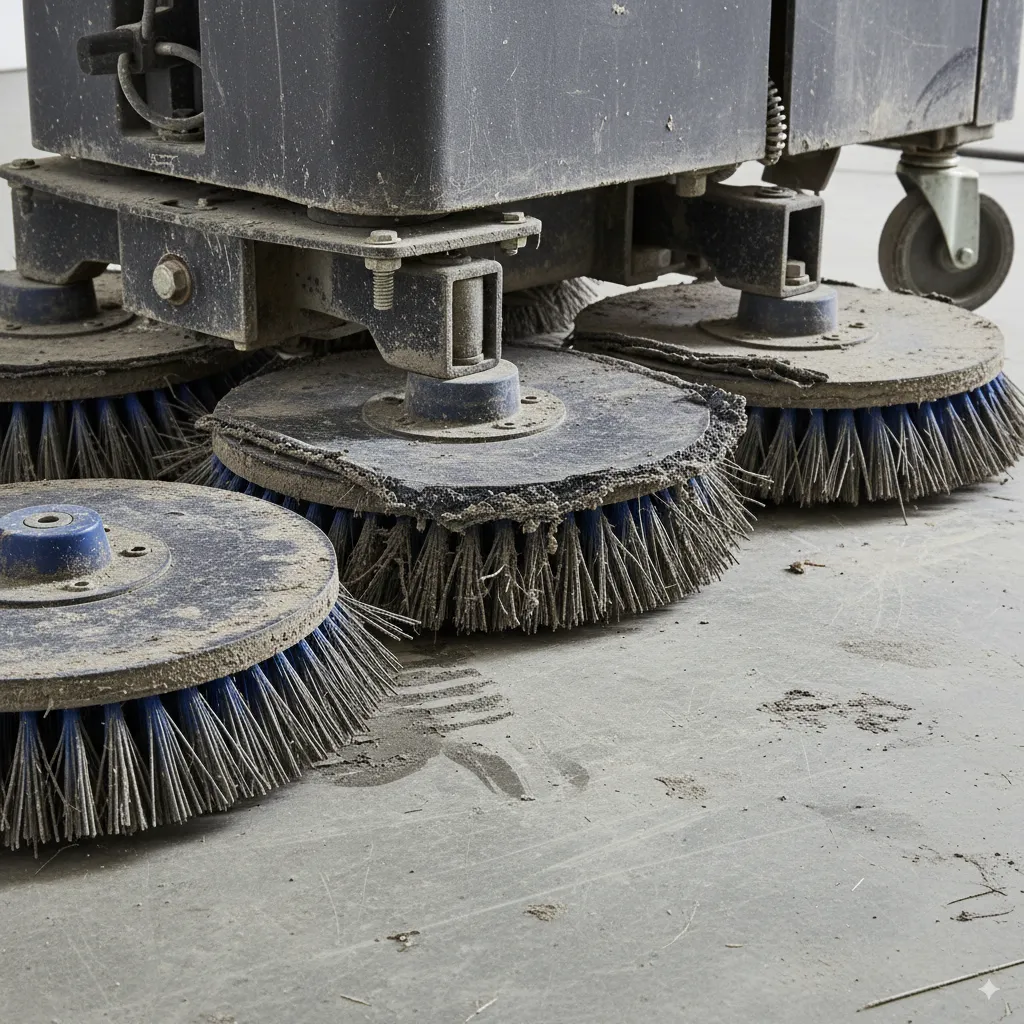
The brushes or pads are one of the parts of the floor scrubber that directly used to contact the ground.
Like most items, if you use them frequently, they will be worn out to some extent.
In addition, incorrect brushes or pads also influence the operation of the floor scrubber.
Solution:
The regular inspection is important. It is good advice that you clean the entanglement and dirt on the brushes or gaskets after each use.
If your brushes or pads become shorter to some extent, it is time to consider using a new one.
Use suitable brushes or pads according to floor materials. Hard-bristle brushes are often used on concrete or industrial surfaces, while softer pads are preferred for wood, tile, and sensitive flooring in commercial cleaning environments.
Clogged Recovery Tank (Bad Odors or Drainage Problems)
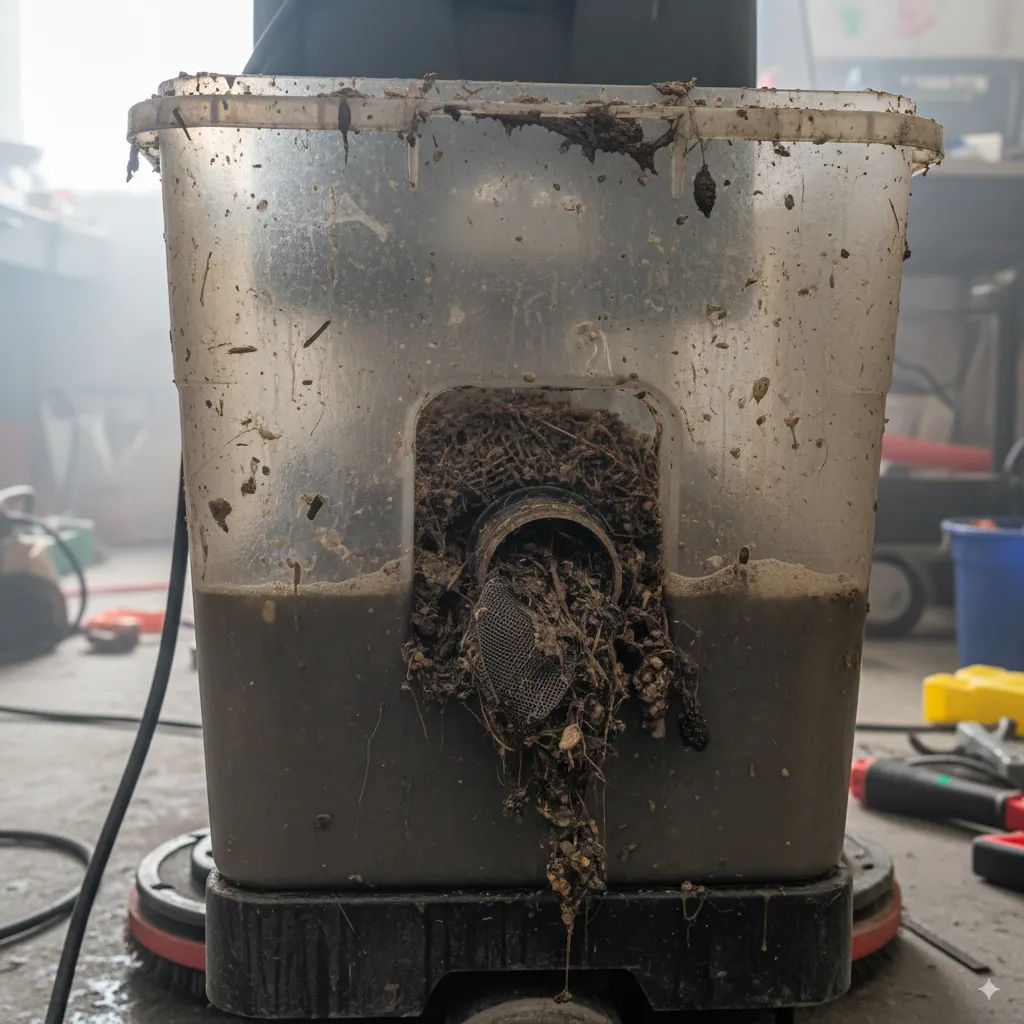
The recovery tank is the key component for collecting sewage. If you don’t clean the sewage tank for a long time, the dirt will settle and clump inside, and even breed bacteria, causing a foul odor. Eventually, this leads to blockages that prevent water and cleaning solution from flowing properly.
Solution:
It is very important that the sewage tank be emptied immediately after each use and rinsed with clean water.
Vacuum Motor Failure (Loss of Suction Power)
The machine also needs to take a rest. In other words, if you use the floor scubber beyond its designed operating hours, it may cause the motor to overheat and internal components like bearings or brushes to degrade, reducing suction power.
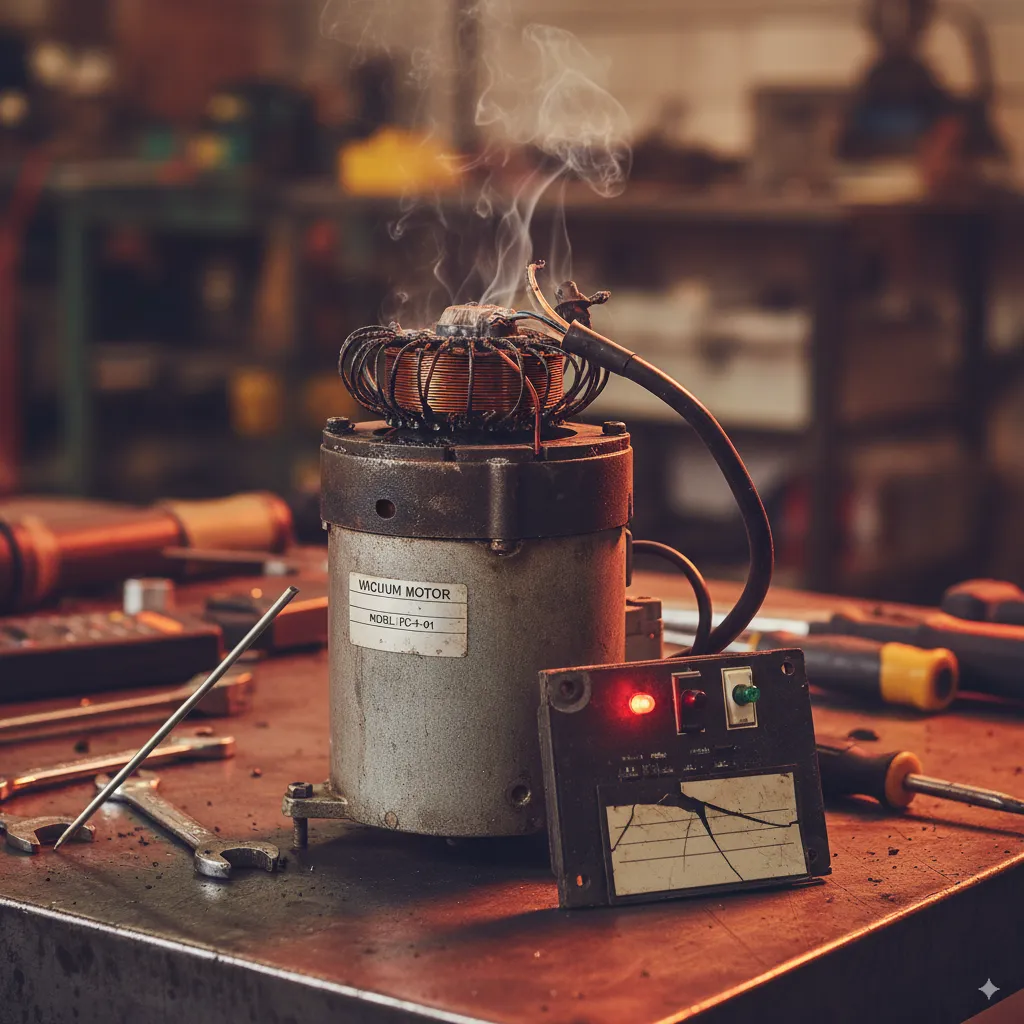
It is important to maintain the floor cleaning equipment well. Otherwise, the poor maintenance will influence some components. For example, exposure to moisture or harsh cleaning chemicals can corrode motor parts.
Solution:
You can follow the working time limit in the instruction manual and avoid long-term continuous use.
If rust is present, clean affected areas with a dry cloth and consider applying a rust inhibitor. Ensure the motor is dry before use.
If the motor is severely damaged or burnt out, contact a certified technician for repair or replacement.
Incorrect Cleaning Solution (Foam or Internal Damage)
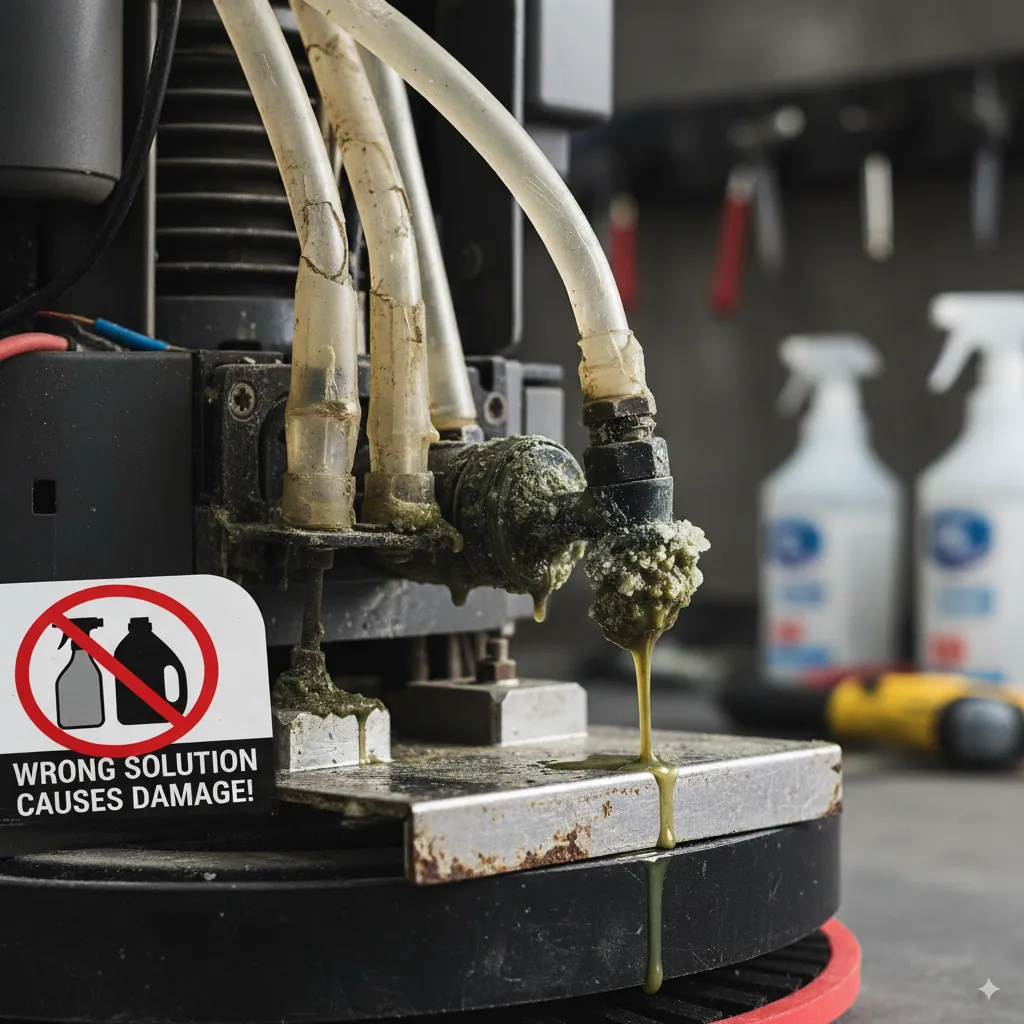
Using non-dedicated cleaning solutions or improper cleaning solution ratios not only compromises cleaning effectiveness but may also damage the machine’s internal tubing and spray nozzles.
For example, Certain strong acids or strong alkali cleaners may corrode the plastic or rubber components inside the machine.
Excessive detergent foam can enter the water absorption system, reducing suction power and potentially damaging the motor.
Solution:
Use the specialized cleaning solution recommended by the floor scrubber manufacturer.
Follow the mixing ratio specified in the instructions and avoid using excessive amounts.
Circuit Issues (Machine Stops Unexpectedly)
A malfunction in the floor scrubber’s electrical system can prevent the machine from starting normally or cause unstable operation.
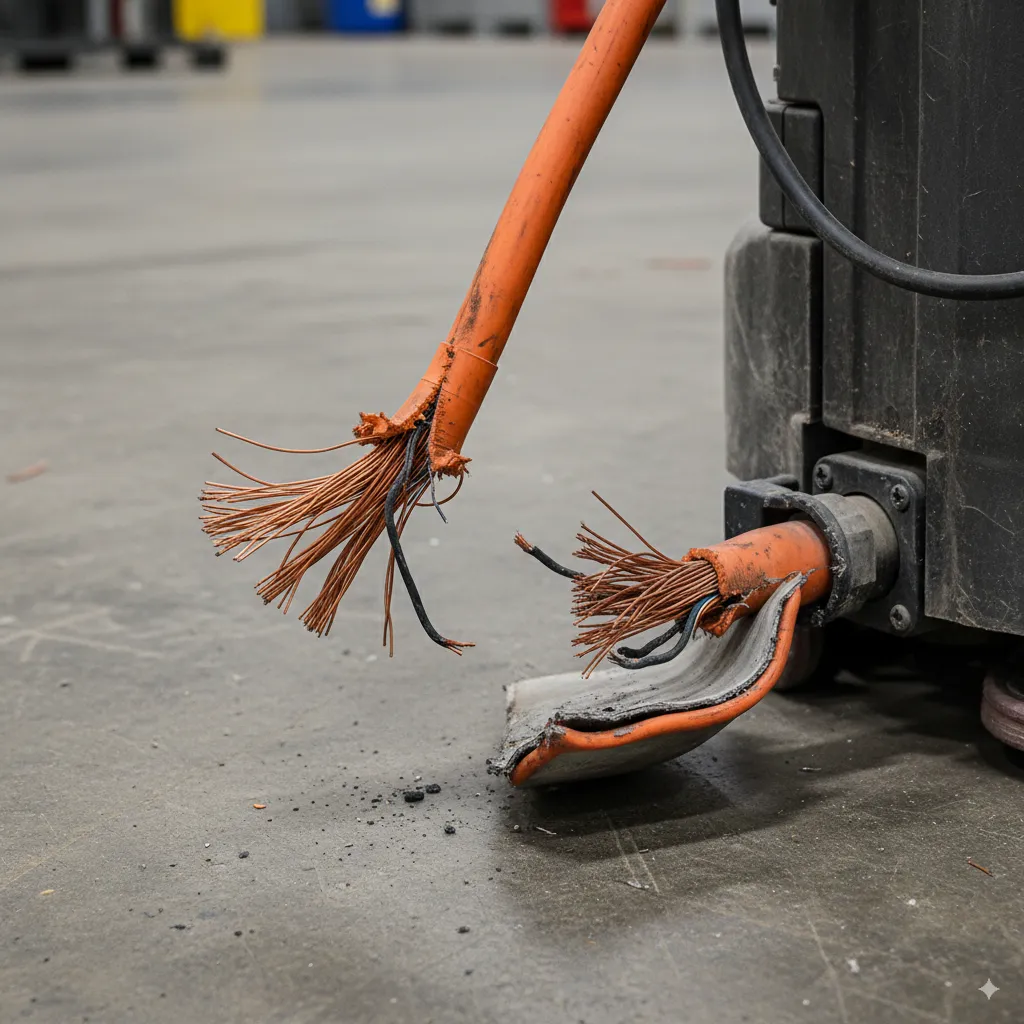
If you use the machine for a long time or improper storage may cause the outer covering of the wires to become damaged or even break inside.
If water enters the circuit board during use or cleaning, it may cause a short circuit or damage.
Solution:
Regular checks will help discover the circuit issues. If you discover the circuit is damaged, stop using it immediately and contact maintenance.
When cleaning the floor scrubber, avoid flushing water directly onto the circuit.
Signs Your Floor Scrubber Needs Maintenance
Watch for these early warning signs:
- Reduced cleaning performance
- Water left behind after cleaning
- Unusual motor noise
- Shorter battery runtime
- Weak suction power
- Strong odors from the recovery tank
Ignoring these signs may lead to larger repair costs and unexpected downtime.
FAQs
Key Takeaways
- Battery issues are among the most common floor scrubber failures
- Worn squeegee blades often cause water pickup problems
- Dirty recovery tanks reduce cleaning performance
- Brushes and pads require routine inspection
- Improper chemicals may damage internal components
- Preventive maintenance helps reduce repair costs
Conclusion
The machine is not perfect, and it may be wrong when you use it for a long time. However, understanding why it went wrong and taking appropriate measures can effectively prevent the same mistake from happening again.
If your floor scrubber went wrong or you want to upgrade your floor cleaning machine, welcome to browse these floor scrubbers and find the perfect model for your needs.