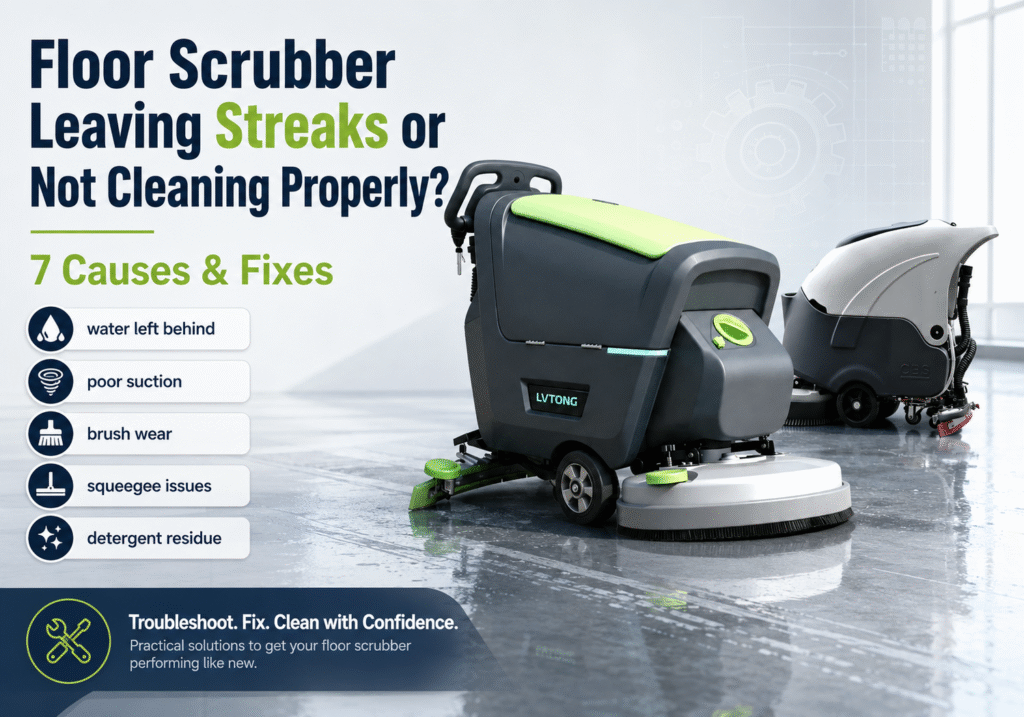
Tile floors are durable, hygienic, and widely used in commercial buildings. But once dirt, grease, and moisture settle into grout lines, a standard mop is often not enough. Mopping may remove surface dust, but it can also push dirty water deeper into grout, leaving stains, odors, and hygiene problems behind.
For businesses such as retail stores, hospitals, schools, supermarkets, airports, hotels, workshops, and public buildings, choosing the best scrubber for tile floors can make daily cleaning faster, deeper, and more consistent.
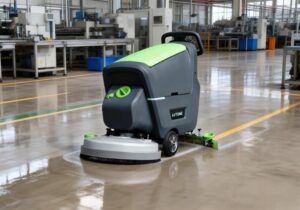
A professional tile floor scrubber combines mechanical scrubbing, controlled water flow, and dirty water recovery in one pass. For facilities comparing different cleaning machines, LVTONG also offers a full range of professional scrubber dryer options for commercial and industrial floor cleaning. This allows the machine to clean tile surfaces, reach grout lines more effectively, and leave the floor drier and safer than traditional mopping.
Quick Answer: What Is the Best Scrubber for Tile Floors?
The best scrubber for tile floors depends on your floor area, grout condition, traffic level, and daily cleaning frequency.
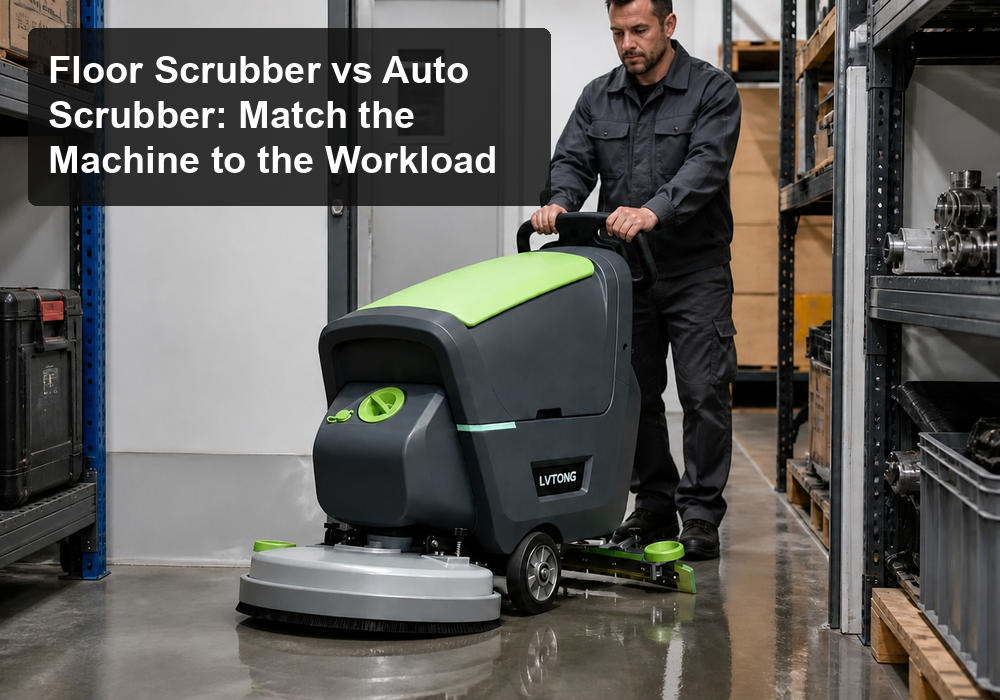
For small and medium commercial spaces, a walk-behind tile floor scrubber is usually the most practical choice because it is compact, easy to control, and suitable for narrow aisles or crowded areas.
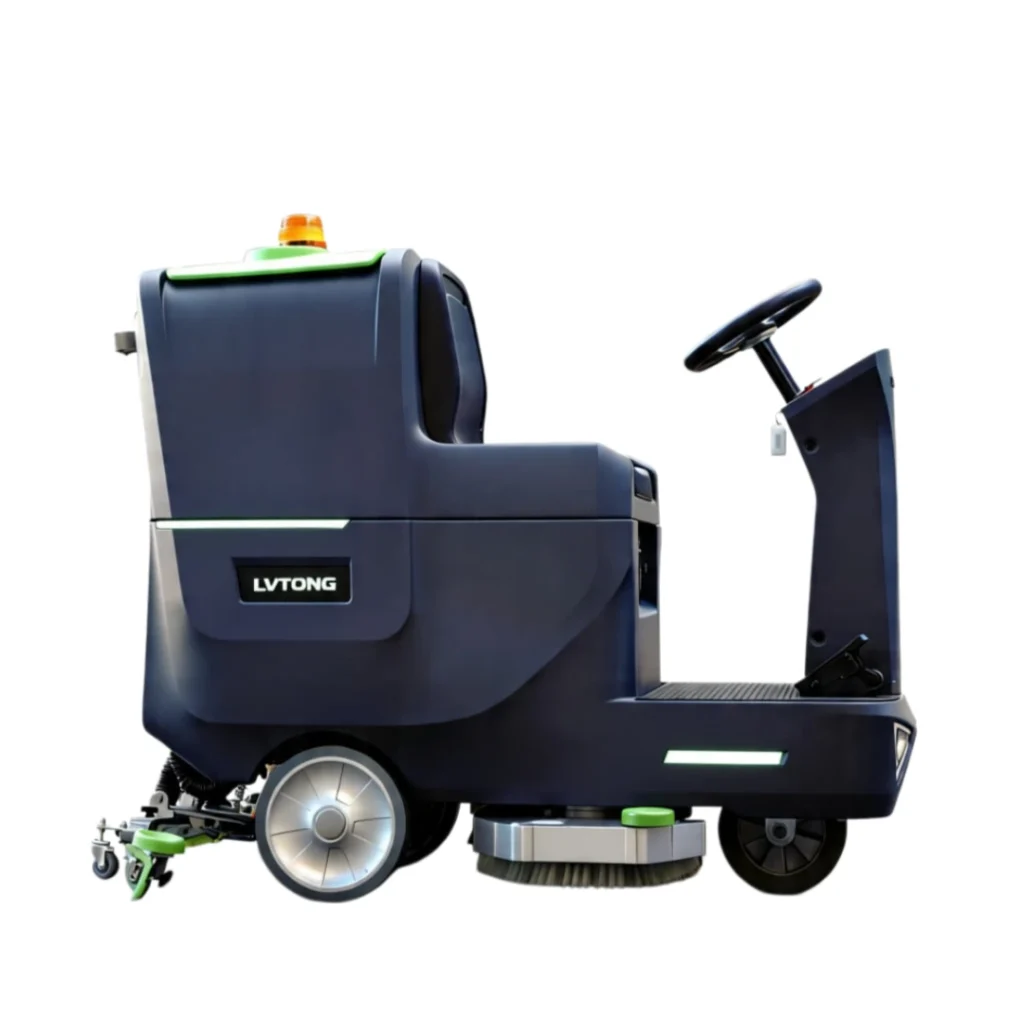
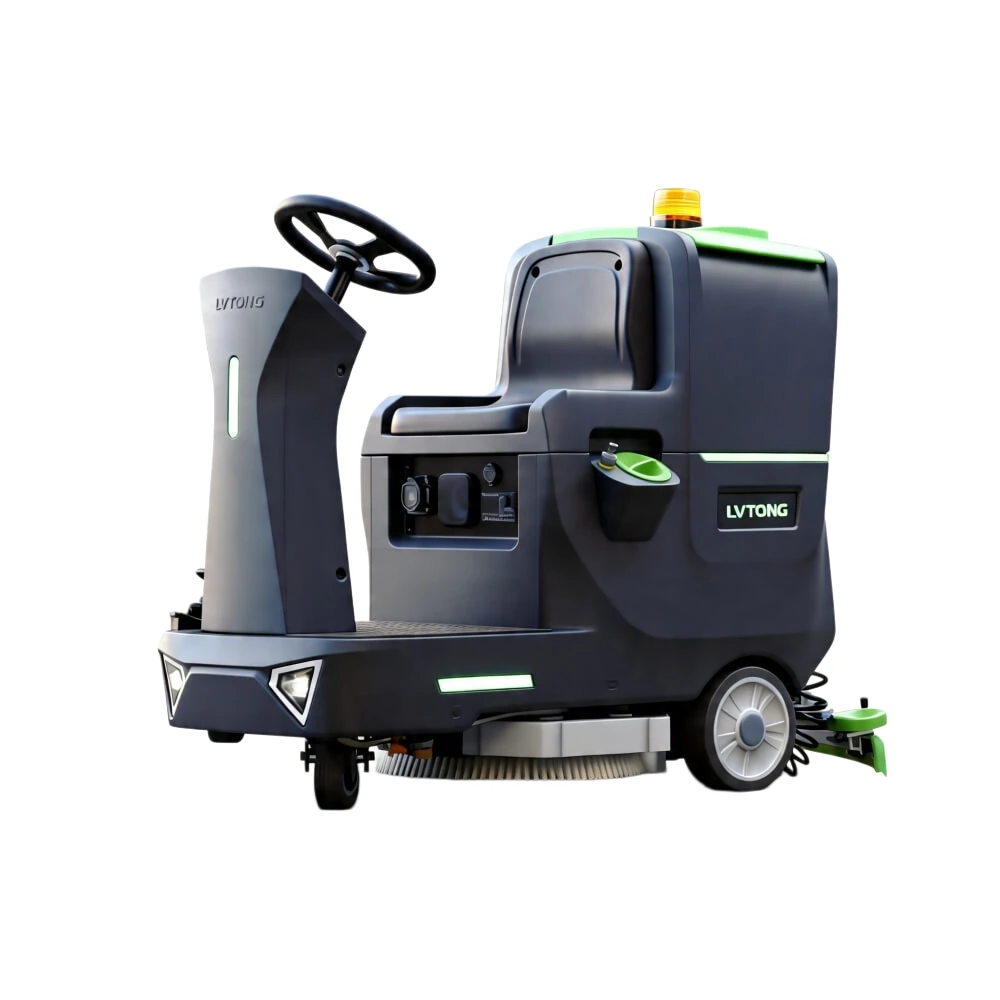
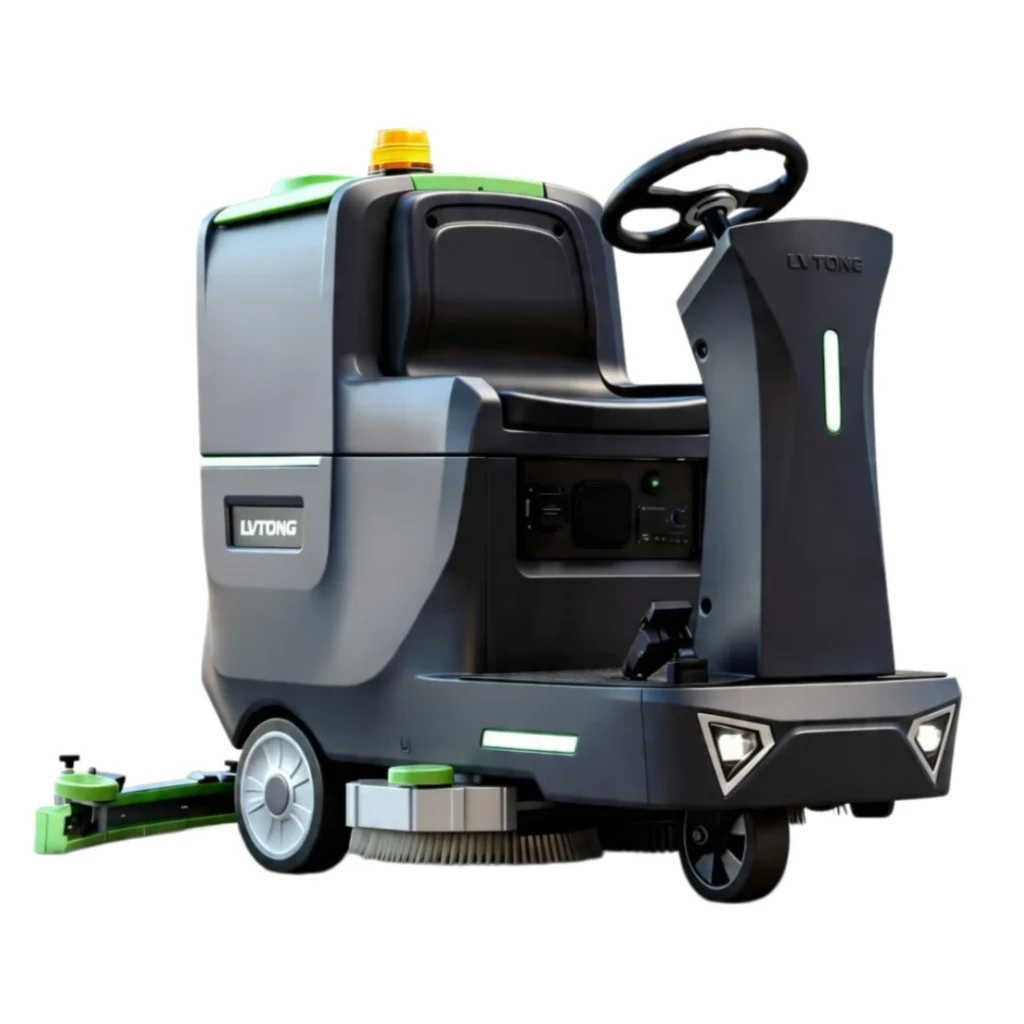
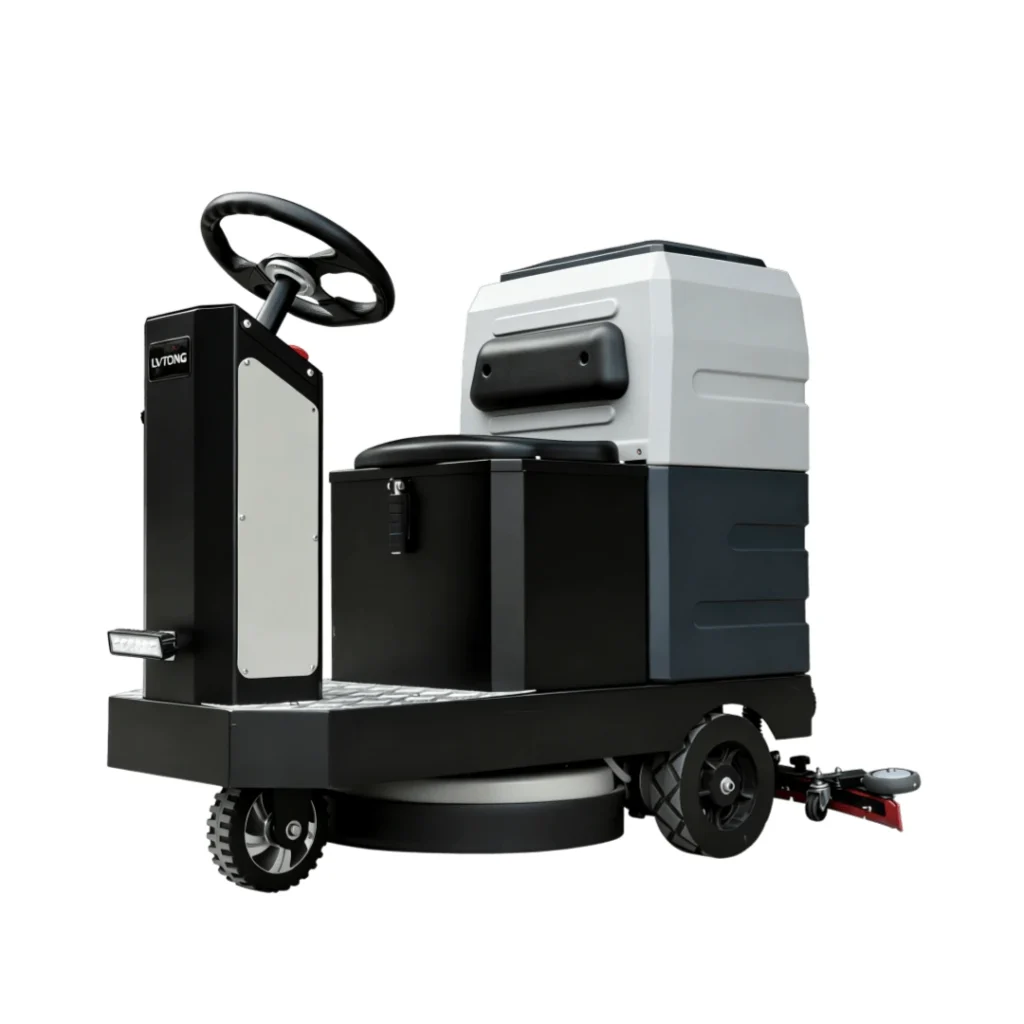
For large commercial and industrial facilities, a ride-on tile floor scrubber is often more efficient because it covers more floor area, reduces operator fatigue, and supports longer cleaning shifts.
For heavily stained grout or textured tile, a machine with a cylindrical brush system is often a better choice. For smooth tile floors and daily maintenance, a disc brush scrubber is usually enough.

What Is a Tile Floor Scrubber?
A tile floor scrubber is a floor cleaning machine designed to scrub tile surfaces, loosen embedded dirt, apply cleaning solution, and recover dirty water from the floor.
Unlike a mop, which mainly spreads water across the surface, a scrubber uses rotating brushes or pads to provide stronger mechanical cleaning. At the same time, the machine’s vacuum system collects dirty water into a recovery tank, helping the floor dry faster.
A professional tile floor scrubber usually performs three jobs in one pass:
- Scrubbing the tile surface with brushes or pads
- Applying water or cleaning solution in a controlled way
- Recovering dirty water to reduce residue and moisture
This makes tile floor scrubbers especially useful in commercial environments where floor appearance, hygiene, slip prevention, and labor efficiency are important.
To understand how disc, cylindrical, walk-behind, and ride-on machines differ, you can also read our guide to different types of floor scrubbers
Why Tile Floors Need More Than a Mop
Tile surfaces may look smooth, but grout lines are usually porous and uneven. These grout channels can trap dirt, oil, dust, moisture, and bacteria. Over time, this buildup can cause discoloration, unpleasant odors, and a dirty appearance even when the tile surface itself looks clean.
Traditional mopping has several limitations:
- It may spread dirty water instead of removing it
- It cannot provide enough pressure for deep grout cleaning
- It leaves more moisture on the floor
- It may increase drying time
- It requires more repeated labor for large areas
A professional tile floor scrubber solves these problems by combining brush pressure with immediate water recovery. This helps remove contamination more effectively and keeps the floor cleaner for longer.
Tile Floor Scrubber vs Mop: What Makes the Difference?
A mop is suitable for light daily touch-ups, small spills, and low-traffic areas. However, it is not the best tool for deep commercial tile cleaning.
A tile floor scrubber is designed for stronger and more consistent cleaning performance. It can clean larger areas faster, remove more dirt from grout lines, and reduce the amount of dirty water left on the floor.
| Cleaning Method | Best For | Main Limitation |
|---|---|---|
| Mop | Small spills and light surface cleaning | Weak cleaning power for grout and large areas |
| Manual brush | Spot cleaning and small grout areas | Slow and labor-intensive |
| Walk-behind tile floor scrubber | Small to medium commercial areas | Lower productivity than ride-on models |
| Ride-on tile floor scrubber | Large commercial and industrial spaces | Needs more storage and turning space |
For commercial tile floors, a scrubber is usually a better long-term choice because it improves cleaning speed, hygiene, floor safety, and labor efficiency.

Which Brush Is Best for Tile and Grout Cleaning?
Brush choice is important, but using a compatible floor scrubber cleaning solution also helps protect tile surfaces, grout lines, and machine components. The brush system is one of the most important factors when choosing the best scrubber for tile floors.
Different tile surfaces require different brush or pad options. Smooth tiles, textured tiles, deep grout lines, and sealed floors should not all be cleaned in the same way.
| Brush or Pad Type | Best For | Notes |
|---|---|---|
| Disc brush | Smooth tile floors and daily maintenance | Good for regular cleaning and general use |
| Cylindrical brush | Grout lines, textured tile, and debris pickup | Better contact with uneven surfaces |
| Soft nylon brush | Sealed or delicate tile floors | Helps reduce the risk of surface damage |
| Cleaning pad | Light-duty polishing or maintenance | Works best on smooth surfaces |
| Abrasive pad | Heavy stains on durable floors | Should be tested before use |
For dirty grout lines, a cylindrical brush is often more effective because the bristles can reach into uneven channels more easily. For daily cleaning on smooth tile floors, a disc brush is usually efficient and cost-effective.
Before cleaning a large area, always test the brush pressure, cleaning solution, and pad type in a small corner to make sure the floor surface and grout sealant are not damaged.
Walk-Behind vs Ride-On Tile Floor Scrubbers
When choosing a tile floor scrubber, machine size matters. The right choice depends on how large the area is, how crowded the space is, and how long the operator needs to clean each day.
Walk-Behind Tile Floor Scrubber
A walk-behind scrubber is ideal for smaller facilities and areas with narrow aisles, corners, furniture, or frequent obstacles. For narrow aisles, retail stores, schools, and smaller tile areas, explore LVTONG’s compact walk-behind scrubber models.
It is commonly used in:
- Retail stores
- Clinics
- Restaurants
- Schools
- Small supermarkets
- Office buildings
- Corridors and entrance areas
A walk-behind model is usually easier to store, easier to maneuver, and more affordable than a ride-on machine. It is a practical choice when the cleaning area is not extremely large but still requires better results than mopping.
Ride-On Tile Floor Scrubber
A ride-on scrubber is better for large spaces where productivity is the main priority. The operator sits on the machine, which reduces fatigue and allows longer cleaning sessions. For airports, warehouses, malls, and other large facilities, large-area ride-on scrubbers can improve productivity and reduce operator fatigue.
It is commonly used in:
- Airports
- Warehouses
- Shopping malls
- Manufacturing plants
- Logistics centers
- Large supermarkets
- Exhibition halls
- Public transport stations
A ride-on tile floor scrubber usually has larger solution and recovery tanks, wider cleaning paths, and higher coverage per hour. This makes it more suitable for high-traffic environments that need regular large-area cleaning.

Best Scrubber Type by Facility
The best scrubber for tile floors is not the same for every facility. A small retail store and a large airport terminal have very different cleaning needs.
| Facility Type | Recommended Scrubber | Why |
|---|---|---|
| Small retail store | Walk-behind tile floor scrubber | Compact and easy to maneuver |
| School corridor | Walk-behind or compact ride-on scrubber | Suitable for daily cleaning and safety |
| Hospital or clinic | Walk-behind scrubber with soft brush | Supports hygiene and controlled drying |
| Supermarket | Walk-behind or ride-on scrubber | Depends on aisle width and floor area |
| Hotel lobby | Quiet walk-behind scrubber | Good for polished tile and public areas |
| Warehouse | Ride-on tile floor scrubber | Higher productivity for large spaces |
| Airport terminal | Ride-on tile floor scrubber | Covers large areas with less operator fatigue |
| Textured tile area | Cylindrical brush scrubber | Better cleaning for uneven surfaces |
| Dirty grout lines | Cylindrical brush scrubber | Stronger contact with grout channels |
This type of matching helps facility managers avoid buying a machine that is either too small for the job or too large for the space.
How to Choose the Best Scrubber for Commercial Tile Floors
Before choosing a tile floor scrubber, evaluate the real cleaning conditions in your facility. The right machine should match your floor type, operating schedule, labor resources, and long-term maintenance needs.
1. Check the Floor Area
For smaller spaces, a walk-behind machine may be enough. For large open spaces, a ride-on model can save more labor time.
Consider the total square footage, the cleaning route, turning space, and how often the floor must be cleaned.
2. Look at the Grout Condition
If grout lines are deeply stained or uneven, brush selection becomes very important. Cylindrical brushes may perform better for grout cleaning, while disc brushes are more suitable for smooth tile maintenance.
3. Consider Traffic Level
High-traffic areas collect dirt faster. Facilities such as supermarkets, hospitals, schools, and airports may need daily or frequent machine scrubbing to maintain a clean and safe appearance.
4. Choose the Right Tank Capacity
Larger tanks allow longer cleaning time before refilling or emptying. This is especially important for large buildings where stopping frequently can reduce productivity.
5. Review Operator Comfort
For short cleaning routes, a walk-behind scrubber may be practical. For long shifts or large spaces, a ride-on model can reduce fatigue and improve cleaning consistency.
6. Check Maintenance Requirements
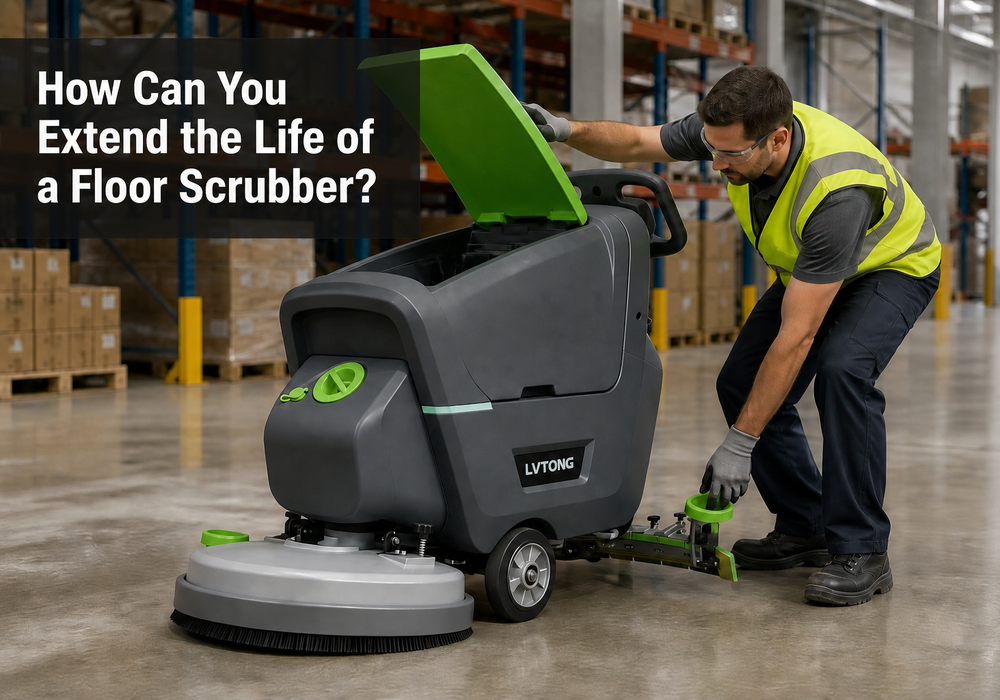
A good scrubber should be easy to maintain. Daily tasks usually include emptying the recovery tank, cleaning the squeegee, checking brushes or pads, and charging the battery.
For a broader machine selection checklist, see these key floor scrubber selection factors before comparing models.
Can a Tile Floor Scrubber Clean Grout Lines?
Yes, a tile floor scrubber can help clean grout lines, especially when the correct brush system and cleaning solution are used.
However, the result depends on the grout depth, stain type, brush pressure, and how long the dirt has been building up. A floor scrubber is very effective for regular grout maintenance, but extremely old or deeply stained grout may require pretreatment before scrubbing.
For better grout cleaning results:
- Use the correct brush type
- Apply a suitable pH-neutral cleaner
- Allow enough contact time for heavy soil
- Avoid excessive water left on the floor
- Use proper brush pressure
- Clean the area regularly instead of waiting for heavy buildup
Regular machine scrubbing helps prevent grout from becoming permanently discolored.

How to Clean Tile Floors Without Damaging Sealed Grout
Many commercial tile floors are sealed to protect grout from moisture and stains. When cleaning sealed tile and grout, the goal is to remove soil without damaging the sealant.
Follow these practical guidelines:
- Use pH-neutral cleaning solution whenever possible
- Avoid highly acidic or strongly alkaline chemicals unless approved for the floor
- Start with lower brush pressure
- Use soft or medium brushes for delicate surfaces
- Avoid steel brushes or overly aggressive pads
- Test a small area before cleaning the full floor
- Keep the recovery system and squeegee working properly
A professional tile floor scrubber should clean efficiently without leaving excess water behind. This is important because standing water can weaken grout and increase slip risks.
Recommended Features in a Professional Tile Floor Scrubber
When comparing machines, do not only look at price. The best scrubber for tile floors should provide stable cleaning results, easy operation, and reliable long-term use. Long-term performance also depends on proper cleaning equipment maintenance support, including brush inspection, squeegee care, battery checks, and after-sales service.
Look for these features:
- Suitable brush type for tile and grout
- Adjustable water flow
- Strong vacuum recovery
- Durable squeegee system
- Easy-to-clean recovery tank
- Simple control panel
- Comfortable operation
- Reliable battery performance
- Compact turning radius
- Easy access for maintenance
- Good after-sales support
For commercial users, service support and spare parts availability are just as important as the machine itself.
Is a Tile Floor Scrubber Worth It?
For facilities with frequent tile floor cleaning needs, a professional tile floor scrubber is usually worth the investment.
It can reduce manual labor, improve cleaning consistency, remove dirty water more effectively, and help maintain a safer and more hygienic floor environment. Over time, better cleaning efficiency can also help reduce labor costs and improve the appearance of the facility.
A tile floor scrubber is especially valuable when:
- The floor area is large
- Grout lines become dirty quickly
- Cleaning must be done every day
- The facility has high foot traffic
- Floor safety is important
- Hygiene standards are strict
- Manual mopping takes too much time
For many commercial buildings, the question is not whether a scrubber is useful, but which type of scrubber fits the job best.
How Often Should Commercial Tile Floors Be Scrubbed?
The ideal cleaning frequency depends on foot traffic, soil level, weather, and hygiene requirements.
As a general guide:
| Area Type | Suggested Scrubbing Frequency |
|---|---|
| Low-traffic office areas | Weekly or as needed |
| Retail stores | Several times per week or daily |
| Schools | Daily or several times per week |
| Hospitals and clinics | Daily or according to hygiene requirements |
| Supermarkets | Daily |
| Airports and transport stations | Daily or multiple times per day |
| Warehouses and factories | Based on soil level and safety needs |
High-traffic areas usually need more frequent machine scrubbing to prevent dirt from settling into grout lines.
LVTONG Tile Floor Scrubber Solutions
LVTONG offers professional floor cleaning equipment for different commercial and industrial environments. Whether your facility needs a compact walk-behind scrubber for narrow spaces or a ride-on scrubber for large-area cleaning, the right model can help improve productivity and cleaning quality.
For tile floors, LVTONG scrubber driers are suitable for many applications, including:
- Retail stores
- Shopping centers
- Schools
- Hospitals
- Hotels
- Supermarkets
- Airports
- Warehouses
- Factories
- Public buildings
If you are not sure which machine is right for your tile floor, you can compare your floor area, grout condition, cleaning frequency, and operator requirements before choosing a model.
Key Takeaway
The best scrubber for tile floors is not decided by machine size alone. It depends on your floor area, tile surface, grout condition, traffic level, cleaning schedule, and budget.
For smaller commercial spaces, a walk-behind tile floor scrubber is usually practical and easy to control. For large facilities, a ride-on tile floor scrubber can improve productivity and reduce operator fatigue. For dirty grout or textured tile, the brush system is especially important.
A professional tile floor scrubber helps businesses move beyond the limitations of mopping. It provides deeper cleaning, faster drying, better grout maintenance, and a more professional floor care process.
Need help choosing the right scrubber for your tile floors? Contact LVTONG and share your floor area, tile type, grout condition, and daily cleaning needs. Our team can recommend a suitable floor cleaning solution for your facility.
FAQ
What is the best scrubber for tile floors?
The best scrubber for tile floors depends on the facility size and grout condition. A walk-behind scrubber is usually best for small and medium areas, while a ride-on scrubber is better for large commercial spaces. For dirty grout lines, a cylindrical brush system may provide better cleaning results.
Can a floor scrubber clean grout lines?
Yes. A floor scrubber can help clean grout lines by using brush pressure, cleaning solution, and water recovery. Cylindrical brushes are often more effective for textured tile and deeper grout lines.
Is a tile floor scrubber better than a mop?
Yes, for commercial cleaning. A tile floor scrubber provides stronger mechanical cleaning, recovers dirty water, and helps the floor dry faster. A mop is useful for small spills, but it is less effective for large areas and dirty grout.
Should I choose a walk-behind or ride-on tile floor scrubber?
Choose a walk-behind scrubber for smaller spaces, narrow aisles, and lower budgets. Choose a ride-on scrubber for large facilities, long cleaning routes, and higher productivity needs.
Which brush is best for tile and grout?
A cylindrical brush is often better for grout lines and textured tile because it can reach uneven surfaces more effectively. A disc brush is suitable for smooth tile floors and daily maintenance cleaning.
Can tile floor scrubbers be used on sealed tile floors?
Yes. Tile floor scrubbers can be used on sealed tile floors if the correct brush, pad, pressure setting, and pH-neutral cleaning solution are used. Always test a small area before cleaning the full floor.
How often should commercial tile floors be scrubbed?
High-traffic commercial tile floors may need daily scrubbing, while lower-traffic areas may only need weekly or scheduled cleaning. The right frequency depends on foot traffic, hygiene requirements, and soil buildup.
Are tile floor scrubbers worth the investment?
Yes, especially for commercial facilities with large tile areas or frequent cleaning needs. A tile floor scrubber can reduce labor time, improve cleaning consistency, help maintain grout appearance, and support safer, drier floors.