Introduction
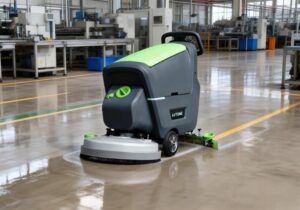
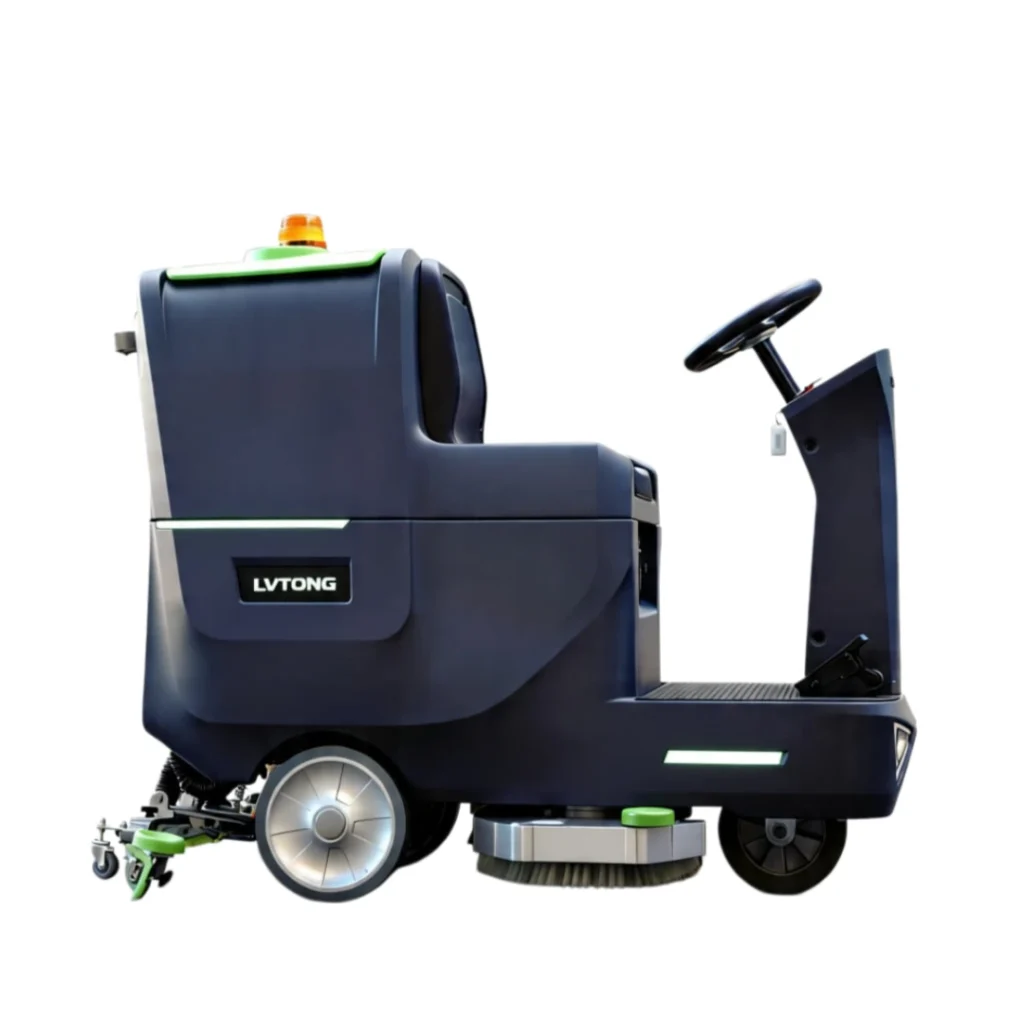
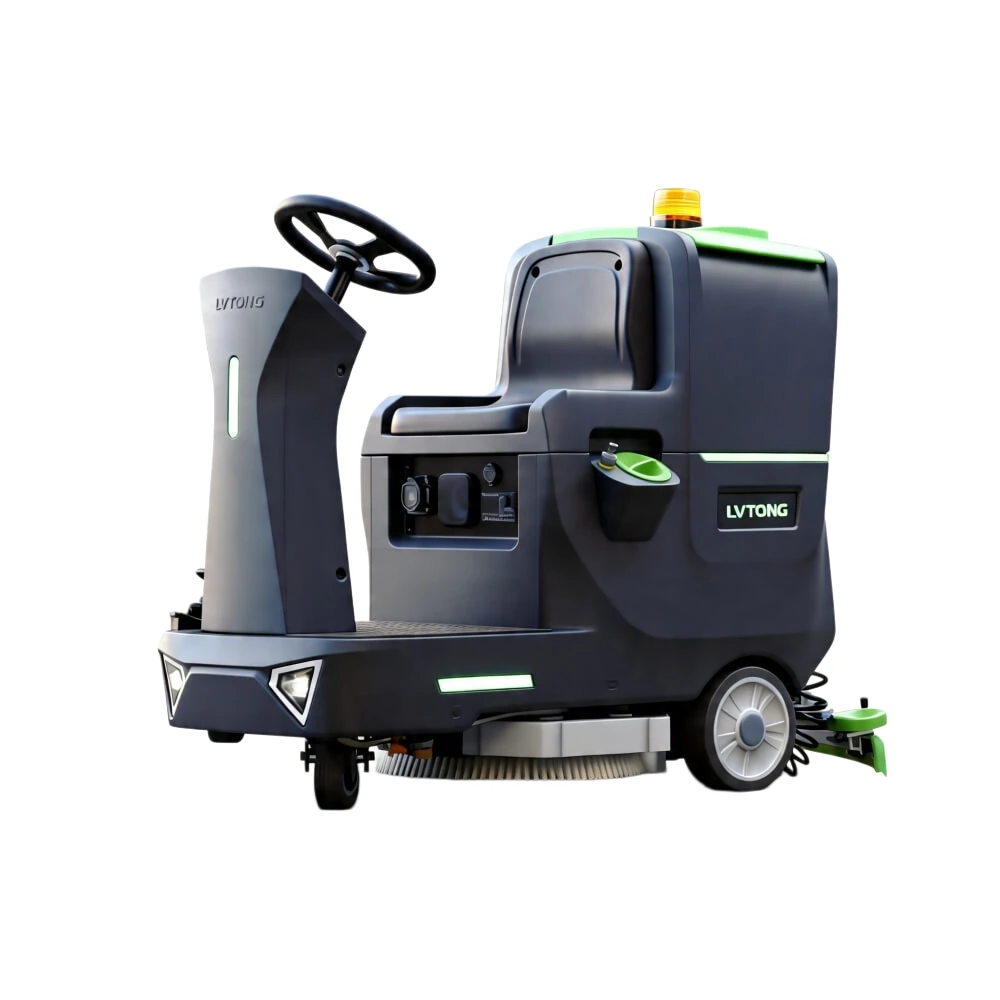
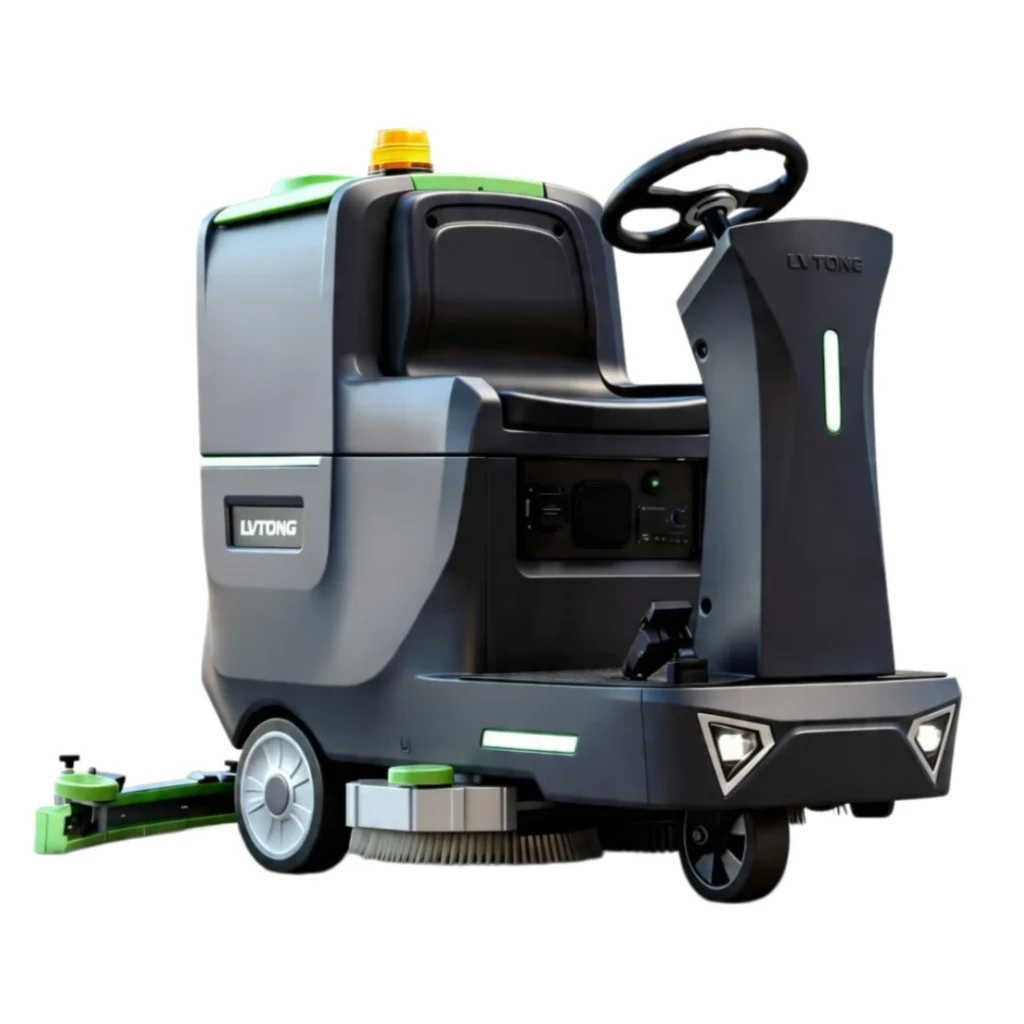
The cleaning effect, efficiency, and lifespan of an industrial floor scrubber depend on three key components: The brush, the motor, and the battery. These 3 core floor scrubber accessories work together to determine the machine’s cleaning power, water absorption, operating time, and maintenance costs.
Quick Answer
The three core floor scrubber accessories are the brush system, motor system, and battery system. The brush removes dirt, the motor provides cleaning and suction power, and the battery determines operating time. Choosing the right combination based on floor type, contamination level, and working hours can significantly improve cleaning efficiency while reducing maintenance costs.
Why do These 3 Core Accessories Determine the Floor Scrubber Performance?
Unlike household cleaning tools, industrial floor cleaning equipment typically operates in environments containing complex contaminants such as oil, metal shavings, dust, and chemical residues. Therefore, cleaning efficiency depends entirely on the 3 core floor scrubber accessories: The motor, the battery, and the brush.
- Brush disc→ Effectively removes stains
- Motor→ Provides sufficient power and suction
- Battery→ Ensures continuous working time
Brush System: Determines Cleaning Effectiveness
Floor Scrubber Brush Type
Disc brush
- The cleaning path rotates in a circular motion, suitable for flat surfaces
- Commonly used for epoxy flooring, PVC flooring, ceramic tiles, supermarket floors and so on

Roller Brush
- Rolls in both forward and reverse directions, allowing for simultaneous brushing and sweeping, with an automatic solid waste collection function.
- More suitable for rough surfaces, heavy industrial oil stains, and machining workshops.
The Important of the Disk Pressure
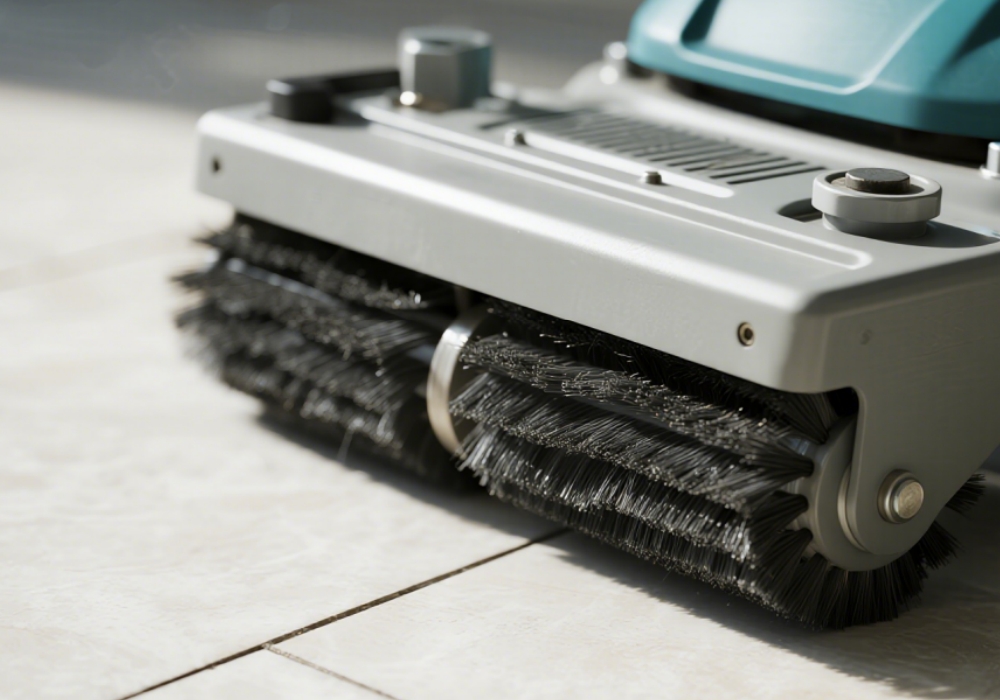
The brush pressure (kg) determines the “pressure” exerted by the brush bristles on the ground, which is key to removing stubborn stains.
- Low pressure → Can’t clean thoroughly, especially oil stains
- Moderate stress → Suitable for daily cleaning
- High pressure → Effectively removes stubborn stains and compacted dust.
High-performance floor scrubbers feature:
- Automatic pressure adjustment system
- Larger brush contact area

How to Determine the Quality of a Floor Scrubber’s Brush System
- Wear-resistant and chemically resistant bristles
- Easy to assemble and disassemble
- Stable operating speed (≥160–180 RPM)
- The roller brush has a debris collection groove
- Brush pressure≥25–40 kg (medium to large size machines)
Motor System: Key Source of Power and Suction
The core power source for industrial floor scrubbers comes from three types of motors: brush motor, water suction motor, and drive motor.
Functional Analysis of Three Types of Floor Scrubber Motor
Brush Motor
- Provides rotational power for the brush disc. The greater the torque, the better it can handle heavy stains.
Water Suction Motor
- It is responsible for “vacuuming the floor”. A machine with weak suction will leave the floor sticky and watermarked.
Drive Motor
- Allow the floor scrubber to move forward automatically, reducing the need for manual pushing.
Key Parameters of Floor Scrubber Motor Performance
Key Indicators
- Air pressure (mmH₂O) → Water absorption capacity
- Air volume (m³/h) → Water vapor discharge rate
- Rotation speed (RPM)
- Torque (Nm)
- Noise level (dB)
- Heat resistance rating, waterproof and dustproof rating (IPx)
Methods to Determine Electric Motor Durability
- No overheating after 2-3 hours of continuous operation
- High temperature resistant coil
- Waterproof design
- Stainless steel turbine
- Low-noise operation
- Long-life carbon brushes
Battery System: Determines the Floor Scrubber’s Runtime
3 Major Floor Scrubber Battery Types
|
Battery Type |
Characteristics |
Advantages |
Disadvantages |
Applicable Scenarios |
|
Lead-acid batteries |
Low maintenance cost |
Low price |
Poor durability |
Small area |
|
Gel batteries |
Mid-to-high-end |
Stable and durable |
Heavier |
Good compatibility |
|
Lithium batteries |
New power |
Lightweight, durable, and fast charging |
High cost |
Large-area, long-term use |
The Core Factors of Battery Range
- Voltage (V)
- Capacity (Ah)
- Motor Power
- Ambient Temperature
- Usage Habits (Deep Discharge)
How to Increase Floor Scrubber Battery Performance by 30%-50%
- Don’t completely drain the battery before charging
- Charge immediately after power is off
- Use the original charger
- Keep battery terminals dry and clean
- Perform a leveling charge (lead-acid/colloid) once a month
Comparison of Three Core Floor Scrubber Accessories
The three core floor scrubber accessories—the brush system, motor system, and battery system—work together to determine cleaning performance, operating efficiency, and long-term maintenance costs. However, each component serves a different purpose. The comparison below can help you quickly identify which accessory should be prioritized for your cleaning application.
| Floor Scrubber Accessory | Primary Function | Key Buying Factors | Best For |
|---|---|---|---|
| Brush System | Removes dirt, grease, and debris from the floor. | Brush type, brush pressure, RPM, bristle material | Cleaning effectiveness on different floor surfaces |
| Motor System | Powers the brush, suction, and machine movement. | Torque, suction performance, durability, IP rating | Heavy-duty cleaning and fast floor drying |
| Battery System | Supplies power for machine operation. | Battery type, capacity (Ah), voltage, charging speed | Long operating hours and large-area cleaning |
Quick Selection Tips
- Choose the brush system if cleaning performance is your highest priority.
- Choose the motor system if you need stronger scrubbing power and faster water recovery.
- Choose the battery system if long runtime and lower operating costs are most important.
For most industrial applications, selecting the right combination of floor scrubber brush, floor scrubber motor, and floor scrubber batteries will provide better cleaning efficiency, longer machine life, and lower maintenance costs than upgrading a single component alone.
Floor Scrubber Accessories Selection Framework
If you are choosing a floor scrubber, use the following decision process:
Step 1
Identify your floor type.
Smooth epoxy floor → Disc brush
Rough concrete floor → Roller brush
Step 2
Determine the level of contamination.
Light dust → Standard brush motor
Heavy grease → High-torque motor
Step 3
Estimate daily operating hours.
Less than 2 hours → Lead-acid battery
2–6 hours → Gel battery
More than 6 hours → Lithium battery
Step 4
Consider maintenance costs.
Lower maintenance requirements generally favor lithium batteries and wear-resistant brush systems.
How to Choose Suitable Floor Scrubber based on Its Three Floor Scrubber Accessories
80% performance of industrial floor scrubber is determined by brush, motor and battery. In order to choose the right floor scrubbing machine, you need to consider factors such as the condition of the floor, cleaning requirements, and usage duration.
Choose a Brush System based on Floor Stain Types
Heavy oil stains/Cutting fluid/Machining workshop
Compatible with: High-pressure cyclodrical brush + High-torque brush motor
- The roller brush can penetrate deep into the groove
- More effective at cleaning metal shavings and processing fluids
- More suitable for workshops and manufacturing industries

Warehouse/Logistics/Parking
Compatible with: Large diameter disc brush + Wider cleaning path
- Large coverage area, high efficiency
- Disc brushes are most economical and durable on flat surfaces

Epoxy flooring / Showroom flooring
Compatible with: Soft disc brush
- It won’t damage the floor
- It will leave the floor shinier after cleaning

Choose the Motor System based on Cleaning Effect
Deep degreasing and Powerful scrubbing → Choose a high-torque motor
Suitable Occasions:
- Machine shop
- Injection molding workshop
- Food oil contamination area
Floor dries instantly, No water stains → Powerful suction motor
Suitable Occasions:
- Warehouse anti-slip measures
- Shopping malls/hospitals must be free of water stains
- Parking lots must be designed to prevent safety accidents
Long-term continuous operation → Low-noise motor + High-efficiency heat dissipation system
Suitable Occasions:
- Warehouse anti-slip measures
- Shopping malls/hospitals must be free of water stains
- Parking lots must be designed to prevent safety accidents
Long-term continuous operation → Low-noise motor + high-efficiency heat dissipation system
Suitable Occasions:
- Large parking lots
- Large warehouses
Choose the Battery System based on Range Requirements
Large-scale factory/warehouse → Lithium batteries
Advantages:
- Highly durable, 3-4 times longer than lead-acid batteries
- Fast charging speed
- Lightweight yet powerful
- Can be charged and used anytime
Limited budget → Lead-acid batteries
Advantages:
- Lower cost
- Low maintenance cost
- Stable and reliable
Comprehensive Matching Scenario Recommendations
Heavy oil-stained workshop
- Cylindrical brush
- High-torque motor
- Lithium battery

Large warehouse/Shipping center
- Large brush head
- Powerful suction motor
- High-capacity lithium battery

Small manufacturer
- Economical disc brush
- Standard motor
- Gel battery

Hospitals/Supermarkets/Food Factories
- Disc brush
- Powerful suction motor
- Lithium battery + large squeegee design

Buying Recommendations
For most factories, warehouses, and commercial facilities, selecting a floor scrubber with a durable brush system, a high-efficiency motor, and a lithium battery provides the best balance between cleaning performance and long-term operating cost.
If your facility mainly handles light daily cleaning, a standard disc brush with a conventional motor and lead-acid battery can provide a more economical solution.
When purchasing floor scrubber accessories, always evaluate the expected working hours, floor conditions, maintenance requirements, and replacement costs instead of focusing only on the initial purchase price.
Key Takeaways
When selecting floor scrubber accessories, remember these four principles:
• The brush system determines cleaning effectiveness.
• The motor system determines cleaning power and water recovery.
• The battery system determines runtime and operating efficiency.
• Matching accessories to your floor conditions delivers better cleaning results and lower maintenance costs than simply choosing the highest specifications.
FAQ
What are the most important floor scrubber accessories?
The three most important floor scrubber accessories are the brush system, motor system, and battery system. Together they determine cleaning efficiency, runtime, suction performance, and long-term maintenance costs.
How often should floor scrubber brushes be replaced?
Brush replacement depends on floor type and usage frequency. For industrial applications, brushes should be inspected weekly and replaced once the bristles become significantly worn or cleaning performance decreases.
Which battery is best for industrial floor scrubbers?
Lithium batteries are generally the best option for facilities requiring long operating hours because they provide longer runtime, faster charging, and lower maintenance than lead-acid batteries.
What motor provides the strongest cleaning performance?
A high-torque brush motor combined with a powerful vacuum motor delivers the best cleaning performance for heavy-duty industrial environments.
Conclusion
High-quality brushes, motors, and batteries can significantly enhance cleaning efficiency and reduce maintenance costs. It is an important investment for enterprises such as factories, workshops, and warehouses to improve management efficiency.
——If wanting learn more about industrial floor scrubber news, please continue to visit our website.