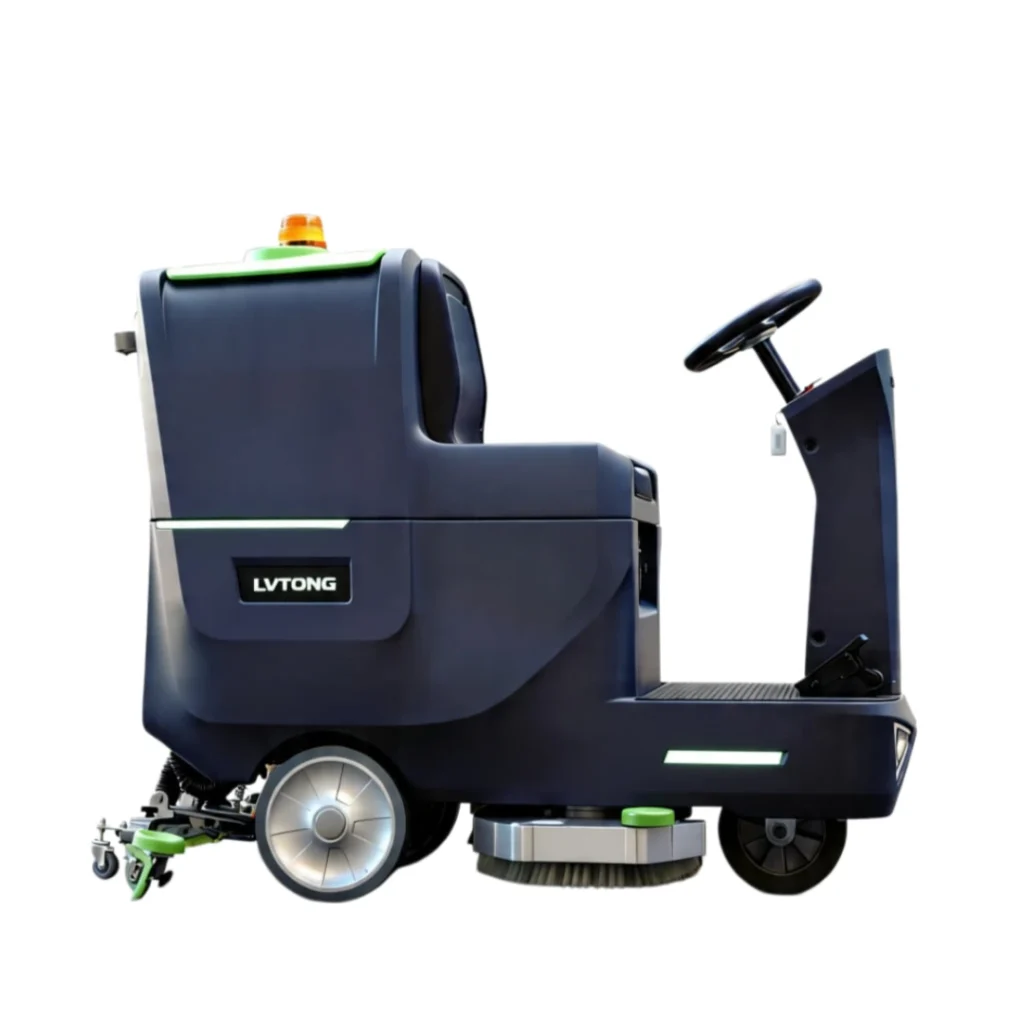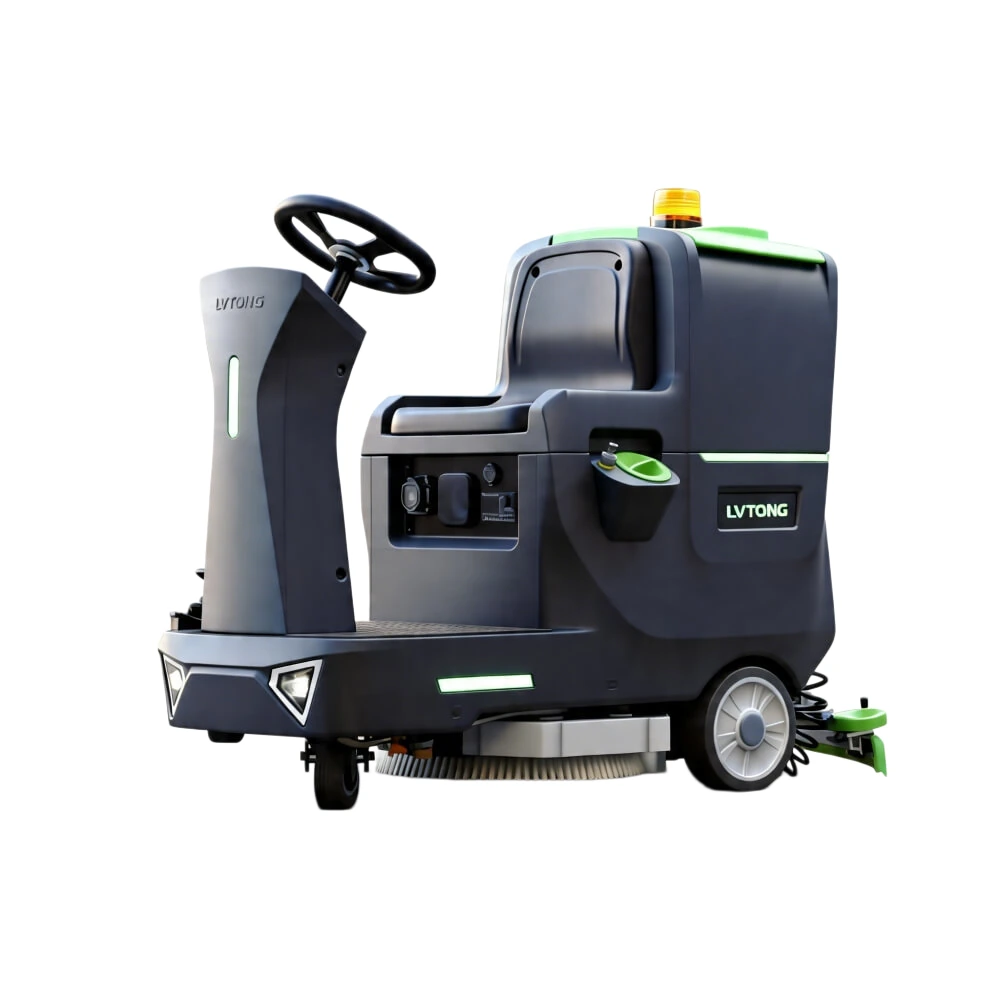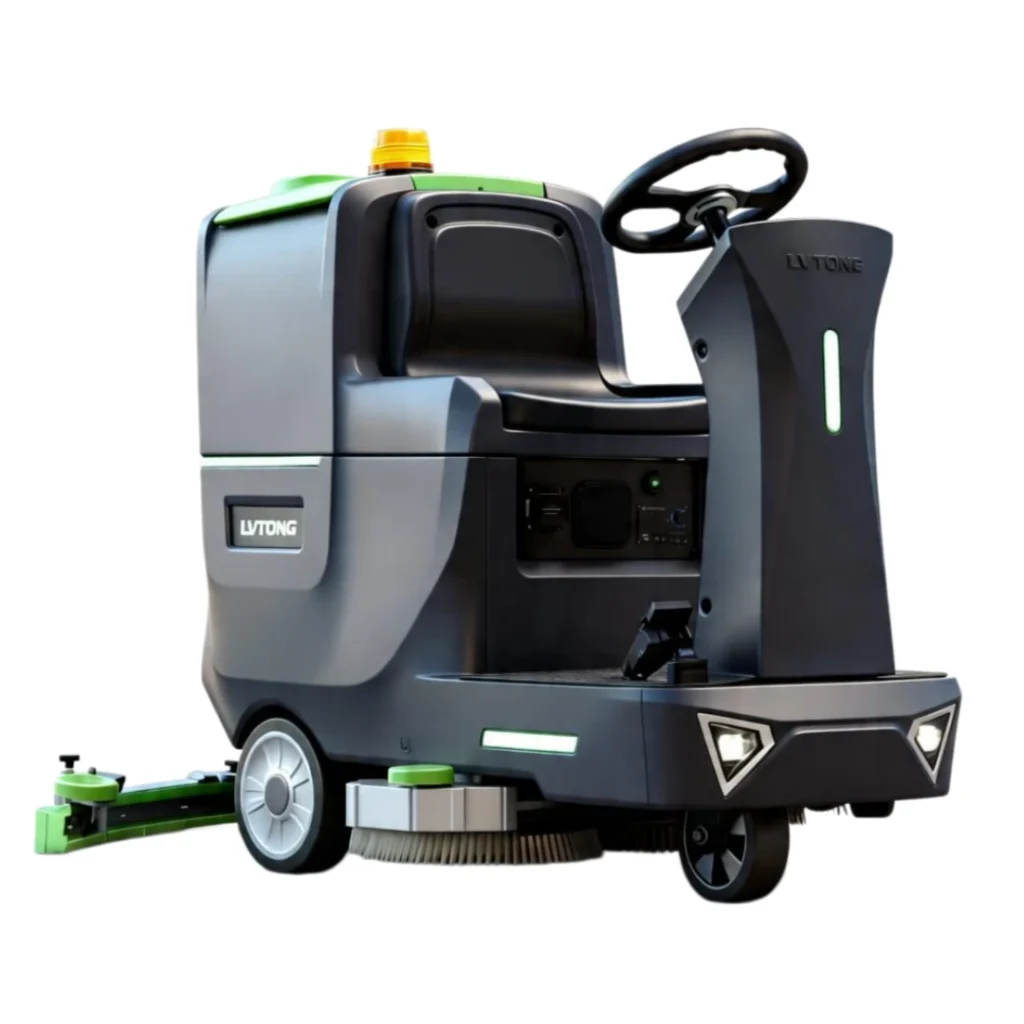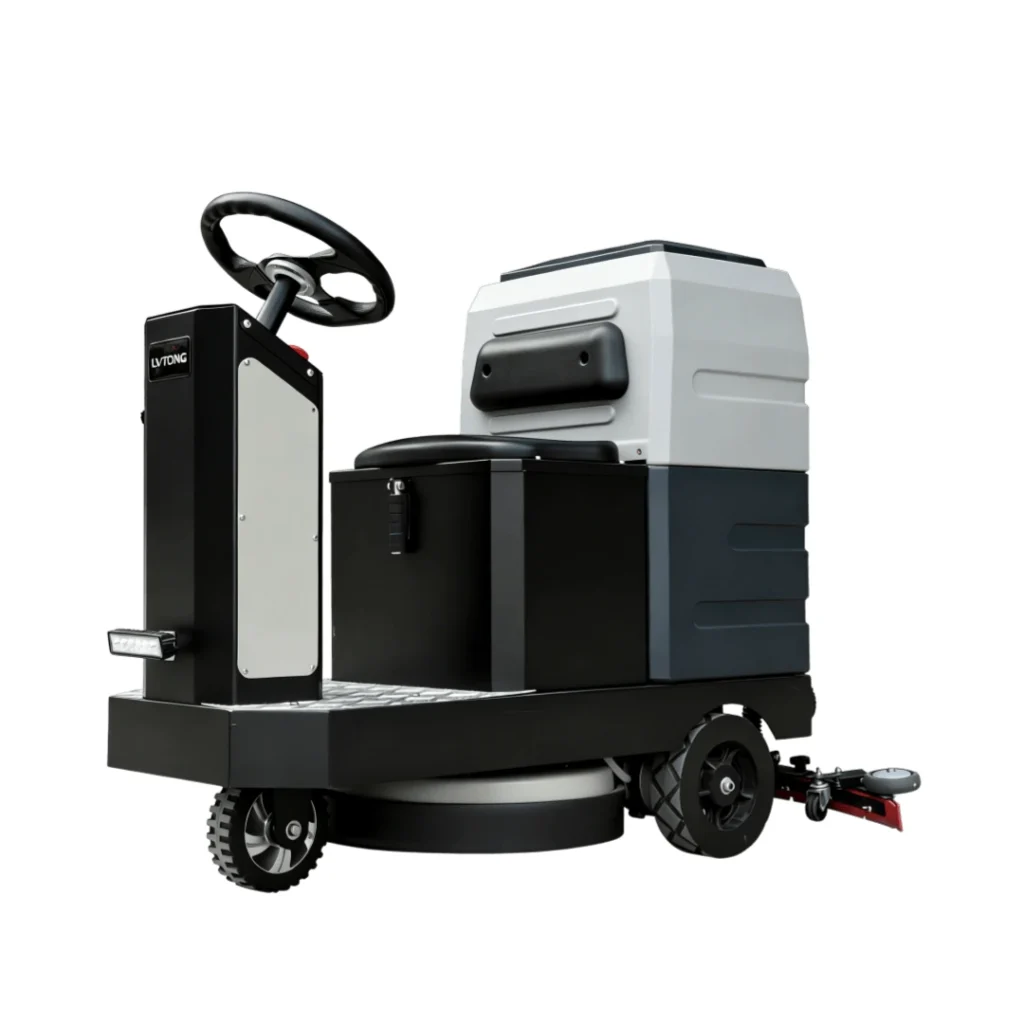

Ask a freight forwarder to quote a ride-on scrubber and the first question is not about weight or volume — it is about the battery. Every machine in the battery-powered floor cleaning range moves on a lithium-ion pack, and that single fact turns an ordinary export shipment into a Class 9 dangerous goods movement with its own paperwork, packing rules and carrier approvals. The good news: the document set is short, it is reusable across orders, and a buyer who asks for it early avoids the two classic failures — a machine stuck at the port, and a quote that doubles after the battery is noticed. This guide walks through floor scrubber battery shipping document by document: what each one proves, who issues it, and what to check before you confirm an order.
QUICK ANSWER
A lithium floor scrubber ships as Class 9 dangerous goods, and four documents decide whether it moves on schedule: the UN 38.3 test summary, the safety data sheet, the correct UN number assignment, and a dangerous goods declaration prepared by a trained shipper.
- The UN 38.3 test summary proves the battery pack passed transport-mandated safety tests; request it by document name, not by promise.
- A scrubber with its battery installed travels as UN 3481; a spare pack in the same crate travels as UN 3480, which is stricter.
- Sea freight is the default route for complete machines; air freight adds a state-of-charge limit and higher cost.
- Check the Class 9 lithium battery label, the UN number marking and the crate condition before signing at delivery.
Sections below decode each document, compare sea and air, and end with a one-table checklist to send to any manufacturer.
Why a Floor Scrubber Is Dangerous Goods Before It Is a Machine
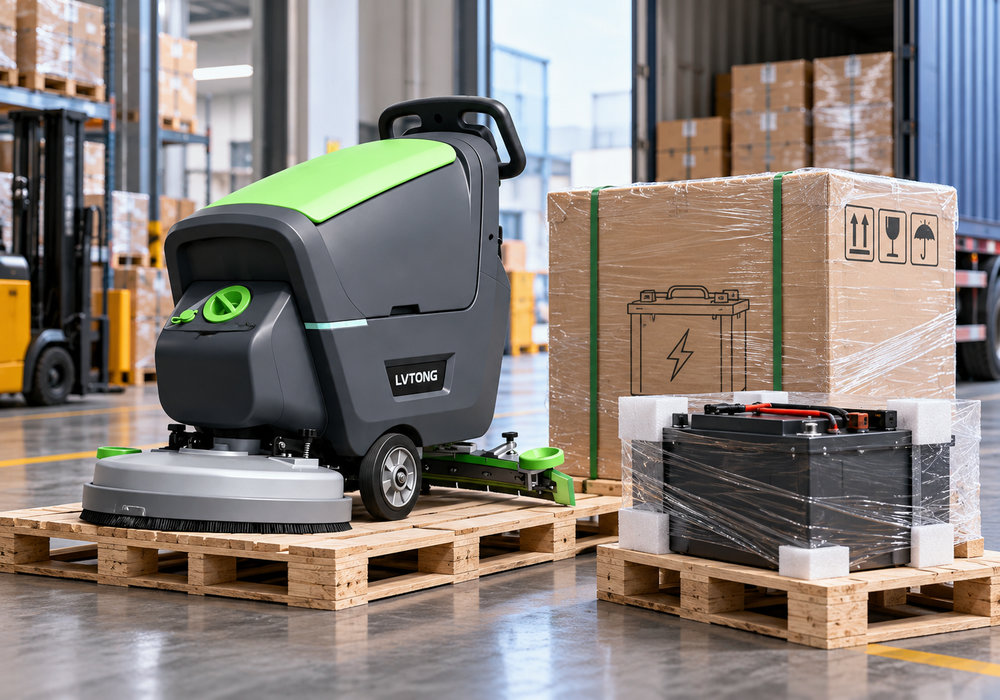
To a carrier, your floor scrubber is first a lithium battery shipment and only then a cleaning machine — the battery classification drives the paperwork.
Transport rules sort cargo by hazard, not by product category. Lithium-ion batteries are listed as Class 9 dangerous goods, split into two situations: a battery installed in equipment travels under UN 3481, while a pack traveling alone is UN 3480, with tighter packing and — for air — tighter limits. A complete scrubber off the line is the first; a spare pack ordered alongside is the second.
This is also why “can you ship a floor scrubber like a pallet of attachments” has one answer everywhere: no. Attachments travel as general cargo; the machine with its battery does not. The distinction decides which forwarders can take the booking and which documents must exist before loading.
UN 38.3: What the Test Summary Proves and How to Request It
The UN 38.3 test summary is the battery’s transport passport — if a manufacturer cannot produce one for the exact pack in your machine, the shipment does not move.
UN 38.3 is the test series every lithium pack must pass before carriage: altitude, thermal cycling, vibration, shock, short circuit, impact, overcharge and forced discharge. Passing is not enough for logistics — the shipper must show the UN 38.3 test summary, a standardized document naming the tested battery, the lab and the results. Accredited labs such as TÜV run these tests, and the summary is issued per battery model, not per shipment.
Request it with two specifics: the summary must match the battery model configured in your machine, and it must state the watt-hour rating that agrees with the battery mark and the transport documents. File it once and it serves every repeat order of the same configuration — one-time effort, permanent payoff.
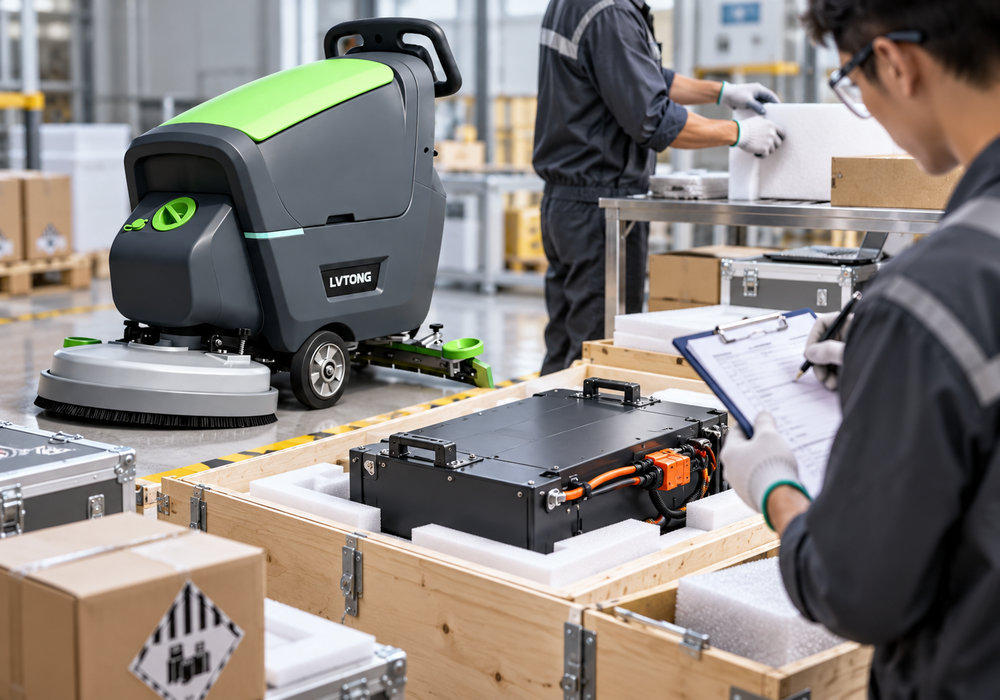
The SDS: The Document That Pre-Answers the Carrier’s Questions
A current safety data sheet lets forwarders, warehouses and port authorities handle the shipment without calling you — treat it as part of the quotation package.
The safety data sheet (SDS, sometimes still called MSDS) describes the battery’s chemistry, hazards, handling and emergency measures in the carrier’s language. Forwarders classify the shipment with it, terminals store by it, and it is the first document requested when anything unusual happens in transit. An out-of-date SDS, or one written for a different pack model, creates the exact delay it exists to prevent.
Check three things: the issue date, the battery model match, and the state-of-charge statement. Packs destined for air are typically dispatched at a reduced charge — commonly around 30 percent — so the SDS and the pre-shipment instructions must tell the same story. Resolve any disagreement before booking, not at the terminal gate.
Sea Freight vs Air Freight: Two Rulebooks, One Sensible Default
Sea freight is the default for a complete floor scrubber; air freight is possible but adds cost, a state-of-charge constraint and fewer carrier options.
Ocean carriage follows the IMDG Code maintained by the IMO; air follows the IATA Dangerous Goods Regulations, which tighten the technical instructions further. For lithium battery sea freight vs air freight the practical gaps sit in three places: state-of-charge limits, aircraft restrictions (standalone packs are generally cargo-aircraft-only), and price — a crated machine fits a container, which is why complete scrubbers almost always move by sea.
Air earns its cost in narrow cases: an expo demo unit, an urgent replacement during a contract’s first weeks, or a compact walk-behind where the premium is tolerable. Fly one and the forwarder will want the test summary and SDS earlier, verify the state of charge, and apply the lithium battery mark with a contact number — the booking depends on it.
Packing, Markings and Labels You Should See Before Loading
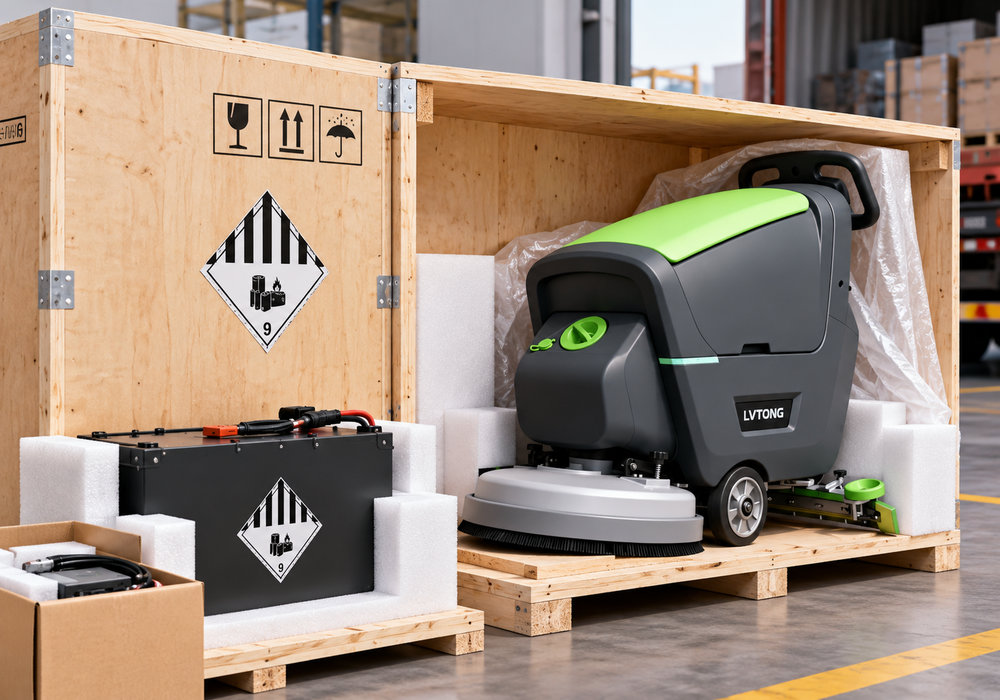
A compliant crate tells the handler what is inside without opening it: UN number, Class 9 lithium battery label, orientation and a battery terminal protection state.
The physical side of the paperwork is the crate itself. Before loading it should display the UN number (UN 3481 for your machine), the Class 9 lithium battery label with its striped border, and for air the lithium battery mark with a contact number. Inside, terminals are protected against short circuit, the pack secured against movement, and orientation arrows applied where the packing method requires.
Request pre-closure factory photos as standard: crate markings, battery installation, terminal protection and any indicator. When a claim or port inspection happens, those photos answer questions a phone call cannot, and buyers in strict-port markets report fewer holdups when the marking set is complete and documented.
Ordering Extra Batteries Changes the Shipment
A spare lithium pack in the same crate reclassifies part of your shipment from UN 3481 to UN 3480 — quote it separately and pack it separately.
Buyers often add packs to a repeat order; in transport terms that is a second dangerous goods article, not a line-item extension. Standalone packs fall under UN 3480 with stricter packing rules and, by air, the cargo-aircraft-only limit. The clean solution: machine as UN 3481, packs in their own certified packaging as UN 3480, both documented in the same booking. If distributors will hold the spares, store them per the SDS from day one.
Consumables and attachments are different: they travel as general cargo on separate invoice lines, and liquids may need their own SDS. Mixing them into the dangerous goods declaration only complicates the forwarder’s job.
What Happens at the Port and in Customs
Customs clears the machine; the carrier accepts the dangerous goods — two different checks, and the battery documents only satisfy the second.
At export, the forwarder prepares the dangerous goods declaration from your documents and the carrier’s DG department approves the booking. At import, customs looks at value, HS classification and origin — nothing to do with lithium rules. Holdups happen where the processes meet: a terminal refusing release because the DG paperwork disagrees with the crate markings. The fix is consistency — declaration, label and summary must all name the same battery configuration.
US importers operate under the hazardous materials rules in eCFR Title 49, and other jurisdictions run comparable regimes. The forwarder prepares declarations; your job is complete, consistent underlying documents. Treating the set as an ordering-stage deliverable — not a shipping-week scramble — is what shortens port dwell.
Receiving, Inspection and Storage Before Commissioning
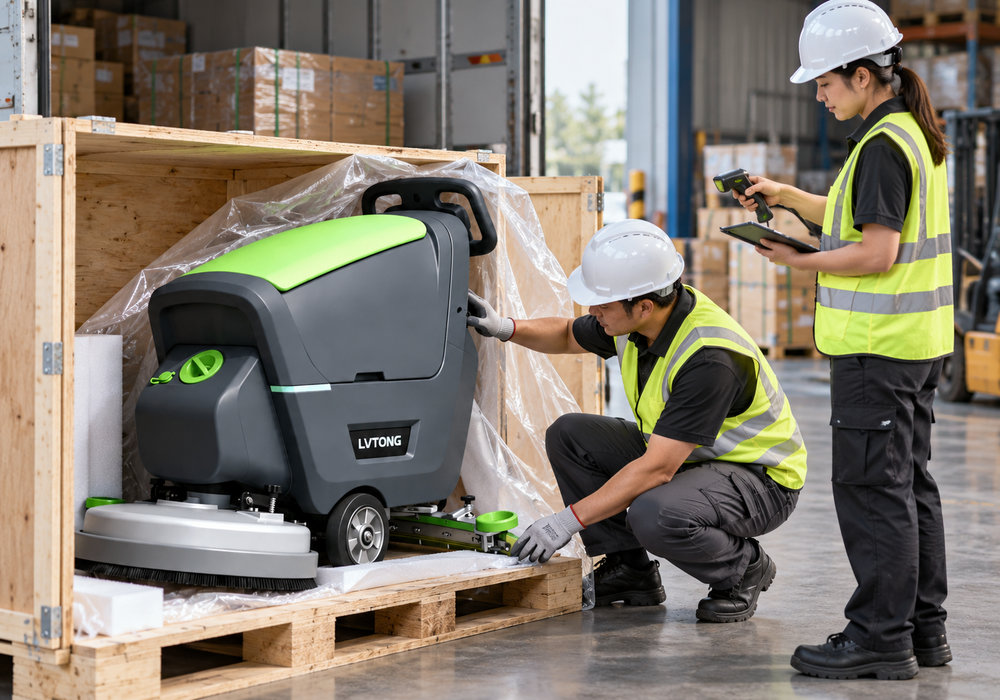
The battery’s compliance job does not end at delivery — inspect the crate, check the state of charge and give the pack a proper first home.
Inspect before signing: exterior damage, punctures, odor or a triggered indicator all go into annotated photos and an immediate note to supplier and carrier. Then think battery. A pack arrives partly discharged by design; check its state of charge on the display or app and plan the first charge instead of dropping it into service. The SDS storage guidance — cool, dry, shaded, partial charge for long parking — applies from day one.
This is also the moment to hand over to daily routine: first-charge discipline, charging bay setup and the nightly log are covered in the floor scrubber battery charging guide, with long-term pack care in the battery selection dimensions guide. Shipping gets the battery to the dock intact; those two guides keep it that way.
The Document Set to Request Before You Confirm an Order
Ask for the lithium battery shipping documents together, in one list, at order confirmation — a complete set is reusable for every repeat order of the same configuration.
The table below is the checklist to paste into your next purchase order email: what each document proves and who issues it, so your team can verify completeness without specialist knowledge.
| Document | What It Proves | Issued By |
|---|---|---|
| UN 38.3 test summary | The exact pack passed the transport safety test series; states Wh rating | Accredited test lab |
| Safety data sheet (SDS) | Chemistry, hazards, handling and storage instructions for the pack | Battery or machine manufacturer |
| UN number assignment | UN 3481 for the machine; UN 3480 for any standalone packs | Shipper per transport rules |
| Dangerous goods declaration | The shipment is declared and accepted for carriage | Licensed freight forwarder |
| Pre-loading photo set | Crate markings, battery installation, terminal protection | Factory QC |
| Commercial invoice & packing list | Value, HS classification, crate contents for customs | Exporter |
Asking for these without friction is a procurement skill: the scrubber manufacturer evaluation guide covers the sequence, and distributors should raise the same list through the distribution program before the first container.
How to Stay Current as the Rules Change
Battery transport rules are revised regularly and carriers add their own conditions — build one review step into every new route, and treat this guide as orientation, not legal advice.
The IMDG Code, IATA regulations and national rules are revised on recurring cycles, and carriers add booking conditions on top. Before opening a new lane, confirm current requirements with your forwarder and the destination authority, and re-request the documents if the battery configuration changed at all. Rules differ by market and mode; this article is a buyer’s orientation map, not legal advice.
For quote-specific confirmation, the fastest route is to contact the export team directly with your machine configuration and destination port.
Floor Scrubber Battery Shipping FAQs
Can you ship a floor scrubber with the battery installed?
Yes — under UN 3481, lithium-ion batteries contained in equipment, by sea as standard practice and by air with extra conditions. The full dangerous goods document set and a Class 9 licensed forwarder are still required.
What is the UN 38.3 test summary and why does the forwarder ask for it?
The standardized document showing the pack passed the UN 38.3 safety test series. Carriers require it to accept the booking; without it, most refuse the shipment however well the crate is packed.
Is sea freight really the better option for lithium battery machines?
For complete machines, usually yes — the crated scrubber fits a container, ocean rules are less restrictive, and cost per kilogram is far lower. Air suits compact units and urgent demos where the premium buys schedule.
Do spare batteries need separate documents?
Standalone packs ship as UN 3480 with their own packing and documents, even within the same booking. Ask the supplier to quote and document them separately from the start.