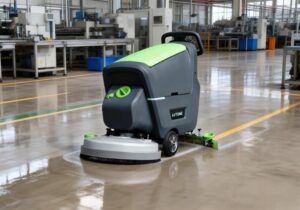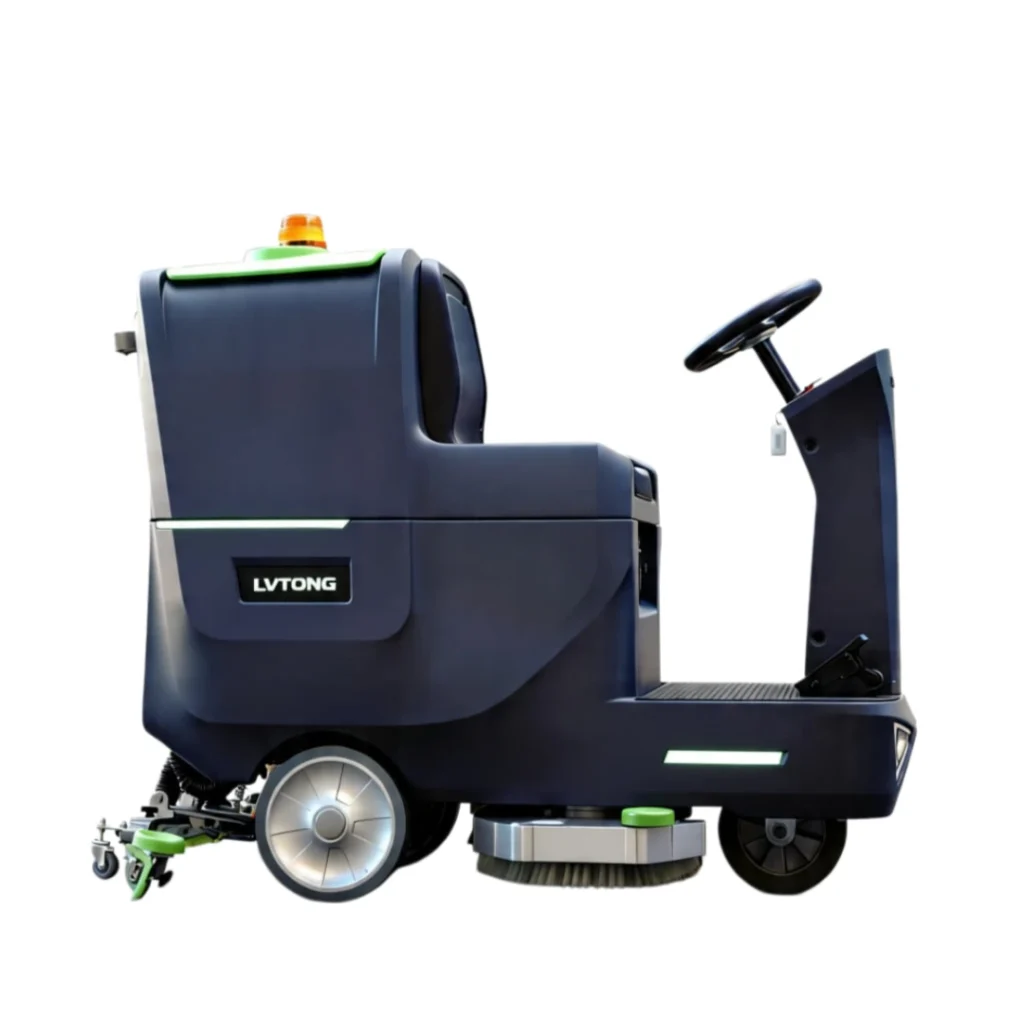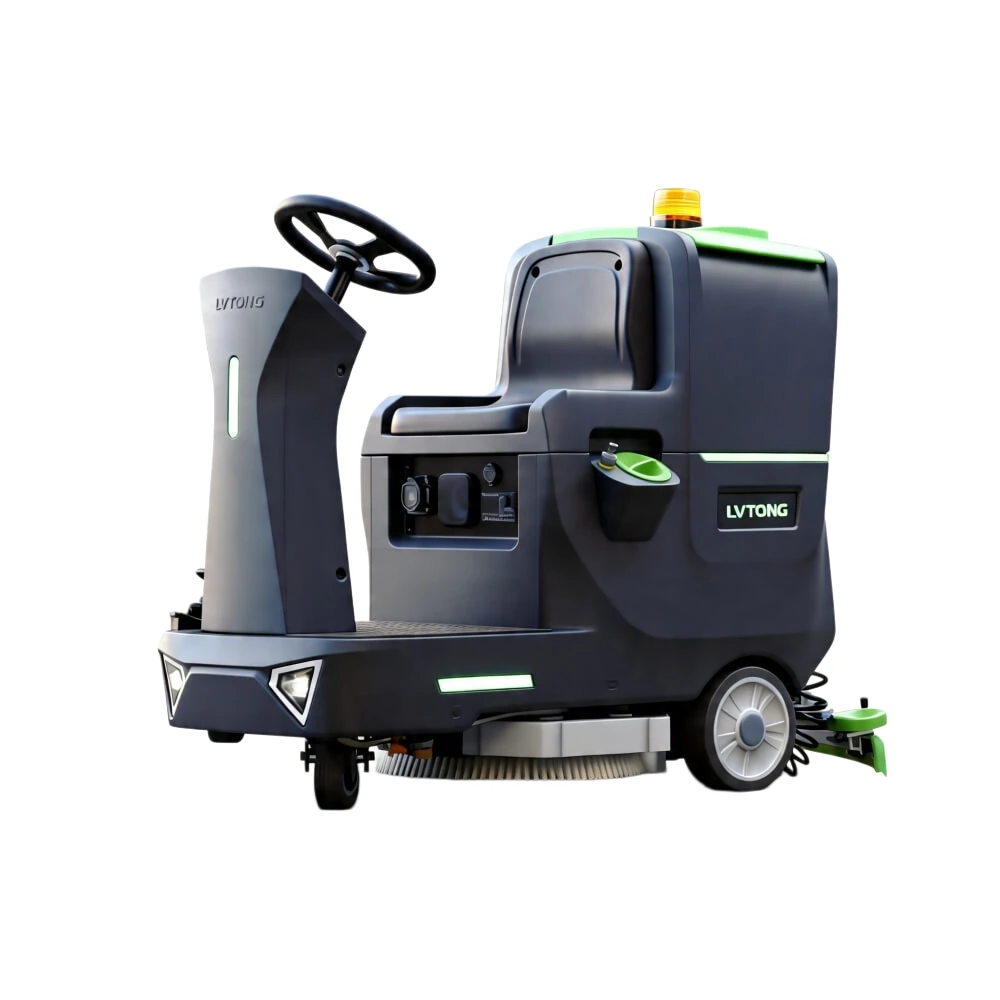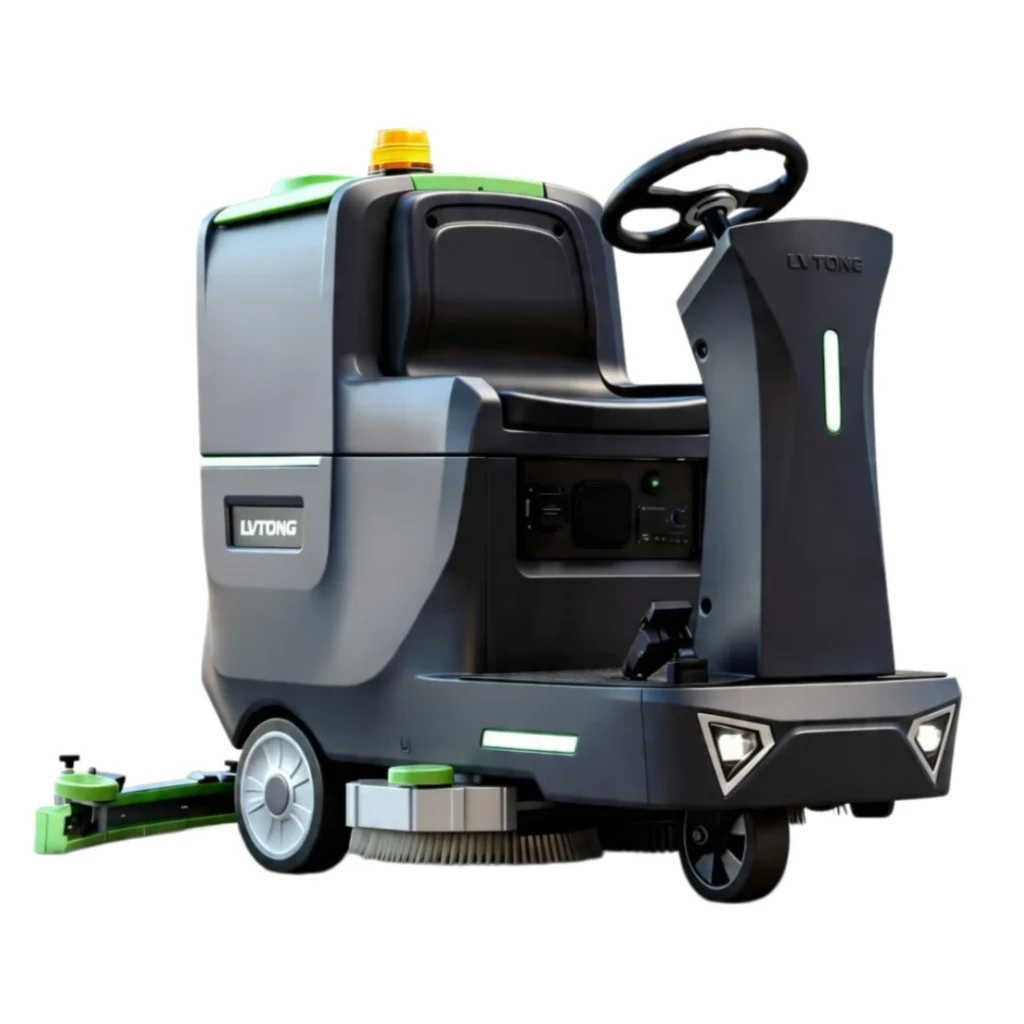
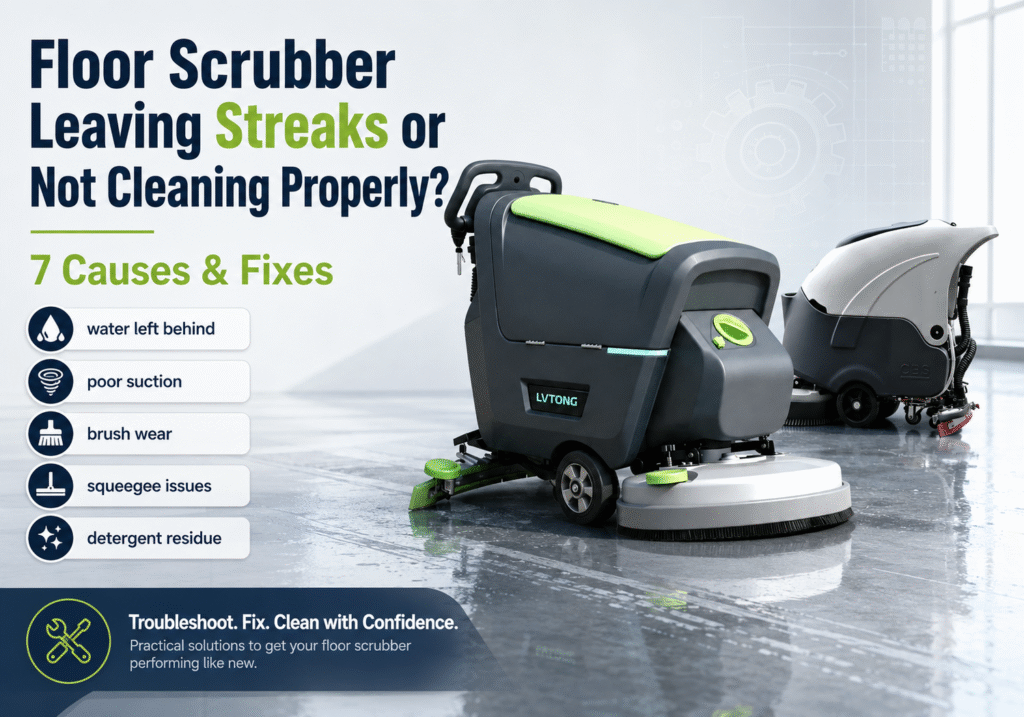
يُساعدك تعلّم كيفية استخدام آلة تنظيف الأرضيات اليدوية بشكل صحيح على تنظيف الأرضيات التجارية والصناعية بسرعة أكبر، وتقليل الجهد المبذول، وإزالة البقع بفعالية أكبر، واستعادة المياه المتسخة في عملية واحدة. بالمقارنة مع المماسح والدلاء، تجمع آلة تنظيف الأرضيات اليدوية بين التنظيف، وتدفق المياه، والشفط، والتجفيف في جهاز واحد.
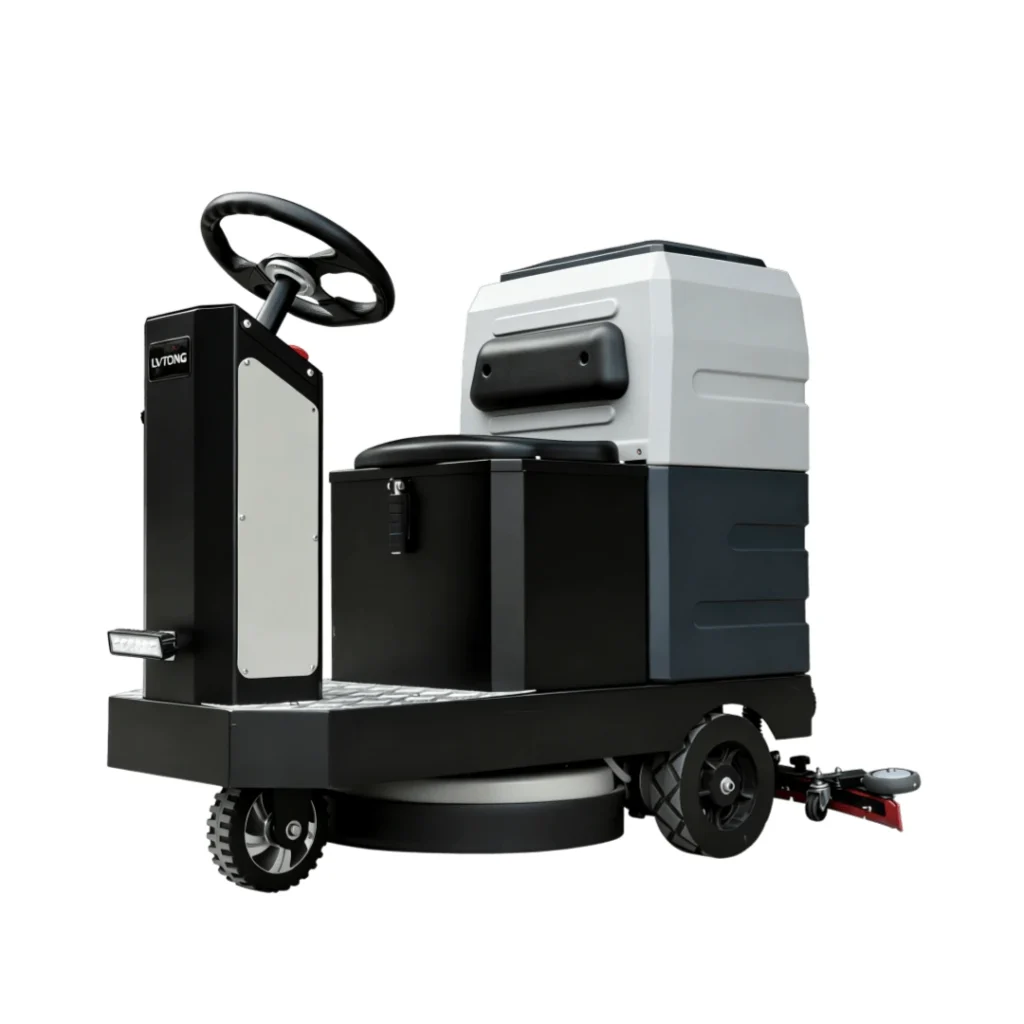
A ماكينة تنظيف الأرضيات المتحركة تُستخدم هذه الآلة على نطاق واسع في مراكز التسوق، والمتاجر الكبرى، والفنادق، والمدارس، والمستشفيات، والمصانع، والمستودعات، ومراكز الخدمات اللوجستية، والممرات، وغيرها من المساحات الصغيرة والمتوسطة الحجم. وللحصول على أفضل النتائج، يحتاج المشغلون إلى فهم أجزاء الآلة، وإعداد محلول التنظيف، وفحص منطقة العمل، وتشغيل الفرشاة والممسحة بشكل صحيح، وتنظيف الآلة بعد الاستخدام.
ما هي آلة تنظيف الأرضيات التي تُدفع باليد؟
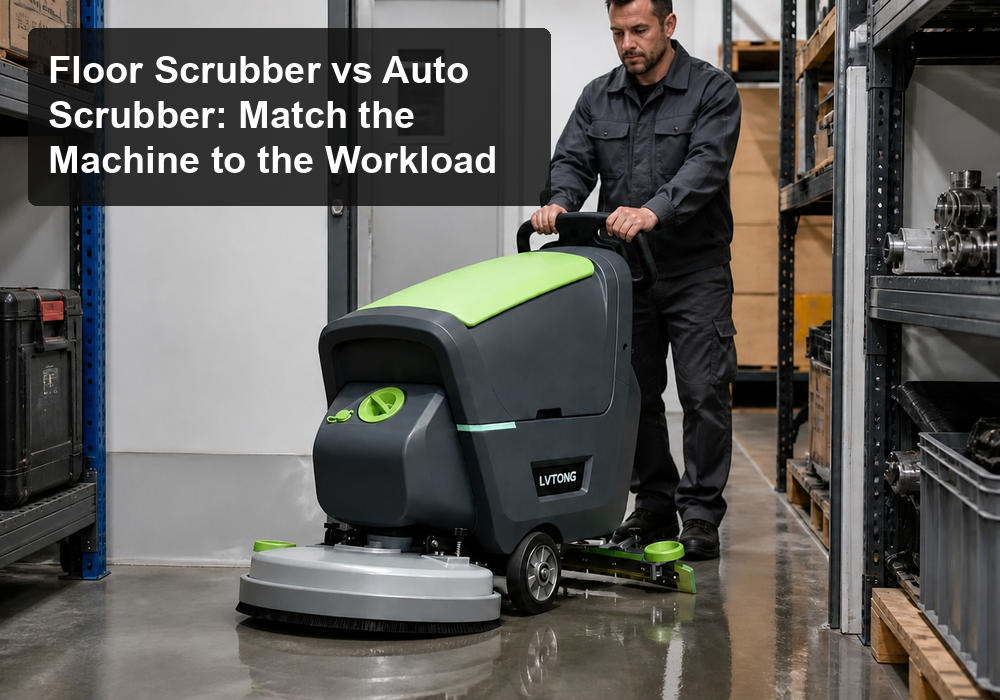
آلة تنظيف الأرضيات اليدوية هي آلة تجارية تجمع بين وظائف التنظيف بالفرشاة، وتطبيق محلول التنظيف، واستعادة المياه بالشفط، وتجفيف الأرضيات في نظام واحد. يمشي المشغلون خلف الآلة ويتحكمون في اتجاه التنظيف، وتشغيل الفرشاة، وتدفق المياه، وعملية الاستعادة.
بخلاف طرق المسح التقليدية، يمكن لآلة تنظيف الأرضيات التي تُدار يدويًا إزالة الأوساخ مع جمع المياه المتسخة في نفس الوقت، مما يساعد الشركات على تحسين كفاءة التنظيف وتقليل العمل اليدوي.
بالنسبة للشركات التي تبحث عن حلول تنظيف تجارية موثوقة، توفر LVTONG آلات تنظيف الأرضيات التي يتم دفعها يدوياً والمصممة للمستودعات والمصانع والمستشفيات ومحلات السوبر ماركت والفنادق والمدارس وتطبيقات إدارة المرافق الأخرى.
تجمع آلات تنظيف الأرضيات التي يتم دفعها بواسطة LVTONG بين وظائف التنظيف واستعادة المياه والتجفيف لمساعدة المستخدمين المحترفين على تحقيق صيانة أرضيات أكثر أمانًا وكفاءة.
يشرح هذا الدليل كيفية استخدام آلة تنظيف الأرضيات التي يتم دفعها خطوة بخطوة، بما في ذلك فحوصات ما قبل الاستخدام، وإعداد خزان المحلول، واستعادة المياه، وتخطيط المسار، واستخدام الممسحة، وتنظيف البقع الصعبة، والصيانة بعد الاستخدام.
إجابة سريعة: كيفية استخدام آلة تنظيف الأرضيات اليدوية
لاستخدام آلة تنظيف الأرضيات التي يتم دفعها سيرًا على الأقدام، اتبع الخطوات الأساسية الست التالية: تجهيز الأرضية، وفحص الآلة، وملء خزان المحلول، وتشغيل نظام التنظيف، وتشغيل آلة التنظيف في مسارات متداخلة، وإكمال الصيانة بعد الاستخدام.
بعد التحضير، شغّل الجهاز، أنزل قاعدة الفرشاة والممسحة، شغّل تدفق الماء، وحرّكه للأمام بسرعة ثابتة. نظّف في مسارات مستقيمة ومتداخلة لتجنب ترك أي مناطق دون تنظيف. بعد التنظيف، أوقف تدفق الماء، ارفع الفرشاة والممسحة، أفرغ خزان التجميع، اشطف الخزانات، نظّف الفرشاة والممسحة، اشحن البطارية، وخزّن الجهاز في مكان جاف وجيد التهوية.
أين يذهب الماء في آلة تنظيف الأرضيات التي تُدفع باليد؟
في آلة تنظيف الأرضيات اليدوية، يُخزَّن الماء النظيف والمنظف في خزان المحلول. أثناء التنظيف، تُطلق الآلة محلول التنظيف على الأرض بالقرب من الفرشاة أو الوسادة. تقوم الفرشاة بفرك الأرض وإزالة الأوساخ والبقع والرواسب.
بعد التنظيف، تقوم وحدة المسح المطاطية بتجميع الماء المتسخ من الأرضية. ثم يقوم محرك الشفط بسحب الماء المتسخ إلى خزان التجميع. لهذا السبب، تستطيع آلة التنظيف اليدوية غسل وتجفيف الأرضية في تمريرة واحدة.
بعبارات بسيطة:
| مسرح مائي | إلى أين يذهب |
| ماء نظيف ومنظف | يُخزن في خزان المحلول |
| محلول التنظيف أثناء التشغيل | يتم إطلاقها على الأرض بالقرب من الفرشاة أو الوسادة |
| ماء متسخ بعد التنظيف | تم جمعها بواسطة الممسحة |
| المياه الملوثة المستعادة | يتم سحبها إلى خزان الاسترداد بواسطة محرك التفريغ |
كيف تعمل آلة تنظيف الأرضيات التي تُدفع باليد؟
تعمل آلة تنظيف الأرضيات التي تُدفع باليد من خلال ثلاث عمليات تنظيف رئيسية:
- طريقة الاستخدام: يتم إطلاق الماء النظيف والمنظف على الأرض.
- التنظيف الميكانيكي: تعمل الفرش أو الوسادات الدوارة على إزالة الأوساخ والبقع.
- استعادة المياه: يقوم الممسحة ومحرك الشفط بجمع المياه المتسخة في خزان الاستعادة.
تتيح هذه العملية المكونة من ثلاث مراحل للآلة تنظيف وتجفيف الأرضيات في تمريرة واحدة.
أجزاء آلة تنظيف الأرضيات التي تُدفع باليد والتي يجب معرفتها قبل الاستخدام
قبل تشغيل آلة تنظيف الأرضيات التي تُدار يدويًا، يجب فهم الأجزاء الرئيسية ووظيفة كل جزء منها.
| جزء | وظيفة |
| خزان المحلول | يحتوي على ماء نظيف ومنظف ليفة تنظيف الأرضيات قبل التنظيف |
| فرشاة أو وسادة | ينظف الأرضية ويزيل الأوساخ والبقع والشوائب |
| سطح فرشاة | يمسك ويحرك الفرشاة أو الوسادة أثناء التنظيف |
| مجموعة ممسحة الزجاج | يجمع الماء المتسخ من الأرضية بعد التنظيف |
| خزان الاسترداد | يخزن المياه المتسخة والحطام الذي تم جمعه من الأرضية |
| محرك المكنسة الكهربائية | يُحدث شفطًا ويسحب الماء المتسخ إلى خزان الاسترداد |
| لوحة التحكم أو المقبض | يُمكّن المشغل من التحكم في الطاقة والفرشاة والمكنسة الكهربائية وتدفق المياه والحركة |
| التحكم في تدفق المحلول | يضبط كمية محلول التنظيف التي يتم إطلاقها على الأرض |
| مؤشر البطارية | يعرض مستوى طاقة البطارية المتبقية أثناء التشغيل |
| مفتاح إيقاف الطوارئ | يوقف الآلة بسرعة في حالات الطوارئ |
نظام الطاقة: إنه "قلب" الآلة.
- البطارية: تستخدم معظم أجهزة تنقية الأرضيات التي تعمل بالمشي إلى الخلف البطاريات كمصدر للطاقة لتمكين التشغيل اللاسلكي وتوفير مرونة أكبر. ويُعد عمر البطارية وأداء الشاحن أمرًا بالغ الأهمية لكفاءة الجهاز.
- مفتاح إيقاف التشغيل في حالات الطوارئ: يمكنه قطع الطاقة على الفور في حالة الطوارئ، والتوقف عن العمل.
- المحركات:
- محرك الفرشاة: وهي تدفع الفرش أو الوسادات للدوران، مما يوفر القوة الميكانيكية اللازمة للتنظيف.
- محرك تفريغ الهواء: يولد شفطًا قويًا لسحب المياه المتسخة إلى خزان الاسترداد.
- محرك القيادة: تنقسم آلات تنقية الأرضيات المتحركة إلى نوعين: الدفع بمساعدة سطح الفرشاة والدفع الذاتي. يتطلب الدفع بمساعدة سطح الفرشاة أن يقوم المشغل بتطبيق قدر معين من الدفع. ويمكن لهذا النوع الأخير التحكم في الماكينة للتحرك إلى الأمام أو الخلف عن طريق التحكم في الزر أو المقبض الموجود على لوحة التحكم.
- العجلات: يدعم الماكينة بالكامل ويتيح الحركة السلسة.
أين يمكنك استخدام آلة تنظيف الأرضيات التي تُدفع باليد؟
تُعدّ آلة تنظيف الأرضيات التي تُدفع يدويًا مناسبة للمساحات الصغيرة والمتوسطة، والتصاميم المدمجة، والممرات الضيقة، والمناطق ذات الحركة المرورية العالية. وهي مفيدة بشكل خاص عندما تكون آلة تنظيف الأرضيات التي تُركب كبيرة جدًا أو يصعب توجيهها.
تشمل مجالات التطبيق الشائعة ما يلي:
- المساحات التجارية والعامة: مراكز التسوق، محلات السوبر ماركت، ردهات الفنادق، محطات القطارات، المطارات، والموانئ
- البيئات الصناعية والمستودعات: المصانع، ومراكز الخدمات اللوجستية، والمستودعات، وورش العمل
- المرافق الصحية: المستشفيات، والعيادات، ودور رعاية المسنين، والمناطق الحساسة للنظافة
- المرافق التعليمية والعامة: المدارس، قاعات المؤتمرات، الصالات الرياضية، الممرات، والردهات العامة
آلة تنظيف الأرضيات اليدوية مقابل آلة تنظيف الأرضيات التي تُركب عليها
| الميزة | ماكينة تنظيف الأرضيات التي تسير في الخلف | ماكينة تنظيف الأرضيات القابلة للركوب |
|---|---|---|
| أفضل تطبيق | المناطق الصغيرة والمتوسطة الحجم | مرافق كبيرة |
| وظيفة مشغل | المشي خلف الآلة | الجلوس على الآلة |
| القدرة على المناورة | مثالي للمساحات الضيقة | أفضل للمساحات المفتوحة |
| تكلفة الاستثمار | انخفاض الاستثمار الأولي | استثمار أولي أعلى |
| المستخدمون العاديون | الفنادق، والمدارس، والمستودعات، والمتاجر | المطارات، المصانع الكبيرة، مراكز التوزيع |
قائمة التحقق قبل الاستخدام قبل تشغيل آلة تنظيف الأرضيات اليدوية
قبل استخدام آلة تنظيف الأرضيات اليدوية، جهّز منطقة العمل، وافحص الآلة، وارتدِ معدات الوقاية الشخصية المناسبة، واخلط محلول التنظيف بشكل صحيح. التحضير الجيد يُحسّن نتائج التنظيف ويقلل من مخاطر السلامة.
1. افحص منطقة التنظيف
أزل الحجارة والورق وقطع البلاستيك ومخلفات التغليف وغيرها من المخلفات قبل استخدام آلة التنظيف. صُممت آلة التنظيف اليدوية لتنظيف المياه المتسخة واستعادتها، ولكن لا ينبغي استخدامها لجمع القمامة.
ضع لافتات تحذيرية بشأن الأرضيات المبللة أو التنظيف حول منطقة العمل لمنع الانزلاق وإبعاد المشاة عن مسار التنظيف النشط.
- قم بمسح سريع: قبل البدء بالتنظيف، تأكد من خلو منطقة العمل من أي شوائب، كالحجارة أو قصاصات الورق أو أي شيء آخر قد يعلق في الجهاز. هذا لا يحمي آلة تنظيف الأرضيات فحسب، بل يُسهّل عملية التنظيف أيضاً. فآلة التنظيف هذه مُصممة خصيصاً للغسل والتنظيف، لكنها ليست شاحنة قمامة.
-

- ضع علامات تحذيرية: أنت على وشك العمل بالماء، مما يعني أن الأرضية ستكون رطبة. لذا، يجب وضع بعض التحذيرات في مناطق التنظيف، مثل لافتات تحذيرية مثل "أرضية زلقة" أو "تنظيف". هذا من شأنه أن يذكّر المارة بضرورة توخي الحذر وتجنب الانزلاق.
-


2. تحقق من حالة الجهاز
تأكد من تثبيت الفرشاة أو الوسادة بإحكام، ومن عدم وجود أي علامات تآكل ظاهرة. افحص شفرة الممسحة للتأكد من قدرتها على جمع الماء بشكل صحيح. قبل التشغيل، تأكد من خزان التجميع، وخزان المحلول، والخراطيم، ومستوى البطارية، ووظيفة الإيقاف الطارئ.
- تحقق من سلامة المكونات: تأكّد من أن قرص الفرشاة أو الوسادة مثبتة بإحكام وأنه لا يوجد بها أي تآكل مرئي. تحقق مما إذا كان مكشطة الممسحة سليمة لضمان إمكانية كشطها بفعالية. اضبط ضغط وارتفاع الفرشاة وفقاً لنوع الأرض.
-
- تحقق من شحنة الطاقة: قبل بدء تشغيل الجهاز، تحتاج إلى فحص البطارية لمعرفة ما إذا كانت كافية. وهذا يجنبك الانقطاعات أثناء التنظيف بسبب نفاد الطاقة.
-


3. ارتدِ معدات الوقاية الشخصية
ارتدِ قفازات عند التعامل مع مواد التنظيف الكيميائية، وارتدِ أحذية أمان مانعة للانزلاق عند المشي على الأرضيات الرطبة. تساعد معدات الوقاية على تقليل ملامسة المواد الكيميائية ومخاطر الانزلاق.
- ارتدي القفازات: قد تتعامل مع مواد التنظيف الكيميائية عند ملء الخزان. من الجيد دائماً ارتداء زوج من القفازات لحماية بشرتك.
-
- ارتدِ أحذية السلامة: ستسير على سطح مبلل مؤقتًا. لذا، ارتدِ أحذية أمان مانعة للانزلاق لتجنب الانزلاق العرضي.
-


اختر منظفًا مناسبًا لفرش الأرضيات قليل الرغوة بناءً على نوع الأرضية ودرجة اتساخها. اتبع نسبة التخفيف الموصى بها وأضف المحلول إلى خزان المحلول. لا تملأ الخزان أكثر من اللازم. إذا كان المنظف يُكوّن رغوة بسهولة، فاستخدم مزيل الرغوة وفقًا لتعليمات الشركة المصنعة.
- اختر المنظف المناسب: اختر منظفًا متخصصًا محايدًا أو قلويًا معتدلًا بناءً على مادة الأرضية (مثل البلاط والخرسانة والأرضيات الإيبوكسي وغيرها) ونوع الأوساخ.
-
- الصياغة التناسبية: اتبع تعليمات المنتج بدقة، وأضف كمية مناسبة من المنظف إلى خزان الماء النظيف وأضف الماء النظيف. لا تتجاوز الحد الأقصى لعلامة الماء لتجنب الفائض.
- إشعار: إذا كان من السهل تكوين رغوة، فلا تنس إضافة بعض مزيل الرغوة لمنع تكون رغوة زائدة أثناء التشغيل.
-


أخيراً، قم بإجراء اختبار السلامة قبل استخدام الماكينة للتأكد من أن زر إيقاف الطوارئ وأزرار التحكم الأخرى سريعة الاستجابة ويمكن الاعتماد عليها. خطّط لمسار التنظيف لتجنب الاضطرار إلى التنظيف المتكرر وإهمال بعض المناطق.
خطوة بخطوة: كيفية استخدام آلة تنظيف الأرضيات اليدوية
تتضمن إجراءات التشغيل القياسية لآلة تنظيف الأرضيات التي يتم دفعها باليد التحضير، وإعداد الآلة، وعملية التنظيف، والصيانة اللاحقة للتنظيف.
اتباع إجراءات تشغيل متسقة يساعد على تحسين أداء التنظيف، وتقليل هدر المياه، وإطالة عمر خدمة الآلة.
بعد الانتهاء من أعمال التحضير، اتبع هذه الخطوات لتشغيل آلة تنظيف الأرضيات التي يتم دفعها يدويًا بأمان وكفاءة.
الخطوة الأولى: تشغيل الجهاز
أدر المفتاح إلى وضع التشغيل أو اضغط على زر الطاقة وفقًا لتعليمات الجهاز. تأكد من أن لوحة التحكم ومؤشر البطارية ووظائف الأمان تعمل بشكل طبيعي.
الخطوة الثانية: اخفض سطح الفرشاة والممسحة
أنزل قاعدة الفرشاة إلى وضع التشغيل بحيث تلامس الفرشاة أو الوسادة الأرض. أنزل مجموعة الممسحة المطاطية لتتمكن من جمع الماء المتسخ أثناء التنظيف.
الخطوة 3: بدء تدفق الماء
افتح صمام التحكم في تدفق محلول التنظيف لإخراج المحلول من الخزان إلى منطقة الفرشاة. اضبط التدفق حسب حالة الأرضية. استخدم كمية أقل من المحلول للأوساخ الخفيفة وكمية أكبر للأوساخ الكثيفة، ولكن تجنب الإفراط في ترطيب الأرضية.
الخطوة الرابعة: تخطيط مسار التنظيف
ابدأ من أبعد زاوية في المنطقة واتجه نحو المخرج. هذا يساعد على تجنب المشي أو القيادة فوق المناطق التي تم تنظيفها مرة أخرى. خطط لمسارات مستقيمة وتجنب المنعطفات غير الضرورية.
الخطوة الخامسة: التقدم للأمام بسرعة ثابتة
ادفع أو حرّك آلة التنظيف للأمام بسرعة ثابتة. قد يؤدي التحرك بسرعة كبيرة إلى تقليل وقت التنظيف وترك الأوساخ. أما التحرك ببطء شديد فقد يؤدي إلى هدر الماء والمنظف.
الخطوة 6: التنظيف في مسارات مستقيمة ومتداخلة
نظّف الأرضية بخطوط مستقيمة مع تداخل بسيط بين كل تمريرة لتجنب ترك أي خطوط غير مكتملة. تساعد هذه الطريقة في الحصول على نتيجة تنظيف متناسقة على كامل الأرضية.
الخطوة 7: معالجة البقع العنيدة
لإزالة البقع الصعبة، خفف السرعة قليلاً، واتركها لفترة أطول، أو نظف المنطقة مرة ثانية. استخدم الفرشاة أو الوسادة المناسبة لنوع الأرضية ومستوى اتساخها.
الخطوة 8: تنظيف الزوايا والحواف بعناية
تتميز آلات تنظيف الأرضيات اليدوية بمرونة أكبر من الآلات التي تُركب عليها في المساحات الصغيرة والضيقة. عند تنظيف الزوايا والحواف الصعبة، يُنصح بإبطاء سرعة الآلة، وضبطها بعناية، والتنظيف يدويًا إذا تعذر على الآلة الوصول إلى المنطقة بأمان.
كيفية إنهاء التنظيف وإيقاف تشغيل الجهاز
عند الانتهاء من مهمة التنظيف، اتبع الخطوات التالية:
- أغلق تدفق الماء.
- استمر في تشغيل المكنسة الكهربائية لفترة وجيزة إذا لزم الأمر لاستعادة المياه المتسخة المتبقية.
- ارفع غطاء الفرشاة والممسحة.
- أعد جهاز التنظيف إلى منطقة التخزين أو الصيانة.
- أدر مفتاح الطاقة الرئيسي أو المفتاح إلى وضع "إيقاف التشغيل".“
- قم بتفريغ وتنظيف خزان الاسترداد في أسرع وقت ممكن.
صيانة آلة تنظيف الأرضيات اليدوية بعد الاستخدام
تُحافظ الصيانة الدورية بعد الاستخدام على عمل آلة تنظيف الأرضيات اليدوية بكفاءة وتُساعد على إطالة عمرها. نظّف الخزانات والفرشاة والوسادة والممسحة والسطح الخارجي بعد كل استخدام، واشحن البطارية قبل مهمة التنظيف التالية.
1. قم بتفريغ وشطف خزان الاسترداد
انقل الجهاز إلى مكان مناسب لتصريف المياه، ثم أفرغ خزان التجميع. اشطف الخزان بالماء النظيف للحد من الروائح الكريهة والترسبات ونمو البكتيريا. افعل ذلك فور الانتهاء من التنظيف بدلاً من ترك الماء المتسخ داخل الخزان.
2. اشطف خزان المحلول
اشطف خزان المحلول بالماء النظيف لمنع تراكم المنظفات. يساعد ذلك في الحفاظ على نظافة نظام تدفق المياه ويقلل من خطر الانسداد.
3. نظف الفرشاة أو الوسادة
أزيلي الفرشاة أو وسادة التنظيف واشطفيها جيداً. أزيلي الشعر أو الخيوط أو البلاستيك أو أي شوائب أخرى متراكمة حول الفرشاة. اتركي الفرشاة أو الوسادة تجف قبل إعادة تركيبها أو تخزينها.
4. نظف وافحص الممسحة
امسح شفرة الممسحة بقطعة قماش مبللة لإزالة الأوساخ أو الرواسب. إذا كانت الشفرة مهترئة أو متشققة أو تترك الماء، فاستبدلها في الوقت المناسب للحفاظ على كفاءة تصريف المياه.
5. اشحن البطارية بشكل صحيح
بعد الاستخدام، قم بتوصيل الجهاز بالشاحن المناسب وفقًا لتعليمات الشركة المصنعة. تأكد من شحن البطارية بشكل كافٍ قبل الاستخدام التالي. تجنب تخزين الجهاز لفترات طويلة مع انخفاض مستوى الطاقة.
6. خزّن الجهاز بشكل صحيح
خزّن آلة التنظيف في مكان جاف وجيد التهوية. ارفع قاعدة الفرشاة والممسحة أثناء التخزين لمنع التشوه الناتج عن التلامس طويل الأمد مع الأرضية.
7. فحص الأجزاء العادية
افحص الهيكل الخارجي للآلة، والعجلات، والخراطيم، والخزانات، وسطح الفرشاة، ومجموعة الممسحة، ولوحة التحكم للتأكد من عدم وجود أي ارتخاء أو تلف أو تسريب. يساعد الفحص الدوري على اكتشاف المشاكل مبكراً وتجنب الإصلاحات المكلفة.
نصائح الصيانة الاحترافية
استنادًا إلى الخبرة المهنية في معدات تنظيف الأرضيات، فإن أكثر المشاكل شيوعًا في آلات تنظيف الأرضيات التي يتم دفعها يدويًا ناتجة عن نسب المنظفات غير الصحيحة، وشفرات المسح البالية، وسوء تنظيف خزان الاسترداد، وعدم كفاية صيانة البطارية.
يمكن للفحص المنتظم والتدريب المناسب للمشغلين أن يحسنا بشكل كبير من كفاءة التنظيف ويطيلا عمر المعدات.
أخطاء شائعة يجب تجنبها عند استخدام آلة تنظيف الأرضيات اليدوية
- استخدام جهاز التنظيف دون إزالة الحطام الكبير أولاً
- استخدام منظف عالي الرغوة بدلاً من منظف تنظيف الأرضيات منخفض الرغوة
- التحرك بسرعة كبيرة وعدم إعطاء الفرشاة الوقت الكافي للفرك
- نسيان خفض الممسحة أثناء التنظيف
- استخدام شفرة ممسحة مهترئة وترك الماء خلفها
- ملء خزان المحلول بشكل زائد
- عدم تفريغ خزان الاسترداد بعد الاستخدام
- نسيان شحن البطارية بعد التنظيف
- تخزين الجهاز مع وضع قاعدة الفرشاة أو الممسحة على الأرض
الخاتمة
يُمكن استخدام آلة تنظيف الأرضيات اليدوية بشكل صحيح لتحسين كفاءة التنظيف، وتقليل الجهد اليدوي، وإزالة الأوساخ بفعالية أكبر، واستعادة الماء المتسخ في تمريرة واحدة. الخطوات الأساسية بسيطة: فحص المنطقة، والتأكد من سلامة الآلة، وتحضير محلول التنظيف، وإنزال الفرشاة والممسحة، والتنظيف بحركات متداخلة وثابتة، وصيانة الآلة بعد الاستخدام.
تُعدّ آلة تنظيف الأرضيات اليدوية التي تعمل بشكل جيد مناسبة لتنظيف المرافق التجارية والصناعية والرعاية الصحية والتعليمية والمستودعات والمرافق العامة. ومع التشغيل والصيانة المناسبين، يمكنها المساعدة في توفير عملية تنظيف أرضيات أنظف وأكثر أمانًا وكفاءة.
كيفية اختيار آلة تنظيف الأرضيات المناسبة التي تُدفع باليد
يعتمد اختيار آلة تنظيف الأرضيات المناسبة التي تُدار يدويًا على بيئة التنظيف ونوع الأرضية وحجم العمل اليومي ومتطلبات التشغيل.
| متطلبات التنظيف | الحل الموصى به |
|---|---|
| المتاجر والمكاتب الصغيرة | آلة تنظيف أرضيات صغيرة الحجم تُدار يدويًا |
| المستودعات والمصانع | جهاز تنظيف البطارية عالي السعة |
| ساعات تنظيف يومية طويلة | طراز ذو سعة بطارية كبيرة |
| ممرات ضيقة ومناطق مزدحمة | نموذج صغير الحجم وسهل المناورة |
| تربة صناعية ثقيلة | نموذج ذو ضغط فرشاة أعلى |
قبل الشراء، ينبغي على الشركات مراعاة عرض الفرشاة، ووقت تشغيل البطارية، وسعة الخزان، ونوع مادة الأرضية، وتكرار التنظيف، ودعم ما بعد البيع.
الأسئلة الشائعة حول ماكينات تنظيف الأرضيات اليدوية
كيف تستخدم آلة تنظيف الأرضيات التي تُدفع باليد؟
لاستخدام آلة تنظيف الأرضيات اليدوية، افحص الأرضية، وأزل الأوساخ المتراكمة، وضع لافتات تحذيرية، وتأكد من سلامة الفرشاة والممسحة، واملأ خزان المحلول، وشغّل الآلة، وأنزل الفرشاة والممسحة، وابدأ تدفق الماء، ونظّف بحركات متداخلة وثابتة. بعد الاستخدام، فرّغ خزان التجميع، ونظّف الفرشاة والممسحة، واشحن البطارية، وخزّن الآلة بشكل صحيح.
أين يذهب الماء في آلة تنظيف الأرضيات؟
يُخزَّن الماء النظيف والمنظف في خزان المحلول. أثناء التنظيف، يُسكب المحلول على الأرض بالقرب من الفرشاة. بعد الفرك، تجمع الممسحة الماء المتسخ، ثم يسحبه محرك المكنسة الكهربائية إلى خزان التجميع.
هل أحتاج إلى كنس الأرضية قبل استخدام آلة تنظيف الأرضيات التي تُدار يدويًا؟
نعم. يجب إزالة الأوساخ السائبة، والحجارة، والورق، وقطع البلاستيك، والجسيمات الكبيرة قبل استخدام آلة التنظيف. هذا يحمي الآلة ويمنع تراكم الأوساخ في الفرشاة، أو الممسحة، أو نظام الاسترجاع.
كيف أقوم بتحضير محلول التنظيف لماكينة تنظيف الأرضيات؟
استخدم منظفًا منخفض الرغوة لماكينات تنظيف الأرضيات، واتبع نسبة التخفيف الموصى بها. أضف الماء النظيف والمنظف إلى خزان المحلول دون تجاوز علامة التعبئة القصوى. تجنب المنظفات عالية الرغوة لأن الرغوة قد تؤثر على استعادة الماء وأداء الماكينة.
لماذا تترك آلة تنظيف الأرضيات الخاصة بي الماء خلفها؟
قد تترك آلة تنظيف الأرضيات الماء خلفها بسبب تآكل شفرة الممسحة، أو امتلاء خزان التجميع، أو ضعف نظام الشفط، أو عدم خفض الممسحة بشكل صحيح، أو عدم استواء الأرضية. لذا، افحص الممسحة ونظفها، وأفرغ خزان التجميع، وتفقد نظام الشفط.
هل يمكن لآلة تنظيف الأرضيات التي تُدفع باليد تنظيف أرضيات المستودعات؟
نعم. تُستخدم آلة تنظيف الأرضيات التي تُدفع يدويًا على نطاق واسع لتنظيف أرضيات المستودعات والمصانع وورش العمل ومراكز الخدمات اللوجستية. وهي مناسبة بشكل خاص للمساحات الصغيرة والمتوسطة الحجم حيث تُعد المرونة وسهولة المناورة من الأمور المهمة.
كيف أختار آلة تنظيف الأرضيات التي تُدار يدويًا؟
عند اختيار آلة تنظيف الأرضيات التي تُدار يدويًا، ضع في اعتبارك حجم منطقة التنظيف، ونوع الأرضية، ووقت تشغيل البطارية، وعرض الفرشاة، وسعة خزان الاسترداد، وتكرار التنظيف، وما إذا كنت بحاجة إلى دفع يدوي أو تشغيل ذاتي الدفع.
هل آلة تنظيف الأرضيات التي تُدفع باليد هي آلة تنظيف أوتوماتيكية؟
نعم. آلة تنظيف الأرضيات اليدوية هي نوع من آلات تنظيف الأرضيات الأوتوماتيكية التي يتم تشغيلها بواسطة عامل يسير خلف الآلة. تشمل آلات التنظيف الأوتوماتيكية كلا النوعين: اليدوية والآلية التي يتم ركوبها.
هل تحتاج إلى آلة تنظيف أرضيات يدوية لمنشأتك؟
إذا كنت بحاجة إلى حل فعال وموثوق لتنظيف الأرضيات، فإن آلات تنظيف الأرضيات التي يتم دفعها بواسطة LVTONG يمكنها دعم التنظيف اليومي في مستودعات الخدمات اللوجستية والمستشفيات والفنادق والمدارس والمطارات والمصانع ومحلات السوبر ماركت والمرافق العامة.
يمكن استخدامها على أنواع عديدة من الأرضيات، بما في ذلك الأرضيات الإسمنتية، والأرضيات الإيبوكسية، والبلاط الخزفي، والرخام، والبولي فينيل كلوريد (PVC)، والأرضيات المطاطية، والأرضيات الصناعية المقاومة للتآكل. وبفضل دمج عمليات التنظيف والشفط والتجفيف في جهاز واحد، يُمكن لآلة التنظيف اليدوية تحسين الإنتاجية، وخفض تكاليف العمالة، ودعم تنظيف الأرضيات بشكل أكثر أمانًا.