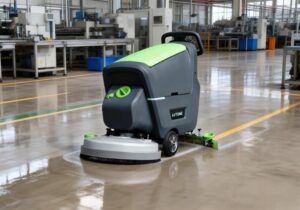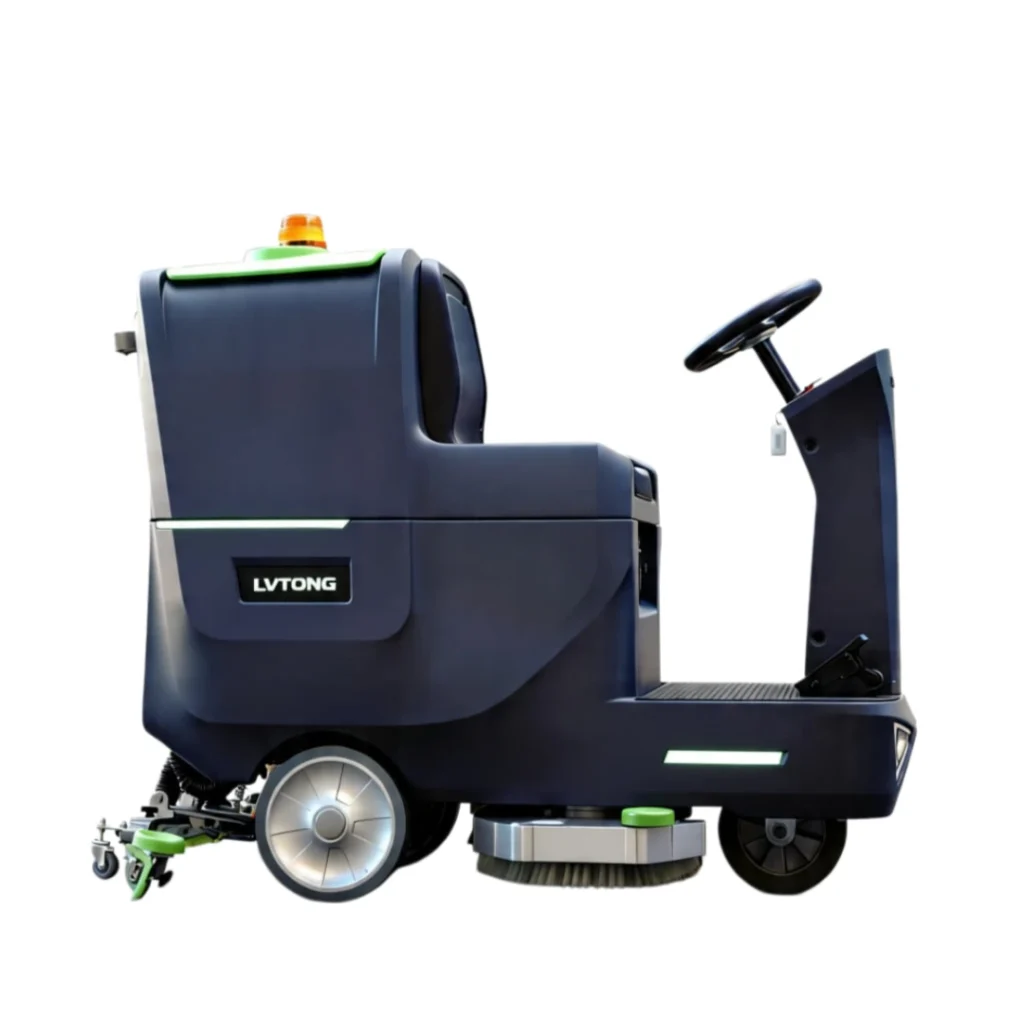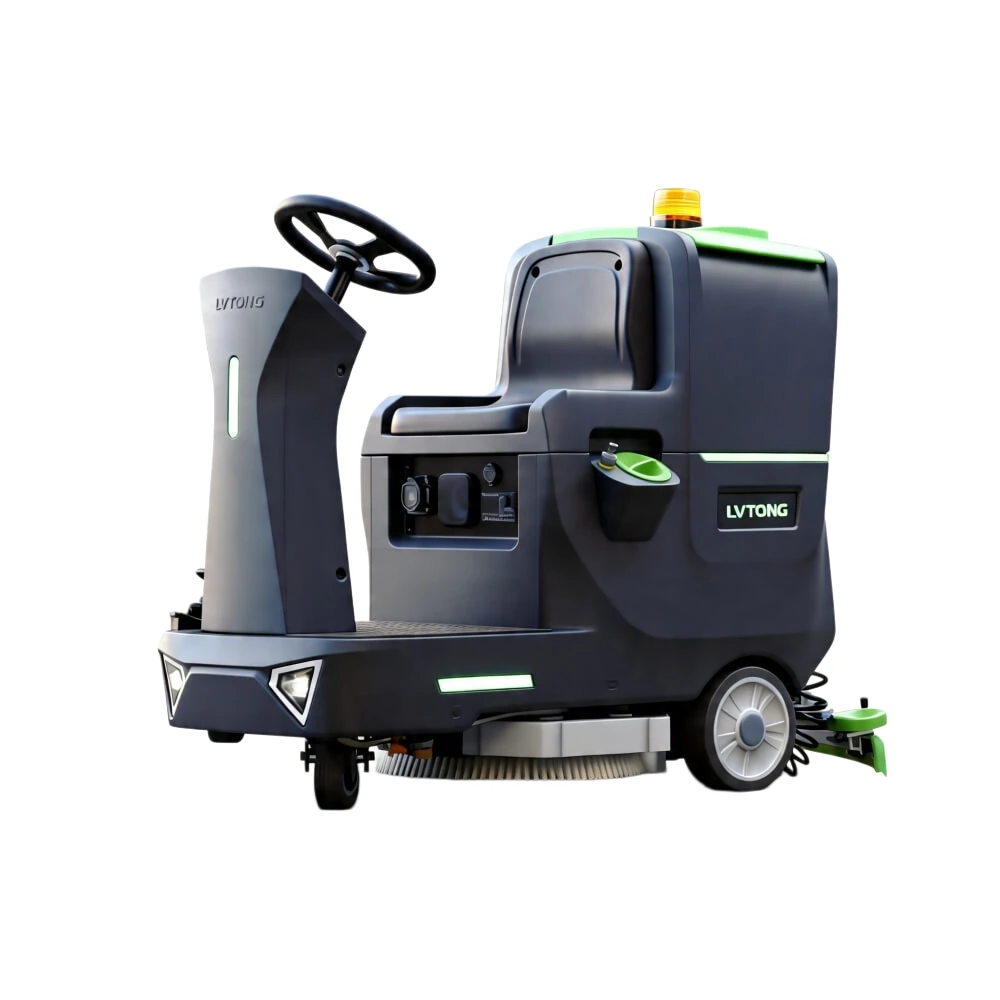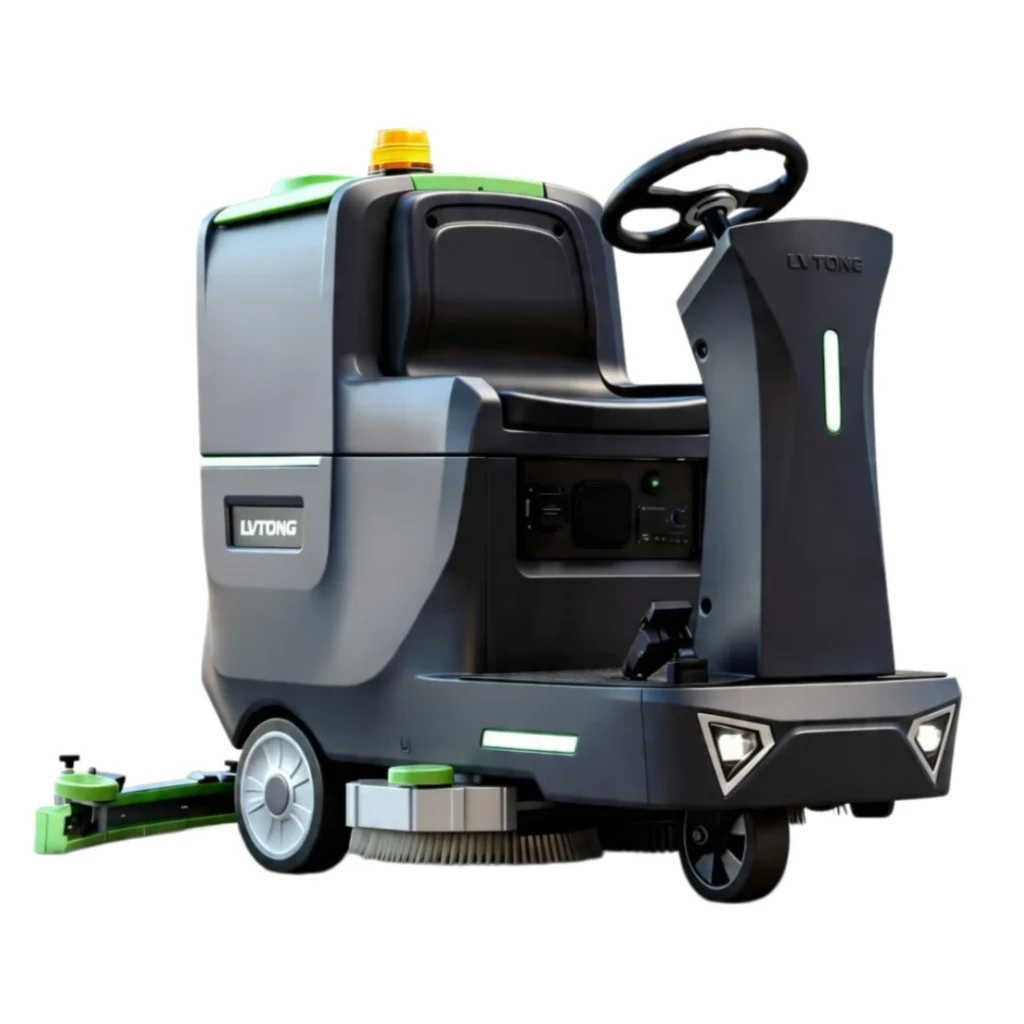
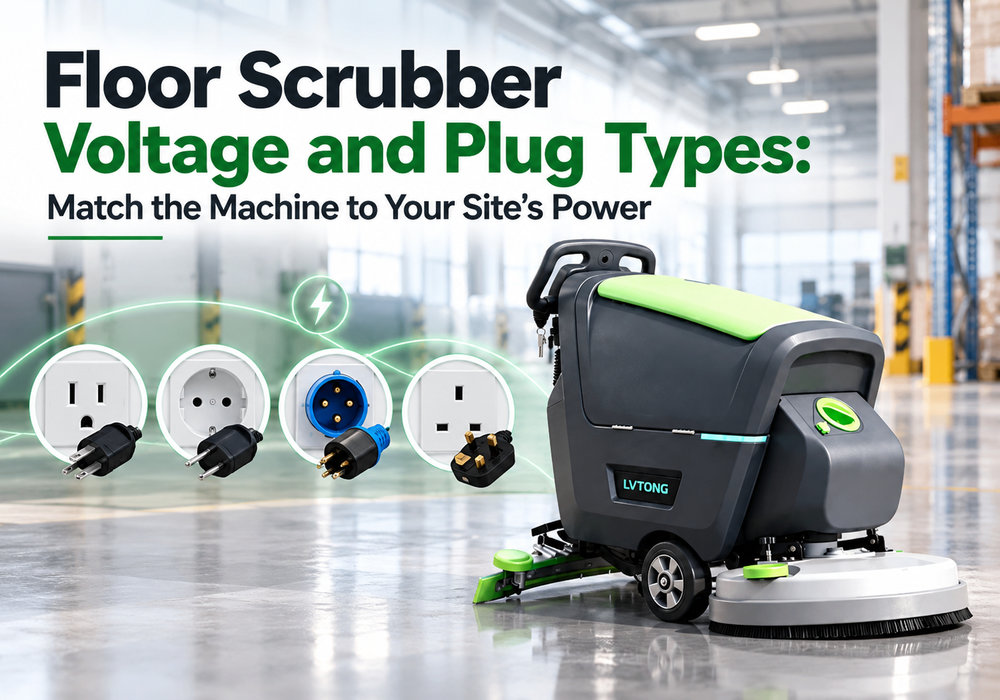
Learning how to use a walk-behind floor scrubber correctly can help you clean commercial and industrial floors faster, reduce labor pressure, remove stains more effectively, and recover dirty water in one pass. Compared with mops and buckets, a walk-behind scrubber drier combines scrubbing, water flow, suction, and drying in one machine.
A walk-behind floor scrubber is commonly used in shopping malls, supermarkets, hotels, schools, hospitals, factories, warehouses, logistics centers, corridors, and other small to medium-sized spaces. To get the best result, operators need to understand the machine parts, prepare the cleaning solution, inspect the work area, operate the brush and squeegee correctly, and clean the machine after use.
What Is a Walk-Behind Floor Scrubber?
A walk-behind floor scrubber is a commercial floor cleaning machine that combines brush scrubbing, cleaning solution application, vacuum water recovery, and floor drying functions in one system. Operators walk behind the machine and control the cleaning direction, brush operation, water flow, and recovery process.
Unlike traditional mopping methods, a walk-behind floor scrubber can remove dirt while collecting dirty water at the same time, helping businesses improve cleaning efficiency and reduce manual labor.
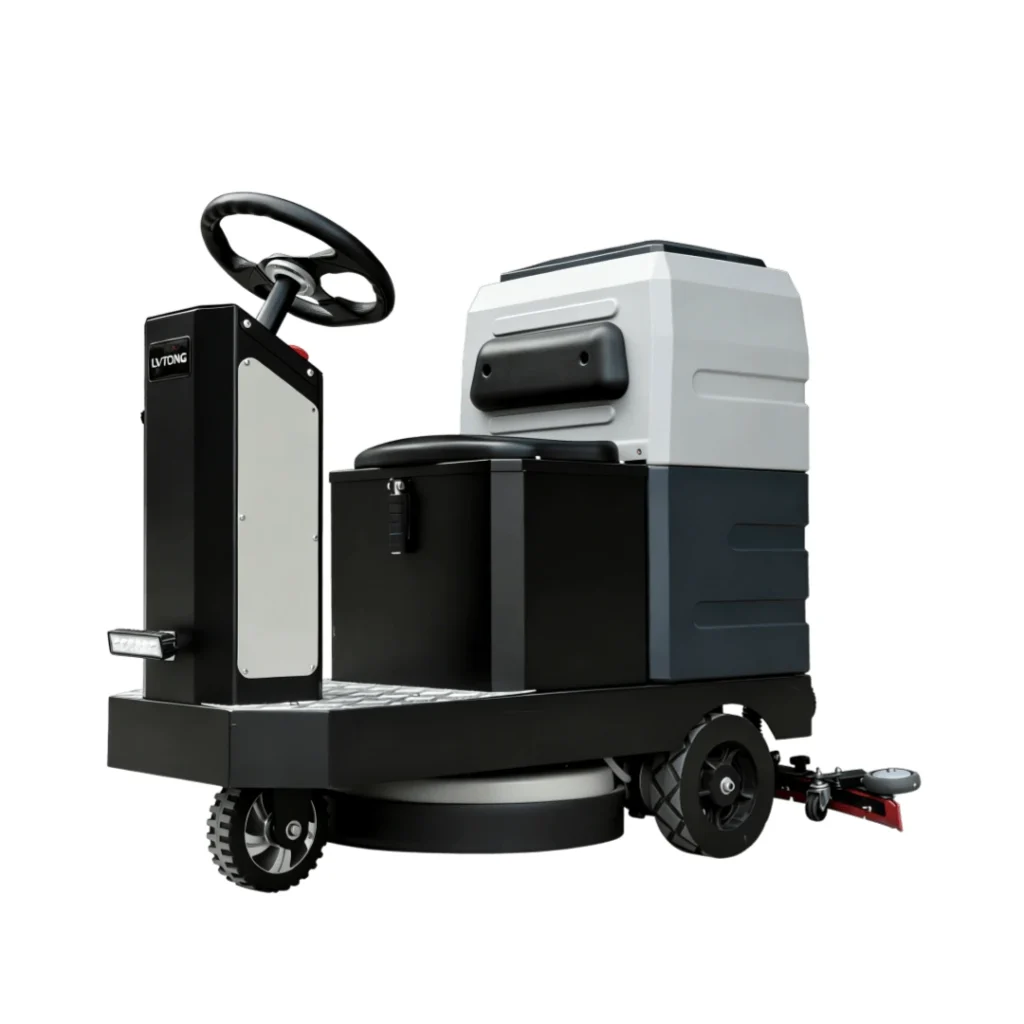
For businesses looking for reliable commercial cleaning solutions, LVTONG provides walk-behind floor scrubbers designed for warehouses, factories, hospitals, supermarkets, hotels, schools, and other facility management applications.
LVTONG walk-behind floor scrubbers integrate cleaning, water recovery, and drying functions to help professional users achieve safer and more efficient floor maintenance.
This guide explains how to use a walk-behind floor scrubber step by step, including pre-use checks, solution tank setup, water recovery, route planning, squeegee use, stubborn stain cleaning, and post-use maintenance.
Quick Answer: How to Use a Walk-Behind Floor Scrubber
To use a walk-behind floor scrubber, follow six basic steps: prepare the floor, inspect the machine, fill the solution tank, start the cleaning system, operate the scrubber in overlapping paths, and complete post-use maintenance.
After preparation, turn on the machine, lower the brush deck and squeegee, start the water flow, and move forward at a steady speed. Clean in straight, overlapping paths to avoid missed areas. After cleaning, turn off the water flow, lift the brush and squeegee, empty the recovery tank, rinse the tanks, clean the brush and squeegee, charge the battery, and store the machine in a dry, ventilated place.
Where Does the Water Go in a Walk-Behind Floor Scrubber?
In a walk-behind floor scrubber, clean water and detergent are stored in the solution tank. During cleaning, the machine releases the cleaning solution onto the floor near the brush or pad. The brush scrubs the floor and loosens dirt, stains, and residue.
After scrubbing, the squeegee assembly collects the dirty water from the floor. The vacuum motor then pulls the dirty water into the recovery tank. This is why a walk-behind scrubber can wash and dry the floor in one pass.
In simple terms:
| Water Stage | Where It Goes |
| Clean water and detergent | Stored in the solution tank |
| Cleaning solution during operation | Released onto the floor near the brush or pad |
| Dirty water after scrubbing | Collected by the squeegee |
| Recovered dirty water | Sucked into the recovery tank by the vacuum motor |
How Does a Walk-Behind Floor Scrubber Work?
A walk-behind floor scrubber works through three main cleaning processes:
- Solution application: Clean water and detergent are released onto the floor.
- Mechanical scrubbing: Rotating brushes or pads remove dirt and stains.
- Water recovery: The squeegee and vacuum motor collect dirty water into the recovery tank.
This three-stage process allows the machine to clean and dry floors in a single pass.
Walk-Behind Floor Scrubber Parts You Should Know Before Use
Before operating a walk-behind floor scrubber, understand the main parts and what each one does.
| Part | Function |
| Solution tank | Holds clean water and floor scrubber detergent before cleaning |
| Brush or pad | Scrubs the floor and removes dirt, stains, and residue |
| Brush deck | Holds and drives the brush or pad during cleaning |
| Squeegee assembly | Collects dirty water from the floor after scrubbing |
| Recovery tank | Stores dirty water and debris recovered from the floor |
| Vacuum motor | Creates suction and pulls dirty water into the recovery tank |
| Control panel or handle | Allows the operator to control power, brush, vacuum, water flow, and movement |
| Solution flow control | Adjusts how much cleaning solution is released onto the floor |
| Battery indicator | Shows remaining battery power during operation |
| Emergency shut-off switch | Stops the machine quickly in an emergency |
Power System: It is the “heart” of the machine.
- Battery: Most walk-behind floor scrubbers use batteries as their power source to enable cordless operation and provide greater flexibility. Battery life and charger performance are critical to the efficiency of the device.
- Emergency Shut-Off Switch: It can cut the power immediately under an emergency condition, and stop operating.
- Motors:
- Brush Motor: It drives brushes or pads to rotate, providing the mechanical force required for cleaning.
- Vacuum Motor: It generates powerful suction to draw dirty water into the recovery tank.
- Drive Motor: Walk-behind floor scrubbers are divided into two types: brush deck-assisted drive and self-drive. Brush deck-assisted drive requires the operator to apply a certain amount of thrust. The latter can control the machine to move forward or backward by controlling the button or handle on the control panel.
- Wheels: It supports the entire machine and enables smooth movement.
Where Can You Use a Walk-Behind Floor Scrubber?
A walk-behind floor scrubber is suitable for small and medium-sized spaces, compact layouts, narrow aisles, and high-traffic areas. It is especially useful where a ride-on scrubber is too large or difficult to turn.
Common application areas include:
- Commercial and public spaces: shopping malls, supermarkets, hotel lobbies, train stations, airports, and ports
- Industrial and warehouse environments: factories, logistics centers, warehouses, and workshops
- Healthcare facilities: hospitals, clinics, nursing homes, and hygiene-sensitive areas
- Educational and public facilities: schools, conference rooms, gyms, corridors, and public hallways
Walk-Behind Floor Scrubber vs Ride-On Floor Scrubber
| Feature | Walk-Behind Floor Scrubber | Ride-On Floor Scrubber |
|---|---|---|
| Best application | Small and medium-sized areas | Large facilities |
| Operator position | Walking behind the machine | Sitting on the machine |
| Maneuverability | Excellent for narrow spaces | Better for open areas |
| Investment cost | Lower initial investment | Higher initial investment |
| Common users | Hotels, schools, warehouses, shops | Airports, large factories, distribution centers |
Pre-Use Checklist Before Operating a Walk-Behind Floor Scrubber
Before using a walk-behind floor scrubber, prepare the work area, check the machine, wear proper protective equipment, and mix the cleaning solution correctly. Good preparation improves cleaning results and reduces safety risks.
1. Inspect the Cleaning Area
Remove stones, paper, plastic pieces, packaging waste, and other debris before using the scrubber. A walk-behind scrubber is designed to scrub and recover dirty water, but it should not be used as a garbage collector.
Place wet floor or cleaning warning signs around the work area to prevent slips and keep pedestrians away from the active cleaning route.
- Give it a quick sweep: Before you start cleaning, make sure the work area is free of debris, such as stones, paper scraps, or other things that could get stuck in the machine. This not only protects the floor scrubber but also makes the operation smoother. Because your scrubber is a master of washing and scrubbing, but it’s not a garbage truck.
-

- Set up warning signs: You’re about to be working with water, which means the floor will be damp. Therefore, you should place some warnings in the cleaning areas. Such as “slippery floor” or “cleaning” warning signs around the area. It can remind passers-by to pay attention to safety and prevent accidental slips.
-


2. Check the Machine Condition
Check whether the brush or pad is installed securely and whether it shows visible wear. Inspect the squeegee blade to make sure it can collect water properly. Check the recovery tank, solution tank, hoses, battery level, and emergency stop function before operation.
- Check component integrity: Confirm that the brush disc or pad is securely installed and that it has no visible wear. Check whether the squeegee scraper is intact to ensure that it can be effectively scraped. Adjust the pressure and height of the brush according to the type of ground.
-
- Check the power charge: Before starting the equipment, you need to check the battery to see if it is sufficient. This avoids interruptions during cleaning due to running out of power.
-


3. Wear Personal Protective Equipment
Wear gloves when handling cleaning chemicals and wear non-slip safety shoes when walking on damp floors. Protective equipment helps reduce chemical contact and slip risks.
- Wear gloves: You might be handling cleaning chemicals when filling the tank. A pair of gloves is always a good idea to protect your skin.
-
- Wear Safety Shoes: You’ll be walking on a surface that is momentarily wet. Thus, wear non-slip safety shoes to prevent accidental slips.
-


4. Prepare the Cleaning Solution
Choose a suitable low-foam floor scrubber detergent based on the floor type and soil level. Follow the recommended dilution ratio and add the solution to the solution tank. Do not overfill the tank. If the detergent foams easily, use a defoamer according to the manufacturer’s instructions.
- Choose the right cleaner: Choose a specialized neutral or mildly alkaline cleaner based on the floor material (such as tile, concrete, epoxy flooring, etc.) and the type of dirt.
-
- Proportional formulation: Strictly follow the product instructions, add an appropriate amount of detergent to the clean water tank, and add clean water. Do not exceed the maximum water mark to avoid overflow.
- Notice: If it is easy to foam, don’t forget to add some defoamer to prevent too much foam during operation.
-


Finally, conduct a safety test before using the machine to make sure that the emergency stop button and other controls are responsive and dependable. Plan your path of cleaning to avoid having to clean too often and neglecting some areas.
Step-by-Step: How to Use a Walk-Behind Floor Scrubber
The standard operating procedure for a walk-behind floor scrubber includes preparation, machine setup, cleaning operation, and post-cleaning maintenance.
Following a consistent operating procedure helps improve cleaning performance, reduce water waste, and extend machine service life.
After the preparation work is complete, follow these steps to operate the walk-behind floor scrubber safely and efficiently.
Step 1: Power On the Machine
Turn the key to the “on” position or press the power button according to the machine instructions. Check that the control panel, battery indicator, and safety functions are working normally.
Step 2: Lower the Brush Deck and Squeegee
Lower the brush deck to the working position so the brush or pad can contact the floor. Lower the squeegee assembly so it can collect dirty water during cleaning.
Step 3: Start the Water Flow
Open the solution flow control to release cleaning solution from the solution tank to the brush area. Adjust the flow based on the floor condition. Use less solution for light soil and more solution for heavier dirt, but avoid over-wetting the floor.
Step 4: Plan the Cleaning Route
Start from the farthest corner of the area and work toward the exit. This helps avoid walking or driving over cleaned areas again. Plan straight routes and avoid unnecessary turns.
Step 5: Move Forward at a Steady Speed
Push or drive the scrubber forward at a steady speed. Moving too fast may reduce scrubbing time and leave dirt behind. Moving too slowly may waste water and detergent.
Step 6: Clean in Straight, Overlapping Paths
Clean in straight lines and overlap each pass slightly to avoid missed stripes. This method helps create a consistent cleaning result across the entire floor.
Step 7: Handle Stubborn Stains
For stubborn stains, slow down slightly, allow more dwell time, or clean the area a second time. Use the correct brush or pad for the floor type and soil level.
Step 8: Clean Corners and Edges Carefully
Walk-behind floor scrubbers are more flexible than ride-on machines in small and tight spaces. For difficult corners and edges, slow down, adjust the machine carefully, and clean manually if the machine cannot reach the area safely.
How to Finish Cleaning and Shut Down the Machine
When the cleaning task is complete, follow these steps:
- Turn off the water flow.
- Keep the vacuum running briefly if needed to recover remaining dirty water.
- Lift the brush deck and squeegee.
- Move the scrubber back to the storage or maintenance area.
- Turn the main power key or switch to “Off.”
- Empty and clean the recovery tank as soon as possible.
Walk-Behind Scrubber Maintenance After Use
Post-use maintenance keeps the walk-behind floor scrubber working properly and helps extend machine life. Clean the tanks, brush, pad, squeegee, and exterior after each use, and charge the battery before the next cleaning task.
1. Empty and Rinse the Recovery Tank
Move the machine to a proper drain area and empty the recovery tank. Rinse the tank with clean water to reduce odor, residue, and bacterial growth. Do this soon after cleaning instead of leaving dirty water inside the tank.
2. Rinse the Solution Tank
Rinse the solution tank with clean water to prevent detergent buildup. This helps keep the water flow system clean and reduces clogging risk.
3. Clean the Brush or Pad
Remove the brush or scrub pad and rinse it thoroughly. Remove hair, thread, plastic, or debris wrapped around the brush. Allow the brush or pad to dry before reinstalling or storing it.
4. Clean and Inspect the Squeegee
Wipe the squeegee blade with a damp cloth and remove dirt or residue. If the blade is worn, cracked, or leaving water behind, replace it in time to maintain good water recovery.
5. Charge the Battery Correctly
After use, connect the machine to the correct charger according to the manufacturer’s instructions. Make sure the battery is sufficiently charged before the next use. Avoid long-term low-power storage.
6. Store the Machine Properly
Store the scrubber in a dry, well-ventilated place. Lift the brush deck and squeegee during storage to prevent deformation caused by long-term contact with the floor.
7. Check Regular Parts
Check the machine exterior, wheels, hoses, tanks, brush deck, squeegee assembly, and control panel for looseness, damage, or leaks. Regular inspection helps detect problems early and avoid expensive repairs.
Professional Maintenance Tips
Based on professional floor cleaning equipment experience, the most common problems with walk-behind floor scrubbers are caused by incorrect detergent ratios, worn squeegee blades, poor recovery tank cleaning, and insufficient battery maintenance.
Regular inspection and proper operator training can significantly improve cleaning efficiency and extend equipment lifespan.
Common Mistakes to Avoid When Using a Walk-Behind Floor Scrubber
- Using the scrubber without removing large debris first
- Using regular high-foam detergent instead of low-foam floor scrubber detergent
- Moving too fast and not giving the brush enough time to scrub
- Forgetting to lower the squeegee during cleaning
- Using a worn squeegee blade and leaving water behind
- Overfilling the solution tank
- Not emptying the recovery tank after use
- Forgetting to charge the battery after cleaning
- Storing the machine with the brush deck or squeegee pressed against the floor
Conclusion
Using a walk-behind floor scrubber correctly can improve cleaning efficiency, reduce manual labor, remove dirt more effectively, and recover dirty water in one pass. The key steps are simple: inspect the area, check the machine, prepare the cleaning solution, lower the brush and squeegee, clean in steady overlapping paths, and maintain the machine after use.
A well-operated walk-behind scrubber is suitable for commercial, industrial, healthcare, education, warehouse, and public facility cleaning. With proper operation and maintenance, it can help create a cleaner, safer, and more efficient floor cleaning process.
How to Choose the Right Walk-Behind Floor Scrubber
Choosing the right walk-behind floor scrubber depends on your cleaning environment, floor type, daily workload, and operating requirements.
| Cleaning Requirement | Recommended Solution |
|---|---|
| Small stores and offices | Compact walk-behind scrubber |
| Warehouses and factories | High-capacity battery scrubber |
| Long daily cleaning hours | Large battery capacity model |
| Narrow aisles and crowded areas | Compact maneuverable model |
| Heavy industrial dirt | Higher brush pressure model |
Before purchasing, businesses should consider brush width, battery runtime, tank capacity, floor material, cleaning frequency, and after-sales support.
Walk-Behind Floor Scrubber FAQs
How do you use a walk-behind floor scrubber?
To use a walk-behind floor scrubber, inspect the floor, remove loose debris, place warning signs, check the brush and squeegee, fill the solution tank, turn on the machine, lower the brush and squeegee, start water flow, and clean in steady overlapping paths. After use, empty the recovery tank, clean the brush and squeegee, charge the battery, and store the machine properly.
Where does water go in a floor scrubber?
Clean water and detergent are stored in the solution tank. During cleaning, the solution is released onto the floor near the brush. After scrubbing, the squeegee collects dirty water, and the vacuum motor pulls it into the recovery tank.
Do I need to sweep before using a walk-behind floor scrubber?
Yes. You should remove loose debris, stones, paper, plastic pieces, and large particles before using the scrubber. This protects the machine and prevents debris from getting stuck in the brush, squeegee, or recovery system.
How do I mix cleaning solution for a floor scrubber?
Use a low-foam floor scrubber detergent and follow the recommended dilution ratio. Add clean water and detergent to the solution tank without exceeding the maximum fill mark. Avoid high-foam cleaners because foam can affect water recovery and machine performance.
Why does my floor scrubber leave water behind?
A floor scrubber may leave water behind because the squeegee blade is worn, the recovery tank is full, the vacuum system is weak, the squeegee is not lowered correctly, or the floor is uneven. Check and clean the squeegee, empty the recovery tank, and inspect the vacuum system.
Can a walk-behind floor scrubber clean warehouse floors?
Yes. A walk-behind floor scrubber is widely used for warehouse floors, factories, workshops, and logistics centers. It is especially suitable for small and medium-sized areas where flexibility and maneuverability are important
How do I choose a walk-behind floor scrubber?
When choosing a walk-behind floor scrubber, consider cleaning area size, floor type, battery runtime, brush width, recovery tank capacity, cleaning frequency, and whether you need manual push or self-propelled operation.
Is a walk-behind floor scrubber an auto scrubber?
Yes. A walk-behind floor scrubber is a type of automatic floor scrubber operated by an operator walking behind the machine. Auto scrubbers include both walk-behind and ride-on models.
Need a Walk-Behind Floor Scrubber for Your Facility?
If you need an efficient and reliable floor cleaning solution, LVTONG walk-behind floor scrubbers can support daily cleaning in logistics warehouses, hospitals, hotels, schools, airports, factories, supermarkets, and public facilities.
They can be used on many floor types, including cement floors, epoxy floors, ceramic tile, marble, PVC, rubber flooring, and wear-resistant industrial floors. By combining scrubbing, suction, and drying in one machine, a walk-behind scrubber can improve productivity, reduce labor cost, and support safer floor cleaning.