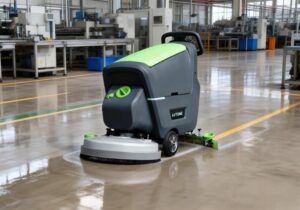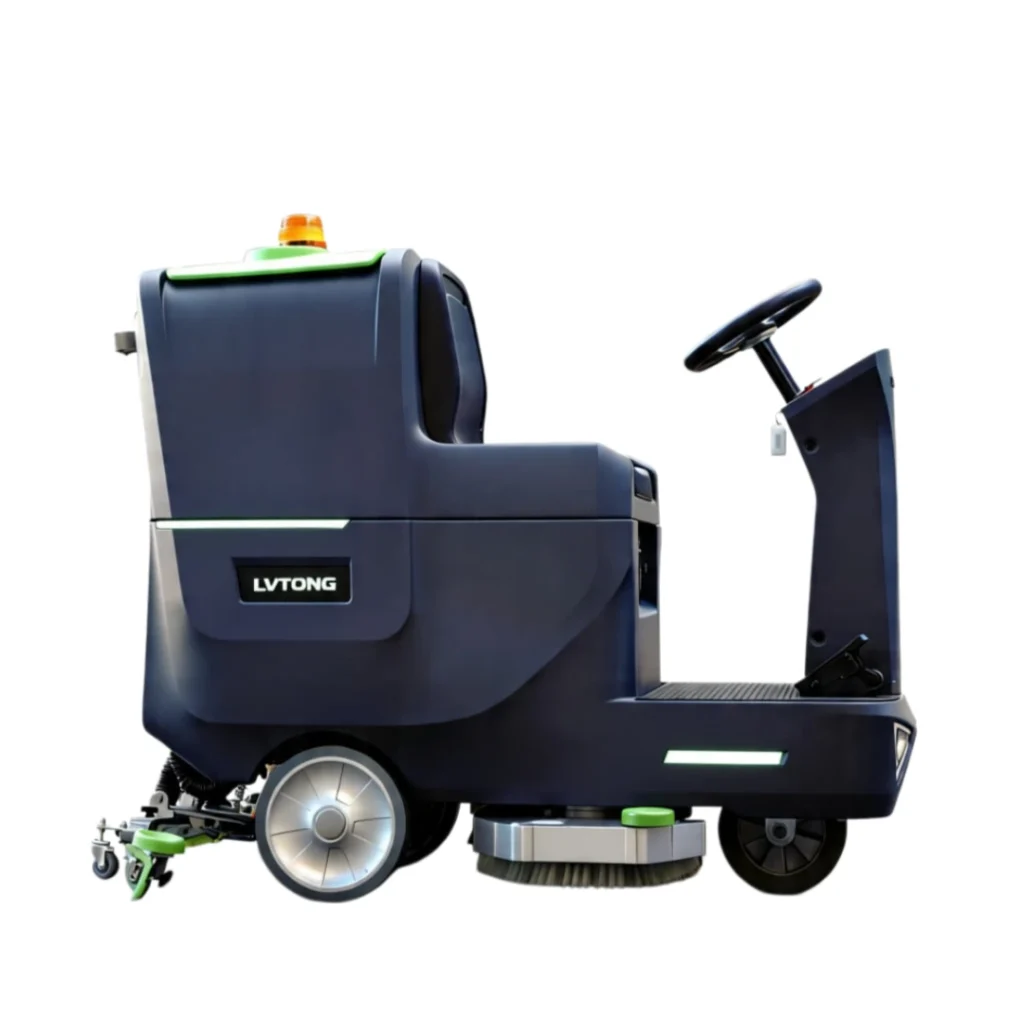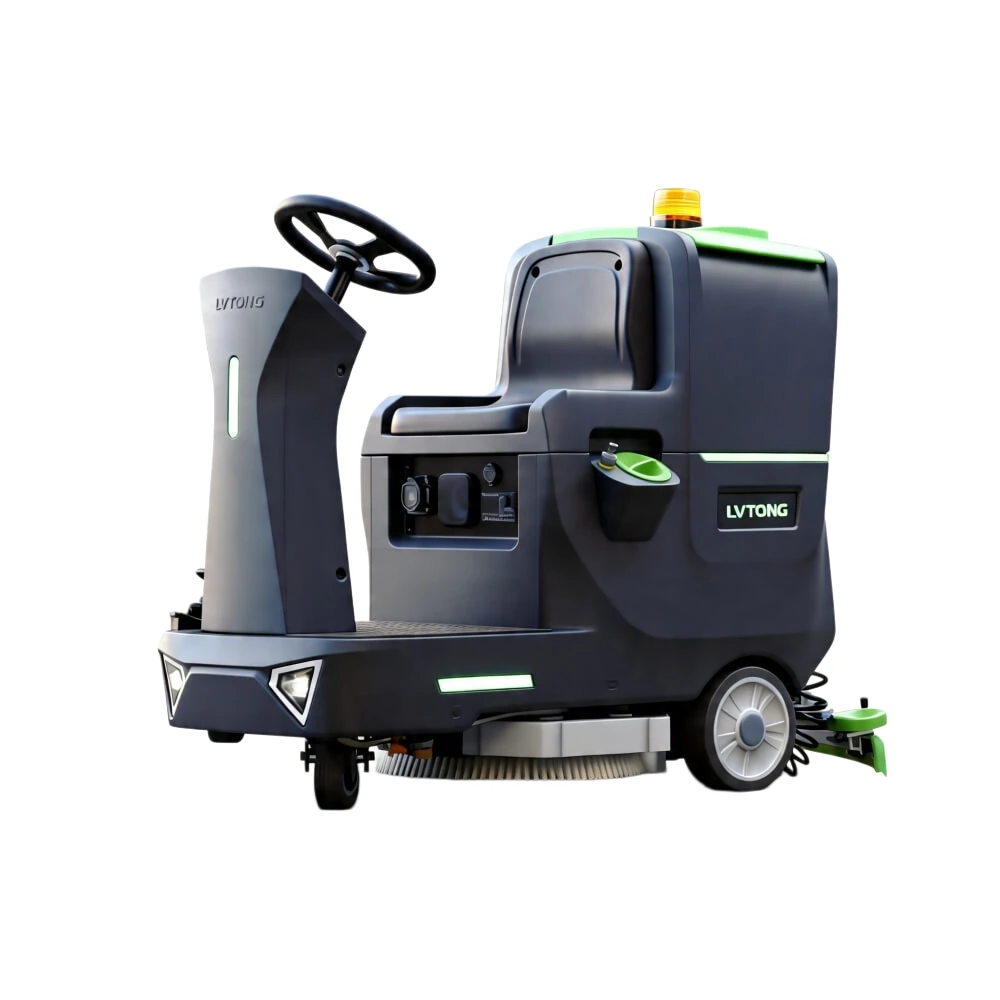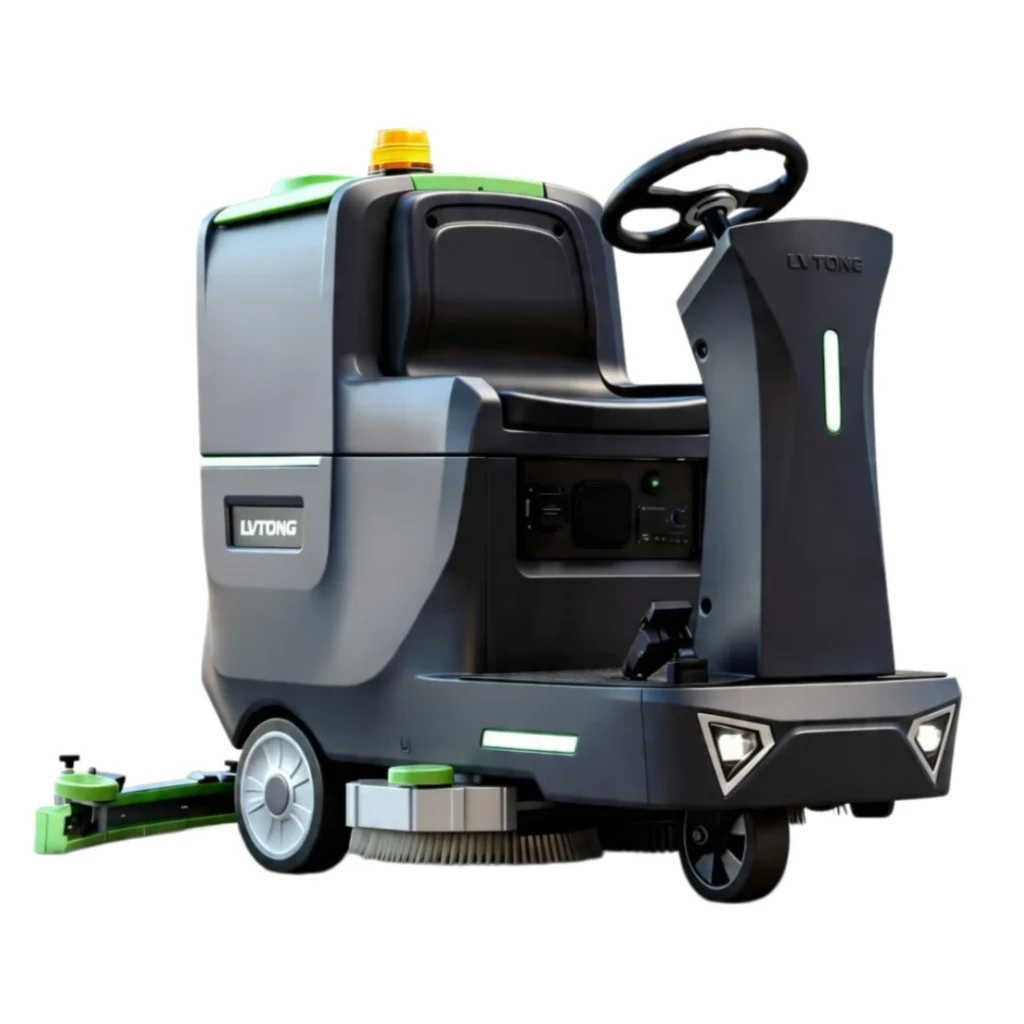
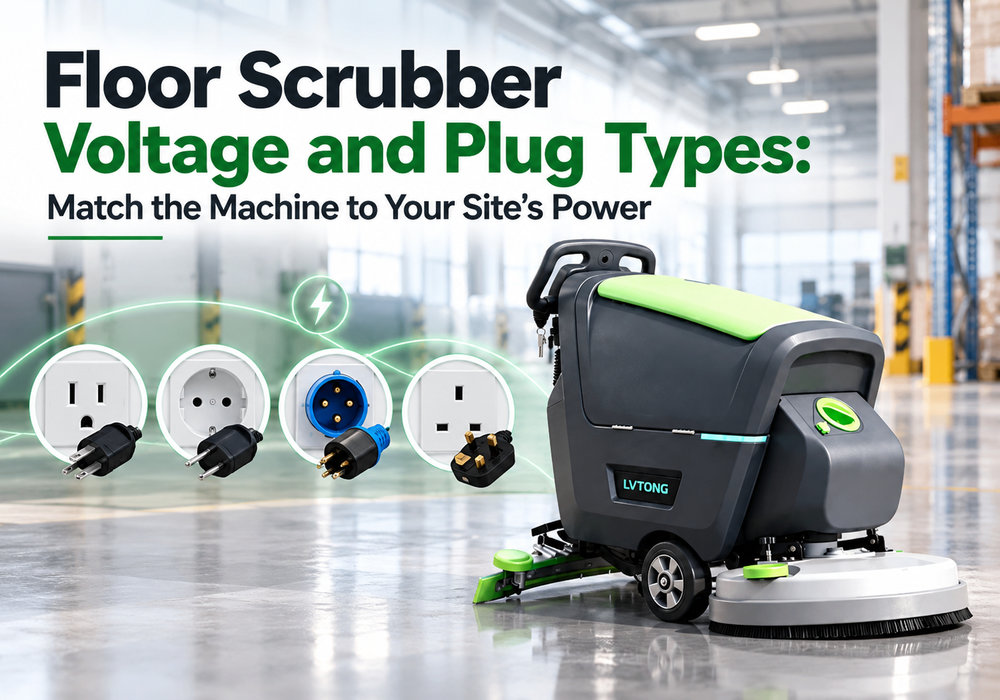
As an indispensable cleaning machine in modern factories, warehouses, logistics centers and other large places, industrial sweepers are also undergoing intelligent transformation. In the next 5 years, industrial sweeping machine industry will face unprecedented development opportunities and challenges. This report provides a comprehensive analysis of the development trends of industrial floor sweepers from the perspectives of technology, market, policy, and sustainability.
Industrial sweepers will become more intelligent, energy-efficient, and widely used across industrial sectors over the next five years, driven by automation, AI, and sustainability requirements.
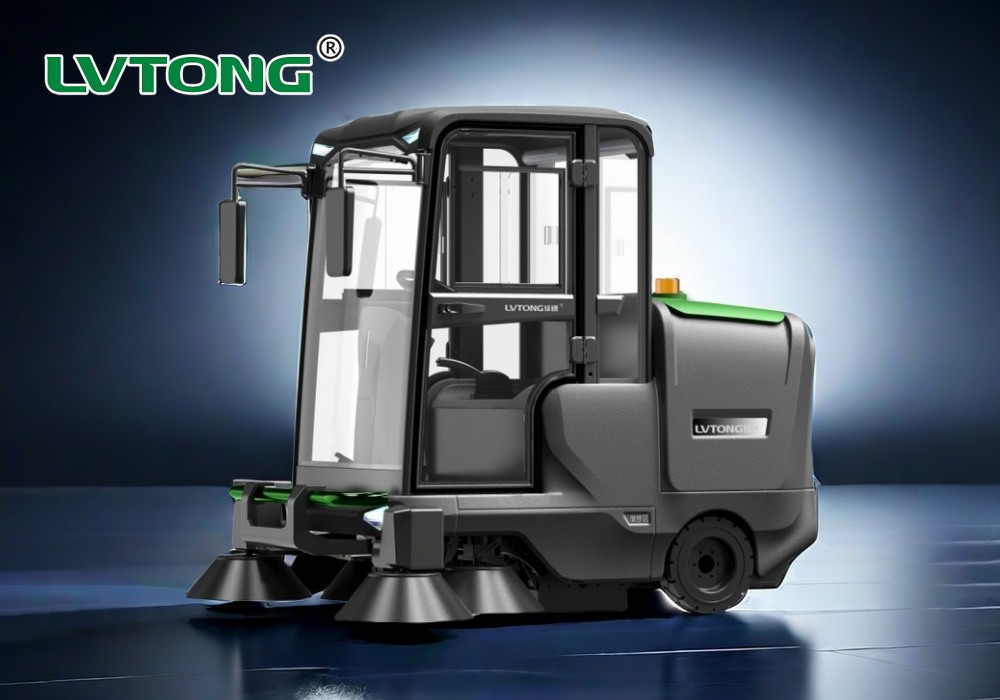
Core Technology Driven: Intelligence
AI Algorithm Technology
Path Planning: With the improvement of algorithm calculations, industrial sweeper efficiency will increase by 30%. It can distinguish the best cleaning path based on the urgency of the cleaning area.
Precise Cleaning: Combining high-resolution vision and multispectral sensing, industrial sweepers not only can recognize types of garbage such as metal shavings, oil stains, and dust, but also determine the degree and composition of stain adhesion.
Perception System Evolution
Sensors: With LiDAR application, floor sweeper industrial can achieve centimeter level environmental modeling accuracy. In this way, the cleaning machine has a more accurate perception ability and can identify obstacles such as low obstacles, steep slopes, and step edges. Cleaning is more precise and safe.
Dynamical System
Application of Solid-State Batteries: With the accelerated layout of giants such as CATL and Toyota, solid-state batteries are expected to be first applied to high-end industrial models in the later part of the next 5 years. Its energy density far exceeds that of lithium batteries, with a range increase of 50% -100% and a charging time reduction of 15 minutes. In addition, the issue of thermal runaway has also been resolved.
Hydrogen Fuel Cell: In high cleanliness requirement scenarios such as large logistics centers and airports, hydrogen fuel cell sweepers will be demonstrated and applied. Its efficiency can last for eight hours with just three minutes of hydrogenated fuel.
Human Computer Interaction Capability
Natural Language Interaction Capability: Administrators can directly schedule devices through voice commands, further reducing the operational threshold.
Digital and Operational Optimization: As a mobile data node, industrial sweeper uploads real-time data on cleaning coverage, energy consumption, fault codes, environmental temperature and humidity to the cloud. Managers can use this to optimize scheduling, energy management, and identify weak areas in cleaning.
Overall, industrial sweepers are evolving toward autonomous operation, higher energy efficiency, and data-driven management systems.
Market demand for industrial sweepers will continue to grow rapidly due to automation and labor cost pressures.
https://youtu.be/qxB2zVNDCf8?si=4DNkJBlhPzHcev4g
Market Pattern Analysis
Market Demand
Driving Force: Due to the impact of global manufacturing automation upgrades and rising labor costs, there is a rigid demand for industrial sweepers. It is expected that the compound annual growth rate (CAGR) of the global market will remain at 15% – 20%.
Application Scenarios are Increasing: In addition to traditional manufacturing and logistics industries, the application of floor sweeper industrial in large transportation hubs, municipal sanitation, sports venues, and data centers is also on the rise. Moreover, cleaning equipment is also increasing in some developing countries such as Southeast Asia and India.
Policies, Regulations and Safety Standards
Environmental Protection and Low-Carbon
High Production Requirements: Many Countries will introduce stricter energy efficiency standards for industrial equipment and phase out high energy consuming models. The sweeping machine needs to go through an authoritative system such as ERP.
Policy Encouragement: The government encourages the purchase of environmentally friendly new energy equipment and provides tax incentives or subsidies for clean services that meet green standards.
Safety Standards
Functional Safety Certification: In order to enter the market, industrial sweepers must undergo ISO related testing. It is to ensure that the cleaning equipment is safe in both hardware and intelligent technology.
Data Security: The collection and operation data of industrial floor sweepers involving sensitive information such as factory layout and pedestrian flow must comply with requirements such as GDPR and the Cybersecurity Law to achieve data security.
Risk Standards: For sweepers operating in public areas like airports and shopping malls, clear driving rules, division of responsibilities and insurance requirements will be established.
Sustainability will become a key competitive factor in industrial cleaning equipment development.
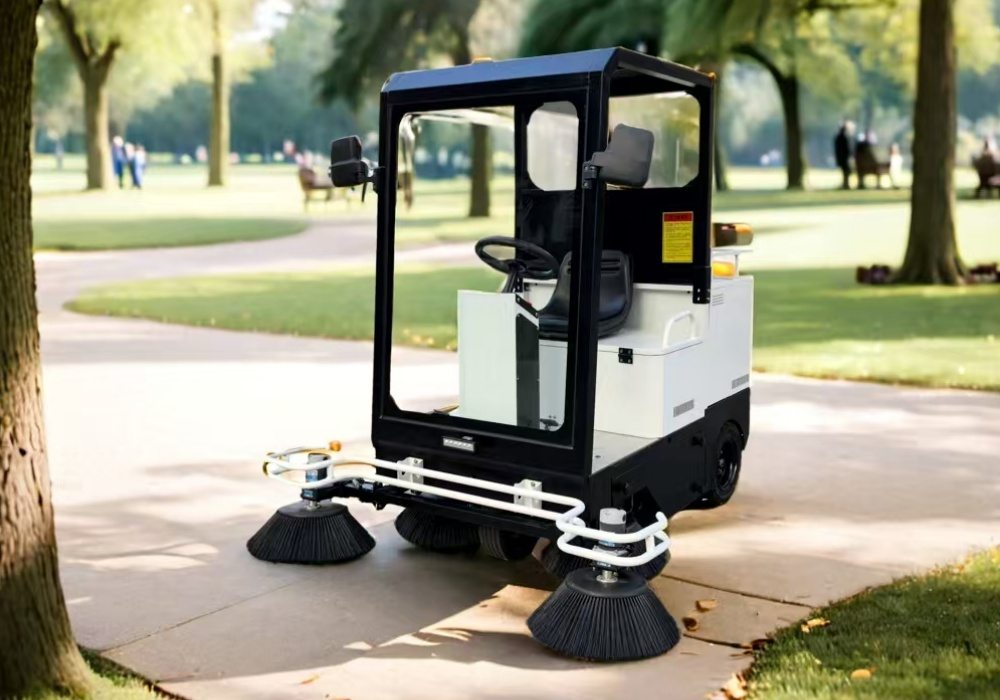
Sustainable Development Direction
Product Design and Manufacturing
Design: Prioritize the use of recycled plastics and biobased materials; Optimize the structure to reduce material usage; Enhance the level of modular design, facilitate maintenance and component replacement, and extend the lifespan of the entire machine.
Green Manufacturing: Production facilities powered by renewable energy sources; Reduce the use of harmful substances; Optimize the process flow to reduce energy consumption and waste.
Low Carbon Operation
Maximizing Energy Efficiency: Continuously reducing clean energy consumption per unit area through intelligent algorithms, efficient motors, and low resistance design.
New Energy Application: Expand the proportion of pure electric equipment, increase the application of solar and hydrogen energy products.
Recycling and Reuse System
Recycling Network: Manufacturers and recyclers collaborate to establish professional channels for recycling waste equipment and batteries.
Reuse of Accessories: Testing and refurbishing durable components such as motors, controllers, and sensors to reduce raw material consumption and carbon emissions.
Enterprise Development Strategy
Technological Innovation
Enterprises should take technological innovation as the core development strategy. They should continue to increase R&D investment in intelligent navigation, energy technology, clean performance and launch products with differentiated competitive advantages.
Market research
Strengthen market research, deeply understand the needs and characteristics of customers in different industries and regions, and formulate targeted market expansion strategies. In addition, enterprises must actively explore emerging markets and overseas markets. Through this marketing method, they can enhance brand awareness and product influence.
Industrial Chain Integration
Industrial sweeper enterprises should strengthen cooperation with industry chain enterprises to achieve resource sharing and complementary advantages. In addition, they can establish long-term stable cooperative relationships with core component suppliers to ensure stable supply of raw materials, improve quality, and reduce procurement costs.
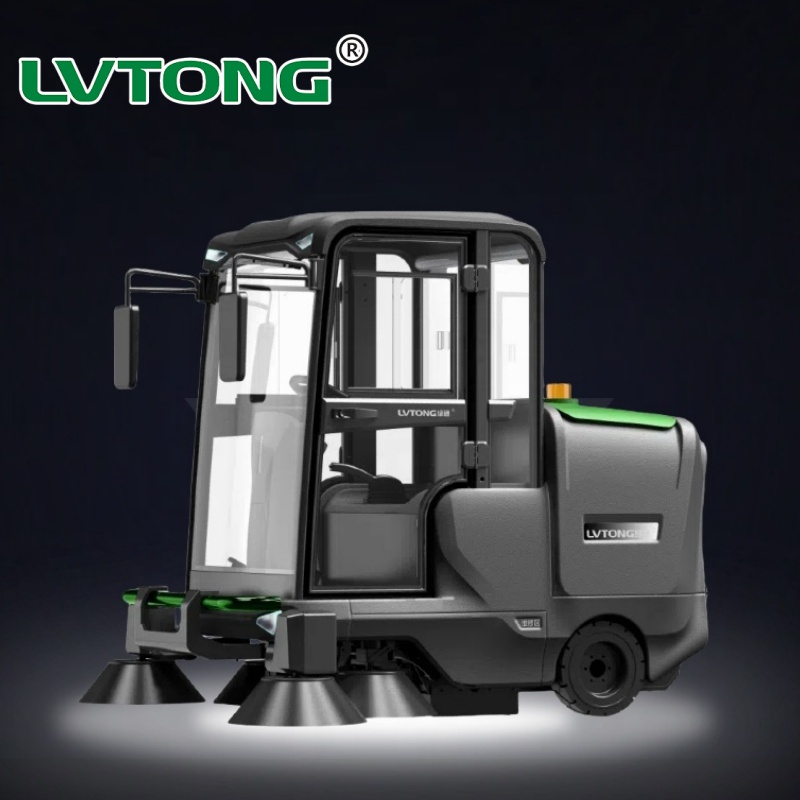
Conclusion
In the next 5 years, industrial floor sweepers will surpass traditional single cleaning equipment tools. There will be significant progress in its core technology and intelligence. In addition, the application fields of industrial floor sweepers will be broader and the market size will further increase.
As a result, industrial sweepers will play a central role in automated industrial cleaning systems in the near future.
FAQ
What are the main trends in industrial sweepers over the next 5 years?
Industrial sweepers are evolving toward automation, electrification, and smart IoT integration.
These trends improve efficiency and reduce labor costs in industrial cleaning environments.
Are autonomous industrial sweepers suitable for warehouses and factories?
Yes, autonomous industrial sweepers are ideal for large areas like warehouses and factories.
They enable consistent cleaning with minimal manual operation and better path planning.
How do ride-on sweepers compare with scrubber dryers in industrial use?
Ride-on sweepers handle dust and debris, while scrubber dryers provide deep floor cleaning.
Most industrial cleaning solutions combine both machines for complete floor maintenance.
What should buyers consider when selecting industrial cleaning equipment?
Buyers should focus on cleaning area size, automation level, and battery performance.
Choosing the right industrial floor sweeper or scrubber ensures long-term efficiency.
Do you support OEM industrial sweeper solutions for global projects?
Yes, LVTONG offers OEM industrial sweepers and customized cleaning equipment solutions.
We support different applications including warehouse cleaning and factory operations.