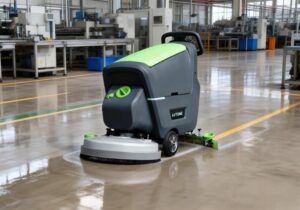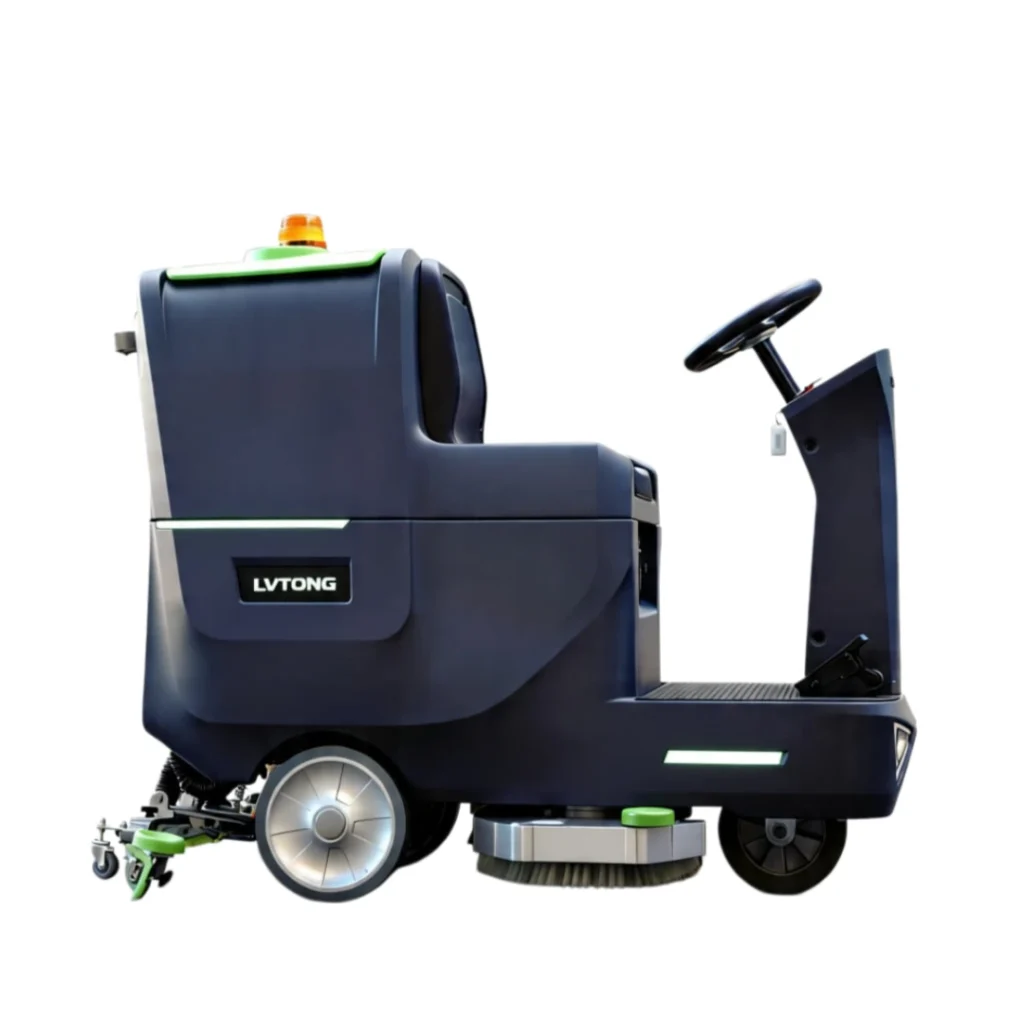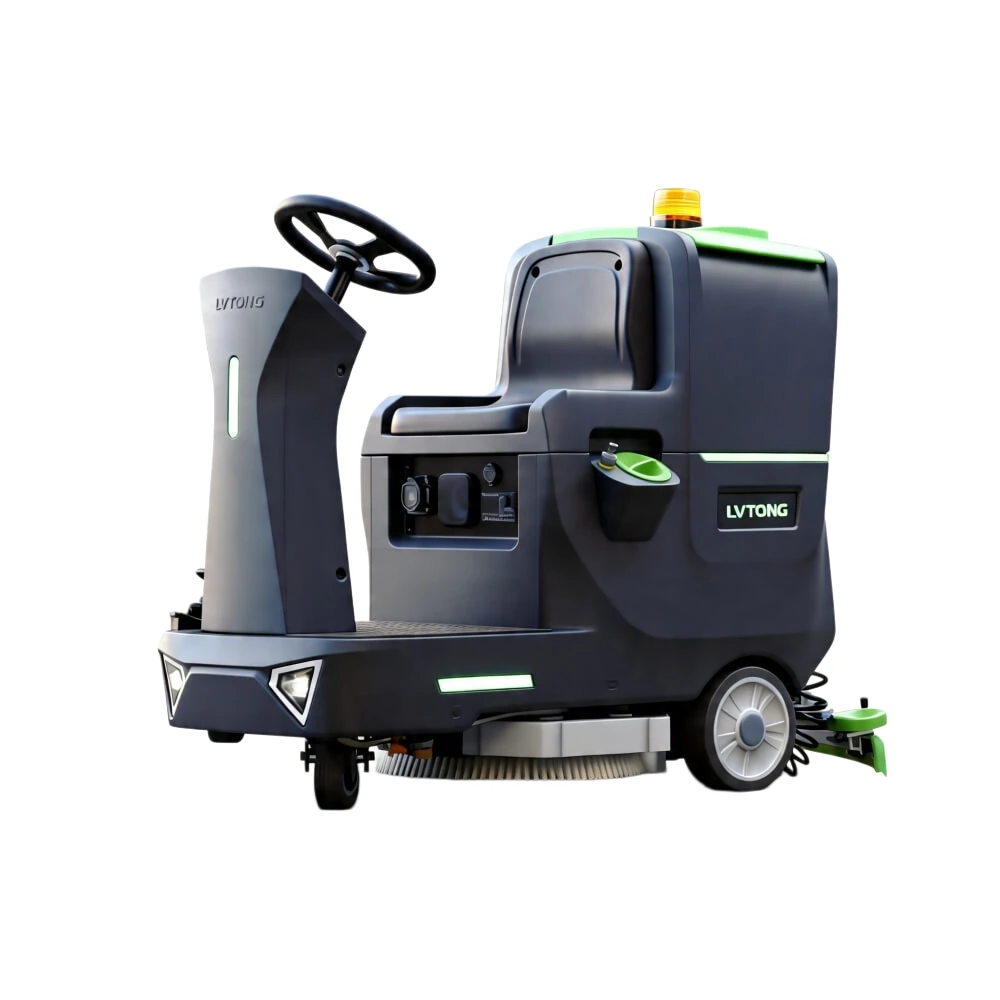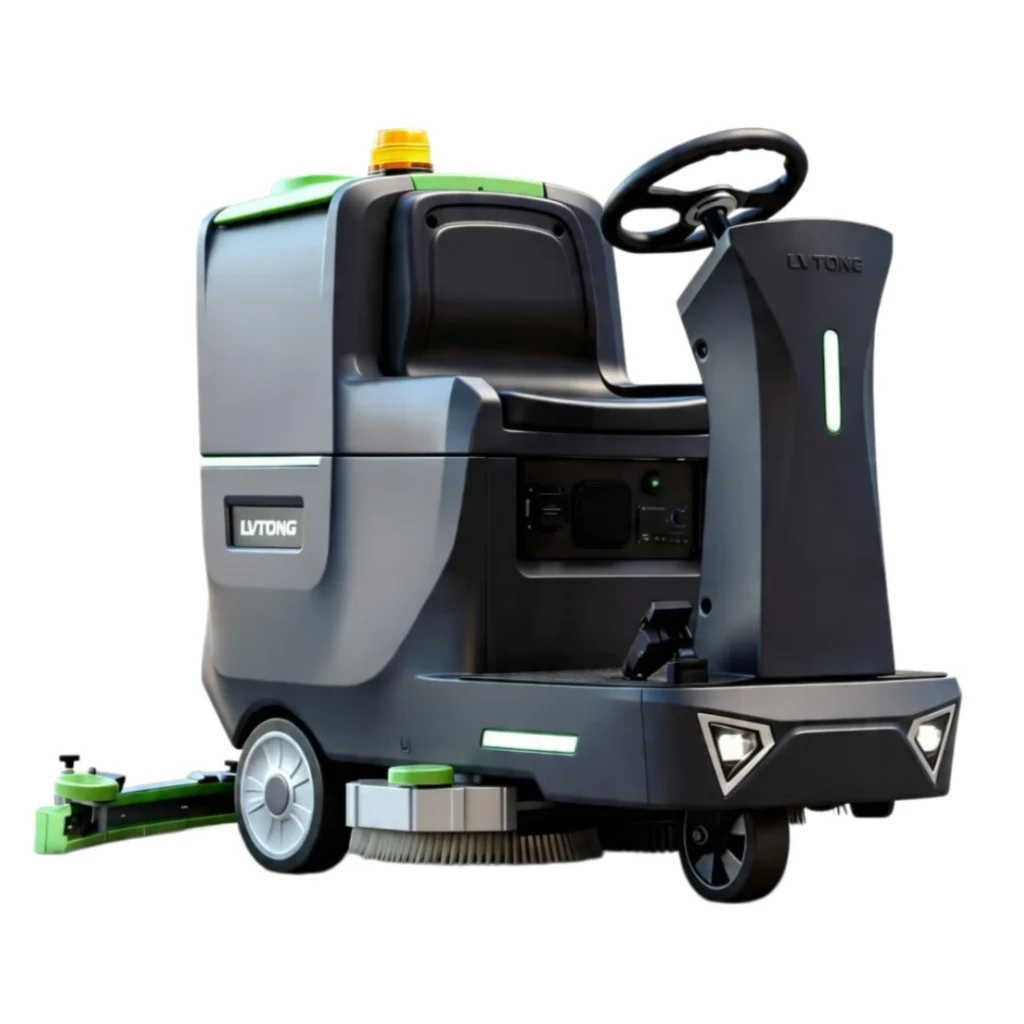
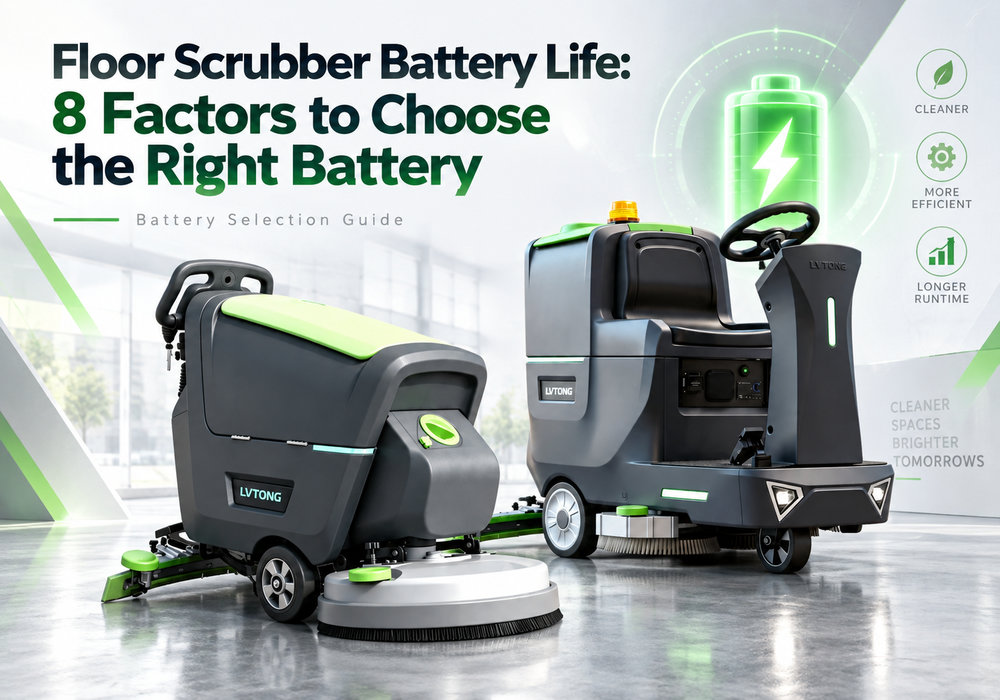
A vida útil da bateria de uma lavadora de pisos afeta diretamente o tempo de limpeza, a frequência de recarga, o custo de manutenção, o ciclo de substituição e o custo operacional total. Para fábricas, armazéns, centros de logística, supermercados, hospitais e outras instalações comerciais ou industriais, escolher a bateria certa não se resume apenas ao preço de compra.
Uma boa bateria para lavadora de pisos deve ser compatível com a voltagem da máquina, a frequência de limpeza, as horas de trabalho, as condições de carregamento, os requisitos de segurança e as expectativas de custo a longo prazo. Este guia compara baterias de lítio e de chumbo-ácido para lavadoras de pisos e explica os principais fatores que afetam a vida útil da bateria, o tempo de funcionamento, a velocidade de carregamento, a proteção de segurança e a necessidade de substituição.
Resposta rápida: O que afeta a vida útil da bateria de uma lavadora de pisos?
A vida útil da bateria de uma lavadora de pisos depende principalmente do tipo de bateria, ciclos de carga e descarga, hábitos de carregamento, profundidade de descarga, temperatura de operação, qualidade da manutenção e frequência de limpeza. As baterias de lítio para lavadoras de pisos geralmente duram mais, carregam mais rápido e exigem menos manutenção do que as baterias de chumbo-ácido.
Para limpeza comercial ou industrial de alta frequência, as baterias de lítio geralmente oferecem melhor custo-benefício a longo prazo, pois proporcionam maior vida útil, carregamento mais rápido, menor necessidade de manutenção e autonomia mais estável. Para uso de baixa frequência ou orçamentos limitados, as baterias de chumbo-ácido ainda podem ser uma opção viável.
Tendências do mercado de baterias para lavadoras de piso
O mercado de baterias para lavadoras de piso está migrando das tradicionais baterias de chumbo-ácido para baterias de íon-lítio e LiFePO4, pois os compradores comerciais e industriais desejam maior vida útil da bateria, carregamento mais rápido, menor manutenção e melhor retorno do investimento a longo prazo.
Para equipes de limpeza que utilizam lavadoras de piso diariamente, o desempenho da bateria tem um impacto direto na eficiência do trabalho e no tempo de atividade da máquina. É por isso que os compradores agora comparam a vida útil da bateria, o tempo de carregamento, o ciclo de vida útil, a proteção de segurança, as emissões de carbono e o custo de substituição antes de escolher uma bateria para lavadora de piso.
Tipos de baterias para lavadoras de piso
Existem vários tipos comuns de baterias usadas em lavadoras de piso. A comparação mais importante para a maioria dos compradores é entre baterias de lítio e de chumbo-ácido para lavadoras de piso, pois essas duas opções diferem em preço, vida útil da bateria, velocidade de carregamento, necessidades de manutenção, segurança e custo a longo prazo.
Baterias de chumbo-ácido para lavadoras de piso: inundadas, AGM e de gel.
Como tecnologia tradicional, as baterias de chumbo-ácido apresentam as vantagens de baixo custo, tecnologia consolidada e um sistema de reciclagem completo.
Bateria de chumbo-ácido inundada: Com o preço mais baixo, porém requer adição regular de água destilada para manutenção e produz gases de hidrogênio e oxigênio durante o carregamento, necessitando de um ambiente bem ventilado.
Bateria de chumbo-ácido selada AGM: Utilizando diafragma de fibra de vidro para absorver o eletrólito, não requer adição de água para manutenção, pode ser instalado horizontalmente e apresenta melhor desempenho na prevenção de vazamentos.
Bateria de chumbo-ácido em gel: O eletrólito é gelificado para melhorar ainda mais a resistência à vibração e o desempenho em ciclos profundos, mas o custo é relativamente alto.
Resposta rápida
As baterias de lítio estão se tornando a opção preferida para lavadoras de piso, pois oferecem maior tempo de operação, carregamento mais rápido e menores requisitos de manutenção do que as baterias de chumbo-ácido tradicionais.
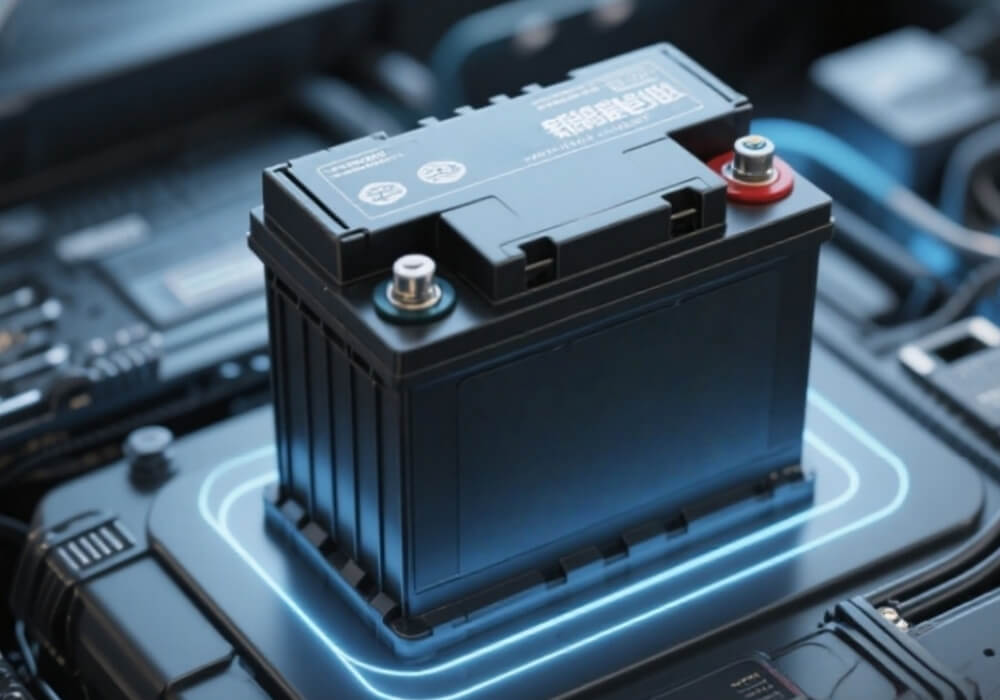
Baterias de lítio para lavadoras de piso: LiFePO4 e lítio ternário
Como uma tecnologia emergente, as baterias de lítio têm como vantagens a alta densidade de energia, a longa vida útil e a velocidade de carregamento rápido.
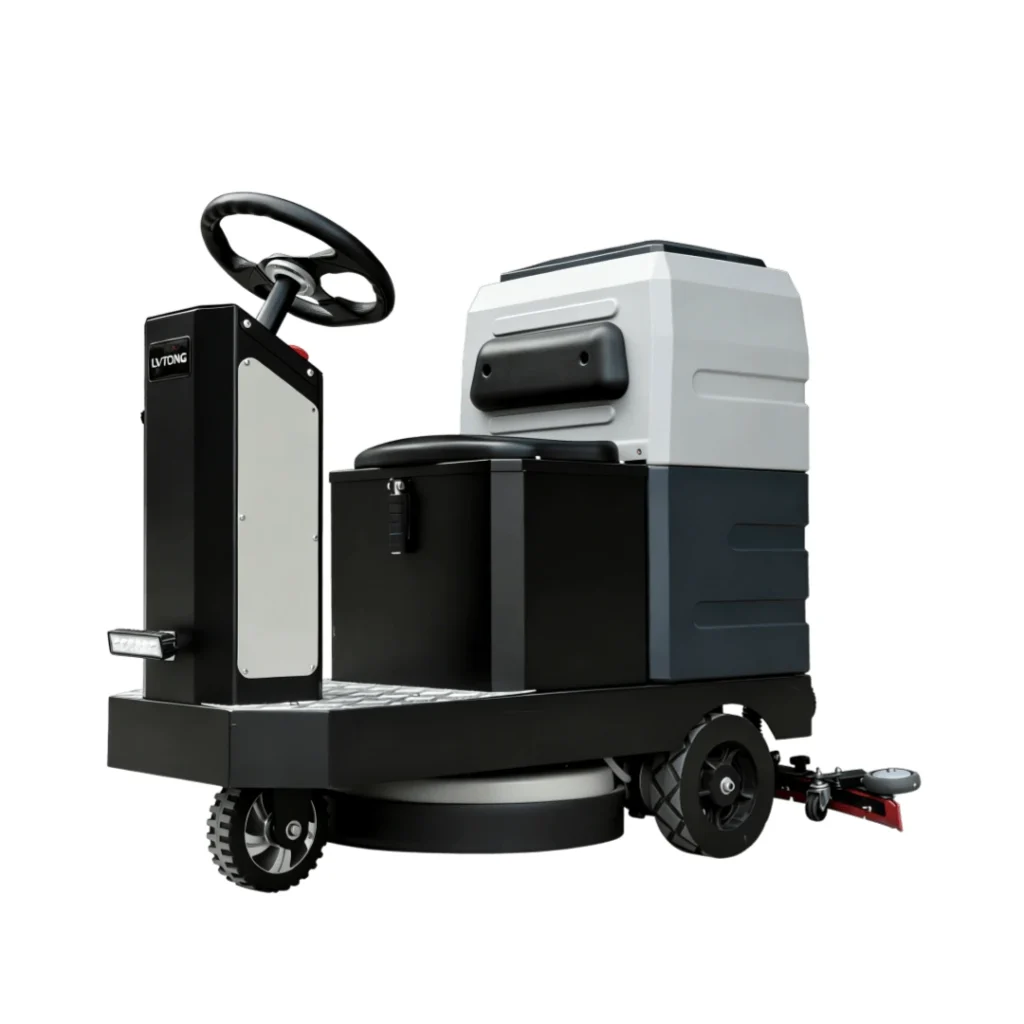
Baterias de fosfato de ferro-lítio: Com excelente estabilidade térmica e recursos de segurança, elas são a escolha preferida para equipamentos industriais. Seu ciclo de vida pode chegar a 2.000-5.000 vezes, superando em muito as 300-500 vezes das baterias de chumbo-ácido. Lavadora de pisos industriais LVTONG S5 Por exemplo, utiliza uma bateria de lítio de 24V 100AH.
Bateria de lítio ternária: Possui maior densidade de energia, maiores exigências para o sistema de gerenciamento de baterias (BMS) e requer um controle rigoroso da faixa de temperatura de carga e descarga.
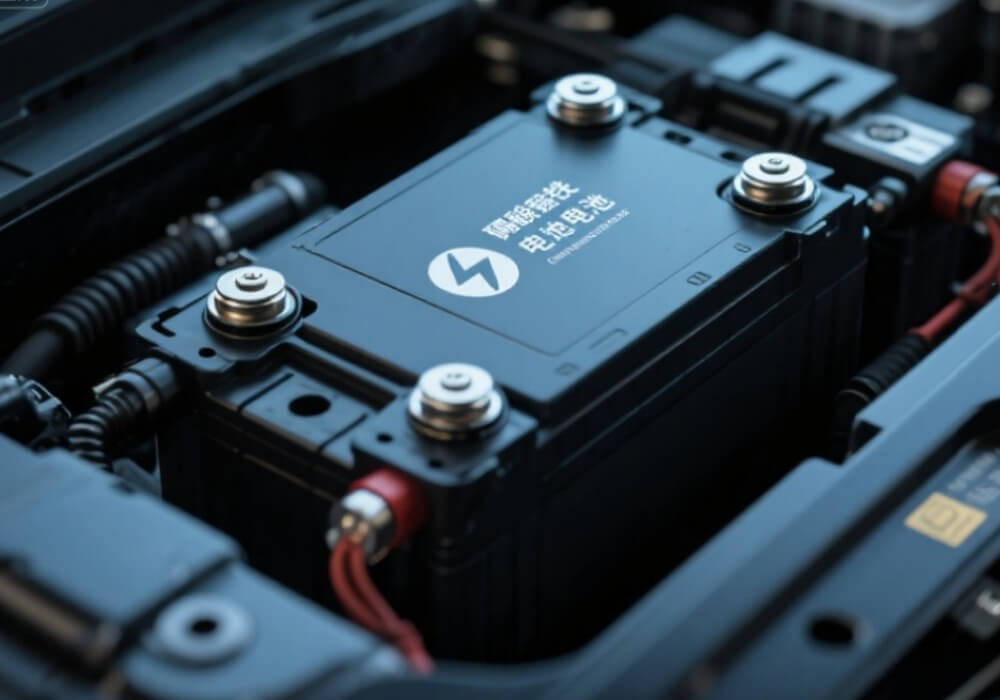
Baterias de níquel-cádmio
Este tipo de bateria oferece bom desempenho e longa vida útil. No entanto, sua eficiência de memória diminui com o tempo e devido a fatores ambientais. Portanto, seu uso não é generalizado.
Para a maioria das aplicações industriais de lavadoras de piso, as baterias de lítio são atualmente preferidas devido à sua eficiência, vida útil e menores custos operacionais a longo prazo.
Bateria de lítio versus bateria de chumbo-ácido para lavadora de pisos
As baterias de lítio e de chumbo-ácido são as duas opções mais comuns para lavadoras de piso. As baterias de chumbo-ácido geralmente têm um preço de compra mais baixo, enquanto as baterias de lítio geralmente oferecem maior vida útil, carregamento mais rápido, maior eficiência e menor necessidade de manutenção.
| Fator | Bateria de lítio para lavadora de pisos ery |
Bateria de chumbo-ácido para lavadora de pisos |
| Custo inicial | Mais alto | Mais baixo |
| Duração da bateria | Ciclo de vida mais longo | Ciclo de vida mais curto |
| Tempo de carregamento | Carregamento mais rápido | Carregamento mais lento |
| Manutenção | Baixa manutenção | Requer mais manutenção. |
| Estabilidade em tempo de execução | Saída mais estável | O desempenho pode cair mais rapidamente. |
| Eficiência energética | Mais alto | Mais baixo |
| Ideal para | Limpeza diária ou frequente | Uso pouco frequente ou com restrições orçamentárias |
| Custo a longo prazo | Geralmente diminui com o tempo. | Pode exigir mais substituições e manutenção. |
Para operações de limpeza de alta frequência, as baterias de lítio geralmente são uma opção a ser considerada, pois reduzem o tempo de inatividade para recarga e a necessidade de manutenção. Para uso ocasional, as baterias de chumbo-ácido ainda podem ser adequadas quando o orçamento inicial é a principal preocupação.
Tipo de bateria recomendado para lavadora de pisos, de acordo com o cenário de aplicação.
A escolha da bateria certa para uma lavadora de pisos depende não apenas da tecnologia da bateria, mas também do tipo de instalação, da frequência de limpeza, das horas de operação e dos requisitos de manutenção.
Diferentes aplicações exigem diferentes soluções de bateria. Uma bateria que funciona bem para limpeza comercial ocasional pode não ser a melhor escolha para ambientes industriais intensivos.
O guia a seguir ajuda os compradores a selecionar o tipo de bateria mais adequado com base nas condições reais de operação.
| Cenário de aplicação | Bateria recomendada | Por que esta bateria é compatível? |
|---|---|---|
| Pequenas instalações comerciais com limpeza ocasional. | Bateria de chumbo-ácido | Investimento inicial reduzido e adequado para cronogramas de limpeza limitados. |
| Escritórios, lojas de varejo e ambientes comerciais leves | Bateria selada de chumbo-ácido ou lítio | Oferece desempenho confiável com requisitos de manutenção moderados. |
| Armazéns com operações diárias de limpeza | Bateria de lítio | Carregamento mais rápido, maior vida útil e menor necessidade de manutenção em comparação com as baterias tradicionais. |
| Fábricas e instalações industriais | Sistema de bateria de lítio de alta capacidade | Adequado para longas jornadas de trabalho e ciclos de limpeza frequentes. |
| operações de limpeza em vários turnos | Bateria de lítio | Ajuda a reduzir as interrupções de carregamento e melhora a disponibilidade da máquina. |
| Instalações que exigem baixa manutenção | Bateria de lítio | Reduz a necessidade de manutenção rotineira da bateria e melhora a praticidade operacional. |
| Aplicações com restrições de custo e uso limitado. | Bateria de chumbo-ácido | Prático quando o custo inicial de aquisição é a principal prioridade. |
Antes de escolher uma bateria para lavadora de pisos, os compradores devem avaliar:
• Horas de limpeza necessárias por turno
• Tempo de carregamento disponível
• Tamanho da área de limpeza
• Carga de trabalho da máquina
• Frequência de substituição da bateria
• Custo total de propriedade
A melhor bateria para lavadora de pisos não é simplesmente aquela com as especificações mais altas. É a configuração da bateria que melhor se adapta ao fluxo de trabalho de limpeza real da instalação.
Qual a duração das baterias de uma lavadora de pisos?
A vida útil da bateria de uma lavadora de pisos depende do tipo de bateria, ciclos de carga e descarga, hábitos de carregamento, profundidade de descarga, temperatura de operação, manutenção e frequência de uso da máquina. Em geral, as baterias de lítio para lavadoras de pisos duram mais do que as baterias de chumbo-ácido.
As baterias de chumbo-ácido são frequentemente adequadas para limpezas de baixa frequência, mas geralmente exigem mais manutenção e podem precisar ser substituídas mais cedo. As baterias de lítio, especialmente as de LiFePO4, geralmente oferecem maior vida útil, carregamento mais rápido e melhor custo-benefício a longo prazo para limpeza diária em ambientes comerciais ou industriais.
Para prolongar a vida útil da bateria da lavadora de pisos, evite a descarga excessiva, use o carregador correto, mantenha a área de carregamento seca e ventilada, evite temperaturas extremas e inspecione a bateria regularmente para verificar se há inchaço, vazamento, odor ou aquecimento anormal.
Fatores de desempenho da bateria: capacidade, voltagem, carregamento e vida útil em ciclos.
O desempenho da bateria afeta diretamente a vida útil, o tempo de funcionamento, a eficiência de carregamento e a produtividade da limpeza de lavadoras de piso. Ao escolher uma bateria, preste atenção à capacidade, voltagem, velocidade de carregamento, ciclos de carga e descarga, taxa de autodescarga e densidade de energia.
Capacidade e tempo de execução
A capacidade da bateria determina a autonomia da lavadora de pisos. Geralmente, é expressa em amperes-hora (Ah), como 24V100AH, 24V120AH, etc. Em geral, quanto maior a capacidade, maior o tempo de funcionamento da lavadora de pisos após uma única carga.
Além disso, para lavadoras de piso industriaisA capacidade da bateria necessária varia de acordo com o tipo de lavadora de pisos. As lavadoras de pisos manuais têm potência relativamente baixa e, geralmente, atendem às necessidades diárias com baterias de especificações como 24V 100AH e 24V 120AH. Por outro lado, as lavadoras de pisos com operador a bordo têm potência relativamente alta e precisam ser equipadas com baterias de maior capacidade, como 24V 200AH e 24V 240AH, para garantir a autonomia da máquina.
Autonomia da bateria: especificações versus condições reais de funcionamento
A capacidade da bateria é um dos fatores mais importantes na escolha da bateria para uma lavadora de pisos, mas a capacidade nominal nem sempre representa o tempo real de limpeza.
Os fabricantes geralmente informam a autonomia da bateria em condições controladas. No entanto, o tempo de funcionamento real pode variar dependendo das condições do piso, da intensidade da limpeza e da operação da máquina.
Os seguintes fatores podem influenciar o desempenho real da bateria:
| Fator | Como isso afeta a duração da bateria |
|---|---|
| Condições do piso | Pisos ásperos, irregulares ou danificados podem exigir maior poder de limpeza. |
| Nível de sujeira | Solo pesado, óleo e contaminação industrial aumentam a carga de trabalho das máquinas. |
| Pressão da escova | Pressão mais alta da escova consome mais energia da bateria. |
| Rota de limpeza | Paradas, viradas e reinícios frequentes podem reduzir a eficiência. |
| Sistema de recuperação de vácuo | Uma maior demanda por recuperação de água pode aumentar o consumo de energia. |
| Hábitos do operador | A operação incorreta pode causar consumo desnecessário de bateria. |
| Configurações da máquina | Configurações de limpeza com maior intensidade geralmente exigem mais energia. |
Para instalações industriais, a seleção de baterias não deve ser baseada apenas na capacidade em Ampères-hora (Ah).
Um cálculo prático deve considerar:
Tempo de operação necessário = Horas de limpeza por turno + Condições reais de operação + Margem de segurança
Uma bateria adequada para lavadora de pisos deve completar o percurso de limpeza planejado sem interrupções inesperadas de carregamento.
Uma bateria que parece suficiente no papel pode não fornecer tempo de funcionamento suficiente em ambientes reais de armazém, fábrica ou logística.
Compatibilidade de voltagem
A voltagem deve corresponder à voltagem nominal do motor da lavadora de pisos. As voltagens comuns incluem 12V, 24V, 36V e 48V. Além disso, as baterias em série devem ser selecionadas da mesma marca, lote e com desempenho consistente para evitar a degradação do desempenho geral causada por incompatibilidade de desempenho.
Velocidade e eficiência de carregamento
A velocidade de carregamento é um fator importante que afeta a eficiência das lavadoras de piso industriais. As baterias de lítio carregam rapidamente, levando de 3 a 5 horas para uma carga completa. Já as baterias de chumbo-ácido têm uma velocidade de carregamento mais lenta, levando de 7 a 8 horas para uma carga completa.
Ciclos de vida útil e vida útil da bateria
A vida útil em ciclos refere-se ao número de ciclos de carga e descarga que uma bateria suporta sob determinadas condições. Quanto maior a vida útil em ciclos, maior a vida útil da bateria e menor o custo de uso a longo prazo. A vida útil em ciclos das baterias de chumbo-ácido é geralmente de 300 a 500 vezes, enquanto a das baterias de lítio é de 1000 a 2000 vezes.
Taxa de Autoalta
A taxa de autodescarga representa a velocidade com que a bateria perde energia automaticamente quando está ociosa. A taxa de autodescarga mensal das baterias de chumbo-ácido é de cerca de 3% a 5%, enquanto a das baterias de lítio é de apenas 1% a 2%.

Densidade de energia
Refere-se à energia armazenada em uma bateria por unidade de volume ou peso. Quanto maior a densidade de energia, mais eletricidade uma bateria pode armazenar no mesmo volume ou peso. lavadoras de piso industriaisAs baterias de lítio possuem densidade de energia superior à das baterias de chumbo-ácido.
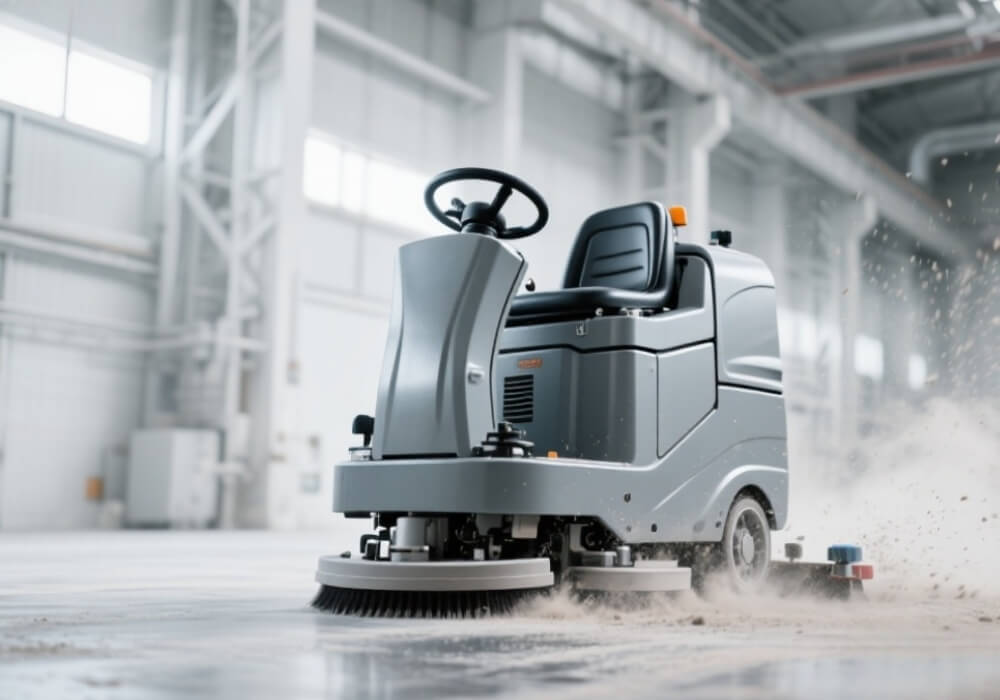
Custo da bateria da lavadora de pisos e retorno do investimento a longo prazo
O custo da bateria para lavadoras de piso não deve ser avaliado apenas pelo preço de compra inicial. Os compradores também devem comparar a eficiência de carregamento, o ciclo de substituição, o custo de manutenção, o consumo de energia, o risco de tempo de inatividade e o retorno do investimento a longo prazo.
| Bateria de lítio | Bateria de chumbo-ácido | |
| Custo de aquisição | 1400-2100$ | 400-700$ |
| Ciclo de vida | 2000 vezes | 500 vezes |
| Custo de manutenção | Substituir 3 vezes (5 anos) | Substituir uma vez (5 anos) |
| Custo do consumo de energia | A eficiência de carregamento é de aproximadamente 95%. | A eficiência de carregamento é de aproximadamente 80%. |
Custo Total de Propriedade: Baterias de Lítio vs. Baterias de Chumbo-Ácido para Lavadoras de Piso
Ao comparar baterias para lavadoras de piso, o menor preço de compra nem sempre representa o melhor custo-benefício a longo prazo.
Os compradores industriais devem considerar o custo total de propriedade, incluindo:
• Investimento inicial em baterias
• Tempo de carregamento
• Requisitos de manutenção
• Frequência de substituição da bateria
• Tempo de inatividade do equipamento
• Custos de mão de obra relacionados à manutenção
O custo total de propriedade geralmente oferece uma comparação mais precisa do que o preço de compra inicial.
| Fator de custo | Bateria de lítio | Bateria de chumbo-ácido |
|---|---|---|
| Custo de aquisição inicial | Investimento inicial mais elevado | Custo inicial mais baixo |
| Velocidade de carregamento | Capacidade de carregamento mais rápido | Tempo de carregamento mais longo |
| Requisitos de manutenção | Baixa manutenção | Requer manutenção mais regular. |
| Vida útil da bateria | Geralmente, uma vida útil mais longa. | Ciclo de substituição mais curto |
| Risco de tempo de inatividade | Menor risco de tempo de inatividade | Maior possibilidade de tempo de inatividade |
| Operação intensiva diária | Excelente escolha | Menos adequado para uso frequente e intenso. |
| Limpeza ocasional | Adequado, mas pode ter um custo inicial mais elevado. | Opção econômica prática |
Para armazéns, fábricas e instalações que utilizam lavadoras de piso diariamente, as baterias de lítio podem oferecer melhor custo-benefício a longo prazo, pois a redução da manutenção e do tempo de inatividade pode compensar o maior investimento inicial.
Para aplicações de limpeza ocasionais em que o orçamento é a principal preocupação, as baterias de chumbo-ácido ainda podem ser uma solução prática.
A escolha correta da bateria deve ser baseada no custo operacional total, e não apenas no preço de compra.
Análise de Retorno de Investimento
As baterias de lítio para lavadoras de piso geralmente têm um custo inicial de aquisição mais alto do que as baterias de chumbo-ácido, mas podem oferecer melhor custo-benefício a longo prazo em operações de limpeza de alta frequência. Carregamento mais rápido, maior vida útil, maior eficiência energética e menores requisitos de manutenção podem ajudar a compensar o custo inicial mais elevado ao longo do tempo.
Para uso pouco frequente, como limpeza menos de três vezes por semana, as baterias de chumbo-ácido podem ser mais econômicas. Para limpeza diária ou frequente, as baterias de lítio costumam ser a melhor opção, pois reduzem o tempo de inatividade, a frequência de substituição e a mão de obra de manutenção.
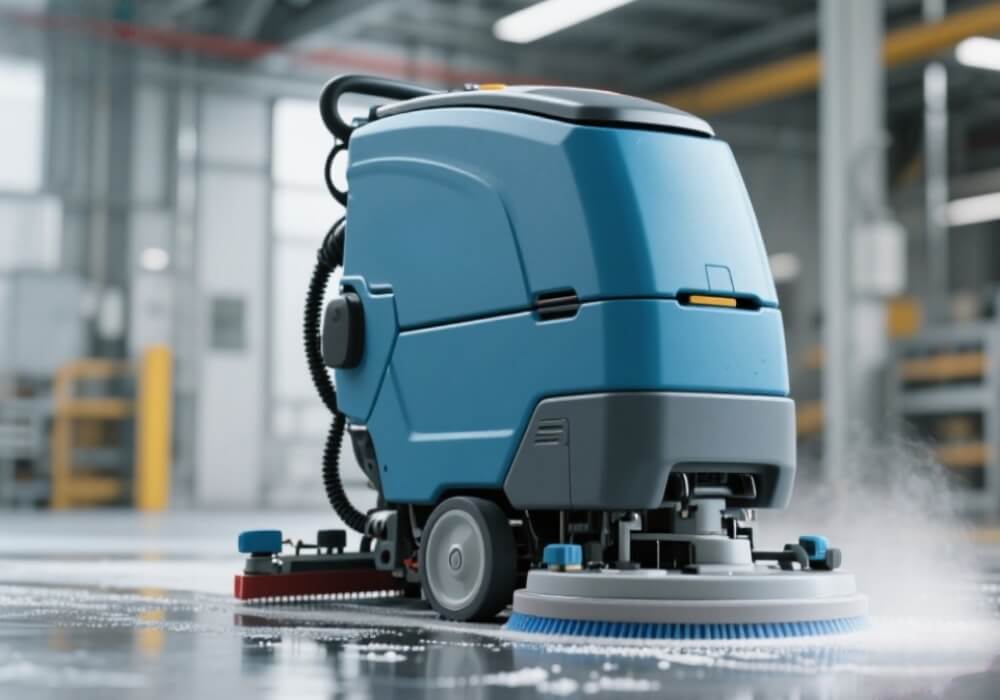
Impacto ambiental e emissões de carbono das baterias de lavadoras de piso
A escolha da bateria também afeta o desempenho ambiental, as emissões de carbono, a reciclagem e a sustentabilidade a longo prazo. Os compradores devem comparar não apenas a vida útil e o custo da bateria, mas também a eficiência energética, o impacto das matérias-primas, os sistemas de reciclagem e o ambiente operacional.
Adaptabilidade à temperatura
As baterias de chumbo-ácido apresentam uma redução de 20% a 30% na vida útil e na eficiência de carregamento em ambientes de baixa temperatura. Além disso, em ambientes de alta temperatura, a corrosão da grade e a evaporação da água são aceleradas, reduzindo a vida útil. Da mesma forma, as baterias de lítio também são afetadas pelas condições de temperatura. Em condições de baixa ou alta temperatura, a capacidade da bateria diminui. No geral, as baterias de lítio têm melhor adaptabilidade do que as baterias de chumbo-ácido, com uma faixa de temperatura de operação de -20 °C a 60 °C.
Desenvolvimento Sustentável
As baterias de lítio não contêm metais pesados como chumbo e cádmio e causam menos poluição ambiental do que as baterias de chumbo-ácido. No entanto, seu sistema de reciclagem não é tão eficiente quanto o das baterias de chumbo-ácido.
| Dimensão | Bateria de chumbo-ácido | Bateria de lítio |
| Extração de matéria-prima | O chumbo é altamente tóxico e representa uma séria ameaça à saúde. | Alto consumo de água |
| Fabricação | Consumo de energia e emissões de carbono relativamente baixos. | Alto consumo de energia e emissões de carbono |
| Fase de utilização | Baixa eficiência (70-85%), Pesado | Alta eficiência (>95%), alta densidade de energia |
| Sucata e Reciclagem | Taxa de recuperação extremamente alta (>99%) | Baixa taxa de recuperação |
| Durabilidade | Tempo de uso sustentável curto | Boa durabilidade |
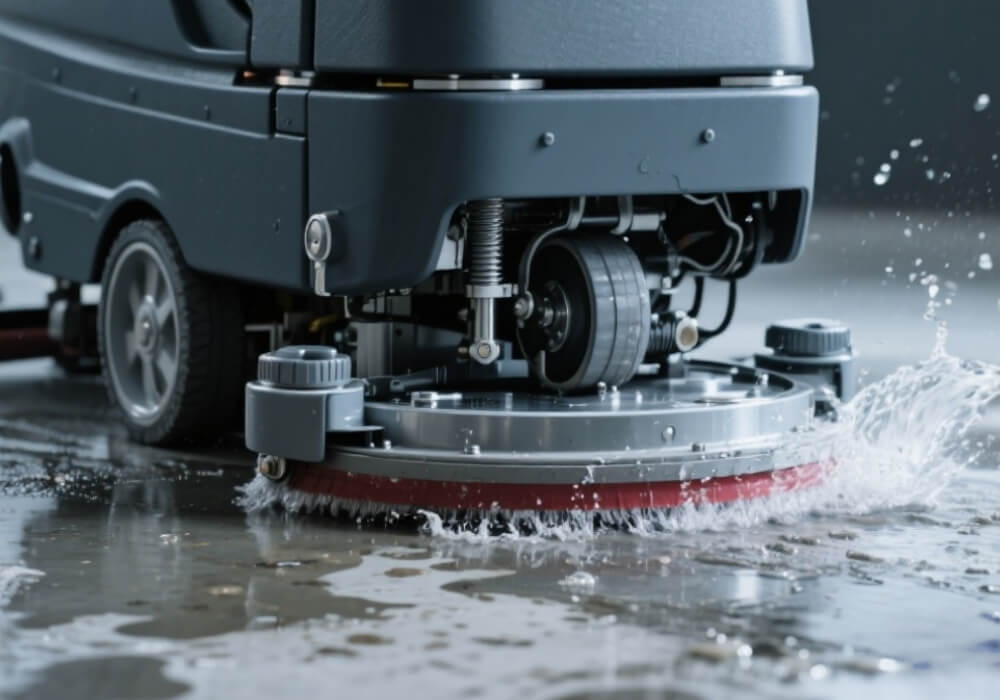
Proteção de segurança da bateria: sobrecarga, descarga excessiva, sobrecorrente e controle de temperatura.
A proteção da bateria é um dos fatores mais importantes que afetam a vida útil da bateria e a confiabilidade da lavadora de pisos. Um sistema de bateria seguro deve incluir proteção contra sobrecarga, proteção contra descarga excessiva, proteção contra sobrecorrente, proteção contra curto-circuito e controle de temperatura.
Bateria de chumbo-ácido
Os principais riscos são vazamento de eletrólito, corrosão e gases explosivos gerados durante o carregamento. Portanto, durante o uso, é necessário prestar atenção a alguns detalhes:
- Certifique-se de que a área de carregamento esteja bem ventilada.
- Fogos de artifício são proibidos.
- Evite o contato de metal entre os terminais positivo e negativo, pois isso pode causar um curto-circuito.
- Sempre abra a tampa do reservatório de água durante o carregamento para permitir que o gás escape.
Segurança das baterias de lítio
As baterias de lítio exigem um sistema de gerenciamento de bateria confiável, também conhecido como BMS. O BMS ajuda a monitorar a tensão, a corrente, a temperatura, o status de carga e o status de descarga. Ele pode proteger a bateria da lavadora de pisos contra sobrecarga, descarga excessiva, sobrecorrente, superaquecimento e curto-circuito.
A proteção contra descarga excessiva é especialmente importante porque a descarga profunda pode reduzir a vida útil da bateria, diminuir a capacidade útil e afetar o desempenho a longo prazo. Se uma máquina de limpeza de pisos funcionar frequentemente até a bateria descarregar completamente, o envelhecimento da bateria pode ser acelerado.
Recomendações para uso seguro
- A área de carregamento deve ser instalada em um local ventilado, seco e longe de materiais inflamáveis.
- É estritamente proibido misturar baterias de modelos diferentes ou com níveis de envelhecimento diferentes.
- Verifique regularmente a aparência da bateria para ver se há inchaço, vazamento ou odor. Se algum desses sintomas for detectado, pare de usar a bateria imediatamente.
- Equipamento adequado de combate a incêndios (extintores para incêndios elétricos)
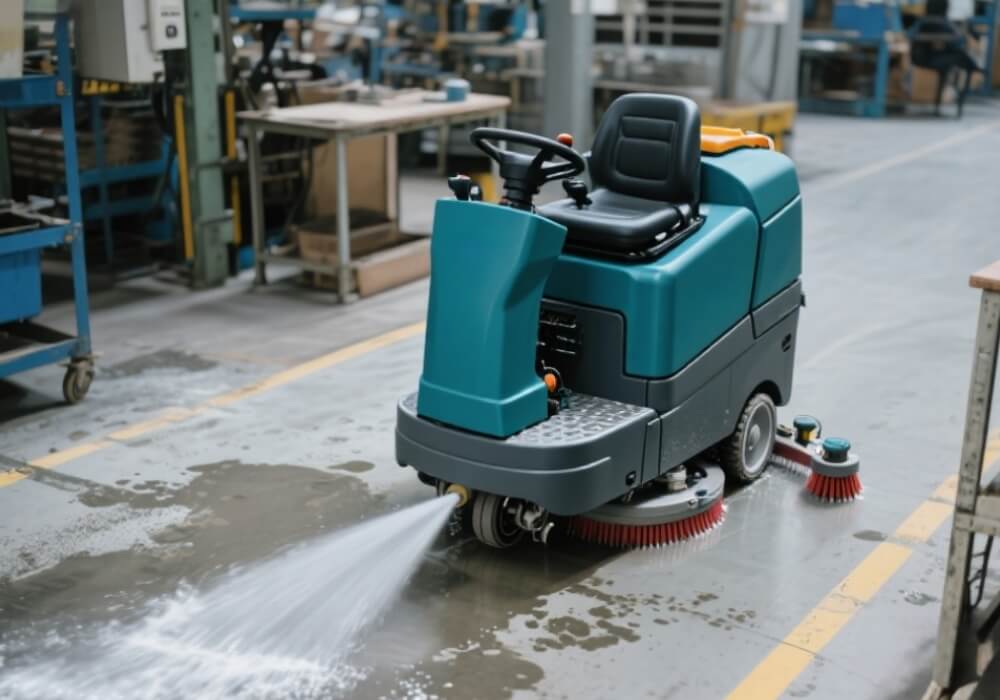
Serviço, garantia e compatibilidade com carregadores de bateria
A qualidade da bateria da lavadora de pisos afeta diretamente o tempo de funcionamento da máquina, a eficiência da limpeza, a segurança e o custo total. Ao escolher uma bateria, os compradores também devem verificar a compatibilidade com o carregador, o período de garantia, o suporte técnico, a disponibilidade de substituição e o serviço de reciclagem.
Ao avaliar um fornecedor de baterias, considere a tecnologia e a capacidade de P&D, as certificações CE, UL, RoHS ou outras relevantes, os casos de aplicação, o serviço pós-venda, o suporte para reparos e a disponibilidade de peças de reposição. Um fornecedor de baterias confiável deve oferecer termos de garantia claros, orientações corretas de carregamento e suporte técnico a longo prazo.
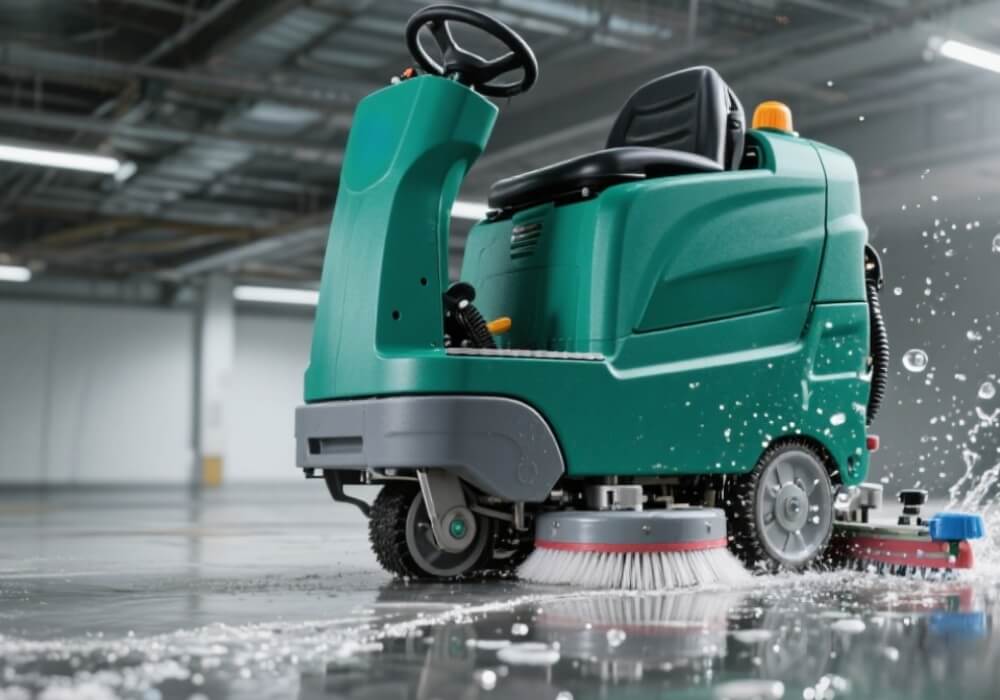
Lista de verificação de manutenção da bateria da lavadora de pisos
A manutenção adequada da bateria afeta diretamente o desempenho da limpeza, a confiabilidade do equipamento e a vida útil da bateria.
Uma bateria bem conservada ajuda a reduzir o tempo de inatividade inesperado e mantém as lavadoras de piso comerciais funcionando de forma consistente.
| Item de manutenção | Ação recomendada |
|---|---|
| Compatibilidade do carregador | Utilize sempre o carregador correto, projetado para a voltagem e a composição química da bateria. |
| hábitos de carregamento | Evite descargas profundas desnecessárias e siga os procedimentos de carregamento recomendados. |
| Terminais da bateria | Mantenha os terminais limpos e inspecione-os quanto à corrosão ou conexões soltas. |
| Ambiente de carregamento | Mantenha as áreas de carregamento secas, ventiladas e longe de temperaturas extremas. |
| Condição da bateria | Verifique se há aquecimento anormal, inchaço, vazamento ou alterações incomuns no desempenho. |
| Condições de armazenamento | Siga os procedimentos de armazenamento recomendados quando o equipamento não estiver em uso. |
| Operação diária | Evite sobrecarga desnecessária e práticas de limpeza ineficientes. |
Uma rotina de manutenção preventiva deve incluir inspeção regular, procedimentos corretos de carregamento e monitoramento do desempenho da bateria.
A manutenção da bateria deve ser considerada parte da manutenção geral da lavadora de pisos, pois a condição da bateria afeta diretamente a produtividade da limpeza e os custos operacionais.
Como escolher a bateria certa para lavadora de pisos
Escolher a bateria certa para uma lavadora de pisos exige um equilíbrio entre vida útil da bateria, tempo de funcionamento, velocidade de carregamento, segurança, manutenção, custo e compatibilidade com a máquina.
Utilize esta lista de verificação antes de tomar uma decisão:
- Escolha baterias de lítio para limpeza diária ou de alta frequência.
- Escolha baterias de chumbo-ácido para uso com baixa frequência ou para orçamentos limitados.
- A voltagem da bateria deve ser compatível com a do motor e do carregador da lavadora de pisos.
- Selecione a capacidade da bateria com base nas horas de funcionamento e na área a ser limpa.
- Compare a vida útil do ciclo e as necessidades de substituição previstas.
- Verifique o tempo e o ambiente de carregamento.
- Certifique-se de que a bateria tenha proteção contra sobrecarga, descarga excessiva, sobrecorrente e temperatura.
- Avalie o custo a longo prazo, não apenas o preço de compra inicial.
- Confirme a garantia, o suporte técnico e a disponibilidade de peças de reposição.
- Elabore um plano de gerenciamento de baterias para carregamento, uso, manutenção, armazenamento e reciclagem.
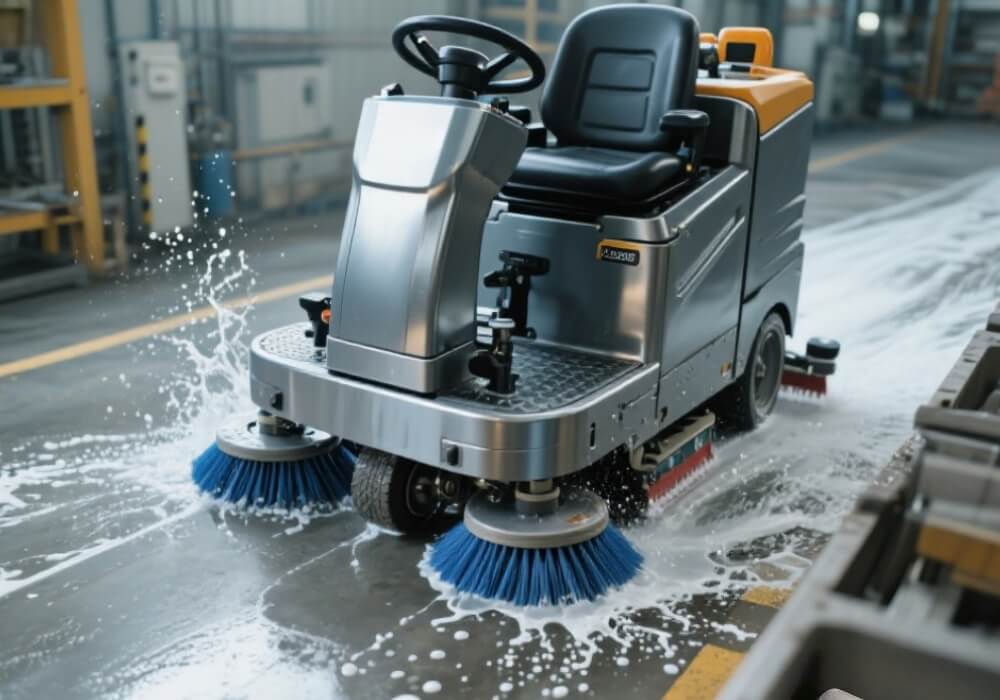
A escolha da bateria afeta o tempo de funcionamento, o custo de manutenção e a eficiência da limpeza. A bateria ideal para a lavadora de pisos depende da frequência de uso e dos requisitos operacionais.
Lista de verificação para compra de baterias para lavadora de pisos
Antes de comprar uma lavadora de pisos a bateria, os compradores devem avaliar mais do que apenas o tipo e a capacidade da bateria.
A lista de verificação a seguir ajuda a garantir que a bateria selecionada atenda aos requisitos da instalação.
| Lista de compras | Por que isso importa |
|---|---|
| Compatibilidade de voltagem da bateria | Garante o funcionamento correto da bateria com o sistema de lavagem de pisos. |
| Capacidade da bateria | Determina se a máquina consegue completar o percurso de limpeza necessário. |
| Tempo de execução esperado | Ajuda a evitar interrupções inesperadas no carregamento. |
| Tempo de carregamento | Afeta os horários de limpeza diários e a produtividade. |
| Vida útil da bateria | Influencia a frequência de substituição e o custo a longo prazo. |
| Compatibilidade do carregador | Previne problemas de carregamento e danos à bateria. |
| Recursos de proteção de segurança | Melhora a confiabilidade operacional |
| Disponibilidade de bateria de substituição | Reduz o tempo de inatividade futuro. |
| Suporte técnico | Ajuda a resolver problemas operacionais rapidamente. |
| Custo total de propriedade | Oferece uma comparação realista de investimentos a longo prazo. |
Escolher a configuração correta da bateria da lavadora de pisos ajuda a melhorar a produtividade, reduzir o tempo de inatividade e gerar custos de limpeza mais previsíveis.
Para aplicações de limpeza industrial, a seleção da bateria deve sempre considerar o ambiente operacional completo, e não uma única especificação.
Perguntas frequentes sobre a duração da bateria da lavadora de pisos
Qual a melhor bateria para lavadora de pisos de uso industrial?
Para limpeza industrial de alta frequência, as baterias de lítio para lavadoras de piso geralmente são a melhor opção, pois oferecem maior vida útil, carregamento mais rápido, menor necessidade de manutenção e funcionamento mais estável. Para uso de baixa frequência ou orçamentos limitados, as baterias de chumbo-ácido ainda podem ser uma opção viável.
Qual a duração da bateria de uma lavadora de pisos?
A duração da bateria de uma lavadora de pisos depende do tipo de bateria, ciclos de carga e descarga, hábitos de carregamento, temperatura, profundidade de descarga e manutenção. As baterias de lítio geralmente duram mais do que as de chumbo-ácido e são mais adequadas para operações de limpeza diárias.
Qual é a melhor opção: bateria de lítio ou de chumbo-ácido para lavadora de pisos?
As baterias de lítio são melhores para limpeza diária ou frequente, pois carregam mais rápido, duram mais e exigem menos manutenção. As baterias de chumbo-ácido geralmente são mais baratas inicialmente e podem ser adequadas para uso ocasional.
Qual o tamanho da bateria necessário para uma lavadora de pisos autopropelida?
A bateria de uma lavadora de pisos autopropelida deve ser compatível com a voltagem da máquina, a potência do motor, as horas de trabalho e a área a ser limpa. Lavadoras autopropelidas maiores geralmente precisam de baterias com maior capacidade para manter um tempo de funcionamento estável durante longas tarefas de limpeza.
Qual a voltagem das baterias de lavadoras de piso?
As voltagens mais comuns para baterias de lavadoras de piso são 12V, 24V, 36V e 48V. A voltagem da bateria deve ser compatível com a voltagem nominal do motor e do carregador da máquina. Voltagens incompatíveis podem reduzir o desempenho ou danificar o equipamento.
Qual a melhor bateria para uma lavadora de pisos industrial?
A melhor bateria para uma lavadora de pisos industrial depende da frequência de limpeza, das horas de trabalho e dos requisitos da instalação.
As baterias de lítio são geralmente preferidas para limpeza industrial diária porque proporcionam carregamento mais rápido, maior vida útil e menores requisitos de manutenção.
As baterias de chumbo-ácido ainda podem ser adequadas para aplicações de limpeza ocasionais, onde o custo inicial de aquisição é a principal consideração.
Quanto tempo dura a bateria de uma lavadora de pisos?
A vida útil da bateria de uma lavadora de pisos depende do tipo de bateria, dos hábitos de carregamento, do ambiente de operação e da qualidade da manutenção.
As baterias de lítio geralmente oferecem uma vida útil mais longa em comparação com as baterias de chumbo-ácido tradicionais, especialmente em aplicações de limpeza comerciais e industriais de alta frequência.
Vale a pena o custo mais elevado das baterias de lítio para lavadoras de piso?
As baterias de lítio para lavadoras de piso geralmente exigem um investimento inicial maior, mas podem oferecer melhor custo-benefício a longo prazo, graças ao carregamento mais rápido, menores necessidades de manutenção, tempo de inatividade reduzido e intervalos de substituição mais longos.
Para instalações que utilizam máquinas de limpeza com frequência, a vantagem em termos de custo total pode se tornar significativa ao longo da vida útil do equipamento.
Posso substituir a bateria de chumbo-ácido de uma lavadora de pisos por uma de lítio?
Em muitos casos, a substituição de baterias de chumbo-ácido por baterias de lítio é possível, mas a compatibilidade deve ser confirmada.
Antes de fazer um upgrade, os compradores devem verificar a voltagem da bateria, a compatibilidade do carregador, o espaço disponível para instalação, os requisitos do sistema de gerenciamento de bateria e as recomendações do fabricante.
Conclusão: Escolhendo a bateria certa para maior vida útil da bateria da lavadora de pisos
A escolha da bateria ideal para uma lavadora de pisos depende da frequência de limpeza, da autonomia necessária, das condições de carregamento, da proteção de segurança, da facilidade de manutenção e do custo operacional a longo prazo. Para operações de limpeza de alta frequência, as baterias de lítio geralmente oferecem maior vida útil, carregamento mais rápido, menor necessidade de manutenção e melhor custo-benefício a longo prazo. Para uso de baixa frequência, as baterias de chumbo-ácido ainda podem ser uma opção economicamente viável.
Antes de tomar uma decisão, compare as baterias de lítio e de chumbo-ácido para lavadoras de piso considerando capacidade, voltagem, velocidade de carregamento, ciclos de vida útil, proteção de segurança, impacto ambiental, suporte técnico e necessidade de substituição. A bateria certa pode melhorar a eficiência da limpeza, reduzir o tempo de inatividade, prolongar a vida útil da máquina e diminuir o custo operacional total.