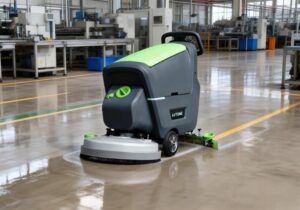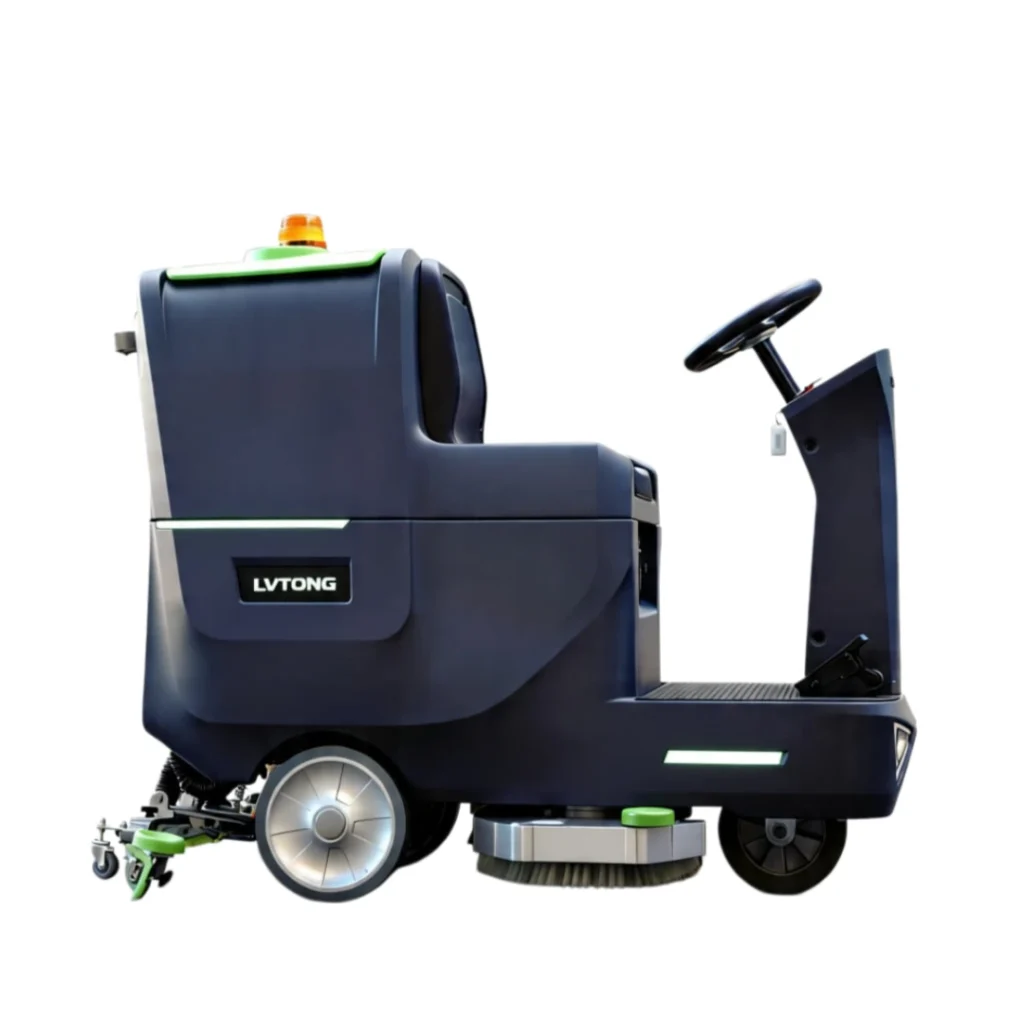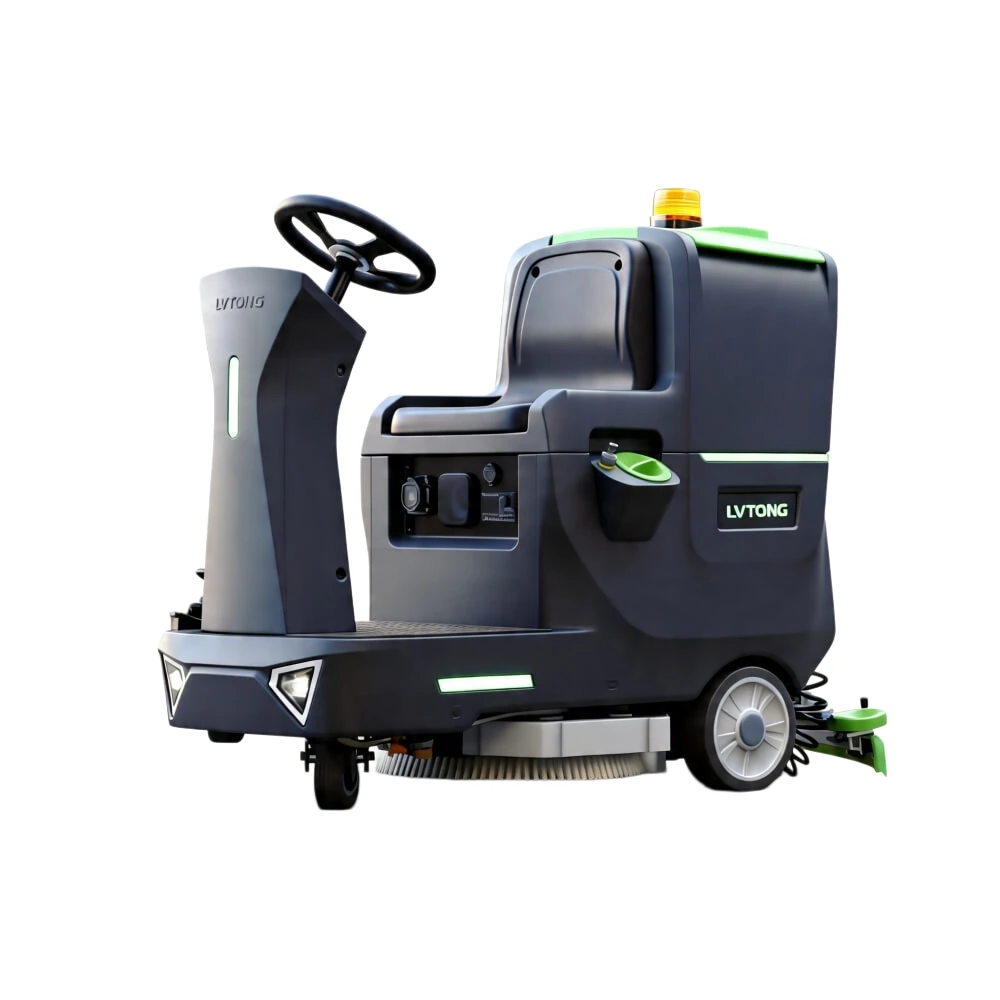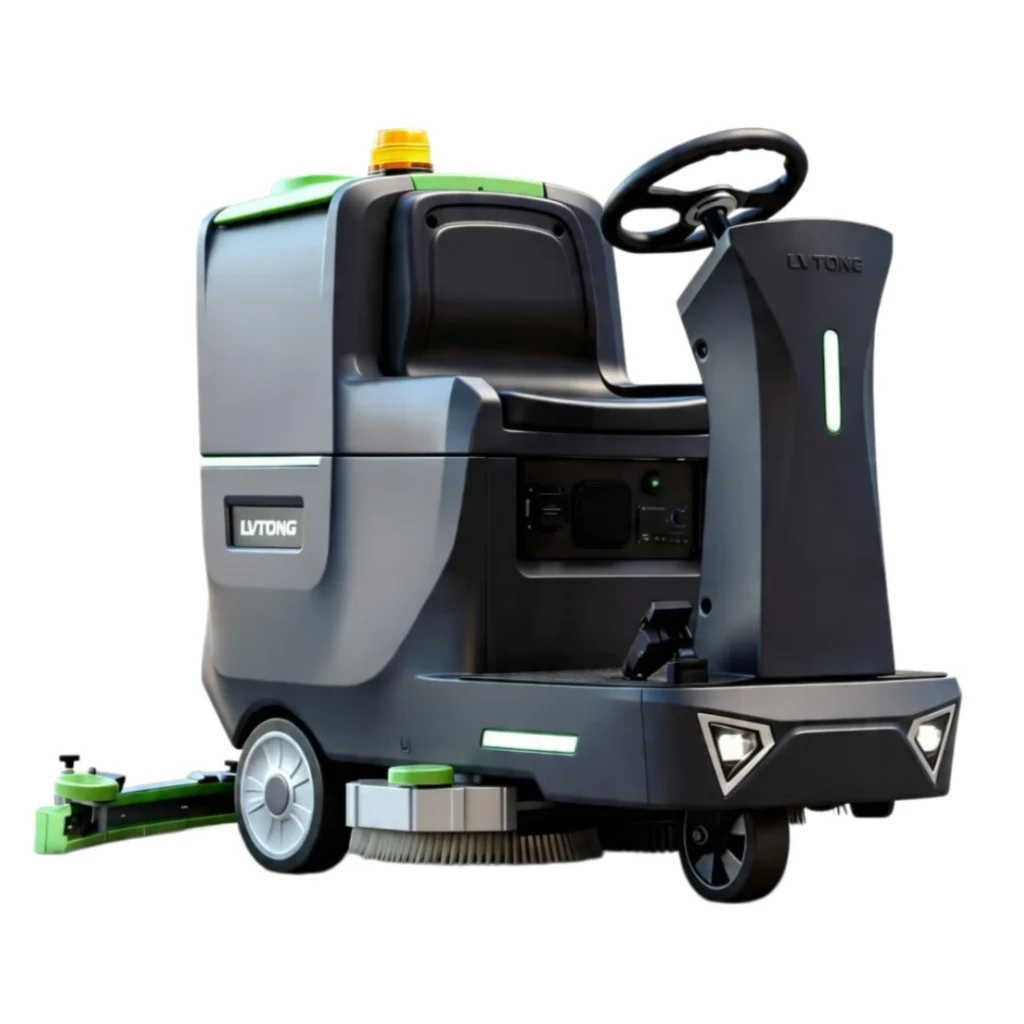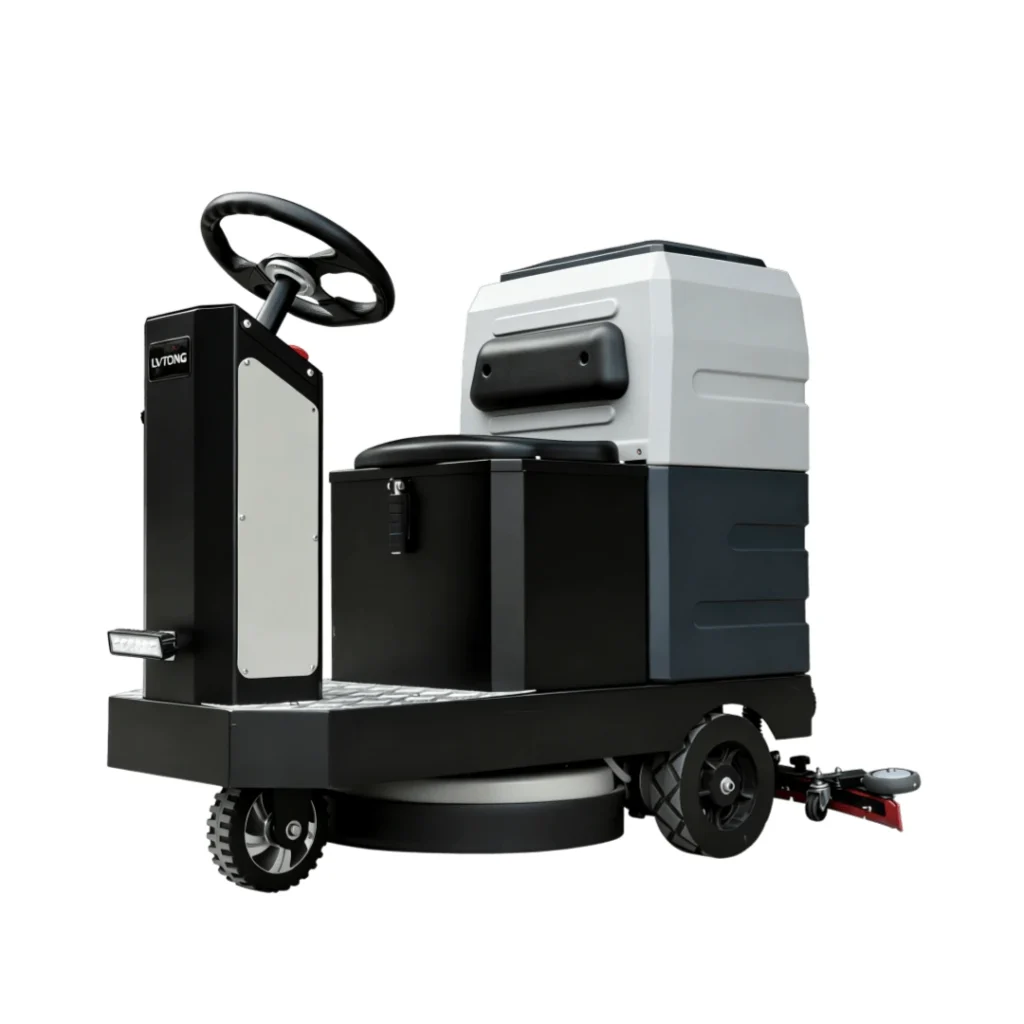


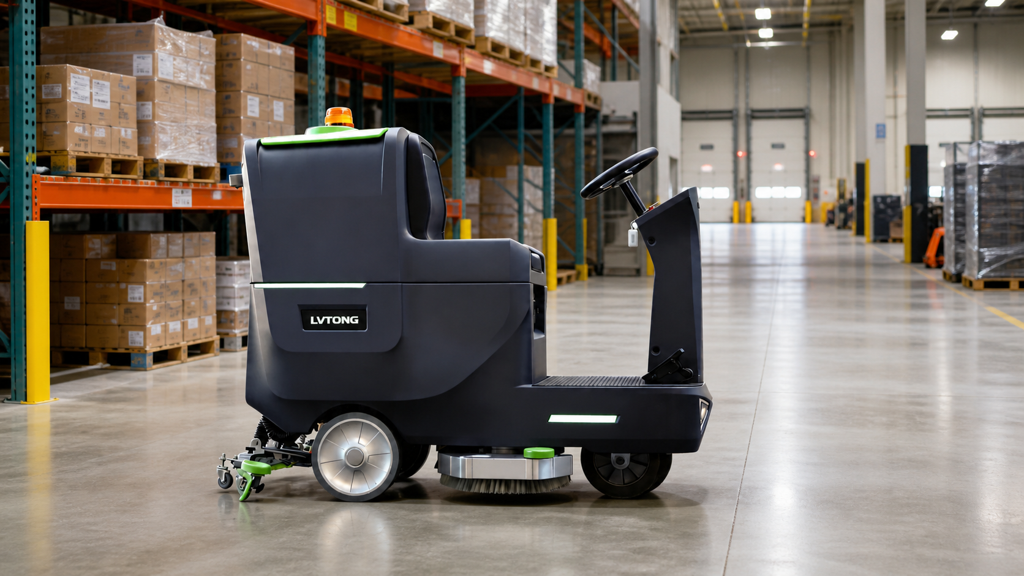
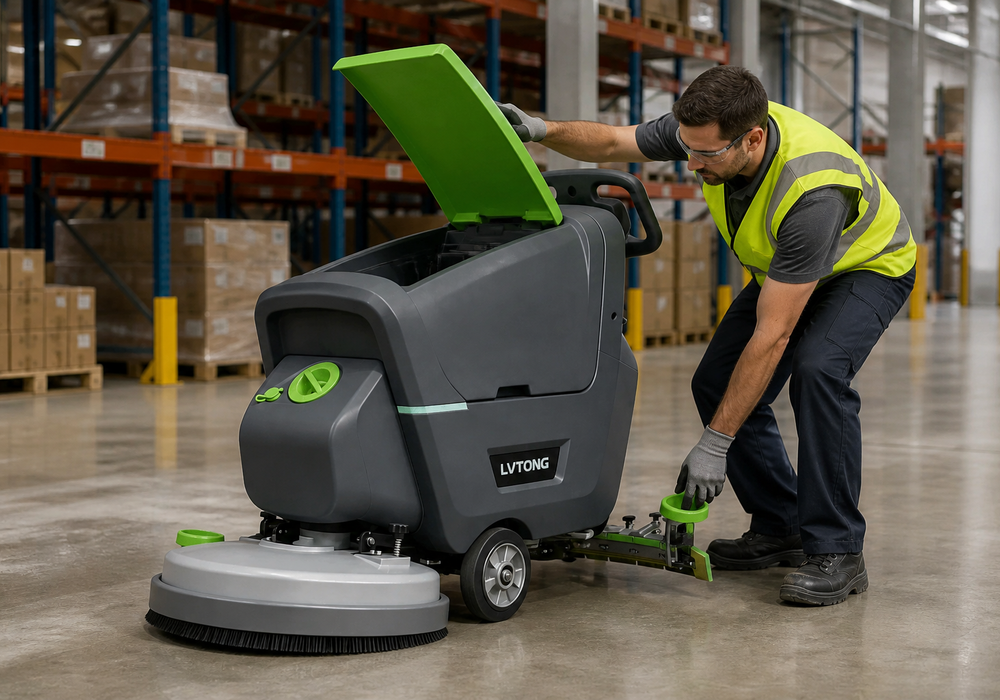
The most effective way to extend the life of your floor scrubber is to make consistent care part of every shift. Maintenance does not have to be complicated. We recommend starting at the end of every shift: drain and rinse both tanks, clear the recovery system, wash the brush or pad, wipe the squeegee blades, and leave the machine open to dry. Before you use it again, take a minute to inspect the hoses, blades, wheels, cables, battery, and controls.
From there, build in a weekly check of filters and wear parts, plus a monthly inspection of fasteners, seals, electrical connections, and the solution-delivery system. Your machine, battery, and charger manuals should always have the final word. If you spot a leak, an unsafe wet path, damaged wiring, unusual heat or odor, or an error that returns after basic cleaning, stop using the scrubber and arrange qualified service. A short, documented routine helps you protect cleaning quality, battery runtime, equipment service life, and everyone who uses the floor.
Floor Scrubber Life-Extension Routine at a Glance
- Before every shift: inspect the machine, confirm the correct brush or pad, check the squeegee and hoses, and verify battery charge.
- After every shift: empty and rinse both tanks, clean the pickup path, wash wear parts, and park with the brush deck and squeegee raised.
- Weekly: clean filters, inspect cables and terminals, check blade edges, and record abnormal noise, vibration, or water pickup.
- Monthly: inspect fasteners, wheels, seals, vacuum components, and solution flow; schedule trained service for electrical or drive faults.
- During storage: leave clean tanks open to air-dry, keep the machine in a ventilated area, and follow the battery maker's storage instructions.
Protect Service Life by Starting With Safety and the Correct Manual
Turn the machine off, remove the key when fitted, disconnect it from charging power, and secure it against movement before maintenance. Wear the personal protective equipment required by your chemical safety data sheet and site procedure. Never reach beneath a raised deck or work on energized wiring unless you are trained and authorized.
Dry pickup is not merely a cosmetic result. The OSHA walking-working surface requirements state that workplace floors must be kept clean and, to the extent feasible, dry, while hazardous conditions must be corrected or guarded. If your scrubber is leaving water behind, isolate the area and correct the pickup problem before returning the machine to normal duty.
Use this guide as a working framework, then match each interval and consumable to the operator manual. Brush pressure, approved detergent, charger sequence, lubrication points, and service access differ by model. If routine operator care is no longer enough, our LVTONG cleaning equipment maintenance support team can help you choose the right technical-support path.
Daily Checks That Help Extend Floor Scrubber Life
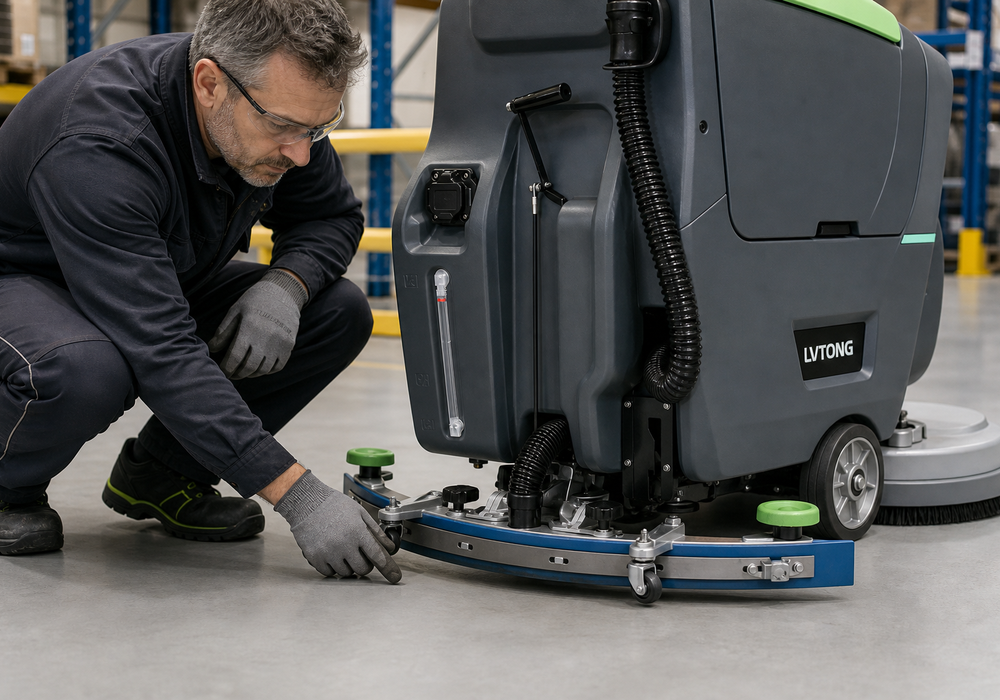
Start with a quick walk-around before you fill the machine. Look for a loose drain cap, a split vacuum hose, damaged wiring, fluid beneath the scrubber, or string and shrink wrap caught around a wheel. Run a clean finger along the working edge of the squeegee blade; even a small chip can leave a long wet line. You should also confirm that the float shutoff and recovery filter are clean and seated correctly.
Pad or brush selection should reflect both the floor finish and the type of soil being removed. A pad that is too aggressive can damage a finish, while one that is too soft may simply polish over oily residue. Before you scrub, sweep up wire, pallet splinters, packaging straps, and other large debris. These items can block the recovery path or wrap around the brush hub.
Check the battery state and inspect the cables and connectors you can safely access. Lithium, AGM, gel, and flooded lead-acid batteries do not share the same charging or watering rules, so please do not treat them as interchangeable. For flooded batteries, follow the battery manufacturer's instructions. OSHA's powered-industrial-truck guidance also recommends checking the water level after charging and adding distilled or de-ionized water only when the level is below the indicator. Treat this as general lead-acid battery safety guidance rather than a replacement for the machine-specific manual. Never add water to a sealed battery.
After-Shift Care That Prevents Premature Wear
Drain and Rinse the Recovery Tank to Prevent Buildup
Drain dirty water at an approved disposal point. Rinse the tank from the top down, clear sediment from the corners, and clean the debris screen, float cage, and shutoff parts that the manual allows you to remove. Flush the recovery hose with clean water, taking care not to push debris farther into a restricted fitting. When you are finished, leave the lid open in the designated storage area so moisture can escape. Otherwise, standing soil and detergent can create odor, coat sensors, and harden around drains.
Empty the Solution Tank to Protect Valves and Lines
It may be tempting to leave mixed detergent in the machine for tomorrow, but we do not recommend it. As water evaporates, the concentration can change, while old or incompatible chemistry can gel or leave scale in valves and lines. Drain the tank according to your site rules, rinse it, and inspect the solution filter. Use only detergent approved for automatic scrubbers and for the floor you are cleaning; too much foam can reach the vacuum system and disrupt recovery.
Clean the Brush, Pad, and Squeegee to Reduce Wear
Remove the brush or pad when the manual allows it, then wash away grit, hair, fibers, and chemical residue. Replace a torn pad, and retire a brush that has reached its wear limit or developed uneven bristles. Clean both squeegee blades and the channel between them. If an edge is rounded, nicked, permanently curled, or chemically swollen, rotate it only when the design permits; otherwise, replace it.
Raise the brush deck and squeegee before you park. Leaving either pressed against the floor can deform a blade or create a flat spot in a brush. Finish by wiping the exterior with a damp cloth, while keeping direct spray away from controls, charging sockets, motors, and electrical enclosures.
Weekly and Monthly Checks for Longer Equipment Life
| Freqüência | Maintenance task | What to record or escalate |
|---|---|---|
| Semanalmente | Clean solution and recovery filters; inspect hoses, gaskets, drain caps, blades, brush hubs, and wheels. | Leaks, repeated clogs, cuts, swelling, uneven wear, or a wheel that does not turn freely. |
| Semanalmente | Inspect accessible battery cables and terminals; complete the approved charge cycle. | Loose or hot connections, corrosion, damaged insulation, reduced runtime, or charger alarms. |
| Mensal | Check fasteners, pivots, seals, caster movement, vacuum pickup, and solution flow. | Unusual vibration, recurring streaks, weak suction, intermittent flow, or loose assemblies. |
| By meter/manual | Complete manufacturer-scheduled inspection, lubrication, diagnostics, and wear-part replacement. | Service date, hour-meter reading, parts used, technician, and next due date. |
A calendar helps, but ownership matters just as much. Assign every task to a person. Your log can stay simple: record the date, hour-meter reading, operator, observation, corrective action, and whether the machine is ready, restricted, or out of service. That is how we turn preventive maintenance from a good intention into a repeatable control.
Extend Battery and Charger Life Without Guesswork
Charge in the ventilated location specified by the battery and charger manufacturers. Inspect plugs before connection, keep the charger dry, and avoid pulling a plug by its cable. Use the charger profile approved for the installed battery chemistry. Mixing batteries, changing chemistry, or substituting a charger without engineering approval can damage the pack and create a safety risk.
Track runtime under comparable conditions. A single short shift may reflect high brush pressure, a steep route, cold conditions, or an incomplete charge; a repeated decline deserves inspection. Do not open a lithium pack or bypass a battery-management warning. Do not clean corrosion while a battery is charging. Battery service belongs to trained personnel whenever the manual requires it.
If you are comparing energy use with maintenance demands, our electric floor scrubber energy and operating-cost guide can provide more operating context. Energy claims should still be checked against your route, floor, soil load, and charging records.
Diagnose the Cleaning Result Before Replacing Parts
- A wet stripe follows the machine: clean the blade, remove trapped grit, confirm blade contact, and inspect for a nick at the same position as the stripe.
- The entire path stays wet: check the full recovery tank, float shutoff, recovery filter, hose blockage, hose connection, and vacuum operation.
- The floor is streaky but mostly dry: inspect the pad or brush, detergent dose, dirty solution, blade cleanliness, and whether loose debris was removed first.
- Solution flow is weak: confirm tank level and control setting, then clean only the operator-serviceable filter and nozzle points listed in the manual.
- Runtime has dropped: verify a completed charge, inspect connectors, compare the same route and settings, and refer persistent loss to battery service.
- The recovery tank smells: clean the tank, drain hose, filter, float cage, and accessible recovery path, then allow every part to dry.
Stop troubleshooting at the operator level if a breaker repeatedly trips, wiring is damaged, a motor overheats, fluid reaches electrical parts, the drive behaves unpredictably, or an error immediately returns. Tag the machine out and provide the technician with the fault code, operating conditions, and maintenance log.
Applying Life-Extension Maintenance to LVTONG Scrubbers
We build both walk-behind and ride-on scrubbers, so the maintenance emphasis changes with the working environment. A compact machine used among racks encounters wrapping film and tight turns; a ride-on unit covering broad industrial floors adds drive, steering, and larger recovery-system checks. The following figures are drawn from the linked LVTONG product pages. They are operating specifications, not promises that every facility will achieve the same output.
| LVTONG model | Published detail | Maintenance implication |
|---|---|---|
| lavadora de piso industrial LT-S530X | 530 mm scrubbing width; 62 L solution and 65 L recovery tanks; 2,100 m²/h stated efficiency. | Inspect the curved squeegee and closed drainage path daily; clear aisle debris before the brush reaches it. |
| lavadora de piso industrial LT-S560X | 560 mm scrubbing width; one-key operation and charging protection are highlighted; 85L solution and 90L recovery tank; 2100㎡/h cleaning efficiency | Add steering, drive-wheel, seat-area, connector, and control checks to the tank and squeegee routine. |
| Lavadora de piso autopropelida LT-S860X | 860 mm scrubbing width, dual disc brushes, IoT connectivity, and fault warning are published features. | Inspect both brushes for matched wear and record fault warnings before clearing or escalating them. |
A useful official application scenario is the 200,000 m² cargo area at Guangzhou Airport, where large concrete floors collect a mixture of dust and oil while frequent vehicle traffic reduces cleaning efficiency. The LT-S860X addresses these conditions with a large-capacity brush head and an efficient water-recovery system, supporting up to five hours of continuous operation. It can clean approximately 60,000 m² per session, helping maintain a clean floor while minimizing operational interruptions. For more help matching methods to floor conditions and soil types, you can also read our guide to cleaning interior concrete floors.

With more than two decades of production experience, we support cleaning equipment from product development through after-sales service. We aim to reply to service messages within 24 hours. When contacting support, provide the machine model, serial number, hour-meter reading, battery type, fault code, photographs, and a short description of what changed.
Perguntas frequentes
How long does a commercial floor scrubber usually last?
There is no single lifespan that fits every machine. Usage intensity, floor conditions, operator training, parts availability, and repair history all matter. A well-built scrubber can remain productive for several years, but the best replacement signal is its total cost of ownership: watch downtime, service frequency, cleaning results, and the availability of supported parts rather than age alone.
Is it better to repair or replace an old floor scrubber?
Repair is usually sensible when the fault is isolated, the machine is otherwise reliable, and parts are readily available. Replacement becomes easier to justify when breakdowns repeat, downtime affects operations, major systems are failing together, or repair spending is approaching the value of a newer machine. Ask for a written assessment that compares the repair, remaining service life, and replacement cost.
Is a floor scrubber maintenance contract worth it?
It can be, especially when you operate several machines, clean on a tight schedule, or cannot absorb long periods of downtime. Compare the visit frequency, response time, labor and travel charges, parts coverage, emergency support, and exclusions. The right contract should make service costs and responsibilities more predictable—not simply add another fee.
What does a floor scrubber warranty usually cover?
Coverage varies by manufacturer and model. Warranties commonly focus on defects in specified components for a defined period, while consumables and normal-wear items—such as pads, brushes, and squeegee blades—may be excluded. Damage from misuse, unapproved parts, incorrect charging, or unauthorized repairs may also fall outside coverage. Read the written terms and keep purchase and service records.
How do I order the correct replacement parts for my floor scrubber?
Start with the exact model, serial number, and the part number shown in the machine’s parts manual. If the number is unclear, send the supplier a clear photo, the part’s location, and relevant measurements. Confirm compatibility before ordering batteries, chargers, motors, controllers, brushes, or squeegee assemblies; a part that looks similar may not match the machine’s electrical rating or geometry.
Conclusão
Extending the service life of a floor scrubber comes down to a consistent routine rather than occasional repairs. Cleaning the tanks, recovery path, brush or pad, and squeegee after each shift—supported by regular battery, filter, hose, seal, and wear-part inspections—helps preserve cleaning performance, runtime, and safe operation. Follow the machine-specific manual, keep clear maintenance records, and stop using the scrubber when electrical faults, leaks, overheating, or recurring errors require qualified service.
If you would like help refining a maintenance schedule, identifying compatible parts, or deciding when professional service may be appropriate, you are welcome to explore our floor scrubber maintenance support. Our team can review your machine model and operating conditions and suggest a suitable next step without obligation.