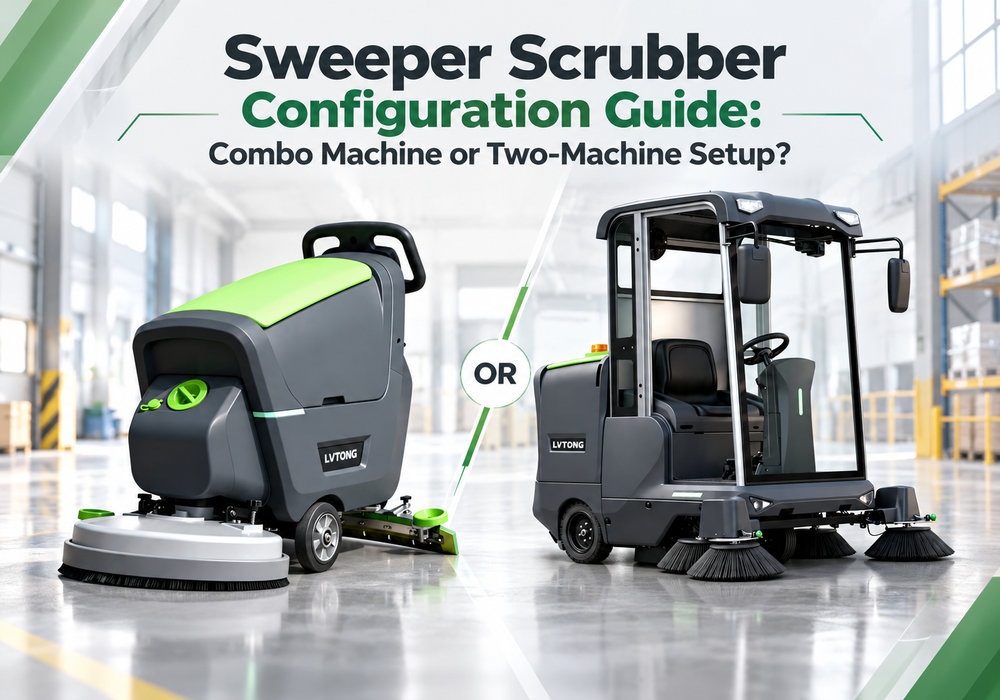
Introdução
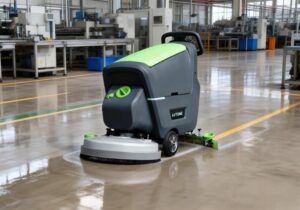
Os programas OEM para lavadoras de piso permitem que marcas, distribuidores, importadores e atacadistas de equipamentos de limpeza lancem lavadoras de piso personalizadas sem precisar construir suas próprias instalações de produção.
Em vez de desenvolver cada plataforma de máquina do zero, os compradores podem trabalhar com um parceiro de fabricação experiente e personalizar as plataformas de lavadoras de piso existentes de acordo com a marca, o mercado-alvo, a aplicação e os requisitos comerciais.
Um projeto OEM para lavadoras de piso pode envolver muito mais do que simplesmente adicionar um logotipo. Dependendo do fabricante e da plataforma da máquina, os compradores também podem avaliar opções como configuração da bateria, especificações do carregador, cor externa, sistemas de escova, idioma do painel de controle, embalagem, manuais, acessórios e suporte de peças de reposição.
Para distribuidores e marcas próprias, a chave não é simplesmente encontrar o orçamento mais baixo. Um programa OEM bem-sucedido exige especificações claras, revisão de engenharia, aprovação de amostras, controle de qualidade, consistência na produção e suporte pós-venda a longo prazo.
Este guia explica como funciona a cooperação OEM para lavadoras de piso, como o OEM difere do ODM e da marca própria, o que pode ser personalizado, como avaliar um parceiro OEM e o que os compradores devem confirmar antes da produção em massa.
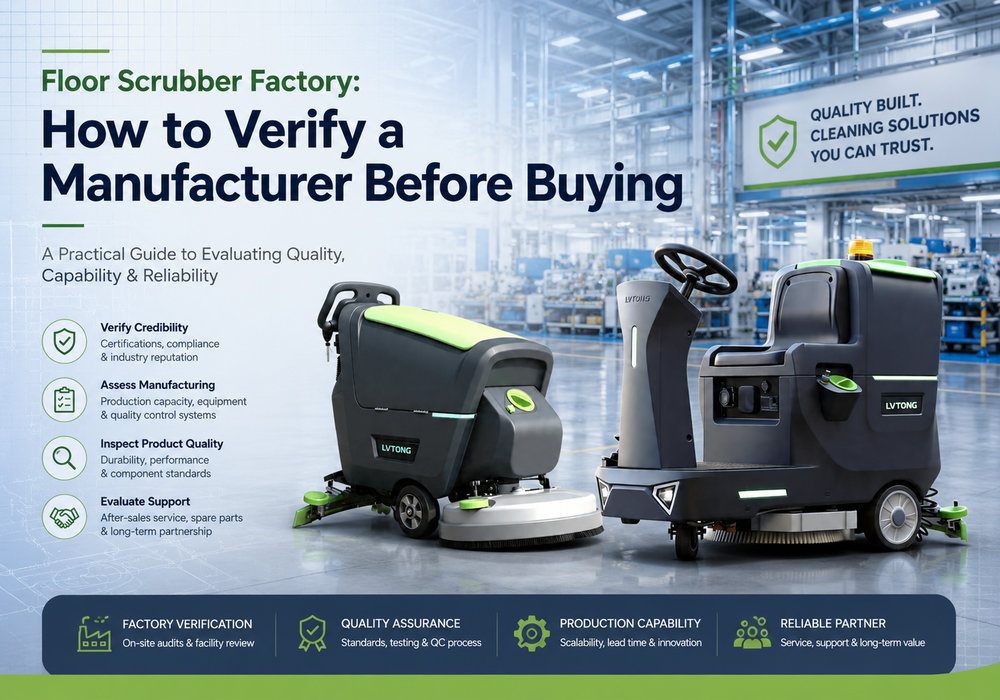
Resposta rápida: O que é um fabricante OEM de lavadoras de piso?
A fabricação de lavadoras de piso OEM é um modelo de cooperação no qual um fabricante produz lavadoras de piso para outra empresa, de acordo com os requisitos de produto, marca e configuração acordados.
O comprador pode vender as máquinas sob sua própria marca, enquanto o fabricante OEM se encarrega das atividades de fabricação acordadas, como montagem, configuração, testes, embalagem e suporte à produção.
Um programa profissional de um fabricante de equipamentos originais (OEM) para lavadoras de piso deve definir:
- A plataforma base da máquina;
- Requisitos de marca;
- Configuração do produto;
- Requisitos de bateria e carregador;
- Sistema de escova ou almofada;
- Embalagem e documentação;
- Processo de aprovação de amostras;
- Padrões de controle de qualidade;
- Cronograma de produção;
- Suporte para peças de reposição;
- Garantia e responsabilidades técnicas.
Quanto mais claramente esses pontos forem definidos antes da produção em massa, menor será o risco de mal-entendidos posteriormente.
Lavadoras de piso OEM vs. ODM vs. Marca Própria
OEM, ODM e marca própria são modelos de cooperação relacionados, mas não idênticos.
| Modelo | Idéia principal | Envolvimento do comprador | Ideal para |
|---|---|---|---|
| OEM | O fabricante produz de acordo com as exigências acordadas com o comprador. | Médio a alto | Marcas e distribuidores que exigem configurações específicas |
| ODM | O fabricante fornece a maior parte do design ou da plataforma do produto. | Baixo a médio | Compradores que desejam desenvolvimento de produto mais rápido |
| Marca Própria | Produto existente ou levemente personalizado, vendido sob a marca do comprador. | Baixo a médio | Distribuidores entrando no mercado rapidamente |
| Desenvolvimento personalizado | Alterações de engenharia mais substanciais | Alto | Compradores com requisitos técnicos específicos |
Fabricante de lavadoras de piso OEM
Em um projeto OEM de lavadora de pisos, o comprador e o fabricante normalmente chegam a um acordo sobre a plataforma da máquina e as modificações necessárias.
Em seguida, o fabricante produz as máquinas de acordo com as especificações confirmadas.
A opção OEM pode ser adequada quando o comprador já sabe:
- Mercado-alvo;
- Posicionamento do produto;
- Tamanho da máquina necessário;
- Preferência de bateria;
- Requisitos de marca;
- Condições de aplicação;
- Volume de pedidos previsto.
Lavadora de pisos ODM
A cooperação ODM geralmente confere ao fabricante maior responsabilidade pela plataforma do produto ou pela solução de design.
O comprador pode selecionar uma plataforma existente e adaptá-la ao seu próprio mercado, em vez de definir cada detalhe técnico de forma independente.
O modelo ODM pode ser útil quando o comprador deseja lançar o produto mais rapidamente e prefere confiar mais na experiência de engenharia do fabricante.
Lavadoras de piso de marca própria
A marca própria costuma ser o caminho mais simples.
Um distribuidor ou marca seleciona uma lavadora de pisos existente e adiciona elementos de marca previamente acordados, tais como:
- Logotipo;
- Rótulo do produto;
- Esquema de cores;
- Embalagem;
- Manual;
- Informações do revendedor.
Projetos de marca própria geralmente envolvem menos alterações de engenharia do que projetos OEM ou ODM mais complexos.
Por que as marcas de equipamentos de limpeza utilizam programas OEM para lavadoras de piso?
Para muitos distribuidores e marcas de equipamentos de limpeza, o modelo OEM oferece acesso a uma plataforma de fabricação estabelecida, sem exigir que o comprador construa sua própria fábrica, linha de montagem, equipe de engenharia e cadeia de suprimentos.
Requisitos de entrada mais baixos no setor de manufatura
A criação de uma operação de fabricação interna exige um investimento significativo em:
- Instalações de produção;
- Equipamento de montagem;
- Pessoal de engenharia;
- Sistemas de controle de qualidade;
- Gestão de fornecedores;
- Inventário;
- Testando;
- Infraestrutura pós-venda.
O modelo OEM permite que os compradores utilizem uma plataforma de fabricação já existente e concentrem mais recursos em distribuição, marketing, serviço local e desenvolvimento de clientes.
Expansão mais rápida da linha de produtos
Desenvolver uma lavadora de pisos completamente do zero pode exigir um trabalho substancial de engenharia e validação.
Uma plataforma OEM estabelecida pode encurtar o caminho de desenvolvimento, pois a máquina base, o processo de produção e a cadeia de suprimentos já existem.
O cronograma real do projeto ainda depende de:
- Disponibilidade do modelo;
- Complexidade de personalização;
- Disponibilidade de componentes;
- Requisitos de amostra;
- Requisitos de teste;
- Quantidade a encomendar.
Diferenciação da marca
A cooperação com fabricantes de equipamentos originais (OEMs) permite que os distribuidores criem produtos que se adequem melhor à sua marca e ao seu mercado-alvo.
As possíveis diferenças podem incluir:
- Identidade da marca;
- Cor;
- Configuração da bateria;
- Acessórios;
- Embalagem;
- Linguagem;
- Kits de serviço;
- Posicionamento do modelo.
Desenvolvimento de um portfólio de produtos mais escalável
Um distribuidor pode começar com um ou dois modelos de lavadoras de piso e, posteriormente, expandir para máquinas adicionais, como lavadoras manuais, lavadoras de assento ou máquinas específicas para determinadas aplicações, caso a parceria com o fabricante original (OEM) se mostre bem-sucedida.
Isso pode ser mais fácil do que construir uma cadeia de suprimentos separada para cada categoria de produto.
A lavadora de pisos OEM é a solução ideal para o seu negócio?
A fabricação de lavadoras de piso é especialmente adequada para empresas que já possuem canais de venda ou um mercado-alvo bem definido.
| Tipo de comprador | Adequação OEM | Por que |
|---|---|---|
| Distribuidor de equipamentos de limpeza | Alto | Expandir a gama de produtos sob marca própria. |
| Importador | Alto | Adaptar os produtos às exigências do mercado local |
| marca própria | Alto | Criar um portfólio de equipamentos de limpeza com marca própria |
| Rede regional de concessionárias | Alto | Padronizar produtos e peças de reposição |
| Inicialização de equipamentos de limpeza | Médio a alto | Reduzir as barreiras de entrada na indústria de transformação |
| Usuário final que compra uma máquina | Baixo | Produtos padrão geralmente são mais práticos. |
| Comprador exige uma arquitetura de máquina completamente nova. | Depende | Pode exigir projetos ODM ou personalizados mais aprofundados. |
O modelo OEM é mais vantajoso quando o comprador tem uma necessidade comercial recorrente, em vez de uma compra única de uma máquina.
O que pode ser personalizado em um projeto OEM de lavadora de pisos?
A capacidade de personalização varia de acordo com a plataforma da máquina e o fabricante.
As áreas a seguir são comumente discutidas durante um projeto OEM.
| Área de personalização | Opções possíveis | O que os compradores devem confirmar |
|---|---|---|
| Marca | Logotipo, etiquetas, nome do modelo | Método de aplicação e durabilidade |
| Exterior | Detalhes de cor e aparência | Quantidade mínima de encomenda e viabilidade de produção |
| Bateria | Química, capacidade, opções de marca | Requisitos de compatibilidade e de tempo de execução |
| Carregador | Configuração de voltagem, plugue e carregador | Requisitos do mercado de destino |
| Sistema de escovas | Escova de disco, suporte para almofada ou opções compatíveis | Condições do piso e do solo |
| Painel de controle | Idioma, rótulos ou elementos de interface | Limites de engenharia |
| Embalagem | Caixa de papelão, engradado, etiquetas | necessidades de envio e distribuição |
| Manual do usuário | Marca e linguagem | Requisitos regulamentares e de serviço |
| Acessórios | Pincéis, almofadas, rodos, carregadores | Padrão vs. opcional |
| Kit de peças sobressalentes | Consumíveis e componentes de serviço | Plano de estoque local |
Identidade visual e aparência
A criação de marca é um dos requisitos mais comuns para fabricantes de equipamentos originais (OEMs).
Os compradores podem solicitar:
- Logotipo da empresa;
- Designação do modelo;
- Cor exterior;
- Rótulos de produtos;
- Design de embalagens;
- Informações do revendedor.
Antes da aprovação, confirme como a marca será aplicada e revise a arte final ou as amostras.
Configuração da bateria e do carregador
Diferentes mercados e aplicações podem exigir diferentes soluções de bateria e carregamento. Quando a autonomia da bateria, a frequência de carregamento e o custo operacional a longo prazo são importantes, consulte nossa seleção. guia de duração da bateria da lavadora de pisos antes de confirmar a configuração da bateria do fabricante original.
Os compradores devem comunicar:
- Tempo de funcionamento previsto;
- Padrão de turnos;
- Ambiente de carregamento;
- Tipo de bateria preferencial;
- Tensão local;
- Requisitos de conexão.
A configuração final da bateria e do carregador deve ser tecnicamente compatível com o equipamento selecionado.
Sistema de escova e limpeza
O sistema de escova ou disco apropriado depende do tipo de piso e da aplicação pretendida.
Para uma comparação detalhada de escovas de nylon macio, polipropileno, escovas abrasivas e esponjas de limpeza, consulte nosso guia. Guia de tipos de escovas para lavadoras de piso antes de confirmar o sistema de escovas do fabricante original.
Os compradores de equipamentos originais (OEM) devem fornecer informações sobre:
- Material para piso;
- Contaminação principal;
- Frequência de limpeza;
- Produtividade exigida;
- Ambiente de aplicação.
Isso ajuda o fabricante a recomendar uma configuração básica adequada.
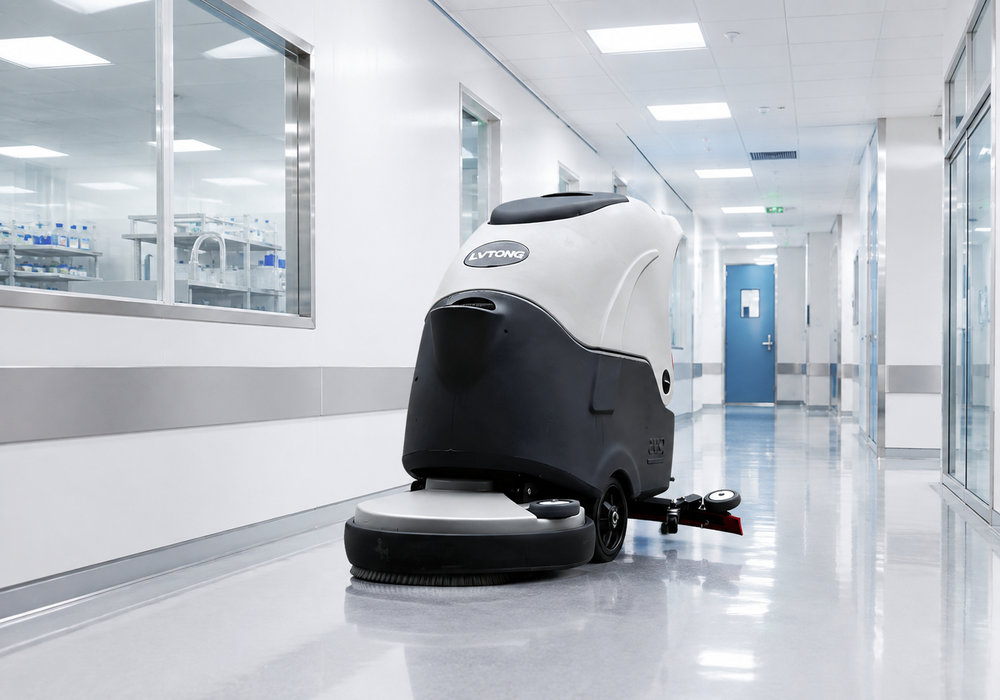
Como funciona o processo de fabricação de lavadoras de piso (OEM)
Um processo OEM estruturado é mais confiável do que fazer múltiplas alterações informais durante a produção.
Etapa 1: Defina o mercado-alvo
Comece explicando:
- País de destino;
- Tipo de cliente;
- Aplicativo;
- Posição de venda esperada;
- Categoria de produto necessária.
Isso ajuda a determinar se a plataforma de máquina selecionada é adequada.
Etapa 2: Selecione a plataforma base da lavadora de pisos
Escolha um modelo base de acordo com fatores como:
- Para ser conduzido a pé ou montado;
- Largura de limpeza;
- Capacidade do tanque;
- Configuração da bateria;
- Produtividade;
- Tamanho da instalação.
O objetivo é começar com uma plataforma madura que já atenda à maioria das necessidades do comprador.
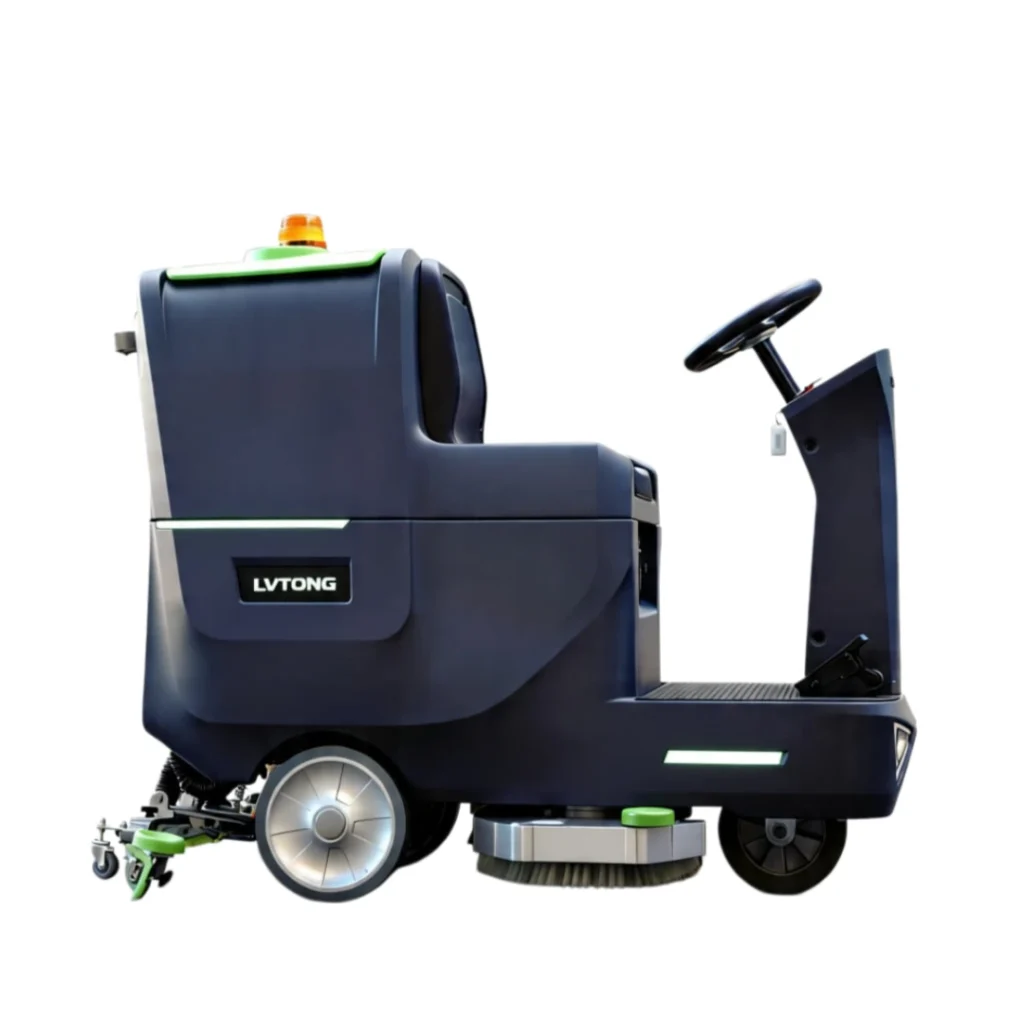
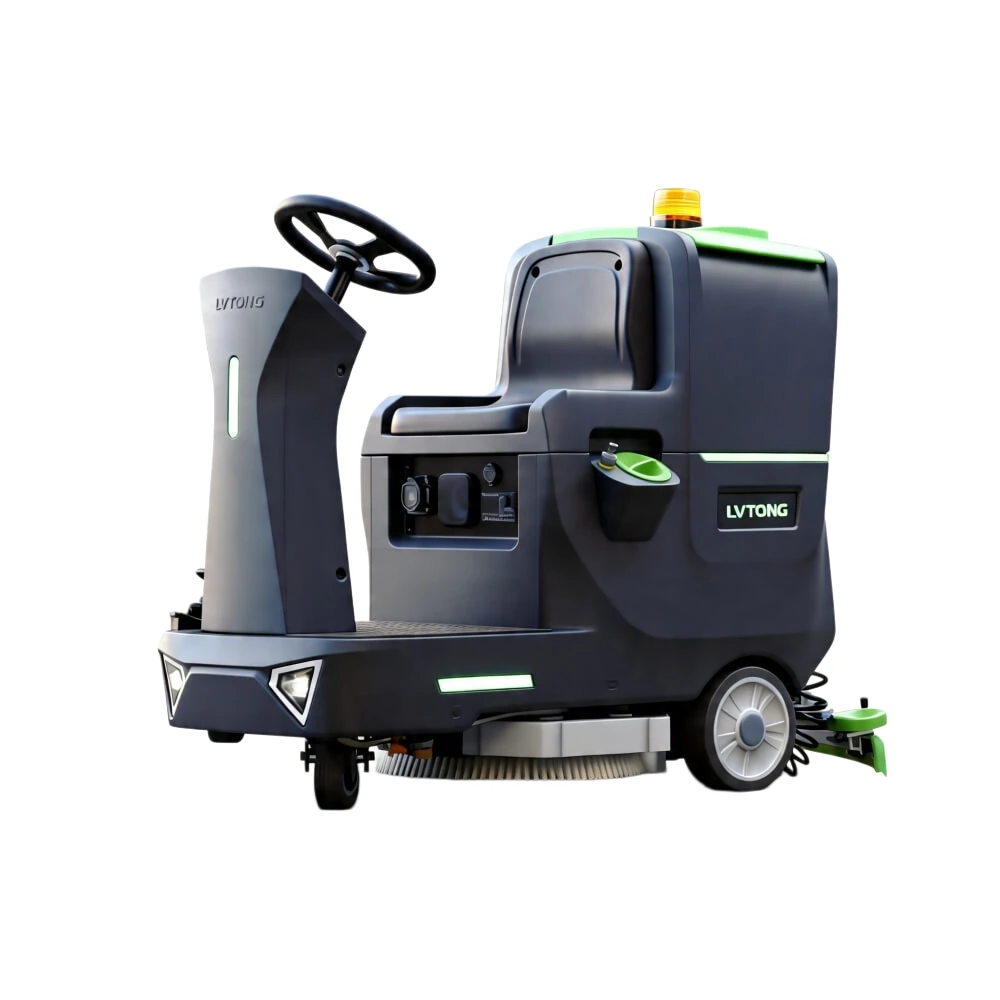
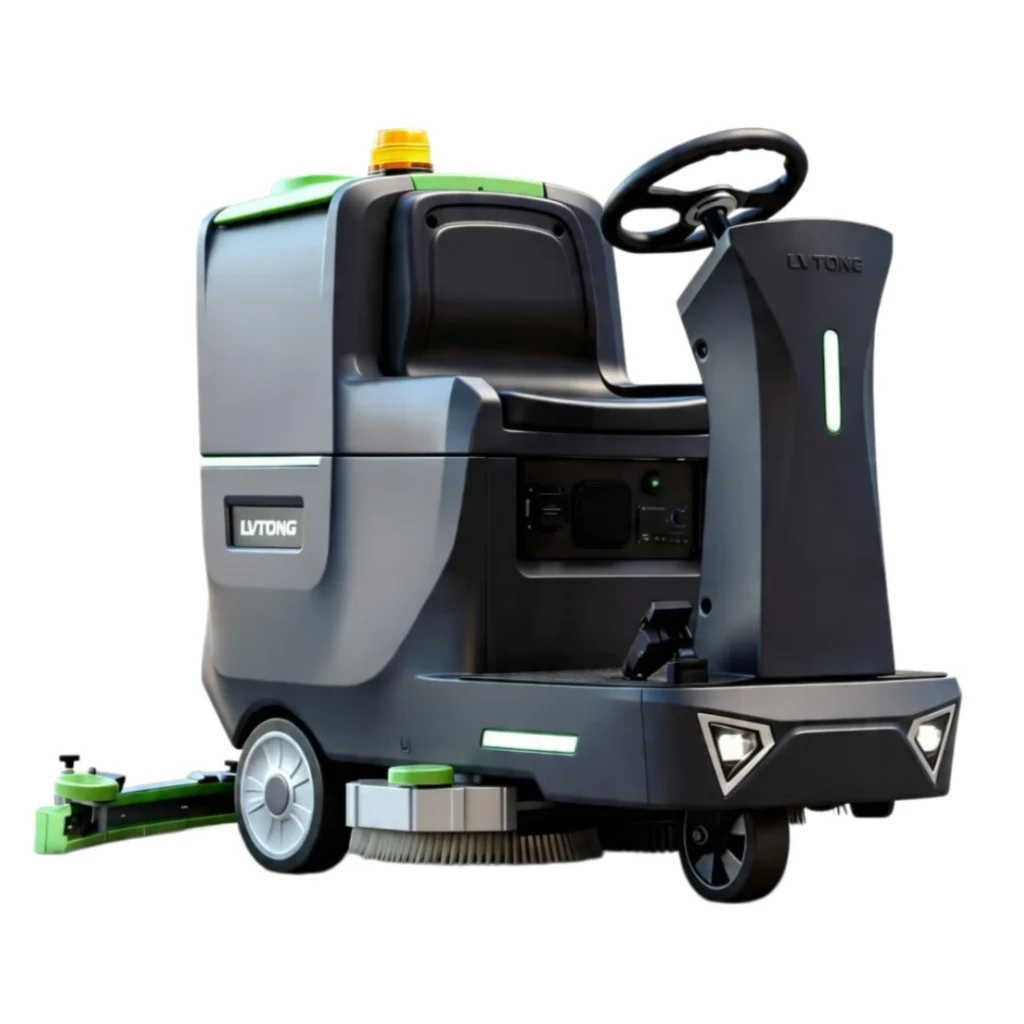
Os compradores podem comparar os da LVTONG. lavadoras e secadoras de piso comerciais Analisar as plataformas disponíveis, tanto as de operação a pé quanto as de operação com operador a bordo, antes de definir uma configuração OEM.
Etapa 3: Confirme os requisitos de personalização
Crie uma lista escrita das alterações necessárias.
Os itens típicos incluem:
- Logotipo;
- Cor;
- Bateria;
- Carregador;
- Sistema de escovas;
- Acessórios;
- Etiquetas de controle;
- Embalagem;
- Manual.
Evite instruções vagas como "adapte-o ao nosso mercado".“
O requisito deve ser específico o suficiente para que as equipes de engenharia e produção possam analisá-lo.
Etapa 4: Revisão de Engenharia
O fabricante deve avaliar se as alterações solicitadas são tecnicamente viáveis.
Algumas modificações podem ser simples.
Outros fatores podem afetar:
- Projeto elétrico;
- Balança mecânica;
- Tempo de execução;
- Compatibilidade de componentes;
- Segurança;
- Documentação do produto;
- Custo de produção.
O comprador deve entender quais solicitações são padrão e quais exigem desenvolvimento de engenharia.
Etapa 5: Aprovação da amostra ou protótipo
Para uma personalização significativa, uma amostra ou unidade de referência aprovada pode ajudar a confirmar:
- Aparência;
- Identidade visual;
- Configuração;
- Controles;
- Desempenho de limpeza;
- Embalagem;
- Documentação.
O padrão de aprovação da amostra deve ser registrado antes da produção em massa.
Etapa 6: Testes e Aprovação
Os requisitos de teste dependem da máquina e do projeto.
As verificações típicas podem incluir:
- Operação da escova;
- Fluxo da solução;
- Recuperação a vácuo;
- Bateria e carregamento;
- Funções de condução;
- Frenagem;
- Controles;
- Vazamentos;
- Ruído ou vibração anormal;
- Inspeção visual.
Etapa 7: Aprovação da marca e da embalagem
Confirmar versão final:
- Arte do logotipo;
- Etiquetas;
- Embalagem;
- Manuais;
- Nomes dos modelos;
- Marcas de envio.
Esta etapa evita retrabalho desnecessário na embalagem ou na marca posteriormente.
Etapa 8: Produção em Massa
A produção em massa deve seguir as especificações e amostras aprovadas.
O comprador deve confirmar:
- Quantidade de produção;
- Cronograma de entrega;
- Padrão de inspeção;
- Padrão de embalagem;
- Quaisquer desvios aprovados.
Etapa 9: Inspeção pré-embarque
Antes do envio, verifique se as máquinas finalizadas correspondem às especificações aprovadas.
Dependendo do tamanho do pedido, isso pode envolver:
- Controle de qualidade de fábrica;
- Inspeção do comprador;
- Inspeção fotográfica ou em vídeo;
- Inspeção de amostras;
- Inspeção por terceiros quando justificada.
Etapa 10: Peças de Reposição e Planejamento Pós-Venda
A cooperação com o fabricante original (OEM) não deve terminar quando as máquinas saem da fábrica.
Antes do envio, esclareça:
- Estoque recomendado de peças de reposição;
- Peças consumíveis;
- Processo de garantia;
- Método de suporte técnico;
- Prazo de entrega das peças;
- Documentação de serviço.
Para os distribuidores, esta etapa é crucial, pois seus clientes esperam suporte local.
Os compradores que planejam oferecer serviços locais também podem consultar a LVTONG. Manutenção e assistência técnica de equipamentos de limpeza Suporte antes da finalização das responsabilidades relativas a peças de reposição e pós-venda.
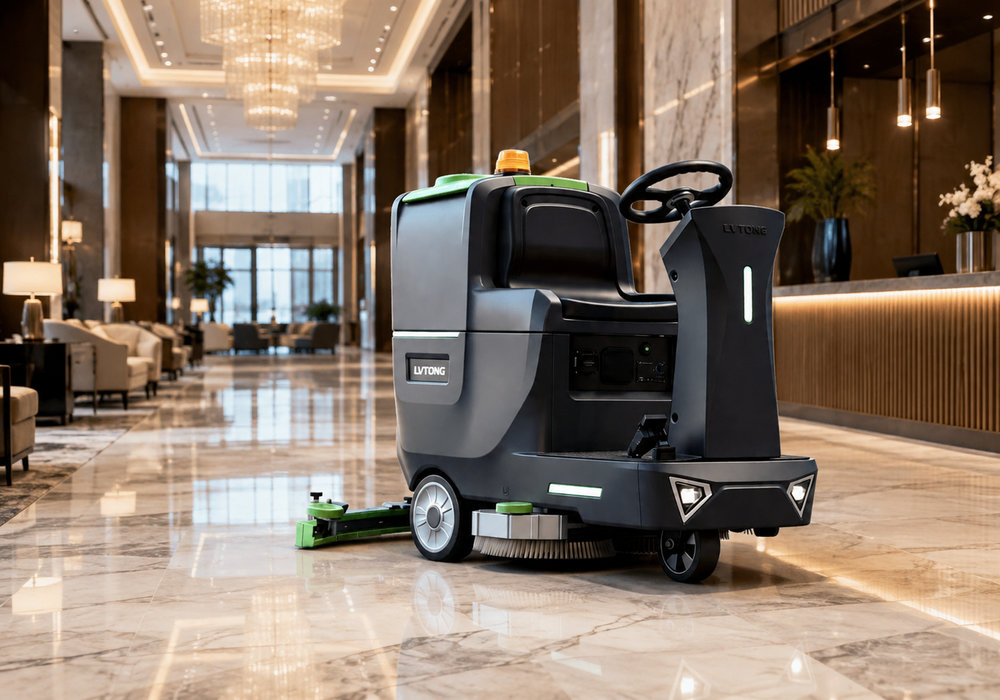
Como avaliar um parceiro OEM de lavadoras de piso
Um bom parceiro OEM deve ser avaliado em termos de fabricação, engenharia e suporte a longo prazo — e não apenas pelo preço unitário.
Capacidade de fabricação
Verifique se o fabricante pode oferecer suporte:
- Produção de amostras;
- Pedidos repetidos;
- Consistência do lote;
- Quantidades necessárias;
- Modelos necessários;
- Configurações personalizadas.
Suporte de Engenharia
Pergunte se a equipe técnica pode discutir o assunto:
- Configuração da máquina;
- Sistemas de baterias;
- Integração elétrica;
- Sistemas de escova;
- Alterações no produto;
- Problemas de campo.
A comunicação direta com engenheiros pode ser especialmente valiosa durante projetos personalizados.
Processo de Controle de Qualidade
Pergunte como o fabricante controla:
- Componentes recebidos;
- Conjunto;
- Sistemas elétricos;
- Funções de limpeza;
- Testes finais;
- Embalagem.
Para projetos de maior porte, considere solicitar uma lista de verificação de controle de qualidade ou um registro de inspeção de amostras.
Limites de personalização
Um parceiro OEM confiável deve explicar não apenas o que pode personalizar, mas também o que não deve personalizar.
Isso é importante porque a modificação excessiva de uma plataforma de máquina já estabelecida pode afetar:
- Confiabilidade;
- Compatibilidade de componentes;
- Consistência na produção;
- Custo;
- Conformidade.
Processo de aprovação de amostras
Antes da produção em massa, confirme:
- Quem aprova a amostra?;
- Qual especificação é a final?;
- Como as alterações são registradas;
- Se a produção seguirá a amostra aprovada.
Consistência de produção
Para pedidos repetidos, a consistência do produto pode ser mais importante do que uma primeira amostra bem-sucedida.
Pergunte como o fabricante controla:
- Listas de materiais;
- Alterações nos componentes;
- Procedimentos de montagem;
- Testes finais;
- Registros de produção.
Gestão da Qualidade e Conformidade com o Mercado de Destino
Não avalie um fabricante OEM simplesmente contando os logotipos de certificação.
Documentos diferentes servem a propósitos diferentes.
Os compradores devem verificar:
- Sistemas de gestão da qualidade;
- Documentação relacionada ao produto;
- Requisitos do mercado de destino;
- Documentos de teste específicos do modelo, quando aplicável.
Para cada documento:
- Verifique o nome da empresa;
- Verifique o produto ou modelo abrangido;
- Verificar validade;
- Confirme a relevância para o mercado de destino.
Um certificado de gestão da qualidade não comprova automaticamente que todos os produtos atendem aos requisitos de mercado de todos os países.
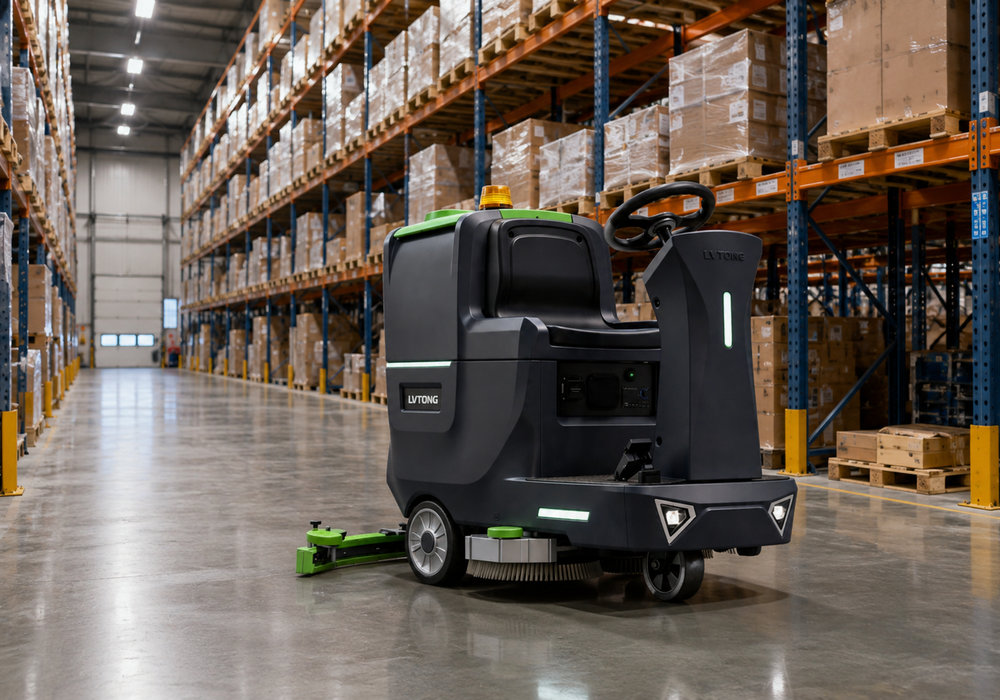
Quantidade mínima de encomenda (MOQ) para máquinas de lavar pisos OEM: O que determina a quantidade mínima de encomenda?
Não existe uma quantidade mínima de encomenda (MOQ) universal para todos os projetos OEM de lavadoras de piso.
A quantidade mínima de encomenda (MOQ) pode depender de:
- Modelo básico;
- Cor personalizada;
- Método de logotipo;
- Embalagem;
- Configuração da bateria;
- Alterações nos componentes;
- Documentação;
- Configuração de produção;
- Valor do pedido.
Um projeto simples de marca própria pode ter requisitos diferentes de um projeto OEM personalizado que envolva novos componentes ou alterações de engenharia.
Quanto tempo leva um projeto OEM para uma lavadora de pisos?
O prazo de entrega do fabricante original depende da abrangência do projeto.
Um projeto pode envolver:
- Confirmação de requisitos;
- Revisão de engenharia;
- Preparação da amostra;
- Testes de amostra;
- Aprovação do comprador;
- Preparação dos componentes;
- Produção em massa;
- Inspeção;
- Embalagem.
Projetos que utilizam uma máquina existente com personalização simples da marca podem ser mais rápidos do que projetos que exigem alterações substanciais de configuração.
Os compradores devem solicitar orçamentos separados para:
- Prazo de entrega da amostra;
- Tempo de aprovação;
- Prazo de entrega para produção em massa;
- Preparação de peças sobressalentes;
- Preparação para envio.
O que você deve enviar a um fabricante de lavadoras de piso (OEM) para solicitar um orçamento?
Uma consulta detalhada geralmente resulta em um orçamento mais preciso.
Enviar para o fabricante:
- País de destino;
- Tipo de comprador;
- Tipo de máquina necessário;
- Quantidade esperada;
- Aplicação principal;
- Área de limpeza aproximada;
- Material para piso;
- Contaminação principal;
- Preferência de bateria;
- Logotipo obrigatório;
- Cor obrigatória;
- Requisitos de embalagem;
- Idioma do painel de controle;
- Documentos de mercado necessários;
- Requisitos de peças de reposição;
- Data prevista para lançamento ou entrega.
Se você já vende equipamentos de limpeza, explique também sua linha de produtos atual para que o fabricante possa recomendar modelos que se encaixem no seu portfólio.
Sinais de alerta ao escolher um parceiro OEM para lavadoras de pisos
Os compradores devem investigar mais a fundo se um fornecedor OEM:
- Não consigo explicar claramente o processo de personalização;
- Não é possível definir quais alterações são tecnicamente possíveis;
- Não possui processo de aprovação de amostras;
- Alterações nas especificações entre orçamentos;
- Não consigo explicar os procedimentos de controle de qualidade;
- Não é possível fornecer uma lista clara de peças sobressalentes;
- Atribui responsabilidades de garantia vagas;
- Não consigo explicar a documentação do mercado de destino;
- Recusa-se a discussões técnicas razoáveis;
- Inicia a produção antes da confirmação das especificações finais.
Um único problema não torna automaticamente um fornecedor inadequado.
No entanto, diversas inconsistências não resolvidas aumentam o risco de aquisição.
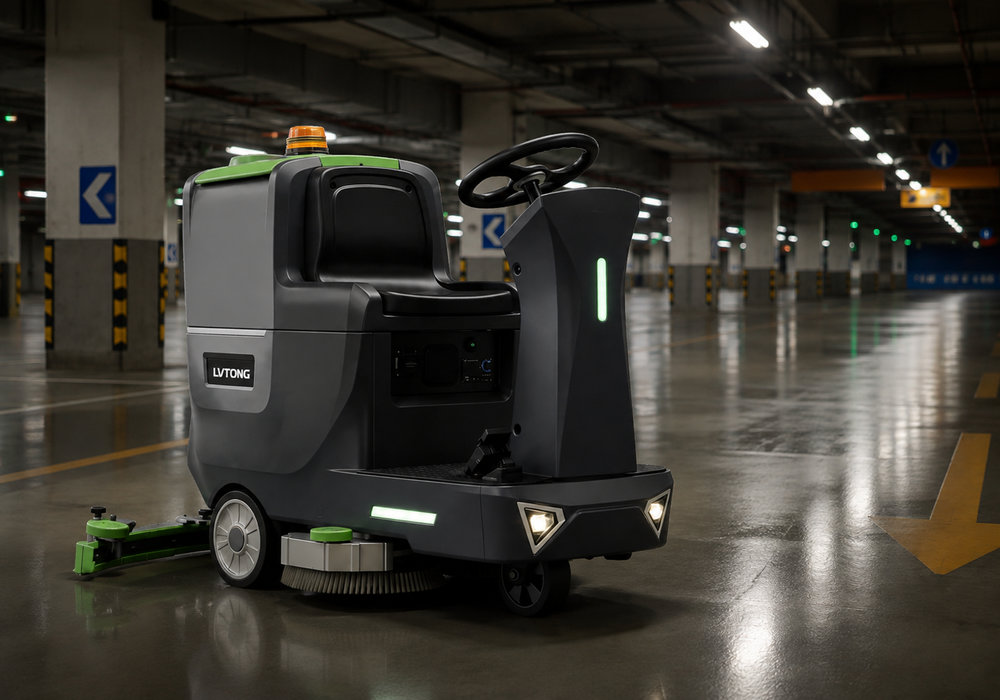
O que deve ser confirmado antes da produção em massa?
Antes de aprovar a produção em massa, confirme o seguinte por escrito:
- Modelo exato da máquina;
- Especificação técnica final;
- Bateria e carregador;
- Sistema de escova ou almofada;
- Acessórios;
- Logotipo e identidade visual;
- Cor exterior;
- Embalagem;
- Manuais e etiquetas;
- Quantidade;
- Critérios de inspeção;
- Prazo de produção;
- Termos da garantia;
- Plano de peças de reposição;
- Condições de pagamento;
- Condições de envio.
A confirmação por escrito protege tanto o comprador quanto o fabricante.
Cenários típicos de aplicação de lavadoras de piso por fabricantes de equipamentos originais (OEM)
Os programas OEM podem ser usados para desenvolver máquinas para diferentes mercados comerciais e industriais.
Mercados de Armazenagem e Logística
Distribuidores que visam armazéns podem priorizar:
- Produtividade em grandes áreas;
- Autonomia da bateria;
- Manobrabilidade;
- Disponibilidade de peças de reposição.
Instalações de fabricação
As aplicações industriais podem exigir maior atenção aos seguintes aspectos:
- Condições do piso;
- Contaminação severa;
- Configuração do pincel;
- Recuperação a vácuo;
- Durabilidade da máquina.
Instalações comerciais
Os compradores comerciais podem concentrar-se mais em:
- Design compacto;
- Aparência;
- Barulho;
- Facilidade de operação;
- Identidade visual.
Personalização do mercado regional
Diferentes mercados também podem exigir diferentes:
- Carregadores;
- Tomadas;
- Documentação;
- Etiquetas;
- Linguagem;
- acessórios.
Um fabricante de equipamento original (OEM) deve avaliar o mercado de destino específico em vez de aplicar automaticamente a mesma configuração em todos os lugares.
Perguntas frequentes
O que é um fabricante OEM de lavadoras de piso?
A fabricação de lavadoras de piso OEM é um modelo de cooperação no qual um fabricante produz lavadoras de piso de acordo com os requisitos acordados com o comprador, incluindo potencialmente marca, configuração, embalagem e documentação.
O comprador poderá então comercializar o equipamento sob sua própria marca, de acordo com o acordo de cooperação.
Qual a diferença entre lavadoras de piso OEM, ODM e de marca própria?
O OEM normalmente envolve a fabricação de acordo com os requisitos acordados com o comprador.
O modelo ODM confere ao fabricante mais responsabilidade pelo design do produto ou pela plataforma existente.
A marca própria geralmente envolve a colocação da marca do comprador em um produto existente ou levemente personalizado.
O modelo correto depende do grau de personalização e envolvimento de engenharia que o comprador exige.
Posso vender lavadoras de piso OEM sob minha própria marca?
Sim, a marca própria é um dos motivos mais comuns pelos quais os distribuidores utilizam serviços de OEM para lavadoras de piso.
As opções disponíveis podem incluir logotipo, etiquetas, cores, embalagens e manuais, dependendo da máquina e do contrato.
O que pode ser personalizado em uma lavadora de pisos OEM?
As áreas de personalização possíveis incluem marca, cor externa, configuração da bateria, carregador, sistema de escovas, acessórios, embalagem, etiquetas, manuais e elementos de controle selecionados.
As opções exatas dependem da plataforma da máquina e da viabilidade de engenharia.
Qual é a quantidade mínima de encomenda (MOQ) para fabricantes de equipamentos originais (OEM) de lavadoras de piso?
A quantidade mínima de encomenda (MOQ) depende do modelo da máquina, do nível de personalização, da embalagem, das alterações de componentes e dos requisitos de produção.
Os compradores devem solicitar uma quantidade mínima de encomenda (MOQ) com base na configuração exata, em vez de assumir que uma quantidade fixa se aplica a todos os projetos OEM.
Quanto tempo leva um projeto OEM para uma lavadora de pisos?
O cronograma do projeto depende do modelo base, da complexidade da personalização, da aprovação da amostra, da disponibilidade dos componentes, da quantidade do pedido e dos requisitos de inspeção.
Solicite orçamentos separados para preparação de amostras e produção em massa.
Como devo avaliar um fabricante OEM de lavadoras de piso?
Avaliar a capacidade de fabricação, o suporte de engenharia, a experiência em personalização, o processo de controle de qualidade, o fluxo de trabalho de amostras, a consistência da produção, a documentação aplicável, o suporte de peças de reposição, a garantia e a comunicação.
O que devo confirmar antes da produção em massa?
Confirme por escrito as especificações finais da máquina, bateria, carregador, sistema de escovas, acessórios, marca, embalagem, quantidade, padrão de controle de qualidade, cronograma de entrega, garantia, peças de reposição e termos comerciais antes do início da produção em massa.
Principais conclusões
Um programa de sucesso para fabricantes de equipamentos originais (OEM) de lavadoras de piso depende de mais do que simplesmente adicionar um logotipo a uma máquina já existente.
Os compradores devem:
- Escolha uma plataforma de máquina base adequada;
- Defina o mercado-alvo;
- Confirme os requisitos de personalização;
- Revisão completa de engenharia;
- Aprovar amostras antes da produção em massa;
- Estabelecer critérios de controle de qualidade e inspeção;
- Verificar os documentos relevantes do mercado de destino;
- Planejar peças de reposição e suporte pós-venda;
- Confirme todas as especificações importantes por escrito.
O modelo OEM funciona melhor quando tanto o comprador quanto o fabricante encaram o projeto como um programa de produto de longo prazo, em vez de uma transação pontual.
Conclusão
A fabricação de lavadoras de piso sob encomenda (OEM) pode ajudar distribuidores, importadores e marcas próprias a expandir seu portfólio de equipamentos de limpeza sem precisar criar toda uma operação de fabricação do zero.
Os projetos OEM mais eficazes começam com uma plataforma de máquinas consolidada, requisitos de mercado claros e personalização realista.
A partir daí, os compradores devem se concentrar na revisão de engenharia, aprovação de amostras, consistência da produção, controle de qualidade, documentação, peças de reposição e responsabilidades pós-venda.
O melhor parceiro OEM não é simplesmente o fornecedor que oferece o menor preço inicial.
É o fabricante que consegue produzir consistentemente o produto acordado, comunicar-se de forma clara, dar suporte ao seu mercado-alvo e fornecer uma base sólida para o crescimento futuro da linha de produtos.
Solicite uma proposta de fabricante OEM e marca própria para lavadoras de piso.
Planeja lançar lavadoras de piso sob sua própria marca?
Envie as seguintes informações para a LVTONG:
- Mercado de destino;
- Tipo de comprador;
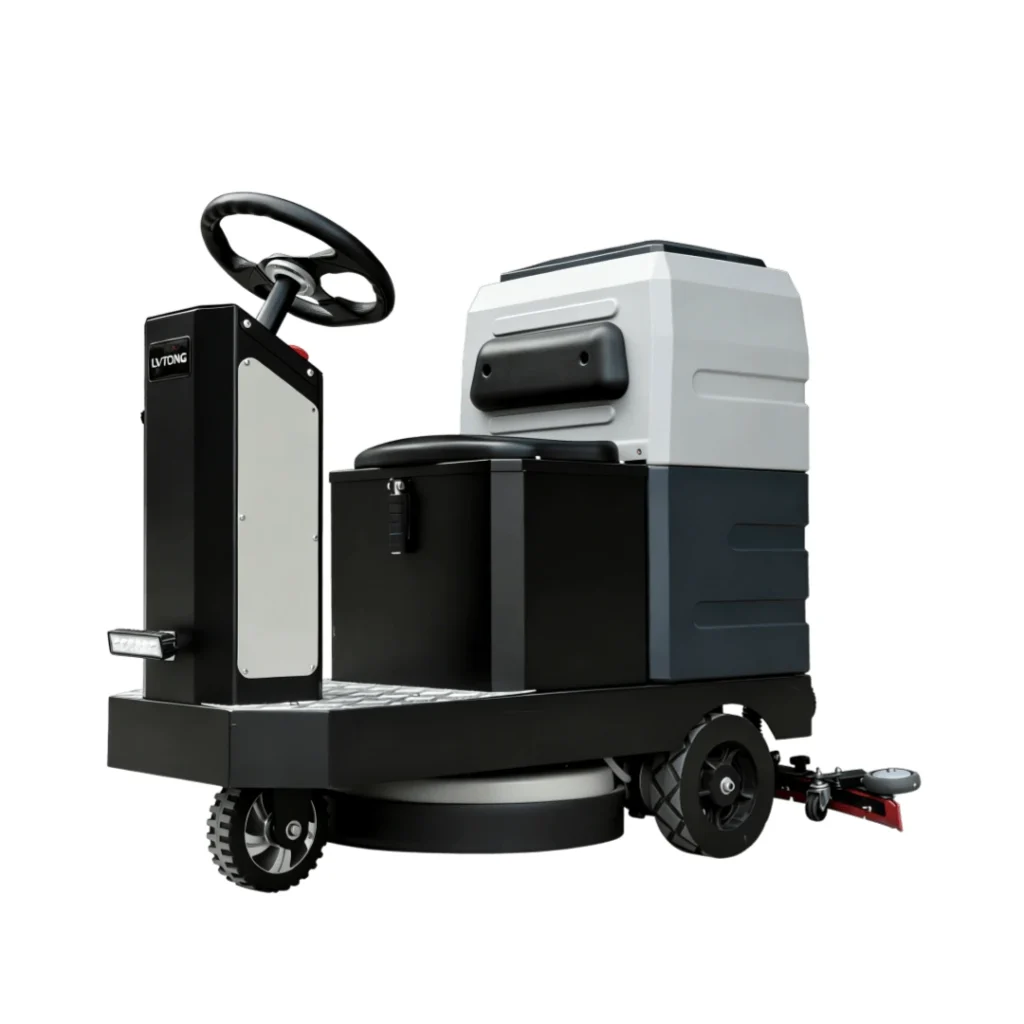
- É necessário um modelo de trator de empurrar ou um trator com assento para o operador;
- Quantidade esperada do pedido;
- Aplicação principal;
- Condições do piso;
- Preferência de bateria;
- Requisitos de logotipo e cores;
- Requisitos de embalagem;
- Requisitos de documentação;
- Requisitos de peças de reposição;
- Cronograma de entrega previsto.
A LVTONG pode analisar suas necessidades e recomendar uma configuração de lavadora de pisos adequada para o seu mercado, seja em regime OEM, ODM ou de marca própria.
A LVTONG pode analisar suas necessidades e recomendar uma configuração OEM, ODM ou de marca própria adequada para o seu mercado. Solicite uma proposta de OEM e marca própria Envie-nos seu mercado-alvo, tipo de máquina, quantidade esperada, requisitos de marca e configuração de produto desejada.