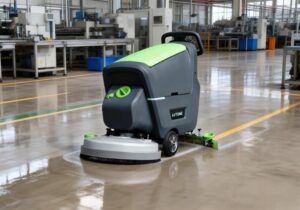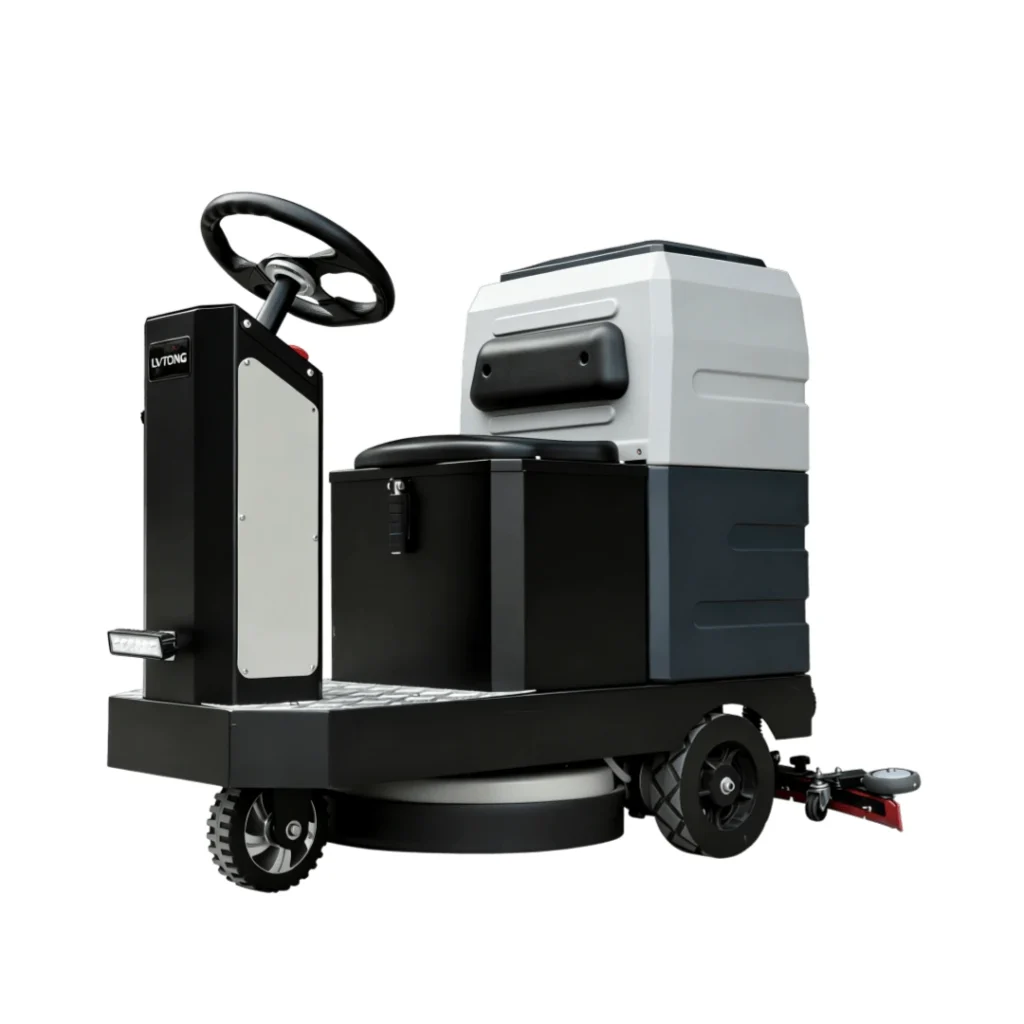

Обучение использованию поломоечная машина Правильное использование поломоечной машины поможет вам быстрее убирать коммерческие и промышленные полы, снизить трудозатраты, эффективнее удалять пятна и собирать грязную воду за один проход. По сравнению с швабрами и ведрами, поломоечная машина с ручным управлением сочетает в себе функции чистки, подачи воды, всасывания и сушки в одном устройстве.
A поломоечная машина Этот прибор широко используется в торговых центрах, супермаркетах, отелях, школах, больницах, на заводах, складах, в логистических центрах, коридорах и других помещениях малого и среднего размера. Для достижения наилучшего результата операторам необходимо понимать устройство машины, подготовить чистящий раствор, осмотреть рабочую зону, правильно использовать щетку и скребок, а также очищать машину после использования.
Что такое поломоечная машина с ручным управлением?
Поломоечная машина с ручным управлением — это коммерческая машина для уборки полов, которая объединяет в одной системе функции щеточной чистки, нанесения чистящего раствора, сбора вакуумной воды и сушки пола. Операторы находятся за машиной и контролируют направление уборки, работу щеток, поток воды и процесс сбора воды.
В отличие от традиционных методов влажной уборки, поломоечная машина с ручным управлением может удалять грязь и одновременно собирать грязную воду, что помогает предприятиям повысить эффективность уборки и сократить ручной труд.
Для предприятий, ищущих надежные решения для коммерческой уборки, компания LVTONG предлагает поломоечные машины с ручным управлением, предназначенные для складов, заводов, больниц, супермаркетов, гостиниц, школ и других объектов.
Поломоечные машины LVTONG с ручным управлением сочетают в себе функции очистки, сбора воды и сушки, что позволяет профессиональным пользователям обеспечивать более безопасный и эффективный уход за напольными покрытиями.
В этом руководстве пошагово объясняется, как использовать поломоечную машину с ручным управлением, включая проверку перед использованием, подготовку резервуара для раствора, сбор воды, планирование маршрута, использование скребка, очистку от стойких пятен и техническое обслуживание после использования.
Краткий ответ: Как пользоваться поломоечной машиной с ручным управлением?
Для использования поломоечной машины с ручным управлением выполните шесть основных шагов: подготовьте пол, осмотрите машину, заполните резервуар для моющего раствора, запустите систему очистки, проведите поломоечную машину по перекрывающимся траекториям и выполните техническое обслуживание после использования.
После подготовки включите машину, опустите щетку и скребок, включите подачу воды и двигайтесь вперед с постоянной скоростью. Чистите прямыми, перекрывающимися путями, чтобы не пропустить участки. После чистки выключите подачу воды, поднимите щетку и скребок, опорожните резервуар для сбора отработанной воды, промойте резервуары, очистите щетку и скребок, зарядите аккумулятор и храните машину в сухом, хорошо проветриваемом месте.
Куда девается вода в поломоечной машине с ручным управлением?
В поломоечной машине с ручным управлением чистая вода и моющее средство хранятся в резервуаре для раствора. Во время уборки машина подает моющий раствор на пол рядом со щеткой или насадкой. Щетка очищает пол, разрыхляя грязь, пятна и остатки загрязнений.
После очистки скребок собирает грязную воду с пола. Затем вакуумный двигатель затягивает грязную воду в резервуар для сбора. Именно поэтому поломоечная машина с ручным управлением может вымыть и высушить пол за один проход.
Проще говоря:
| Водный этап | Куда это пойдёт |
| Чистая вода и моющее средство | Хранится в резервуаре с раствором. |
| Чистящий раствор во время работы | Высыпается на пол рядом с щеткой или подушкой. |
| Грязная вода после чистки | Собрано с помощью скребка |
| Очищенная загрязненная вода | Всасывается в резервуар для сбора отработанной жидкости вакуумным двигателем. |
Как работает поломоечная машина с ручным управлением?
Поломоечная машина с ручным управлением выполняет три основных процесса уборки:
- Применение раствора: чистая вода и моющее средство распыляются на пол.
- Механическая чистка: вращающиеся щетки или подушечки удаляют грязь и пятна.
- Сбор воды: Скребок и вакуумный двигатель собирают грязную воду в резервуар для сбора.
Этот трехэтапный процесс позволяет машине очищать и сушить полы за один проход.
Основные характеристики поломоечной машины с ручным управлением, которые следует знать перед использованием.
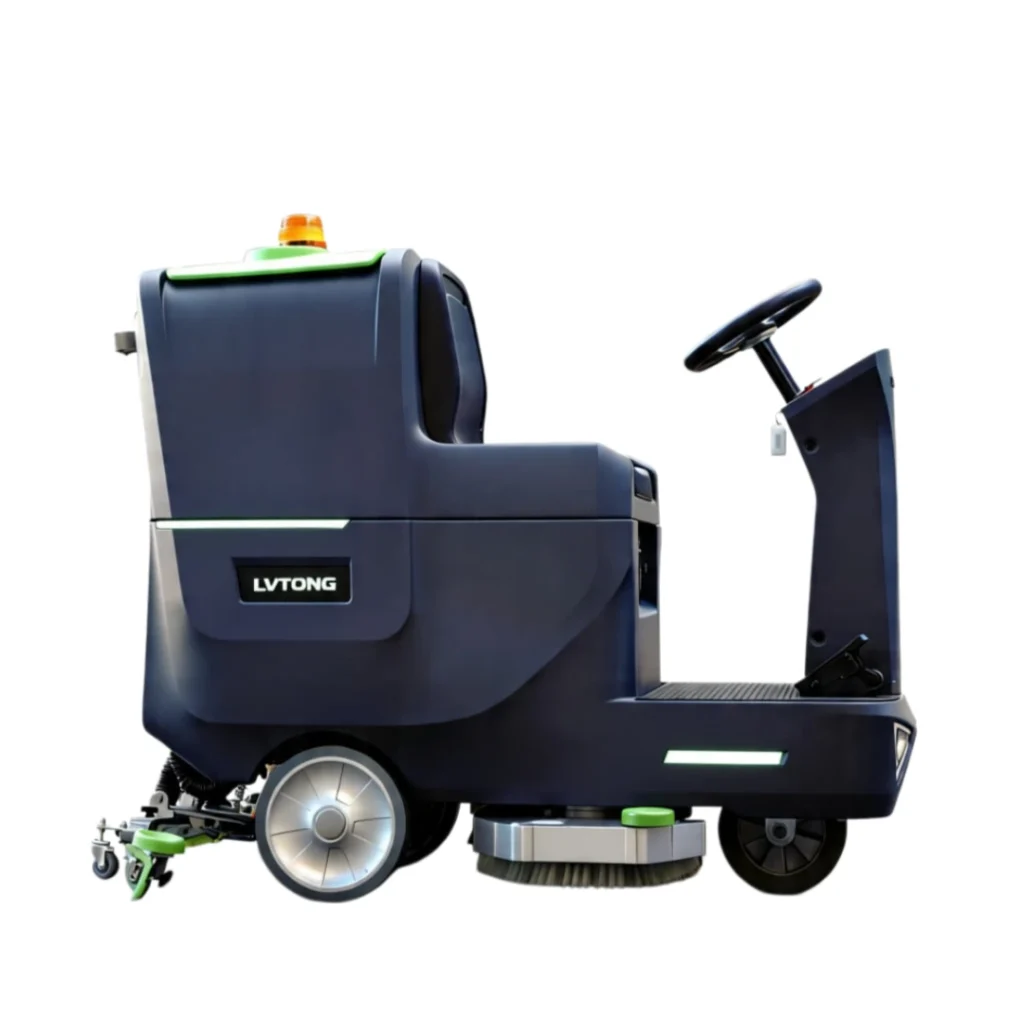
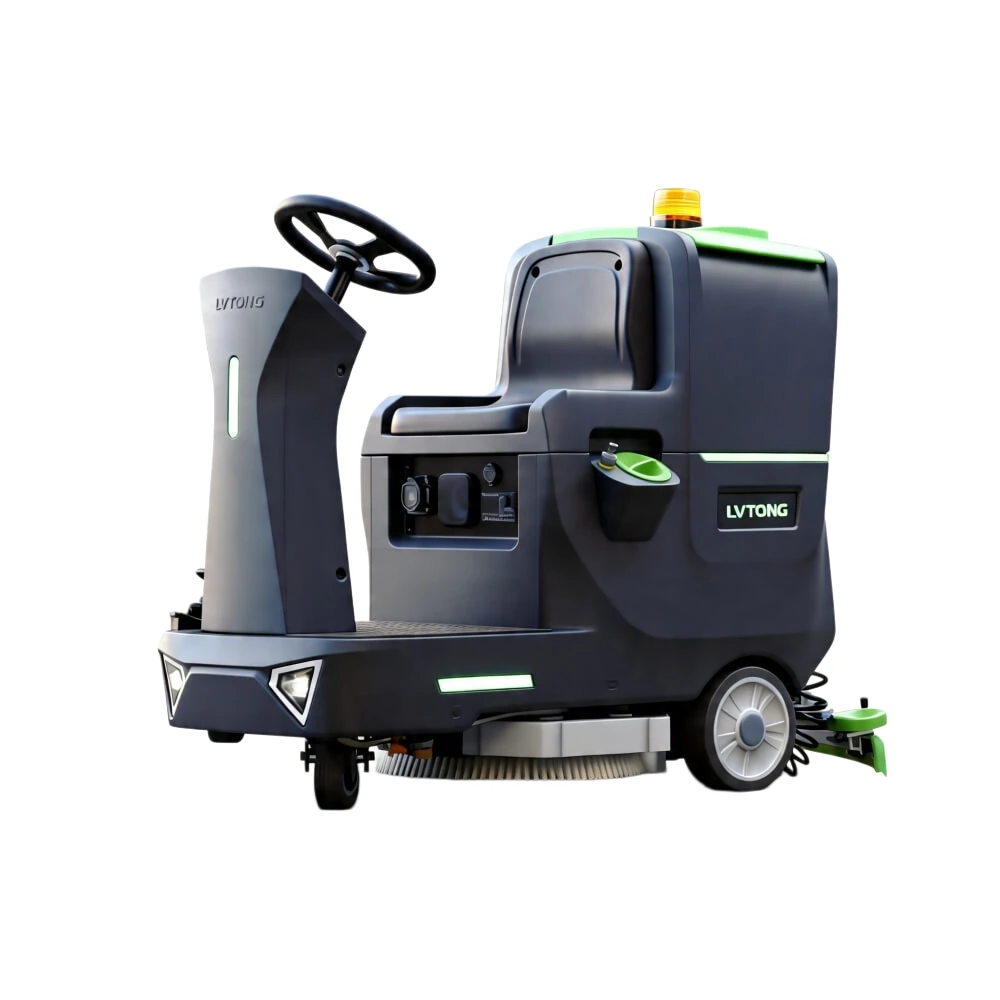
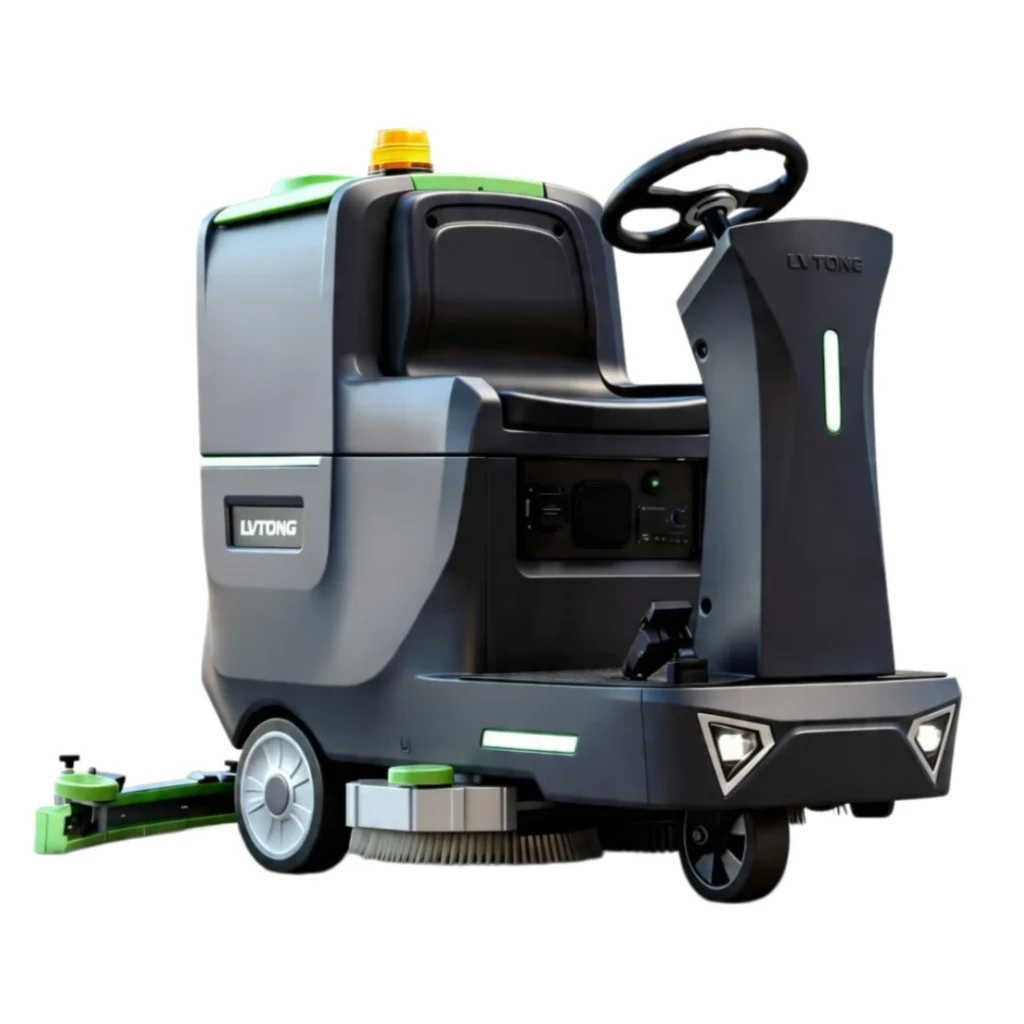
Перед началом эксплуатации поломоечной машины с ручным управлением необходимо ознакомиться с ее основными частями и назначением каждой из них.
| Часть | Функция |
| резервуар для раствора | Вмещает чистую воду и моющее средство для поломоечной машины перед началом уборки. |
| Щетка или подушечка | Чистит пол и удаляет грязь, пятна и остатки загрязнений. |
| Щеточная палуба | Удерживает и перемещает щетку или насадку во время уборки. |
| Сборка скребка | Собирает грязную воду с пола после мытья. |
| Резервуар для сбора отработанной жидкости | Хранит грязную воду и мусор, собранный с пола. |
| Вакуумный двигатель | Создает вакуум и затягивает грязную воду в резервуар для сбора отработанной воды. |
| Панель управления или рукоятка | Позволяет оператору контролировать мощность, работу щетки, всасывание, поток воды и движение. |
| Управление потоком раствора | Регулирует количество моющего средства, подаваемого на пол. |
| индикатор заряда батареи | Отображает оставшийся заряд батареи во время работы. |
| Аварийный выключатель | Быстро останавливает машину в аварийной ситуации. |
Система питания: Это “сердце” машины.
- Аккумулятор: В большинстве поломоечных машин используются аккумуляторы в качестве источника питания, что позволяет работать без проводов и обеспечивает большую гибкость. Срок службы аккумулятора и производительность зарядного устройства имеют решающее значение для эффективности работы устройства.
- Аварийный выключатель: В аварийной ситуации он может немедленно отключить питание и прекратить работу.
- Моторы:
- Щеточный двигатель: Он приводит во вращение щетки или колодки, обеспечивая механическую силу, необходимую для очистки.
- Вакуумный двигатель: Он создает мощное всасывание, чтобы втянуть грязную воду в резервуар.
- Приводной двигатель: Поломоечные машины делятся на два типа: с приводом от щеточной деки и с автономным приводом. Привод щеточной деки требует от оператора определенной силы тяги. Последний может управлять машиной для движения вперед или назад, управляя кнопкой или ручкой на панели управления.
- Колеса: Она поддерживает всю машину и обеспечивает плавное движение.
Где можно использовать поломоечную машину с ручным управлением?
Поломоечная машина с ручным управлением подходит для небольших и средних помещений, компактной планировки, узких проходов и зон с высокой проходимостью. Она особенно полезна в тех случаях, когда поломоечная машина с сиденьем для оператора слишком велика или ее трудно развернуть.
К распространенным областям применения относятся:
- Коммерческие и общественные пространства: торговые центры, супермаркеты, вестибюли отелей, вокзалы, аэропорты и порты.
- Промышленные и складские помещения: заводы, логистические центры, склады и мастерские.
- Медицинские учреждения: больницы, поликлиники, дома престарелых и зоны, где повышена потребность в соблюдении санитарных норм.
- Образовательные и общественные учреждения: школы, конференц-залы, спортивные залы, коридоры и общественные холлы.
Поломоечная машина с ручным управлением против поломоечной машины с сиденьем для оператора
| Характеристика | Поломоечная машина | Поломоечная машина |
|---|---|---|
| Лучшее приложение | Небольшие и средние площади | Крупные объекты |
| Позиция оператора | Идя за машиной | Сидя на машине |
| Маневренность | Отлично подходит для узких пространств. | Лучше подходит для открытых пространств. |
| Инвестиционные затраты | Более низкие первоначальные инвестиции | Более высокие первоначальные инвестиции |
| Обычные пользователи | Отели, школы, склады, магазины | Аэропорты, крупные заводы, распределительные центры |
Контрольный список перед использованием поломоечной машины с ручным управлением
Перед использованием поломоечной машины с ручным управлением подготовьте рабочую зону, проверьте машину, наденьте соответствующие средства защиты и правильно приготовьте чистящий раствор. Хорошая подготовка улучшает результаты уборки и снижает риски для безопасности.
1. Осмотрите зону уборки.
Перед использованием поломоечной машины удалите камни, бумагу, кусочки пластика, упаковочные отходы и другой мусор. Поломоечная машина с ручным управлением предназначена для очистки и сбора грязной воды, но ее нельзя использовать в качестве мусоросборника.
Разместите предупреждающие знаки о мокром полу или необходимости уборки вокруг рабочей зоны, чтобы предотвратить скольжения и не допускать пешеходов к месту проведения уборки.
- Проведите быструю чистку: Перед началом уборки убедитесь, что рабочая зона очищена от мусора, такого как камни, обрезки бумаги или другие предметы, которые могут застрять в машине. Это не только защитит поломоечную машину, но и сделает работу более плавной. Ведь ваша поломоечная машина — мастер мытья и чистки, а не мусоровоз.
-

- Установите предупреждающие знаки: Вам предстоит работать с водой, а это значит, что пол будет влажным. Поэтому следует разместить в местах уборки предупреждающие знаки, например, “скользкий пол” или “ведется уборка”. Это поможет напомнить прохожим о необходимости соблюдать правила безопасности и предотвратить случайные падения.
-


2. Проверьте состояние оборудования.
Проверьте, надежно ли установлена щетка или накладка и нет ли на них видимых следов износа. Осмотрите скребок, чтобы убедиться, что он правильно собирает воду. Перед началом работы проверьте резервуар для сбора воды, резервуар для раствора, шланги, уровень заряда батареи и функцию аварийной остановки.
- Проверьте целостность компонентов: Убедитесь, что щеточный диск или накладка надежно установлены и не имеют видимого износа. Убедитесь, что скребок со скребком не поврежден, чтобы обеспечить эффективное соскабливание. Регулируйте давление и высоту щетки в зависимости от типа грунта.
-
- Проверьте заряд аккумулятора: Прежде чем запускать оборудование, необходимо проверить, достаточно ли заряжен аккумулятор. Это позволит избежать перерывов во время уборки из-за разрядки аккумулятора.
-


3. Используйте средства индивидуальной защиты.
При работе с чистящими средствами надевайте перчатки, а при ходьбе по влажным полам – нескользящую защитную обувь. Защитное снаряжение помогает снизить риск контакта с химическими веществами и скольжения.
- Наденьте перчатки: При заправке бака вы можете работать с чистящими химикатами. Пара перчаток - всегда хорошая идея, чтобы защитить кожу.
-
- Надевайте защитную обувь: Вам предстоит ходить по поверхности, которая на мгновение станет мокрой. Поэтому, чтобы избежать случайных падений, наденьте нескользящую защитную обувь.
-


4. Приготовьте чистящий раствор.
Выберите подходящее моющее средство для поломоечных машин с низким пенообразованием, исходя из типа пола и степени загрязнения. Следуйте рекомендованному соотношению разбавления и добавьте раствор в резервуар. Не переполняйте резервуар. Если моющее средство легко пенится, используйте пеногаситель в соответствии с инструкциями производителя.
- Выберите подходящее чистящее средство: Выбирайте специализированное нейтральное или слабощелочное чистящее средство в зависимости от материала пола (например, плитка, бетон, эпоксидный пол и т. д.) и типа загрязнения.
-
- Пропорциональная формулировка: Строго следуя инструкции к изделию, добавьте соответствующее количество моющего средства в резервуар для чистой воды и залейте чистую воду. Не превышайте максимальную отметку воды, чтобы избежать перелива.
- Уведомление: Если пена легко образуется, не забудьте добавить пеногаситель, чтобы предотвратить чрезмерное пенообразование во время работы.
-


Наконец, перед использованием машины проведите тест на безопасность, чтобы убедиться, что кнопка аварийной остановки и другие элементы управления реагируют и надежны. Планируйте свою уборку, чтобы не делать ее слишком часто и не пренебрегать некоторыми зонами.
Пошаговая инструкция: Как пользоваться поломоечной машиной с ручным управлением
Стандартная процедура эксплуатации поломоечной машины с ручным управлением включает подготовку, настройку машины, операцию очистки и последующее техническое обслуживание.
Соблюдение единообразной процедуры эксплуатации помогает повысить эффективность очистки, сократить расход воды и продлить срок службы оборудования.
После завершения подготовительных работ выполните следующие шаги для безопасной и эффективной эксплуатации поломоечной машины с ручным управлением.
Шаг 1: Включите устройство.
Поверните ключ в положение “включено” или нажмите кнопку питания в соответствии с инструкцией к устройству. Убедитесь, что панель управления, индикатор заряда батареи и функции безопасности работают нормально.
Шаг 2: Опустите щетку и скребок.
Опустите щеточный блок в рабочее положение так, чтобы щетка или накладка соприкасались с полом. Опустите скребок, чтобы он мог собирать грязную воду во время уборки.
Шаг 3: Запустите подачу воды.
Откройте регулятор подачи раствора, чтобы подать чистящий раствор из резервуара в зону щетки. Отрегулируйте поток в зависимости от состояния пола. Используйте меньше раствора для легких загрязнений и больше для сильных, но избегайте чрезмерного увлажнения пола.
Шаг 4: Составьте маршрут уборки
Начинайте с самого дальнего угла территории и двигайтесь к выходу. Это поможет избежать повторного прохода или проезда по очищенным участкам. Планируйте прямые маршруты и избегайте ненужных поворотов.
Шаг 5: Двигайтесь вперед с постоянной скоростью.
Двигайте поломоечную машину вперед с постоянной скоростью. Слишком быстрое движение может сократить время очистки и оставить грязь позади. Слишком медленное движение может привести к перерасходу воды и моющего средства.
Шаг 6: Очистка прямыми, перекрывающимися путями.
Чистите прямыми линиями, слегка перекрывая каждый проход, чтобы не пропустить полосы. Этот метод помогает добиться равномерного результата уборки по всей поверхности пола.
Шаг 7: Борьба с трудновыводимыми пятнами
Для удаления стойких пятен немного сбавьте скорость, увеличьте время воздействия или проведите повторную очистку. Используйте щетку или губку, подходящую для типа пола и степени загрязнения.
Шаг 8: Тщательно очистите углы и края.
Поломоечные машины с ручным управлением более универсальны, чем машины с сиденьем для оператора, в условиях ограниченного пространства. Для труднодоступных углов и краев следует снизить скорость, осторожно отрегулировать машину и, если машина не может безопасно добраться до нужного места, проводить уборку вручную.
Как завершить чистку и выключить машину
После завершения уборки выполните следующие действия:
- Перекройте подачу воды.
- При необходимости ненадолго включите пылесос, чтобы собрать оставшуюся грязную воду.
- Поднимите щеточный блок и вытрите скребком.
- Переместите скруббер обратно в зону хранения или технического обслуживания.
- Поверните главный ключ питания или переключатель в положение “Выкл.”.”
- Как можно скорее опорожните и очистите резервуар для сбора отработанной жидкости.
Техническое обслуживание поломоечной машины с ручным управлением после использования.
Регулярное техническое обслуживание после использования обеспечивает исправную работу поломоечной машины и продлевает срок ее службы. После каждого использования очищайте резервуары, щетку, насадку, скребок и внешнюю поверхность, а перед следующей уборкой заряжайте аккумулятор.
1. Опорожните и промойте резервуар для сбора отработанной жидкости.
Переместите машину в подходящее место для слива и опорожните резервуар для сбора отработанной жидкости. Промойте резервуар чистой водой, чтобы уменьшить запах, остатки и рост бактерий. Сделайте это вскоре после очистки, а не оставляйте грязную воду в резервуаре.
2. Промойте резервуар с раствором.
Промойте резервуар для моющего средства чистой водой, чтобы предотвратить скопление моющего средства. Это помогает поддерживать чистоту системы подачи воды и снижает риск засорения.
3. Очистите щетку или губку.
Снимите щетку или губку и тщательно промойте их. Удалите волосы, нитки, пластик или мусор, намотанные на щетку. Дайте щетке или губке высохнуть, прежде чем устанавливать их обратно или убирать на хранение.
4. Очистите и осмотрите скребок.
Протрите лезвие скребка влажной тканью, чтобы удалить грязь или остатки. Если лезвие изношено, треснуло или оставляет следы воды, своевременно замените его, чтобы обеспечить эффективное удаление воды.
5. Правильно заряжайте аккумулятор.
После использования подключите устройство к соответствующему зарядному устройству в соответствии с инструкциями производителя. Перед следующим использованием убедитесь, что батарея достаточно заряжена. Избегайте длительного хранения в разряженном состоянии.
6. Правильно храните оборудование.
Храните поломоечную машину в сухом, хорошо проветриваемом месте. Во время хранения приподнимайте щеточный блок и скребок, чтобы предотвратить деформацию, вызванную длительным контактом с полом.
7. Проверьте стандартные детали.
Проверьте внешний вид машины, колеса, шланги, баки, щеточный блок, скребок и панель управления на наличие люфтов, повреждений или протечек. Регулярный осмотр помогает выявить проблемы на ранней стадии и избежать дорогостоящего ремонта.
Советы по профессиональному техническому обслуживанию
На основе опыта эксплуатации профессионального оборудования для уборки полов было установлено, что наиболее распространенные проблемы с поломоечными машинами с ручным управлением вызваны неправильным соотношением моющих средств, износом скребков, некачественной очисткой резервуара для сбора отработанной жидкости и недостаточным обслуживанием аккумулятора.
Регулярный осмотр и надлежащее обучение операторов могут значительно повысить эффективность очистки и продлить срок службы оборудования.
Распространенные ошибки, которых следует избегать при использовании поломоечной машины с ручным управлением.
- Использование поломоечной машины без предварительного удаления крупных частиц мусора.
- Используйте обычное моющее средство с высокой пеной вместо моющего средства для поломоечных машин с низкой пеной.
- Слишком быстрые движения и недостаточное время для чистки щеткой
- Забыли опустить скребок во время уборки.
- Использование изношенного лезвия скребка и оставление воды после чистки.
- Переполнение резервуара с раствором
- Не следует опорожнять резервуар для сбора отработанной жидкости после использования.
- Забыли зарядить аккумулятор после чистки.
- Хранение машины с прижатой к полу щеточной платформой или скребком.
Заключение
Правильное использование поломоечной машины с ручным управлением может повысить эффективность уборки, сократить ручной труд, эффективнее удалять грязь и собирать грязную воду за один проход. Ключевые шаги просты: осмотрите обрабатываемую область, проверьте машину, приготовьте чистящий раствор, опустите щетку и скребок, убирайте, двигаясь плавно, перекрывая друг друга, и проводите техническое обслуживание машины после использования.
Исправно работающая поломоечная машина подходит для уборки коммерческих, промышленных, медицинских, образовательных, складских и общественных помещений. При надлежащей эксплуатации и техническом обслуживании она может способствовать созданию более чистого, безопасного и эффективного процесса уборки полов.
Как выбрать подходящую поломоечную машину с ручным управлением
Выбор подходящей поломоечной машины с ручным управлением зависит от условий уборки, типа напольного покрытия, ежедневной рабочей нагрузки и эксплуатационных требований.
| Требования к очистке | Рекомендуемое решение |
|---|---|
| Небольшие магазины и офисы | Компактная поломоечная машина с ручным управлением |
| Склады и заводы | Высокопроизводительный очиститель аккумуляторов |
| Длительные часы ежедневной уборки | модель с большой емкостью аккумулятора |
| Узкие проходы и переполненные помещения | Компактная маневренная модель |
| Тяжелая промышленная грязь | Модель с более высоким давлением щетки |
Перед покупкой предприятиям следует учитывать ширину щетки, время работы от аккумулятора, объем резервуара, материал напольного покрытия, частоту уборки и послепродажную поддержку.
Часто задаваемые вопросы о поломоечных машинах с ручным управлением
Как пользоваться поломоечной машиной с ручным управлением?
Для использования поломоечной машины с ручным управлением осмотрите пол, удалите мелкий мусор, установите предупреждающие знаки, проверьте щетку и скребок, заполните резервуар для моющего раствора, включите машину, опустите щетку и скребок, включите подачу воды и выполняйте уборку плавными, перекрывающимися движениями. После использования опорожните резервуар для сбора отработанной жидкости, очистите щетку и скребок, зарядите аккумулятор и правильно уберите машину.
Куда поступает вода в поломоечной машине?
Чистая вода и моющее средство хранятся в резервуаре для раствора. Во время уборки раствор подается на пол рядом со щеткой. После чистки скребок собирает грязную воду, а вакуумный двигатель затягивает ее в резервуар для сбора отработанной воды.
Нужно ли подметать перед использованием поломоечной машины с ручным управлением?
Да. Перед использованием поломоечной машины необходимо удалить рыхлый мусор, камни, бумагу, пластиковые обломки и крупные частицы. Это защитит машину и предотвратит застревание мусора в щетке, скребке или системе сбора отработанного мусора.
Как правильно приготовить чистящий раствор для поломоечной машины?
Используйте моющее средство для поломоечных машин с низким пенообразованием и соблюдайте рекомендуемую пропорцию разбавления. Добавьте чистую воду и моющее средство в резервуар для раствора, не превышая максимальную отметку заполнения. Избегайте использования сильно пенящихся моющих средств, поскольку пена может повлиять на сбор воды и производительность машины.
Почему моя поломоечная машина оставляет после себя воду?
При поломоечной машине вода может оставаться после работы из-за износа скребка, переполнения резервуара для сбора отработанной воды, слабой вакуумной системы, неправильного опускания скребка или неровности пола. Проверьте и очистите скребок, опорожните резервуар для сбора отработанной воды и осмотрите вакуумную систему.
Может ли поломоечная машина с ручным управлением чистить полы на складе?
Да. Поломоечная машина с ручным управлением широко используется на складах, заводах, в мастерских и логистических центрах. Она особенно подходит для небольших и средних помещений, где важны гибкость и маневренность.
Как выбрать поломоечную машину с ручным управлением?
При выборе поломоечной машины с ручным управлением следует учитывать размер убираемой площади, тип напольного покрытия, время работы от аккумулятора, ширину щетки, объем резервуара для сбора отработанной жидкости, частоту уборки, а также необходимость ручного или самоходного управления.
Можно ли назвать поломоечную машину с ручным управлением автоматической поломоечной машиной?
Да. Поломоечная машина с ручным управлением — это тип автоматической поломоечной машины, управляемой оператором, идущим позади машины. Автоматические поломоечные машины включают в себя как модели с ручным управлением, так и модели с сиденьем для оператора.
Вам нужна поломоечная машина с ручным управлением для вашего предприятия?
Если вам необходимо эффективное и надежное решение для уборки полов, поломоечные машины LVTONG с ручным управлением подойдут для ежедневной уборки на логистических складах, в больницах, отелях, школах, аэропортах, на заводах, в супермаркетах и общественных местах.
Они могут использоваться на многих типах напольных покрытий, включая цементные полы, эпоксидные полы, керамическую плитку, мрамор, ПВХ, резиновые покрытия и износостойкие промышленные полы. Объединяя функции чистки, всасывания и сушки в одной машине, поломоечная машина с ручным управлением может повысить производительность, снизить затраты на рабочую силу и обеспечить более безопасную уборку полов.