
Введение
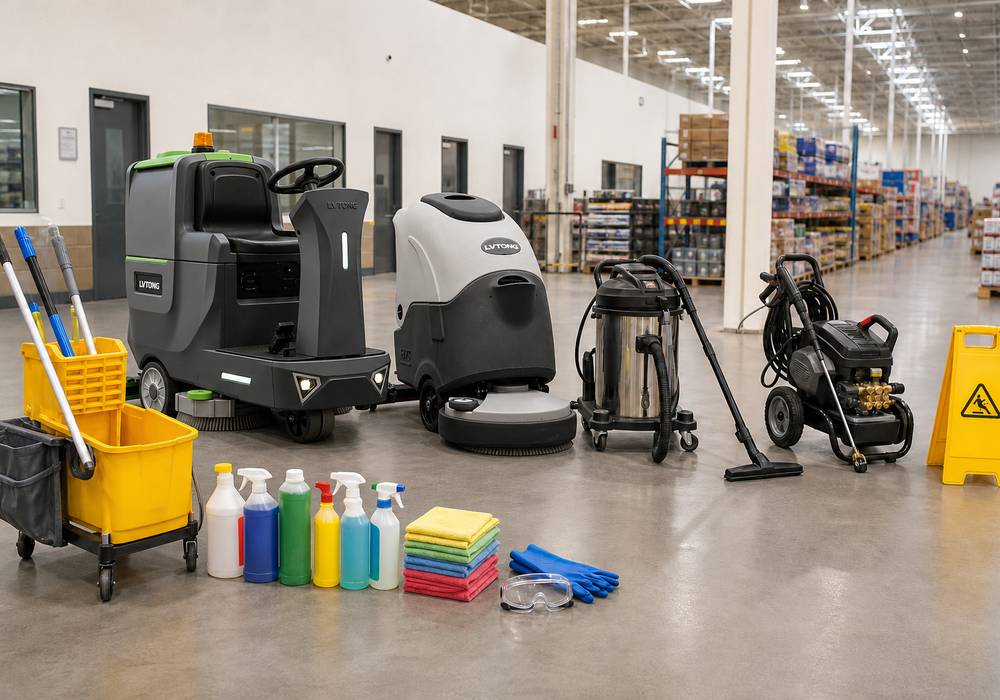
Промышленные поломоечные машины работают в сложных условиях, где грязная вода, пыль, волосы, упаковочные материалы, химикаты и мусор с пола могут быстро скапливаться вокруг резервуаров, фильтров, щеток, шлангов и скребков.
Без регулярного технического обслуживания поломоечная машина может начать оставлять после себя воду, снизить мощность всасывания, чистить неравномерно, приобрести неприятный запах или сократить время работы от батареи.
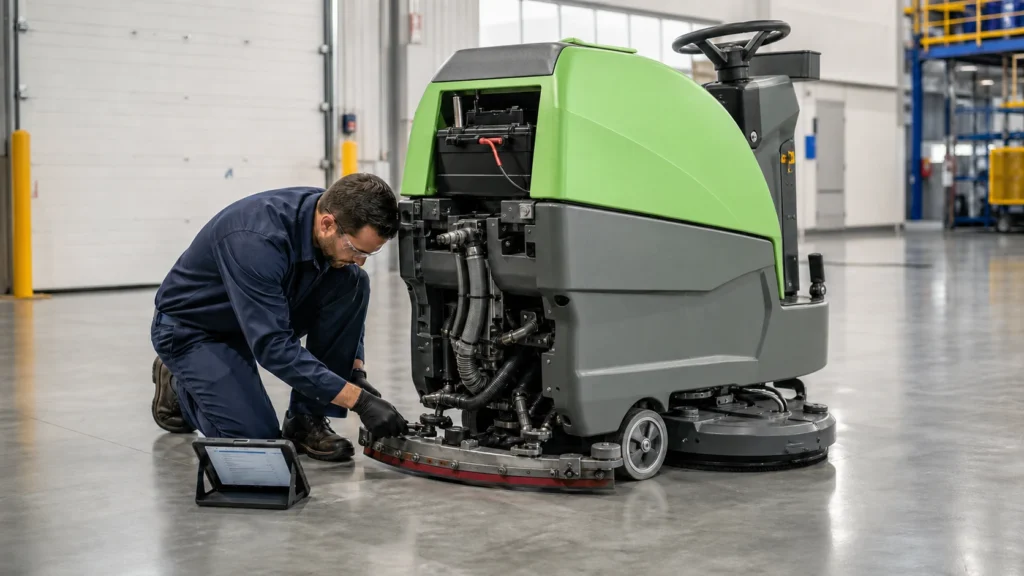
Структурированный контрольный список технического обслуживания поломоечных машин помогает операторам выявлять износ на ранних стадиях, поддерживать стабильную эффективность уборки и сокращать время простоя, которого можно избежать. Наиболее эффективная программа технического обслуживания разделяет задачи на проверки перед началом работы, уборку после использования, еженедельные осмотры, ежемесячное профилактическое обслуживание и плановое профессиональное обслуживание.
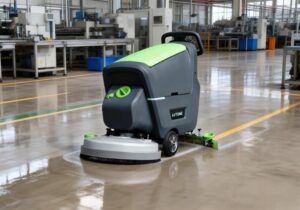
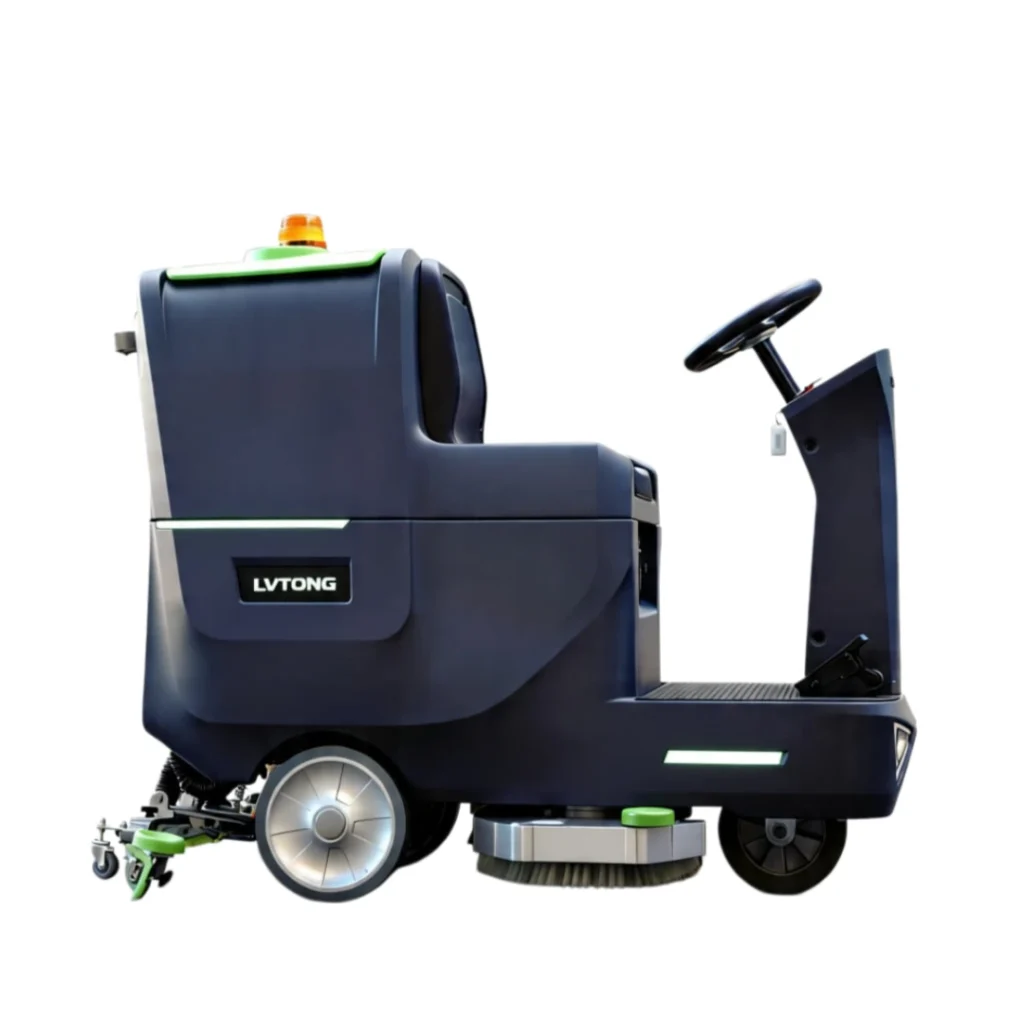
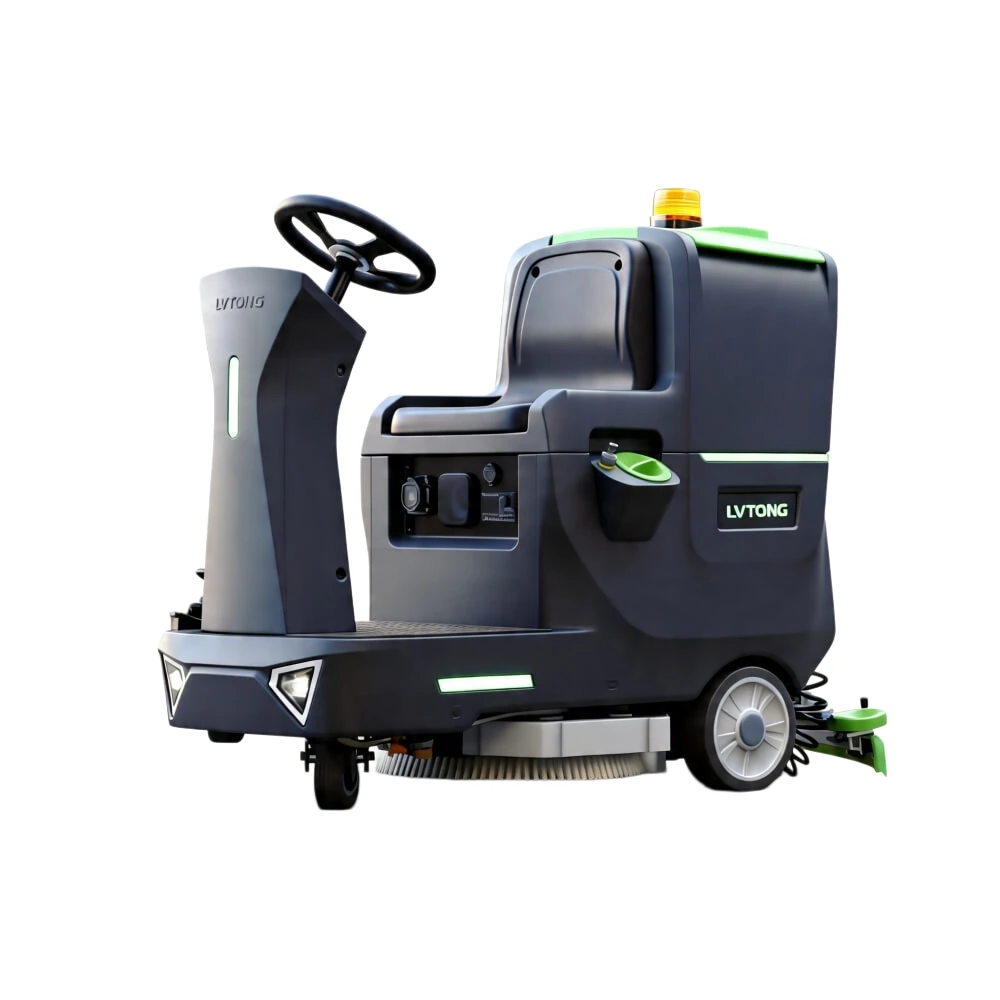
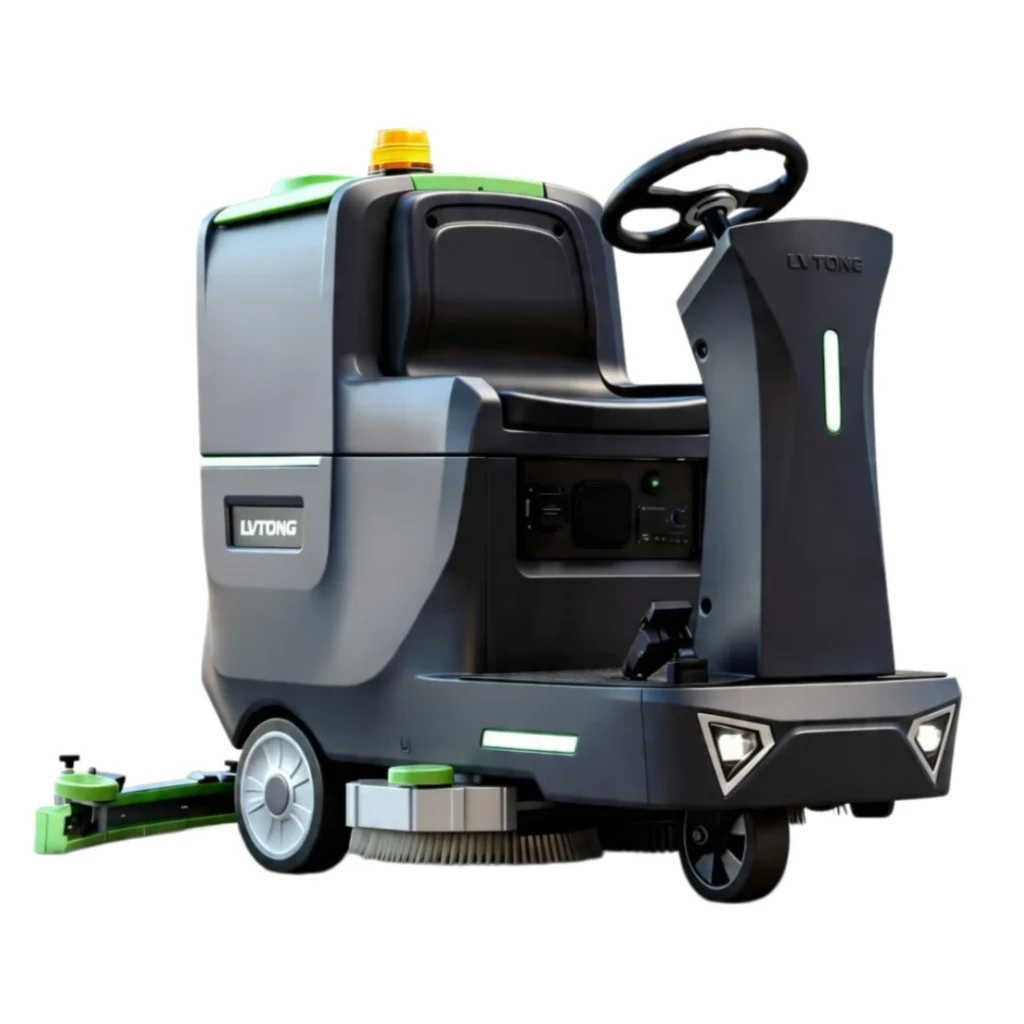
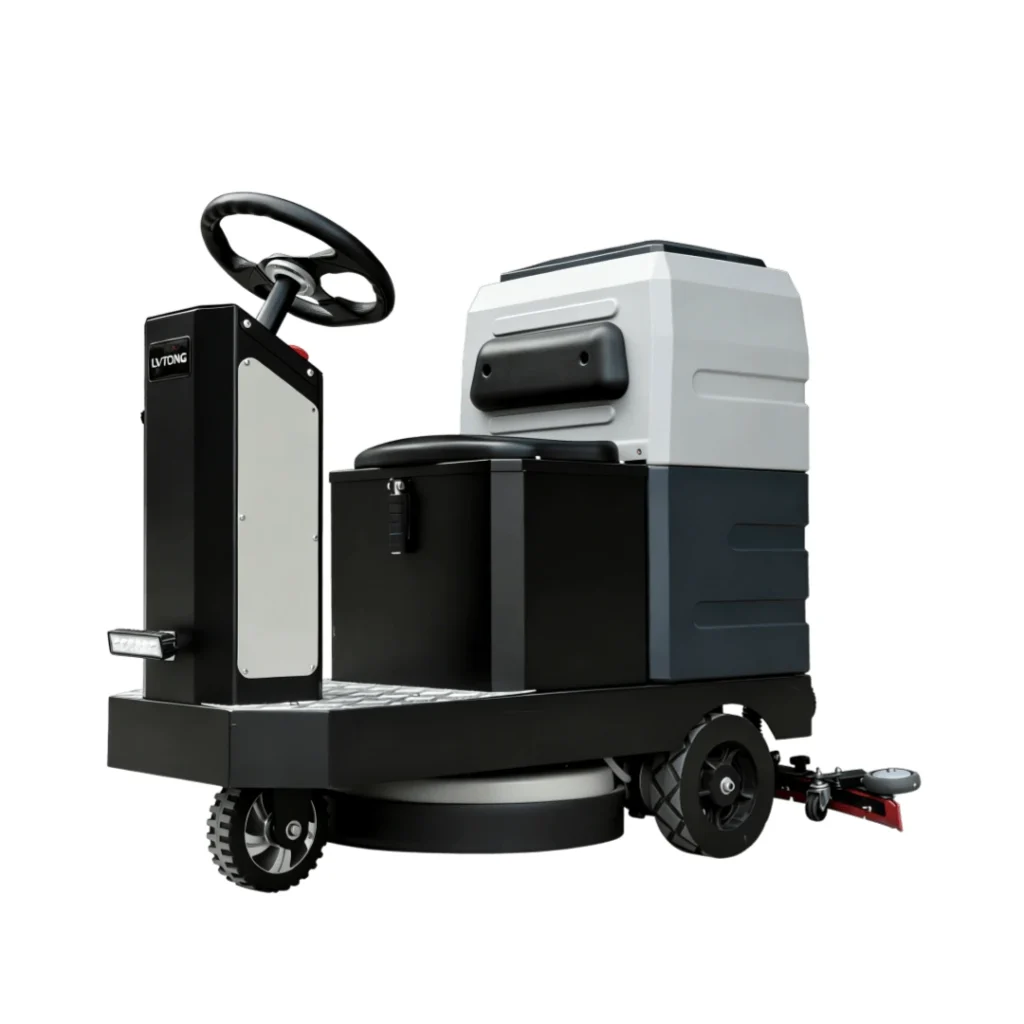
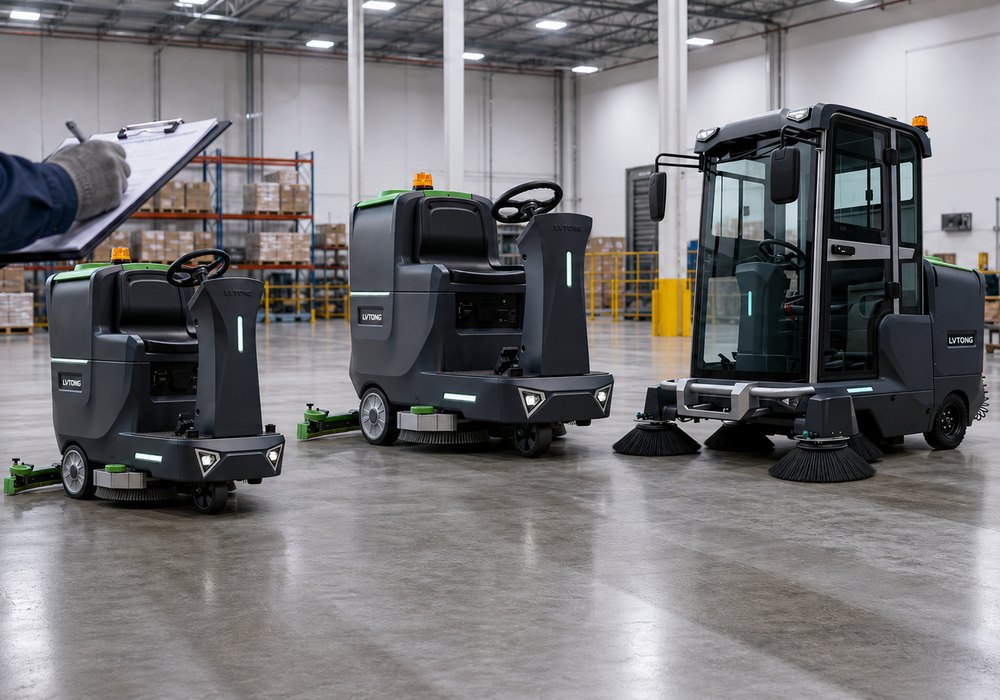
Данное руководство относится к коммерческим и промышленным поломоечным машинам, включая поломоечные машины с ручным управлением, с сиденьем для оператора и с сиденьем для оператора. Компания LVTONG предлагает широкий ассортимент продукции. коммерческие поломоечные машины-сушилки В вариантах с ручным управлением и с сиденьем для оператора, подходящих для помещений различного размера и с учетом требований к уборке.
LVTONG — производитель коммерческого уборочного оборудования, специализирующийся на поломоечных машинах с ручным и сиденьем для оператора, предназначенных для заводов, складов, логистических центров, торговых центров и других объектов промышленной уборки.
Поломоечные машины LVTONG выпускаются в различных конфигурациях, включая компактные модели с ручным управлением и высокопроизводительные машины с сиденьем для оператора, что позволяет предприятиям выбирать оборудование в зависимости от площади уборки, состояния пола, времени работы и требований к техническому обслуживанию.
Важный: Интервалы технического обслуживания зависят от модели, типа батареи, времени работы, состояния пола и местных требований безопасности. Всегда следуйте руководству по эксплуатации и инструкциям по техническому обслуживанию, прилагаемым к конкретной машине.
Краткий ответ: Краткое описание технического обслуживания коммерческих поломоечных машин.
Промышленную поломоечную машину следует осматривать перед каждой сменой, чистить после каждого использования, еженедельно проверять на наличие изнашивающихся деталей и исправность водопроводной системы, а также проводить профессиональное техническое обслуживание в соответствии с графиком работы и рекомендациями производителя.
К наиболее важным задачам по техническому обслуживанию относятся очистка резервуара для сбора отработанной жидкости, осмотр скребков, проверка вакуумных шлангов, обслуживание щеток или накладок, контроль состояния аккумулятора, а также проверка электрических и механических компонентов.
Регулярное техническое обслуживание промышленных поломоечных машин помогает предотвратить такие распространенные проблемы, как остаточная вода, слабая мощность всасывания, неравномерная очистка, неприятные запахи и сокращение времени работы от батареи. Программа профилактического обслуживания также может сократить время простоя и продлить срок службы промышленных поломоечных машин.

Краткий ответ: Как часто следует проводить техническое обслуживание поломоечной машины?
Промышленную поломоечную машину следует осматривать перед каждой сменой и чистить после каждого использования. Операторы должны слить и промыть резервуар для сбора отработанной жидкости, очистить фильтры, щетку или насадку, скребок и шланг пылесоса, а затем заправить машину и хранить ее в соответствии с инструкцией по эксплуатации.
Еженедельное и ежемесячное техническое обслуживание должно включать проверку на наличие утечек в шлангах, износ лезвий, состояние батареи, поток воды, крепежные элементы, колеса, уплотнения, электрические соединения и наличие необычных шумов. Двигатели, контроллеры, компоненты привода, зарядные устройства и емкость батареи следует проверять с интервалами обслуживания, указанными производителем.
Краткий обзор графика технического обслуживания поломоечных машин.
| Периодичность технического обслуживания | Основные задачи |
|---|---|
| Перед каждой сменой | Проверьте уровень заряда батареи, щетку, скребок, шланги, элементы управления, колеса и наличие видимых утечек. |
| После каждого использования | Слейте воду из баков и промойте их, очистите фильтры, используйте щетку или губку, скребок и шланг пылесоса. |
| Еженедельно | Проверьте износ скребка, уплотнения резервуара, водопроводные трубы, соединения шлангов и клеммы аккумулятора. |
| Ежемесячно | Проверьте крепежные элементы, колеса, поток воды, производительность вакуумной системы, кабели и компоненты привода. |
| Периодическое обслуживание | Проверьте двигатели, контроллер, зарядное устройство, емкость аккумулятора, подшипники и электрические системы. |
| Долгосрочное хранение | Очистите и высушите устройство, защитите аккумулятор и храните его в подходящем месте. |
Ведение документации по каждой проверке упрощает выявление повторяющихся проблем и подтверждает, что операторы выполняют необходимое техническое обслуживание.
Приоритетность технического обслуживания поломоечных машин по компонентам.
Компонент | Рекомендуемая частота | Назначение технического обслуживания
Резервуар для сбора отработанной жидкости | После каждого использования | Предотвращает появление запаха, скопление осадка и рост бактерий
Швабры | Ежедневный осмотр | Поддержание необходимого уровня воды и предотвращение разводов
Щетки и насадки | Ежедневный осмотр и еженедельная проверка | Поддержание эффективности уборки и снижение нагрузки на двигатель
Шланг и фильтр для пылесоса | Еженедельная проверка | Поддержание эффективности всасывания
Аккумуляторная система | Еженедельная проверка | Защита времени работы и срока службы батареи
Электрические компоненты | Ежемесячная проверка | Выявление рисков для безопасности и предотвращение неисправностей
Система привода и механические части | Ежемесячный осмотр | Обеспечение надежной работы
Почему важно проводить техническое обслуживание поломоечных машин
Поломоечная машина объединяет в себе несколько систем в одном устройстве:
- Поставка решений
- Щетка или подушечка для растирания
- рекуперация загрязненной воды
- Вакуумное всасывание
- Сушка с помощью скребка
- Аккумулятор и зарядка
- Привод и рулевое управление
- Электрические элементы управления
Небольшая проблема с техническим обслуживанием в одной системе может повлиять на производительность всей машины.
Например, загрязненный фильтр для сбора отработанного раствора может ограничивать поток воздуха. Поврежденное лезвие скребка может оставлять воду на полу. Засоренный трубопровод для моющего раствора может привести к неравномерной уборке. Мусор, намотанный на щетку, может увеличить нагрузку на двигатель и уменьшить площадь контакта с полом.
Проведение профилактического технического обслуживания обычно менее проблематично, чем ожидание выхода из строя какого-либо компонента во время смены по уборке.
Предварительная проверка поломоечной машины перед началом работы
Перед запуском машины операторы должны провести краткий осмотр. Информацию о настройке машины, проверках безопасности и порядке эксплуатации см. в нашем руководстве. как пользоваться поломоечной машиной с ручным управлением.
Проверьте оборудование на наличие видимых повреждений.
Обойдите скруббер и обратите внимание на следующее:
- Утечки жидкости
- Свободные панели
- Поврежденные кабели
- Треснувшие шланги
- Отсутствуют крепежные элементы
- Поврежденные колеса
- Отдельные компоненты скребка
- Сломанные переключатели или элементы управления
Не эксплуатируйте технику с оголённой проводкой, повреждённым зарядным кабелем, протекающим аккумулятором или неисправностью, которая может повлиять на торможение, рулевое управление или электробезопасность.
Осмотрите щетку или подушечку.
Проверьте, является ли щетка, насадка или устройство для подачи насадки:
- Правильно установлено
- Без спутанных волокон
- Износ равномерный
- Подходит для напольного покрытия.
- Надежно прикреплено
Перед началом работы удалите проволоку, волосы, пластиковые полоски, веревки и упаковочный материал. Эти материалы могут ограничивать движение щетки и увеличивать нагрузку на двигатель щетки.
Осмотрите скребковый механизм.
Подтвердите, что:
- Лезвия чистые.
- Края лезвия не порваны.
- Ракель установлен правильно.
- Шланг вакуумной системы подсоединен.
- Конструкция перемещается свободно.
- Лопасти равномерно соприкасаются с полом.
Поврежденный или неправильно отрегулированный скребок — одна из наиболее распространенных причин образования остатков воды.
Проверьте резервуары для раствора и отработанного раствора.
Перед заполнением резервуара с раствором:
- Убедитесь, что резервуар чистый.
- Убедитесь, что сливная пробка закрыта.
- Проверьте уплотнение резервуара.
- Убедитесь, что резервуар для сбора отработанного газа пуст.
- Убедитесь, что фильтр-уловитель и поплавок установлены правильно.
Используйте только чистящее средство, совместимое с машиной, материалом пола и системой сбора отработанного раствора. Ознакомьтесь с нашими рекомендациями. руководство по чистке пола с помощью скребка Для получения информации о совместимости с моющими средствами, контроле пенообразования, pH и разведении.
Проверка состояния батареи и зарядки
Перед началом работы:
- Убедитесь, что батарея достаточно заряжена.
- Проверьте клеммы на наличие ослабленных или поврежденных контактов.
- Убедитесь, что зарядный кабель отсоединен и надежно убран.
- Обратите внимание на признаки перегрева, коррозии, набухания или протечки.
- Убедитесь, что зарядное устройство завершило свой обычный цикл.
Не продолжайте эксплуатацию батареи, если она имеет физические повреждения или перегревается.

Техническое обслуживание после каждого использования
Техническое обслуживание после использования является наиболее важной частью программы обслуживания коммерческих поломоечных машин.
Грязная вода, остатки моющих средств, волосы, осадок и мусор с пола не должны оставаться внутри машины до следующей смены.
Слейте воду из резервуара для сбора отработанной жидкости и промойте его.
В резервуар для сбора сточных вод помещается загрязненная вода, собранная с пола. Если сточные воды остаются в резервуаре, это может привести к появлению запахов, отложений и размножению бактерий.
Выполните следующие общие шаги:
- Разместите машину на специально отведенной площадке для очистки и слива воды.
- Выключите аппарат и, при необходимости, выньте ключ.
- Осторожно опустите сливной шланг.
- Полностью опорожните резервуар для сбора отработанной жидкости.
- Промойте резервуар чистой водой.
- Удалите осадок со дна и из углов.
- Очистите поплавок, корзину для мусора и фильтр для сбора отработанной жидкости.
- Если это разрешено инструкцией к устройству, оставляйте резервуар открытым или вентилируемым для просушки.
Не направляйте струю воды под высоким давлением на электрические компоненты, выключатели, двигатели, разъемы или батарейные отсеки.
Очистите фильтр для сбора отработанного газа и корзину для мусора.
Загрязненный фильтр для сбора отработанной воды может ограничивать поток воздуха и снижать эффективность сбора воды.
Извлеките фильтр в соответствии с инструкцией по эксплуатации и:
- Стряхните с себя мелкий мусор.
- Когда фильтр станет моющимся, промойте его чистой водой.
- Осмотрите его на наличие трещин или деформаций.
- Перед повторной установкой, если это потребуется, дайте ему высохнуть.
- Замените его, если он перестал герметично закрываться или эффективно очищать.
Никогда не используйте машину без необходимого фильтра или поплавкового узла.
Слейте или промойте резервуар с раствором.
Резервуар с раствором следует опорожнить в следующих случаях:
- В этот день машина больше использоваться не будет.
- Был использован химический раствор.
- Станок будет отправлен на хранение.
- Виден осадок.
- В следующую смену будет использоваться другое моющее средство.
При необходимости промойте резервуар и проверьте фильтр раствора на наличие загрязнений.
Не допускайте высыхания химических остатков внутри клапанов, трубопроводов или фильтров.
Очистите щетку, подушечку или цилиндрический валик.
При необходимости, в соответствии с процедурой технического обслуживания, после использования снимите щетку или насадку.
Проверьте наличие:
- Волосы
- Проволока
- Веревка
- Пластиковая пленка
- Упаковочные ремни
- Металлические фрагменты
- Неравномерный износ щетины
- Разделение подушек
- Повреждение драйвера геймпада
Промойте щетку и дайте ей высохнуть. Не устанавливайте обратно поврежденную щетку, ослабленную насадку или треснувший привод для насадки.
Замените щетку или насадку, когда она достигнет установленного производителем предела износа, станет неравномерно прилегать к полу или перестанет обеспечивать постоянный контакт с полом.
Очистите и осмотрите лезвия скребка.
Протрите обе стороны лезвий скребка и снимите:
- Волосы
- Песок
- Смазка
- Материал этикетки
- Пластиковая пленка
- Остатки напольного покрытия
Осмотрите кромку лезвия на наличие следующих признаков:
- Сокращения
- Волны
- Постоянный изгиб
- Отсутствующие разделы
- Неравномерный износ
Некоторые лезвия скребков можно поворачивать или переворачивать, чтобы использовать другую кромку. Делайте это только в том случае, если конструкция лезвия и инструкция к устройству это позволяют.
Проверьте вакуумный шланг.
Осмотрите вакуумный шланг на наличие следующих признаков:
- Засоры
- Трещины
- Слабые связи
- Сплющенные участки
- Утечки воздуха
- Загрязнённые концы шлангов
Если мощность всасывания слабая, отсоедините шланг в соответствии с инструкцией по техническому обслуживанию и проверьте наличие мусора.
Не используйте острые металлические предметы, которые могут проколоть шланг.
Протрите корпус машины
Для удаления грязи используйте влажную тряпку:
- Панель управления
- Рукоятки
- Сиденье
- Подножная платформа
- Корпус машины
- Крышка батарейного отсека
- Колеса
- Бамперы
Избегайте распыления воды непосредственно на электрические зоны.
Правильно заряжайте и храните устройство.
После уборки:
- Разместите машину в сухом, хорошо проветриваемом месте.
- При необходимости поднимите защитную площадку.
- Оставляйте резервуары открытыми для просушки, если это разрешено инструкцией.
- Подключите одобренное зарядное устройство.
- Обеспечьте отсутствие источников возгорания в зоне зарядки.
- Не допускайте сдавливания или растяжения зарядного кабеля.
Храните устройство вдали от мест с низкими температурами, прямых солнечных лучей, стоячей воды и чрезмерного нагрева.

Еженедельное техническое обслуживание поломоечной машины
Еженедельное техническое обслуживание должно быть сосредоточено на изнашиваемых деталях, шлангах, уплотнениях, потоке воды и соединениях аккумулятора.
Осмотрите лезвия и колеса скребка.
Проверять:
- состояние переднего и заднего лезвия
- натяжение лезвия
- Уголок скребка
- Поворотные колеса
- Крепежные элементы
- Шланговое соединение
- Боковой контакт пола
Если вода остается в узкой полосе, осмотрите соответствующее место на лезвии на наличие мусора или повреждений.
Если вода остается по всей длине очищаемого участка, осмотрите вакуумный шланг, уплотнение резервуара, фильтр и вакуумную систему.
Проверьте систему растворов.
Проверьте, равномерно ли распределяется раствор по кисти или подушечке.
Проверить:
- Фильтр решений
- Водяные шланги
- Регулирующий клапан потока
- Электромагнитный клапан
- Шланговые соединения
- Точки распыления или распределения
Неравномерный поток воды может быть вызван отложениями осадка, химическими веществами, засорением фильтра или перекрытием шланга.
Проверьте крышки бака, прокладки и уплотнения.
Для корректной работы вакуумной системы резервуар для сбора отработанной жидкости должен оставаться герметично закрытым.
Проверьте:
- Крышка бака
- Прокладка крышки
- Крышка сливного шланга
- соединение вакуумного шланга
- Поплавковый выключатель
- Уплотнение фильтра рекуперации
Замените треснувшие или деформированные уплотнители.
Проверьте соединения батареи.
При выключенном оборудовании и в соответствии с правилами техники безопасности проверьте следующее:
- Терминальная герметичность
- Коррозия
- Изоляция кабеля
- Состояние разъема
- штекер зарядного устройства
- Признаки перегрева
Работы с клеммами аккумулятора и электрооборудованием должны выполняться только квалифицированным персоналом, если для выполнения процедуры требуются инструменты или отключение электропитания.
Проверьте соединения батареи.
При выключенном оборудовании и в соответствии с правилами техники безопасности проверьте следующее:
- Терминальная герметичность
- Коррозия
- Изоляция кабеля
- Состояние разъема
- штекер зарядного устройства
- Признаки перегрева
Работы с клеммами аккумулятора и электрооборудованием должны выполняться только квалифицированным персоналом, если для выполнения процедуры требуются инструменты или отключение электропитания.
Проверьте колеса и движущиеся части.
Проверить:
- Ведущие колеса
- Поворотные колеса
- Колеса для скребка
- Движение щетки по палубе
- Подъемные механизмы
- Петли
- Защелки
Удалите завернутые обломки и убедитесь, что движущиеся части работают без чрезмерного сопротивления.
Ежемесячное профилактическое техническое обслуживание
Ежемесячное техническое обслуживание должно включать более детальный осмотр конструктивных, механических и электрических компонентов.
Проверьте крепежные элементы и точки крепления.
Обычная вибрация оборудования может постепенно ослабить крепежные элементы.
Осмотрите доступные крепежные элементы вокруг:
- Щеточная палуба
- Сборка скребка
- Ручка
- Сиденье
- Батарейный отсек
- Защитные кожухи колес
- Петли бака
- Обложки
- Кронштейны для шлангов
Не перетягивайте крепежные элементы. Используйте крутящий момент и технические характеристики, указанные производителем.
Проверьте работу привода, рулевого управления и тормозной системы.
На самоходных, кабинных и сидячих машинах необходимо провести осмотр:
- Прямое и обратное движение
- Реакция рулевого управления
- стояночный тормоз
- состояние ведущего колеса
- контроль ускорения
- Аварийная остановка
- Система присутствия оператора
Прекратите использование машины, если рулевое управление, торможение или реакция на движение неисправны.
Проверьте электрические кабели и разъемы.
Искать:
- Ослабленные разъемы
- следы ожогов
- Повреждение от высокой температуры
- Открытые проводники
- Коррозия
- Раздавленные кабели
- Поврежденная изоляция
Электромонтажные работы должны выполняться квалифицированным обслуживающим персоналом.
Проверьте наличие посторонних шумов или вибрации.
Запустите устройство в безопасном месте и послушайте, что происходит:
- Шлифовка
- Соскабливание
- Дребезжание
- Повторные клики
- Чрезмерный шум двигателя
- Необычный звук пылесоса
Появление новых шумов или вибраций может указывать на ослабление компонента, износ подшипника, повреждение щетки, засорение вентилятора или проблему с приводной системой.

Обслуживание аккумуляторов и зарядных устройств
Техническое обслуживание аккумулятора зависит от его химического состава. Не следует применять одну и ту же процедуру ко всем типам аккумуляторов. Для получения более подробной информации о процедуре зарядки и проверки ознакомьтесь с нашими рекомендациями. Руководство по техническому обслуживанию аккумуляторных батарей поломоечных машин.
Обслуживание литиевых батарей
Ежедневная проверка литиевых батарей
Перед началом эксплуатации и зарядкой:
- Проверьте корпус батареи на наличие повреждений.
- Проверьте зарядные кабели и разъемы.
- Проверьте наличие вздутия, протечек или коррозии.
- Убедитесь, что предупреждение о низком заряде батареи не отображается.
- Прекратите использование батареи, если она сильно нагревается.
Меры предосторожности при зарядке и хранении
Для поломоечных машин с литий-ионными аккумуляторами:
- Используйте зарядное устройство, одобренное для данной аккумуляторной системы.
- Избегайте использования батарей с физическими повреждениями.
- Не подвергайте батарею чрезмерному нагреву.
- Следите за тем, чтобы разъемы для зарядки были чистыми и сухими.
- Соблюдайте рекомендуемый уровень заряда батареи при хранении.
- Не вскрывайте и не модифицируйте аккумуляторный блок.
- Прекратите зарядку при появлении аномального нагрева, запаха, вздутия или предупреждений о неисправности.
Система управления батареей не заменяет регулярный визуальный осмотр.
Обслуживание свинцово-кислотных аккумуляторов с жидким электролитом
Проверка полива и электролитного баланса
Для свинцово-кислотных аккумуляторов с жидким электролитом:
- Следуйте инструкциям по эксплуатации аккумулятора и оборудования.
- Проверяйте уровень электролитов через указанные интервалы времени.
- Используйте только тот тип воды, который указан производителем аккумулятора.
- Не добавляйте кислоту во время планового технического обслуживания.
- Поддерживайте чистоту и безопасность терминалов.
- Используйте необходимые средства индивидуальной защиты.
Полив и обслуживание аккумуляторных батарей должны выполняться только квалифицированным персоналом.
Безопасность зарядки свинцово-кислотных аккумуляторов
Во время зарядки:
- Используйте хорошо проветриваемое место для зарядки.
- Держите подальше от батареи искры, пламя и дым.
- Перед подключением проверьте вилку зарядного устройства.
- Не заряжайте протекающую или физически поврежденную батарею.
- Следуйте необходимой последовательности зарядки.
- Дождитесь завершения обычного цикла зарядки зарядного устройства.
Обслуживание AGM и гелевых аккумуляторов
Точки осмотра AGM и гелевых аккумуляторов
Аккумуляторы AGM и гелевые аккумуляторы герметичны и не должны вскрываться или допускать попадание воды в них.
В центре внимания при проведении технического обслуживания должны быть:
- Процедура зарядки
- конечное состояние
- Повреждение кабеля
- Физический отек
- Избыточная жара
- Условия хранения
Использование неправильного профиля зарядного устройства может снизить производительность батареи или повредить её.
Обслуживание лезвия скребка
Система скребков собирает грязную воду и помогает высушить пол.
Распространенные признаки проблем со скребком для волос
К распространенным признакам относятся:
- Водяные полосы
- Вода слева на поворотах
- Чрезмерный шум всасывания
- Неравномерная сушка
- Снижен уровень извлечения воды

Запахи обычно появляются, когда в резервуаре остаются грязная вода, остатки моющих средств и органические вещества. После каждой смены сливайте, промывайте и высушивайте резервуар для сбора отработанной воды.
Как проверить лезвие скребка
Снимите скребок в соответствии с инструкцией к устройству и проверьте, в чем заключается проблема:
- Край прямой.
- Материал сохраняет гибкость.
- Лезвие без порезов.
- Лезвие равномерно соприкасается с полом.
- Крепежная планка надежно зафиксирована.
- Поворотные колеса свободно вращаются.
Замените лезвие, когда его рабочие кромки изношены, повреждены, необратимо деформированы или перестали обеспечивать равномерный контакт.
Уход за щетками и подушечками.
Состояние щеток и насадок влияет как на качество уборки, так и на нагрузку на машину.
Техническое обслуживание дисковых щеток
Проверьте дисковые щетки на наличие следующих дефектов:
- Неравномерная длина щетины
- Отсутствуют щетинки
- Трещины
- Вкрапленные обломки
- Чрезмерный износ
- Поврежденные точки крепления
Обслуживание цилиндрических щеток
Проверьте цилиндрические щетки и поддоны для мусора на наличие следующих признаков:
- Упакованный материал
- Неравномерный износ
- Изогнутые щетинки
- Сопротивление подшипника
- Неправильное выравнивание
- Накопившийся мусор
В цилиндрических системах во время очистки может скапливаться рыхлый материал, поэтому поддон для мусора следует регулярно опорожнять и очищать.
Техническое обслуживание площадки и привода площадки
Проверьте это:
- Подушечка расположена по центру.
- Подушечка не порвана.
- Крючки для крепления тормозных колодок целы.
- Выбранная подложка подходит для пола.
- Прокладка не стала чрезмерно тонкой.
Смещенная или поврежденная насадка может вызывать вибрацию и неравномерную очистку.

Различия в техническом обслуживании самоходных, ручных и самоходных снегоуборочных машин.
Основные принципы технического обслуживания схожи, но для каждого типа машин предусмотрены дополнительные точки осмотра.
Техническое обслуживание поломоечных машин с ручным управлением
Поломоечные машины с ручным управлением требуют регулярного осмотра:
- Управление рукояткой
- Прокладка кабелей
- системы контроля тяги
- Маленькие роликовые колеса
- механизм подъема щеточной платформы
- Компактные шланговые соединения
Поскольку эти машины часто работают в узких пространствах, колеса и боковые компоненты могут часто соприкасаться со стенами, полками и дверными проемами.
Доступ для технического обслуживания, конфигурация батареи, размер бака и расположение компонентов могут различаться в зависимости от модели. поломоечные машины с ручным управлением.
Техническое обслуживание поломоечной машины с сиденьем для оператора
Также следует проверить скрубберы с ручным управлением на наличие следующих признаков:
- элементы управления присутствием оператора
- Состояние платформы
- Реакция рулевого управления
- датчики безопасности
- Управление приводом
- Система аварийной остановки
Техническое обслуживание поломоечных машин с сиденьем для оператора
Для скрубберов с сиденьем для оператора требуется дополнительная проверка следующих элементов:
- переключатель сиденья
- система рулевого управления
- Тормозная система
- Ведущие колеса
- Предупреждающий индикатор
- Управление дисплеем
- Более мощная аккумуляторная система
- Платформа оператора
- Защита заднего скребка
Графики технического обслуживания должны основываться как на времени, так и на часах работы.
Методика принятия решений по техническому обслуживанию поломоечных машин: поиск и устранение неисправностей по симптомам.
При возникновении проблем с работой поломоечной машины следует проводить техническое обслуживание в соответствии с поэтапной процедурой проверки, а не сразу заменять детали.
Проблема: Поломоечная машина оставляет воду после себя.
Проверяйте в следующем порядке:
1. Осмотрите лезвия скребка на наличие повреждений, износа или неправильного контакта.
2. Проверьте вакуумный шланг на наличие засоров или утечек воздуха.
3. Очистите фильтр для сбора отработанной жидкости и убедитесь в герметичности бака.
4. Проверьте работоспособность вакуумного двигателя.
Проблема: Поломоечная машина имеет низкую эффективность уборки.
Проверяйте в следующем порядке:
1. Осмотрите щетку или накладку на предмет износа.
2. Убедитесь, что щетка или насадка подходят для вашей поверхности пола.
3. Проверьте скорость потока раствора и степень разбавления моющего средства.
4. Проверьте давление щетки и настройки машины.
Проблема: Время работы от батареи поломоечной машины сократилось.
Проверяйте в следующем порядке:
1. Убедитесь в правильности процедуры зарядки.
2. Проверьте состояние батареи и клемм.
3. Проверьте условия эксплуатации, которые приводят к увеличению энергопотребления.
4. Оцените, требуется ли замена батареи.
Проблема: Поломоечная машина издает необычный шум или вибрацию.
Проверяйте в следующем порядке:
1. Удалите мусор с кистей или валиков.
2. Проверьте правильность установки и выравнивания щеток.
3. Проверьте ослабленные крепежные элементы.
4. Осмотрите механические компоненты и приводные системы.
Симптомы, которые может устранить плановое техническое обслуживание
Плановое техническое обслуживание может устранить некоторые основные проблемы с производительностью. Однако оно не должно заменять квалифицированный ремонт.
| Симптом | Первичная проверка технического состояния |
|---|---|
| Вода, оставшаяся после | Очистите лезвия скребка, проверьте износ лезвий, проверьте шланг пылесоса. |
| Слабое всасывание | Очистите фильтр-уловитель, проверьте герметичность бака, проверьте шланг на наличие засоров. |
| Неравномерная чистка | Проверьте износ щеток, удалите запутанный мусор, проверьте правильность установки насадки. |
| Нет потока решения | Проверьте уровень раствора, фильтр, шланг, клапан и настройку потока. |
| Неравномерный поток раствора | Очистите фильтр и распределительные узлы; проверьте наличие засоров в шлангах. |
| Короткое время работы от батареи | Убедитесь в полном заряде, осмотрите клеммы, проверьте состояние батареи. |
| Неприятный запах | Слейте воду, промойте и высушите резервуар для сбора отработанной жидкости и фильтр. |
| Чрезмерная вибрация | Проверьте щетку, выравнивание насадки, крепежные элементы и упакованный мусор. |
| Ненормальный шум вакуума | Проверьте наличие засоров в шланге, фильтре, уплотнении бака и вакуумном патрубке. |
Если симптом сохраняется после базовой очистки и осмотра, прекратите эксплуатацию машины и обратитесь к процедуре поиска и устранения неисправностей, специфичной для данной модели.
Когда следует остановить оборудование и обратиться к специалисту.
- Запах гари
- Дым
- Вздутие или протечка батареи
- Повторяющиеся коды электрических неисправностей
- Поврежденный зарядный кабель
- Открытая проводка
- Перегрев двигателя
- Шум скрежета
- Сильная вибрация
- Жидкость вблизи электрических компонентов
- Неисправность тормозов
- Неисправность рулевого управления
- Отказ приводной системы
- Повторяющаяся ошибка зарядного устройства
- Структурные трещины
- Неисправность вакуумного двигателя
Не следует обходить предохранительные выключатели, предохранители, элементы управления батареей или системы контроля присутствия оператора.
В случае электрических неисправностей, поломок двигателя, необходимости замены деталей или постоянных проблем с производительностью, обратитесь в компанию LVTONG. техническое обслуживание и поддержка по техническому обслуживанию.Прекратите использование поломоечной машины при возникновении любого из следующих событий:
Распечатываемый контрольный список по техническому обслуживанию поломоечной машины
Следующий контрольный список можно скопировать в лист учета работы оператора.
Перед каждой сменой
- Проверьте уровень заряда батареи.
- Проверьте кабели и разъемы.
- Проверьте резервуары для раствора и для сбора отработанного раствора.
- Осмотрите кисть, подушечку или валик.
- Проверьте лезвия скребка.
- Проверьте соединение вакуумного шланга.
- Проверьте колеса и видимые крепежные элементы.
- Проверьте органы управления, рулевое управление и тормоза.
- Проверьте на наличие протечек.
- Убедитесь в исправности необходимых систем безопасности.
После каждого использования
- Слейте воду из резервуара для сбора отработанной жидкости.
- Промойте резервуар для сбора отработанной жидкости.
- Очистите корзину для мусора и фильтр.
- При необходимости слейте или промойте резервуар с раствором.
- Очистите щетку или подушечку.
- Удалите запутавшийся мусор.
- Очистите лезвия скребка.
- Проверьте вакуумный шланг.
- Протрите внешнюю поверхность аппарата.
- Зарядите аккумулятор.
- Храните устройство в сухом месте.
- При наличии такой возможности оставляйте резервуары открытыми для просушки.
Еженедельно
- Проверьте износ лезвия скребка.
- Проверьте уплотнения резервуара.
- Проверьте шланг пылесоса на наличие трещин.
- Очистите фильтр раствора.
- Проверьте ход решения.
- Проверьте клеммы аккумулятора.
- Проверьте колеса и движущиеся части.
- Проверьте вилку и кабель зарядного устройства.
Еженедельно
- Проверьте доступные крепежные элементы.
- Осмотрите компоненты привода и рулевого управления.
- Проверьте работу тормозной системы и системы экстренного торможения.
- Осмотрите электрические кабели.
- Проверьте наличие посторонних шумов.
- Проверьте движение щеток на площадке.
- Просмотрите записи о техническом обслуживании.
- Плановое техническое обслуживание при повторяющихся неисправностях.
Почему перед покупкой поломоечной машины следует подумать о техническом обслуживании
Перед приобретением коммерческой поломоечной машины следует учитывать требования к техническому обслуживанию, поскольку самая низкая цена покупки не всегда означает самые низкие эксплуатационные расходы.
Компаниям, оценивающим возможности установки поломоечных машин, следует учитывать следующее:
– Наличие запасных частей
– Простота проведения ежедневной уборки
– Требования к техническому обслуживанию батареи
– Потребности в обучении операторов
– Сервисная поддержка от производителя
– Долгосрочные затраты на техническое обслуживание
Надежный поставщик поломоечных машин должен предоставлять не только оборудование, но и рекомендации по техническому обслуживанию, поддержку запасными частями и техническую помощь на протяжении всего срока службы машины.
ЧАСТО ЗАДАВАЕМЫЕ ВОПРОСЫ
Почему моя коммерческая поломоечная машина теряет мощность всасывания?
Промышленная поломоечная машина может терять мощность всасывания из-за загрязненного фильтра для сбора отработанной жидкости, засоренного вакуумного шланга, поврежденных лезвий скребка, плохой герметизации бака или проблем с вакуумной системой. Перед осмотром вакуумного двигателя начните техническое обслуживание с проверки скребка, соединений шланга, фильтра и герметичности бака для сбора отработанной жидкости.
Как профилактическое техническое обслуживание продлевает срок службы поломоечных машин?
Профилактическое техническое обслуживание поломоечных машин продлевает срок службы оборудования за счет снижения износа щеток, скребков, аккумуляторов, двигателей и электрических компонентов. Регулярный осмотр позволяет операторам выявлять мелкие неполадки до того, как они превратятся в дорогостоящий ремонт или приведут к неожиданным простоям.
Какие записи о техническом обслуживании поломоечной машины должно вестись на предприятии?
На предприятии следует регистрировать даты проверок, часы работы, состояние батарей, замененные детали, ремонты и повторяющиеся проблемы. Записи о техническом обслуживании помогают выявлять тенденции в работе и создавать более эффективный график обслуживания поломоечных машин.
Как часто следует проводить техническое обслуживание поломоечной машины?
Проверяйте оборудование перед каждой сменой и очищайте его после каждого использования. Более детальные проверки проводите еженедельно и ежемесячно. Интервалы технического обслуживания, указанные в руководстве по эксплуатации модели, зависят от количества отработанных часов.
Что следует очистить после использования поломоечной машины?
Слейте воду из резервуара для сбора отработанной жидкости и промойте его, очистите фильтры и корзину для мусора, удалите мусор с щетки или насадки, протрите скребки, осмотрите вакуумный шланг и очистите внешнюю поверхность машины.
Почему моя поломоечная машина оставляет после себя воду?
К распространенным причинам, связанным с техническим обслуживанием, относятся загрязнение или износ лезвий скребка, засорение вакуумного шланга, загрязнение фильтра для сбора отработанной жидкости, плохое уплотнение бака или неправильная регулировка скребка.
Почему из резервуара для сбора отработанной жидкости исходит неприятный запах?
Запахи обычно появляются, когда в резервуаре остаются грязная вода, остатки моющих средств и органические вещества. После каждой смены сливайте, промывайте и высушивайте резервуар для сбора отработанной воды.
Можно ли переворачивать лезвия скребка для пола?
Некоторые лезвия имеют несколько рабочих кромок и могут поворачиваться или переворачиваться. Перед изменением ориентации лезвия ознакомьтесь с его конструкцией и руководством по эксплуатации.
Заключительные рекомендации по техническому обслуживанию
Надежная программа технического обслуживания поломоечных машин основана на регулярности, а не на периодическом проведении капитального ремонта.
Перед началом работы осматривайте машину, очищайте ее после каждой смены, регистрируйте результаты еженедельных и ежемесячных проверок и оперативно реагируйте на изменения в силе всасывания, потоке воды, уровне шума, вибрации или работе батареи.
Ежедневная чистка защищает резервуары, фильтры, щетки, шланги и систему скребков. Плановое профилактическое техническое обслуживание защищает аккумулятор, приводную систему, электрические компоненты и конструкцию машины.
Для получения рекомендаций по техническому обслуживанию конкретной модели укажите модель машины, серийный номер, тип батареи, наработку часов, состояние пола и наблюдаемые симптомы. Эта информация позволит поставщику или сервисному специалисту определить правильную процедуру осмотра и ремонта.