In current warehousing and logistics, cleanliness is not something that happens behind the scenes but is instead an essential part of any operation. As facilities expand and densities of workflow and safety requirements are heightened, traditional cleaning methodologies find it difficult to keep pace.
Dust, pallet debris, packaging waste, tire marks, and other appearances can have more significant implications. This includes implications for the floor, equipment, workers, and facility operational effectiveness. This is why more warehouse managers than in the past have questions regarding the best practices for warehouse floor cleaning, including when it is appropriate to use an industrial sweeper-scrubber.
From their experience in real-world warehouse settings and operational requirements, the authors of this guide have identified six areas where the need for a sweeper-scrubber becomes not an optional want, but the next natural step—and how the solutions offered by LVTONG Cleaning meet these specific demands.
Why Warehouse Floor Cleaning Directly Affects Warehouse Operations
IIn a busy warehouse environment, floors are in heavy use. Forklift trucks, pallet jacks, AGVs, and foot traffic all share common floor space. Even small quantities of debris, dirt, or water can pose a risk to smooth operations or create a danger to pedestrian and forklift traffic.
Industry statistics indicate that slip and fall accidents are still one of the major causes of industrial injuries. Moreover, unclean floors result in increased tire wear on vehicles, impaired visibility for floor markings, and increased maintenance downtimes.
Doing the floors effectively is not all about aesthetics. It’s all about risk reduction, productivity, and cost containment.
1. Your Warehouse Floor Area Has Outgrown Manual or Small Equipment Cleaning
Scale can be considered one of the very first indicators that cleaning techniques must evolve.
With an ever-growing amount of floor space in the warehouse, conventional walk behind scrubbers or manual process cleaning can become inefficient. More time is spent on refilling water tanks or replacing brushes rather than the actual cleaning process.
In bigger warehouses, this results in:
- IIncomplete cleaning
- Missed aisles or corners
- Cleaning forced into odd hours or abandoned entirely
These industrial sweeper scrubbers are intended for large cleaning path widths and long operation durations. They ensure a large coverage area without frequent shutdowns.
LVTONG offers ride-on and industrial cleaning machines, designed for large warehouses and intended to ensure a constant floor level in the logistics and storage areas as well as near the production lines.
2. You Need Sweeping and Scrubbing in a Single Continuous Action
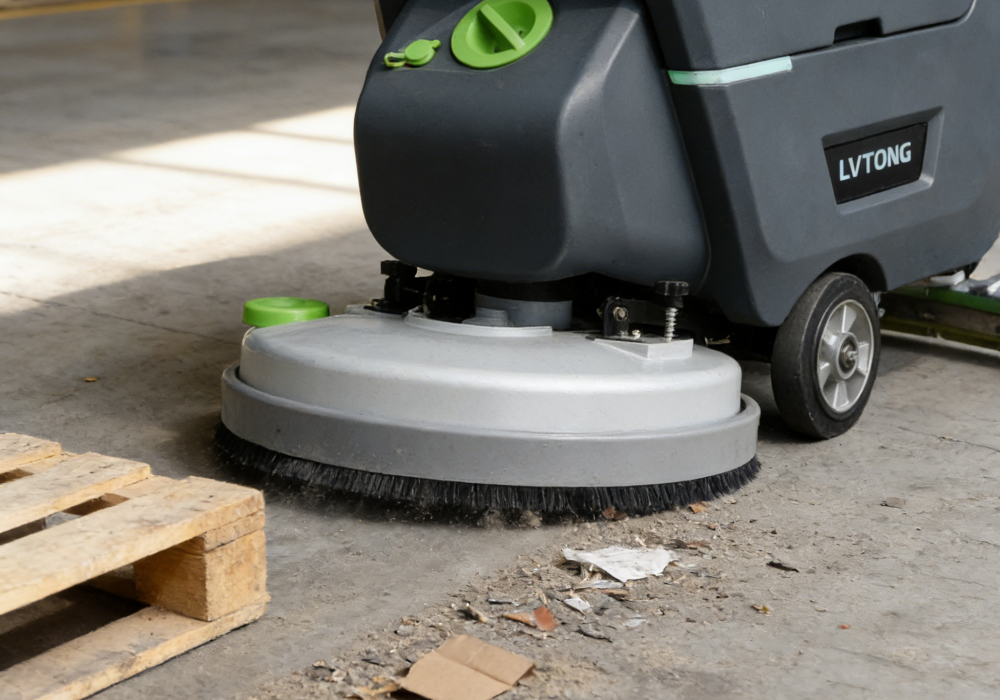
In most warehouses, debris does not just end with dust. Broken pallets, shrink wrap debris, packing material, and grit are not uncommon, especially around inbound and outbound zones.
In many cases, when sweeping and scrubbing are done in two separate steps, there can:
- Extra labor time
- Multiple machines in the same area
- Increased risk of residual debris being left behind
Sweeper-scrubber machines incorporate both functions into one process, picking up debris prior to scrubbing the floor. This eliminates the possibility of debris being scattered or turning into slurry during wet cleaning.
In the case of mixed debris, the LVTONG integrated cleaning systems are developed to remove fine particulates, as well as heavier debris, effectively making them suitable for warehouses with mixed day-to-day activities.
3. Safety and Workplace Health Are Becoming Higher Priorities
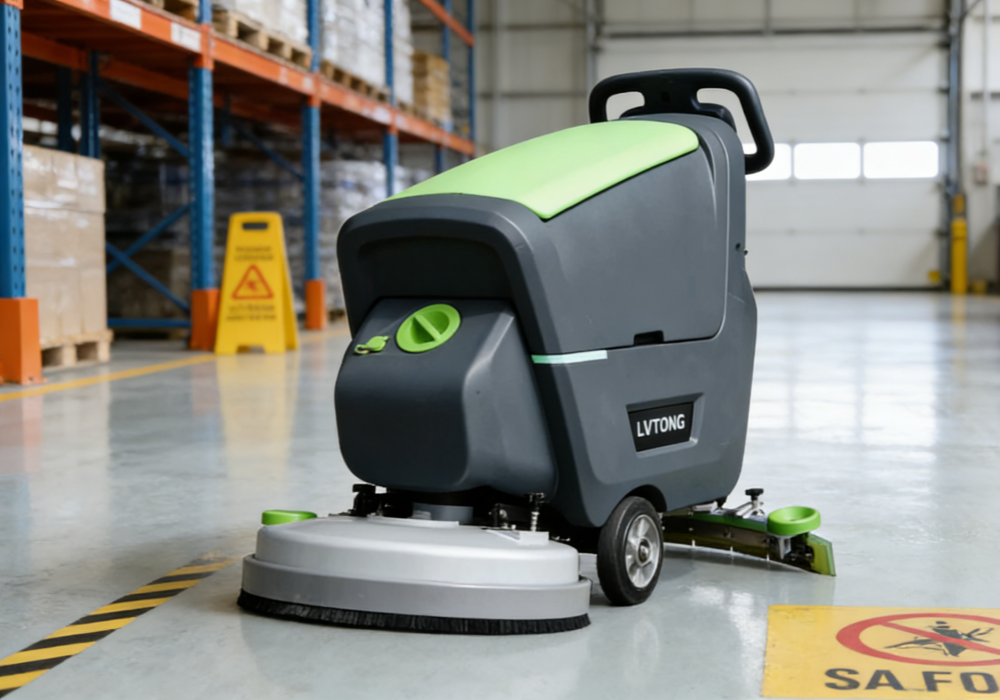
With improvements in safety standards, warehouse managers continue to face the pressure of reducing preventable occurrences.
Dirty or improperly maintained floors directly affect:
- Slips and falls
- Decreased traction for Forklifts
- Poor visibility of safety markings
Contemporary sweeper/scrubbers correct these problems by:
- Managed water usage
- Debris removal efficiency
- Dry faster
In the LVTONG industrial cleaning machines, some variations come equipped with battery power and low emission, and they are very suitable for use indoors.
Through the maintenance of drier and cleaner floors throughout the working hours, facilities are in a position to greatly reduce safety risks.
4. Cleaning Time Is Competing With Productivity
When it comes to fast-paced warehouses, cleaning must sometimes fit in around production, shipment deadlines, and shift times.
If the equipment used for cleaning is not very efficient, it may result in the following:
- Interrupt workflows
- Require overtime work
- Decrease consistency between shifts
Industrial sweeper-scrubbers function with an emphasis on ease of use and efficiency in operation. Such aspects as simple operation, large tank capacity, and broad sweep widths ensure that cleaners clean larger areas within the shortest possible operating time.
LVTONG aims to concentrate on machine design that workers can quickly understand and operate effectively, so that facilities can remain clean without affecting productivity.
5. Long-Term Cleaning Costs Are Under Review
Even though the cost is high for the industrial cleaning equipment, they find that the operational cost is reduced significantly in the long run.
Factors that commonly help cut costs are:
- Reduced labor hours
- Lower water and chemical use
- Fewer maintenance downtime events
- Increased floor coverage area
Rather than focusing on issues related to surface cleaning, sweeper-scubbers can prevent costly problems that may warrant replacing a floor prematurely.
The robust design and facilities-oriented functionality of LVTONG are intended to make them a sound long-term investment for facilities planning on into the future.
6. Your Cleaning Needs Are Changing or Becoming More Complex
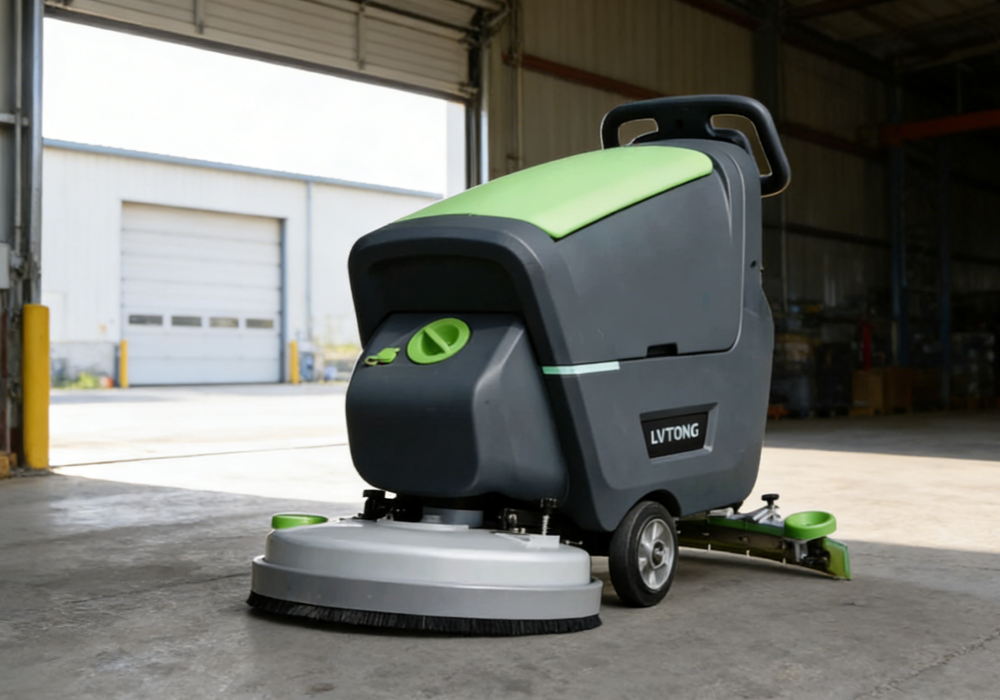
Warehouses do not usually remain unchanged. There might be changes in their layout, product offerings, and traffic flow.
The equipment may sometimes require cleaning equipment capable of handling:
- Debris types
- Mixed indoor and semi-outdoor areas
- Variable cleaning frequencies
The need for versatility arises.
LVTONG provides industrial cleaning agents meant for dealing with different operational tasks, irrespective of whether it’s day-by-day maintenance or extensive cleaning in high-traffic areas.
Because of this adaptability, warehouse managers can easily react to changes in warehouse operations without the need for continuous replacement of this type of equipment.
When a Sweeper-Scrubber May Not Be the Right Fit
It’s essential to be realistic. Not all facilities need an industrial sweeper-scrubber.
Smaller warehouses with limited debris or traffic may continue to function well with simple cleaning equipment. It is a matter of recognizing when functional needs are no longer well addressed with manual or small-scale equipment.
An upgrade in the janitorial equipment ought to be made in a strategic manner, taking into account the size of the floors, nature of debris, and intended safety objectives.
Completing The Informed Equitment Dec
Making the right choice concerning a cleaner is not about obtaining the latest technology—it’s about matching your equipment with your environment.
Before a decision is made, consider the following:
- Total floor area
- Type and amount of debris
- Cleaning frequency
- Operator Availability
- Safety & Compliance Requirements
Talking with a experienced healthcare provider may help identify if a sweeper/scrubber would be appropriate.
About LVTONG Cleaning
This article is brought to you by the LVTONG Cleaning Solutions Team, specialists in industrial and commercial floor cleaning equipment for warehouses, logistics, and manufacturing.
Embracing design for functionality, long-lasting performance, and usability, LVTONG is supportive of businesses in their quest for efficient cleaning solutions and safety at their workplaces. For possible solutions for your warehouse or different challenges you are experiencing with cleaning, you can get in touch with LVTONG through lvtongclean.com.