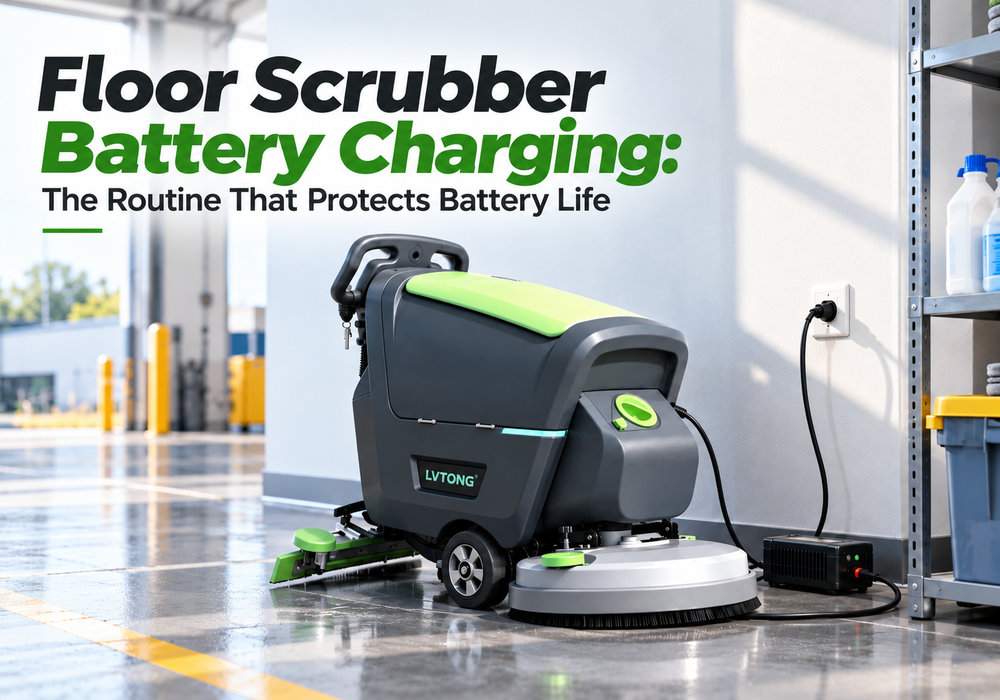

A floor scrubber battery charging routine costs nothing to run and decides more of your battery’s real life than the label on the pack does. Most facilities buy the right chemistry and then quietly waste it: chargers left on the wrong bank, partial top-ups on lead-acid, packs stored flat over a long weekend. This guide sets out the daily routine, the way charging differs between lithium and lead-acid, how to plan charging time against the shift, and the safety rules a charging bay has to follow.
QUICK ANSWER
Floor scrubber battery charging works when it matches the chemistry: lead-acid wants a full charge every shift, lithium tolerates flexible top-ups — and the routine, not the pack, decides how long the battery lasts.
- The routine: park dry and ventilated, power down, connect the matched charger, let the cycle finish, log one line.
- Lead-acid: full charge after every use, periodic equalizing, watering, a ventilated bay.
- Lithium: opportunity charging is safe, storage around half charge, and never charge a frozen pack.
- Charging time: amp-hours used ÷ charger output — if the pack is never full by next shift, fix the charger or the route, not the night.
Each section below answers one charging question in the order it comes up on site.
Why Floor Scrubber Battery Charging Habits Decide Battery Life
Most floor scrubber batteries are retired early by charging habits, not by the chemistry printed on the label.
Cycle-life ratings — the 1,200 or 1,500 cycles a datasheet promises — are measured under controlled conditions: the correct charger, a defined depth of discharge, a stable temperature. A machine in a real building is charged by whichever operator finishes last, in whichever corner is free, on whatever schedule the shift allows. Chronic partial charging on lead-acid, repeated hot charging, or a mismatched charger can cut achieved cycles dramatically before the pack shows a single fault code. That is why our floor scrubber battery guide treats selection and charging discipline as two separate decisions: the purchase sets the ceiling, the routine decides how close you get to it.
How to Charge a Floor Scrubber Battery, Step by Step
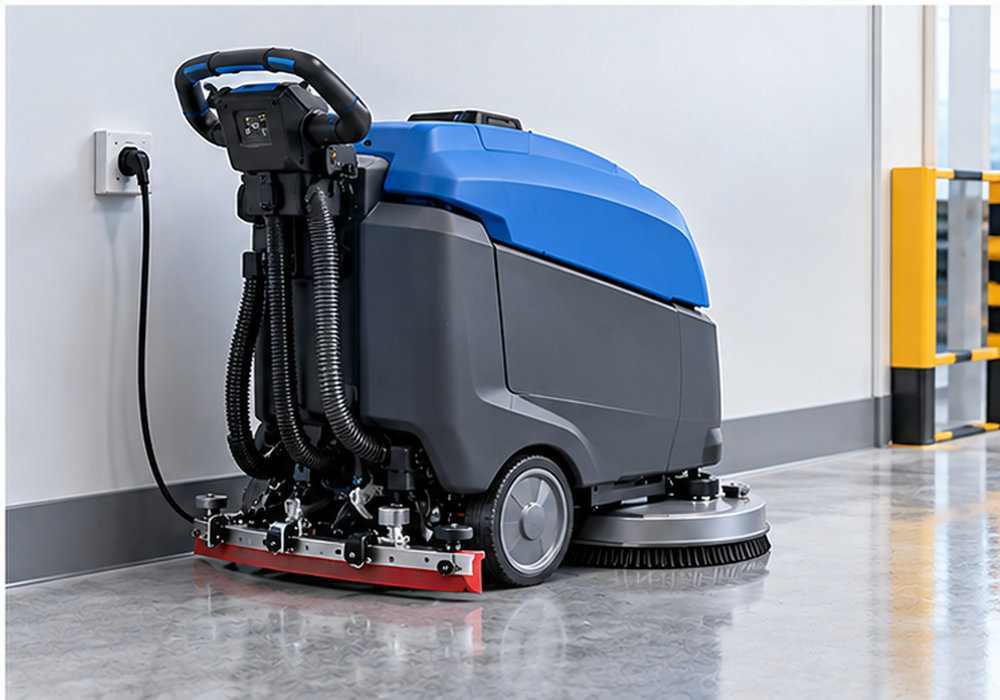
Knowing how to charge a floor scrubber battery comes down to five moves and one log line — the same six actions, at the same bay, every shift.
- Empty and rinse the tanks first. The charging bay is the end of the route, not the dump point; a machine standing full overnight smells by morning.
- Park on a level, dry, ventilated spot — the same bay every day, so the cable run and charger position never change.
- Power the machine off and remove the key. Charging with electronics live invites error codes and nuisance trips on shared circuits.
- Inspect the connector as you plug in. Bent pins, cut insulation, a scorched smell — replace the part, never tape it.
- Connect the matched charger and let the cycle complete rather than pulling the machine at 80 percent.
- Write one log line: date, end state of charge, any fault. This catches a failing charger weeks before it strands a machine.
Lithium vs Lead-Acid: Two Charging Playbooks
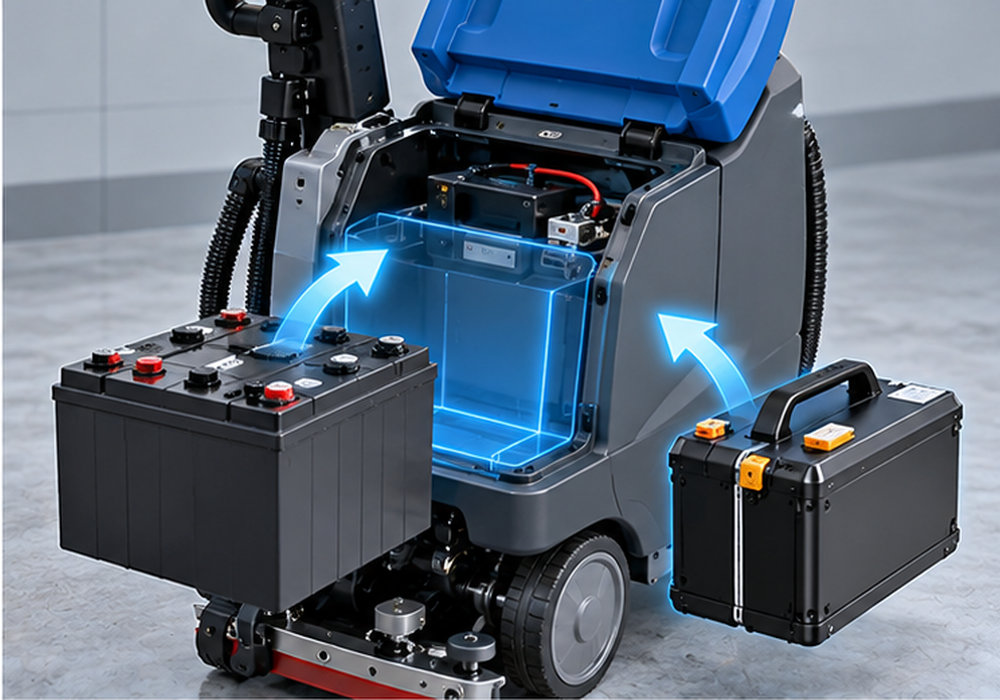
Lead-acid charging rules are strict and daily; lithium charging rules are few but absolute — the expensive mistakes happen when one playbook is copied onto the other.
| Habit | Lead-acid (flooded / AGM) | Lithium |
|---|---|---|
| After every shift | Full charge, every time — partial charges build sulfate | Full charge preferred; short top-ups do no harm |
| Opportunity charging | Avoid — partial charging shortens life | Designed for it; the BMS watches temperature and balance |
| Equalizing | Periodic equalize on flooded types | Not applicable |
| Watering | Flooded cells need topping up | None |
| Long storage | Store full, top up monthly | Store around half charge, powered off |
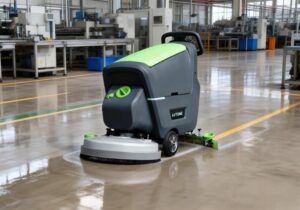
LVTONG machines ship as lithium packs across the line, which is why opportunity charging and app-monitored charging protection are built into models like the LT-S530X walk behind floor scrubber — in lithium floor scrubber battery charging, the charger and pack are matched at the factory, so the daily routine reduces to plugging the same machine in at the same bay.
Floor Scrubber Charging Time: What Sets It and How to Plan It
Floor scrubber charging time comes from three numbers — amp-hours used, charger output, and the taper at the end — and only the first two are yours to set.
charge time (h) ≈ amp-hours used ÷ charger output (A) × 1.1–1.2
A machine that used 60 amp-hours on a 25-amp charger needs roughly three hours to full; the last 20 percent tapers, more noticeably on lead-acid than on lithium. If the pack is not full by the next shift, the fix is charger output or route length, not a longer night. Charging is also only half of the energy bill — what the machine does while awake is covered in our guide to cutting floor scrubber power consumption.
Opportunity Charging: Where It Fits in a Shift
Opportunity charging bridges a long shift on lithium; on lead-acid it quietly eats cycle life.
Split shifts are the classic case: three hours in the morning, a 45-minute plug-in over lunch, another three hours after. A lithium pack takes the top-up without complaint — there is no memory effect, and the battery management system watches cell balance and temperature on your behalf, which is exactly what the charging protection and app monitoring on the LT-S530X exist for. A lead-acid pack given the same treatment accumulates partial-charge cycles that show up months later as lost capacity. The rule of thumb: opportunity charging is a lithium capability, and a bridge — it stretches a shift, it does not replace a full nightly charge.
Charging Safety: Ventilation, Wet Floors and Connections
Airflow, dry floors and sound connections are the whole safety case — hydrogen from lead-acid gassing and water near live parts are predictable risks with standard controls.
Charging flooded lead-acid batteries releases hydrogen gas, so the bay needs ventilation and no ignition sources — the rules OSHA wrote for industrial-truck charging areas are the reference most facilities borrow, and they are worth reading before you fix a bay layout. Keep the circuit protected with residual-current protection, and treat damaged cables as replace-on-sight items. Machine-side, choose equipment designed to the electrical safety requirements of the relevant IEC standard for floor treatment machines, and pair it with a certified charger — certification bodies such as UL exist precisely to test that charger-and-battery combination. The pattern behind every incident is the same: water, a worn connection, and a bay nobody checks.
Cold Weather, Storage and Weekend Rules
Charging a frozen lithium pack is the one mistake the chemistry cannot forgive; storage rules then split cleanly by battery type.
Cold slows charge acceptance, and most lithium systems block charging below 0 °C until the cells warm — park the machine indoors overnight in winter rather than by the loading dock. For long weekends and holidays, store lithium around half charge with the machine powered off; store lead-acid fully charged and give it a top-up roughly monthly, because self-discharge left alone turns into sulfation. Fire prevention rounds it out: unattended overnight charging deserves a clear bay, a sound circuit and house rules worth reviewing against NFPA fire-prevention practice. A machine that leaves the bay correctly on Friday should not be the reason production waits on Monday.

What Bad Charging Costs Over Five Years
Charging habits set the slope of the battery cost curve — a pack that reaches half its rated cycles is a capital purchase you made years early.
| Charging pattern | Achieved cycles vs rating (illustrative) | Five-year view |
|---|---|---|
| Disciplined routine, matched charger | ≈ 90–100% of rated cycles | No mid-term battery purchase |
| Chronic partial charging (lead-acid) | ≈ 50–60% | Replacement around year 3 |
| Mismatched or worn charger | ≈ 60–70%, plus fault risk | Replacement in year 3–4, plus downtime |
The numbers are illustrative — your datasheet and duty cycle set the real values — but the shape holds across fleets: charging discipline moves a capital purchase by years. Fold the battery line into the whole-machine arithmetic in our floor scrubber cost-effectiveness buyer guide.
A Charging Checklist for the Charging Bay
Five lines on a laminated card survive every staff turnover; verbal routines do not.
- Tanks emptied and rinsed before parking
- Machine powered off, key out
- Connector inspected — no cuts, no bent pins
- Matched charger connected; cycle allowed to complete
- Log line written: date, end state of charge, faults
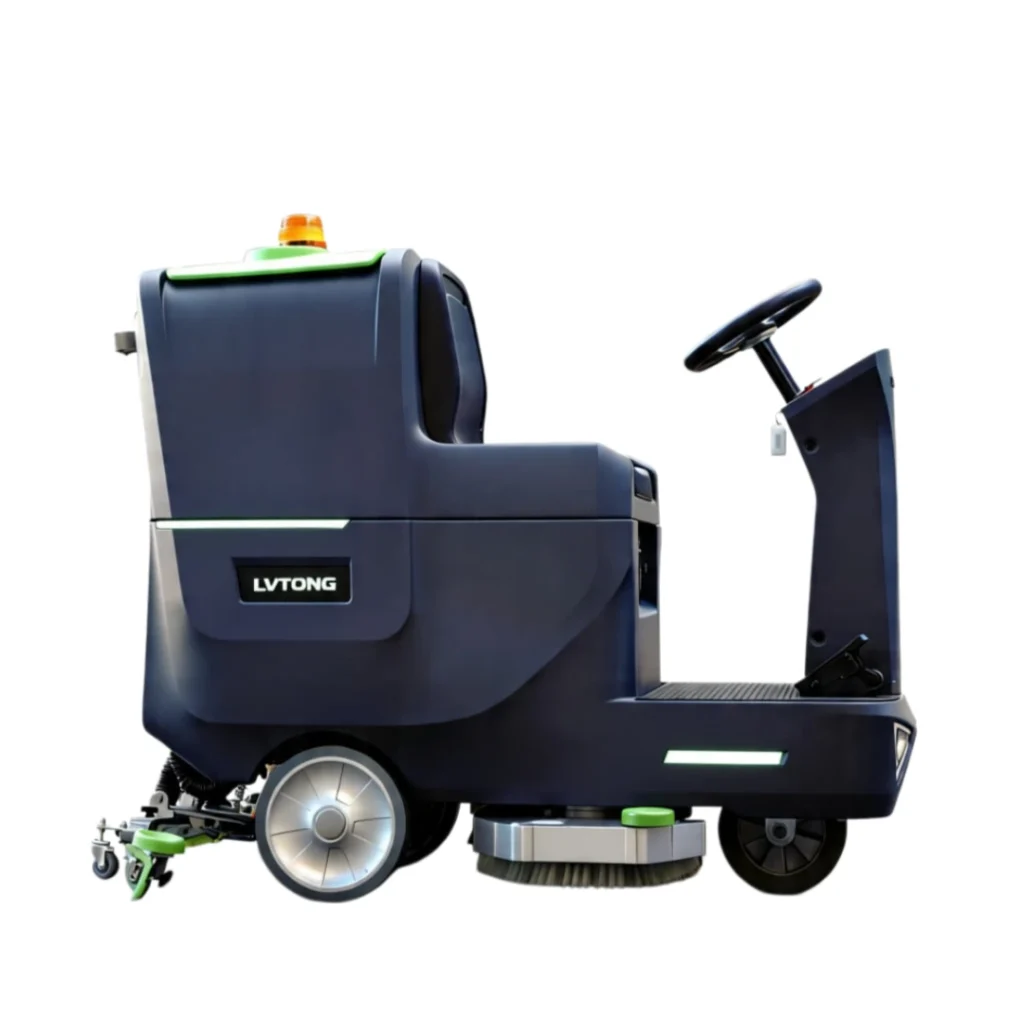
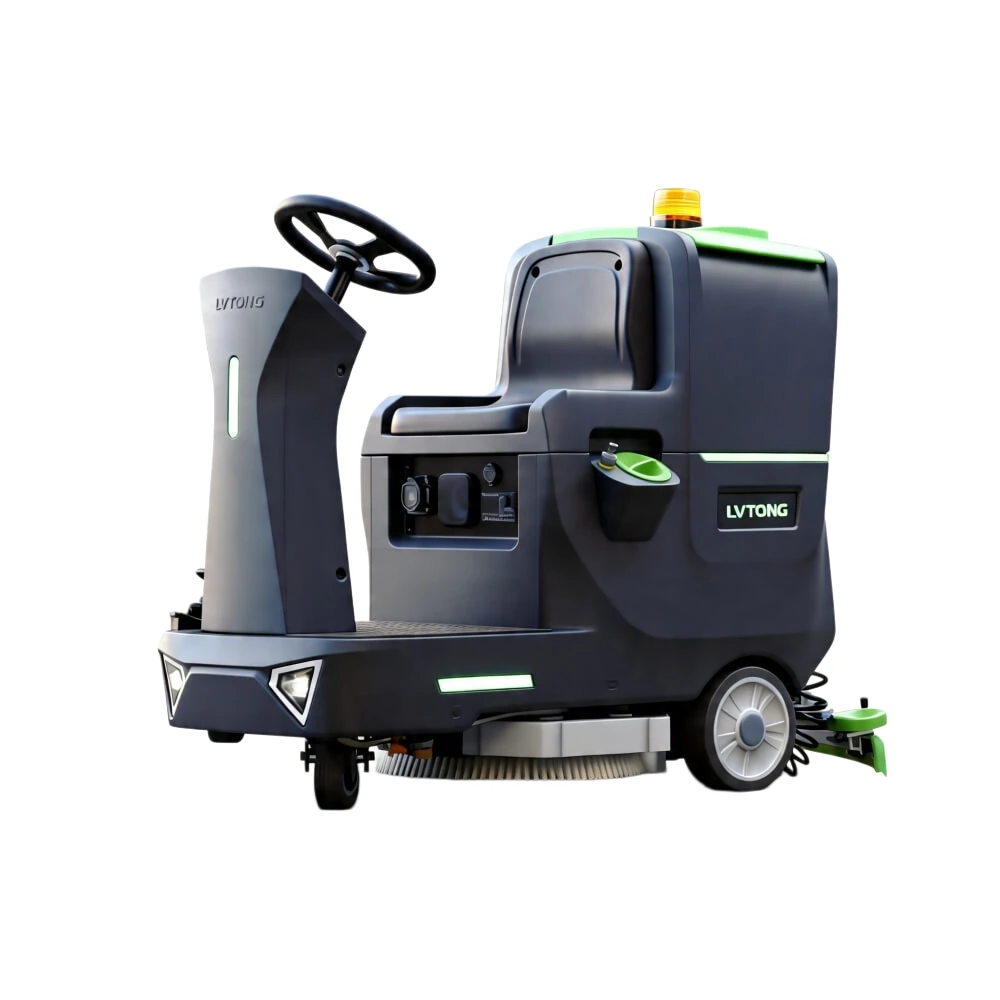
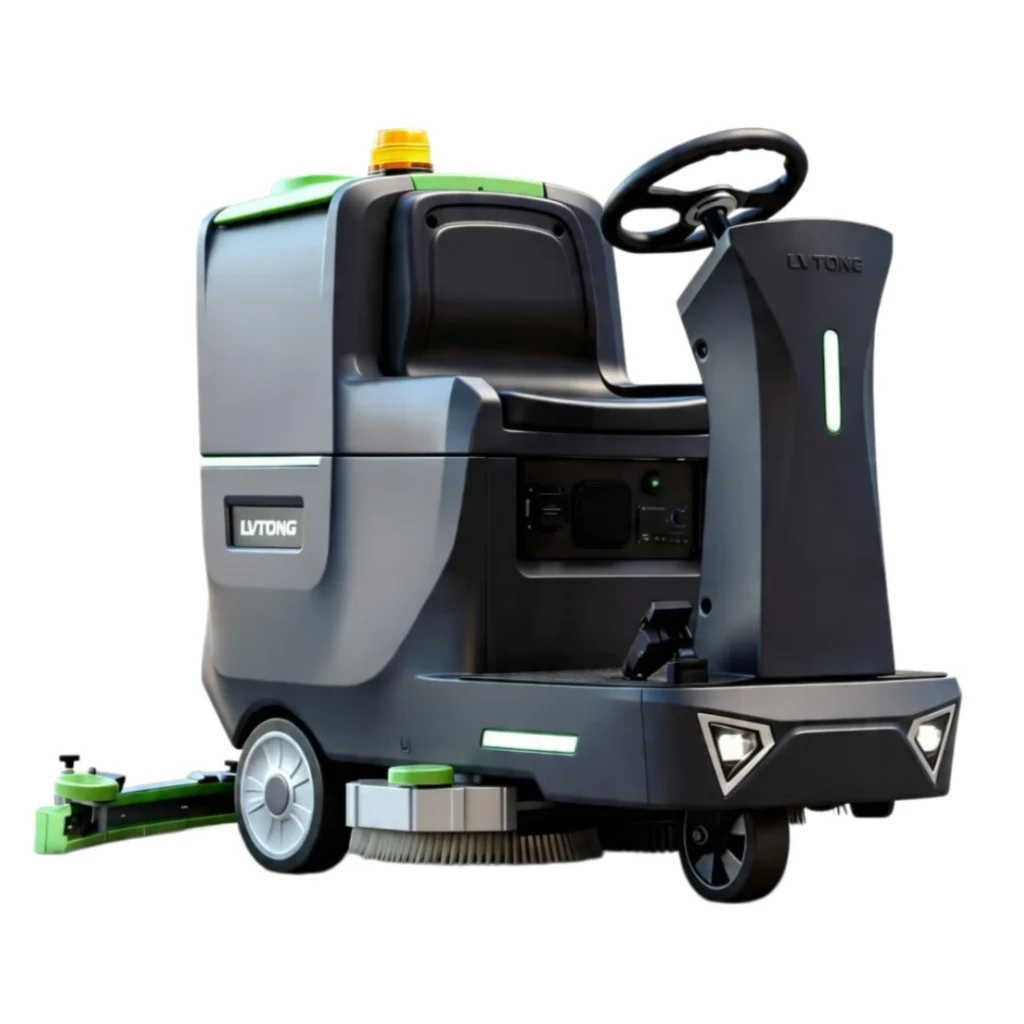
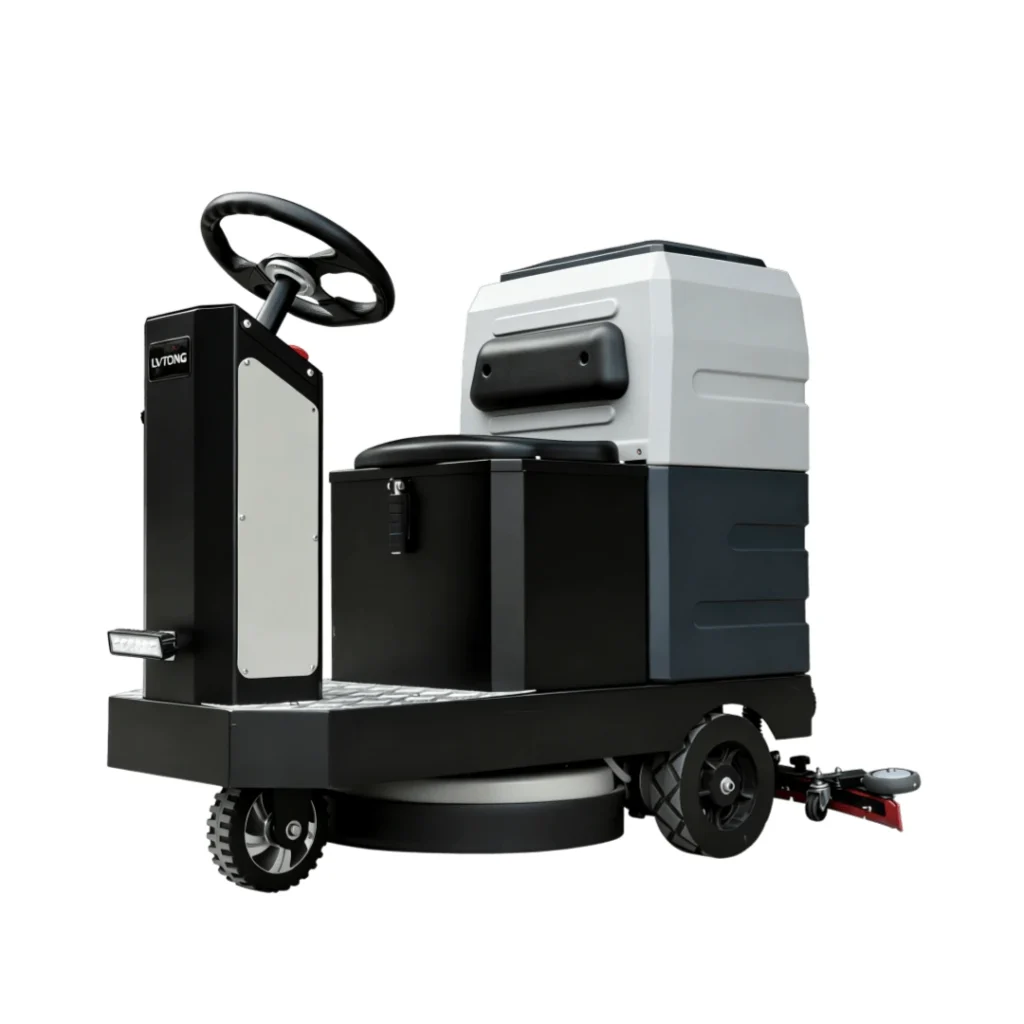
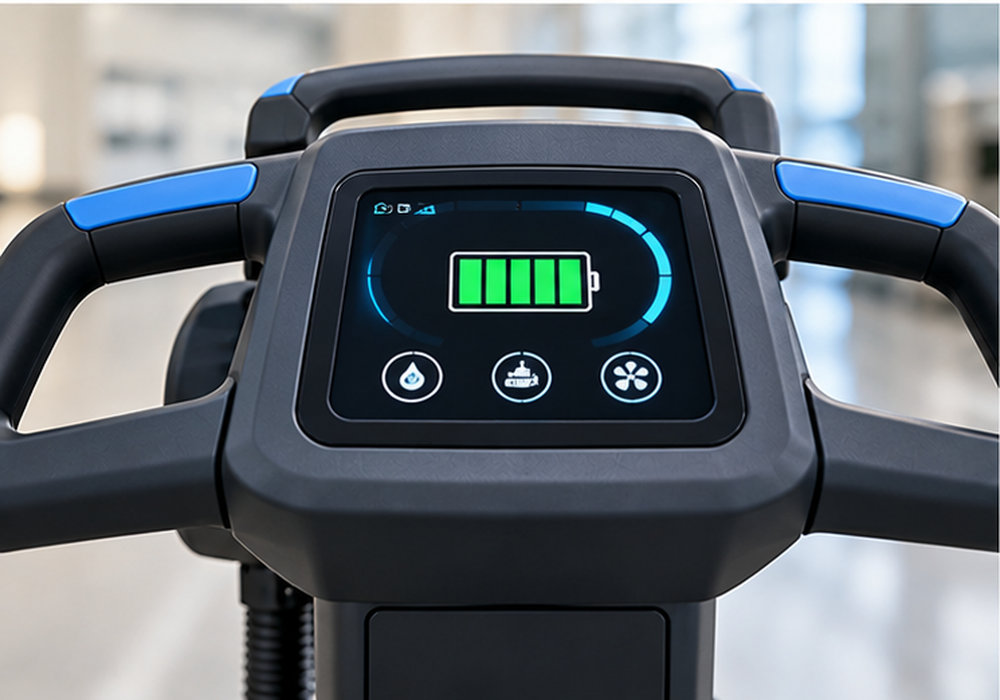
Ride-on operators add one line: check the battery level and charging condition during the daily walk-around, the same item the V6 ride on floor scrubber lists in its own maintenance schedule. The point of the card is not literacy — it is making the routine independent of whoever is on shift.
Floor Scrubber Battery Charging FAQs
Should I charge my floor scrubber battery after every use?
Lead-acid: yes, every time, to full. Lithium: a full nightly charge is the habit to aim for, and short top-ups between are harmless.
Can I leave a lithium floor scrubber on the charger overnight?
With the matched charger, yes — the charger tapers and stops on its own, and the BMS protects the cells. Use the original or factory-matched charger, not a generic one.
Why is my floor scrubber charging slowly?
Three usual causes: a charger with less output than the pack expects, a cold pack the BMS is throttling, or a worn connection dropping current. The log line from your charging routine tells you which changed.
How often should I equalize a lead-acid floor scrubber battery?
Flooded types typically take a periodic equalization charge — follow the battery manufacturer’s interval, usually weekly to monthly depending on duty. Sealed AGM types are not equalized.
One bay, one card, one log. Battery selection sets the ceiling; charging decides how much of it you get. One fixed bay, one matched charger, one laminated card and one log line per shift — that is the whole program, and it is free. If the machine itself is still an open question, our floor scrubber selection guide walks the full decision.