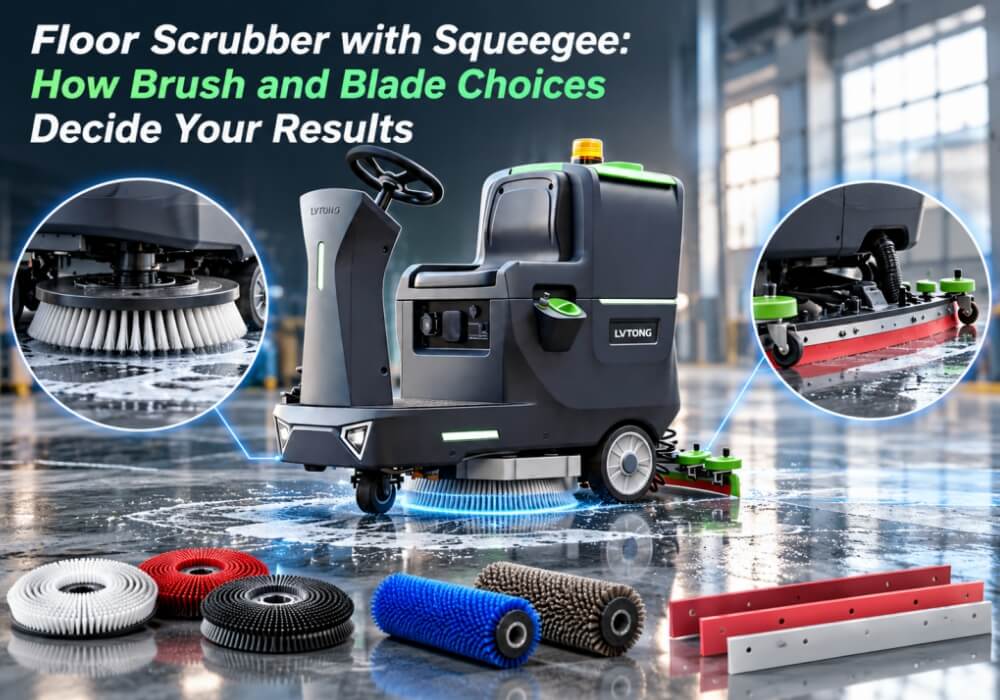
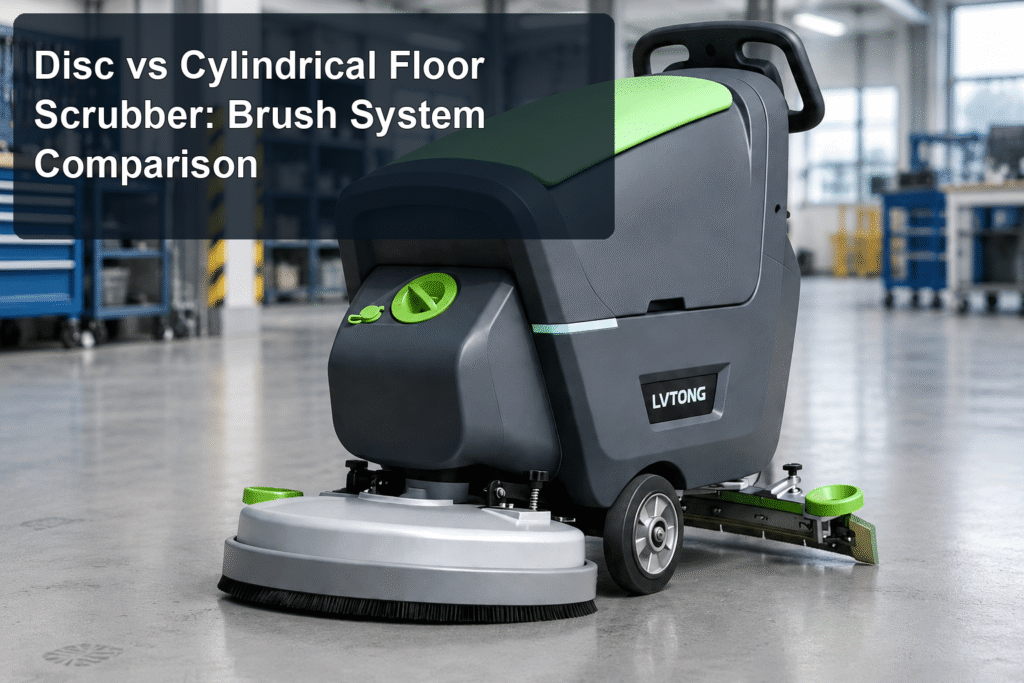
On smooth, sealed floors, disc floor scrubbers can use brushes or cleaning pads suited to the surface and cleaning task. Pads handle many routine cleaning jobs. A suitable brush reaches into surface texture to loosen trapped dirt. Cylindrical scrubbers use horizontal roller brushes to clean textured flooring and recessed areas such as grout lines. Cylindrical models equipped with a debris tray can collect small loose particles during scrubbing, reducing the need for a separate sweeping pass.
Choosing between these floor scrubber types comes down to the surface condition and the dirt being removed. For smooth epoxy flooring with scuff marks, a disc machine with a compatible pad is often a practical choice. Loose grit on textured tile gives cylindrical brushes with debris collection an advantage. Operating cost also depends on the time spent cleaning the brush deck and emptying the tray. Consumable replacement adds to that cost, so the comparison should cover the full cleaning job.
Disc vs Cylindrical Floor Scrubbers at a Glance
Start with the surface and the material lying on it. Smooth flooring with scuff marks presents a different job from textured tile carrying grit.
|
Comparison |
Disc system |
Cylindrical system |
|---|---|---|
|
Brush structure |
Round brushes or pad drivers rotating flat against the floor |
Horizontal roller brushes, commonly counter-rotating |
|
Typical surface fit |
Smooth, sealed floors; texture with a suitable brush |
Textured floors, grout, and recessed surface detail |
|
Loose debris |
Separate removal before scrubbing |
Compatible small particles collected by equipped decks |
|
Consumable options |
Disc brushes and compatible pads with a pad driver |
Roller brushes selected for the specific deck |
|
Daily maintenance |
Clean brush or pad, mounting area, and splash skirt |
Clean rollers, brush ends, and debris tray where fitted |
These floor scrubber types overlap in capability. A disc machine fitted with bristles can clean texture; a cylindrical machine can wash smooth concrete. The question is which setup completes that particular job efficiently.
How Disc and Cylindrical Brush Systems Work
Disc systems scrub through a round brush positioned flat against the floor. A vertical shaft turns the brush, moving its downward-facing bristles in circles through the cleaning solution. Replacing the brush with a compatible pad driver changes the contact surface: the machine can then scrub with a floor pad suited to the task.
With cylindrical brushes, the rolling motion can also help move loose debris. Horizontal rollers bring successive rows of bristles down onto the floor, through a narrow contact strip, and back up again. Typical twin-roller decks turn in opposite directions. In systems equipped with a collection tray, this motion lifts suitable small particles into the tray during scrubbing.
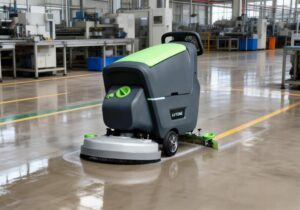
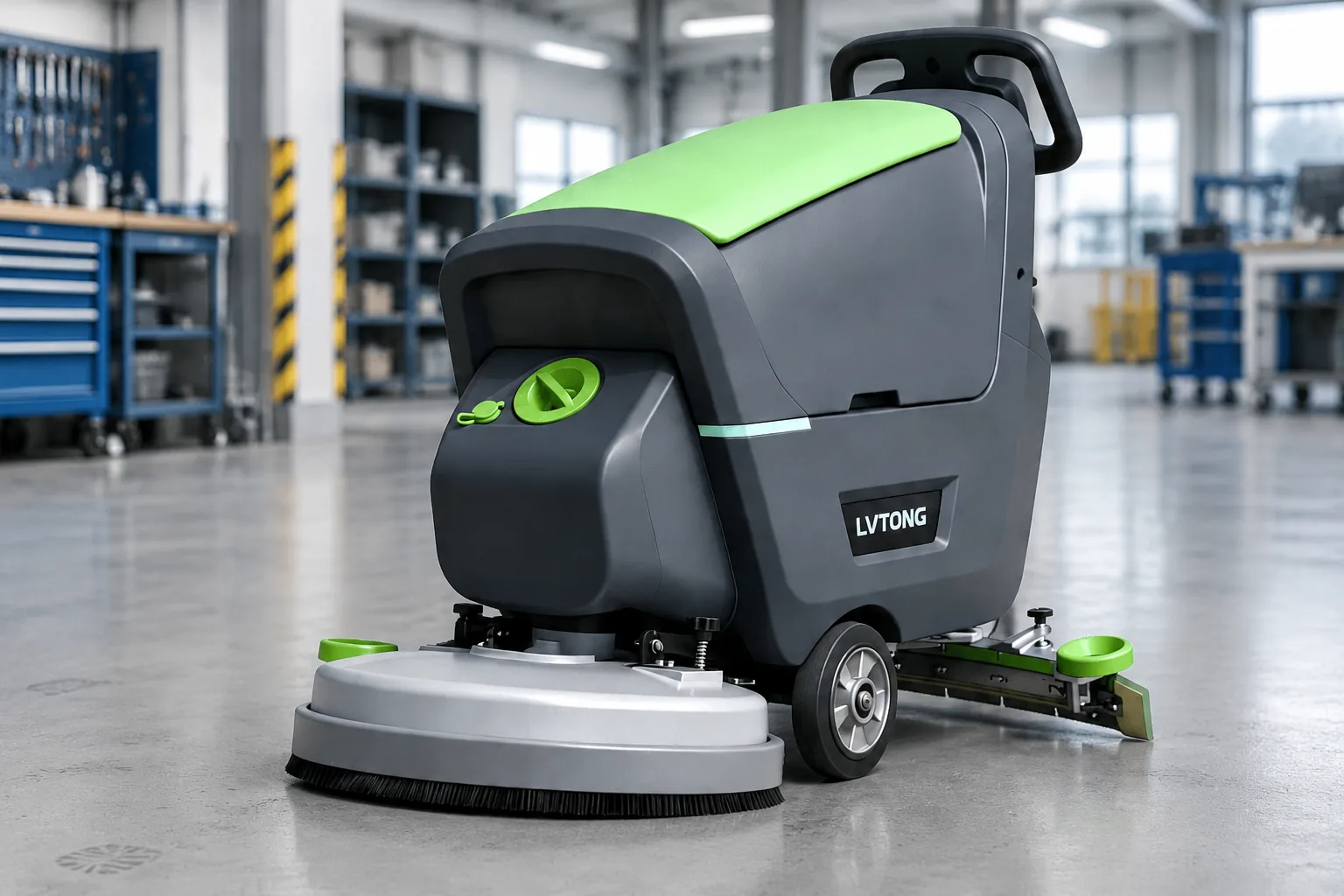
Wastewater follows a separate path. Once the brushes loosen the dirt, the rear squeegee gathers the dirty solution for vacuum recovery. Our LT-S530X walk-behind floor scrubber combines this recovery process with a disc brush. For routine washing on an epoxy workshop floor after loose grit has been removed, this setup is a candidate: the brush loosens surface soil while the recovery system removes the dirty solution. Brush suitability still needs checking against the coating. If the task also requires collecting loose grit during scrubbing, compare a cylindrical system equipped with a debris tray. A cylindrical machine’s debris tray collects solids; its squeegee and vacuum still handle the dirty water.
Cleaning Performance on Smooth Floors, Textured Surfaces, and Grout
Smooth concrete and epoxy
A disc scrubber fitted with a maintenance pad is a practical choice for light traffic dirt on smooth, sealed concrete. The pad maintains broad contact with the surface as it rotates. For scuff marks, 3M’s Red Buffer Pad 5100 is designed for light scrubbing during routine maintenance.
Repeated use of an aggressive pad or excessive pressure can dull a smooth epoxy coating. Cleaning at low pressure with a soft pad or soft brush helps limit wear during epoxy floor cleaning. Detergent matched to the soil helps loosen dirt, reducing the need for harsher scrubbing.
For thick or firmly attached soil, a disc machine with sufficient down pressure and a suitable brush or pad may remove deposits that a soft maintenance pad leaves behind. Check the specific model’s available pressure, bristle or pad material, and the floor manufacturer’s cleaning limits together. If the same area also contains loose grit or dirt in grooves, compare it with a cylindrical system fitted with suitable brushes and a debris tray. During a site trial, compare soil removal and check for damage to the finish.
Textured surfaces and recessed grout
Dirt can remain in grout after the tile faces look clean. Flat pads may pass over the joints with little contact below the tile edges. Cylindrical brushes are useful for textured tile and grout cleaning because their bristles can reach into these recesses. Disc brushes can also remove dirt from shallow grooves when their bristles reach the bottom.
Aggregate-filled, slip-resistant epoxy traps dirt between raised particles in the coating. Brush bristles can reach these gaps more effectively than a flat pad, helping remove soil below the raised surface.
Grease trapped in grout needs a detergent with time to loosen the oily film. Brushing helps release the dirt for removal with the dirty water. Any solution left in the joints can leave an oily residue as it dries, so water recovery also affects the final cleaning result.
Debris Handling and Pre-Sweeping Requirements
Disc scrubbers generally need loose debris swept or vacuumed away before washing. Grit trapped beneath a pad can scratch the floor finish. Particles caught at the squeegee edge also disrupt water pickup, sometimes leaving wet trails behind the machine.
On cylindrical systems fitted with debris trays, the rollers lift small, loose particles into the tray during scrubbing. This collection can reduce pre-sweeping on floors with light, recurring grit. The tray needs emptying before it fills.
Stretch wrap, strapping, and long fibers need separate removal because they can wind around brush ends. Bulky litter may obstruct the deck of either brush system. Heavy accumulations of loose debris quickly fill small collection trays. A separate sweeping or vacuuming pass before scrubbing removes the bulk of this material before wet cleaning.
Maintenance, Consumables, and Total Operating Cost
Daily care for a disc deck centers on the brush or pad. Rinsing removes trapped soil that can interfere with floor contact. Once clean, the accessory is easier to inspect for uneven wear. The mounting area also needs cleaning before the accessory goes back on the machine.
Fibers caught around cylindrical brush ends can restrict rotation, so these areas need clearing after use. The roller mounts require inspection for wear. A fitted debris tray adds emptying and rinsing to the daily routine.
A worn squeegee blade or blocked recovery hose can leave dirty water behind after scrubbing. The extra cleanup adds labor time, making recovery-system maintenance part of the operating cost for either brush type.
Operating cost per square meter is total operating expense divided by the area cleaned to the required standard. Labor covers floor preparation through the final machine cleanup, including tank refills and repeat passes. The calculation also includes consumables and repairs, along with water, detergent and electricity. Using the same cleaning standard keeps the comparison between disc and cylindrical systems meaningful.
Consider a hypothetical cleaning job covering 1,000 m² of flooring with light, loose grit. Both setups achieve the same cleaning standard, with one operator working at a labor cost of USD 24 per hour. The figures below are teaching assumptions for one complete cleaning job.
|
Time or cost item |
Disc system |
Cylindrical system |
|---|---|---|
|
Pre-sweeping or vacuuming |
15 minutes |
5 minutes |
|
Scrubbing, including repeat passes |
45 minutes |
45 minutes |
|
Refilling, draining, and mid-job tray emptying where fitted |
5 minutes |
5 minutes |
|
Cleaning the machine after use |
10 minutes |
15 minutes |
|
Total operator time |
75 minutes |
70 minutes |
|
Consumable cost allocated to this job |
USD 1 |
USD 2 |
|
Water, detergent, and electricity |
USD 2 |
USD 2 |
|
Maintenance and repair cost allocated to this job |
USD 1 |
USD 1 |
For the disc system, labor costs 75 ÷ 60 × USD 24 = USD 30. Adding the other expenses gives USD 30 + USD 1 + USD 2 + USD 1 = USD 34 per job. Dividing by the 1,000 m² cleaned gives USD 0.034/m².
For the cylindrical system, labor costs 70 ÷ 60 × USD 24 = USD 28. Adding the other expenses gives USD 28 + USD 2 + USD 2 + USD 1 = USD 33 per job, or USD 0.033/m².
In this example, the cylindrical setup saves ten minutes of preparation but requires five extra minutes of cleanup. The resulting USD 2 labor saving offsets its USD 1 higher consumable cost, leaving a USD 1 saving per job. Different preparation times, cleanup requirements, or consumable costs can change the result.
Replacement logs should record operating hours or cleaned area alongside the condition of each brush or pad. These records show how long consumables last under the site’s working conditions. The replacement history helps plan stock levels for frequently used wear parts, with delivery lead times guiding when to reorder.
How to Choose the Right Brush System for Your Facility
A site trial narrows the shortlist to configurations that meet the cleaning standard and preserve the floor finish. Those that pass can then be compared by complete working time and operating cost.
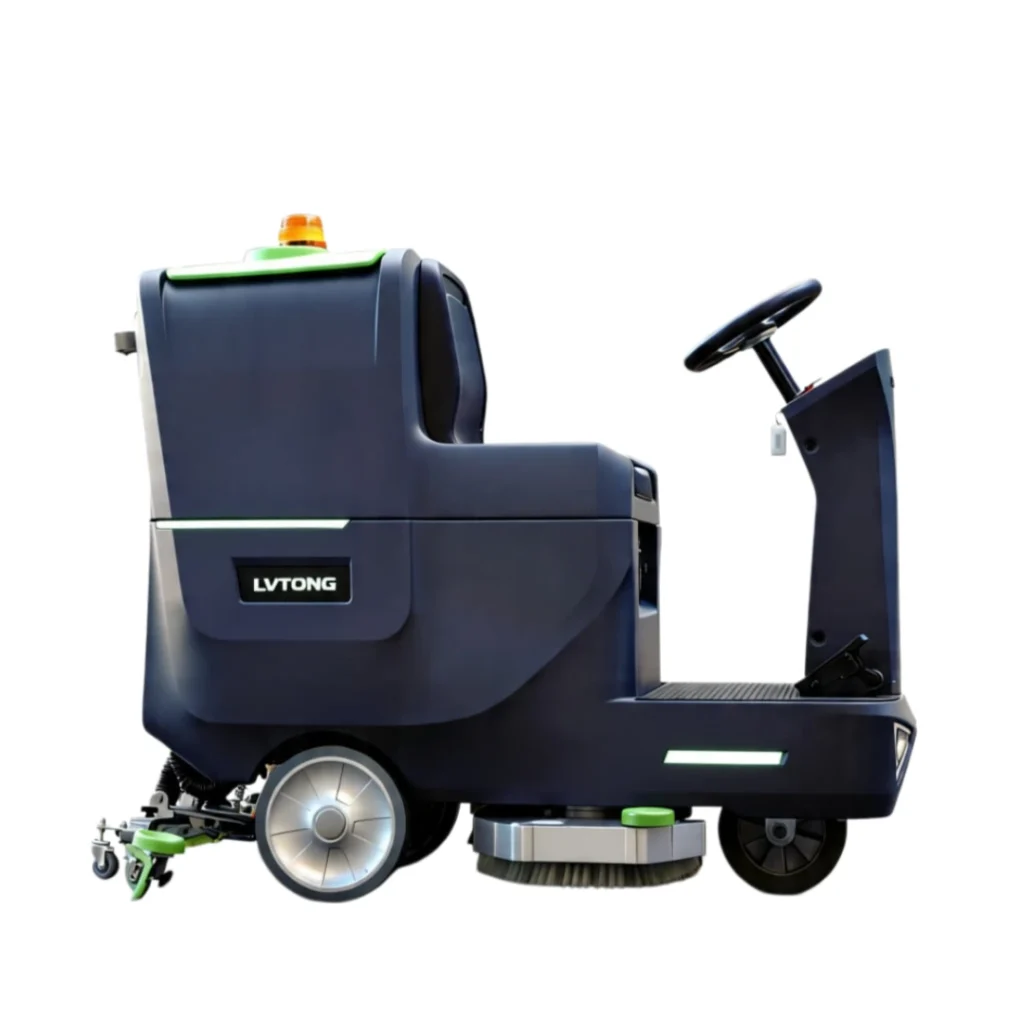
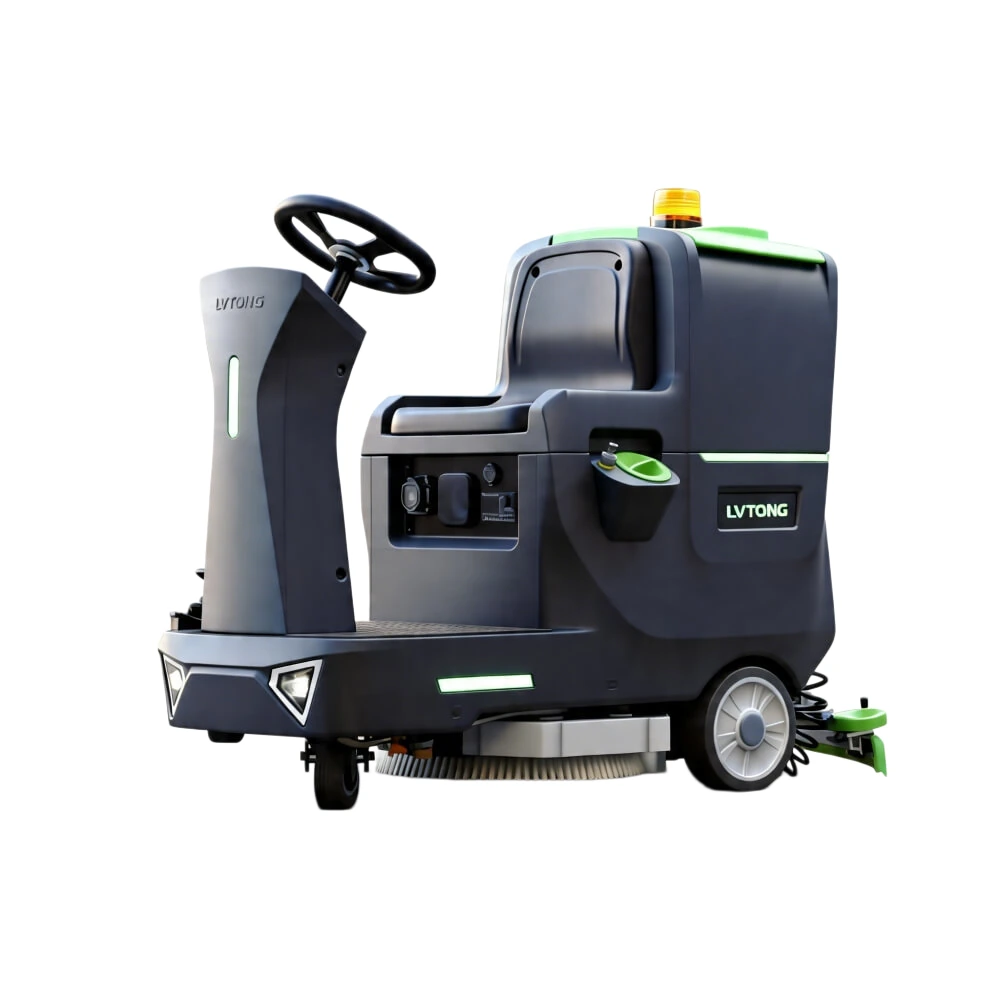
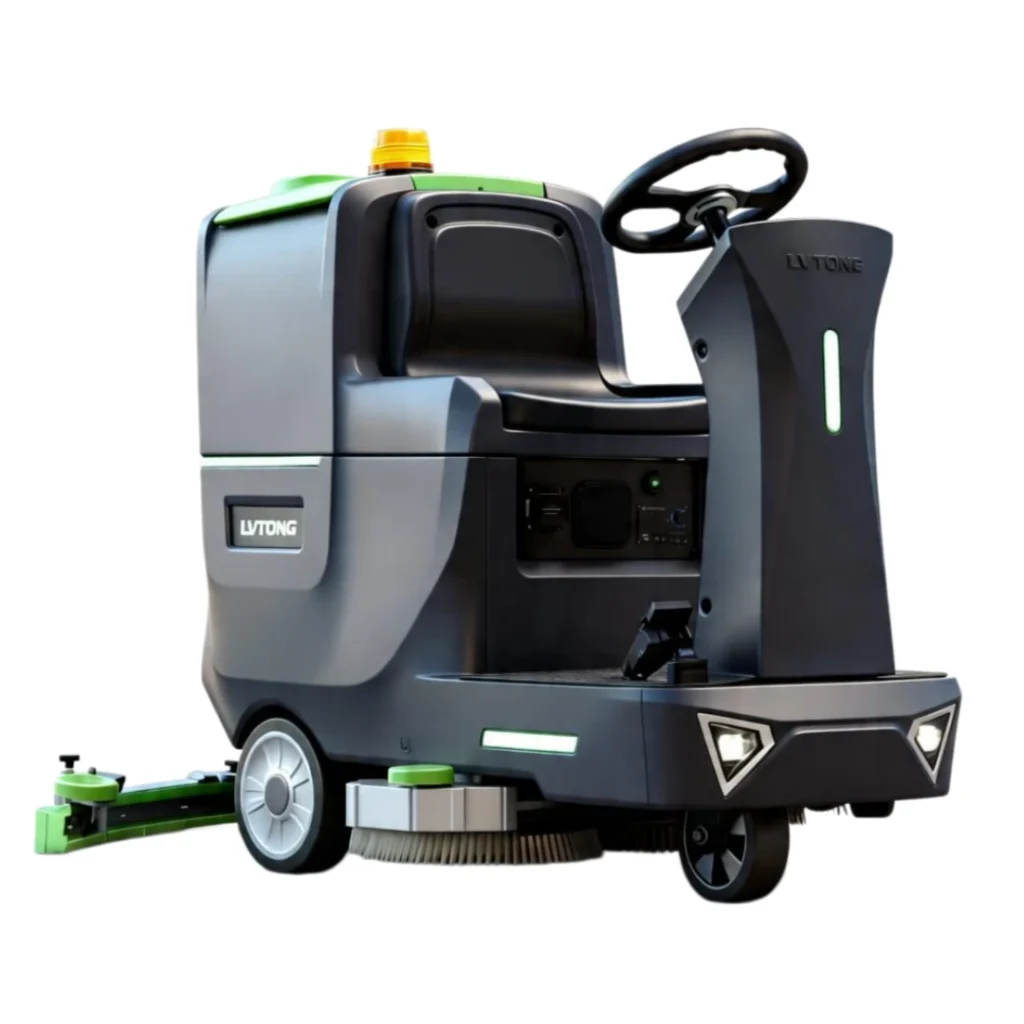
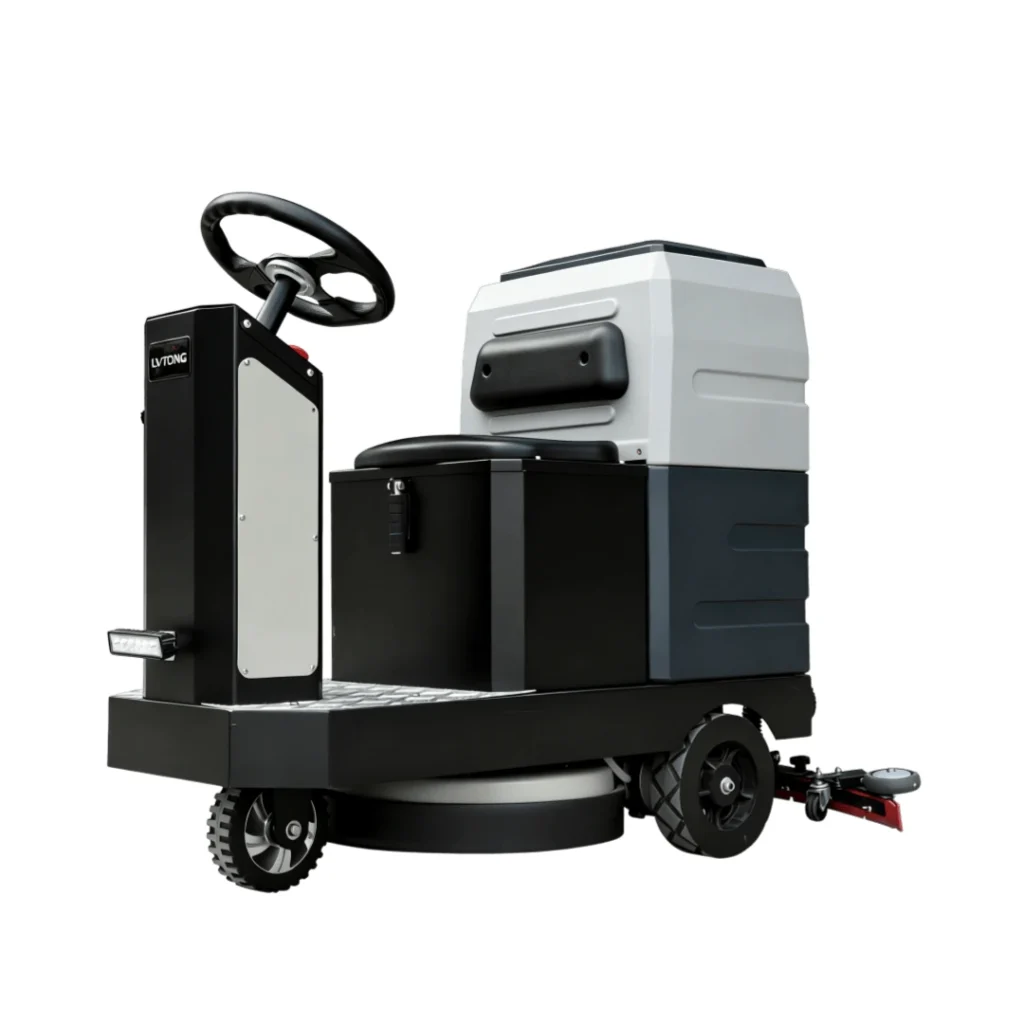
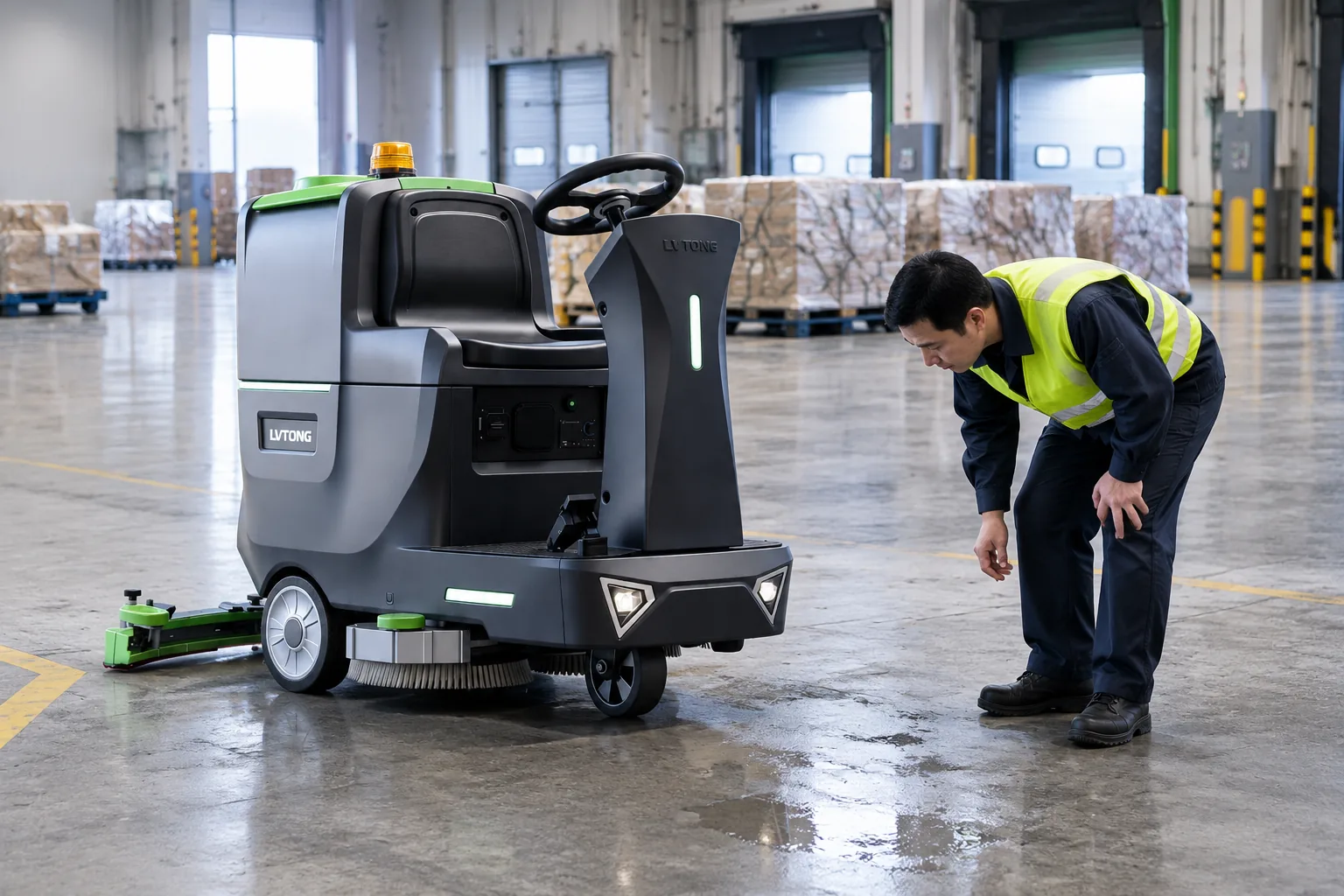
Our LT-S860X application examples describe a Guangzhou airport cargo area with concrete floors, mixed oil and dust, and frequent vehicle traffic. Its ride-on format and combined scrubbing and water recovery make it a candidate for repeated cleaning across a large concrete area. The application description does not establish an advantage over a cylindrical setup. If the route also carries recurring loose grit, a cylindrical deck with a debris tray may reduce separate sweeping. An oily trial section should also show whether the selected detergent loosens the film and the recovery system removes the dirty solution.
Comparable test areas need similar soil levels. The trial record should include the following for each machine:
-
Machine configuration: cleaning width, tank capacity, and brush or pad specification.
-
Operating settings: brush pressure, travel speed, detergent dilution, and solution flow.
Recording refill and drain times shows how tank capacity and water use affect interruptions.
The trial compares two complete working configurations. Cleaning width affects how much floor each pass covers, and tank capacity influences refill frequency. Any time difference therefore reflects the brush system together with the machine’s other features and operating settings.
After drying, the surface should be free of visible residue and retain its original finish. Dirt remaining in grout counts as incomplete cleaning. Water trails also belong in the assessment because they add cleanup work.
If either setup fails these checks, review the brush or pad, detergent settings, and recovery system before repeating the trial. Repair downtime also matters if it prevents the machine from completing scheduled work.
Frequently Asked Questions
Can a disc scrubber be converted to a cylindrical system?
Conversion requires a compatible deck, drive arrangement, mounts, and controls. Replacing a round brush with a roller is insufficient. Some machine platforms offer different deck assemblies; compatibility belongs to that specific platform.
Are replacement floor scrubber brushes universal?
Matching diameter alone is insufficient. The mounting hub, attachment method, rotation requirements, and working dimensions must also match. For cylindrical brushes, roller length and end fittings matter as well as bristle specification.
Does a dual-disc scrubber clean better than a single-disc model?
Dual-disc models usually cover a wider strip of floor in each pass. This can reduce the number of passes across open areas. Brush count alone does not determine how thoroughly the floor is cleaned.
Conclusion
Disc systems offer brush and pad flexibility; cylindrical systems with debris collection are worth considering when loose grit and recessed dirt are the main challenge.
At LVTONG, our guide to floor scrubber types can help you compare brush systems alongside walk-behind and ride-on options. For help choosing a configuration, contact our team with floor photos, soil types, and the area cleaned each day.