Introduction
Floor scrubber rental cost depends on more than the advertised daily, weekly or monthly rate. Machine size, rental duration, delivery, usage limits, maintenance coverage, damage protection and consumables can all change the final amount a business pays.
Renting may be cost-effective for short-term projects, seasonal cleaning, emergency replacement or uncertain demand. However, repeated rental fees can eventually exceed the cost of owning a machine when cleaning is required regularly.
This guide explains how floor scrubber rental costs are calculated, which additional fees buyers should check, and how to compare rental expenses with the total cost of purchasing and owning a machine.
Quick Answer: How Much Does Floor Scrubber Rental Cost?
Floor scrubber rental cost varies according to machine type, cleaning width, rental duration, location, delivery, included maintenance and usage limits. Daily rental normally has the highest effective cost, while weekly and monthly agreements may reduce the average daily rate.
Renting is generally more suitable for temporary, seasonal or uncertain cleaning demand. Buying becomes more economical when the machine is used regularly and the rental fees avoided are sufficient to recover the purchase and ownership costs.
What Affects Floor Scrubber Rental Cost?
| Cost Factor | How It Affects the Rental Price | What to Confirm |
|---|---|---|
| Machine type | Ride-on and high-capacity machines normally cost more than compact walk-behind units | Cleaning width, tank capacity, battery and productivity |
| Rental duration | Daily, weekly and monthly contracts use different pricing structures | Minimum term and long-term discounts |
| Delivery and pickup | Transportation may be charged separately according to distance | One-way or round-trip charge |
| Usage limits | Some agreements limit hours per day, week or month | Overtime and meter-hour charges |
| Maintenance coverage | Routine service may be included, while damage and wear parts may not be | Included repairs, response time and replacement machine |
| Damage waiver or insurance | Optional or required protection increases the total rental cost | Deductible and excluded damage |
| Consumables | Brushes, pads, squeegee blades and detergent may be charged separately | Included quantities and replacement responsibility |
| Deposit | The provider may require a refundable security deposit | Refund conditions |
| Machine cleaning fee | Additional charges may apply if the machine is returned dirty | Return and cleaning requirements |
| Local availability | Limited equipment availability can increase transport cost or delay the project | Reservation and availability guarantee |
Advantages and Disadvantages of Renting a Floor Scrubber
Benefits of Renting a Floor Scrubber
Lower Upfront Cost
Renting normally requires less initial capital than purchasing a new machine. This may be useful for businesses with temporary cleaning requirements, limited capital budgets or uncertain future demand.
Instead of committing capital to equipment that may remain idle after a project, the company pays only for the required rental period.
Maintenance and Repair Support
Routine maintenance and breakdown support may be included in the rental agreement. When a covered malfunction occurs, the rental provider may repair or replace the equipment.
Coverage varies between contracts. Businesses should confirm response time, transport charges, replacement-machine availability, wear-part coverage and responsibility for operator damage before signing.
Maintenance and Repair Support
Routine maintenance and breakdown support may be included in the rental agreement. When a covered malfunction occurs, the rental provider may repair or replace the equipment.
Coverage varies between contracts. Businesses should confirm response time, transport charges, replacement-machine availability, wear-part coverage and responsibility for operator damage before signing.
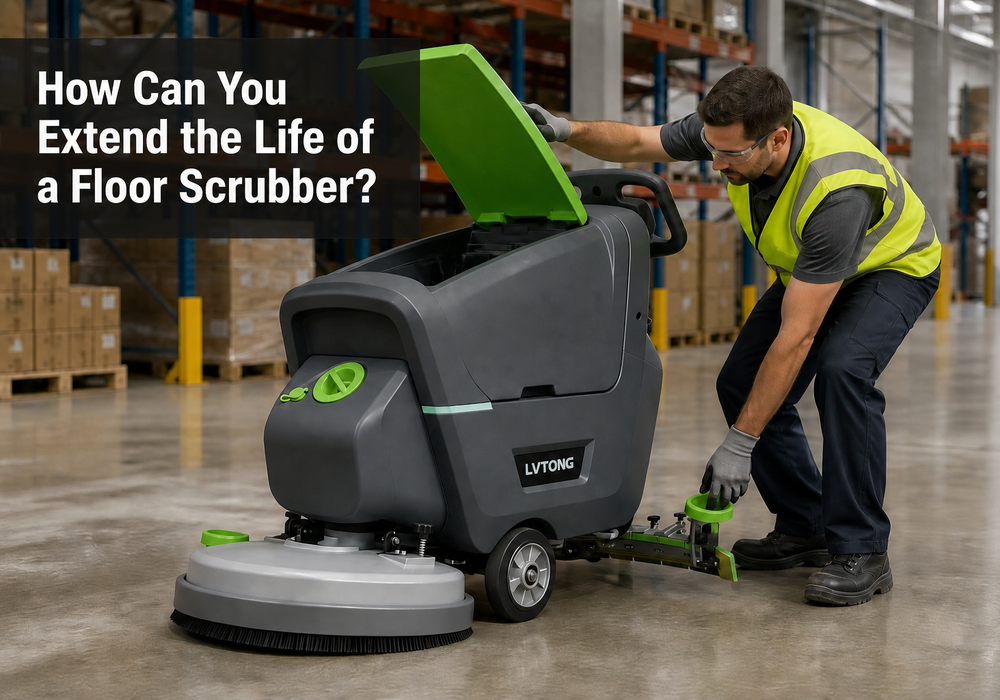
Businesses should also review a floor scrubber maintenance checklist to identify which daily inspections and cleaning tasks may remain the operator’s responsibility.
Access to Different Machine Types
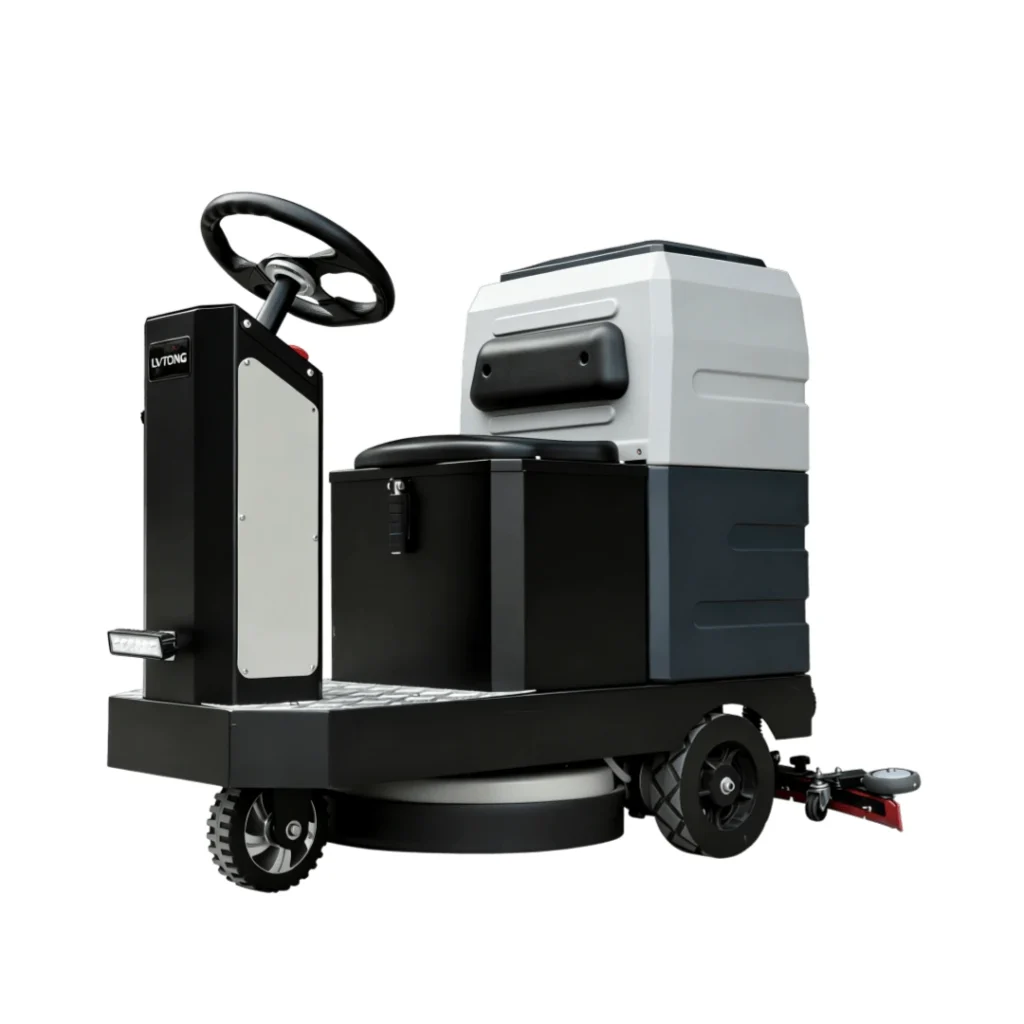
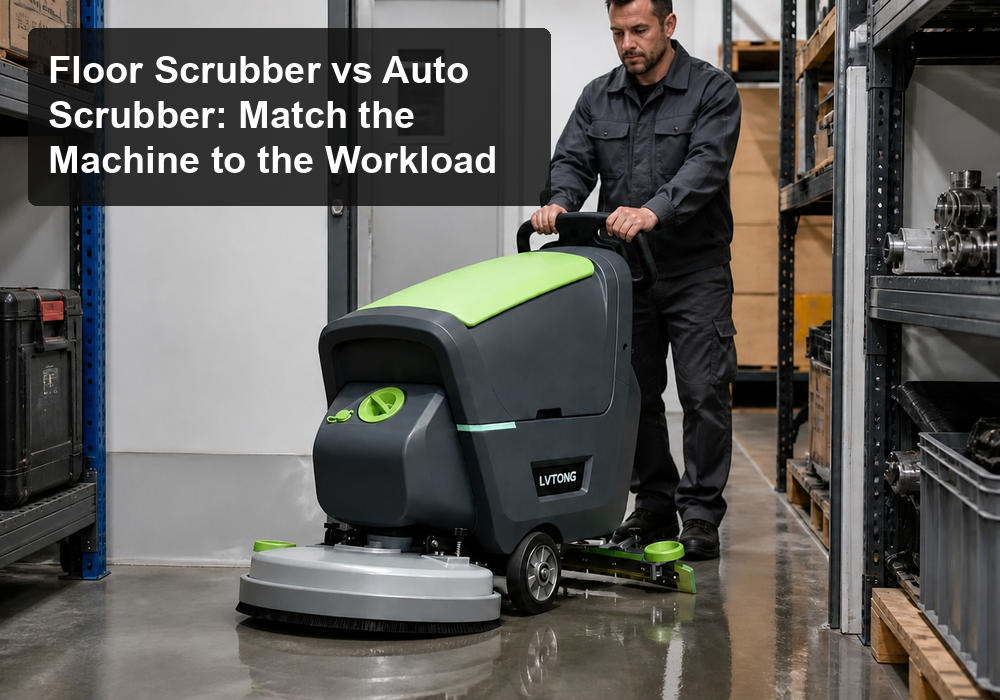
Renting allows businesses to select different equipment for different projects. A compact walk-behind scrubber may suit narrow or congested areas, while a ride-on machine may be more suitable for large open floors.
Rental can also be used as a practical trial before purchasing a specific model.
During the trial, evaluate floor scrubber performance under actual conditions, including practical productivity, water recovery, battery runtime, tank interruptions and maneuverability.
Flexibility for Temporary Demand
Rental is suitable for seasonal cleaning, one-time deep cleaning, temporary facilities, construction handover work or emergency replacement when an owned machine is under repair.
Limitations and Hidden Floor Scrubber Rental Costs
Higher Long-Term Cost
Rental can be economical for short-term requirements, but repeated fees may become expensive when the machine is needed every week or every day.
The total rental cost should include the base rate, delivery, pickup, damage protection, overtime fees and non-included consumables. Over a long operating period, this amount may exceed the net cost of purchasing and owning a machine.
Contract and Usage Restrictions
Rental agreements may limit operating hours, approved locations, floor conditions or permitted applications. Additional fees may apply when the machine exceeds the agreed meter hours, is moved to another site or is used in a prohibited environment.
The agreement should clearly define normal wear, operator damage, cleaning requirements and return conditions.
Equipment Availability Risk
Rental equipment availability depends on the provider’s fleet and existing reservations. During peak periods, the required cleaning width, battery configuration or machine type may not be available.
Businesses that depend on a scrubber for daily operations may face cleaning delays if the rental machine is unavailable or requires repair.
Variable Equipment Condition
Rental machines may have different battery conditions, brush wear, squeegee quality and operating histories. The machine should be inspected and tested before delivery or acceptance.
Advantages and Disadvantages of Buying a Floor Scrubber
Benefits of Buying
Lower Long-Term Cost for Regular Use
Ownership may become more economical when the machine is used frequently over several years. Once the investment is recovered, the business no longer pays recurring rental charges.
Immediate Availability
An owned machine is available whenever cleaning is required. The business does not need to wait for delivery, confirm availability or return the equipment after each project.
Full Control Over Usage
The owner can control operating hours, cleaning schedules, brush selection, battery configuration and maintenance planning without rental-contract restrictions.
Consistent Operator Training
Operators can use the same machine regularly, which may improve familiarity, cleaning consistency and daily inspection habits.
Asset and Resale Value
The machine remains a business asset and may retain a resale value at the end of the ownership period.
Disadvantages of Buying
Higher Initial Investment
Purchasing requires more upfront capital than renting and may affect cash flow or other investment plans.
Maintenance and Repair Responsibility
The owner is normally responsible for preventive maintenance, repairs, battery replacement, brushes, pads, squeegee blades and other wear parts.
Storage Requirements
The machine requires a secure, dry and suitable charging or storage area.
Downtime Risk
When an owned machine fails, the business must arrange repairs or obtain temporary replacement equipment.
Depreciation and Obsolescence
The machine loses value over time, and newer battery, control or automation technologies may become available during the ownership period.
How to Calculate the Total Floor Scrubber Rental Cost
Total rental cost =
Base rental fee
+ Delivery and pickup
+ Damage waiver or insurance
+ Overage fees
+ Consumables
+ Cleaning or return fees
+ Applicable taxes
The advertised rental rate should not be used as the complete project cost. Request a written quotation that separates the base rate from transportation, usage limits, damage protection and consumables.
When comparing suppliers, use the same machine class, rental period, operating-hour assumption and delivery distance.
How Much Does Floor Scrubber Ownership Cost?
Net ownership cost =
Purchase price
+ Financing cost
+ Preventive maintenance
+ Repairs
+ Battery replacement
+ Brushes, pads and squeegee blades
+ Storage and charging costs
− Expected resale value
Purchase price alone does not represent the complete ownership cost. Battery replacement, wear parts, repairs, labor, storage and eventual resale value should also be included.
Before comparing ownership with rental, use our floor scrubber buying guide to evaluate machine capacity, battery runtime, tank size, service support and long-term operating requirements.
Tax and depreciation treatment varies by country and jurisdiction. Businesses should consult a qualified accountant before including tax benefits in the calculation.
When Does Buying Become Cheaper Than Renting?
Break-even period = Net ownership cost ÷ Rental cost avoided per period
The break-even period estimates how long the machine must be used before ownership becomes less expensive than continued rental.
The calculation should compare equivalent machines and include the same operating period, delivery assumptions, maintenance coverage and consumables.
Illustrative Example
Assume a business receives the following estimates:
Net ownership cost over the evaluation period: $12,000
Complete monthly rental cost for an equivalent machine: $600
Estimated break-even period:
$12,000 ÷ $600 = 20 months
In this simplified example, buying may become more economical after approximately 20 months of equivalent use.
This example is for calculation purposes only. Actual prices vary according to machine model, country, contract, maintenance coverage, taxes and usage conditions.
Rent a Floor Scrubber When
Renting may be more suitable when:
– The project is temporary or one-time
– Cleaning demand is seasonal
– The future workload is uncertain
– Different projects require different machine sizes
– The business wants to test a machine before purchasing
– An owned scrubber is temporarily under repair
– Storage or charging space is unavailable
– Capital approval is not yet available
– The machine would remain idle for most of the year
Buy a Floor Scrubber When
– Cleaning is required daily or several times per week
– The facility requires immediate machine availability
– Cleaning demand is stable and predictable
– Recurring rental fees are becoming a permanent operating expense
– The business has storage, charging and maintenance capability
– Operators benefit from using the same machine consistently
– The calculated ownership cost is lower than continued rental
– The machine is expected to remain in service for several years
Daily or near-daily use usually strengthens the financial case for purchasing, but there is no universal hourly threshold. The decision should be based on local rental rates, purchase price, operating frequency, maintenance costs and expected machine life.
Available Capital and Stable Demand
Buying may be appropriate when the business has approved capital, stable long-term cleaning demand and the ability to maintain and store the machine.
Limited Capital or Uncertain Demand
Renting may protect cash flow when capital is limited, project duration is uncertain or the business is not ready to commit to a specific machine.
Rent, Lease or Purchase: What Is the Difference?
| Option | Typical Duration | Ownership | Maintenance Responsibility | Best Suited To |
|---|---|---|---|---|
| Rent | Short-term or flexible | No | Often partly handled by provider, depending on contract | Temporary, seasonal or uncertain demand |
| Lease | Medium- or long-term fixed agreement | Usually no ownership during contract | Depends on lease agreement | Businesses wanting predictable payments without immediate purchase |
| Purchase | Long-term ownership | Yes | Usually the owner | Stable, frequent and predictable cleaning demand |
Rental and leasing should not be used as interchangeable terms. Rental agreements are normally shorter and more flexible, while leases usually involve longer fixed payment periods and different end-of-contract options.
Where Can Businesses Rent a Floor Scrubber?
Cleaning Equipment Rental Company
Specialist rental companies may offer multiple brands and machine sizes, along with delivery, maintenance and short-term replacement support.
Online Rental Platforms
Online platforms allow businesses to compare local suppliers, availability and rental terms. The final contract should still be confirmed directly with the equipment provider.
Manufacturer or Dealer Rental Programs
Manufacturers and authorized dealers may provide model-specific advice, technical support and access to original spare parts. Availability varies by market and location.
Before choosing a provider, confirm whether the agreement includes cleaning equipment maintenance and service, technical response times and replacement support.
FAQ
How much does it cost to rent a floor scrubber?
Floor scrubber rental cost depends on machine type, rental duration, location, delivery, usage limits, maintenance coverage and additional fees. Buyers should compare the complete quotation rather than the advertised base rate alone.
What affects floor scrubber rental cost?
The main factors are cleaning width, walk-behind or ride-on design, battery configuration, rental period, delivery distance, included maintenance, damage protection, consumables and operating-hour limits.
What type of floor scrubber is best for industrial facilities?
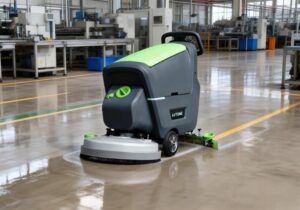
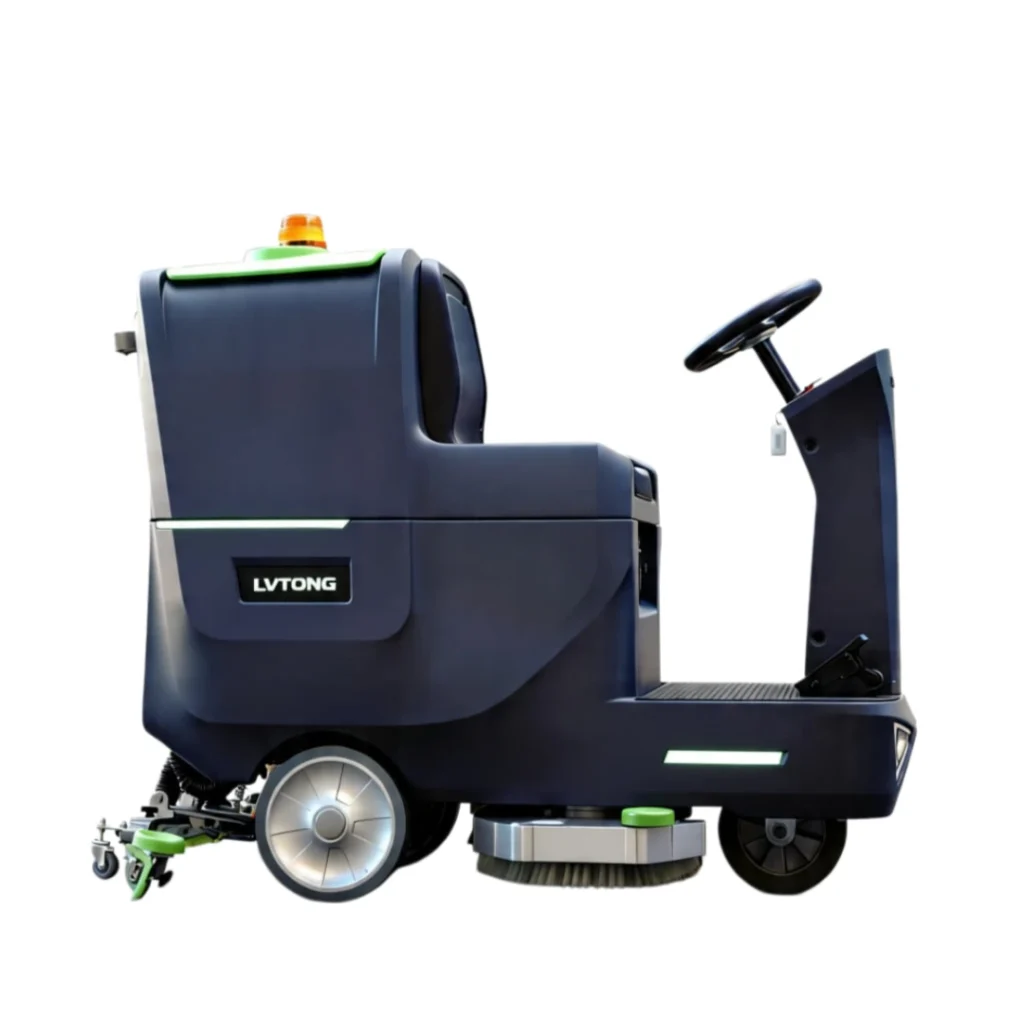
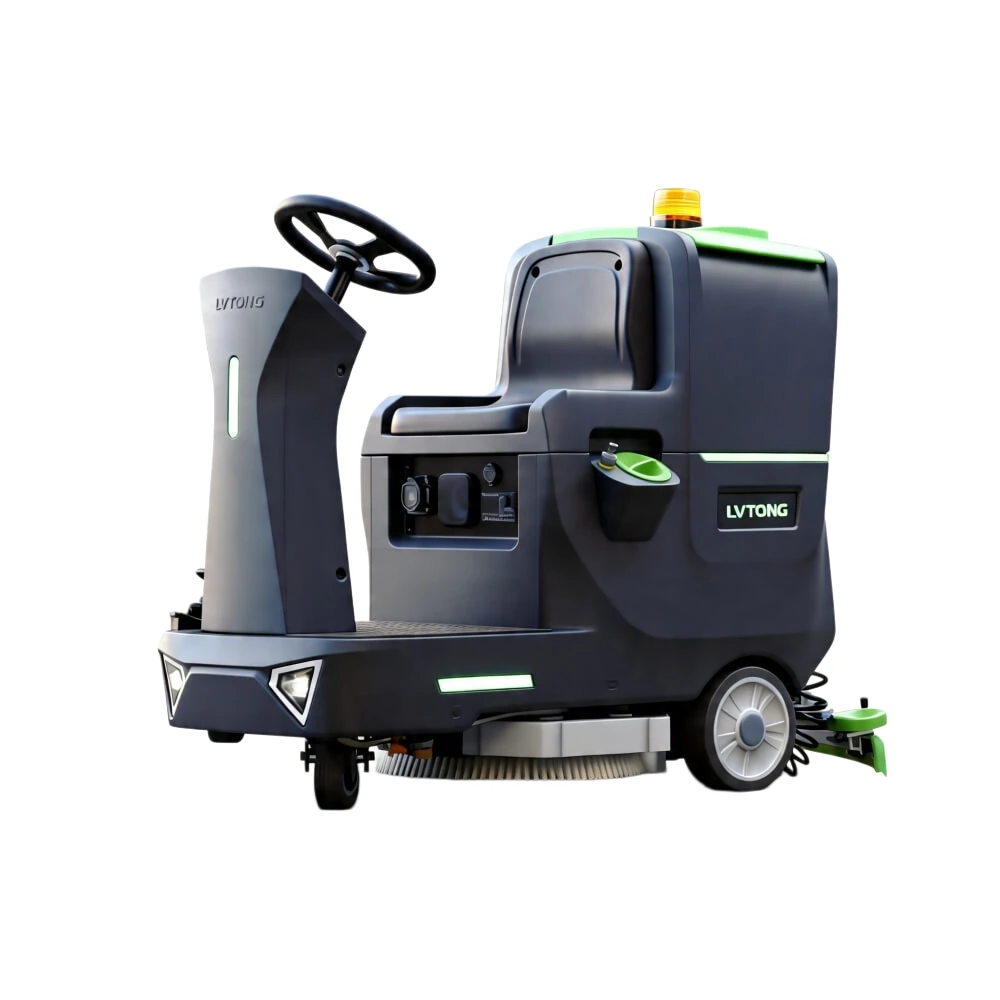
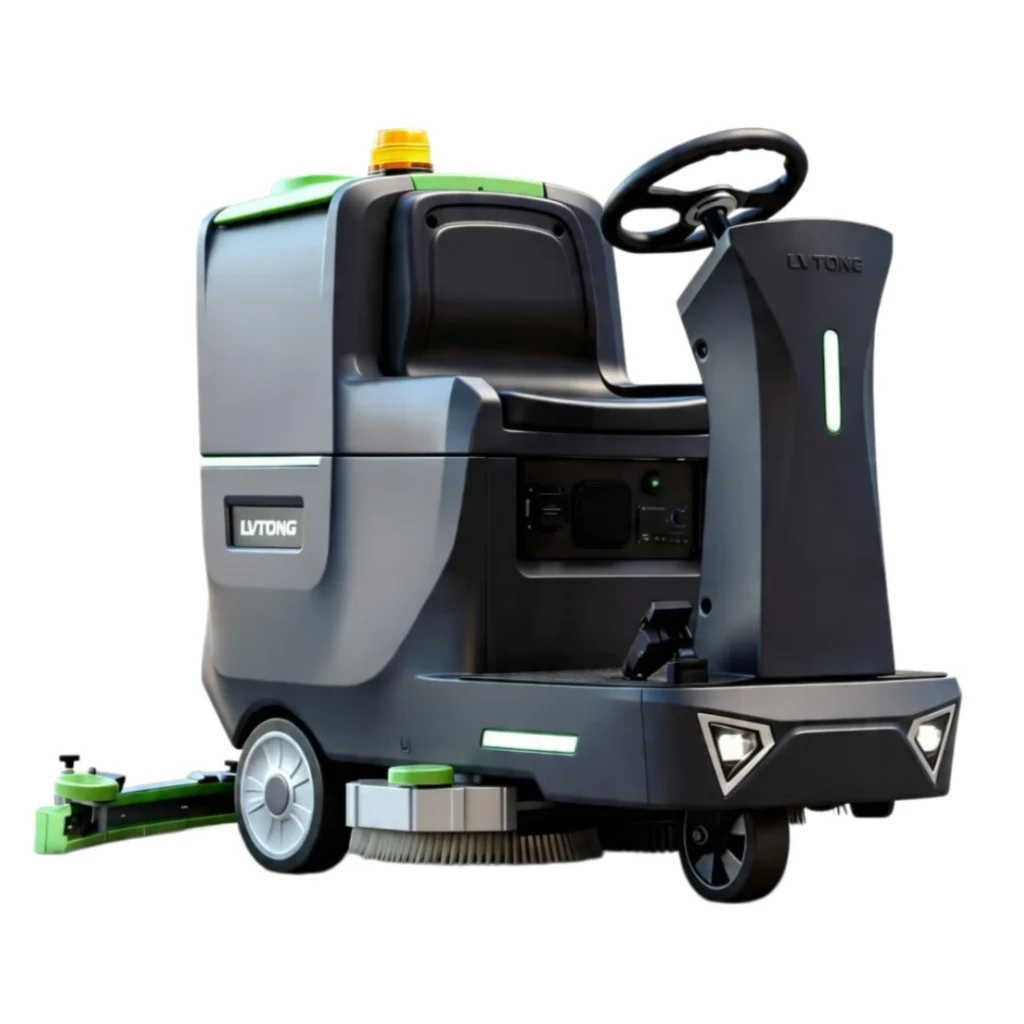
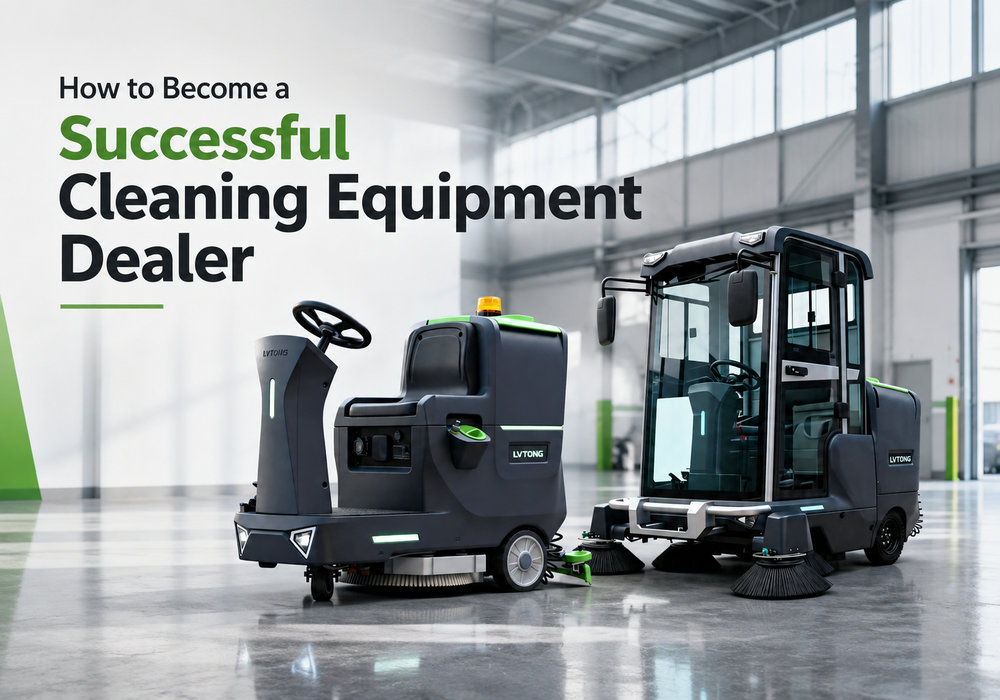
Large facilities such as factories and logistics centers typically use ride on floor scrubbers for higher efficiency. Smaller areas usually work better with walk-behind scrubber dryers depending on space and cleaning frequency.
Is it cheaper to rent or buy a floor scrubber?
Renting is often cheaper for temporary or occasional use. Buying may become cheaper when the machine is used regularly and the rental fees avoided are sufficient to recover the purchase, maintenance and ownership costs.
What are the hidden costs of renting a floor scrubber?
Possible additional costs include delivery, pickup, deposits, damage waivers, overtime charges, brushes, pads, squeegee blades, cleaning fees and taxes. The rental agreement should identify each item clearly.
Does floor scrubber rental include maintenance?
Some agreements include routine maintenance and covered repairs, but terms vary. Businesses should confirm wear parts, operator damage, service response time, transportation and replacement-machine availability.
When should a company buy instead of rent?
Buying should be evaluated when cleaning is regular, demand is predictable, immediate availability is important and the calculated ownership cost is lower than continued rental.
Floor Scrubber Rental Cost: Quick Decision Guide
| Business Situation | Rent | Buy |
|---|---|---|
| One-time deep-cleaning project | ✓ | |
| Seasonal demand | ✓ | |
| Temporary facility | ✓ | |
| Testing a model before purchase | ✓ | |
| Emergency replacement machine | ✓ | |
| Daily cleaning | ✓ | |
| Stable long-term operation | ✓ | |
| Immediate availability required | ✓ | |
| Equipment used several times per week | Compare costs | Compare costs |
| Limited capital | ✓ | |
| Strong maintenance capability | ✓ | |
| No storage or charging area | ✓ | |
| Rental fees approaching ownership cost | ✓ |
Key rule:
Short-term or uncertain demand usually favors renting.
Frequent and predictable long-term use usually strengthens the case for buying.
The final decision should be confirmed with a total-cost and break-even calculation.
Conclusion
Floor scrubber rental cost should be evaluated using the complete quotation, not only the advertised daily, weekly or monthly rate. Delivery, usage limits, maintenance coverage, damage protection and consumables can significantly affect the final amount.
Renting is generally suitable for short-term, seasonal or uncertain cleaning requirements. Purchasing may become more economical when the machine is used regularly, must always be available and can recover its ownership cost through avoided rental fees and operating savings.
Before deciding, compare equivalent machine types, calculate both rental and ownership costs, and estimate the break-even period using realistic local quotations.
The best option is not automatically the one with the lowest upfront price. It is the option that delivers the required cleaning capability at the lowest reasonable total cost over the expected period of use.
Need Help Comparing Floor Scrubber Rental and Purchase Costs?
Share your floor area, cleaning frequency, project duration, required machine type and local rental quotation with LVTONG.
Explore LVTONG’s commercial floor scrubber dryers to compare walk-behind and ride-on models before requesting a rental or purchase cost analysis.
Our team can help you compare machine capacity, expected ownership cost and the estimated break-even period for your application.