Auto scrubbers clean floors by spreading liquid, brushing it in, then sucking up dirty water - all in one go - making them ideal for big spaces like warehouses or stores. Picking the best model means checking things such as how wide they clean and how hard the brushes press down, so you get solid results without wasting cash. Whether you're managing a building or buying equipment, this breakdown covers what really matters - from features and tech choices to day-to-day use - to help choose wisely.
Understanding Automatic Floor Scrubber Categories
Today’s floor cleaners come in three main types, depending on how they work and what a building needs
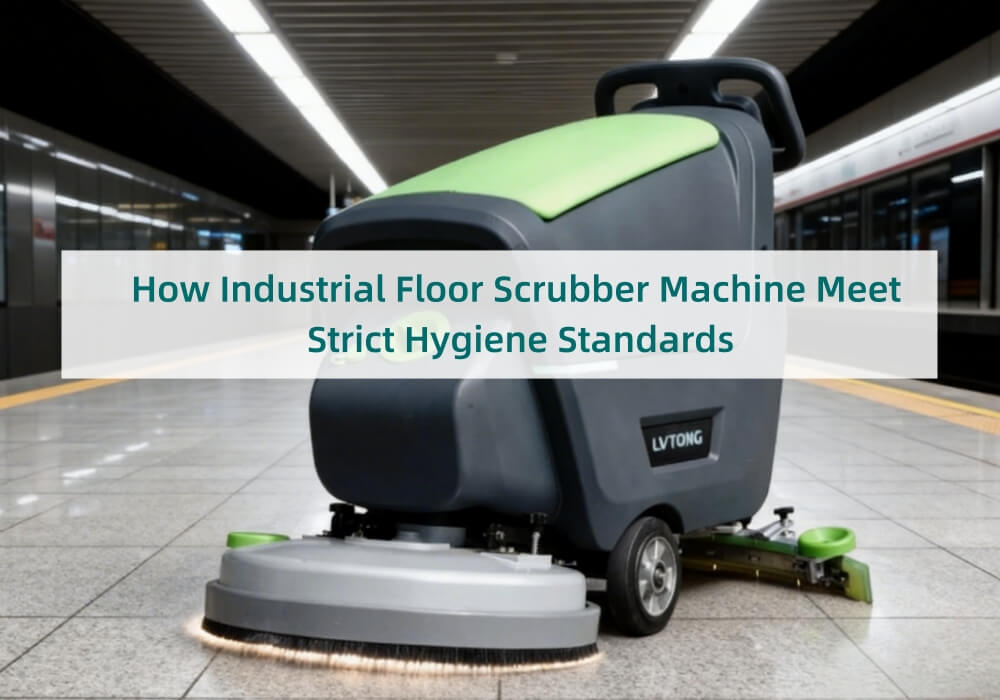
Walk-Behind Scrubbers

Walk-behind auto scrubbers work well in mid-size buildings where foot traffic isn’t too heavy. They can cover around 3,000 to 5,000 sq ft each hour, thanks to motorized drive systems that ease user strain without losing maneuverability in tight spots.
For example, models like the LT-S530X walk-behind scrubber are equipped with powerful drive motors, making them easy to operate for extended periods.
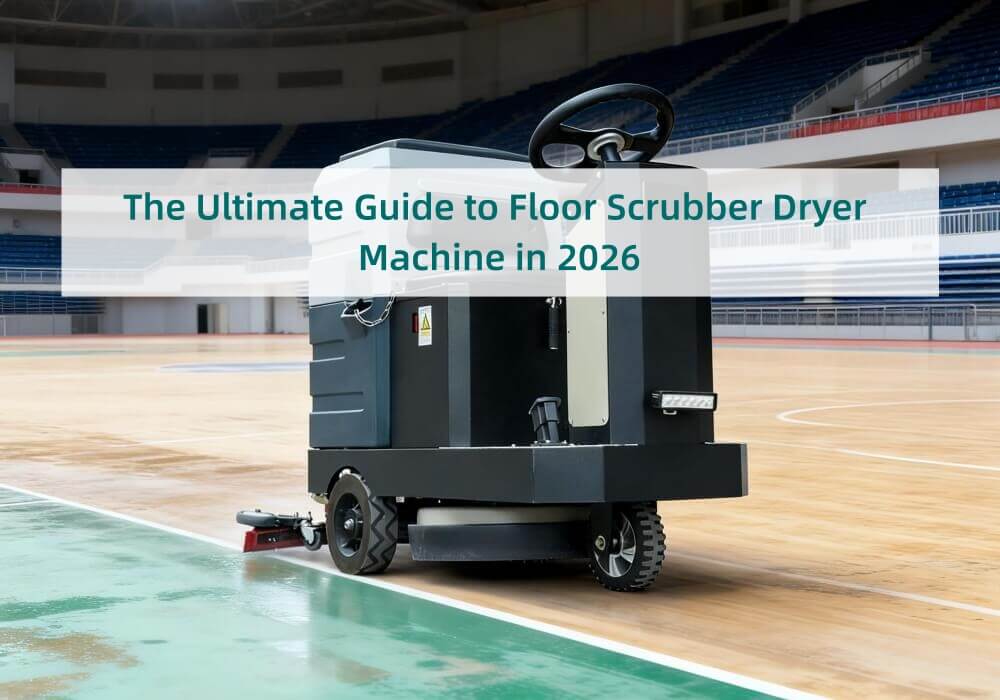
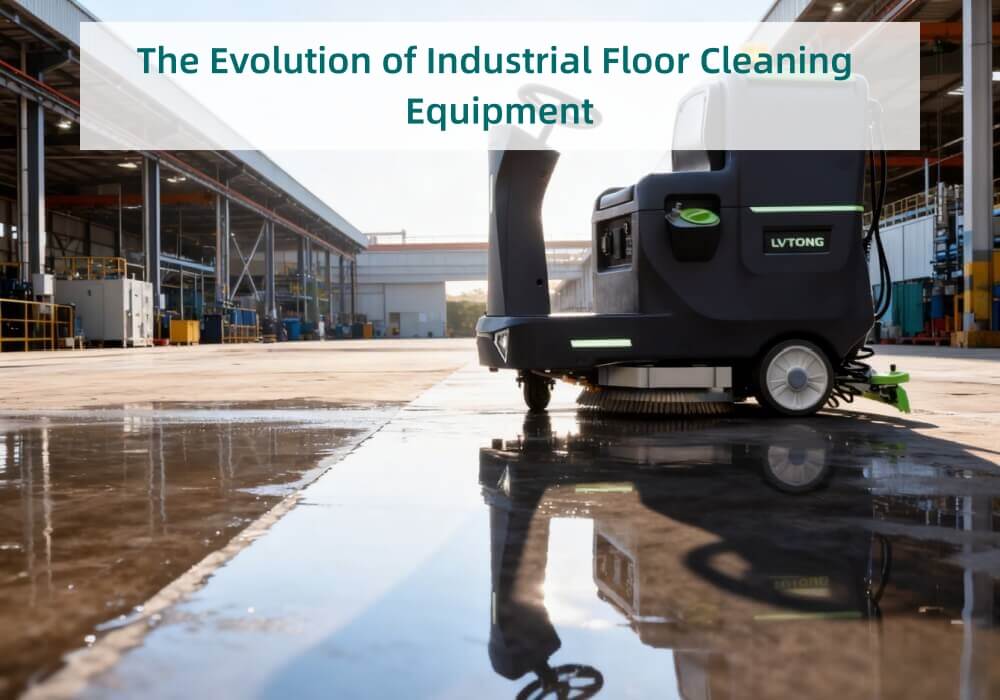
Ride-On Scrubbers

Fitted for big jobs, these floor cleaners handle around 100K sq ft per tank fill. They focus on keeping drivers comfortable while getting more done across factories, storage hubs, or sprawling business sites.
Case in Point: A 200,000 sq ft logistics center in Ohio replaced three older walk-behind units with the LT-S860X Ride On Scrubber
The result: they reduced their floor cleaning labor from 15 hours per day to just 5 hours, achieving a 66% reduction in labor costs and a full return on their investment in just 14 months.
Autonomous Scrubbers
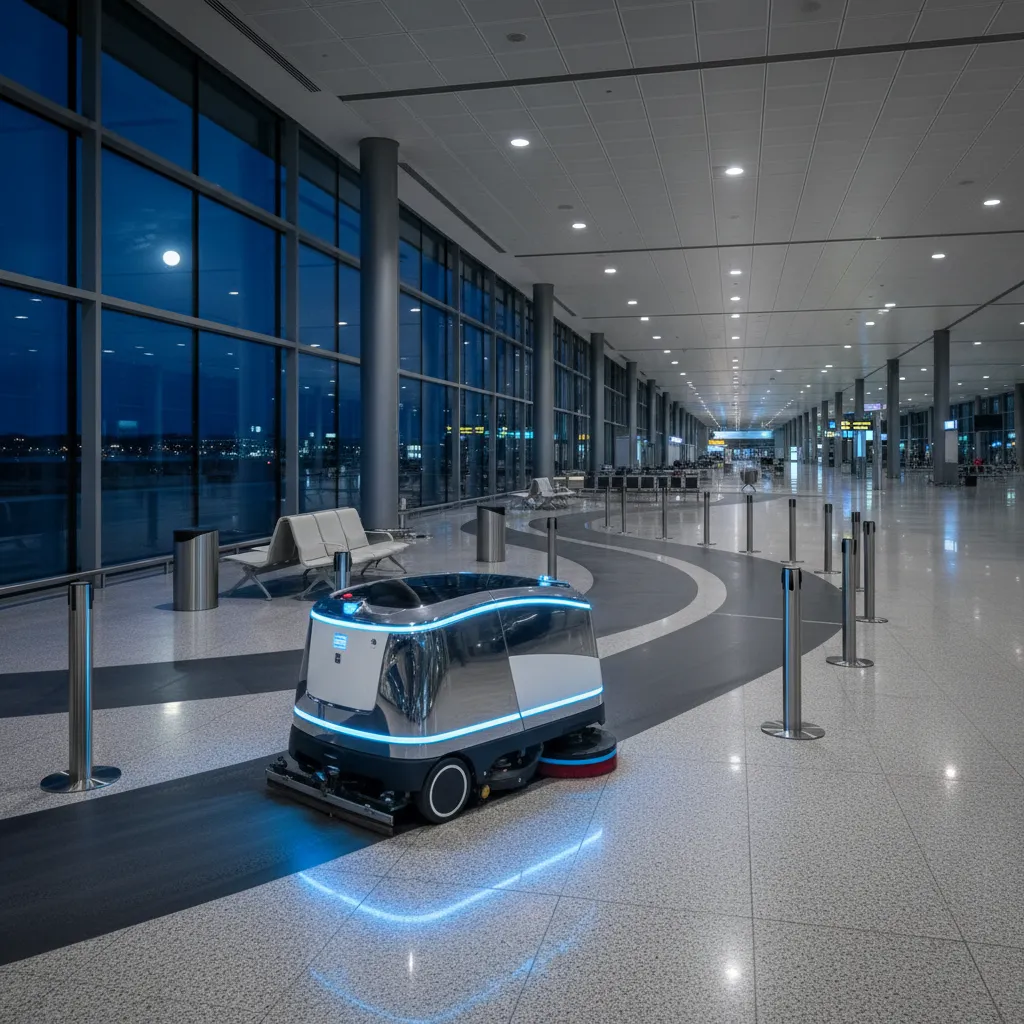
The newest step in floor washing, self-driving scrubbers use smart navigation plus sensors to avoid obstacles and work on their own. They perform well in places facing staff shortages or needing steady, predictable cleanups.
How to Compare Scrubber Productivity: A Technical Approach
While manufacturers provide specifications, true productivity is not determined by a single number. To compare models accurately, professionals calculate the Theoretical Maximum Productivity Rate. This metric provides a standardized baseline for performance evaluation.
The formula is as follows:
Coverage (sq ft/hr)=Cleaning Width (in)×Operating Speed (mph)×5280 (ft/mile)×12 (in/ft) /144 (sq in/sq ft)
How to Use This: For example, a walk-behind scrubber with a 28-inch cleaning width operating at a typical speed of 3 mph has a theoretical productivity of:
28×3×5280×12/144=36,960 sq ft/hr
Important Caveat: This is a theoretical number in a wide-open space. Real-world "practical productivity" is typically 60-75% of this value after accounting for turns, obstacles, and dump-and-refill cycles. However, using this formula allows you to create a true apples-to-apples comparison of a machine's mechanical potential before considering other factors.
Key Performance Specifications
| Specification | Walk-Behind | Ride-On | Autonomous |
|---|---|---|---|
| Runtime | 3-5.9 hours | 5.5+ hours | 5.5 hours |
| Cleaning Width | 20-32 inches | 48-62 inches | 28 inches |
| Solution Tank | 10.5-22.5 gallons | 100 gallons | 26.1 gallons |
| Brush Pressure | 40-120 lbs | 400+ lbs | Standard |
| Coverage Rate | 3,500-4,500 sq ft/hr | 100,000 sq ft/tank | 3,000-4,000 sq ft/hr |
Critical Features for Different Applications
Retail and Commercial Spaces
- Cleaning width: 20-26 inches
- Brush pressure: 75-85 lbs
- Low noise operation (<65 dB)
- Maneuverability in confined spaces
Industrial Facilities
- Wide cleaning path (48-62 inches)
- High brush pressure (300+ lbs)
- Large tank capacity (100+ gallons)
- Heavy-duty construction
When evaluating machines for industrial environments, refer to our detailed guide on How to Choose the Best Commercial Scrubber: Ride-On or Walk-Behind? [2025 ROI Guide] to ensure you meet the necessary demands for high-traffic, heavy-soil environments.
Healthcare and Education
- Hygienic and Safe Operation: The machine should support health-focused cleaning protocols. Look for features like:
- Quiet Operation: Noise levels below 65 dB for cleaning during operational hours, aligning with recommendations for healthcare environments.
- Advanced Water Recovery: Superior squeegee systems that leave floors dry to the touch, minimizing slip-and-fall risks—a leading cause of liability claims according to the National Safety Council (NSC).
- Optional HEPA Filtration: Crucial for environments where air quality is paramount, capturing 99.97% of airborne particles.
Brush Technology and Cleaning Systems
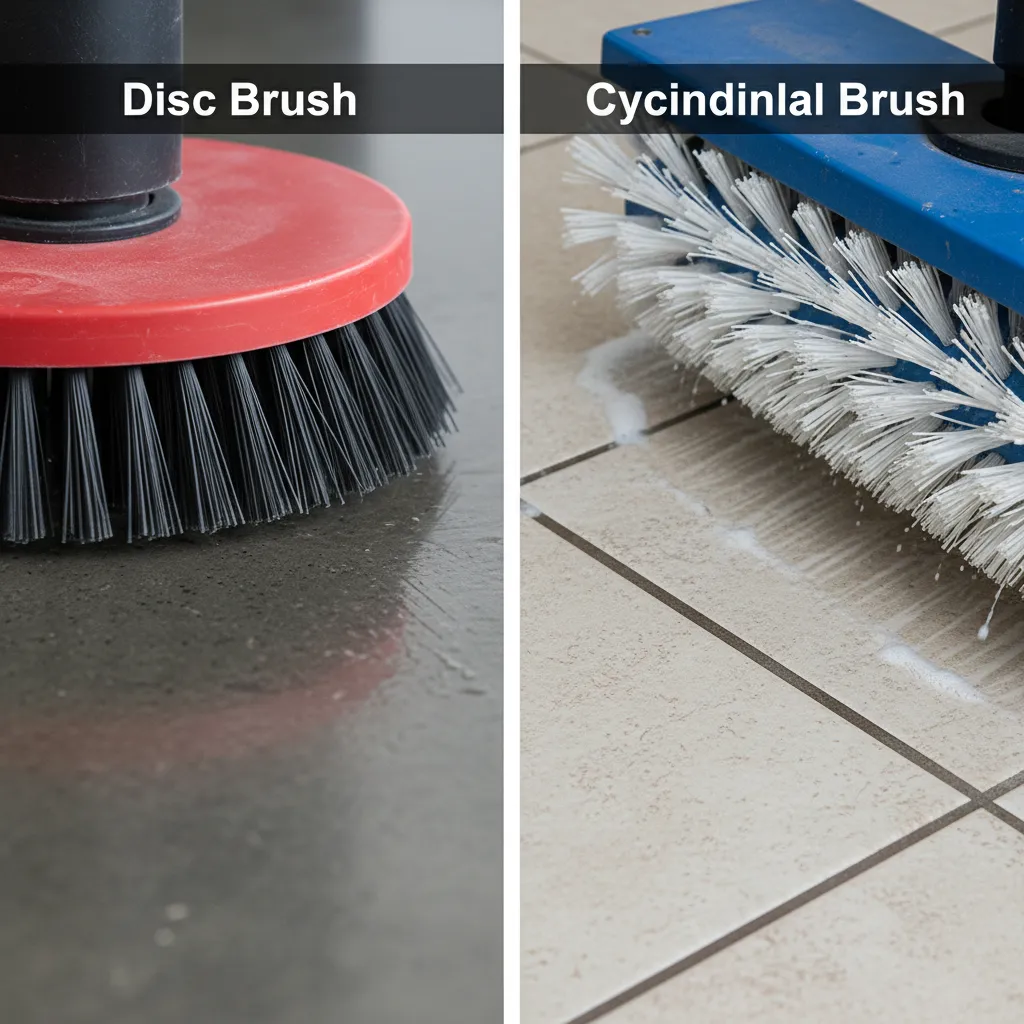
How do round brushes differ from flat ones?
Disc scrubbers push hard straight down, great for flat surfaces or tough messes. Instead, cylindrical types spin faster—between 250 and 470 revs per minute—and handle rough textures and tile grooves better. Picking one comes down to what kind of flooring you’ve got and how dirty it usually gets. Groups that set industry rules tend to publish practical tips when matching scrubbing action to different spaces.
Brush System Comparison
- Disc: 150-220 RPM, best for smooth surfaces
- Cylindrical: 250-470 RPM, superior for textured floors
- Orbital: Highest pressure per square centimeter
- Dual-brush: Maximum cleaning path width
Operational Considerations
Runtime and Productivity
Battery-powered scrubbers typically offer 3 to 6 hours of operation. For safety and reliability in commercial environments, it is critical to ensure electric models are certified to specific standards. Look for machines that are listed under UL 583, the "Standard for Safety for Electric-Battery-Powered Industrial Trucks." This certification ensures the machine's electrical systems, including wiring and batteries, have been independently tested and meet rigorous safety requirements, protecting both your operators and your facility
Water and Chemical Efficiency
Saving water’s easier now thanks to gadgets like EcoFlex™, which tweak how solutions are handled on their own - cutting usage by around a quarter. That kind of smart setup means you don’t gotta refill the tank nearly as often while spending less on chemicals too.
Using less H₂O isn’t just good for bills - These innovations not only lower chemical and labor costs but also support corporate Environmental, Social, and Governance (ESG) goals. By significantly reducing wastewater, facilities can better align with the environmental stewardship principles promoted by agencies like the U.S. Environmental Protection Agency (EPA) and its initiatives under the Clean Water Act.
Maintenance Requirements
- Daily tank cleaning and inspection
- Weekly squeegee blade examination
- Brush replacement every 200-400 operational hours
- Regular battery maintenance for electric models
Making Your Selection
Consider these factors when choosing an automatic floor scrubber:
- Facility size and layout
- Floor types and typical soil conditions
- Operating hours and noise restrictions
- Available labor and training requirements
- Maintenance capabilities and support needs
Expert Consultation and Next Steps
To pick the best auto floor cleaner for your space, talk with our tech crew so they can check what you really need. They’ll share exact details, set up live demos, or even work out possible savings across various models.
Browse our complete range of floor scrubbers or contact our technical team for personalized guidance.
Conclusion
Selecting the proper auto floor scrubber means thinking closely about what your building needs, how it runs daily, along its upkeep limits. Match equipment features to your unique cleaning issues - keep future performance and full expenses in mind at the same time.