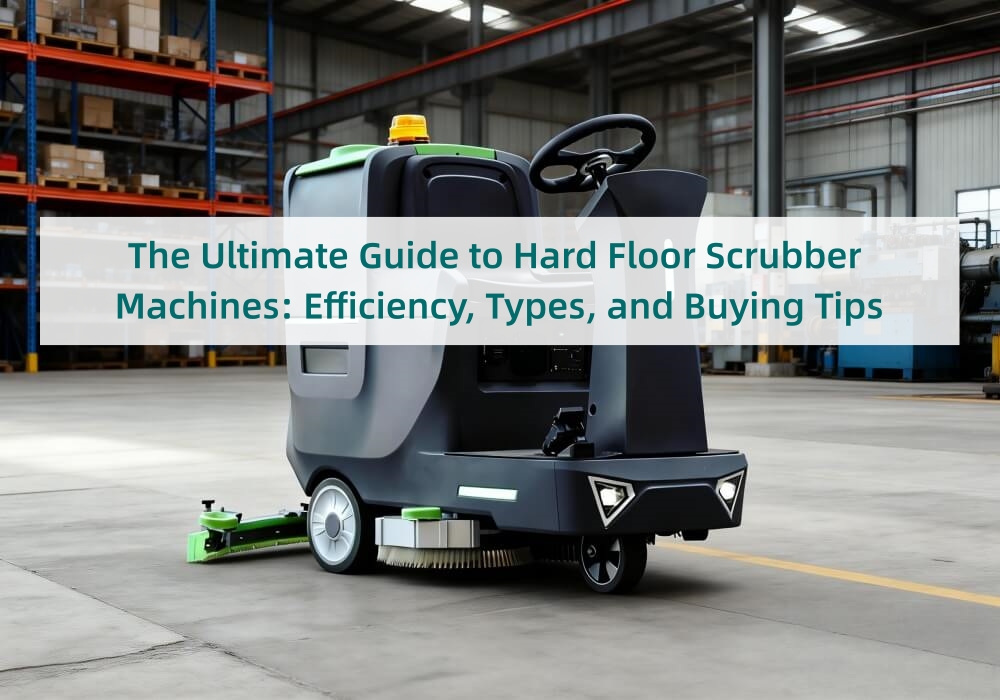
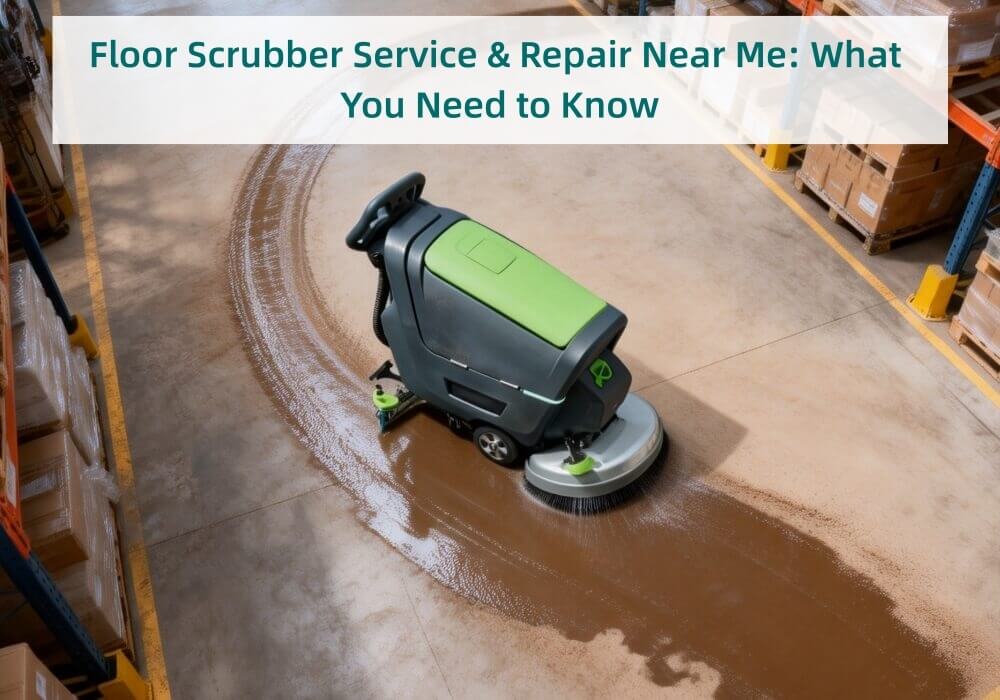
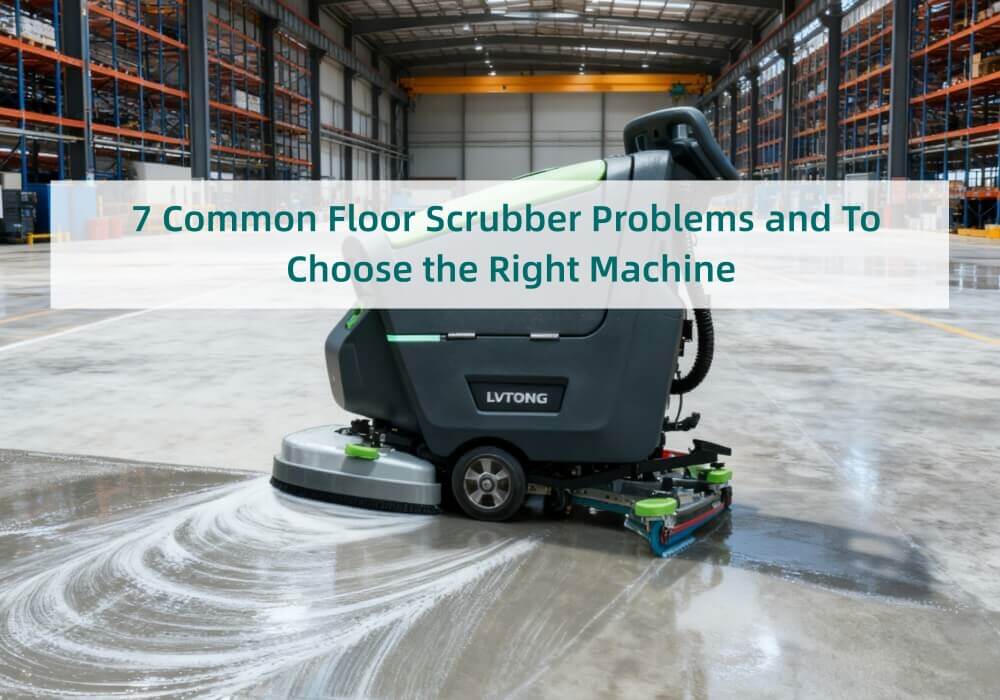
Floor scrubbers need special cleaning liquids made just for machines, helping lift dirt while keeping costly gear safe. These strong formulas mix precise ingredients that boost clean power by nearly half versus regular options - without hurting parts like suction fans. Picking the correct fluid matters a lot; wrong choices might break devices, leave floors dirty, or drive expenses way up.
This guide breaks down why the right floor scrubber cleaning solution is essential for protecting your equipment, achieving spotless results, and maximizing your return on investment.
What is a Floor Scrubber Cleaning Solution?
A floor scrubber uses a special fluid made just for auto-cleaning machines. Not like regular cleaners, it mixes surfactants with emulsifiers in exact amounts - breaking up dirt through chemistry while staying safe on machine parts.
The chemistry works through dual action:
- Hydrophobic agents bind with oils and grease
- Hydrophilic compounds suspend particles in solution
This specialized formulation is critical because standard cleaners create excessive foam that can infiltrate and permanently damage vacuum motors. Professional solutions also protect floor finishes while maximizing the mechanical cleaning action of brushes and pads.
Understanding the impact of the vacuum system is key to proper solution selection, as discussed in our overview of the floor scrubber and vacuum systems. LVTONG's electric scrubbers for scrubbers feature an advanced built-in vacuum system that works perfectly with low-foam cleaning solutions to remove stubborn dirt in a single pass while reducing carbon footprint.
The Chemistry of Cleaning: Types of Scrubber Detergents
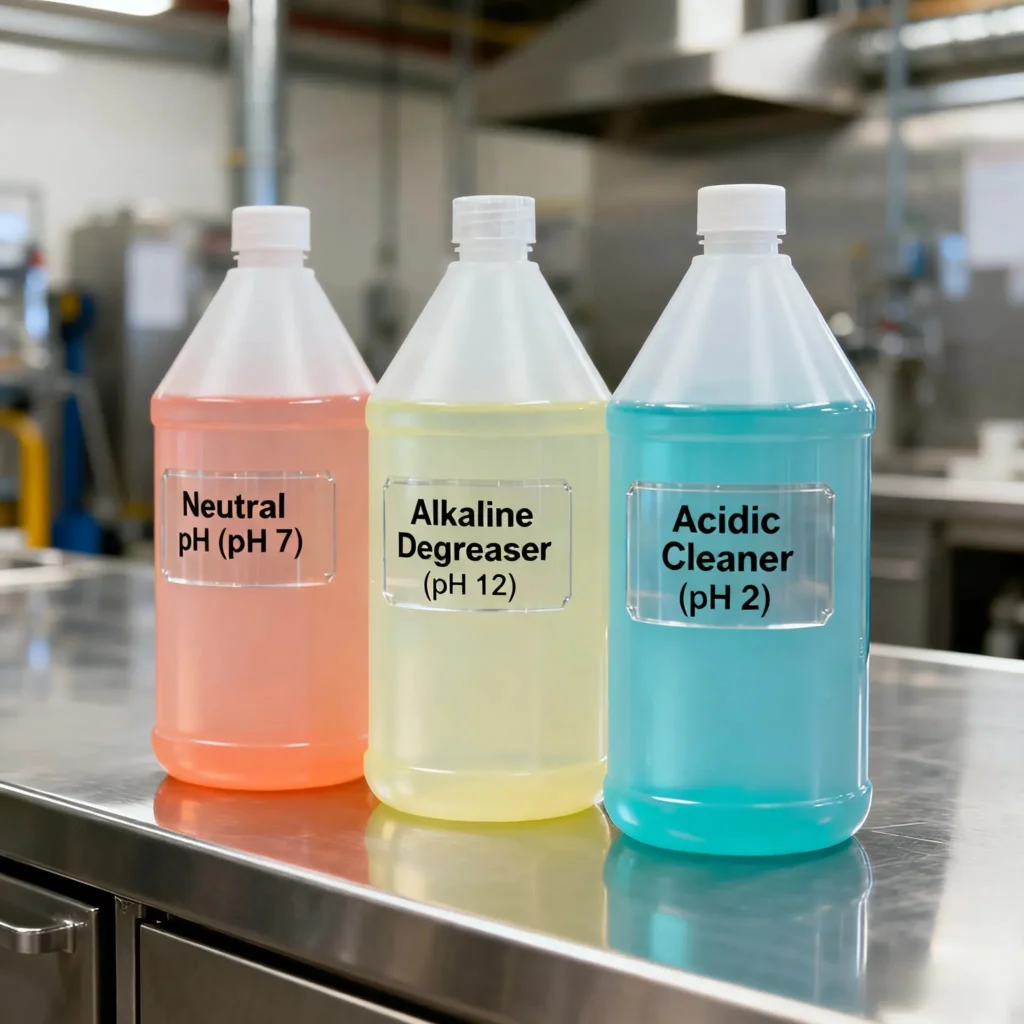
Floor scrubber solutions fall into distinct chemical categories based on pH level and cleaning intensity:
- Neutral/General Purpose Cleaners
- Ideal for routine maintenance
- Safe for most floor finishes
- pH balanced for gentle yet effective cleaning
Acid-Based Solutions
- pH Range: Typically pH 1−3
- Primary Use: Specifically formulated to dissolve mineral deposits, rust stains, and scale (like hard water buildup in restrooms).
- Caution: Corrosive in nature. Must only be used on acid-resistant surfaces and requires strict adherence to dilution and safety protocols.
Alkaline Degreasers
- pH Range: Typically pH 11−13
- Primary Use: The top choice for breaking down organic soils such as animal fats, industrial oils, grease, and tire marks.
- Best Paired With: Abrasive brushes to provide a dual chemical and mechanical attack on heavy buildup.
- Deep Cleaning Solutions
- Extended dwell time formulations
- Uses a two-pass cleaning method
- Breaks down stubborn accumulation
Why Low Foam Detergent is Critical for Floor Scrubbers
The single most important requirement for any floor scrubber solution is low-foam performance. This isn't merely a preference - it's essential for protecting the equipment. Excess foam can:
- Infiltrate vacuum motors, causing permanent damage
- Reduce suction efficiency and cleaning performance
- Lead to costly repairs and downtime
A good floor cleaner uses special soap that doesn't make much foam, even when it’s moving fast. When bubbles show up anyway, tossing a de-foamer into the waste tank keeps things running smoothly. Most companies follow rules established by groups that test the safety of chemicals in machines. Machines like heavy-duty scrubbers need certain cleaners to work their best.
Matching Solutions to Surface Types
Different flooring materials require specific chemical approaches for safe, effective cleaning:
| Floor Type | Recommended Solution | Key Considerations |
|---|---|---|
| Sealed Concrete | Neutral pH cleaner | Check sealant compatibility |
| Resilient Tile/Vinyl | Low-foam, pH-neutral | Protect floor finish |
| Natural Stone | pH-balanced formula | Avoid acidic cleaners |
| Epoxy Floors | Gentle, low-foam | Maintain coating integrity |
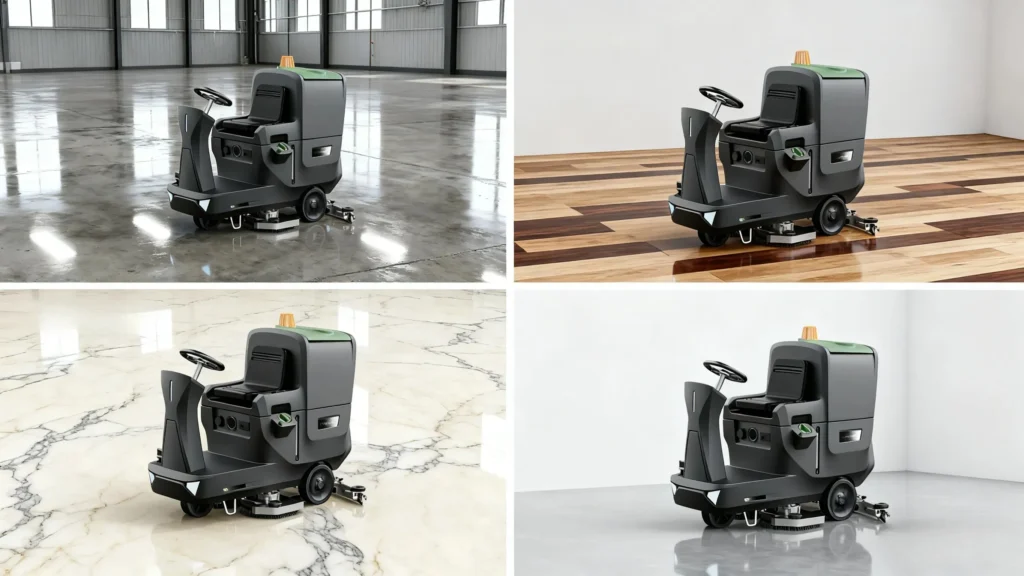
For facilities with extensive tile and grout areas, it is not as easy to clean as ordinary floors. Some dirt or garbage will get stuck in the gaps between the tiles and be hard to remove. LVTONG's tile floor scrubber provides superior power for a true automated clean—powerfully scrubbing, washing, and recovering dirty water in a single pass, which, combined with a neutral pH cleaning solution, can deeply penetrate dirt and ensure the floor is clean and undamaged.
Best Practices for Solution Management
Dilution Control
- Follow Manufacturer Specifications: The dilution ratio on the label (e.g., 1:128) is scientifically determined for optimal performance. Over-concentrating is wasteful and can damage floors or equipment.
- Consult the Safety Data Sheet (SDS): Before handling any new chemical, always read its SDS. This document provides critical information on Personal Protective Equipment (PPE), first-aid measures, and safe handling procedures.
- Use Automated Dilution Systems: Whenever possible, use a wall-mounted dilution control system to ensure a perfect, consistent mixture every time.
- Test First: When trying a new solution, always test it in a small, inconspicuous area first to check for compatibility with the flooring.
Application Methods
- Direct cleaning: Single pass for light soil
- Indirect cleaning: Double pass for heavy soil
- Pre-spray heavily soiled areas
- Allow proper dwell time for tough stains
Sustainable and Economic Solutions
Today’s cleaning machines focus on saving money while being kind to nature
- Packed mixes mean less trash from containers
- Plant-based materials break down easily, so they’re easier on nature
- Saving up to 80% when compared with off-the-shelf options
- Slash transport pollution by cutting down on freight size
Nowadays, fixes focus on eco-friendliness alongside cost benefits. Lots of top cleaning liquids get approval from outside watchdog groups. Take one tagged with Green Seal or ECOLOGO - it’s checked for less harm to nature all the way, starting at ingredients and ending at trash drop-off.
Understanding the Core Elements of Cleaning
To get things properly clean, keep it simple: Effective Cleaning means Chemistry mixed with Action plus Time. These parts team up - they balance one another, adjusting as needed.
- Chemistry (C): The cleaning solution you choose. The stronger the chemical, the less time or physical action is needed.
- Action (A): The physical scrubbing from the machine's brush pressure and rotation speed.
- Time (T): The "dwell time" the solution is allowed to sit on the floor and break down the soil.
This principle explains why, for heavy grease, we not only use a powerful degreaser (enhancing C) but also recommend the "double-scrubbing" method: first, you apply the solution and let it sit for a few minutes (increasing T) before scrubbing, achieving a far better result.
Making the Right Choice for Your Facility
Picking the correct cleaner for floors really affects how long they last, how fast workers clean, and also what shape machines stay in.
But the right chemical is only half of the equation. To truly unlock peak performance, you need a machine engineered to work in harmony with these professional solutions—a machine that delivers the necessary Action and optimizes Time.
This is where LVTONG makes the difference. Our full range of walk-behind and ride-on scrubbers is designed not just to clean, but to build a complete, efficient, and cost-effective cleaning system. They provide the adjustable brush pressure, robust vacuum systems, and superior solution control needed to maximize the power of your chosen detergent.
Ready to build your complete cleaning strategy? Explore our lineup of commercial floor scrubbers or contact our specialists today for a personalized consultation. Let us help you match the perfect machine to your unique challenges and create a spotless, safe, and brilliant facility.