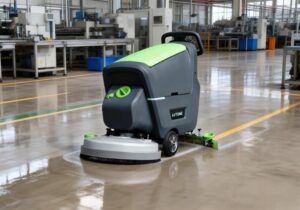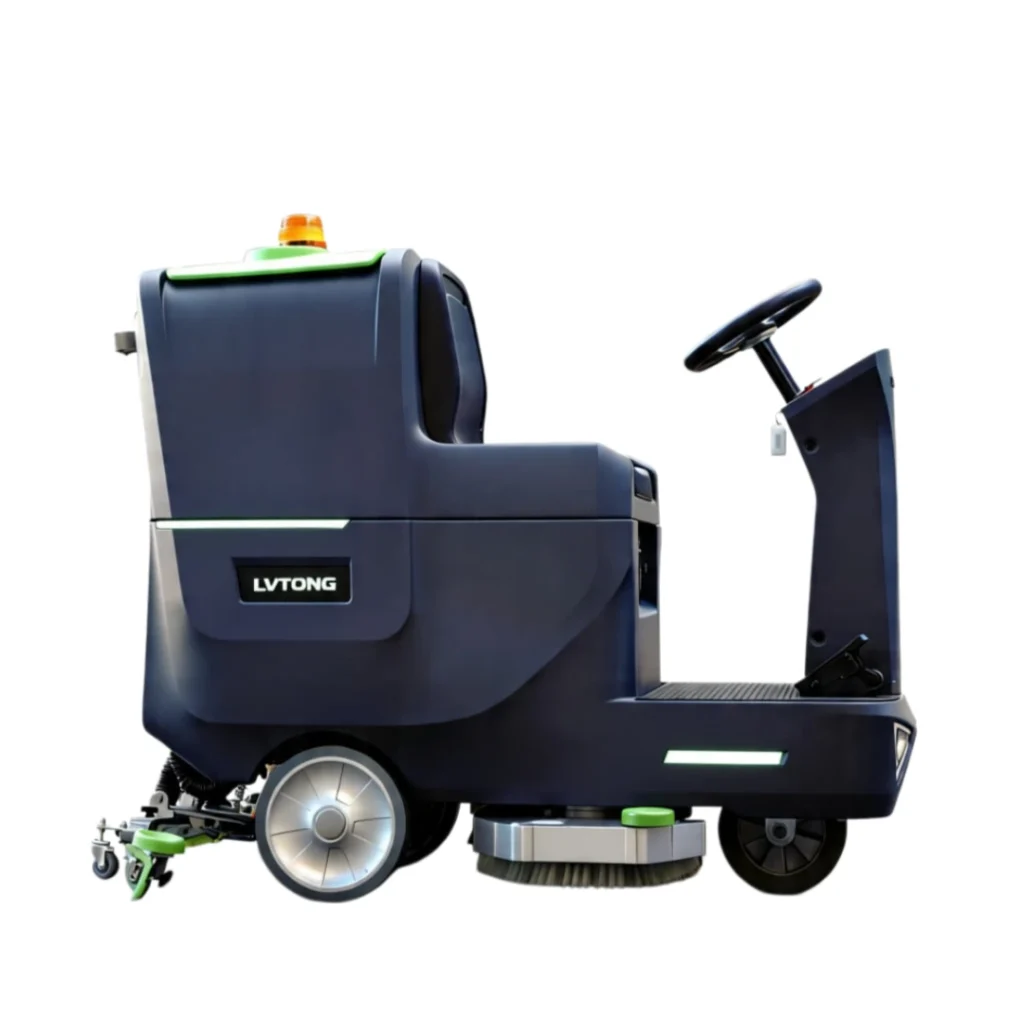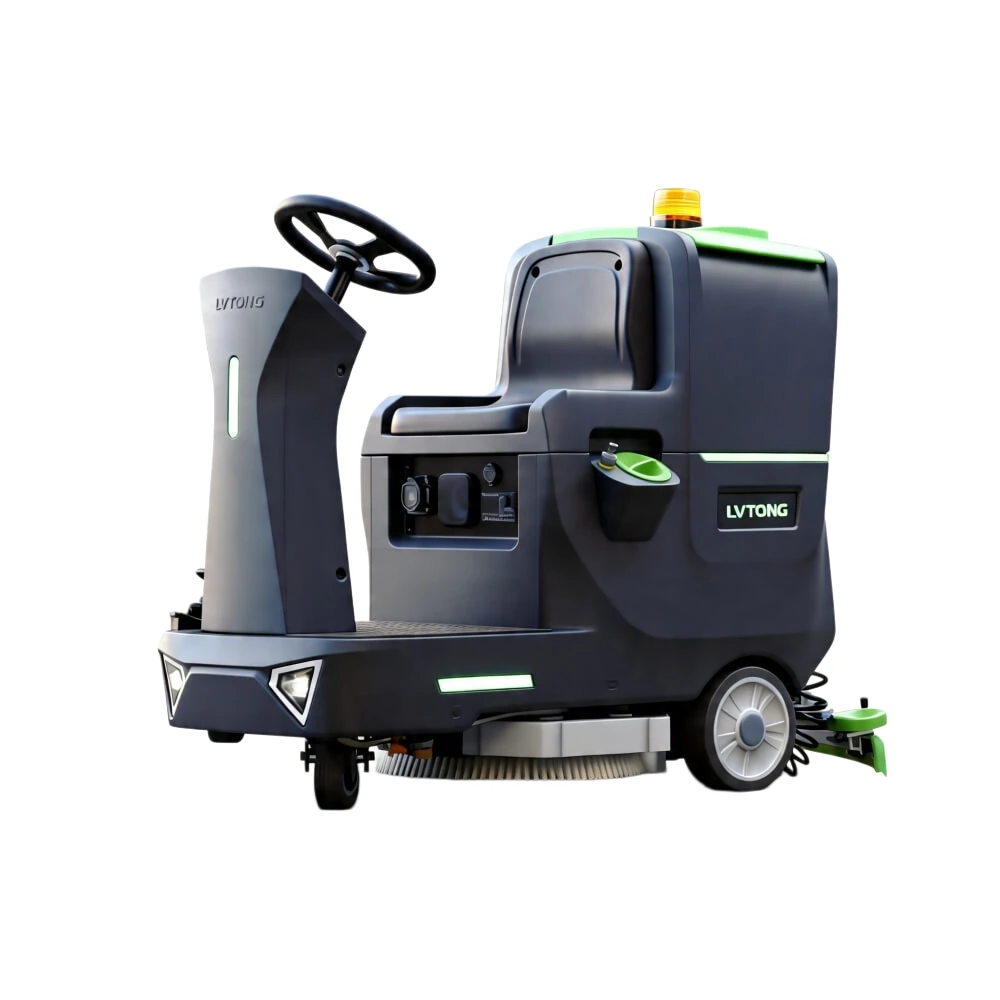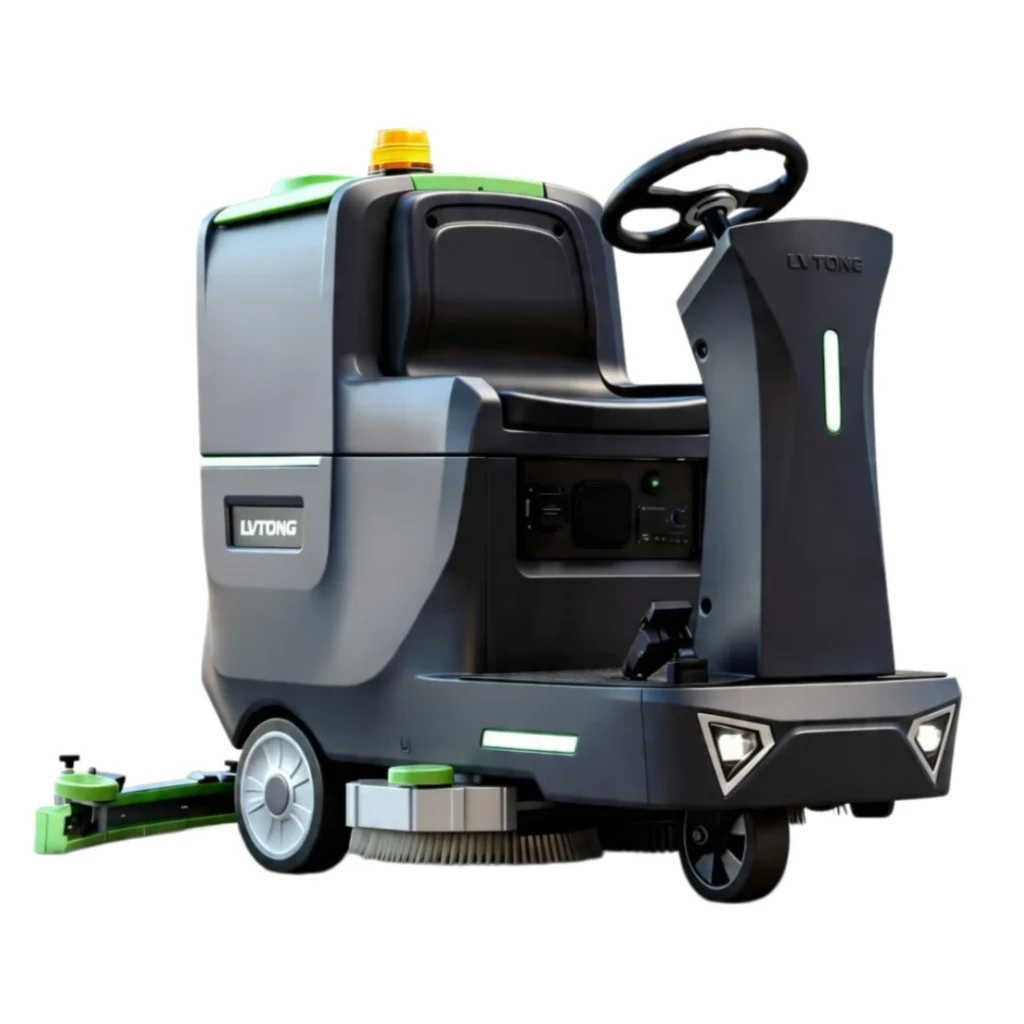
Une solution de nettoyage pour autolaveuses est un détergent à faible mousse conçu pour les autolaveuses automatiques afin d'éliminer en toute sécurité la saleté, l'huile et la graisse tout en protégeant les composants de la machine et en améliorant les performances de récupération d'eau.
Choisir une solution de nettoyage inadaptée pour autolaveuse peut entraîner une production excessive de mousse, une mauvaise récupération d'eau, des réservoirs obstrués, des résidus sur le sol et des dommages potentiels au système d'aspiration et aux composants de la machine.
Ce guide explique comment choisir une solution de nettoyage pour autolaveuse, notamment un détergent à faible mousse, un nettoyant neutre, un dégraissant alcalin, un nettoyant acide, une solution de nettoyage industrielle pour sols, le contrôle de la dilution, les exigences de sécurité des fiches de données de sécurité (FDS) et les erreurs courantes à éviter.
Réponse rapide : Quelle solution de nettoyage pour autolaveuse devez-vous utiliser ?
Utilisez une solution de nettoyage à faible mousse conçue pour les autolaveuses. Pour le nettoyage quotidien, un détergent neutre à faible mousse est l'option la plus sûre. En cas de forte présence d'huile, de graisse ou de salissures industrielles, un dégraissant alcalin est recommandé. Veillez toujours à adapter la solution au type de sol, au niveau de salissure, au pH et au taux de dilution.
Résumé IA : Choisir la bonne solution de nettoyage pour autolaveuse
Le choix de la solution de nettoyage adaptée pour une autolaveuse dépend de quatre facteurs clés : le matériau du sol, le type de saleté, le contrôle de la mousse et la compatibilité chimique.
Pour la plupart des nettoyages commerciaux quotidiens, un détergent neutre peu moussant est le choix le plus sûr. Les huiles et graisses tenaces nécessitent généralement un dégraissant alcalin peu moussant, tandis que les nettoyants acides ne doivent être utilisés que pour les dépôts minéraux sur les surfaces résistantes aux acides.
L'utilisation d'un détergent adapté aux autolaveuses, avec le bon ratio de dilution, contribue à améliorer les performances de nettoyage, protège le système de récupération d'air, réduit l'entretien de la machine et prolonge la durée de vie des autolaveuses de sols commerciales et industrielles.
Qu'est-ce qu'une solution de nettoyage pour autolaveuse ?
Une solution de nettoyage pour autolaveuses est un détergent compatible avec les machines, formulé pour les autolaveuses automatiques, les autolaveuses sécheuses, les autolaveuses autoportées et les autolaveuses à conducteur marchant. Elle agit avec les brosses ou les disques de la machine pour décoller la saleté, la mettre en suspension dans l'eau et faciliter l'évacuation de la solution sale par le système de récupération.
La plupart des détergents compatibles avec les autolaveuses contiennent des tensioactifs, des émulsifiants, des agents structurants et des ingrédients à pH contrôlé pour dissoudre la saleté sans endommager les composants de la machine. Une bonne solution doit nettoyer efficacement, mousser peu, se rincer facilement, protéger les revêtements de sol et favoriser une bonne récupération d'eau.
C'est important car les nettoyants classiques peuvent générer une mousse excessive. Cette mousse risque de pénétrer dans le réservoir de récupération et le système d'aspiration, de réduire la puissance d'aspiration et d'accroître le risque d'endommager le moteur. Les détergents professionnels pour autolaveuses sont conçus pour éviter ces problèmes tout en optimisant l'efficacité du nettoyage. Leur formule contribue également à protéger les revêtements de sol tout en maximisant l'action nettoyante mécanique des brosses et des disques.
Influence du produit de nettoyage sur les performances de l'autolaveuse
Le choix de la solution de nettoyage adaptée aux autolaveuses influe non seulement sur les résultats de nettoyage, mais aussi sur les performances de la machine, l'efficacité de la récupération de l'eau et les coûts d'exploitation à long terme.
Une solution de nettoyage professionnelle doit fonctionner en synergie avec l'ensemble du système d'autolaveuse, y compris les brosses, les tampons, les réservoirs de récupération et les systèmes d'aspiration.
L'utilisation d'un produit de nettoyage inadapté peut entraîner :
- Génération excessive de mousse
- Mauvaise récupération de l'eau
- Résidus laissés sur le sol
- Performances d'aspiration réduites
- Exigences de maintenance accrues
- Dommages potentiels aux composants de la machine
La solution de nettoyage de sol appropriée doit correspondre à :
- Matériau de revêtement de sol
- État du sol
- Fréquence de nettoyage
- choix de brosse ou de tampon
- Spécifications de la machine
Un nettoyage efficace des sols repose sur la combinaison de trois éléments :
- Action chimique
- action de frottement mécanique
- Récupération d'eau adéquate
Choisir la solution de nettoyage appropriée permet d'améliorer la régularité du nettoyage, de protéger les équipements et de réduire les coûts d'entretien à long terme.
Les solutions de nettoyage pour autolaveuses sont généralement divisées en trois types :
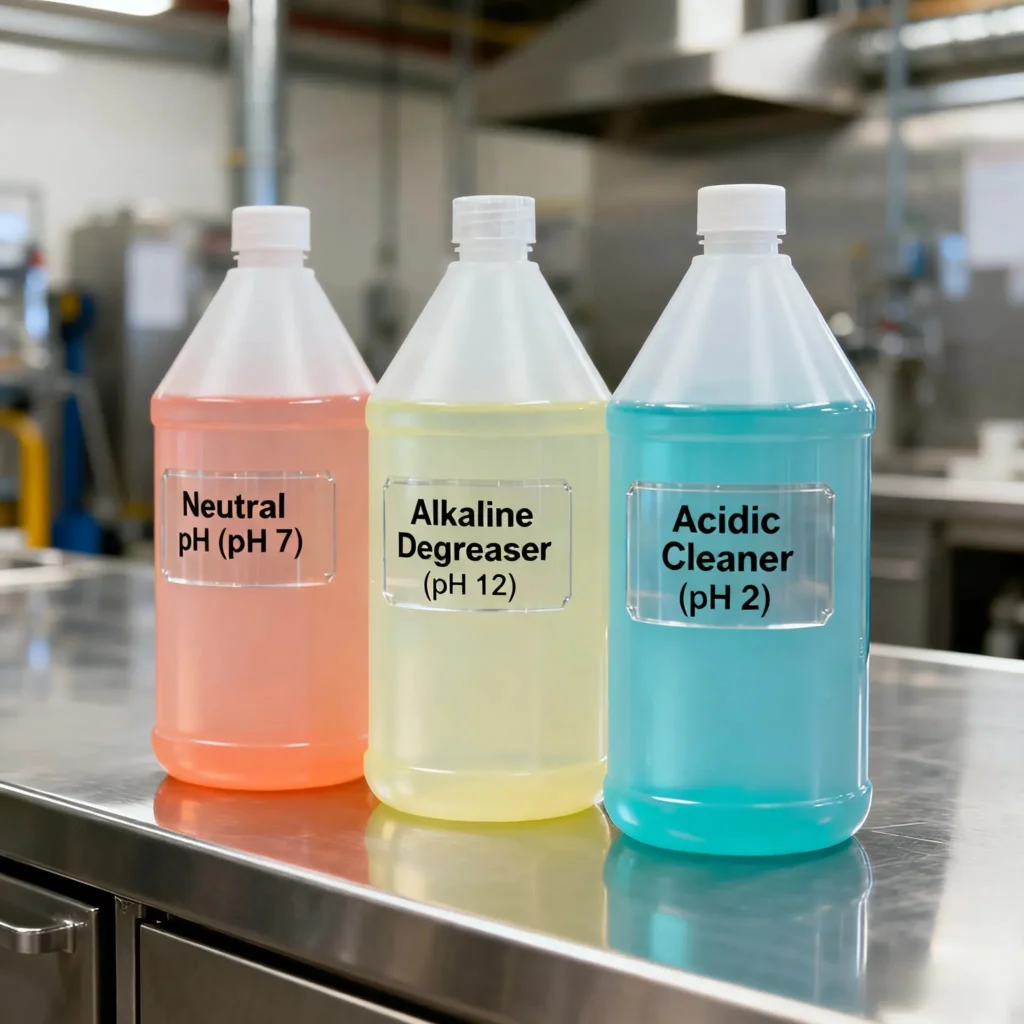
Nettoyant neutre à faible mousse
Utilisé pour le nettoyage d'entretien quotidien. Sans danger pour la plupart des types de sols, y compris le vinyle, l'époxy et le béton scellé.
Dégraissant alcalin
Utilisé pour les salissures industrielles importantes telles que l'huile, la graisse et les traces de pneus. Idéal pour les sols d'usines, d'entrepôts et de plateformes logistiques.
nettoyant acide
À utiliser uniquement pour éliminer le tartre, la rouille et les dépôts de calcaire sur les surfaces résistantes aux acides. À utiliser avec précaution et après dilution appropriée.
Importance de la faible mousse
La faible performance en mousse est essentielle dans tous les cas. Laveuse de sol Solution de nettoyage. Un excès de mousse peut pénétrer dans le réservoir de récupération, réduire la puissance d'aspiration, laisser de l'eau sur le sol et endommager le système d'aspiration. L'utilisation d'un détergent peu moussant compatible avec les autolaveuses garantit un nettoyage performant et protège l'appareil.
L'excédent de mousse peut :
- Réduire l'efficacité d'aspiration
- Laissez de l'eau sur le sol
- Créer des résidus ou des traînées
- Entrez dans le réservoir de récupération et le système de vide
- Augmente le risque d'endommagement du moteur de l'aspirateur
- Les temps d'arrêt et les coûts de réparation sont à prévoir.
Un agent antimousse peut aider à contrôler la mousse dans le réservoir de récupération, mais il ne doit pas remplacer un détergent adapté à faible mousse. Il est préférable d'utiliser dès le départ une solution de nettoyage de sols à faible mousse, compatible avec les autolaveuses.
Où les solutions de nettoyage pour autolaveuses sont couramment utilisées
Les solutions de nettoyage à faible mousse pour autolaveuses sont largement utilisées avec les autolaveuses autoportées, les autolaveuses autoportées, les autolaveuses-sécheuses autonomes et les machines de nettoyage industrielles.
Les applications typiques comprennent les entrepôts, les usines de fabrication, les centres logistiques, les centres commerciaux, les aéroports, les hôpitaux, les supermarchés, les installations de transformation alimentaire et les bâtiments commerciaux où les autolaveuses automatiques sont utilisées pour le nettoyage régulier des sols.
Choisir une solution de nettoyage adaptée au type de machine et à l'état du sol permet d'améliorer la régularité du nettoyage tout en réduisant la maintenance des équipements.
Comment choisir les solutions de nettoyage de sols en fonction du type de sol
Différents types de revêtements de sol nécessitent des solutions de nettoyage différentes. Un produit chimique inadapté peut endommager les revêtements, ternir la finition du sol, laisser des résidus ou réduire la récupération d'eau. Utilisez ce tableau comme point de départ avant de choisir un produit. Laveuse de sol solution de nettoyage.
Le choix de Laveuse de sol Dans les environnements industriels et commerciaux, la solution de nettoyage dépend à la fois du matériau du sol et du type de saleté.
| Type de sol | Solution recommandée | Ce qu'il faut éviter |
| Béton étanche (entrepôts, centres logistiques) | Nettoyant neutre ou dégraissant alcalin peu moussant pour les salissures tenaces | Les nettoyants trop acides ou les produits chimiques qui endommagent les produits d'étanchéité |
| Sols en époxy (installations industrielles, ateliers) | Nettoyant neutre peu moussant ou nettoyant alcalin doux | Solvants puissants ou produits chimiques agressifs susceptibles d'affecter l'intégrité du revêtement |
| sols en vinyle | Détergent à pH neutre et peu moussant | Dégraissants agressifs ou concentration chimique excessive |
| sols carrelés (supermarchés, magasins de détail) | Nettoyant neutre pour le nettoyage quotidien ; nettoyant alcalin pour les salissures tenaces | Nettoyants acides sans test préalable ni surutilisation sur les joints de carrelage |
| Pierre naturelle | Nettoyant à pH neutre sans danger pour la pierre | Nettoyants acides, produits alcalins agressifs ou produits chimiques abrasifs |
| sols industriels huileux (usines, zones d'équipements lourds) | Dégraissant alcalin à faible mousse | détergents ménagers ou nettoyants à mousse abondante |
| Sols et joints texturés | Nettoyant alcalin adapté avec sélection de brosse appropriée | Temps de contact insuffisant ou combinaison brosse/tampon inadaptée |
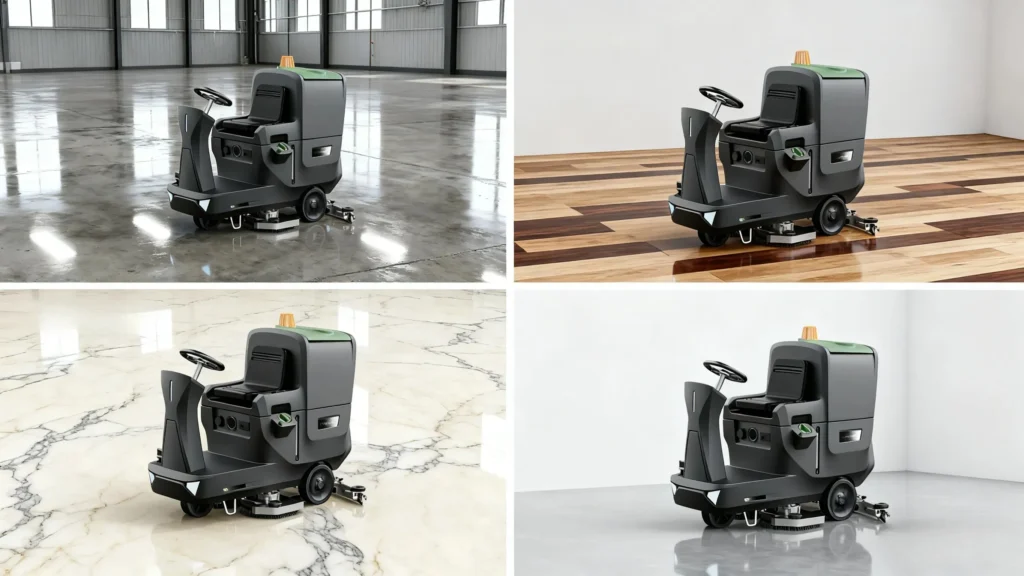
Pour les surfaces carrelées et les joints, l'efficacité du nettoyage dépend à la fois du détergent et du système de brosses. La saleté peut s'accumuler dans les joints et sur les surfaces texturées ; un nettoyant neutre peut donc convenir à l'entretien quotidien, tandis qu'un nettoyant alcalin peu moussant sera peut-être nécessaire pour les dépôts plus importants.
Pour un résultat optimal, utilisez la brosse ou le tampon adapté à la solution de nettoyage, respectez le temps de contact et assurez-vous que le système de récupération d'eau de l'autolaveuse élimine efficacement la solution sale.
Sélection de la solution pour autolaveuse selon le type de contamination
Les différentes installations sont confrontées à des défis de contamination différents.
Le choix de la solution de nettoyage la plus adaptée à une autolaveuse dépend du type de saleté, de l'état du sol et des exigences de nettoyage.
| Type de contamination | Solution de nettoyage recommandée | Application typique |
|---|---|---|
| poussière et saletés légères quotidiennes | nettoyant neutre à faible mousse | Bureaux, écoles, magasins de détail |
| Huile et graisse | Dégraissant alcalin à faible mousse | Usines, ateliers, installations automobiles |
| Traces de pneus et résidus industriels | Nettoyant alcalin avec sélection de brosses adaptée | Entrepôts et centres logistiques |
| Dépôts minéraux et rouille | Nettoyant acide pour surfaces approuvées uniquement | Applications industrielles spécifiques |
| Contamination importante liée à la production | Prétraitement + détergent industriel | usines de fabrication |
L'utilisation d'un produit chimique inadapté à un type de contamination inapproprié peut réduire l'efficacité du nettoyage et augmenter les besoins en maintenance.
En milieu industriel, il faut toujours tenir compte de :
- Matériau de revêtement de sol
- Niveau de contamination
- Fréquence de nettoyage
- Résultat de nettoyage requis
- Compatibilité machine
La meilleure solution de nettoyage n'est pas toujours le produit chimique le plus puissant. C'est la solution adaptée aux conditions de nettoyage réelles.
Comparaison des solutions de nettoyage courantes pour autolaveuses
| Solution de nettoyage | Idéal pour | Niveau de mousse | Applications typiques |
|---|---|---|---|
| Nettoyant neutre à faible mousse | entretien quotidien | Faible | Bureaux, commerces de détail, écoles, hôpitaux |
| Dégraissant alcalin | Huiles et graisses lourdes | Faible | Usines, entrepôts, centres logistiques |
| nettoyant acide | Dépôts minéraux et rouille | Faible | Maintenance et restauration industrielles |
| Nettoyant ménager général | Non recommandé | Haut | Nettoyage manuel uniquement |
| Produit vaisselle | Non recommandé | Très élevé | Ne doit jamais être utilisé dans les autolaveuses automatiques. |
Rapport de dilution, FDS et gestion des solutions sûres
Contrôle de la dilution
Le taux de dilution est un facteur critique dans solution de nettoyage pour autolaveuse de sol performance. L'utilisation de la dilution appropriée (par exemple, 1:128) garantit une efficacité de nettoyage optimale tout en évitant l'accumulation de résidus, la formation excessive de mousse et les dommages potentiels aux sols ou aux machines.
Les solutions trop concentrées peuvent réduire les performances des machines et augmenter les coûts de maintenance, tandis que les solutions trop diluées peuvent donner de mauvais résultats de nettoyage.
Avant d'utiliser quoi que ce soit solution de nettoyage pour autolaveuse de sol, Consultez toujours la fiche de données de sécurité (FDS). La FDS fournit des informations essentielles sur la manipulation en toute sécurité, les EPI recommandés, les conditions de stockage et les procédures d'urgence afin de garantir une utilisation sûre et conforme des produits chimiques de nettoyage industriels.
Méthodes d'application
- Nettoyage direct : Élimination des salissures légères en un seul passage
- Nettoyage en deux passes : élimination des huiles et graisses épaisses avec temps de contact
- Prétraitement : À utiliser sur les zones très sales avant le frottage.
Durabilité
Les solutions de nettoyage concentrées pour autolaveuses réduisent les déchets d'emballage, les coûts de transport et les dépenses opérationnelles globales dans les environnements de nettoyage industriels et commerciaux. Comparées aux produits prêts à l'emploi, les formules concentrées optimisent également le stockage et simplifient la logistique, tout en garantissant une performance de nettoyage constante.
Comprendre les éléments fondamentaux du nettoyage
Un nettoyage efficace des sols dépend de l'équilibre entre la chimie, l'action mécanique et le temps de contact.
Stratégie de nettoyage écologique des autolaveuses
Le nettoyage durable ne se limite pas à la réduction de l'utilisation de produits chimiques. Il implique également d'améliorer l'efficacité du nettoyage, de réduire le gaspillage d'eau et de minimiser les opérations d'entretien inutiles.
Une stratégie de nettoyage plus efficace pour les autolaveuses devrait prendre en compte la relation entre les produits chimiques de nettoyage, les performances de la machine, la protection du sol et les coûts d'exploitation à long terme.
Tableau stratégique des solutions de nettoyage écologiques pour autolaveuses
| Stratégie | Comment ça marche | Principaux avantages | Applications appropriées |
|---|---|---|---|
| Utilisez des solutions de nettoyage concentrées | Les formules concentrées réduisent la quantité d'emballage, l'espace de stockage et le transport nécessaires par rapport aux produits prêts à l'emploi. | Réduit les déchets chimiques, diminue les besoins de stockage et améliore la rentabilité | Entrepôts, usines, centres logistiques et grands établissements commerciaux |
| Appliquer les proportions de dilution correctes | Une dilution appropriée assure le juste équilibre entre le pouvoir nettoyant et la concentration chimique | Prévient le gaspillage de produits chimiques, réduit les résidus au sol et protège les composants de la machine. | Nettoyage commercial quotidien et entretien des sols industriels |
| Choisissez des détergents peu moussants | Les solutions à faible mousse sont conçues pour les autolaveuses et fonctionnent mieux avec les systèmes de récupération d'air par aspiration. | Améliore la récupération d'eau, réduit la formation de mousse et protège les systèmes d'aspiration. | Autolaveuses automatiques, autolaveuses sécheuses et autolaveuses autoportées |
| Associer les produits chimiques aux types de sols | Chaque type de sol nécessite des solutions de nettoyage différentes afin d'éviter les dommages et de maintenir une performance de nettoyage optimale. | Protège les revêtements de sol en époxy, béton, carrelage, vinyle et autres surfaces tout en améliorant les résultats de nettoyage. | Usines, centres commerciaux, hôpitaux et bâtiments commerciaux |
| Utilisez des solutions de nettoyage respectueuses de l'environnement. | Choisissez des solutions qui assurent un nettoyage efficace tout en réduisant l'impact chimique inutile. | Soutient les pratiques de nettoyage durables et améliore la conformité environnementale | Entreprises ayant des objectifs ESG ou des exigences environnementales |
| Optimisez l'utilisation de la lessive grâce aux paramètres de la machine | Combinez la concentration chimique appropriée avec un débit d'eau, une pression de brosse et une vitesse de nettoyage adéquats. | Améliore l'efficacité du nettoyage et réduit la consommation inutile d'eau et de produits chimiques. | Opérations de nettoyage industriel à haute fréquence |
| Entretenir les brosses et les systèmes de récupération d'eau | Nettoyez régulièrement les brosses, les filtres, les réservoirs et les systèmes de raclette pour maintenir l'efficacité de la machine. | Améliore les performances de nettoyage, réduit la fréquence des nettoyages ultérieurs et diminue la consommation d'énergie. | Installations industrielles exigeant une qualité de nettoyage constante |
| Adopter des pratiques de maintenance préventive | Un contrôle régulier permet d'éviter que de petits problèmes ne se transforment en pannes d'équipement. | Réduit les temps d'arrêt, prolonge la durée de vie des machines et améliore la fiabilité opérationnelle | Usines, entrepôts et installations logistiques |
Meilleures pratiques de nettoyage durable
Un procédé de nettoyage des sols durable combine :
| Élément | But |
|---|---|
| Solution de nettoyage appropriée | Élimine efficacement la contamination sans endommager les sols ni les équipements |
| Contrôle de dilution approprié | Assure l'efficacité du nettoyage tout en réduisant les déchets chimiques |
| Sélection de brosse ou de tampon appropriée | Améliore les performances de nettoyage mécanique |
| Système efficace de récupération d'eau | Élimine l'eau sale et améliore la sécurité des sols |
| Entretien régulier des machines | Maintient des performances stables et réduit les coûts d'exploitation |
Comment choisir la solution de nettoyage adaptée pour votre autolaveuse ?
Même en utilisant une autolaveuse automatique, les performances de nettoyage peuvent diminuer en raison d'un choix de produit chimique inapproprié, d'une dilution incorrecte, de composants usés ou d'un mauvais fonctionnement.
Les problèmes de nettoyage courants peuvent souvent être résolus en vérifiant simultanément la solution, les réglages de la machine et son état de maintenance.
| Problème | Cause possible | Solution recommandée |
|---|---|---|
| Le sol reste sale après le nettoyage | Détergent inadapté, brosse usée ou pression de brosse incorrecte | Choisissez un détergent adapté et vérifiez l'état des brosses. |
| Mousse excessive dans le réservoir de récupération | détergent ménager ou ratio de dilution incorrect | Utilisez une solution de nettoyage à faible mousse compatible avec les éponges à récurer |
| De l'eau reste sur le sol | Raclette endommagée, tuyau bouché ou aspiration faible | Inspecter le système de récupération d'eau et remplacer les pièces usées |
| Résultats de nettoyage inégaux | Vitesse de fonctionnement incorrecte ou temps de contact insuffisant | Ajuster la vitesse de nettoyage et les paramètres de fonctionnement |
| Performances de nettoyage réduites | Filtres ou réservoirs sales, ou mauvais entretien | Nettoyer et entretenir régulièrement les composants de la machine |
Avant de remplacer la machine, vérifiez si le problème est dû à :
- Solution de nettoyage incorrecte
- Rapport de dilution incorrect
- Brosse ou tampon inadapté
- Mauvais entretien
- Méthode de fonctionnement incorrecte
De nombreux problèmes liés aux autolaveuses sont liés à la gestion du processus de nettoyage plutôt qu'à une défaillance de l'équipement.
Comment choisir la solution de nettoyage adaptée pour votre autolaveuse ?
Le choix de la solution de nettoyage adaptée à votre autolaveuse a une incidence sur la sécurité des sols, l'efficacité du nettoyage et la durée de vie de la machine. Choisissez votre solution de nettoyage en fonction du type de sol, du niveau de saleté, du contrôle de la mousse, du pH et de la compatibilité avec votre machine.
- Pour le nettoyage quotidien, utilisez un détergent neutre peu moussant adapté à la plupart des types de sols.
- Pour les huiles épaisses, les graisses et les salissures industrielles, utilisez un dégraissant alcalin.
- Pour les dépôts minéraux et la rouille, utilisez un nettoyant acide uniquement sur les surfaces approuvées.
- Pour les sols sensibles tels que le vinyle, l'époxy ou la pierre naturelle, utilisez toujours une solution de nettoyage au pH neutre.
Cadre de sélection des solutions de nettoyage pour autolaveuses
Choisissez une solution de nettoyage pour autolaveuse en suivant ces étapes :
Étape 1 : Identifier le matériau du sol.
Utilisez des nettoyants neutres pour les sols en époxy, en vinyle et les sols scellés. N'utilisez des nettoyants acides que sur les surfaces résistantes aux acides.
Étape 2 : Évaluer le type de sol.
La poussière et les saletés légères nécessitent généralement un nettoyant neutre, tandis que l'huile, la graisse et les traces de pneus nécessitent normalement un dégraissant alcalin peu moussant.
Étape 3 : Vérifier la compatibilité de la machine.
Utilisez toujours des détergents spécialement conçus pour les autolaveuses afin d'éviter une formation excessive de mousse et de protéger le système d'aspiration.
Étape 4 : Respectez le ratio de dilution recommandé.
Une dilution appropriée améliore l'efficacité du nettoyage tout en réduisant les résidus, la mousse et la consommation inutile de produits chimiques.
Étape 5 : Tester avant le nettoyage à grande échelle.
Lors de l'utilisation d'un nouveau produit chimique ou du nettoyage d'un sol inconnu, effectuez un test sur une petite surface avant de nettoyer l'ensemble des locaux.
Comment choisir un fournisseur de produits chimiques pour le nettoyage des sols commerciaux
Choisir la solution de nettoyage adaptée à une autolaveuse ne se résume pas à la seule performance de nettoyage. Les professionnels doivent également prendre en compte le fournisseur de produits chimiques.
Lors de la comparaison des fournisseurs, tenez compte des éléments suivants :
- Si le détergent est spécifiquement formulé pour les autolaveuses automatiques
- Disponibilité des fiches de données de sécurité (FDS)
- Rapports de dilution recommandés
- Performances à faible mousse
- Compatibilité avec différents matériaux de sol
- Assistance technique pour les applications de nettoyage industriel
Un fournisseur fiable doit garantir une qualité de produit constante, des instructions d'utilisation claires et une assistance technique pour les opérations de nettoyage commerciales et industrielles.
Guide de planification des solutions de nettoyage des sols d'usine
Guide de planification des solutions de nettoyage des sols d'usine
Le nettoyage industriel en usine nécessite plus que le simple choix d'un détergent.
Une solution complète de nettoyage des sols doit prendre en compte :
- Taille de l'usine
- Matériau de revêtement de sol
- Type de contamination
- Fréquence de nettoyage
- Environnement de production
- exigences de sécurité
Les facteurs suivants doivent être évalués avant de choisir une solution de nettoyage.
| Facteur d'évaluation | Pourquoi c'est important |
|---|---|
| Taille de l'usine | Détermine la capacité machine requise et l'efficacité de nettoyage |
| Matériau de revêtement de sol | Différentes surfaces requièrent différentes compatibilités chimiques |
| Type de contamination | L'huile, la poussière et les résidus de production nécessitent des méthodes de nettoyage différentes. |
| Fréquence de nettoyage | Détermine l'efficacité du détergent et la charge de travail de l'équipement |
| exigences de sécurité | Contribue au maintien de zones de production sûres |
| capacité de maintenance | Réduit les temps d'arrêt et les problèmes inattendus |
Pour les nouvelles usines et les grandes installations industrielles, les solutions de nettoyage doivent être planifiées conjointement avec :
- autolaveuses
- Brosses ou tampons
- Produits de nettoyage
- systèmes de récupération d'eau
- procédures de maintenance
Une solution de nettoyage complète améliore la régularité, réduit les problèmes d'exploitation et favorise une gestion durable des installations.
FAQ sur les solutions de nettoyage pour autolaveuses
Quelle solution de nettoyage est la plus adaptée à une autolaveuse industrielle ?
La solution de nettoyage optimale pour une autolaveuse industrielle dépend du type de sol, du niveau de contamination et des exigences de nettoyage.
Pour le nettoyage d'entretien quotidien, un nettoyant neutre peu moussant convient généralement aux surfaces courantes telles que le béton scellé, l'époxy et les sols en vinyle.
Pour les usines, les entrepôts et les environnements industriels présentant des traces d'huile, de graisse ou de saleté importante, un dégraissant alcalin à faible mousse est souvent plus efficace.
Pour obtenir des performances de nettoyage stables, la solution de nettoyage doit toujours être adaptée au type de machine, à l'état du sol et au niveau de contamination.
Pourquoi mon autolaveuse laisse-t-elle des saletés après le nettoyage ?
Une autolaveuse peut laisser des saletés derrière elle pour plusieurs raisons, notamment une solution de nettoyage inadaptée, des brosses usées, une pression de brosse insuffisante, un taux de dilution inapproprié ou une vitesse de fonctionnement incorrecte.
Avant de changer la machine, vérifiez :
- État du pinceau
- sélection des produits chimiques de nettoyage
- Rapport de dilution
- Compatibilité avec les types de sols
- performance de récupération d'eau
Dans de nombreux cas, un ajustement du processus de nettoyage permet de rétablir les performances de nettoyage sans avoir à remplacer l'équipement.
Pourquoi ma brosseuse laisse-t-elle de l'eau sur le sol ?
Une autolaveuse peut laisser des traces d'eau lorsque le système de récupération d'eau ne fonctionne pas correctement.
Les causes courantes comprennent :
- Lames de raclette usées
- Tuyau d'aspirateur bouché
- Filtre du réservoir de récupération sale
- Réglage incorrect de la raclette
- Faible performance d'aspiration
L'inspection régulière de la raclette, du système d'aspiration et du réservoir de récupération permet de maintenir une aspiration d'eau efficace et d'améliorer la sécurité des sols.
Puis-je utiliser un détergent ordinaire dans une autolaveuse ?
L'utilisation de détergents ménagers ordinaires n'est pas recommandée pour les autolaveuses automatiques.
De nombreux produits nettoyants ménagers produisent une mousse excessive, ce qui peut réduire les performances d'aspiration, laisser des résidus sur le sol et affecter le système de récupération.
Les entreprises de nettoyage de sols professionnelles doivent utiliser des solutions de nettoyage à faible mousse conçues spécifiquement pour les autolaveuses automatiques.
Comment choisir la solution de nettoyage pour autolaveuse adaptée aux sols d'usine ?
Le choix d'une solution de nettoyage pour les sols d'usine dépend du matériau du sol et du type de contamination.
Par exemple:
- Les sols en époxy nécessitent généralement des nettoyants neutres à faible mousse ou des nettoyants alcalins doux.
- Les sols en béton tachés d'huile et de graisse peuvent nécessiter des dégraissants alcalins.
- Une forte contamination industrielle peut nécessiter un prétraitement combiné à un lavage mécanique.
Une solution complète de nettoyage d'usine doit prendre en compte la surface du sol, le type de salissure, la fréquence de nettoyage et la configuration de la machine.
Quel est le taux de dilution que je dois utiliser pour la solution de nettoyage de mon autolaveuse ?
Le taux de dilution correct dépend du fabricant de la solution de nettoyage, de l'état du sol et du niveau de contamination.
L'utilisation excessive de produits chimiques peut engendrer des résidus, une mousse excessive et des coûts d'exploitation plus élevés.
L'utilisation d'une quantité insuffisante de produit chimique peut réduire l'efficacité du nettoyage.
Respectez toujours le ratio de dilution recommandé et ajustez-le en fonction des conditions de nettoyage réelles.
Comment puis-je améliorer les performances de nettoyage de mon autolaveuse ?
Les performances de nettoyage des autolaveuses peuvent être améliorées en optimisant plusieurs facteurs :
- Choisir la solution de nettoyage appropriée
- Utiliser la brosse ou le tampon approprié
- Réglage de la pression des brosses
- Maintenir une vitesse de nettoyage adéquate
- Garder les réservoirs, les filtres et les raclettes propres
- Suivre les procédures de maintenance préventive
Un nettoyage efficace des sols repose sur la combinaison d'une action chimique, d'un brossage mécanique et d'une récupération adéquate de l'eau.
Qu'est-ce qu'une solution de nettoyage de sols écologique ?
Une solution de nettoyage écologique pour autolaveuses de sols vise à réduire l'utilisation inutile de produits chimiques, la consommation d'eau et les besoins d'entretien, tout en maintenant les performances de nettoyage.
Les pratiques de nettoyage durables comprennent :
- Utilisation de solutions de nettoyage concentrées
- Appliquer les ratios de dilution corrects
- Choisir des détergents peu moussants
- Associer les produits chimiques aux types de sols
- Entretien régulier des machines
Une solution de nettoyage durable aide les entreprises à réduire leurs déchets, à améliorer leur efficacité et à diminuer leurs coûts d'exploitation à long terme.
Conclusion
La meilleure solution de nettoyage pour autolaveuse est celle qui correspond au matériau du sol, au type de saleté, aux exigences de la machine et au processus de nettoyage, plutôt que d'utiliser simplement le produit chimique le plus puissant disponible.
Pour les installations commerciales et industrielles, le choix d'un détergent à faible mousse, le respect du taux de dilution recommandé et l'utilisation de produits chimiques spécialement formulés pour les autolaveuses automatiques peuvent améliorer l'efficacité du nettoyage, réduire l'entretien des équipements et diminuer les coûts d'exploitation à long terme.
Si vous choisissez une autolaveuse ou évaluez des produits chimiques de nettoyage pour une usine, un entrepôt, un centre logistique ou un établissement commercial, LVTONG peut vous aider à recommander une solution de nettoyage adaptée à l'état de vos sols et à vos exigences opérationnelles.