Introduction
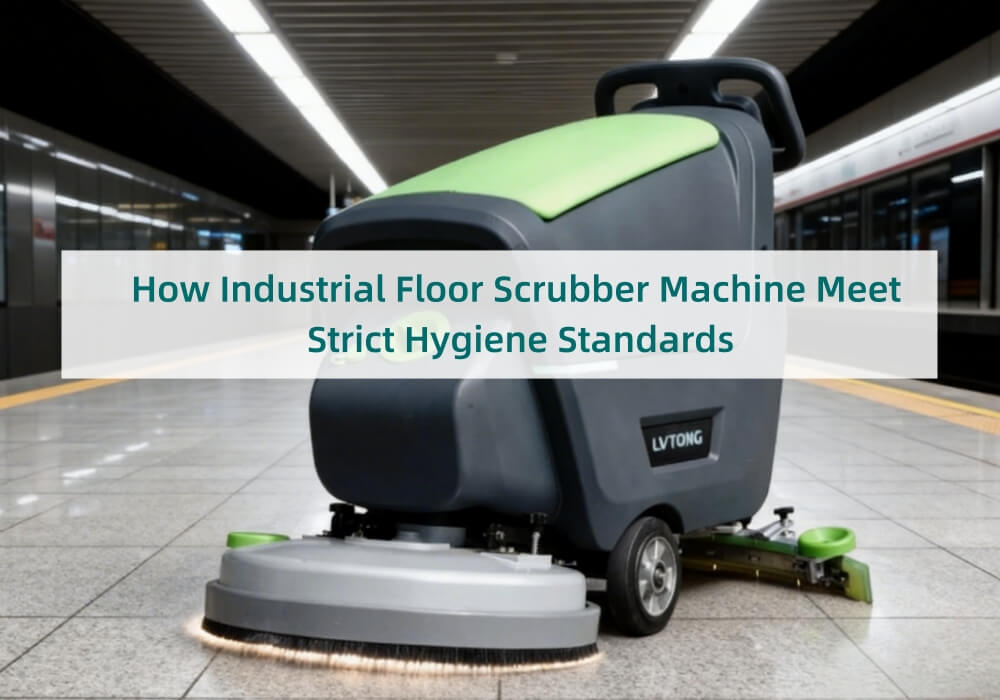
In the catering, food processing, and pharmaceutical industries, cleaning is not only about maintaining a clean environment, but also a crucial step in ensuring product safety and compliant business operations. As areas frequently touched by people and equipment, floors easily accumulate oil, dust, bacteria, and chemical residues. Inadequate cleaning can affect food safety, drug quality, and even a company's production license.
Secondly, these industries have very strict requirements for hygiene and safety. They require that the production environment be kept highly clean to avoid cross-contamination and bacterial growth.
Common Floor Cleaning Challenges in Restaurants and Food Factories
Restaurant kitchens and food processing workshops typically face a variety of cleaning challenges, such as:
- Oil stains and food residue
- Water stains and slippery surfaces
- Croissance bactérienne
- Low cleaning efficiency
Traditional mopping and bucket cleaning methods are ineffective at completely removing these contaminants and often leave behind wastewater residue. Long-term use of this method is not only inefficient but may also lead to increased bacteria. Therefore, more and more companies are starting to use machine à laver les sols industriels to replace traditional cleaning methods.

How can Industrial Floor Scrubbers Improve Workshop Cleaning Standards?
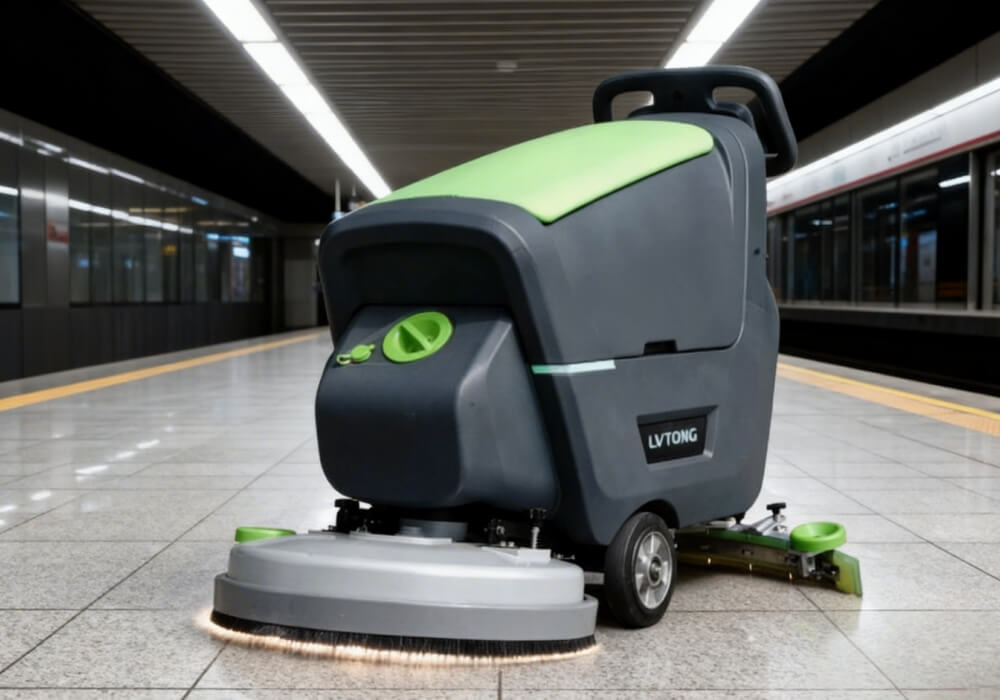
Le machine à laver les sols industriels is a device specifically designed for cleaning large areas of floor space. It combines scrubbing, water spraying, and wastewater recycling systems to complete efficient cleaning in a short time.
Deep Cleaning Capability
Le autolaveuse à batterie is a device specifically designed for cleaning large areas of floor space. It combines scrubbing, water spraying, and wastewater recycling systems to complete efficient cleaning in a short time.
Higher Cleaning Efficiency
Manual mopping is typically only efficient at cleaning 200-300m²/h, while a medium-sized lithium battery floor scrubber can clean more than 3,000m²/h.
Reduce the Spread of Bacteria
The wastewater recovery system of industrial floor scrubber machine can immediately remove dirty water, preventing wastewater from spreading on the ground and thus reducing the spread of bacteria.
Avoid Cross-Contamination
Modern industrial floor scrubber machines are typically equipped with separate clean water and wastewater tanks to ensure that the water used during the cleaning process remains clean, thereby reducing the risk of contamination.

Lithium Battery Floor Scrubber are more Suitable for Food and Pharmaceutical Industries
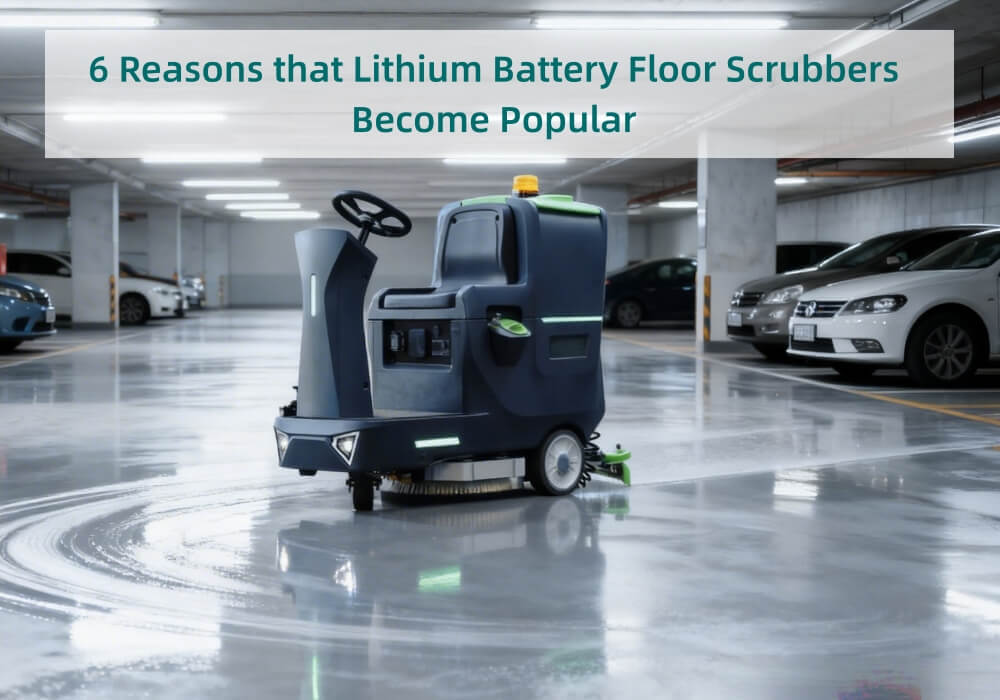
With technological advancements, more and more companies are choosing lithium battery floor scrubbers. Compared to traditional lead-acid battery factory cleaning equipment, lithium battery powered floor scrubber offers several advantages.
Autonomie de la batterie prolongée
Lithium batteries can provide more stable power support, and the device can usually run continuously for 4 to 6 hours.
Wireless for Greater Safety
Lithium battery floor scrubber doesn't require power cords, thus avoiding safety hazards caused by electrical wires in the production workshop.
Faster Charging Speed
ost lithium batteries can be fully charged in 2 to 3 hours, significantly reducing equipment downtime.

How to Choose an Industrial Floor Scrubber for a Food or Pharmaceutical Workshop
When selecting a floor cleaning equipment, companies should conduct an evaluation based on their actual needs, for example:
- Cleaning area
- Type de plancher
- Aisle width
- Battery life
- Equipment maintenance cost
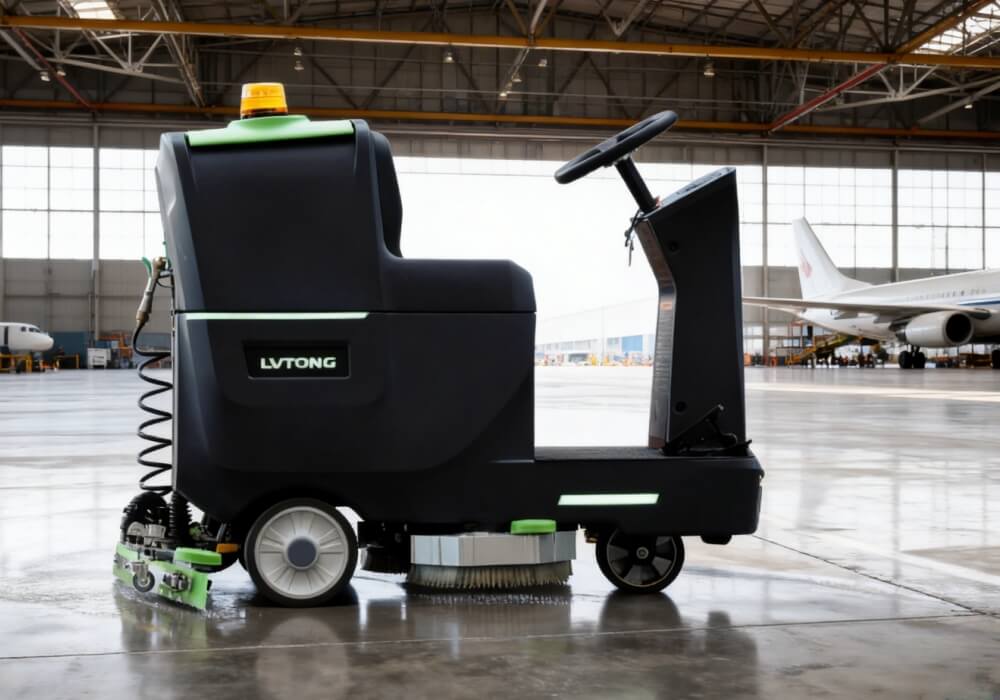
For small restaurants or kitchens, a small walk-behind floor scrubber is sufficient. However, for large food factories or pharmaceutical workshops, a ride-on floor scrubber is usually required.
Conclusion
For the catering, food processing, and pharmaceutical industries, machines à laver les sols industriels have become an indispensable cleaning equipment in modern factories due to their efficient cleaning, reduced bacterial spread, and improved cleaning efficiency. With the development of automated cleaning equipment, machine à laver les sols industriels will play an increasingly important role in future factory cleaning management.