Introduction
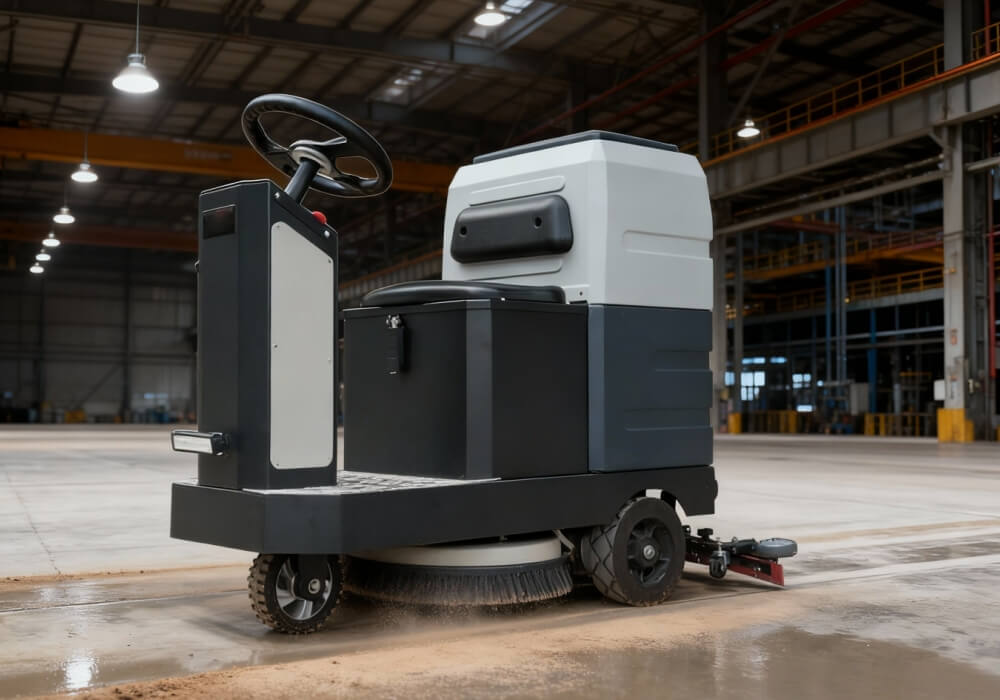
Many manufacturers find that the floor cleaning remains unsatisfactory even after purchasing industrial floor cleaner scrubbers. In fact, the main reason for this problem is not due to equipment issues, but rather inadequate operation methods, consumables selection, and maintenance. As long as you master the correct techniques, the cleaning effect of a scrubber floor cleaning machine can be improved by 30%-50%.

The Core Reasons that Floor Cleaner Scrubber Don't Clean Properly
Severely Worn of Brush or Scouring Pad
The brush disc is one of the most essential cleaning components of floor scrubber cleaner machines, and the condition of its bristles or scouring pads directly affects the cleaning effect. As the usage time increases (usually 3-6 months), the bristles will gradually become shorter and softer, which is making it unable to generate effective friction on the ground. Similarly, wear and tear on the scouring pad can prevent stubborn stains from being completely removed.
The Water Absorbing Rubber Strip is Aging, Hardening, or has Gaps
The suction scraper is responsible for sweeping up all the sewage and recycling it through the suction motor. If the rubber strip becomes hard due to aging, has gaps at the edges, or is corroded by chemical cleaning agents, it will not be able to tightly adhere to the ground. It will result in sewage still remaining on the ground and not being cleaned thoroughly.
Using Inappropriate Cleaning Agents
Different stains require different types of detergents. For example, oil stains require degreasing agents, and dust requires mild cleaning agents. If used improperly, it can significantly reduce the cleaning effect.
Too diluted detergent: Insufficient cleaning power, making it difficult to handle oil stains, tire marks, or heavy dirt.
Too concentrated cleaning agent: It can't only easily damage the water suction motor, but may also cause contaminants to clog the brush plate or nozzle.
Floor Cleaning Scrubber Machine Travels Too Fast
The optimal operating speed for industrial floor cleaner scrubber is typically 3–5 km/h. If floor scrubber walk too fast, the brush doesn't have enough time to rub the floor, and the cleaning agent can't completely dissolve the stains. It will result in the ground appearing noticeably unclean.
Choose the Same Type of Brush for Different Surfaces
In industrial environments, flooring types mainly include epoxy flooring, terrazzo, ceramic tiles, emery flooring, and PVC. Different types of flooring require different cleaning strengths and brush types:
- Soft brush: Suitable for smooth surfaces such as epoxy flooring and PVC flooring
- Stiff-bristled brush: Used for rough or textured surfaces such as concrete and emery flooring
- Cleaning pad: Suitable for daily maintenance or light cleaning

8 Professional Skills: Improving Floor Cleaner Scrubber Cleaning Efficiency
Reasonably Match Suitable Flashing Disks
Floor Material | Brush Disk Material |
Epoxy floor | Soft brush |
Terrazzo | Soft brush |
Rough Cement Ground, Construction Site Ground | Hard brush |
Heavy Oil Pollution Ground | Needle plate+Scouring pad |
Adjust the Correct Brush Disc Pressure and Walking Speed
If the pressure of the brush disk is too low, it can't penetrate the stains deeply. If the pressure is too high, it may damage the ground or consume too much energy. General suggestion:
- Smooth ground: Light pressure
- Moderate stains: Moderate pressure
- Rough ground or heavy oil stains: High pressure
Use Appropriate Concentration of Cleaning Agent
The use of cleaning agents determines the effectiveness of cleaning and the durability of equipment. It is recommended to follow the following rules:
- Oil pollution: Use degreaser and dilute according to the instructions
- Dust and dirt: Use universal cleaning agents
- Anti-slip flooring: Choose a low foam formula
- Avoid high foaming cleaning agents
Plan Cleaning Routes Reasonably
Scientific route planning can significantly improve cleaning consistency and efficiency.
- S shaped route: Suitable for large-area cleaning, with high coverage
- Prioritize cleaning the edges: Clean the perimeter first, then the center, to minimize omissions
- Repeated cleaning of heavily soiled areas: Clean areas with oil stains and accumulated dirt 2-3 times.
- Avoid overlapping routes: Reduce repetitive work and labor costs
Regularly Inspect and Clean the Filter Screen, Pipeline, Nozzle, and Sewage Tank
One reason for the poor cleaning effect of a floor cleaning scrubber machine is the internal components.
- Is the nozzle clogged
- Is there any cleaning agent residue buildup in the pipes
- Is the filter screen covered with dust or dirt
- Does the wastewater tank produce any odor or sediment
Recommendation: Perform a deep cleaning once a week, and clean the wastewater tank and filter after each operation.
Ensure the Squeegee is Firmly Attached to the Ground and at the Correct Angle
The squeegee is a key component that determines floor cleaner scrubber cleaning effect. It can be inspected from several aspects:
- The rubber strip must adhere tightly to the ground
- The pressure on both ends must be even
- Don't tilt excessively or set the angle incorrectly
- Rotate or replace the rubber strip regularly
For Heavy Oil Pollution Situations, Pre-treatment At First
In scenes such as factory workshops, catering kitchens, and mechanical processing areas, the ground often accumulates thick oil stains. This type of stain is difficult to remove with a scrubber floor cleaning machine, so it needs other cleaning steps to be carried out first.
- Manually scrape off the thick oil layer firstly: For areas where thick oil blocks, a scraper or oil scraper can be used to remove the oil stains first, which can facilitate clarity and thoroughness
- Soak in degreaser for 3-5 minutes
- Reduce speed and increase brush pressure during cleaning
- Perform 'secondary pumping' when necessary

Regular Maintenance of Key Components
80% of floor cleaner scrubber performance and stability depends on daily maintenance.
Inspection items:
- Whether the bristles have become shorter or softer
- Whether they are deformed
- Whether the cleaning effect has decreased
Inspection items:
- Cracks and gaps
- Hardening
- Curling
For lead-acid batteries:
- Add distilled water if the electrolyte level is low
- Don’tadd tap water
- Keeping the battery fully charged helps extend its lifespan
Inspection items:
- Is there an air leak
- Is the suction hose softened or cracked
- Is the clean water hose clogged
Operating instructions:
- Empty the wastewater and rinse after each use
- Clean the filter screen
- Ensure there is no odor or sediment
Cleaning Strategies for Different Scenarios
Factory workshop (High dust levels)
- Use food-grade cleaning agents
- Low-noise equipment improves the working environment
Food factories, Pharmaceutical factories
- Use food grade cleaning agents
- Low noise equipment improves working environment
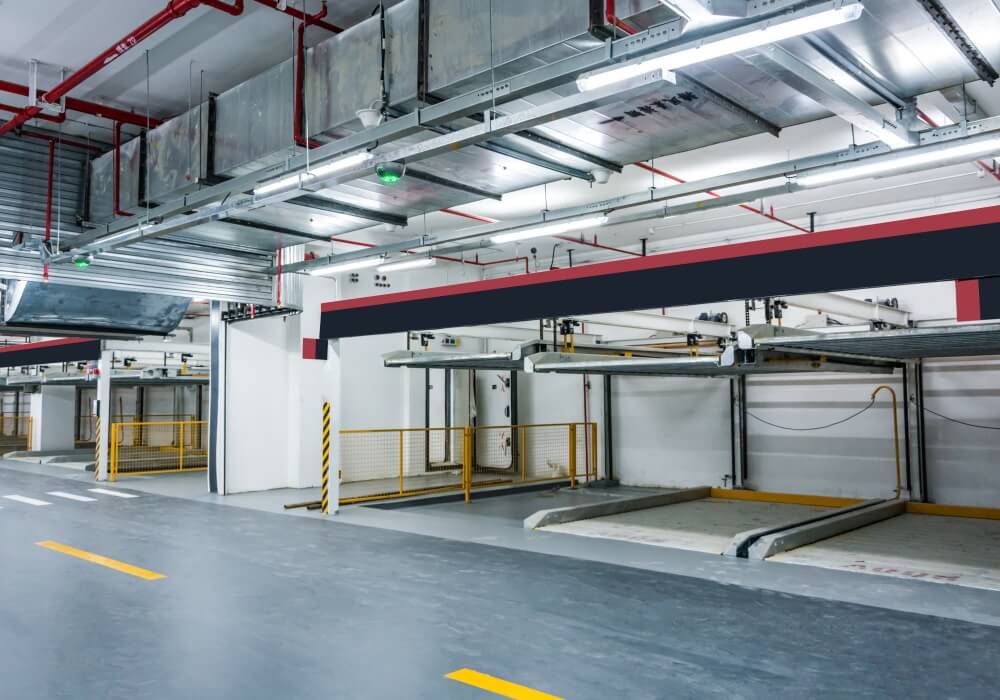
Underground parking lot (Heavy oil stains)

- Increase the concentration of cleaning agents
- Secondary floor cleaning+cross route
Schools, Hospitals, and Public buildings (high-traffic areas)
- Use a low-noise floor scrubber
- Equipped with a soft brush disc
- Use low foaming environmentally friendly cleaning agents
- The corridor adopts a serpentine route to ensure comprehensive coverage

Underground garage, Parking lot (Large area, mixed dust and oil stains)
- Adopting a medium to large-sized driving floor scrubber
- For oil stains, perform pre-treatment with degreaser first
- Conduct a comprehensive cleaning of the entire site once a month

FAQ
How often does the Floor Cleaner Scrubber Clean and Brush the Dishes?
It is recommended to rinse daily and thoroughly clean weekly
What to do if There is too much Oil Stains?
For oil stains, pretreatment is necessary before using a floor scrubber for cleaning.
Why does Floor Cleaner Scrubber Leave Watermarks after Cleaning?
Check if the rubber strip is aged or uneven.
Conclusion
As long as master the correct methods, choose the right brush, use appropriate cleaning agents, and do a good job of daily maintenance, the floor cleaner scrubber will have stronger performance and higher efficiency.
——If you would like to learn more about industrial floor scrubber news, please continue to visit our website.