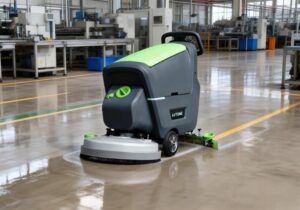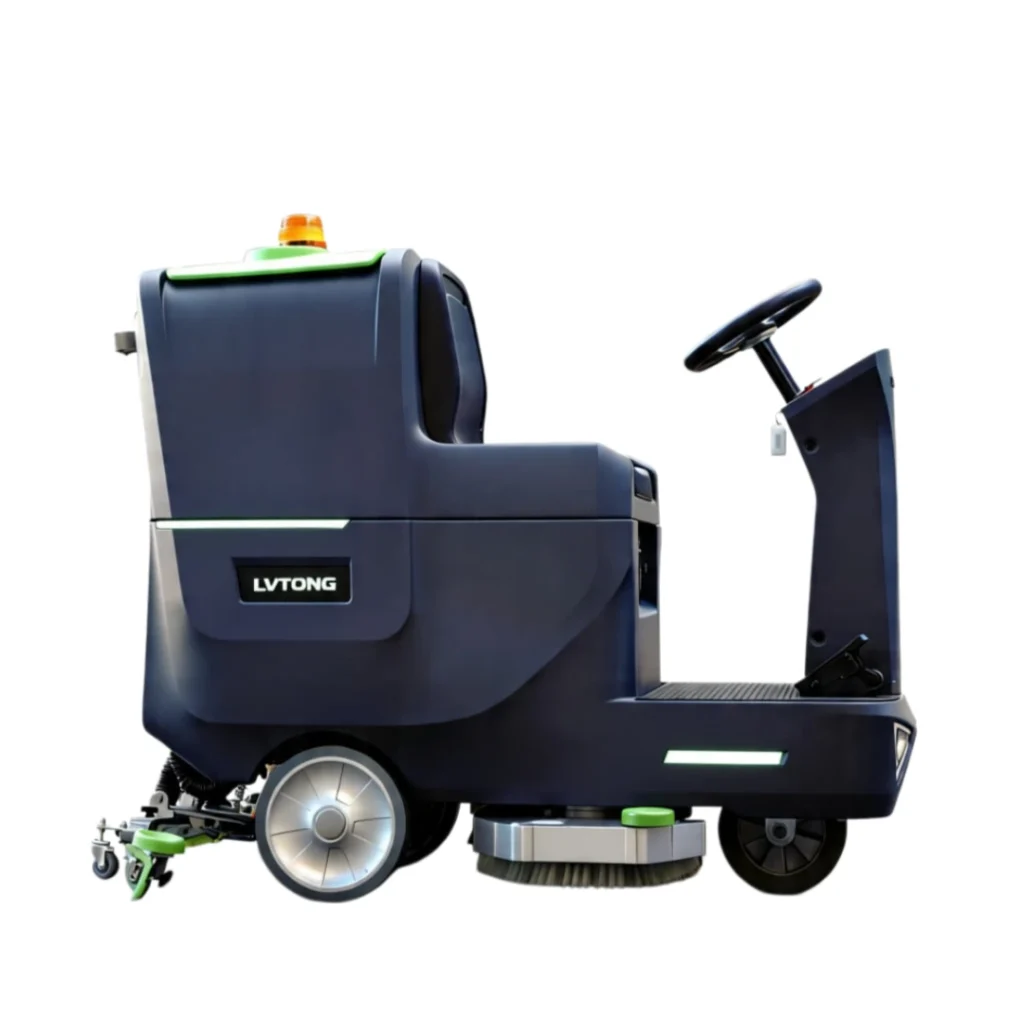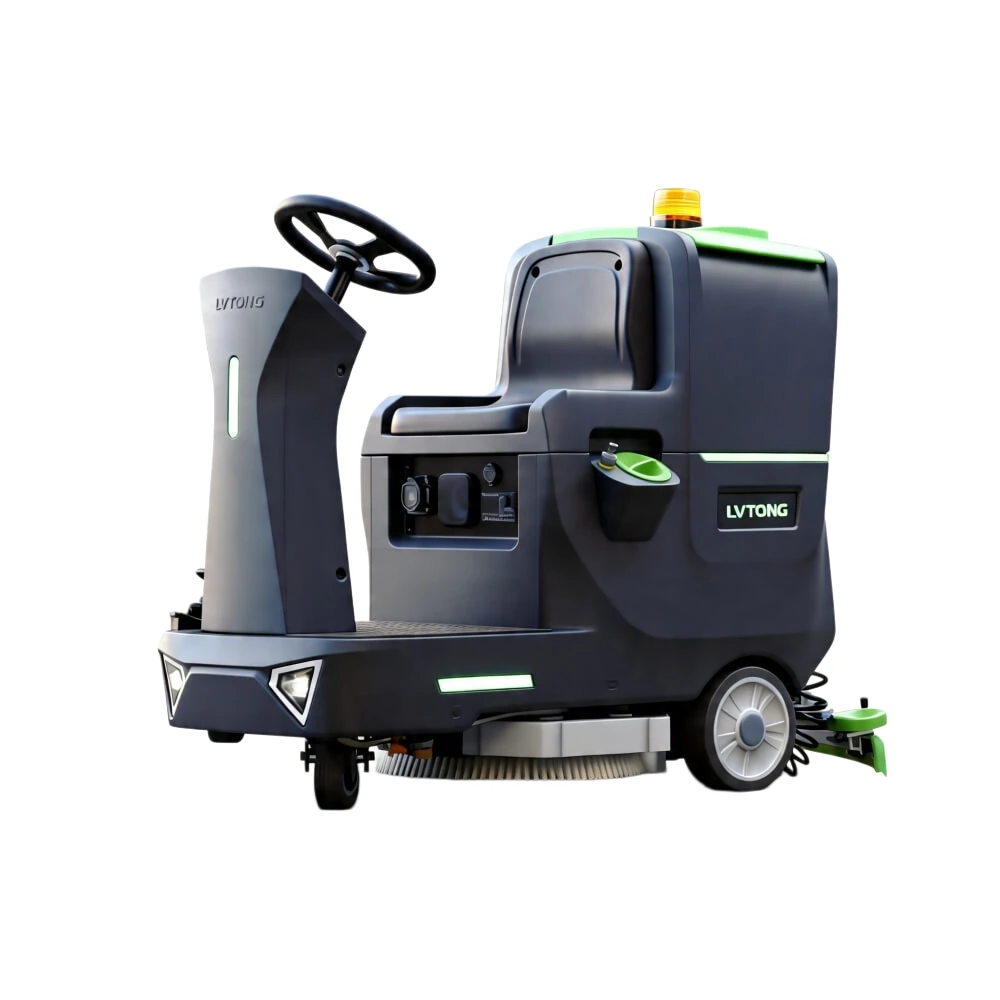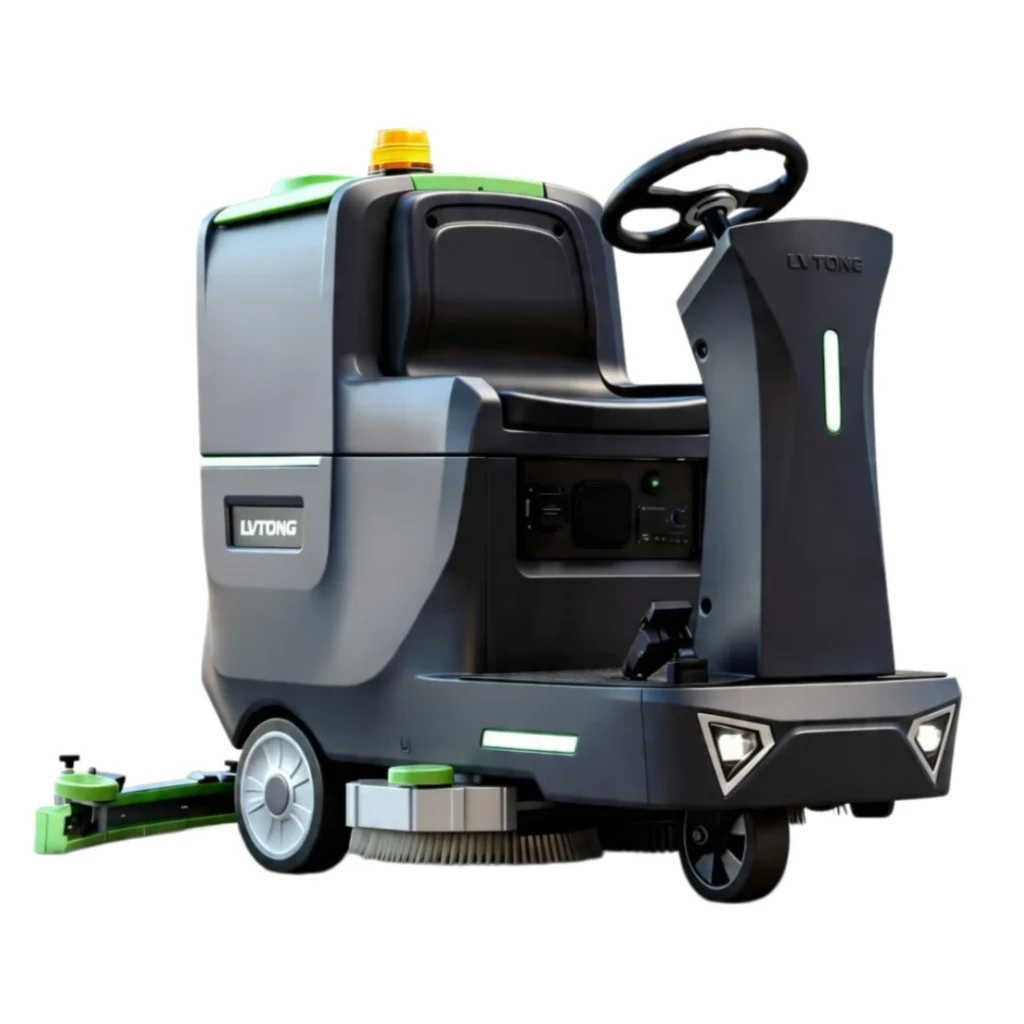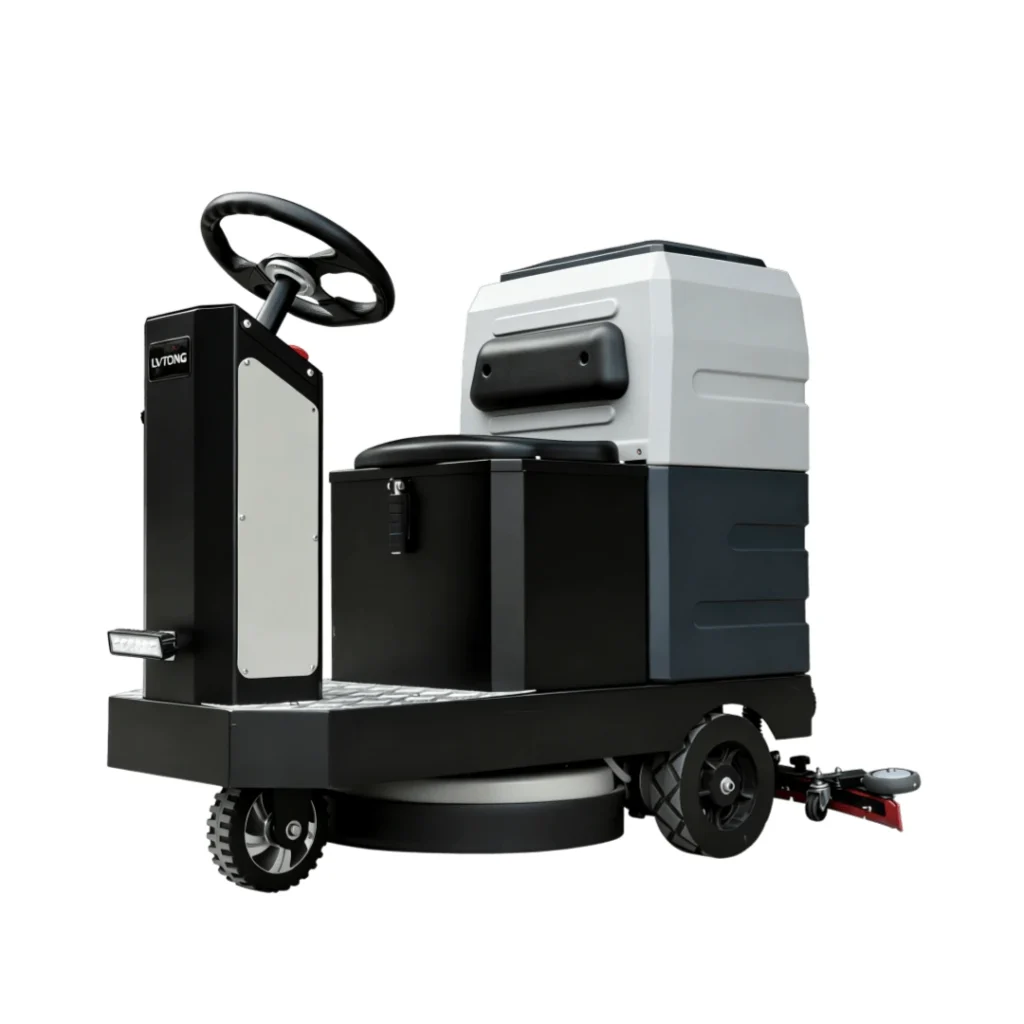


Quando uma lavadora de pisos comercial começa a deixar água para trás, a ter a autonomia da bateria reduzida, a fazer ruídos estranhos ou a avariar repetidamente, a primeira reação costuma ser providenciar uma assistência técnica. conserto de lavadora de pisos.
Em muitos casos, o reparo é a decisão correta. Uma lâmina de rodo gasta, uma mangueira de aspirador entupida, uma escova danificada, uma conexão solta ou uma bateria defeituosa podem ser consertadas sem a necessidade de substituir toda a máquina.
No entanto, reparos repetidos podem se tornar caros quando se consideram os honorários dos técnicos, as peças de reposição, os atrasos na limpeza, a mão de obra adicional e o tempo de inatividade do equipamento. Nesse ponto, continuar a reparar uma máquina antiga pode custar mais do que substituí-la por um modelo confiável.
Este guia explica o que verificar antes de solicitar um reparo, sete sinais de que o reparo pode não ser mais suficiente e como os gestores de instalações podem tomar uma decisão prática sobre reparar ou substituir.
Resposta rápida: Devo consertar ou substituir uma lavadora de pisos?
Reparar a lavadora de pisos geralmente faz sentido quando o problema se limita a um componente substituível, a máquina continua confiável, as peças de reposição estão disponíveis e o reparo restaurará o desempenho normal de limpeza.
A substituição deve ser considerada quando vários sistemas principais estiverem se deteriorando, as mesmas falhas continuarem a ocorrer, as peças forem difíceis de obter ou o tempo de inatividade da máquina estiver interrompendo as operações normais de limpeza.
Não baseie sua decisão apenas no orçamento do conserto. Compare o custo total de manter a máquina antiga com o custo e os benefícios operacionais de uma substituta adequada.

O que deve ser verificado antes de agendar um conserto de lavadora de pisos?
Resultados de limpeza insatisfatórios nem sempre significam que a máquina chegou ao fim de sua vida útil. Muitas vezes, o problema persiste mesmo após uma limpeza superficial. problemas comuns em lavadoras de piso São causados por desgaste de peças consumíveis, ajuste incorreto, bloqueios, operação inadequada ou manutenção diária incompleta.
Antes de aprovar um reparo importante, conclua o processo recomendado. manutenção de rotina da lavadora de pisos tarefas e verifique as seguintes áreas.
Lâminas de rodo
Inspecione as lâminas do rodo dianteiro e traseiro, verificando se:
- Bordas desgastadas ou arredondadas
- Cortes, rasgos ou deformações
- Ângulo da lâmina incorreto
- Contato irregular com o piso
- Sujeira presa entre a lâmina e o chão.
Um rodo danificado ou mal ajustado pode deixar marcas e água mesmo quando o motor do aspirador está funcionando corretamente.
Mangueira de vácuo e sistema de recuperação
Verifique a mangueira de vácuo, o reservatório de recuperação, a tampa do reservatório, as vedações e os filtros quanto a:
- Bloqueios
- Rachaduras ou buracos
- Conexões soltas
- Vedações do tanque danificadas
- Um tanque de recuperação cheio ou sujo
- Detritos ao redor da entrada do aspirador
Vazamentos de ar e mangueiras obstruídas podem reduzir a sucção de água e podem ser confundidos com uma falha no motor do aspirador.
Pincéis e almofadas
Certifique-se de que a máquina esteja usando a escova ou o disco correto para o tipo de piso e a tarefa de limpeza.
Inspecione as escovas e os suportes das almofadas quanto a:
- Desgaste excessivo
- Contato desigual
- Detritos enrolados na vegetação
- Pressão incorreta da escova
- Danos no conjunto de acionamento das escovas
A substituição de uma escova gasta pode restaurar o desempenho da limpeza sem a necessidade de um grande reparo na lavadora de pisos.
Sistema de Entrega de Soluções
Se a máquina não estiver liberando solução de limpeza suficiente, verifique:
- O tanque de solução
- Filtros e peneiras
- Mangueiras de solução
- Válvulas e solenoides
- Aberturas de pulverização
- Concentração de detergente
- Configurações de fluxo de água
Usar uma quantidade insuficiente de solução pode reduzir a eficácia da limpeza, enquanto o uso excessivo pode aumentar o consumo de água e dificultar a recuperação.
Bateria e carregador
Para máquinas alimentadas por bateria, verifique:
- Nível de carga da bateria
- Operação do carregador
- condição dos terminais da bateria
- Conexões de cabos
- Sinais de corrosão
- Condição da bateria
- Se o procedimento de carregamento correto está sendo seguido.
Um problema na bateria não significa automaticamente que toda a lavadora de pisos precise ser substituída. A bateria e o sistema de carregamento devem ser testados antes de tomar essa decisão.
Siga sempre o manual de instruções do fabricante. Reparos envolvendo sistemas elétricos, baterias, placas de controle, sistemas de transmissão, freios ou componentes hidráulicos devem ser realizados por um técnico qualificado.
O carregamento adequado, a inspeção do terminal e o planejamento da rota de limpeza podem ajudar. prolongar a vida útil da bateria da lavadora de pisos e reduzir a necessidade de substituição de baterias.
Reparo ou Substituição de Lavadora de Pisos: Uma Tabela de Decisão Rápida
| Condição da máquina | O reparo pode ser adequado. | A substituição pode ser mais prática. |
| Tipo de falha | Um componente isolado e substituível | Vários sistemas importantes estão apresentando falhas. |
| Desempenho de limpeza | Retorna ao normal após ajuste ou substituição de peça. | Permanece em mau estado mesmo após repetidos reparos. |
| Frequência de reparos | Ocasional e previsível | Os mesmos problemas, ou problemas semelhantes, continuam a ocorrer. |
| Peças de reposição | Disponível facilmente | Descontinuado, com entrega atrasada ou difícil de encontrar. |
| Tempo de inatividade | Breve e não afeta as operações. | Interrompe repetidamente o cronograma de limpeza. |
| Condição da bateria | Problema exclusivo da bateria em uma máquina que, de resto, é confiável. | Bateria, motores, fiação e controles estão todos envelhecendo. |
| Segurança | Não há problemas de segurança não resolvidos. | Vazamentos, superaquecimento, frenagem, problemas na fiação ou na bateria. |
| Capacidade | A máquina ainda corresponde à área de limpeza. | A máquina é muito pequena, lenta ou ineficiente para a carga de trabalho. |
A decisão torna-se mais clara quando várias condições aparecem simultaneamente na coluna de substituição.
7 Sinais de que o Reparo da Lavadora de Pisos Pode Não Ser Mais Suficiente
1. O desempenho da limpeza não melhora após reparos básicos.
Uma lavadora de pisos pode deixar água, marcas, sujeira ou solução de limpeza para trás devido a rodos desgastados, seleção incorreta de escovas, mangueiras entupidas, vedações deficientes do tanque ou configurações inadequadas.
Esses itens devem ser inspecionados primeiro.
A situação se torna mais grave quando a máquina ainda não consegue produzir um resultado aceitável após:
- Instalar escovas ou almofadas adequadas.
- Substituição ou ajuste das lâminas do rodo
- Limpeza dos tanques, mangueiras e filtros.
- Verificando as configurações de água e produtos químicos
- Inspecionando o sistema de recuperação de vácuo
- Concluir os serviços recomendados
A limpeza repetida da mesma área aumenta as horas de trabalho e reduz a produtividade. Também pode deixar áreas molhadas abertas por mais tempo, criando um risco operacional evitável.
O reparo ainda pode fazer sentido quando: O problema pode ser atribuído a um componente específico e o desempenho normal retorna após a correção.
A substituição pode ser a melhor opção quando: Várias tentativas de reparo não restauram a limpeza consistente e a recuperação da água.
2. Os mesmos problemas continuam a ocorrer.
Um único reparo não indica necessariamente que uma máquina seja pouco confiável. Reparos repetidos são outra história.
Os sinais de alerta incluem:
- O sistema de vácuo falha repetidamente.
- Problemas com a bateria ou com o carregador continuam a ocorrer.
- As linhas de solução entopem com frequência.
- Códigos de erro elétrico estão se tornando comuns.
- As escovas param de girar durante o funcionamento.
- A máquina perde energia repetidamente.
- Fusíveis ou dispositivos de proteção de circuito disparam regularmente
- Diferentes sistemas começam a falhar em um curto período de tempo.
Uma fatura de reparo mostra apenas parte da despesa. Cada falha também pode gerar atrasos no agendamento dos técnicos, interrupções na limpeza, retrabalho emergencial, transporte de equipamentos ou custos de aluguel.
Comece a manter um histórico de reparos para cada máquina. Registre:
- Data da falha
- Problema relatado
- Componente com defeito
- Peças substituídas
- Trabalho técnico
- Custo total do reparo
- Horas de inatividade
- Custo da limpeza temporária
- Se o mesmo problema já ocorreu antes.
O histórico de reparos ajuda a diferenciar uma falha pontual de um declínio contínuo na confiabilidade do equipamento.
O reparo ainda pode fazer sentido quando: A falha foi isolada, diagnosticada corretamente e é improvável que retorne.
A substituição pode ser a melhor opção quando: As falhas tornaram-se um padrão e já não se pode confiar na máquina para concluir a limpeza programada.
3. A autonomia da bateria já não cobre o turno de limpeza necessário.
A autonomia da bateria varia naturalmente de acordo com as condições de operação, o tipo de bateria, as práticas de carregamento, a pressão da escova, a resistência do piso, a carga da máquina e o estado da bateria.
Uma redução repentina no tempo de execução deve ser investigada antes da substituição completa da máquina.
Solicite a um técnico que verifique:
- Capacidade e condição da bateria
- Células de bateria ou sistema de gerenciamento de bateria
- Saída do carregador
- Histórico de carregamento
- Terminais e cabos
- carga do motor de acionamento
- carga do motor de escova
- Desempenho do motor de vácuo
- Verificar se a máquina está sendo operada com pressão excessiva das escovas.
A substituição da bateria pode ser econômica quando o restante da lavadora estiver em boas condições.
A decisão muda quando o tempo de funcionamento curto ocorre juntamente com outros problemas, como sucção fraca, velocidade de deslocamento lenta, falhas elétricas repetidas, motores deteriorados ou indisponibilidade de peças de reposição.
O reparo ainda pode fazer sentido quando: A bateria é o único problema grave, e a máquina continua mecanicamente confiável.
A substituição pode ser a melhor opção quando: Uma bateria nova resolveria apenas um problema em uma máquina com vários sistemas antigos.
4. Os principais sistemas mecânicos e elétricos estão falhando simultaneamente.
É normal que as peças consumíveis sofram desgaste. Escovas, almofadas, rodos, filtros e algumas mangueiras são projetados para serem inspecionados e substituídos durante a operação normal.
Falhas em componentes principais exigem uma avaliação diferente.
Exemplos incluem problemas envolvendo:
- Motores de vácuo
- Motores com escova
- Motores de tração
- Transaxles
- Placas de controle
- Chicotes elétricos
- Carregadores
- Sistemas hidráulicos
- Sistemas de direção
- Sistemas de freio
A substituição de um componente principal pode ser razoável quando a máquina, de resto, é confiável. No entanto, a substituição de vários componentes principais em um curto período pode transformar um reparo simples em uma reconstrução parcial.
Solicite ao prestador de serviços um diagnóstico detalhado em vez de aprovar os reparos um de cada vez. O orçamento deve identificar:
- O componente defeituoso
- A causa provável
- Outros componentes afetados
- Disponibilidade de peças
- Tempo estimado de reparo
- Garantia de peças e mão de obra
- Se o reparo deverá restaurar o desempenho total.
- Outras reparações a curto prazo que podem ser necessárias.
O reparo ainda pode fazer sentido quando: Um componente principal apresentou falha, mas os demais sistemas estão em boas condições.
A substituição pode ser a melhor opção quando: A bateria, os motores, os controles, o sistema de acionamento e o sistema de recuperação estão todos apresentando sinais de deterioração.
5. Ruído, vibração, vazamento ou calor estão aumentando
Uma mudança no som ou no comportamento operacional não deve ser ignorada.
Ruídos ou vibrações incomuns podem estar relacionados a:
- Rolamentos desgastados
- Componentes soltos
- Pincéis danificados
- Detritos ao redor de um eixo rotativo
- Desalinhamento
- desgaste do motor
- Problemas no sistema de transmissão
- Rodas ou rodízios danificados
Vazamentos de água podem ter origem em:
- Tanques rachados
- Mangueiras danificadas
- Acessórios soltos
- Vedações desgastadas
- Válvulas defeituosas
- Transbordamento do sistema de recuperação
- Danos estruturais
Cheiro de queimado, superaquecimento, inchaço da bateria, vazamento da bateria, fiação danificada ou desarmes repetidos do circuito exigem atenção imediata. Pare de usar o equipamento e providencie uma inspeção profissional.
Não continue a operar uma lavadora de pisos quando uma falha puder afetar a frenagem, a direção, a segurança da bateria, a proteção elétrica ou a capacidade de recuperar a água do piso.
O reparo ainda pode fazer sentido quando: A origem do problema é identificada precocemente e pode ser corrigida com segurança.
A substituição pode ser a melhor opção quando: Vazamentos, vibrações, superaquecimento ou problemas elétricos persistem após o reparo ou envolvem vários componentes estruturais e elétricos.
6. O tempo de inatividade e os custos operacionais continuam aumentando.
O preço de uma peça de reposição não corresponde ao custo total do reparo da lavadora de pisos.
Um cálculo mais preciso inclui:
Custo real do reparo = Orçamento do reparo + Custo do tempo de inatividade + Custo da limpeza temporária + Custo previsto do reparo a curto prazo
Considere as seguintes despesas:
| Categoria de custo | Perguntas a fazer |
| Diagnóstico | Existe alguma taxa de inspeção ou de deslocamento? |
| Peças | Os componentes necessários estão disponíveis e têm preços razoáveis? |
| Trabalho técnico | Quantas horas de serviço são necessárias? |
| Transporte | A máquina precisa ser retirada no local ou enviada por transportadora? |
| Tempo de inatividade | Por quanto tempo o depurador ficará indisponível? |
| Mão de obra de substituição | Os funcionários precisarão esfregar o chão ou limpar manualmente? |
| Equipamentos para aluguel | É necessário um depurador temporário? |
| Limpeza repetida | O baixo desempenho está aumentando o tempo de limpeza? |
| Reparos futuros | Outros componentes importantes estão prestes a falhar? |
| Produtividade | A máquina é muito lenta para a área necessária? |
Não compare apenas a fatura atual do conserto com o preço de compra de uma máquina nova. Compare o custo previsto para manter a máquina antiga em funcionamento nos próximos 12 a 24 meses com o custo total de uma substituta adequada.
Um orçamento de reparo baixo ainda pode representar um mau negócio se a máquina apresentar defeitos com frequência. Um orçamento de reparo mais alto pode ser razoável se restaurar a confiabilidade da máquina para uso contínuo.
O reparo ainda pode fazer sentido quando: O custo total está sob controle e espera-se que o reparo restabeleça o funcionamento confiável.
A substituição pode ser a melhor opção quando: Reparos, tempo de inatividade, mão de obra adicional e prováveis falhas futuras criam um custo total inaceitável.
7. Peças de reposição ou suporte técnico estão se tornando difíceis de obter.
Mesmo uma máquina reparável pode se tornar impraticável quando componentes essenciais não estão mais disponíveis.
Os sinais de alerta mais comuns incluem:
- As placas de controle foram descontinuadas.
- É difícil encontrar carregadores compatíveis.
- Motores ou componentes de acionamento têm longos prazos de entrega.
- Não há vedações ou componentes de reposição disponíveis para o tanque.
- O revendedor original já não presta suporte a este modelo.
- Os técnicos locais não estão familiarizados com a máquina.
- Peças não padronizadas atrasam repetidamente os reparos.
- A documentação de reparo está incompleta.
A disponibilidade de peças afeta mais do que apenas o custo do reparo. Ela afeta diretamente o tempo de inatividade.
Uma máquina que precisa esperar várias semanas por cada componente importante pode não ser adequada para uma instalação com necessidades de limpeza diária.
Antes de comprar uma peça de reposição, avalie o fornecedor:
- Disponibilidade de peças de reposição
- Capacidade de entrega de peças
- Documentação técnica
- Termos da garantia
- Suporte remoto
- Rede de concessionárias ou serviços
- Treinamento técnico
- Suporte ao modelo de longo prazo
O reparo ainda pode fazer sentido quando: Peças, documentação e suporte técnico qualificado continuam disponíveis.
A substituição pode ser a melhor opção quando: Cada reparo gera uma interrupção longa e imprevisível, pois não se encontram peças ou profissionais especializados.
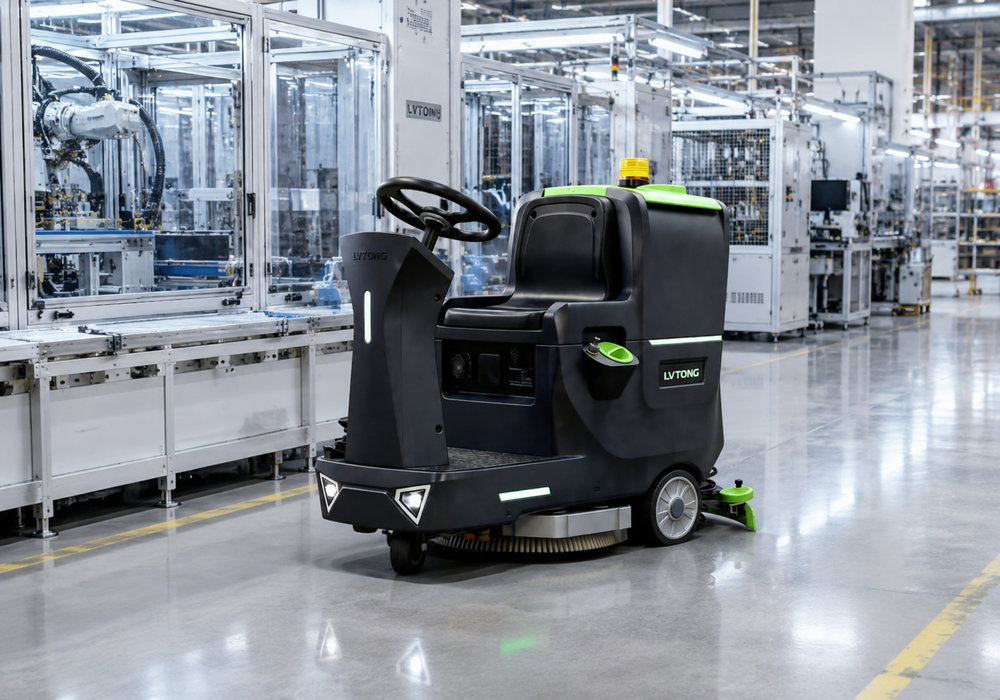
Como calcular se vale a pena consertar uma lavadora de pisos
Utilize um cálculo específico para o equipamento em vez de confiar em uma porcentagem universal.
Passo 1: Calcule o custo atual do reparo
Incluir:
- Taxa de inspeção
- Peças de reposição
- Trabalho técnico
- Frete
- Transporte de máquinas
- Impostos ou taxas de serviço
Etapa 2: Calcule o custo do tempo de inatividade.
Utilize a seguinte fórmula:
Custo do tempo de inatividade = Horas de inatividade × Custo adicional de limpeza por hora
Custos adicionais de limpeza podem incluir mão de obra manual, horas extras, terceirização da limpeza ou aluguel de equipamentos.
Etapa 3: Estime os reparos prováveis para os próximos 12 meses.
Analise o histórico de manutenção da máquina e o relatório de inspeção atual.
Perguntar:
- Quais outros componentes estão desgastados?
- É provável que ocorra outra grande obra de reparo em breve?
- A bateria está perto de precisar ser substituída?
- Os motores estão consumindo corrente excessiva?
- Está havendo desenvolvimento de corrosão?
- Está ficando mais difícil encontrar peças?
Etapa 4: Compare a máquina com as necessidades operacionais atuais.
Uma máquina pode ser reparável, mas ainda assim ser inadequada.
Por exemplo:
- A área de limpeza pode ter aumentado.
- A limpeza agora precisa ser concluída em menos tempo.
- A instalação pode exigir um funcionamento mais silencioso.
- O tipo de piso pode ter mudado.
- Pode ser necessária uma limpeza mais frequente.
- O tanque existente pode ser pequeno demais.
- A autonomia da bateria pode não ser mais compatível com o cronograma.
Nessas situações, continuar a reparar a mesma máquina não resolverá o problema subjacente de capacidade.
Etapa 5: Compare o custo do reparo com o custo líquido da substituição.
Calcular:
Custo Líquido de Reposição = Preço de Compra + Instalação e Treinamento − Valor de Troca ou Revenda
Em seguida, compare:
- Confiabilidade esperada
- Produtividade de limpeza
- Requisitos de mão de obra
- Autonomia da bateria
- Disponibilidade de peças
- Cobertura da garantia
- Treinamento de operadores
- Custo estimado de propriedade
- Tempo de inatividade previsto
A opção mais barata no dia do reparo nem sempre é a opção de menor custo nos anos seguintes.
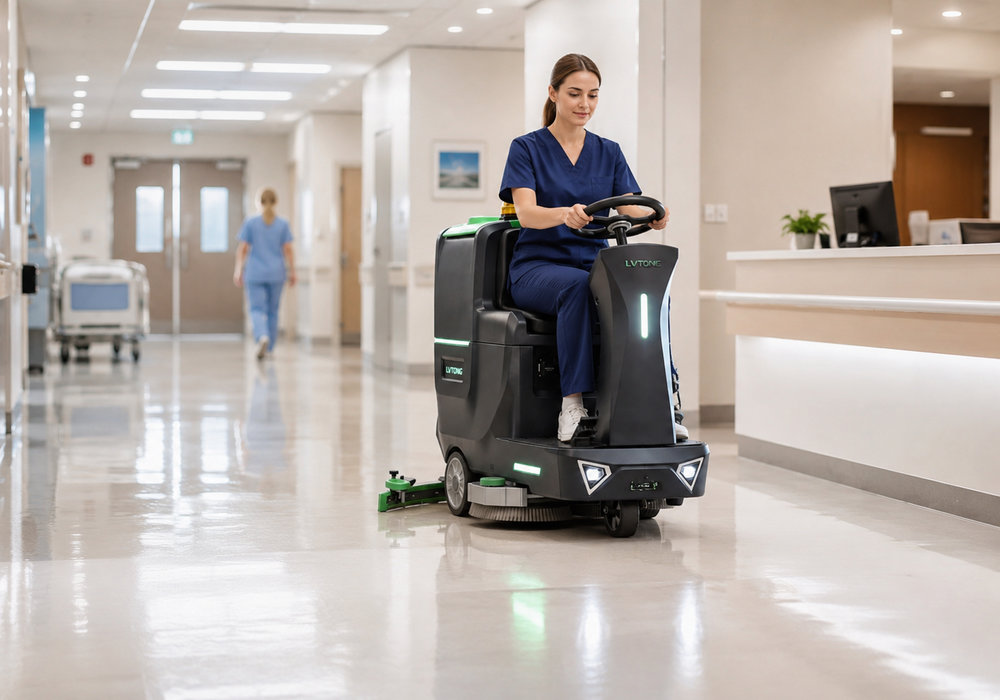
Quando o conserto da lavadora de pisos costuma ser a escolha certa?
O reparo geralmente é a opção mais prática quando:
- A máquina apresenta uma falha claramente diagnosticada.
- Escovas, almofadas, rodos, filtros ou mangueiras precisam ser substituídos.
- A máquina ainda é adequada para a área de limpeza.
- A bateria é o único problema grave.
- As peças de reposição estão facilmente disponíveis.
- A estrutura, os tanques, os motores e os sistemas de controle permanecem em bom estado.
- O reparo pode ser concluído sem grandes interrupções operacionais.
- O reparo inclui peças e mão de obra adequadas.
O desgaste normal não justifica automaticamente a compra de uma nova lavadora de pisos.
Quando devo substituir a lavadora de pisos?
Considere substituir a máquina quando várias das seguintes condições ocorrerem simultaneamente:
- O desempenho de limpeza continua insatisfatório mesmo após reparos adequados.
- Os mesmos erros se repetem constantemente.
- Mais de um sistema importante está se deteriorando.
- A autonomia da bateria já não atende às necessidades operacionais.
- A máquina causa atrasos frequentes na limpeza.
- Os registros de reparos mostram um aumento contínuo no custo anual.
- As peças de reposição estão descontinuadas ou têm longos prazos de entrega.
- Falhas relacionadas à segurança não podem ser resolvidas de forma confiável.
- A máquina é muito pequena ou lenta para a carga de trabalho atual.
- Um grande reparo não restauraria a operação confiável a longo prazo.
A substituição deve ser uma decisão operacional planejada, e não uma resposta automática a uma falha isolada.
A idade das máquinas por si só não deve determinar a decisão, mas sim comparar seu estado com o da tecnologia. vida útil esperada de uma lavadora de pisos Pode fornecer um contexto útil para o planejamento de reparos.
Como escolher uma lavadora de pisos de substituição
Assim que a substituição for justificada, use um Guia de compra de lavadoras de piso industriais Para comparar a área de limpeza, o tipo de máquina, o sistema de energia, as condições do piso e os requisitos de manutenção, em vez de simplesmente escolher uma versão mais recente do modelo antigo.
Área de limpeza e horário disponível
Estimativa:
- Área total do piso que pode ser limpa
- Tempo disponível para cada turno de limpeza
- Número de ciclos de limpeza por dia
- Áreas congestionadas e abertas
- Largura das portas e dos corredores
- Dimensões do elevador
- Espaço para armazenamento e carregamento
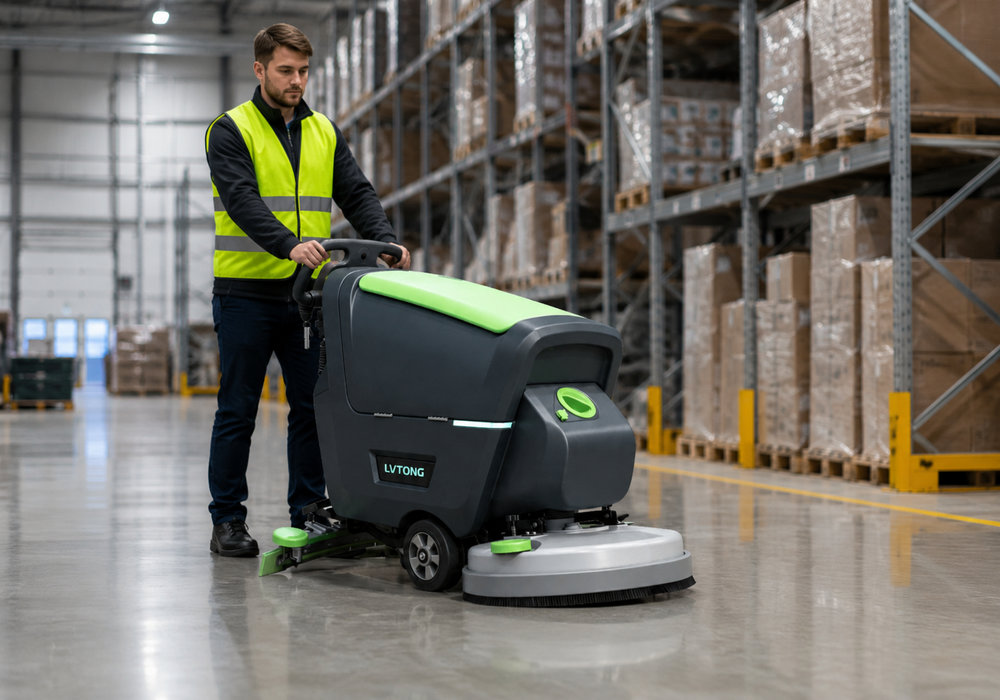
As lavadoras de piso compactas, do tipo "walk-by" (operadoras a pé), são geralmente mais fáceis de manobrar em áreas estreitas ou congestionadas. Máquinas maiores, do tipo "walk-by" (operadoras a pé) ou com operador a bordo, podem ser mais adequadas para grandes áreas abertas.
Tipo de piso e nível do solo
Considere se a máquina irá limpar:
- Pisos lisos e selados
- Concreto
- Telha
- Argamassa
- Superfícies irregulares
- Pisos industriais oleosos
- Pisos empoeirados de armazém
- Resíduos de alimentos ou bebidas
O tipo de escova, a pressão da escova, o uso de produtos químicos, a recuperação de água e a configuração da máquina devem ser adequados à aplicação.
Requisitos de bateria e carregamento
Avaliar:
- Tempo de execução necessário
- Tempo de carregamento disponível
- Local de carregamento
- Número de turnos diários
- Requisitos de manutenção da bateria
- Compatibilidade do carregador
- Suporte local para baterias
- Disponibilidade de baterias de substituição
Não escolha uma bateria baseando-se apenas na autonomia anunciada. A carga de trabalho esperada e a rotina de carregamento devem ser consideradas em conjunto.
Suporte de peças e serviços
Antes de fazer um pedido, pergunte ao fornecedor:
- Quais peças de consumo devem ser mantidas em estoque no local?
- Com que rapidez as peças comuns podem ser entregues?
- Existe um manual de peças disponível?
- O suporte técnico remoto está disponível?
- O que a garantia cobre?
- Quem é responsável pelo diagnóstico da garantia?
- Existem técnicos ou revendedores disponíveis na região de atuação?
- Por quanto tempo o modelo continuará sendo suportado?
A facilidade de manutenção é uma parte importante do custo total de propriedade.
Requisitos do operador
A máquina deve ser adequada aos funcionários que a utilizarão.
Avaliar:
- Simplicidade de controle
- Visibilidade
- Manobrabilidade
- Substituição de escova e rodo
- Enchimento e esvaziamento do tanque
- Requisitos de limpeza diária
- Tempo de treinamento
- Recursos de segurança
- Acesso para inspeção e manutenção
Uma máquina que seja fácil de inspecionar e manter tem maior probabilidade de receber cuidados diários consistentes.
Lista de verificação para manutenção de lavadoras de piso para gerentes de instalações
Antes de aprovar um reparo ou substituição, colete as seguintes informações:
- Marca e modelo da máquina
- Número de série
- Idade aproximada
- Horário de funcionamento registrado
- Área de limpeza diária
- Tempo médio de execução por turno
- Tipo de bateria atual
- Descrição da falha
- Códigos de erro
- Histórico de reparos
- Peças substituídas nos últimos 12 meses
- Tempo total de inatividade
- Orçamento atual para reparos
- Prazo de entrega das peças
- Estado dos motores e sistemas de controle
- Disponibilidade de suporte técnico
- Carga de trabalho de limpeza futura prevista
Fornecer essas informações ajuda técnicos, fornecedores e equipes de compras a fazerem recomendações mais precisas.
Perguntas frequentes
Quanto custa o conserto de uma lavadora de pisos?
Não existe um preço único para o conserto de lavadoras de piso. O custo total depende do tipo de máquina, do componente com defeito, do valor da mão de obra, da disponibilidade de peças, do deslocamento, do transporte e do tempo de inatividade. Solicite um orçamento detalhado que discrimine diagnóstico, peças, mão de obra, frete e tempo estimado de conclusão.
Vale a pena consertar uma lavadora de pisos antiga?
Pode valer a pena reparar quando a falha for isolada, as peças estiverem disponíveis e o reparo restaurar o desempenho confiável. A substituição pode ser mais vantajosa quando vários sistemas principais apresentarem falhas ou quando a máquina não atender mais aos requisitos de limpeza da instalação.
O que deve ser verificado quando uma lavadora de pisos deixa água para trás?
Verifique as lâminas do rodo, o ajuste das lâminas, a mangueira de vácuo, o reservatório de recuperação, a vedação da tampa do reservatório, os filtros e a entrada de vácuo. Se esses itens estiverem em boas condições e o problema persistir, o sistema de vácuo deve ser inspecionado por um técnico qualificado.
Devo substituir a bateria ou a lavadora de pisos inteira?
Substitua a bateria somente quando os testes confirmarem que ela é o principal problema e o restante da máquina estiver funcionando corretamente. Considere a substituição da máquina quando a deterioração da bateria ocorrer juntamente com problemas no motor, controle, acionamento, estrutura ou disponibilidade de peças.
Por que minha lavadora de pisos vive quebrando?
Avarias repetidas podem resultar de manutenção incompleta, operação incorreta, condições de trabalho severas, carregamento inadequado, desgaste de componentes, especificação incorreta da máquina ou sistemas obsoletos. Analise todo o histórico de reparos em vez de tratar cada falha como um evento isolado.
Conclusão: Faça do conserto de lavadoras de piso uma decisão de negócios
O reparo de uma lavadora de pisos deve restaurar a segurança, a confiabilidade e a eficiência da limpeza. Não deve ser uma solução temporária para uma máquina que apresenta falhas contínuas.
Comece inspecionando itens de desgaste, mangueiras, tanques, escovas, baterias, configurações e procedimentos do operador. Se o problema for identificado e a máquina continuar adequada para o uso na instalação, o reparo geralmente é a opção mais lógica.
Se ocorrerem simultaneamente mau desempenho, falhas repetidas, tempo de funcionamento reduzido, desgaste acentuado de componentes, problemas de segurança, aumento do tempo de inatividade e suporte limitado de peças, a substituição poderá proporcionar melhor relação custo-benefício a longo prazo.
Ao avaliar uma lavadora de pisos antiga, compare mais do que apenas a nota fiscal do conserto atual. Considere o custo total do tempo de inatividade, mão de obra temporária, reparos futuros, capacidade do equipamento, disponibilidade de peças e confiabilidade operacional.
Precisa de ajuda para avaliar se uma máquina antiga deve ser reparada ou substituída? Envie à LVTONG o modelo da máquina, as horas de funcionamento, o histórico de reparos, a área de limpeza, o tempo de operação necessário e as informações sobre a falha atual. Nossa equipe pode ajudá-lo a comparar a máquina existente com uma opção mais adequada. lavadoras e secadoras de piso comerciais e recomendar uma especificação de substituição adequada.