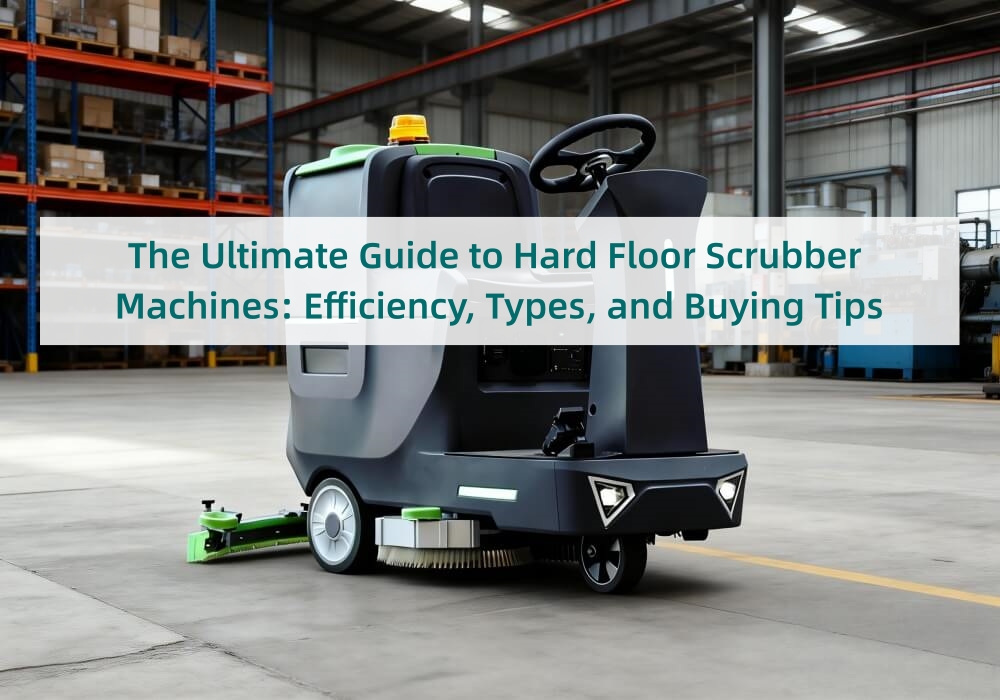
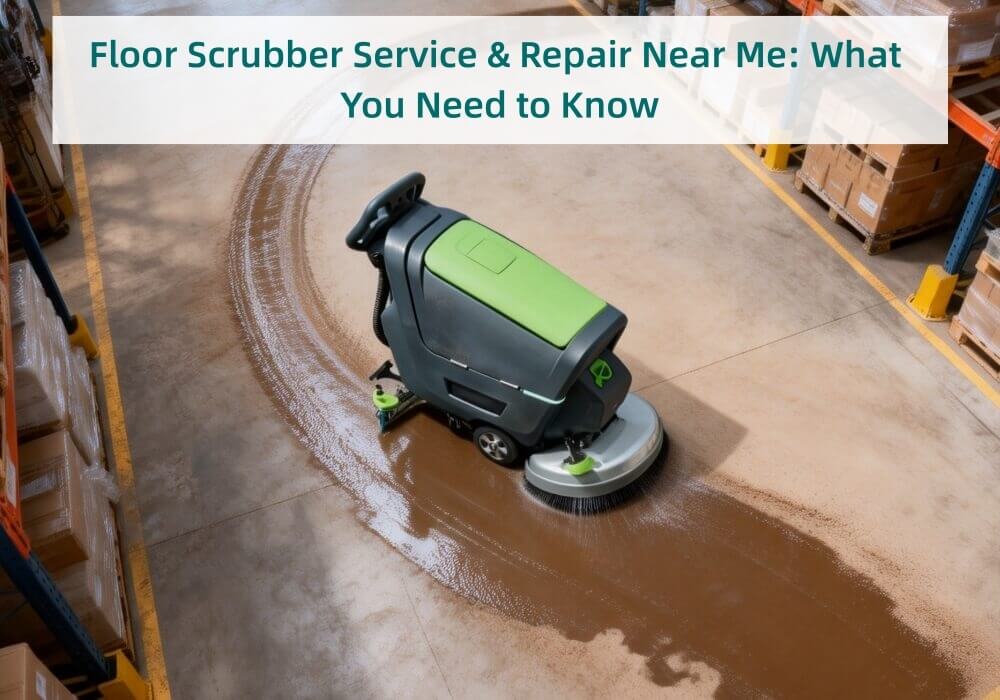
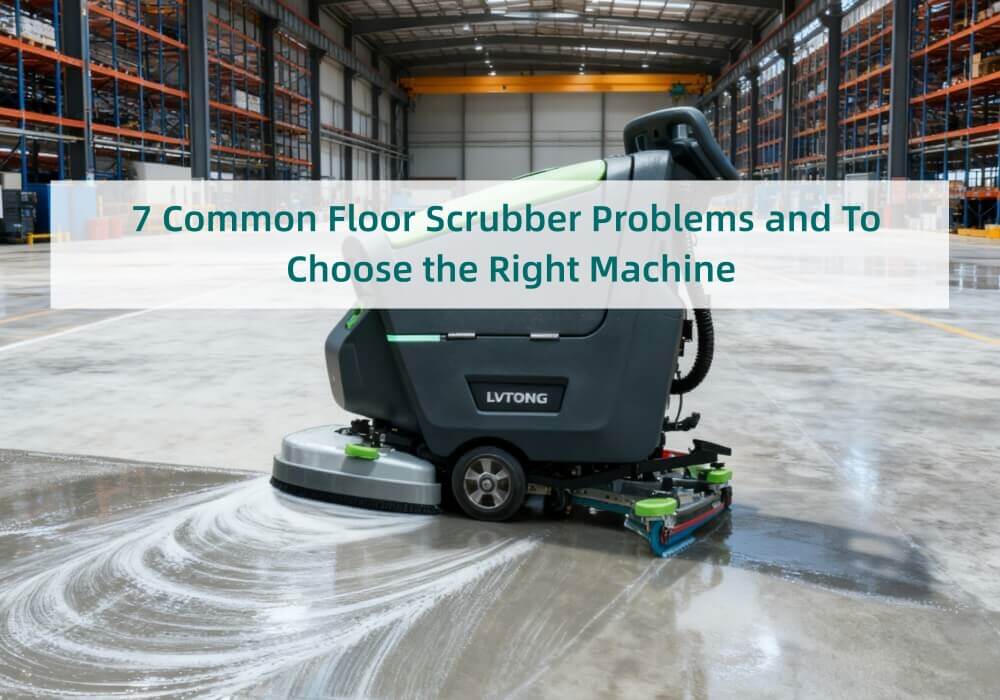
Finding a good tile floor scrubber means skipping basic tools - tile needs a specific brush strength plus better suction to lift stuck-in dirt. These units clean smarter, getting into grout cracks, clearing gunk that grows, while pulling out way more water than regular mops ever do.
In this guide, we will help you learn about the powerful cleaning machine and choose the right one for creating a cleaning environment for your tile floor.
What is a Specialized Tile Floor Scrubber?
A unique tile floor scrubber works much better than old-style mopping, particularly on uneven surfaces or grout gaps. Rather than standard units, this device handles three tasks at once - squirt solution, brush tough spots, then pull back grimy liquid immediately afterward.
Key operational parameters, which are often aligned with industry standards like the ISSA (International Sanitary Supply Association) cleaning guidelines, include:
- Scrubbing path: Typically 16 to 28 inches (40–71 cm), which decides how wide an area it cleans per go - larger sweeps cover more floor fast, while narrower widths squeeze into cramped areas easier.
- Brush Speed (RPM): Brush spins at 140 to 500 rotations each minute. Pick the right pace depending on how tough the floor is, or what kind of dirt’s stuck there.
- Down Pressure: Pushing down with changeable weight - sometimes as much as 30 kg - to jam the bristles hard into tile grooves and rough spots that regular mops can't reach.
Key Benefits of Using a Dedicated Tile Scrubber
Switching to a special tile cleaner boosts results - fewer accidents, less wear on equipment, while getting jobs done quicker.
- Deep Grout Penetration: With adjustable down pressure reaching 25–30 kg, these machines provide the mechanical force required to dislodge biofilm, grease, and mineral deposits from porous grout lines, a task unachievable with manual methods.
- High efficiency: A 28-inch ride-on scrubber handles big spaces fast - over 28,000 square feet each hour - as shown by ISSA’s 540 Cleaning Times rule. That’s roughly 10 to 15 times quicker than using just a mop and bucket.
- Enhanced Floor Safety: Wet floors? Not here - this machine sucks up nearly all liquid fast, so people won't slip right after cleaning. Since it dries quickly, germs don’t get a chance to grow. Fewer slips mean fewer accidents, which helps meet safety rules without extra hassle.
- Asset Preservation: Cleaning machines regularly helps protect your floors. Because dirt and harsh chemicals get wiped away, tiles plus grout don't wear out fast. That means they last longer - so you won’t need new ones soon. Over time, this saves money on repairs or swaps.
Essential Components for Effective Tile Cleaning
Brush Technology Selection
The decision between round brushes and flat pads really changes how well things get clean
- Cylindrical brushes work well on dirty quarry tiles - especially when grout’s deeply stained. They focus force right where it's needed, blasting out gunk fast. Tough buildup doesn’t stand a chance thanks to their rotating scrubbing action
- Disc pads work well on shiny tiles or slick floors - they spread force evenly so they don’t scratch the area. They fit orbital machines, helping glide without leaving marks behind
Quantifying Performance: Brush Speed (RPM) vs. Down Pressure
Figuring out how brush spin and push strength work together matters a lot when cleaning tiles. One doesn't swap for the other - each does its own job.
- Brush Speed (RPM): shown in rotations per minute, sets how fast it moves back and forth. A faster rate works better on flat areas or when lifting surface-level grime off quickly.
- Down Pressure: measured in pounds or kilos - sets how hard the brushes push down. Because of this force, bristles reach deep into rough grout where dirt hides. That’s why more weight helps beat tough stains loose.
To get a clearer idea of how well different machines clean mechanically, try using a basic Cleaning Power Index (CPI). It’s not an official rating used across the field, yet it still gives you a solid way to judge performance. Multiply a couple of key numbers together - that’s how you work out the result
Cleaning Power Index (CPI) = RPM x Down Pressure (kg)
Example:
- Machine A (Light Duty): 175 RPM x 15 kg = 2,625 CPI
- Machine B (Heavy Duty): 220 RPM x 30 kg = 6,600 CPI
This index shows exactly how a machine using a strong downward force - like Machine B - handles tougher cleaning jobs with much better power. For heavily soiled grout in commercial kitchens, a machine with a higher CPI is non-negotiable.
Walk-Behind vs. Ride-On Comparison
| Feature | Walk-Behind Scrubber | Ride-On Scrubber |
|---|---|---|
| Ideal Environment | Facilities under 15,000 sq ft, congested areas, hallways, and rooms. | Facilities over 15,000 sq ft, large open spaces like warehouses, airports, and convention centers. |
| Productivity Rate | 15,000-22,000 sq ft/hr | 28,000-45,000+ sq ft/hr |
| Tank Capacity | 3 - 16 gallons (frequent refills on large jobs) | 18 - 50+ gallons (extended runtime) |
| Maneuverability | High; excellent for navigating around obstacles and tight corners. | Lower; requires a larger turning radius, less suitable for cluttered spaces. |
| Operator Fatigue | Moderate to High; operator walks behind the unit. | Low; operator is seated comfortably, reducing physical strain over long shifts. |
| Initial Investment | 2,000−8,000 | 15,000−35,000+ |
| Core Advantage | Versatility & Access. Can clean areas inaccessible to larger machines. | Maximum Productivity. Covers the largest area in the shortest amount of time. |
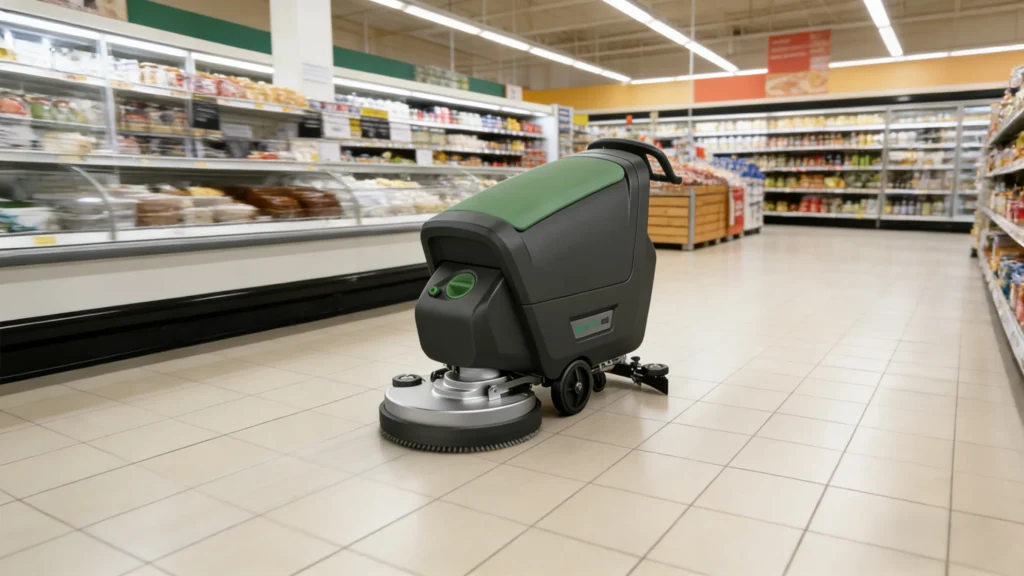
In places like stores or halls where tile floors cover 1,000 to 4,000 square meters, the LVTONG LT-S530X walk-behind floor scrubber cleans a strip 530 mm wide - so it can handle around 2,100 sqm each hour. Even in tight corridors or packed spaces, it turns easily. Instead of hurting shiny tiles, its firm rotating brush pushes evenly into seams between them.
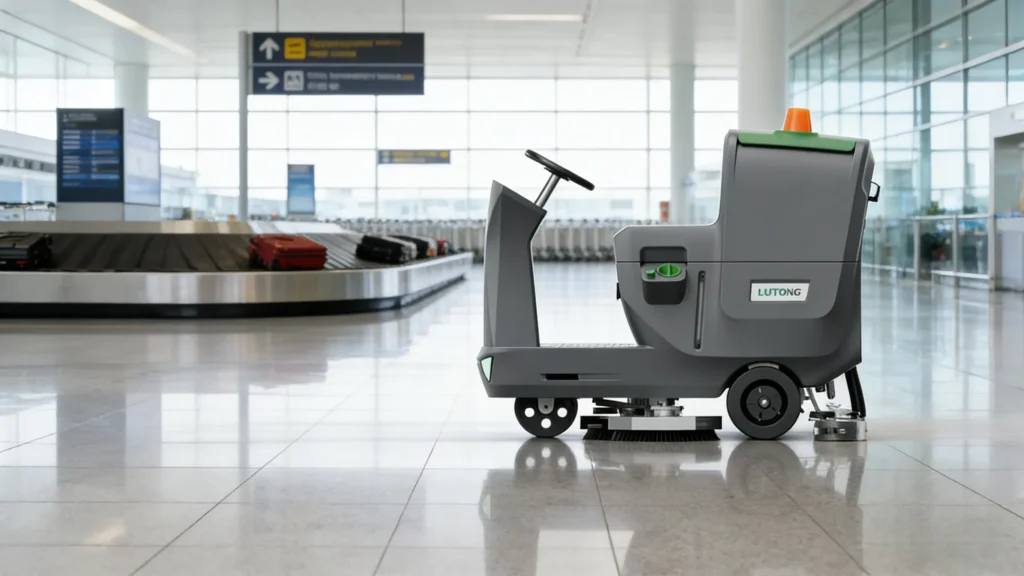
For spaces exceeding 10,000 m² (warehouses, airports, etc.), the LT-S710X ride-on scrubber boosts efficiency to 6,800 m²/h with an 860 mm path and seated operation, dramatically reducing operator fatigue on long shifts.
What’s the link between squeegee shape and cleaning grout lines?
Articulated or double-blade squeegees work better on bumpy tiles because they follow dips in grout lines, so no water gets left behind. Regular straight blades tend to hop over grooves - this traps wet spots where germs might grow. When picking tools for kitchens or production zones, it’s smart to match guidelines from groups such as ISSA. These rules help keep things safe and clean under real-world conditions.
Selection Criteria for Your Facility
Consider these critical factors when choosing a tile floor scrubber:
1. Surface Type:
- Glazed ceramic: 175-220 RPM, lighter pressure
- Unglazed quarry needs about 25 to 30 kg of force, along with a faster spinning speed
- Natural stone: 140-175 RPM, pH-neutral solutions only
2. Facility Size:
- Up to 5,000 sq ft (≈500 m²): Go for small 16–20″ walk-behind units instead. Take the LVTONG Q5 walk-behind scrubber - it’s got a 510 mm cleaning width - great for keeping restaurant floors tidy every day or handling store upkeep; runs nonstop 3.5 to 4 hours while warning you when water gets low.
- For spaces from 5,000 to 15,000 sq ft (500–1,400 m²), go with 20–28″ walk-behinds - they handle it well. Instead of others, the LT-S650X moves smoothly on medium tile floors using its 650 mm cleaning width.
- More than 15,000 sq ft (over 1,400 m²): You’ll need a ride-on scrubber. Take the LT-S860X - it handles up to 8,000+ m² per hour because it’s got two brushes working at once. That makes it great for big areas with ceramic or stone tiles.
3. Operational Requirements:
- Daily runtime needs
- Chemical compatibility
- Storage space availability
Advanced Features Worth Considering
- Switch modes easily - use heavy-duty scrubbing when needed, or go light for regular upkeep
- Automated Chemical Dosing: Ensures consistent solution strength across large areas
- Heated Solution Systems: Improve biofilm removal efficiency by 40-60%
- Dual-Function Recovery: Simultaneous scrubbing and water extraction
Conclusion
Picking a good floor scrubber means thinking about what kind of tiles you have, where it’ll be used, also how tough the job is. Match the brushes and pressure to your tile setup instead of guessing - size matters just as much as power when covering large areas. Go for features that fit your space so cleaning works well without wearing down the floors over time.
Are you ready to select the best tile floor scrubber for your facility? Browse LVTONG’s complete range of professional scrubber-dryers or contact our team for free space-specific recommendations.