Introduction
Floor scrubber battery is one of the most critical and highest-value components in industrial floor scrubbing machines. The battery performance directly affects the continuous working time, cleaning efficiency, and overall usage cost of the equipment. However, in fact, the vast majority of battery problems are not product quality defects, but rather caused by improper use and maintenance methods. Scientific and standardized battery maintenance not only can significantly extend battery life, but also effectively reduce the long-term operating costs of factories.
Floor Scrubber Battery Types
Lead-Acid Battery
Lead acid batteries are currently the most widely used type of battery in industrial floor scrubbers, with the advantages of low cost and mature technology. However, this type of battery requires regular checks of the electrolyte level and has high requirements for the charging environment and usage specifications, which is making it suitable for factories with limited budgets and single-shift operations.
Maintenance-Free Lead-Acid Batteries
The maintenance-free battery is an optimization of the traditional lead-acid battery. It doesn't require the addition of water during use, making maintenance simpler. However, it has high requirements for charging management and must use a matching charger to avoid overcharging or over-discharging.
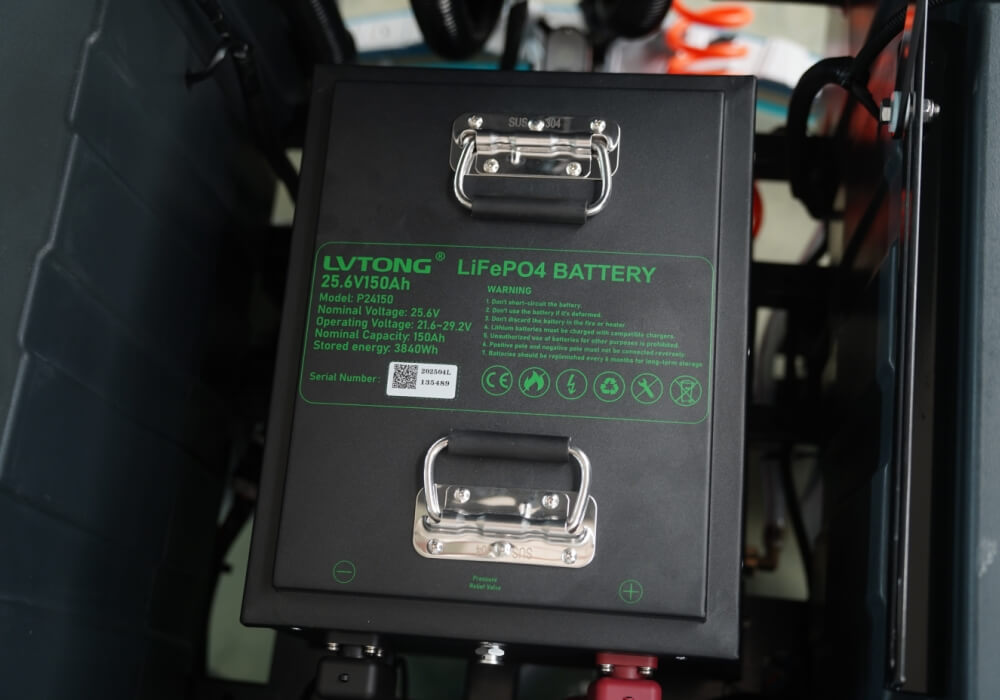
Lithium Batteries
Lithium batteries have become increasingly widely used in industrial floor scrubbing machines in recent years due to their fast charging speed, long service life, and light weight. It is particularly suitable for multi-shift, high-intensity work environments, but the initial investment cost is relatively high.
Floor Scrubber Battery Correct Usage
The correct use of floor scrubber batteries is the first step in improving the durability of floor scrubber dryers. Many batteries age prematurely, mainly due to improper daily usage habits.
Fully Charged before First Use
When using a new device or replacing a battery for the first time, the battery should be charged to 100% to ensure that the internal chemical reaction of the battery reaches its optimal state.
Avoid Deep Discharge and Recharging
When the battery level drops to 20% - 30%, it should be charged promptly. Conversely, using a battery until it is completely depleted over a long period of time will significantly shorten its lifespan.
Arrange the Charging Plan Reasonably
For factories that require continuous operation, charging intervals should be set according to the manufacturer's recommendations to avoid frequent short-term charging or continuous high-load discharging.
Distinguish the Usage of Different Battery Types
Lead-acid batteries, maintenance-free batteries, and lithium batteries differ significantly in terms of charge/discharge frequency and depth of discharge. Therefore, the instruction manual should be strictly followed.
Avoid Using in High or Low Temperature Environments
High or low ambient temperatures can affect battery performance. Soit is recommended to use the floor equipment within the temperature range specified by the manufacturer.
Floor Scrubber Maintenance Method
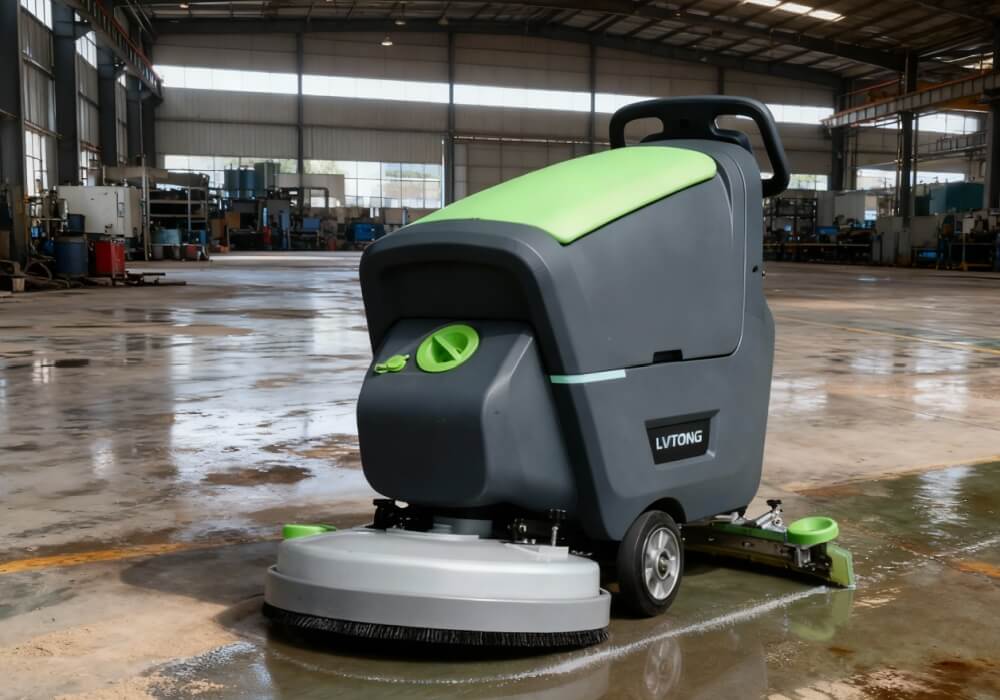
Standardized daily maintenance can significantly reduce battery failure rates, which is the key aspect that manufacturers emphasize the most.
Standardize the charging process to avoid overcharging and undercharging
Each time you charge, you should use a matching charger and turn off the power promptly after it is fully charged to avoid overcharging caused by prolonged connection to the power source.
Maintain a good charging and storage environment
The charging environment should be kept dry and ventilated, avoiding direct sunlight, high temperatures, or humid environments to prevent battery performance degradation.
Clean the battery surface and terminals regularly
Remove dust, oil, and corrosion to prevent poor contact or unstable voltage
Regularly check the electrolyte level of lead-acid batteries
Low water levels will damage the plates. So distilled water should be used to replenish the water level. It is strictly prohibited to use tap water or other liquids.
Battery maintenance during long-term shutdown of equipment
Before long-term shutdown, the battery should be charged to 60% - 80% and recharged at regular intervals to prevent battery depletion.
Common Incorrect Operations of Floor Scrubber Batteries
During the manufacturer's after-sales service process, the following incorrect operations are the main reasons for the shortened battery durability.
Batteries stored in a depleted state for extended periods
Prolonged periods without charging can lead to battery sulfation, severely impacting its capacity recovery ability.
Frequent short-term, incomplete charging
This method can easily cause the battery capacity to be inflated, affecting the actual battery life.
Using non original or parameter mismatched chargers
Unstable voltage and current can also affect the durability of batteries.
The battery started charging before it had cooled down
High temperature charging can accelerate battery aging and pose safety hazards.
Ignore the anomalies and continue using
If you notice any issues such as battery overheating, bulging, unusual odor, or a sudden drop in battery life, stop using the battery immediately and contact a professional.
Lack of standardized training for operators
Incorrect operating habits can accumulate over long-term use, causing hidden damage to the battery.
Floor Scrubber Battery Life and Replacement Cycle
Under normal use and maintenance conditions, lead-acid batteries can generally be used for 2–3 years, while lithium batteries can be used for more than 5 years. If you experience a significant decrease in battery life, abnormally long charging time, or an inability to fully charge the battery, you should consider replacing it.
Professional Battery Maintenance Advice
- Use original or manufacturer recommended batteries and chargers
- Regular professional testing and maintenance
- Provide standardized training for operators
- Reasonably select battery types based on factory operating conditions
Conclusion
Scientific and standardized battery maintenance is the key to ensuring the long-term stable operation of industrial floor scrubbing machines. Following the manufacturer's recommendations for routine maintenance not only can increase battery durability, but also significantly reduce overall cleaning costs.