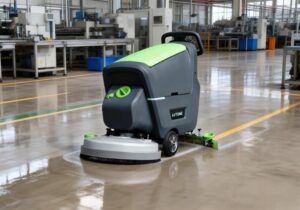
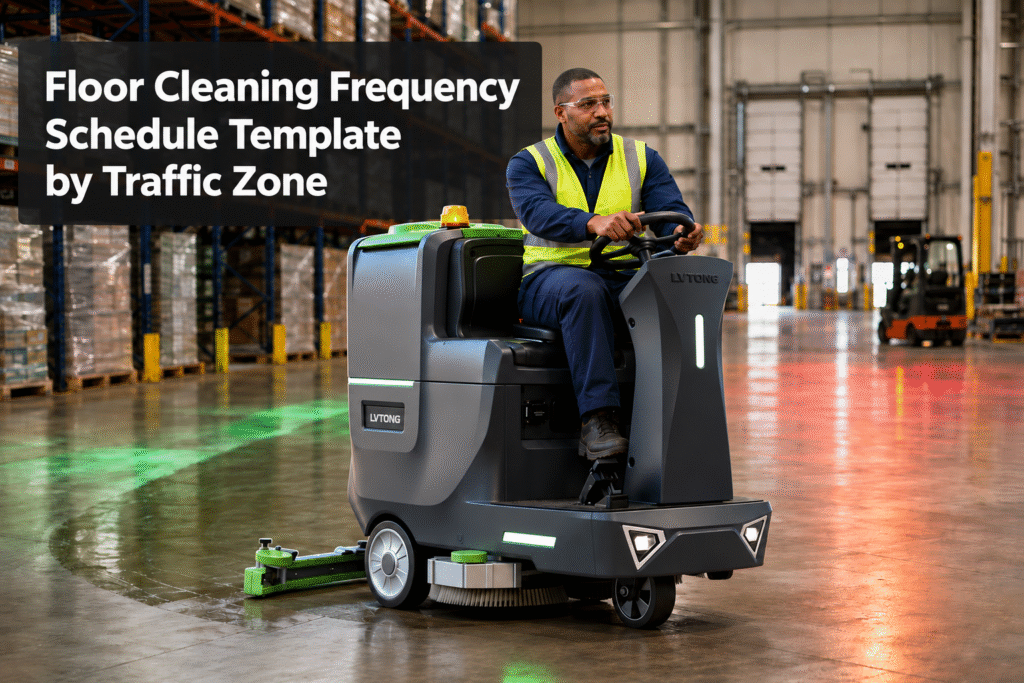

Use the traffic-zone classifications in the table below as the baseline for your floor cleaning schedule. Floor type, contamination, weather, operating hours, and immediate hazards, such as spills, leaks, ice, tracked-in soil, or loss of traction, always override the baseline and require a prompt response under your facility’s safety and sanitation procedures.
Build the map before you set the frequency
Walk the facility during a busy shift and mark where people, pallet jacks, forklifts, carts, moisture, and packaging debris actually move. A traffic count helps, yet traffic alone does not describe the cleaning load. Ten dry footsteps across sealed concrete create a different task from one lift truck carrying oily residue through an epoxy-coated production lane. Your floor cleaning schedule should therefore combine use, soil, surface, and consequence.
For warehouses and distribution centers, measure the narrowest doorway and aisle, identify charging and refill points, and note the time when each route can be closed. Our warehouse floor scrubber selection guide shows how aisle width, floor type, debris, and practical coverage rate affect the equipment choice you make.
Use five observations during the walk-through:
-
Count people and vehicle passes during the busiest hour, then record the shift total when data is available.
-
Name the soil: loose dust, pallet fragments, tire marks, oil, food residue, salt, mud, or standing water.
-
Confirm the surface and finish, including sealed concrete, epoxy, ceramic tile, marble, VCT, or textured safety flooring.
-
Mark exposure points such as entrances, intersections, ramps, pick faces, restrooms, and areas next to wet processes.
-
Write the response limit: clean by the end of the shift, within a set inspection round, or immediately when a hazard appears.
Traffic-zone floor cleaning schedule template
Use these frequencies as your starting baseline. A spill, leak, visible residue, loss of traction, or freezing risk overrides the calendar. The OSHA walking-working surfaces rule requires workplaces to keep walking-working surfaces clean, orderly, sanitary, and as dry as feasible, with regular inspection and prompt correction or guarding of hazardous conditions. OSHA sets the outcome for your workplace; it does not prescribe one universal floor-cleaning frequency.
|
Zone |
Typical locations |
Routine control |
Planned machine cleaning |
Adjustment check |
|---|---|---|---|---|
|
Red High traffic |
Entrances, docks, forklift intersections, restrooms, cafeterias, main production or picking lanes |
Inspect every shift; remove loose debris during rounds; respond to spills immediately |
Machine-scrub daily; add a second pass after peak activity or severe weather |
Review weekly using residue, re-cleaning, drying, and incident records |
|
Amber Medium traffic |
Secondary aisles, work cells, meeting corridors, support rooms |
Inspect daily; sweep or vacuum daily when debris is present |
Machine-scrub 2–3 times per week; detail edges weekly |
Review every two weeks and after traffic or process changes |
|
Green Low traffic |
Archive rooms, seldom-used storage, protected perimeter zones |
Inspect 2–3 times per week; remove visible soil when found |
Sweep weekly; damp clean or scrub every 1–2 weeks |
Review monthly; increase frequency if dust migrates into active zones |
|
Special-risk overlay |
Cold rooms, food or healthcare areas, oil transfer points, wet processes |
Follow the site SOP; inspect at each use or designated control round |
Clean after contamination events and at the required sanitation interval |
Verify chemistry, temperature, drainage, contact time, and dry-floor release |
Raise or lower frequency from observed conditions
A schedule earns trust when your team can explain why a route changed. Raise cleaning frequency when inspections show visible grit before the next planned pass, the same lane needs repeat cleaning, squeegee streaks delay reopening, floor markings become hard to see, or weather increases the soil load at doors. Keep the current interval when the route passes inspection across several cycles and the task finishes inside its time window. A low-traffic label should never postpone a visible-soil or safety response.
Healthcare and other controlled environments need an additional risk layer. The CDC’s risk-based cleaning frequency model considers contamination probability, exposure, and the vulnerability of the people using the area. Your facility leaders can apply the same disciplined idea outside healthcare while following your own industry rules: traffic is one input, and contamination consequences can move a quiet room into a higher service class.
Before adding another scheduled pass, check whether the current process is working correctly. Our guide to water and energy saving floor scrubber practices separates solution delivery, brush agitation, squeegee pickup, and wastewater recovery, helping your team decide whether the frequency or the machine setup needs correction.
Cold storage and freezer routes deserve a written exception. Water left on a cold surface can slow operations and may freeze. Confirm that your chosen machine, detergent, pad or brush, and recovery method suit the floor manufacturer’s limits and your sanitation program. Schedule smaller sections, recover solution promptly, inspect the squeegee trail, and release the route only when the floor meets your site’s dry and safe standard.
Match machine capacity to the cleaning window
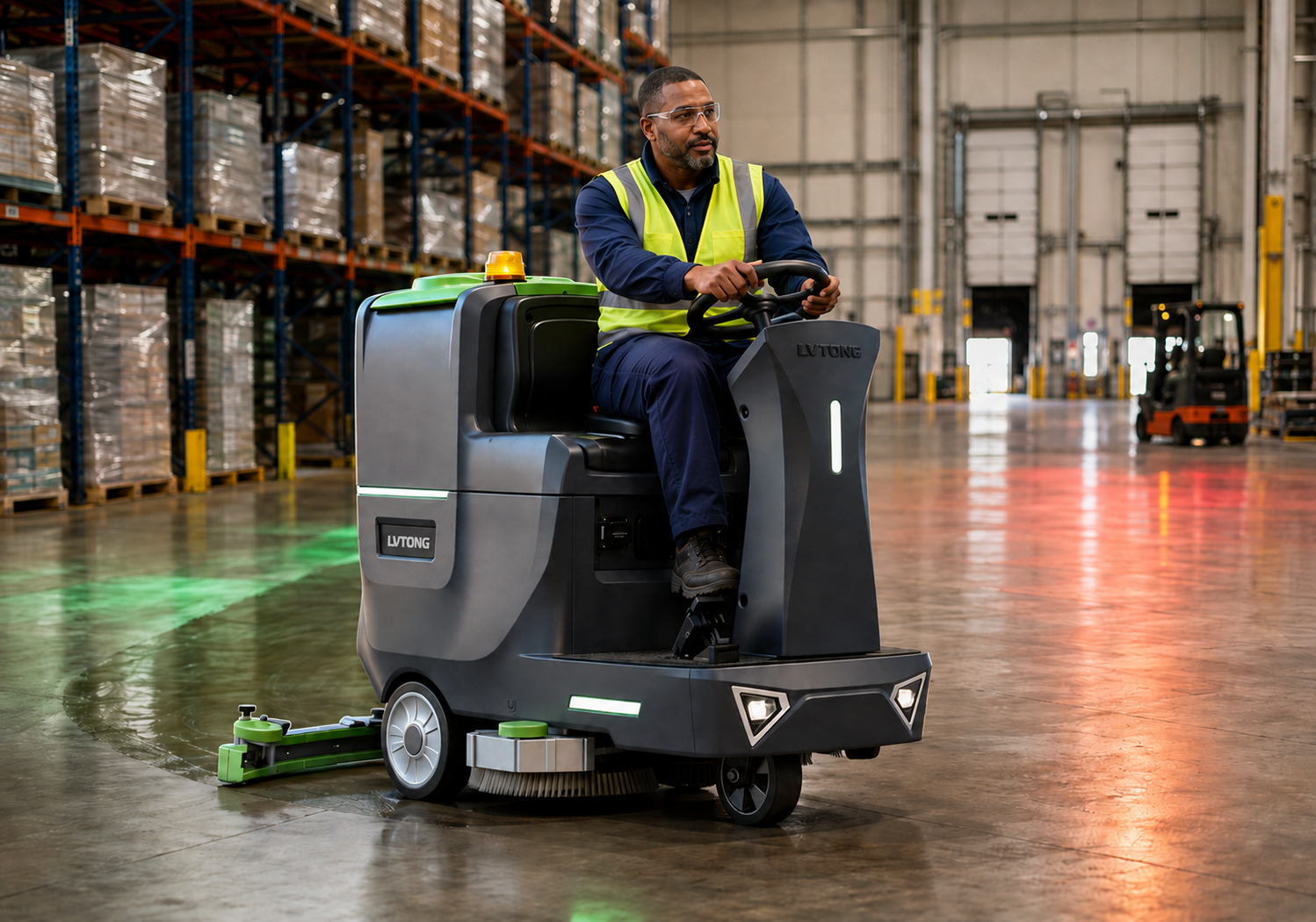
Theoretical productivity assumes a straight, uninterrupted path. Your real routes include turns, overlap, doors, pedestrians, refills, wastewater disposal, and pre-sweeping. Start with the cleanable area, divide it by the available hours, then add time for inspection and daily machine care. Our large-space scrubber operating guide recommends removing large debris before wet scrubbing and using slightly overlapping passes in open areas. These steps affect both cleaning quality and the time your floor stays out of service.
Example: a 100,000-square-foot route with a three-hour cleaning window requires at least 33,333 square feet per hour of practical coverage before inspection and maintenance time. If aisle turns and loading activity reduce useful productivity, split the route by zone, extend the window, or assign a second machine. Your floor cleaning schedule should reflect the rate operators can sustain on that layout, not the best number from an unobstructed test path.
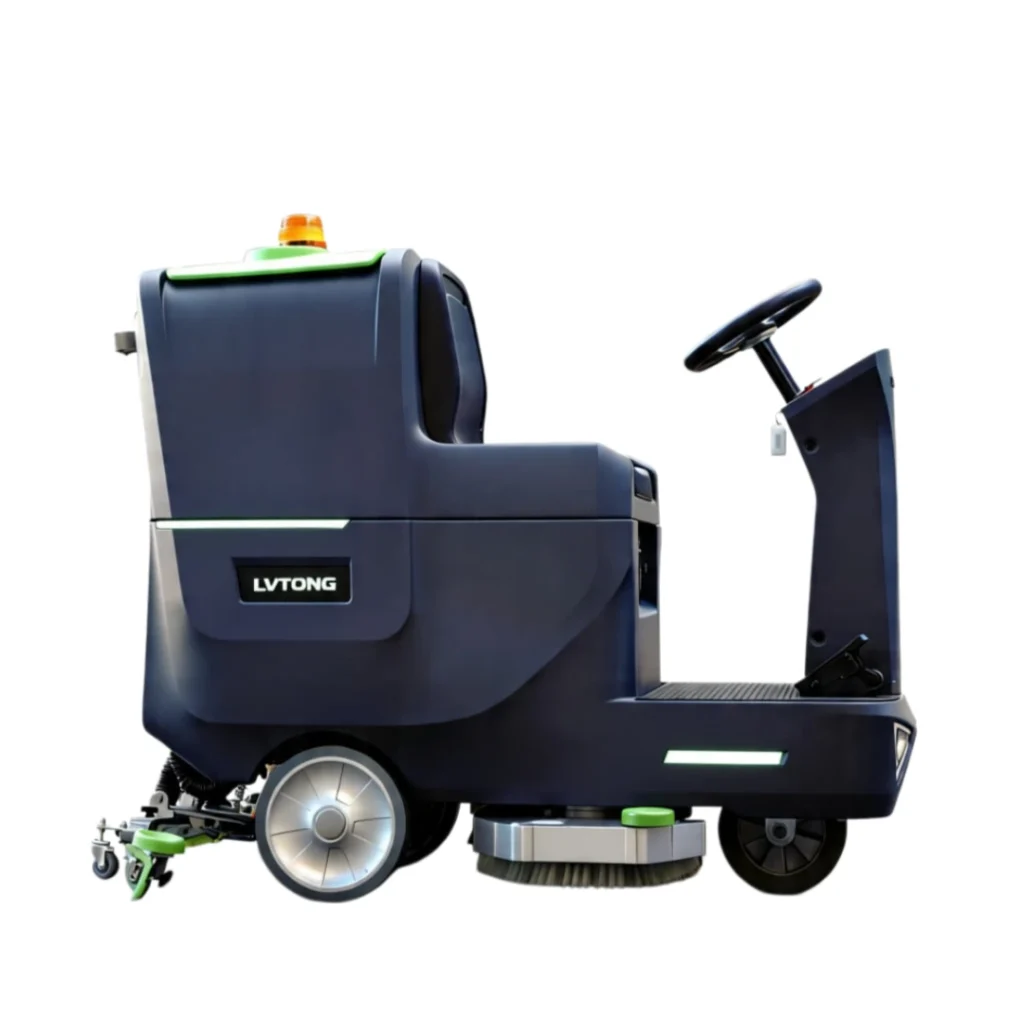
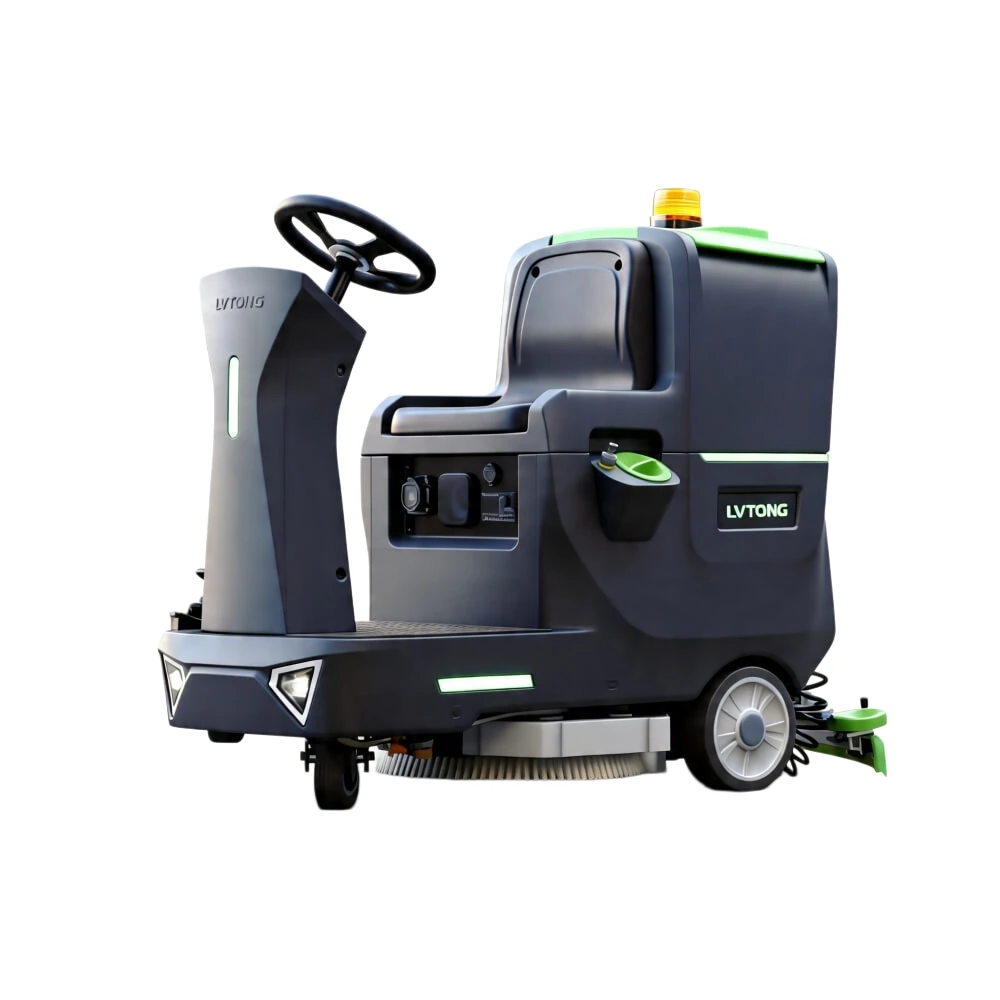
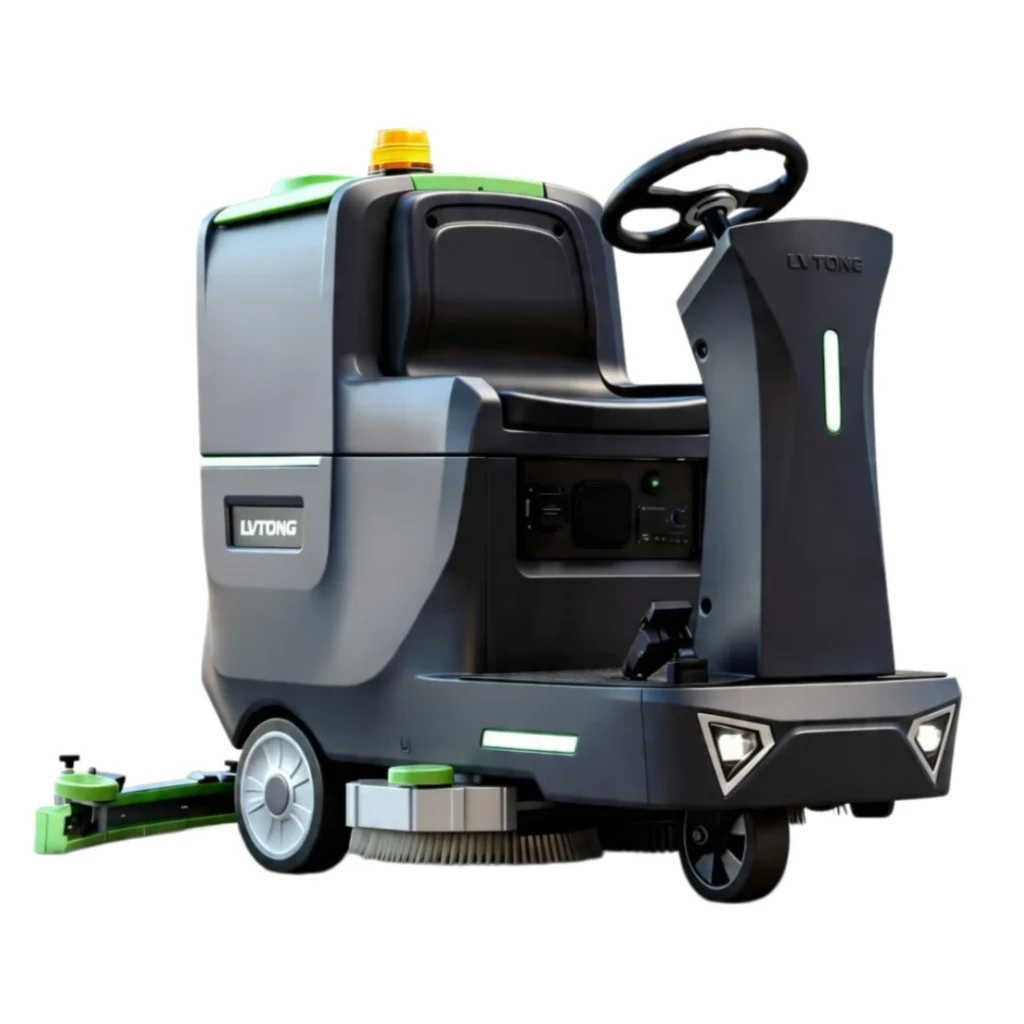
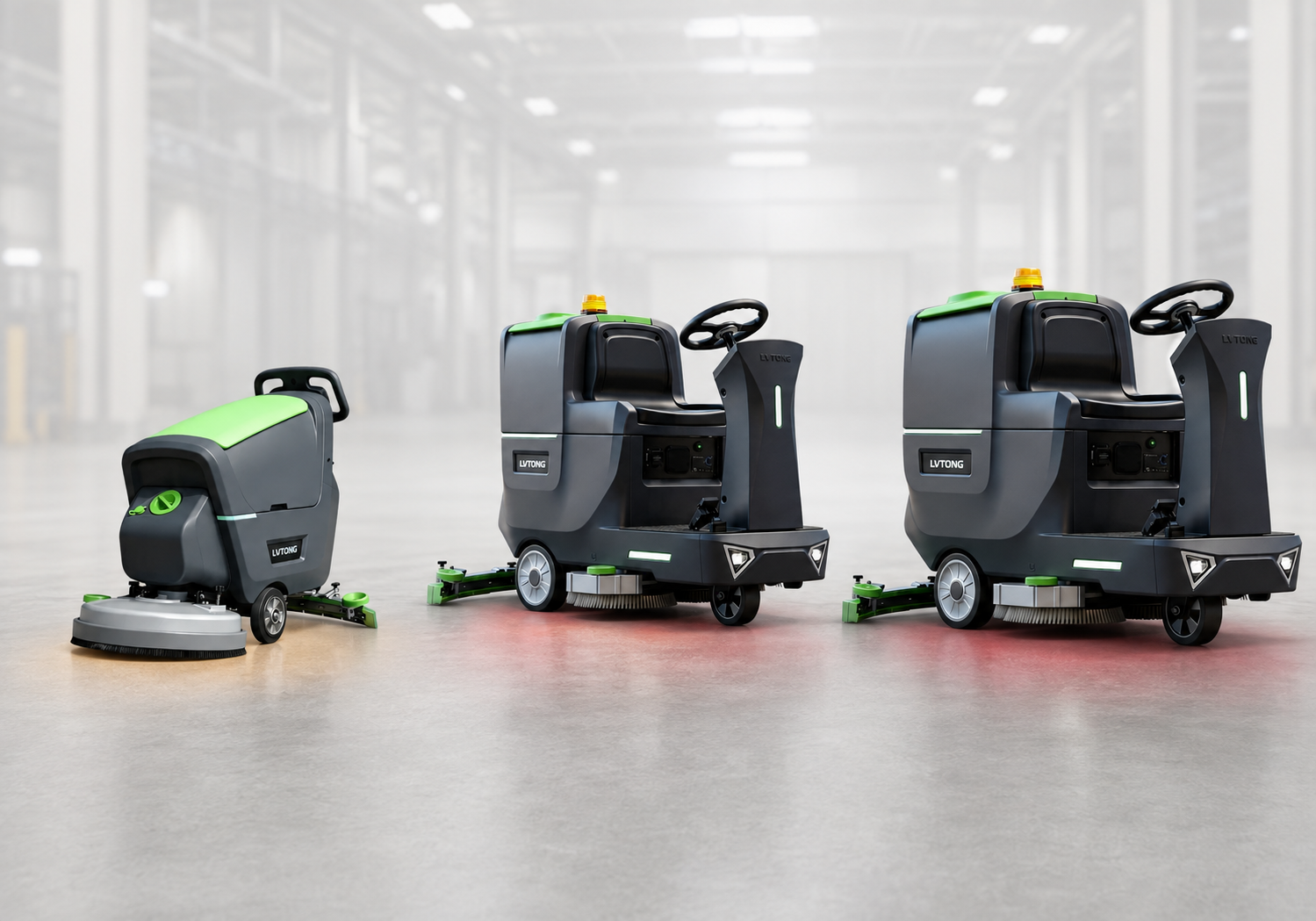
LVTONG equipment examples by zone
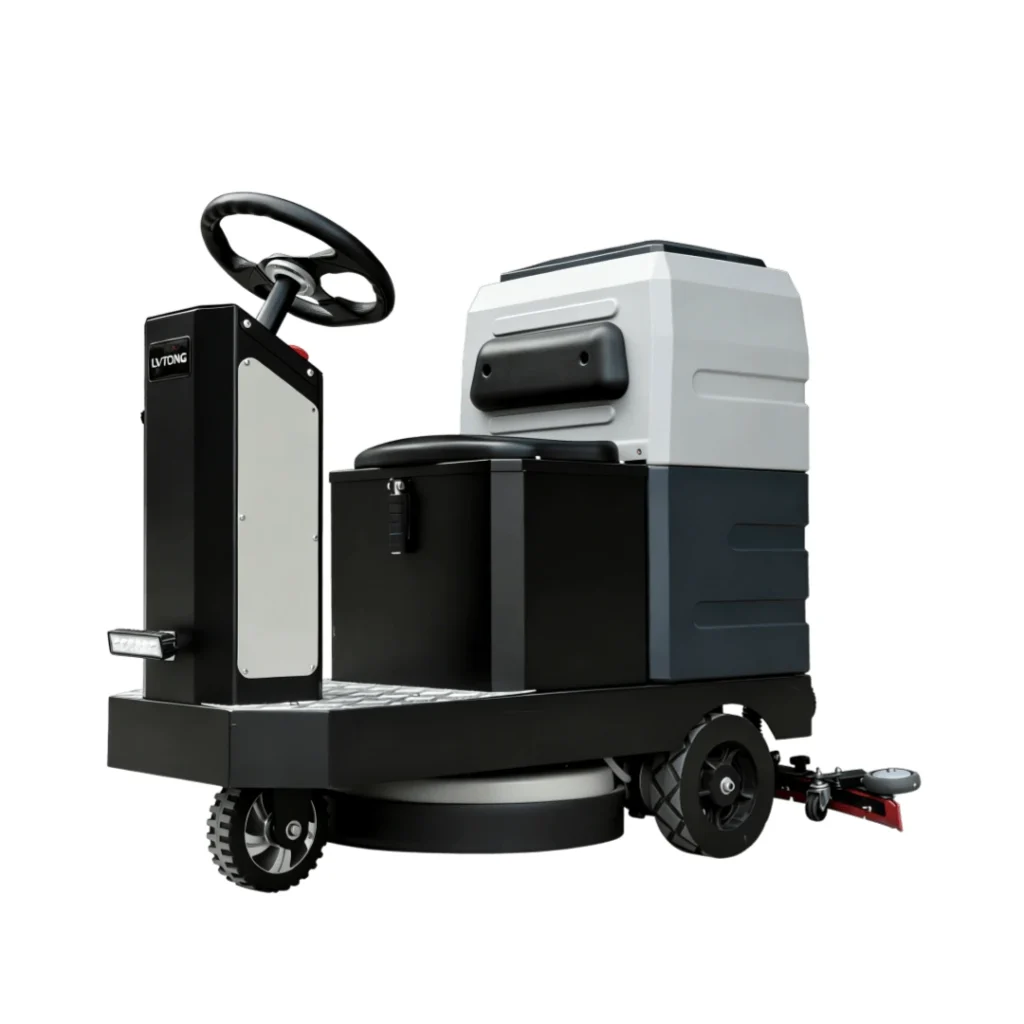
Actual configuration, productivity, and runtime may vary with the battery setup, operating conditions, and order version; use the final technical specification sheet or quotation when selecting a model. The examples below show how a mixed fleet can serve different traffic zones without sending the largest machine into every aisle.
|
Model |
Format |
Published detail |
Traffic-zone fit |
|---|---|---|---|
|
Walk-behind |
2,100 m²/h; 62 L solution and 65 L recovery tanks |
Red or amber zones with narrow aisles, obstacles, and close operator control |
|
|
Ride-on |
Up to 6,800 m²/h; 130 L solution and 135 L recovery tanks |
Long red-zone routes in large warehouses, factories, and terminals |
|
|
Ride-on |
860 mm working width; published operating time of 4–6 hours |
Large open areas needing longer continuous cleaning cycles |
Match the Route to Factory Soil and Traffic
Factory cleaning frequency should reflect both the type of contamination and the way each area is used. Production floors may contain oil, glue, dust, metal fragments, or food residue, while main roads and warehouse lanes continually collect loose debris from vehicles and foot traffic. According to our factory cleaning guide, floor scrubber dryers can be used on cement, epoxy, diamond-sand, and ceramic-tile floors. Published cleaning rates range from 2,000–5,000 m²/h for walk-behind scrubbers to as much as 8,000 m²/h for ride-on models.
Use those differences to build the route in stages. Schedule a sweeper first in debris-heavy warehouses, loading areas, and factory roads; industrial sweeping machines can reportedly cover up to 14,000 m²/h while collecting dust and solid waste. Follow with a scrubber dryer where oil, tire marks, sticky residue, or sanitation requirements call for wet cleaning and wastewater recovery. On busy factory roads, daytime sweeping can control recurring debris, while a scrubber pass during a quieter night shift can provide deeper cleaning without unnecessarily interrupting traffic.
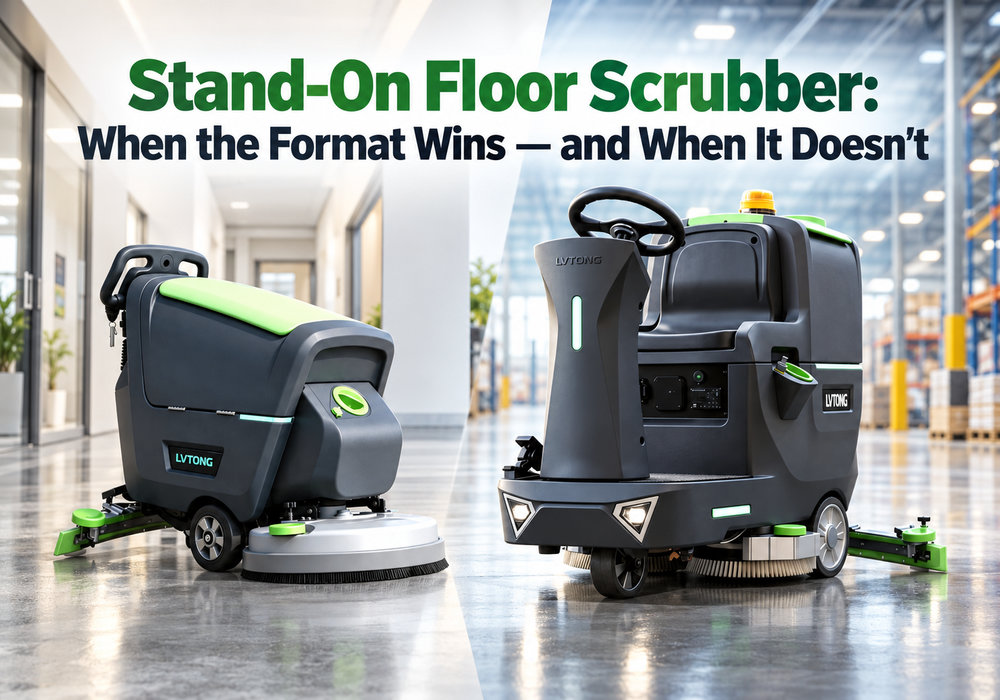
Match the machine format and cleaning frequency to the needs of each zone. Ride-on scrubbers are better suited to large automotive workshops and open production lanes, whereas quieter, more maneuverable walk-behind machines fit electronic workshops, narrow connecting aisles, edges, and office or rest areas. Record the soil type, machine used, coverage time, and post-cleaning condition for each route, then compare the pattern across several cleaning cycles. A practical route-test rule is to add or reposition a pre-sweeping stage when dry grit, packaging fragments, or metal debris repeatedly reaches the scrubber or clogs the squeegee; increasing wet-scrubbing frequency will not correct the underlying solids load. Shorten the scrubbing interval only when loose debris is already controlled but oil, tire marks, sticky residue, or sanitation-related soil returns before the next scheduled pass.
Make the schedule auditable
Each completed route should leave a short record: date and shift, zone, operator, machine, pre-sweep completed, chemical and dilution, start and finish time, visible defects, water left behind, and corrective action. The supervisor can then review four useful measures: percentage of routes completed on time, repeat-cleaning events, minutes before safe reopening, and unplanned spill responses.
Review red zones weekly for the first month and amber or green zones every two to four weeks. Change one variable at a time where possible. A second daily pass may solve tracked-in grit; a worn squeegee may be the real cause of residual water; a cylindrical brush or pre-sweep step may improve a debris-heavy lane. A sound commercial floor cleaning schedule connects the observation to the correction, so your crews understand the reason for the work.
FAQ
How can you standardize floor cleaning schedules across multiple facilities?
Start with a shared zone taxonomy, inspection form, and minimum response rule. You can then allow each site to adjust cleaning frequencies based on local traffic, soil, floor type, climate, and compliance requirements. We recommend running a short pilot at representative facilities to identify which fields should remain consistent across your organization and which decisions are best handled by local facility teams.
What data should you request when comparing commercial floor scrubber suppliers?
Ask suppliers for practical productivity assumptions, cleaning-path width, tank capacity, battery runtime, charging requirements, service response, parts availability, operator training, warranty terms, and total cost of ownership. We also recommend requesting a site demonstration using your actual floor, soil, aisle constraints, and cleaning window. This gives your team a consistent basis for comparing competing proposals.
How should you adjust zones, shifts, and cleaning windows when machine capacity falls short?
Compare the route’s cleanable area with the machine’s practical on-site coverage, including time for turns, overlapping passes, refills, wastewater disposal, and daily maintenance. If the route cannot be completed within the available window, keep spill response and red-zone cleaning as non-negotiable priorities, divide large zones into shorter routes, and schedule them across separate shifts or lower-traffic periods. Amber and green zones can move to alternating service days only when inspection records show that soil remains controlled. If these adjustments still leave a capacity gap, extend the cleaning window, assign a second machine, or use a higher-capacity model rather than reducing every zone’s cleaning frequency.
How often should you review each traffic zone?
Review red high-traffic zones weekly during the first month of a new schedule, amber zones every two weeks, and green low-traffic zones monthly. Special-risk areas should follow the site’s sanitation or safety procedures and be reassessed after any contamination event. Review a zone sooner when seasonal weather increases tracked-in soil, shift patterns or production volumes change, debris returns before the next service, repeated cleaning is required, drying delays affect reopening, or incident records reveal a recurring hazard. Adjust one variable at a time—such as inspection frequency, pre-sweeping, machine-cleaning frequency, or the cleaning window—and confirm the result over several cycles before updating the schedule.
Conclusion
An effective floor cleaning schedule turns changing site conditions into clear, manageable routines. By classifying each area according to traffic, contamination risk, floor surface, and available cleaning time, facility teams can allocate labor and equipment more precisely while maintaining consistent standards across every zone. Performance records can then reveal when service intervals, cleaning methods, or machine capacity need refinement.
If you would like help selecting machines that suit your facility layout and cleaning targets, you’re welcome to discuss your floor cleaning equipment needs with our team.