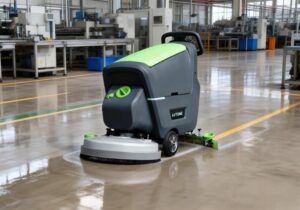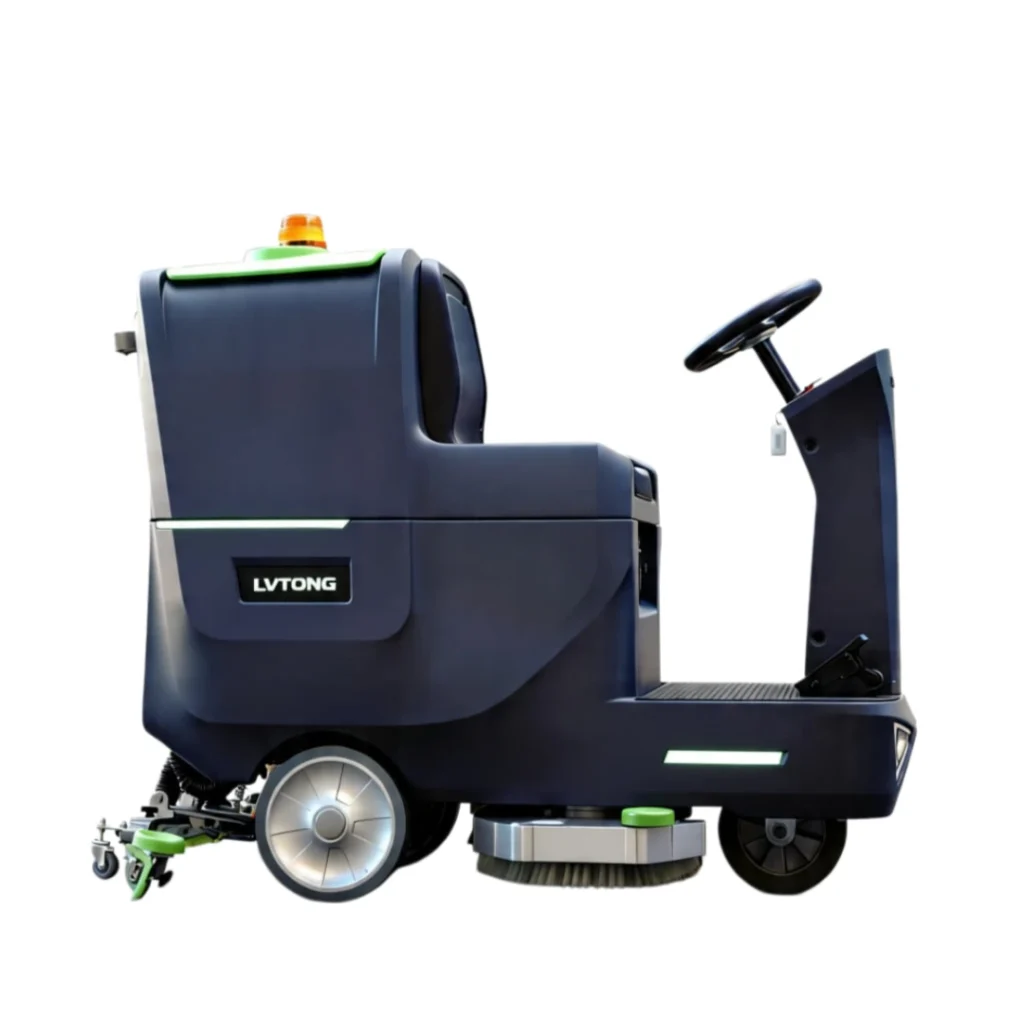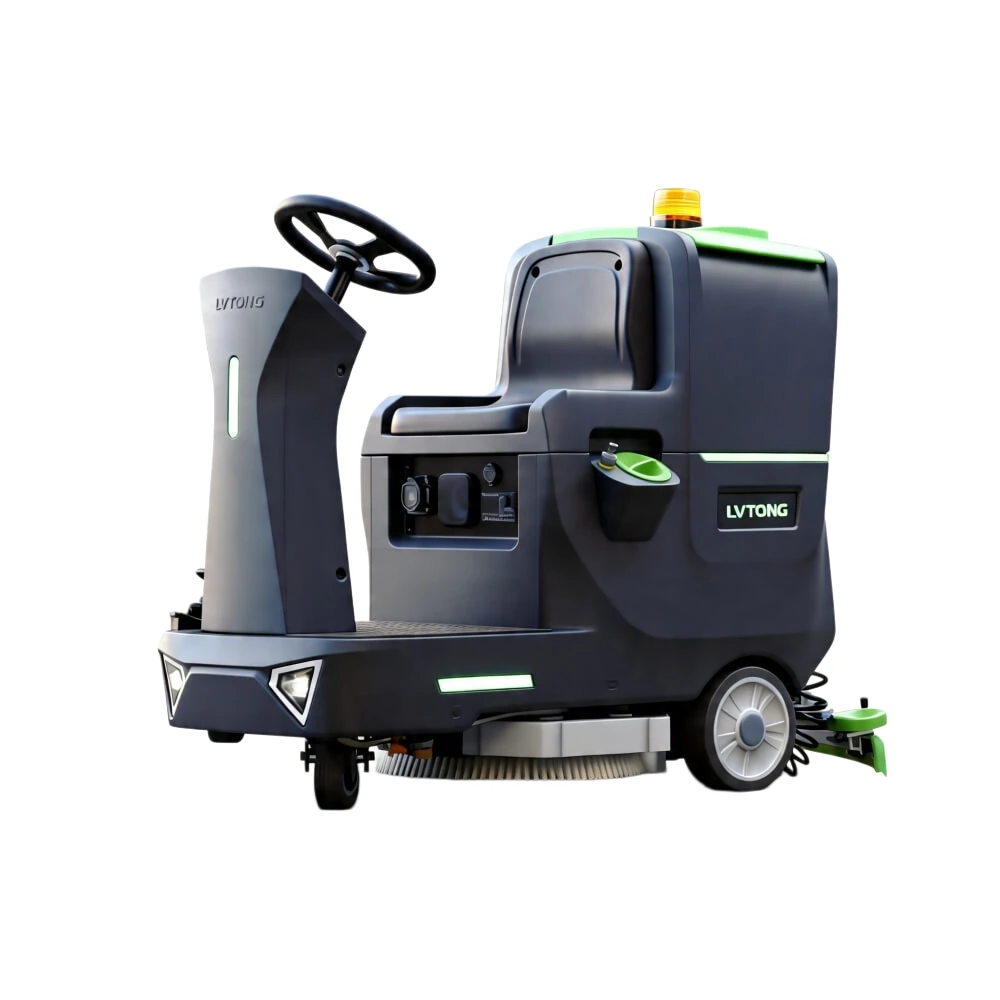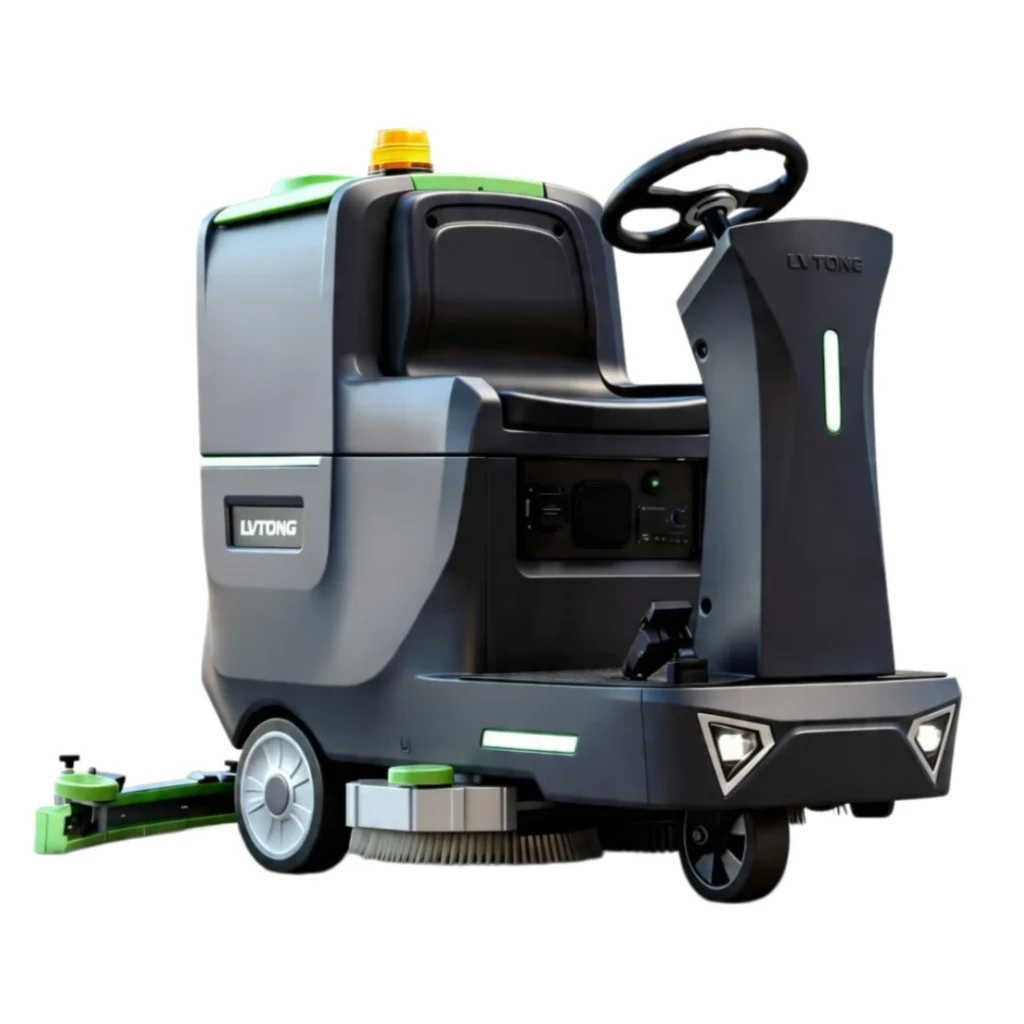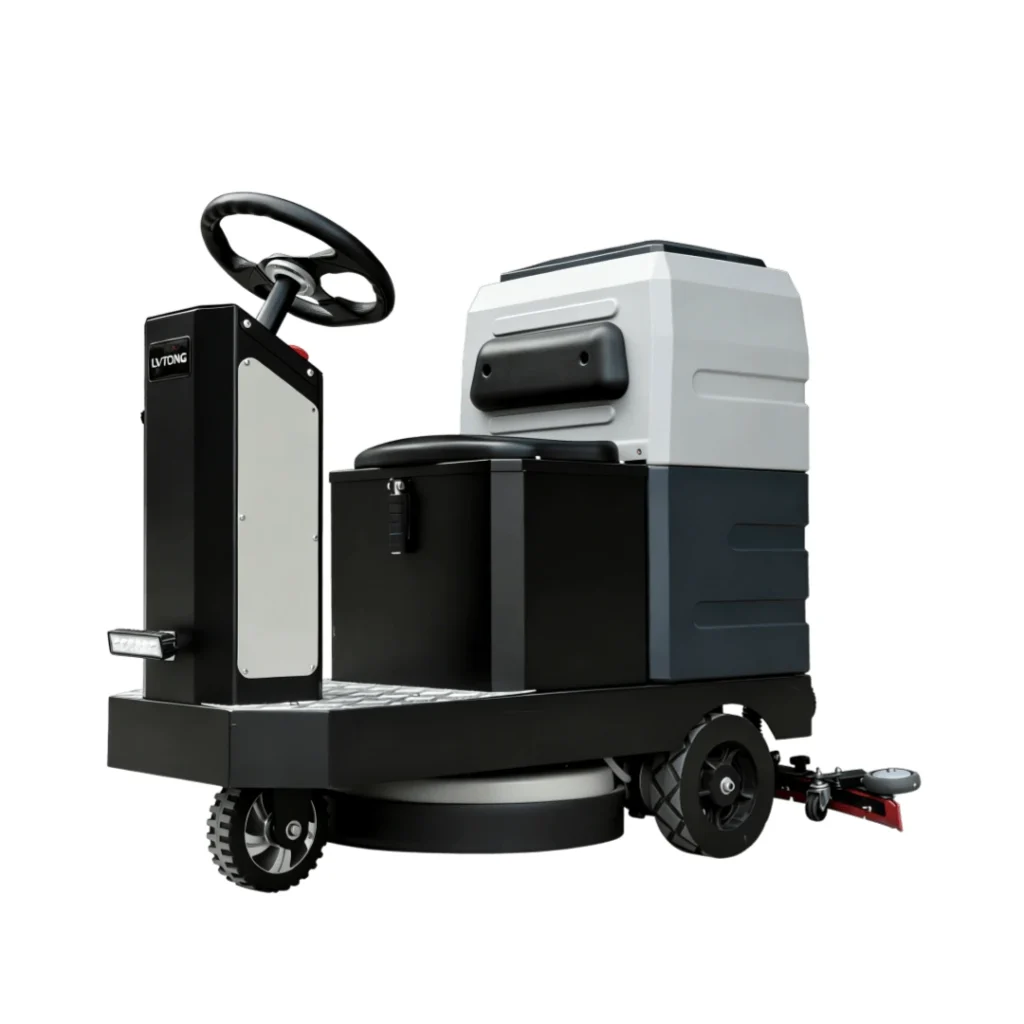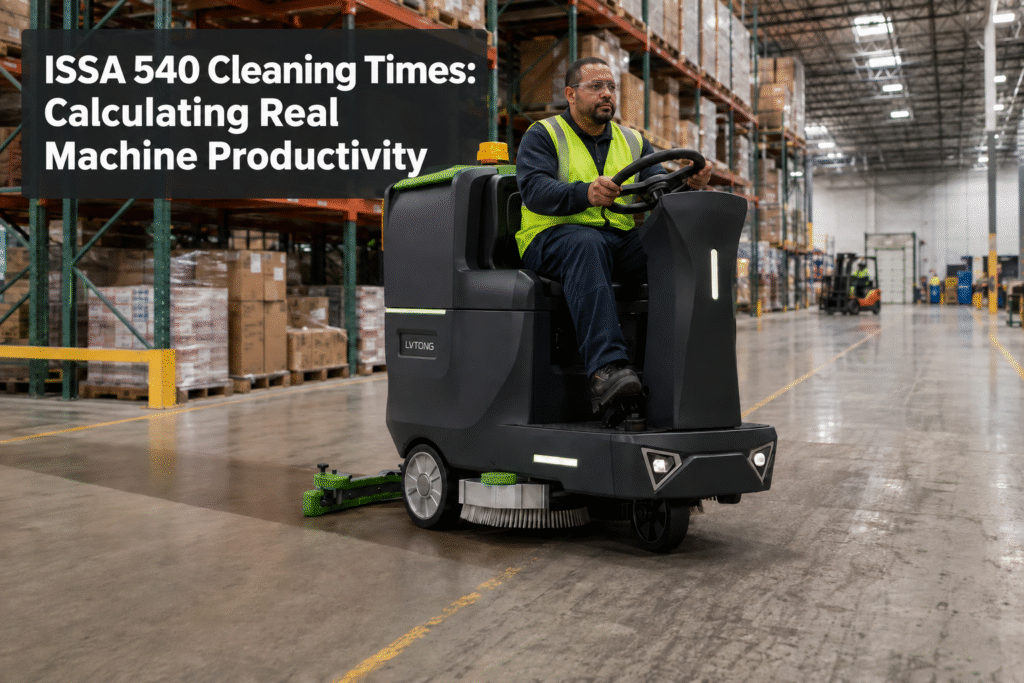
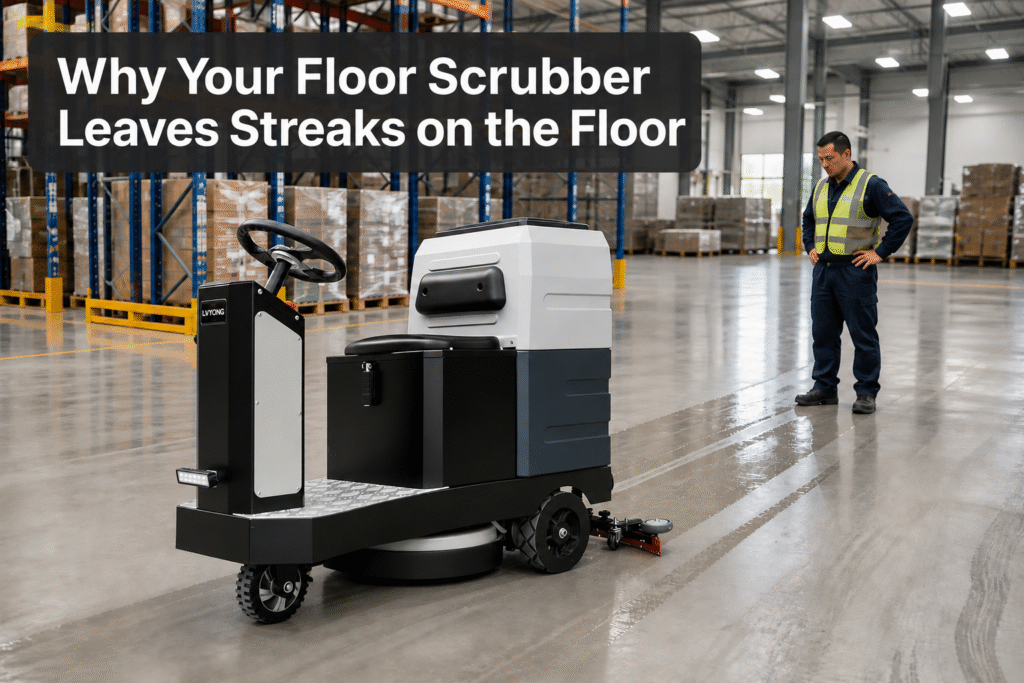
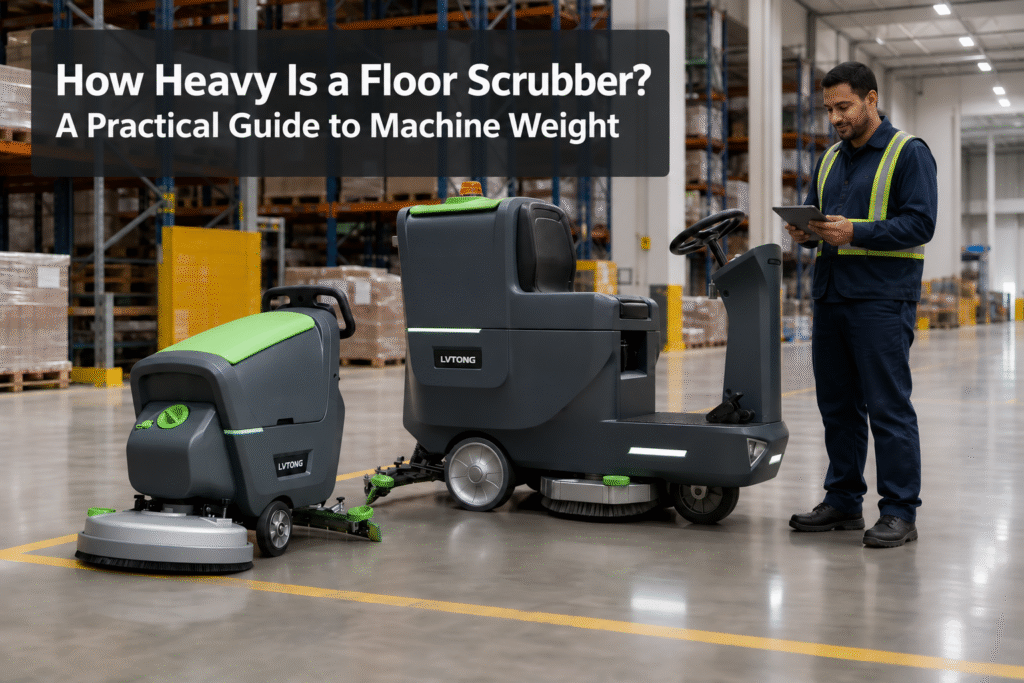
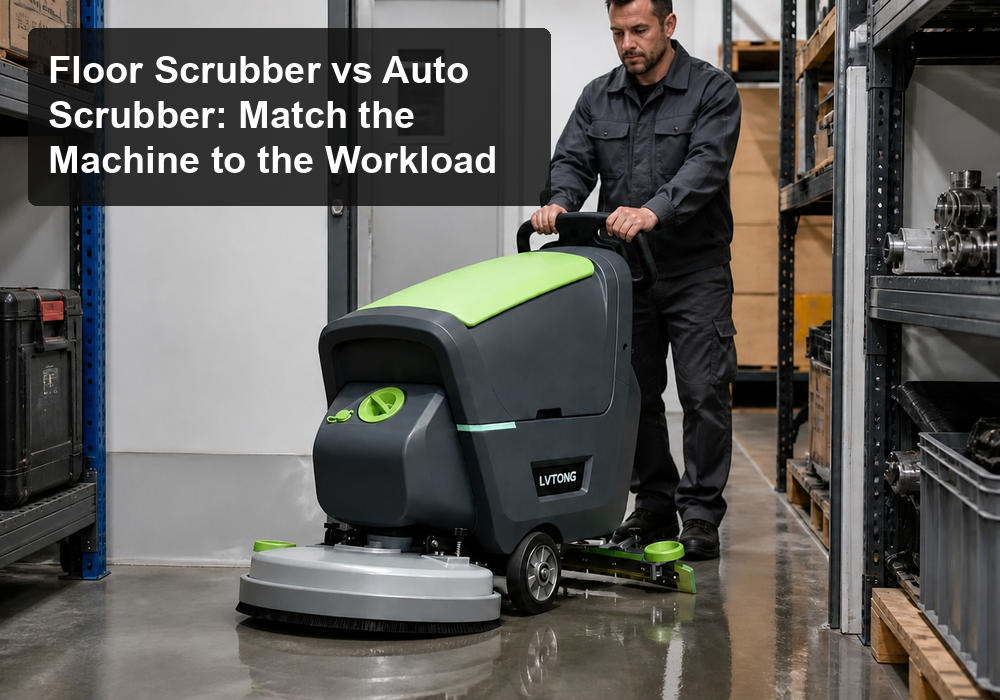
Floor scrubber polishers are specialized cleaning machines that combine aggressive scrubbing, stripping, and high-speed buffing capabilities in a single versatile system. These advanced machines can reduce facility cleaning labor costs by up to 60% while delivering consistent floor shine across commercial and industrial environments. For facility managers and procurement specialists focused on maximizing cleaning efficiency, understanding the technical specifications and operational differences between various models is crucial for making an informed investment decision. When beginning this research, it can be helpful to review our general advice on finding the perfect floor scrubber for sale.
Quick Answer
A floor scrubber polisher is a commercial cleaning machine designed to scrub, strip, polish, and restore hard floor surfaces. Modern dual-speed models combine cleaning and polishing in one machine, making them suitable for warehouses, factories, hospitals, retail stores, airports, schools, and other large commercial facilities. Choosing the right machine depends on floor type, cleaning frequency, facility size, productivity requirements, and desired floor finish.
Core Capabilities and Technical Operation
A floor scrubber polisher functions through coordinated mechanical systems that apply cleaning solutions while delivering consistent brush pressure and rotational motion. Unlike manual methods, these machines ensure uniform cleaning pressure and solution distribution, dramatically improving efficiency and consistency.
Key operational capabilities include:
- Scrubbing/Stripping: 175-240 RPM for deep cleaning and wax removal
- Polishing/Buffing: High-speed restoration (up to 350 RPM)
- Dual-Function: Simultaneous cleaning and moisture extraction
- Multi-Surface Operation: Compatible with tile, concrete, vinyl, and sealed surfaces
What’s the Difference Between Low-Speed Scrubbers and High-Speed Polishers?
Low-speed operation (175-200 RPM) focuses on dirt removal and stripping, while high-speed settings (200-350 RPM) achieve surface restoration and shine. Modern machines often incorporate dual-speed functionality, allowing operators to perform both tasks with a single unit. If your needs heavily lean toward aggressive stripping or high-shine finishing, understanding the distinction between the best walk behind floor scrubber and dedicated polishers is important.
Technical Specifications and Performance Metrics
Understanding key specifications is critical for matching equipment to facility requirements:
| Specification | Small Walk-Behind | Medium Walk-Behind | Large Ride-On |
|---|---|---|---|
| Cleaning Width | 5.7–17 inches | 17–20 inches | 48–62 inches |
| Tank Capacity | 10–13 gallons | 16–21.5 gallons | 70–100 gallons |
| Brush Speed | 175–200 RPM | 200–240 RPM | 225–240 RPM |
| Run Time | 1.5–2.5 hours | 2–3 hours | 3–5+ hours |
For facilities managing very large areas, comparing these raw capacity metrics directly against needs outlined in the industrial floor scrubber selection guide can simplify the decision to move to larger equipment.
Walk-Behind vs Ride-On Floor Scrubber Polisher
| Feature | Walk Behind | Ride On |
|---|---|---|
| Facility Size | Medium | Large |
| Productivity | Medium | High |
| Maneuverability | Excellent | Good |
| Operator Comfort | Moderate | Excellent |
| Initial Cost | Lower | Higher |
| Best For | Retail, Schools | Warehouses, Airports |
How to Choose the Right Floor Scrubber Polisher
When selecting a machine, consider the following factors:
• Facility size
• Daily cleaning frequency
• Floor material
• Required cleaning productivity
• Available storage space
• Battery runtime
• Operator experience
• Budget
Facilities smaller than 20,000 square feet typically benefit from compact walk-behind models, while warehouses, factories, airports, and logistics centers usually achieve higher productivity with ride-on equipment.
How Many Square Feet Can a Floor Scrubber Polisher Clean Per Hour?
Actual productivity depends on machine size, floor condition, operator skill, cleaning route, and maintenance practices. Typical productivity ranges include:
- Compact units: 500-750 square feet/hour
- Commercial walk-behind: 7,300-12,700 square feet/hour
- Industrial ride-on: Up to 96,800 square feet/hour
When dealing with commercial chemical applications, particularly stripping agents used to remove old finishes, ensure compliance with safety standards. Many organizations, such as the International Sanitary Supply Association (ISSA), provide best practice guidelines for chemical handling and machine operation to maintain worker safety and floor integrity. For organizations focusing on environments like large distribution centers, seeing how these productivity numbers translate specifically for warehouse environments is essential: https://lvtongclean.com/warehouse-floor-scrubber-guide/.
FAQ
What is a floor scrubber polisher used for?
A floor scrubber polisher cleans, strips, polishes, and restores hard floor surfaces while improving cleaning consistency and reducing labor.
Can one machine both scrub and polish floors?
Yes. Many commercial floor scrubber polishers feature dual-speed operation that allows operators to switch between scrubbing and polishing using the same machine.
What floor types are compatible?
Most machines work on concrete, epoxy, vinyl, terrazzo, ceramic tile, marble, and sealed stone floors.
Is a ride-on floor scrubber better than a walk-behind model?
Ride-on machines are better for large facilities with high daily cleaning demands, while walk-behind machines provide greater maneuverability for medium-sized spaces.
Expert Tip
Machine specifications provide a useful starting point, but actual productivity depends on floor conditions, operator skill, cleaning frequency, pad selection, chemical usage, and routine equipment maintenance. Evaluating these factors together helps organizations select equipment that delivers the best long-term return on investment.