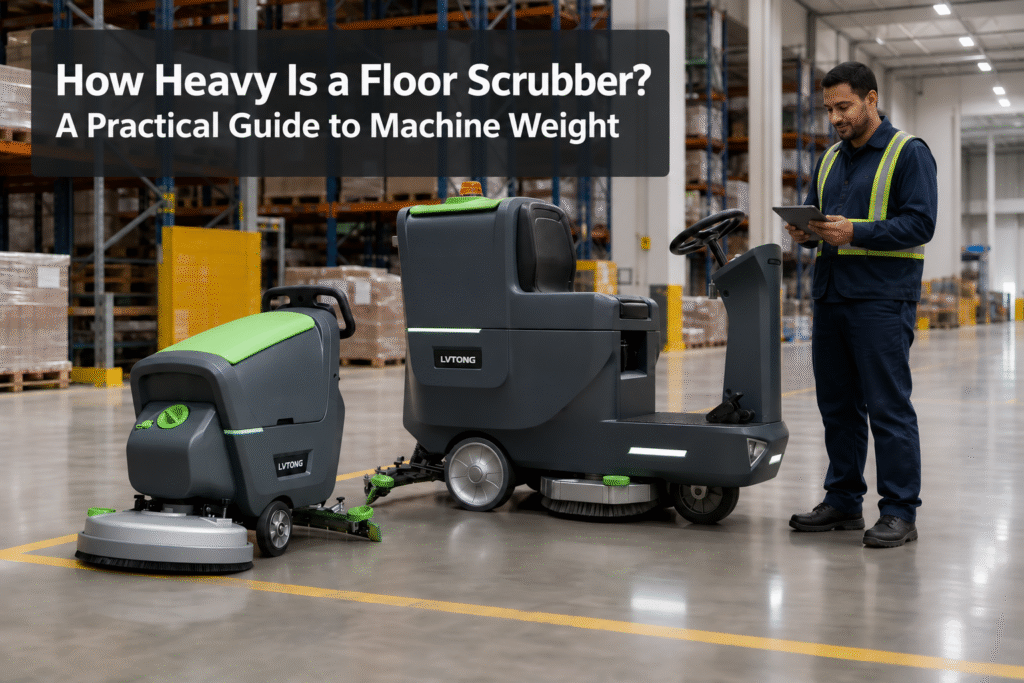
Industrial Floor Scrubber Dryer Buying Guide
Estimated Reading Time: 5 Minutes
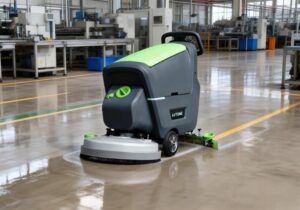
A floor scrubber dryer is an essential industrial cleaning machine that combines mechanical scrubbing, solution application, and immediate water extraction in a single pass, proven to reduce labor costs by up to 70% while delivering superior cleaning results compared to manual methods. Today’s advanced floor scrubber dryers integrate precision engineering with automated features to maximize cleaning efficiency across diverse commercial environments. This comprehensive guide provides facility managers and procurement teams with critical technical specifications, detailed comparisons, and ROI calculations needed to make an informed purchasing decision for industrial cleaning automation.
Key Performance Specifications and Technical Parameters
Modern floor scrubber dryers deliver measurable performance advantages through integrated cleaning technology. Understanding core specifications is essential for matching machine capabilities to facility requirements.
Critical Performance Metrics
| Specification | Walk-Behind Units | Ride-On Units |
|---|---|---|
| Cleaning Path | 20-28 inches | 40-48 inches |
| Solution Tank | 10-27 gallons | 50-70 gallons |
| Recovery Tank | 10-28 gallons | 50-70 gallons |
| Productivity | Up to 15,000 sq ft/hr | Up to 97,000 sq ft/hr |
| Runtime | 2.5-5.5 hours | 4-6 hours |
| Power Source | 24V/36V Battery | 36V Battery |
Key Buying Factors at a Glance
When comparing industrial floor scrubber dryers, professional buyers usually evaluate:
| Factor | Why It Matters |
|---|---|
| Cleaning width | Determines productivity and cleaning speed |
| Tank capacity | Reduces refill and downtime frequency |
| Battery runtime | Supports longer cleaning shifts |
| Brush system | Determines cleaning performance on different floors |
| Water recovery | Improves drying speed and safety |
| Maintenance access | Reduces downtime |
| TCO | Determines long-term investment value |
Quick Answer: How to Choose an Industrial Floor Scrubber Dryer
The best industrial floor scrubber dryer depends on five factors:
- Facility size
- Floor type
- Cleaning frequency
- Required productivity
- Total cost of ownership
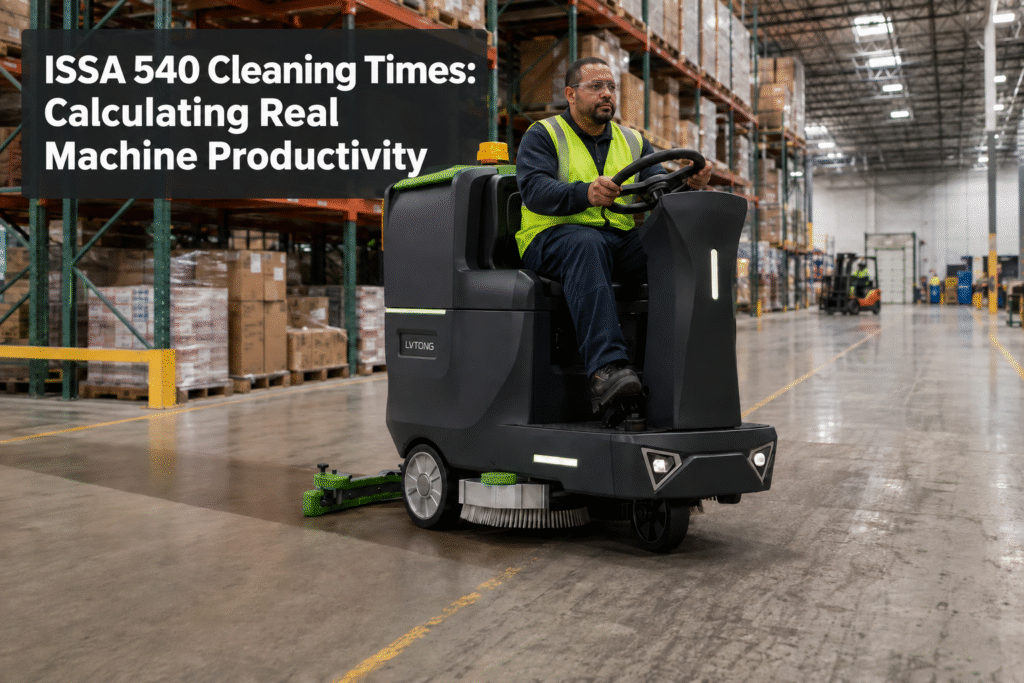
For large warehouses and factories, ride-on floor scrubber dryers usually provide higher productivity through wider cleaning paths, larger tanks, and longer runtime.
For smaller facilities or areas with narrow aisles, walk-behind floor scrubber dryers offer better maneuverability and lower initial investment.
The right machine is not always the largest model, but the one that matches your actual cleaning requirements.
How to Choose Between Walk-Behind and Ride-On Scrubber Dryers
The primary selection factor between walk-behind and ride-on models is facility size and cleaning requirements:
Walk-Behind Scrubber Dryers
- Ideal for areas under 50,000 square feet
- Superior maneuverability in congested spaces
- Cleaning paths: 20-28 inches
- Compact storage requirements
- Lower initial investment
For a detailed breakdown of compact options suitable for smaller facilities, review our guide on choosing a compact floor scrubber guide.
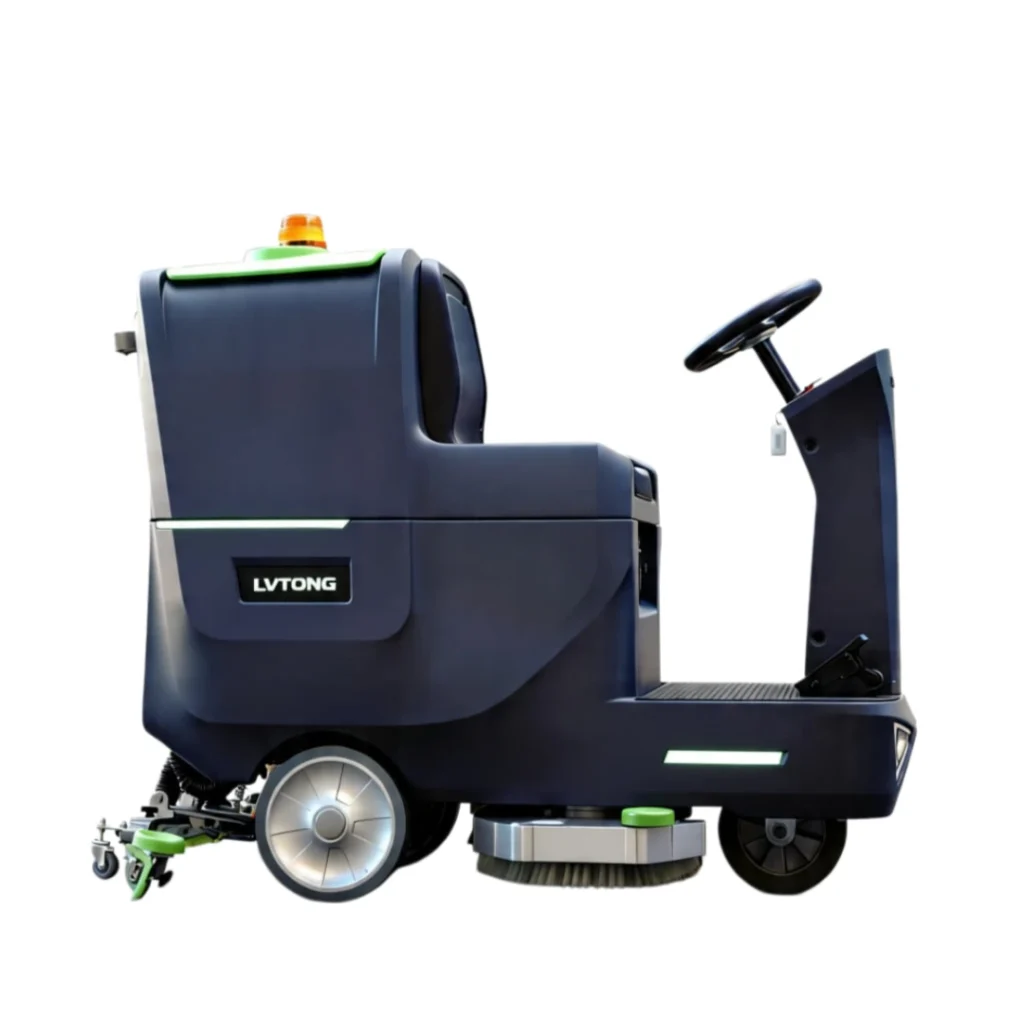
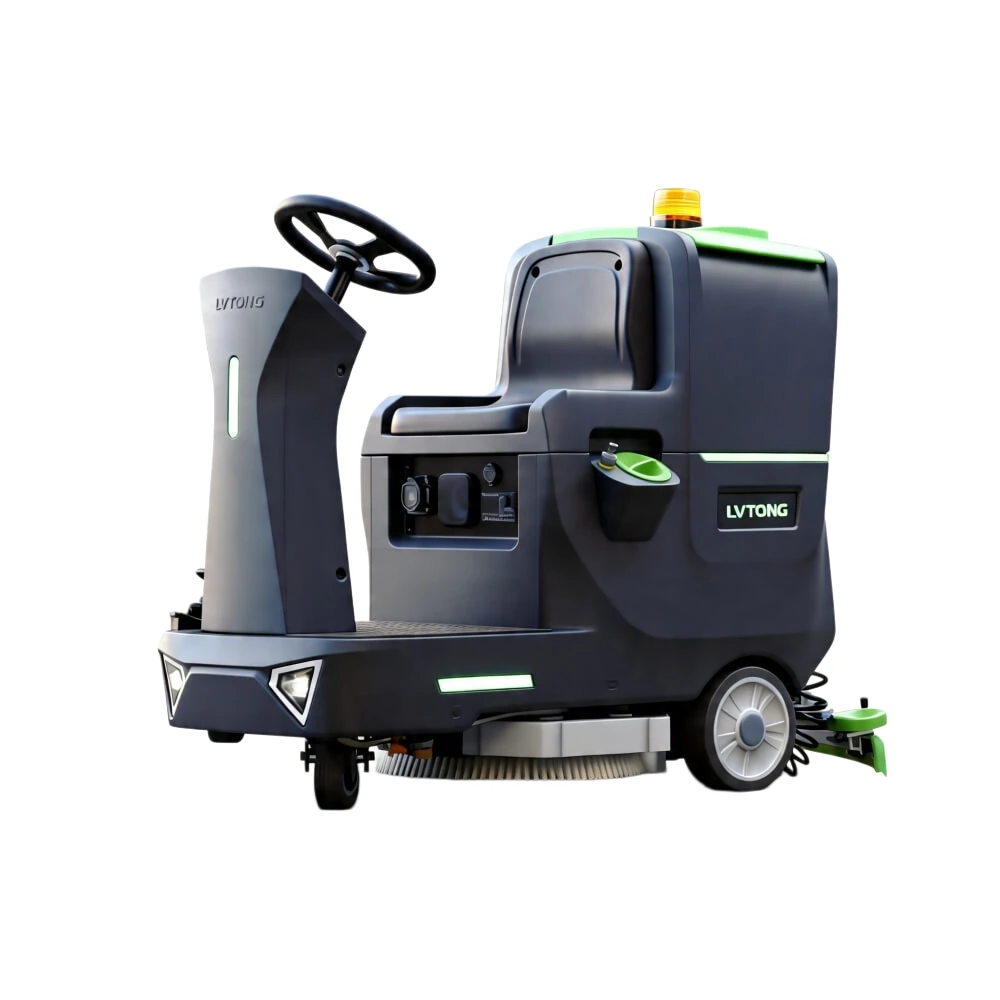
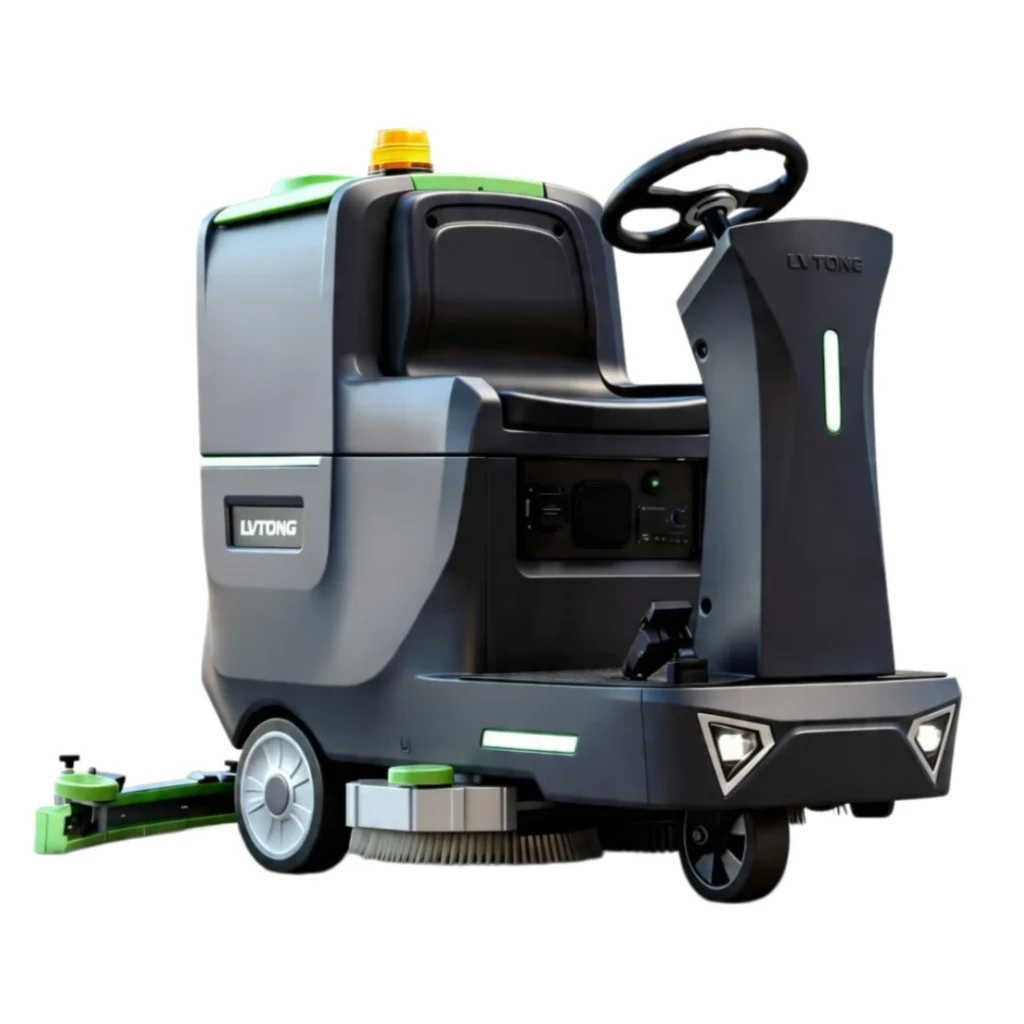
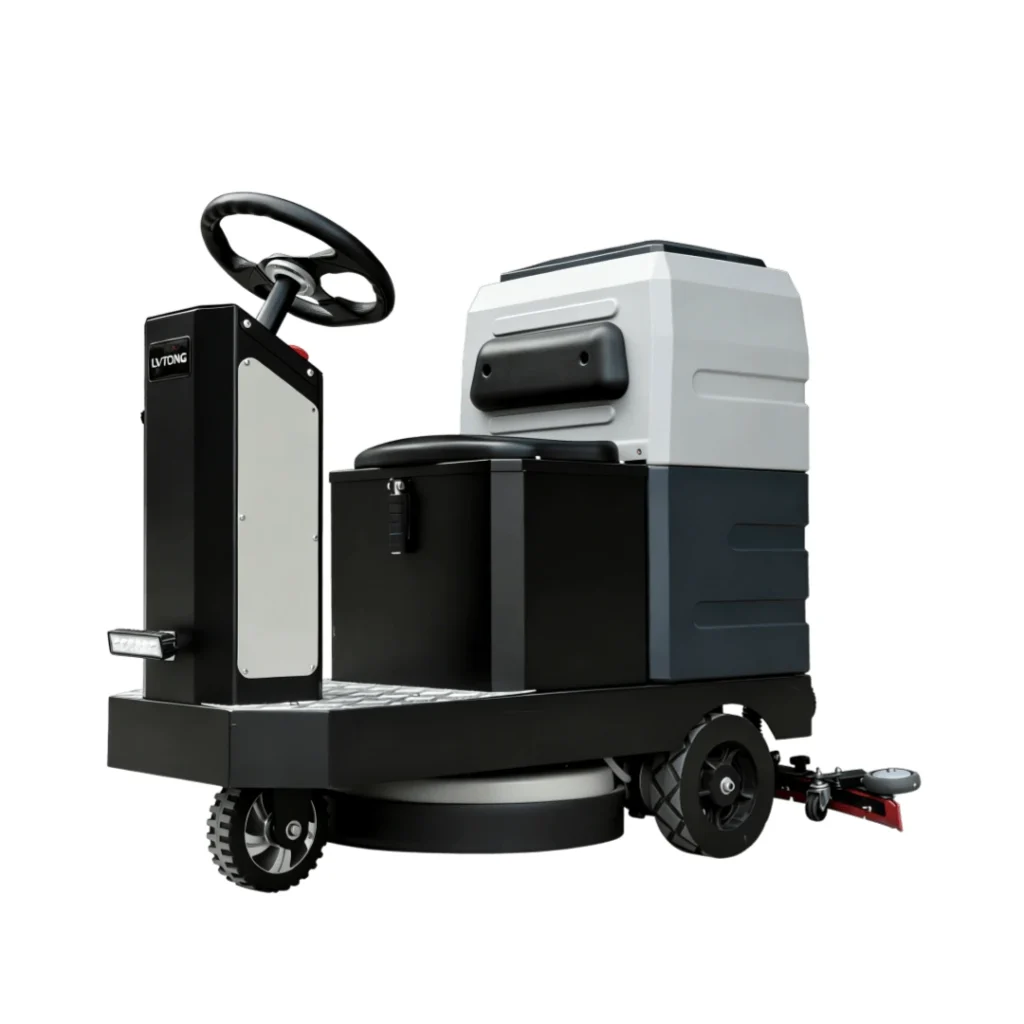
Ride-On Scrubber Dryers
- Optimal for areas over 50,000 square feet
- Maximum productivity for open spaces
- Cleaning paths: 40-48 inches
- Reduced operator fatigue
- Higher capacity tanks
If you are focusing on large scale industrial environments, understanding the specific needs addressed by a warehouse floor scrubber guide can further refine your decision. When making a fundamental choice for your operations, reviewing the advantages offered by the industrial floor scrubbers how to choose for max efficiency & savings covers the broader context of industrial needs.
Decision Framework: Which Floor Scrubber Dryer Should You Choose?
Choose a walk-behind floor scrubber dryer if:
- Cleaning area is below 50,000 square feet
- Space is limited
- There are many obstacles or narrow aisles
- Initial investment is a priority
Choose a ride-on floor scrubber dryer if:
- Cleaning area is above 50,000 square feet
- Large open floors require daily cleaning
- Labor efficiency is important
- Long operating hours are required
Choose based on productivity requirements, not only machine price.
Floor Surface Compatibility and Pressure Control
Modern floor scrubber dryers accommodate multiple surface types through adjustable pressure systems:
- Concrete: 90-100 lbs pressure
- Tile: 77-85 lbs pressure
- Vinyl: 77-80 lbs pressure
- Polished Stone: 77 lbs pressure (minimum)
Advanced brush control systems protect delicate surfaces while maintaining optimal cleaning effectiveness. Interchangeable brush types and pad holders enable customization for specific cleaning requirements.
Operational Efficiency and Cost Analysis
Labor Cost Reduction
- 70% reduction in cleaning time compared to manual methods
- Immediate floor access after cleaning
- Single-operator efficiency
- Reduced water consumption
Energy Efficiency
- 24V/36V battery systems optimize power consumption
- Extended runtime between charges
- Reduced electrical infrastructure requirements
- Smart charging systems for battery longevity
How to Calculate Floor Scrubber Dryer ROI
A floor scrubber dryer ROI evaluation should include:
- Labor cost savings
- Reduced cleaning time
- Lower water consumption
- Reduced chemical usage
- Lower maintenance costs
- Reduced downtime
A simple ROI calculation:
Annual Savings = Labor Savings + Consumable Savings + Downtime Reduction – Operating Costs
Professional buyers should evaluate the total financial impact over several years instead of comparing only purchase prices.
Technical Certifications and Compliance
Industrial floor scrubber dryers must meet specific standards:
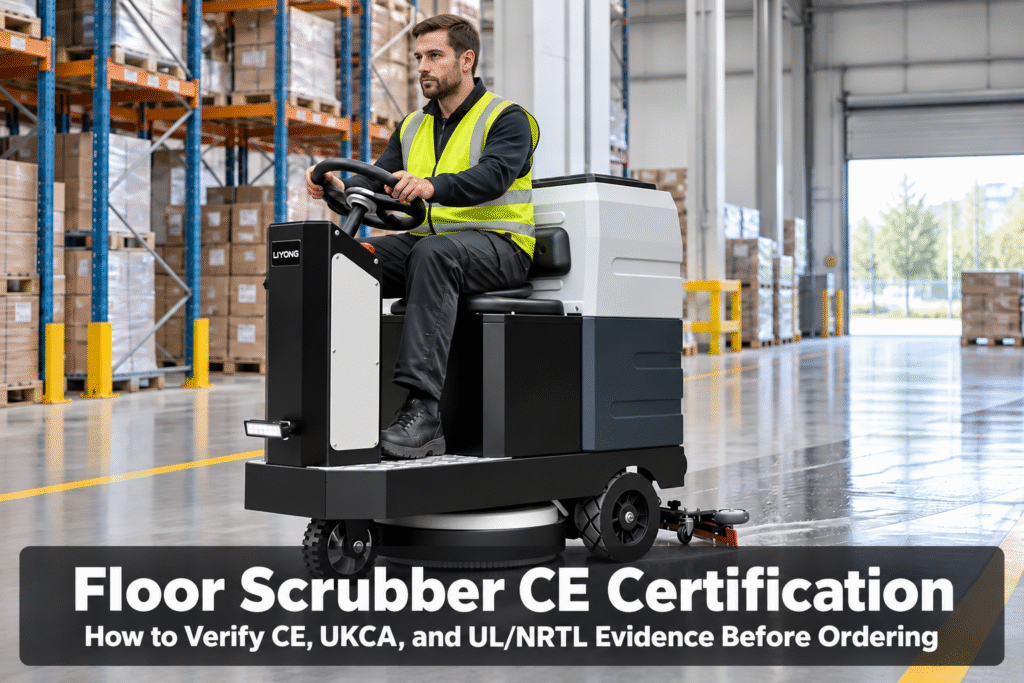
- CE Marking for machinery safety
- IP23 water protection rating minimum
- RoHS compliance for environmental standards
- OSHA operational safety requirements
The design and safety requirements for electrical components in commercial machinery are often guided by bodies like Underwriters Laboratories (UL), ensuring fundamental safety standards are met across markets. Safety standards, including those related to electrical systems powering these machines, are crucial operational considerations. Furthermore, adherence to the Restriction of Hazardous Substances Directive ($\text{RoHS}$) often determines component sourcing and longevity, requirements frequently addressed by international standards organizations. ISO standards govern various aspects of quality and environmental management systems relevant to the manufacturing and deployment of industrial equipment.
Maintenance Requirements and Service Considerations
Regular maintenance ensures optimal performance:
- Daily: Tank cleaning and squeegee inspection
- Weekly: Battery maintenance and brush inspection
- Monthly: Solution system check and filter cleaning
- Quarterly: Drive system inspection
Selection Criteria Checklist
Before requesting quotes, prepare facility specifications:
- Total cleanable square footage
- Primary floor surface types
- Aisle widths and obstacles
- Power availability
- Storage space dimensions
- Operating schedule requirements
- Budget parameters
Professional Consultation and Next Steps
For detailed specifications and customized solutions, LVTONG’s engineering team provides comprehensive technical consultations. Browse our complete range of industrial scrubbers or contact our technical specialists to discuss your specific facility requirements.
FAQ
What is an industrial floor scrubber dryer?
An industrial floor scrubber dryer is a cleaning machine that combines floor scrubbing, cleaning solution application, and water recovery in one operation. It helps factories, warehouses, and commercial facilities clean large areas faster than manual methods.
Should I choose a ride-on or walk-behind floor scrubber dryer?
Ride-on models are usually better for large warehouses and industrial facilities because they provide higher productivity and reduce operator fatigue. Walk-behind models are better for smaller areas or locations with limited space.
How long does a floor scrubber dryer last?
A properly maintained industrial floor scrubber dryer can provide many years of service. Lifespan depends on usage frequency, maintenance quality, operating environment, and component durability.
What specifications should I compare before buying?
The most important specifications include cleaning width, tank capacity, battery runtime, brush system, water recovery performance, maintenance requirements, and total cost of ownership.
Are floor scrubber dryers worth the investment?
For large commercial facilities, floor scrubber dryers can reduce labor requirements, improve cleaning consistency, and lower long-term operating costs.
Conclusion
Selecting the appropriate floor scrubber dryer requires careful evaluation of facility requirements, surface types, and operational parameters. Focus on matching machine specifications to cleaning demands while considering long-term maintenance and efficiency factors. Proper selection ensures optimal cleaning performance and return on investment.