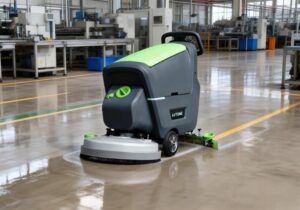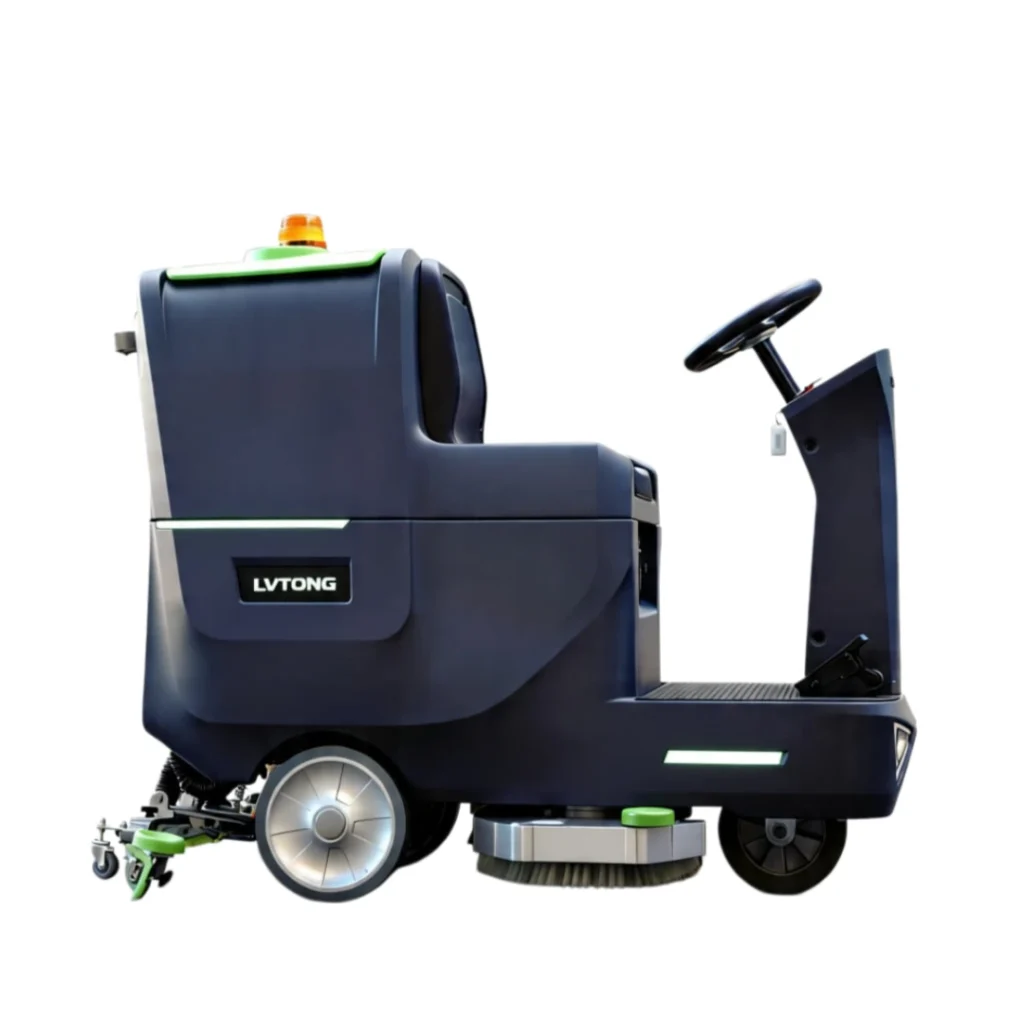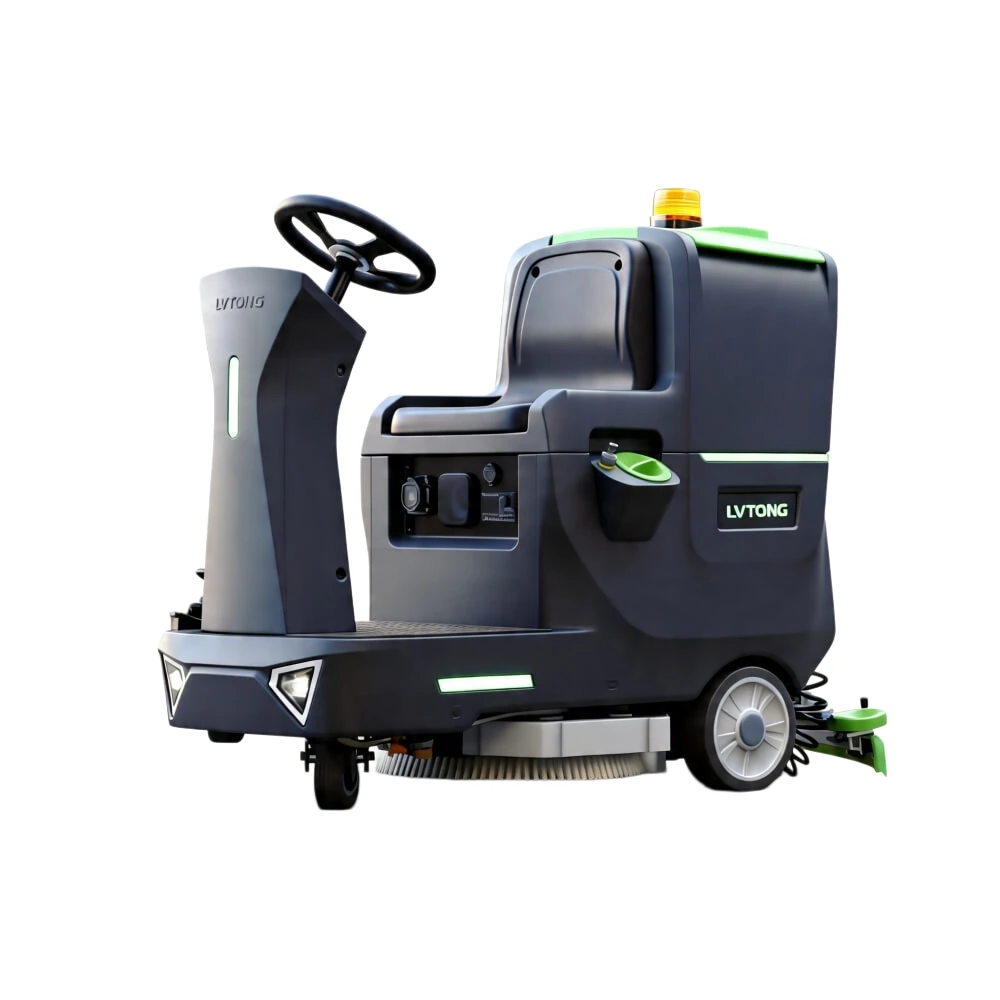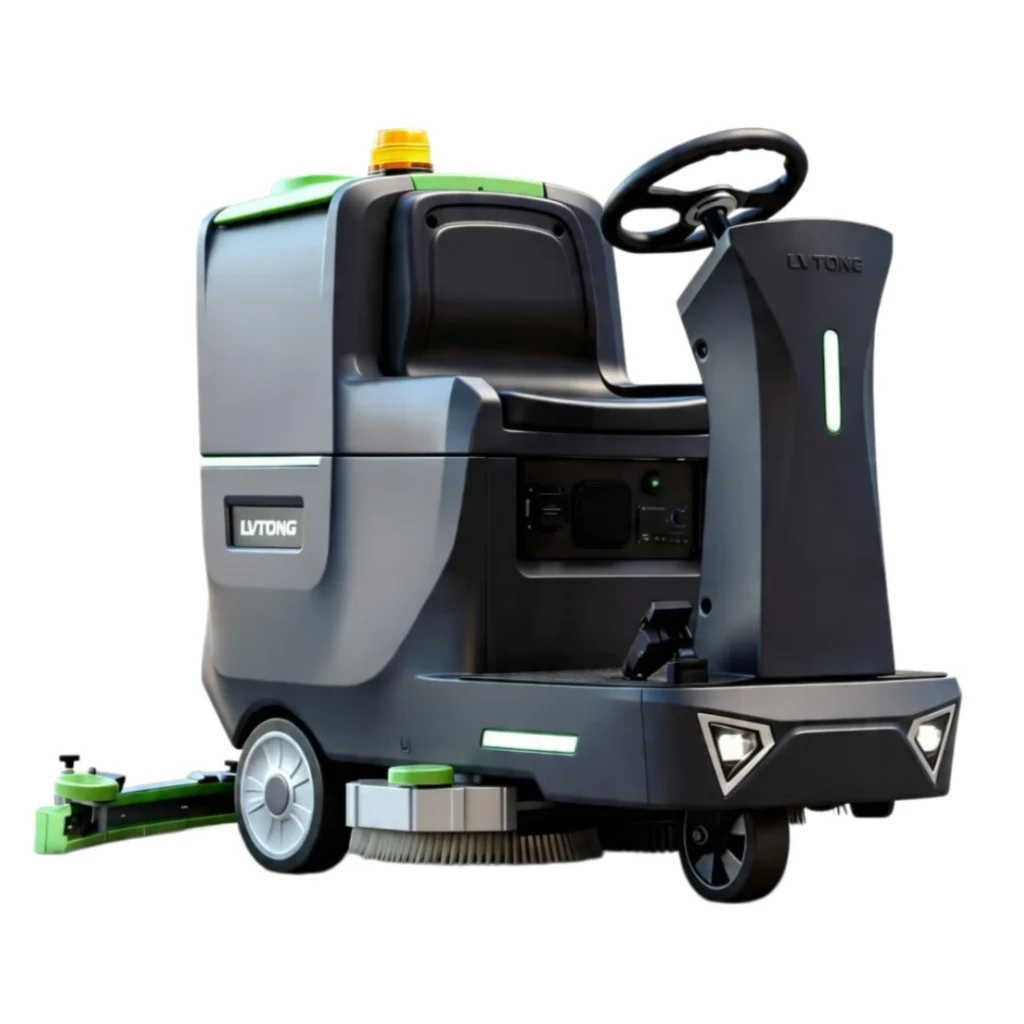
Choosing the right automatic floor scrubber is not simply a matter of buying the largest or most powerful machine available. The best choice depends on your cleanable floor area, facility layout, floor surface, soil level, available cleaning time, required productivity, and long-term operating cost.
For warehouses, manufacturing plants, logistics centers, retail facilities, and other commercial environments, the right auto scrubber can reduce repetitive manual cleaning, improve cleaning consistency, and help operators cover larger areas in less time.
This guide explains the key specifications and practical selection criteria you should evaluate before choosing an automatic floor scrubber.
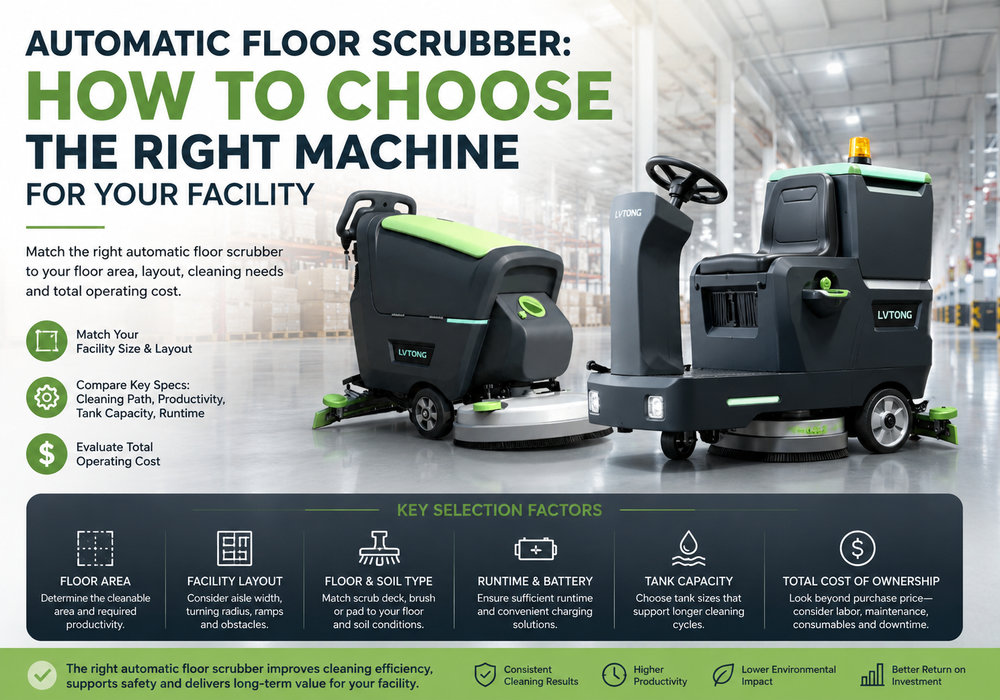
Quick Answer: How Do You Choose an Automatic Floor Scrubber?
To choose the right automatic floor scrubber, start with five questions:
| Question | Why It Matters |
|---|---|
| How many square feet must be cleaned? | Determines the productivity you need |
| How wide are aisles and doorways? | Determines machine size and maneuverability |
| What type of floor and soil are you cleaning? | Influences scrub deck, brush, and pressure requirements |
| How much time is available for each cleaning cycle? | Determines required practical productivity and runtime |
| What is the total operating cost? | Helps compare labor, maintenance, batteries, consumables, water, and downtime |
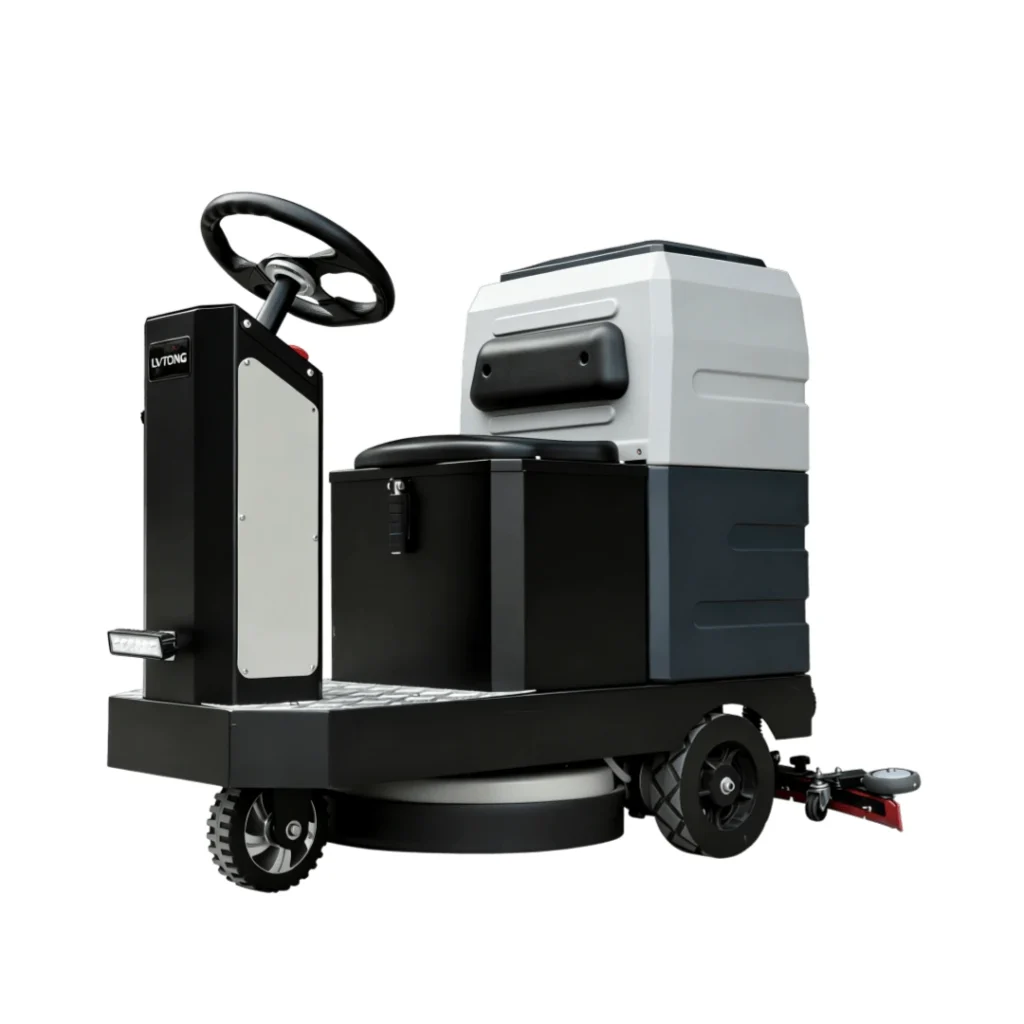
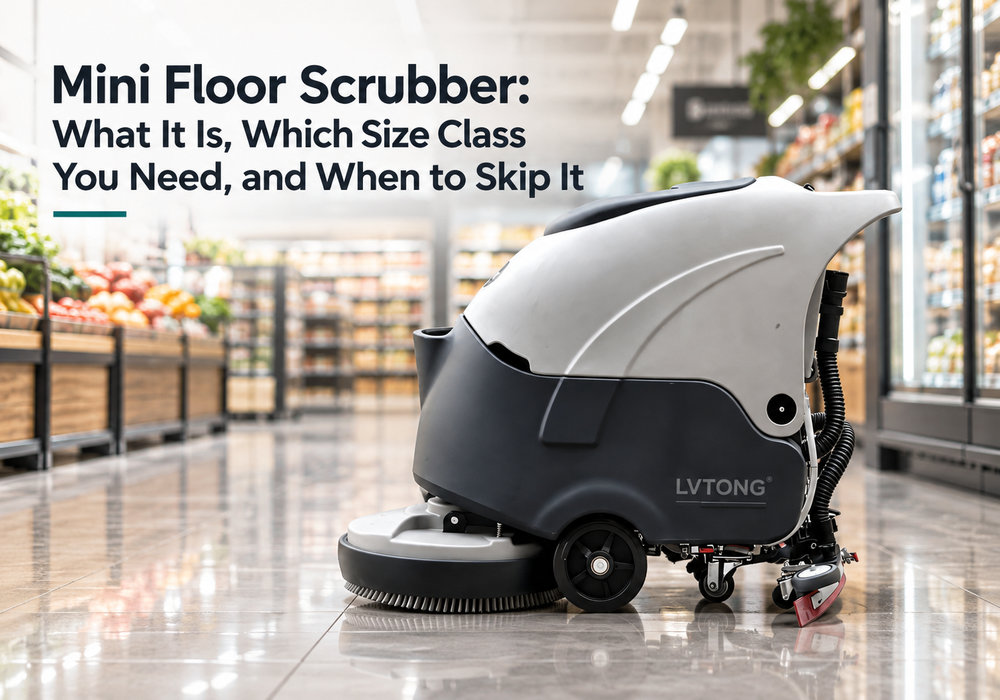
For smaller or obstacle-heavy areas, a compact walk-behind automatic floor scrubber generally offers better maneuverability. For large, open facilities, a ride-on machine can provide greater cleaning productivity and reduce operator walking time.
The objective is not to choose the biggest machine. It is to choose the machine that can complete your required cleaning route efficiently without creating unnecessary cost, turning, storage, or access problems.
What Is an Automatic Floor Scrubber?
An automatic floor scrubber, often called an auto scrubber, is a floor-cleaning machine designed to perform several cleaning functions during one pass.
A typical machine applies cleaning solution to the floor, agitates the surface with brushes or pads, and then uses a squeegee and vacuum recovery system to collect the dirty solution.
This makes automatic floor scrubbers particularly suitable for routine maintenance of hard floors in environments such as:
Warehouses, factories, distribution centers, shopping facilities, parking structures, schools, hospitals, airports, and other large commercial or industrial buildings.
Automatic floor scrubbers are available in several configurations, with walk-behind and ride-on machines being the most common options for commercial and industrial applications.
Automatic floor scrubbers are available in several configurations. To understand how compact, walk-behind, ride-on, and robotic machines differ, see our guide to types of floor scrubbers.
Automatic Floor Scrubber vs. Autonomous Floor Scrubber
These terms are sometimes confused, but they do not necessarily describe the same type of machine.
| Machine Type | Typical Operation | Operator Requirement |
|---|---|---|
| Automatic floor scrubber | Automatically dispenses solution, scrubs, and recovers dirty water while cleaning | Usually requires an operator to walk behind or drive the machine |
| Autonomous floor scrubber | Performs floor cleaning and also navigates a programmed or mapped route | Can perform designated cleaning routes with limited operator intervention |
In other words, automatic describes the cleaning process, while autonomous describes the machine’s ability to navigate and perform tasks independently.
If your objective is to improve conventional manual floor-cleaning productivity, an automatic walk-behind or ride-on scrubber may be sufficient. If labor availability, repeatable routes, and unattended cleaning are major priorities, an autonomous floor scrubber may require separate evaluation.

1. Start With Your Cleanable Floor Area
Facility size is one of the first factors to evaluate, but total building size alone can be misleading.
A 100,000-square-foot warehouse may contain storage racks, offices, loading equipment, production areas, and other spaces that do not need to be scrubbed. What matters is the actual cleanable floor area.
Measure the area that the machine must regularly cover.
Then determine how much time is available for the cleaning task.
A useful starting calculation is:
Required practical productivity = Cleanable floor area ÷ Available cleaning time
For example, if 50,000 square feet must be cleaned within two hours, the cleaning operation needs to achieve approximately 25,000 square feet per hour in actual working conditions.
This number can then be compared with the practical productivity of different machines.
Do Not Rely Only on Theoretical Productivity
Published productivity figures are useful for comparing machines, but actual output is affected by:
Operator speed, turning, obstacles, overlapping passes, filling and emptying tanks, battery condition, soil level, and time spent moving between cleaning zones.
For this reason, procurement decisions should be based on realistic cleaning conditions rather than maximum theoretical coverage alone.
2. Evaluate the Layout, Not Just the Square Footage
Two facilities with the same floor area may require completely different automatic floor scrubbers.
A wide, open distribution center allows a machine to travel in long, uninterrupted cleaning passes. A manufacturing facility of the same size may contain production equipment, columns, workstations, narrow passages, and frequent turning points.
Before selecting a machine, measure:
| Facility Factor | Selection Impact |
|---|---|
| Narrowest regularly cleaned aisle | Limits machine width |
| Door and elevator width | Determines whether the machine can move between zones |
| Turning space | Affects maneuverability |
| Ramps or slopes | May affect machine suitability and traction requirements |
| Fixed obstacles | Reduces effective cleaning speed |
| Congested areas | May favor a smaller machine even in a large building |
A wider cleaning path can increase productivity in open areas, but it becomes a disadvantage if the machine cannot turn comfortably or enter important cleaning zones.
3. Choose the Right Cleaning Path
The cleaning path is the width of floor cleaned during each pass.
A wider path generally reduces the number of passes required to clean a large open area. However, cleaning width should always be balanced against maneuverability.
For large warehouses with wide, predictable traffic lanes, a wider ride-on automatic floor scrubber may make sense.
For retail facilities, workshops, hospitals, or manufacturing environments with frequent obstacles, a narrower machine may complete the actual cleaning route more efficiently because it spends less time repositioning.
When comparing cleaning widths, ask a practical question:
What is the widest machine that can comfortably clean all required areas without creating access or turning problems?
That is usually more useful than simply choosing the largest available scrub deck.

4. Match the Scrub Deck to the Floor and Soil
The type of dirt being removed is just as important as the size of the facility. Chemical selection also affects cleaning performance. For detergent compatibility, foam control, pH, and dilution guidance, see our floor scrubber cleaning solution guide.
Smooth Floors and Routine Cleaning
Disc scrub decks are commonly used for routine cleaning on relatively smooth hard floors. Different pads or brushes can be selected according to the floor finish and level of soil.
Typical applications include polished concrete, epoxy-coated floors, vinyl surfaces, and other relatively even hard floors.
Textured Floors and Loose Debris
Cylindrical scrub decks use rotating roller brushes and can be useful when the floor contains texture, grooves, or loose debris.
They are often considered for demanding industrial environments where floors may contain dust, small particles, packaging debris, or more aggressive soil.
However, deck selection should always consider the actual flooring material and the brush or pad recommended for that surface. Excessive abrasion can damage some floor finishes.
5. Compare Practical Productivity
Productivity is one of the most important automatic floor scrubber specifications because labor often represents a major part of a facility’s recurring cleaning cost.
However, higher rated productivity is valuable only when the facility allows the machine to achieve it.
When comparing machines, evaluate productivity together with:
| Productivity Factor | What to Check |
|---|---|
| Cleaning path | How much floor is covered per pass |
| Working speed | Whether the speed is realistic for your facility |
| Turning frequency | How often the operator must slow down or reposition |
| Tank stops | How often solution must be refilled or recovered water emptied |
| Battery runtime | Whether the machine can complete the planned route |
| Operator ergonomics | Whether the machine can be used efficiently during long shifts |
For large, repetitive cleaning routes, reducing non-cleaning time can sometimes be just as important as increasing scrub width.
6. Select the Right Tank Capacity
Solution and recovery tank capacity affect how long an automatic floor scrubber can operate before the operator must stop.
Larger tanks can reduce refill and dump frequency, which can improve productivity in large facilities. However, larger tanks also increase machine size and weight.
Tank capacity should not be calculated from floor area alone.
To estimate what you need, consider:
Cleaning time + machine solution flow + soil conditions + access to refill and dump locations.
A machine operating close to a water and drain station may not require the same tank capacity as a machine cleaning a remote section of a very large warehouse.
When comparing models, ask whether the machine can realistically complete the planned cleaning route without unnecessary refill interruptions.

7. Check Battery Runtime and Charging Requirements
Many indoor automatic floor scrubbers are battery-powered because they provide convenient cordless operation without exhaust emissions at the point of use.
The most important question is not simply:
How many hours does the battery last?
The better question is:
Can the machine complete the required cleaning route, including realistic operating interruptions, before charging is required?
Consider the following together: expected runtime, charging time, battery type, charging location, shift schedule, battery maintenance requirements, and replacement cost.
Facilities operating multiple cleaning shifts may need a different battery and charging strategy from facilities that clean once per day.
Battery replacement should also be included when calculating long-term ownership cost. Routine battery, tank, brush, filter, and squeegee inspections should also form part of a preventive floor scrubber maintenance checklist.
8. Walk-Behind or Ride-On Automatic Floor Scrubber?
The choice between walk-behind and ride-on configurations should be based on the actual cleaning route rather than one universal square-foot threshold.
| Walk-Behind Automatic Floor Scrubber | Ride-On Automatic Floor Scrubber |
|---|---|
| Better suited to tighter layouts | Better suited to large open areas |
| Easier to maneuver around frequent obstacles | Reduces operator walking |
| Smaller storage footprint | Usually offers greater productivity potential |
| Often suitable for shorter cleaning routes | Often better for long, repetitive routes |
| Lower machine complexity in many applications | Larger tanks and cleaning paths may reduce interruptions |
If these two configurations are still difficult to compare, our detailed walk-behind vs. ride-on scrubber guide examines their differences in maneuverability, productivity, labor requirements, and operating cost.
A large facility does not automatically require a ride-on machine.
If most of the cleanable floor contains narrow aisles and obstacles, a highly maneuverable walk-behind unit may still be the more productive choice.
Likewise, using a small walk-behind machine across a very large, open warehouse may increase labor hours unnecessarily.
The correct choice comes from balancing area, layout, available cleaning time, and operator workload.
9. Consider Floor Dryness and Water Recovery
Cleaning productivity is not only about how quickly the brushes move across the floor.
The recovery system also matters.
An effective squeegee and vacuum system should collect the dirty solution efficiently so the cleaned area can return to normal use quickly.
This is particularly important in:
Retail spaces, hospitals, schools, logistics facilities, entrances, corridors, and other areas where people or vehicles may need to use the floor soon after cleaning.
When evaluating an automatic floor scrubber, check the squeegee design, vacuum performance, recovery tank design, and how easy the system is to inspect and maintain.

10. Consider Noise and Daytime Cleaning Requirements
Some facilities must clean while employees, customers, patients, or visitors are present.
In these environments, machine noise can influence when and where cleaning can take place.
Hospitals, schools, hotels, supermarkets, offices, and retail facilities may benefit from equipment designed for lower-noise operation or adjustable cleaning modes.
Instead of relying on general claims such as “quiet operation,” compare the manufacturer’s published sound level and evaluate it against your facility’s operating requirements.
11. Calculate Total Cost of Ownership, Not Just Purchase Price
The lowest-priced automatic floor scrubber is not automatically the lowest-cost machine to operate.
A more useful comparison considers total cost of ownership (TCO).
TCO should include:
| Cost Category | Examples |
|---|---|
| Initial investment | Machine and required accessories |
| Labor | Operator hours required per cleaning cycle |
| Energy | Battery charging or other energy requirements |
| Consumables | Brushes, pads, squeegee blades, detergent |
| Maintenance | Planned service and replacement parts |
| Battery cost | Maintenance and eventual replacement |
| Water and chemical use | Consumption during regular operation |
| Downtime | Lost productivity when the machine is unavailable |
For a deeper cost comparison, see our floor scrubber machine price guide, which explains purchase cost, recurring expenses, TCO, and ROI factors.
For facilities cleaning thousands of square feet every day, relatively small differences in operator time or downtime can become significant over the working life of the machine.
This is why productivity, serviceability, parts availability, and maintenance access should be considered alongside the purchase price.
12. Match the Automatic Floor Scrubber to the Application
Warehouses and Distribution Centers
Large warehouses usually prioritize cleaning productivity, long operating routes, maneuverability between storage areas, and minimal refill interruptions.
For wide and open floor plans, a ride-on automatic floor scrubber with an appropriately wide cleaning path can reduce the number of passes required.
Facilities with narrow racking aisles should prioritize turning radius and machine width before choosing a larger machine.
Manufacturing Facilities
Manufacturing floors may contain heavier soil, tire marks, dust, small debris, oils, or contaminants associated with the production process.
Machine selection should consider not only productivity but also floor material, soil type, brush or pad compatibility, scrub pressure, and recovery performance.
Where loose debris is common, evaluate whether pre-sweeping is required or whether a machine configuration designed to handle both debris and scrubbing is more appropriate.
Retail and Public Facilities
Public environments usually contain more pedestrians, fixtures, corners, and frequent obstacles.
Maneuverability, water recovery, operator visibility, and noise become especially important.
A smaller machine that navigates easily around displays and public traffic can sometimes outperform a larger machine with a higher theoretical productivity rating.
Logistics and High-Traffic Facilities
Logistics centers require machines that can operate around forklifts, pallets, loading areas, and changing traffic patterns.
In these environments, durability, predictable stopping performance, operator visibility, and access to replacement wear parts can be as important as cleaning speed.

13. Automatic Floor Scrubber Selection Checklist
Before purchasing or specifying a machine, collect the following information.
| Selection Item | Information to Record |
|---|---|
| Cleanable floor area | _____ sq ft / m² |
| Available cleaning time | _____ hours |
| Required practical productivity | _____ sq ft/hr or m²/hr |
| Narrowest aisle or doorway | _____ |
| Main floor material | _____ |
| Typical soil | light / medium / heavy |
| Loose debris present | yes / no |
| Preferred cleaning path | _____ |
| Required runtime | _____ |
| Water refill access | near / remote |
| Drain access | near / remote |
| Cleaning shifts per day | _____ |
| Noise-sensitive environment | yes / no |
| Maintenance support required | _____ |
| Target operating budget | _____ |
This information gives a supplier or facility manager a much stronger basis for comparing machines than floor area alone.
Frequently Asked Questions
What is an automatic floor scrubber?
An automatic floor scrubber is a powered floor-cleaning machine that typically applies cleaning solution, scrubs the floor with brushes or pads, and recovers the dirty solution with a squeegee and vacuum system during the cleaning process.
Is an automatic floor scrubber the same as a robotic floor scrubber?
Not necessarily. A conventional automatic floor scrubber still normally requires an operator to walk behind or drive it. An autonomous or robotic floor scrubber can also navigate and perform designated cleaning routes with limited operator intervention.
How do I know what size automatic floor scrubber I need?
Start with your cleanable floor area, available cleaning time, narrowest aisles and doorways, floor type, soil level, and required runtime. Calculate the practical productivity needed to finish the cleaning route, then select a machine that can achieve that output while still maneuvering comfortably throughout the facility.
Is a wider cleaning path always better?
No. A wider cleaning path can improve productivity in large open areas, but it can reduce maneuverability in narrow or obstacle-heavy spaces. The best cleaning width is the widest size that can comfortably complete the required route.
How much area can an automatic floor scrubber clean per hour?
It depends on the machine’s cleaning width, operating speed, layout, turning requirements, tank stops, operator technique, and floor conditions. Manufacturer productivity ratings are useful for comparison, but actual facility productivity is normally lower than ideal theoretical output.
How should I choose the tank capacity?
Tank capacity should be matched to the planned cleaning route, solution flow, soil conditions, and availability of refill and drain points. Floor area alone is not enough to calculate the correct tank size.
Which is better for a large facility: walk-behind or ride-on?
For large, open spaces with long cleaning routes, ride-on machines generally provide greater productivity potential and reduce operator walking. For facilities with narrow aisles, frequent obstacles, or multiple small cleaning zones, a walk-behind machine may offer better maneuverability.
What matters most when comparing automatic floor scrubber specifications?
The most important specifications depend on the application, but commonly include cleaning path, practical productivity, tank capacity, battery runtime, maneuverability, scrub deck configuration, water recovery, machine dimensions, and service requirements.
Should I choose the machine with the highest productivity rating?
Not automatically. The highest theoretical productivity has little value if the machine is too large for your aisles, requires frequent repositioning, or cannot complete your actual cleaning route efficiently. Practical productivity is more important than the maximum published figure.
How can I reduce the long-term cost of an automatic floor scrubber?
Compare total ownership cost rather than purchase price alone. Consider labor time, battery replacement, maintenance, consumables, parts availability, water and chemical consumption, and potential downtime over the expected service life of the machine.
Final Recommendation
Choosing the right automatic floor scrubber requires more than comparing machine sizes or purchase prices.
Start with the cleaning task itself:
How much floor must be cleaned, how quickly must it be completed, what obstacles must the machine navigate, what type of soil must it remove, and what will the machine cost to operate over time?
For large open facilities, cleaning path, practical productivity, tank capacity, and runtime often become the dominant factors. For obstacle-heavy facilities, maneuverability and access may matter more than maximum machine size.
The best automatic floor scrubber is therefore not necessarily the largest or fastest model. It is the machine that can complete your real cleaning route consistently, safely, and economically.
LVTONG provides floor-cleaning equipment for warehouses, manufacturing facilities, logistics centers, and other commercial and industrial environments. When evaluating a machine, provide your cleanable floor area, aisle width, floor type, typical soil conditions, and available cleaning time. These details make it possible to match equipment specifications more accurately to the actual application.