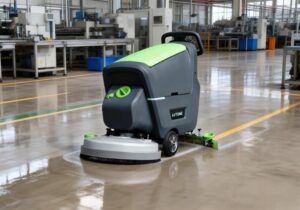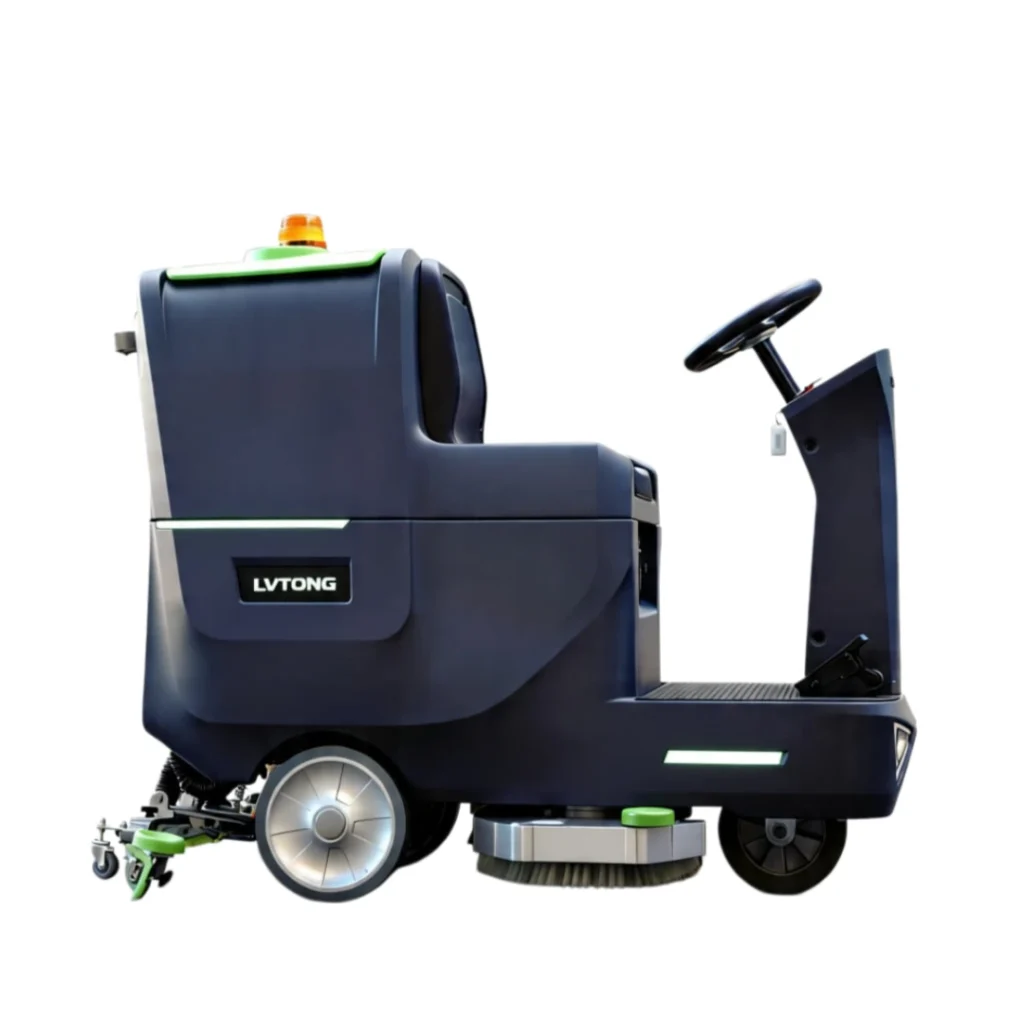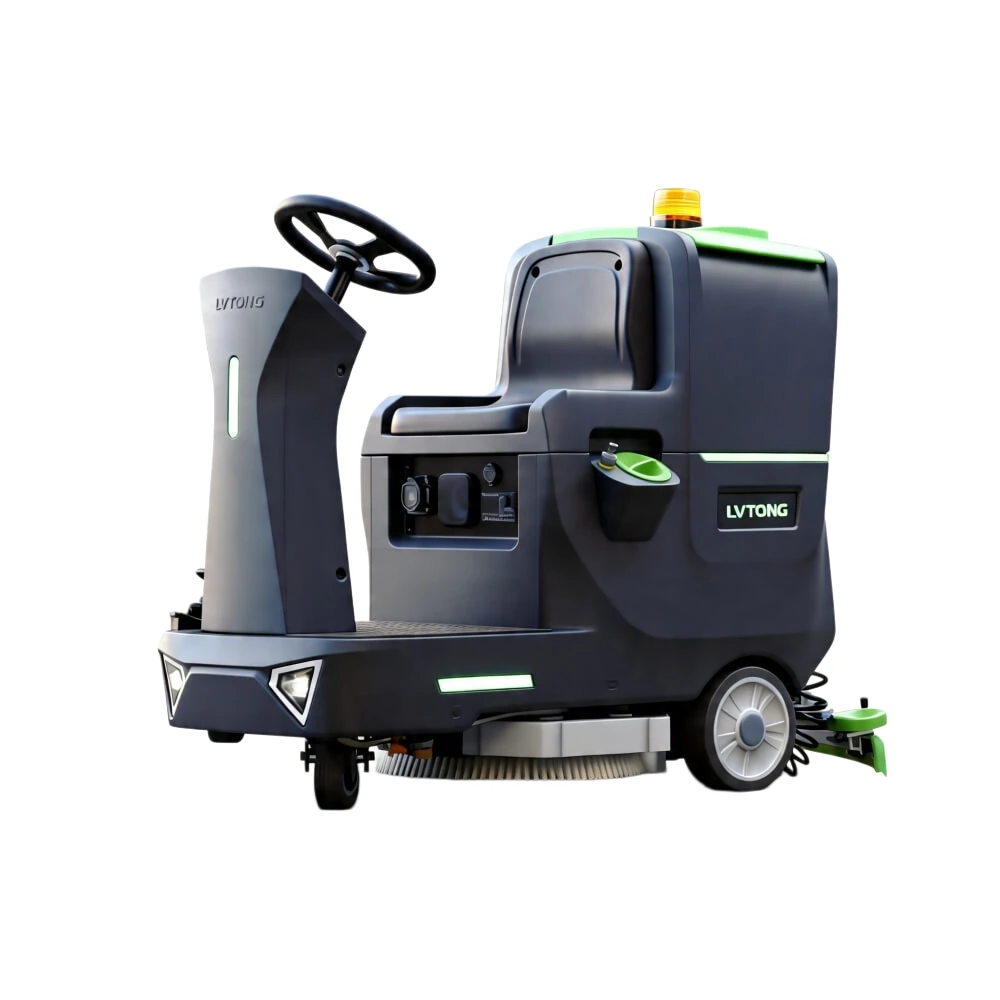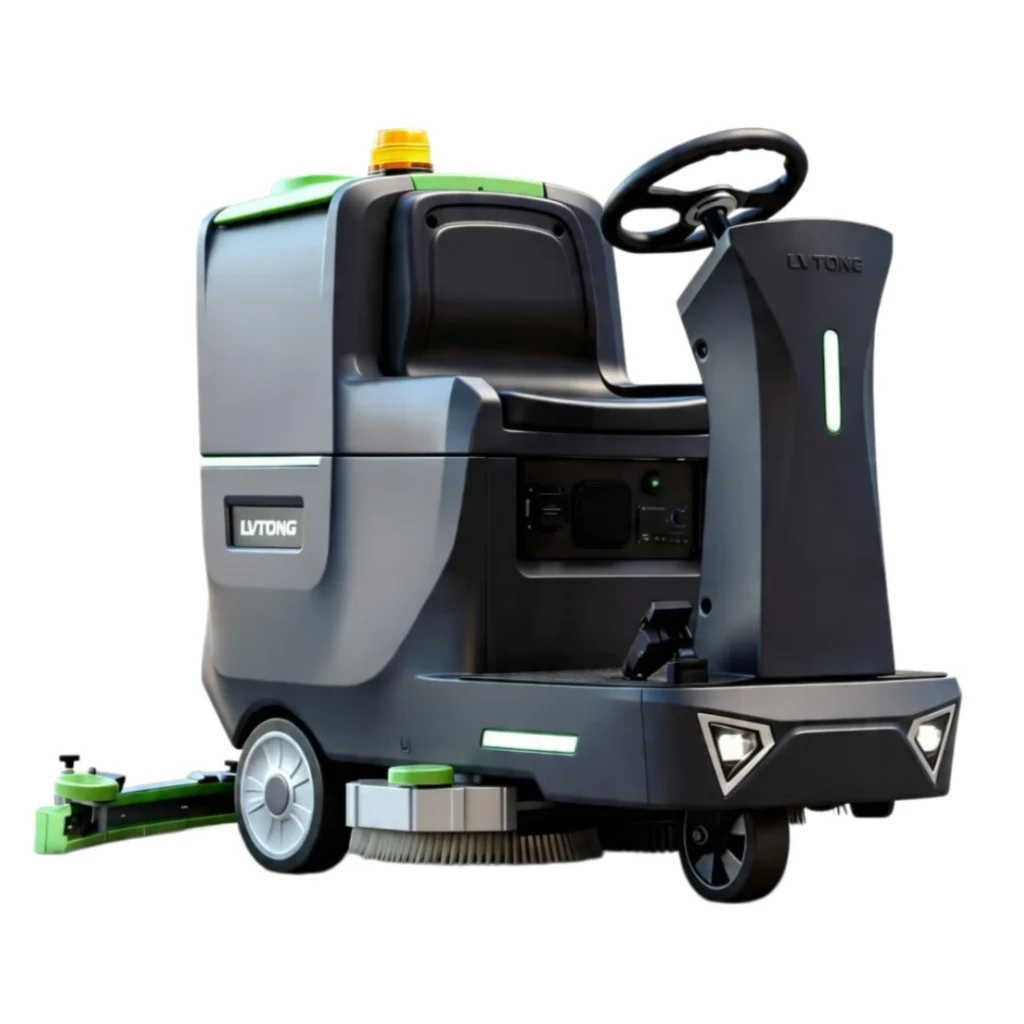

To clean concrete floors indoors, remove loose dust, sand, and debris first, then pick the cleaning method that fits the floor finish, the type of soil on it, the size of the area, and how fast it has to dry. Light dust on sealed or polished concrete often needs no more than a dry pass and a light damp clean. Oil, forklift tire marks, ground-in dirt, and big warehouse or factory floors take the full industrial concrete floor cleaning process: treat the stains first, scrub with a machine, pick the dirty water back up, and walk the floor once more before traffic returns. At LVTONG, commercial indoor concrete floor cleaning starts with the floor itself and the route the machine will drive. Before we suggest a model, we ask for three things: photos of the floor and the drains, the width of the tightest aisle, and what the cleaners scrape off most often. Those three answers tell us which brush to fit, how big the tank should be, and whether a walk-behind machine can cover the route.
Match the Cleaning Method to the Indoor Floor Condition
Indoor concrete floors can share the same base material and still require different cleaning methods. Sealed office floors, unsealed warehouse slabs, polished retail surfaces, and epoxy-coated factory aisles respond differently to water, pads, brushes, detergents, and water recovery.
The initial assessment covers the floor finish, contamination, total area, and required reopening time. Take two plants with 5,000 m² each. On a rough unsealed slab, water soaks in fast, so we turn the flow down, clean one small section at a time, and pick the dirty water up right away. Leave it a minute and it dries into a stain. On an epoxy floor the water sits on top, so the squeegee and the vacuum do most of the work, and the pad stays soft to keep the gloss. The rough floor also runs slower and usually needs a second pass. Same square meters, different water setting, different pad, different pace.
| Floor condition | How to judge it on site | Cleaning method to start with | Brush, pad, or water setting | Main risk to control |
|---|---|---|---|---|
| Sealed or polished concrete with light dust | Dust sits on the surface, water does not soak in quickly, and marks are mostly footprints or haze | Dry removal, then light damp cleaning | Soft pad or gentle brush, low water flow | Scratches, streaks, or dull patches |
| Unsealed or rough concrete | Water darkens the slab quickly, dust returns after drying, and dirt sits in low spots | Clean smaller sections and recover water fast | Suitable brush, controlled water flow, strong suction | Dirty water soaking in and leaving residue |
| Oil, grease, or forklift tire marks | Marks smear under a mop, feel slick, or return after routine cleaning | Pre-treat, allow dwell time, then scrub mechanically | Compatible degreaser, slower passes, stronger agitation | Spreading oily residue along the route |
| Large warehouse, factory, or logistics floor | Wide floor area, long aisles, dry debris, and limited cleaning windows | Sweep first, then scrub by machine | Sweeper before scrubber, walk-behind or ride-on scrubber by route size | Lost cleaning time, muddy residue, standing water |
| Epoxy-coated, painted, or decorative concrete | Water stays on top, gloss is visible, and scratches or dull patches show easily | Test a small area and use gentle cleaning contact | Soft pad, lower pressure, pH-neutral cleaner | Coating damage, gloss loss, or slip risk |
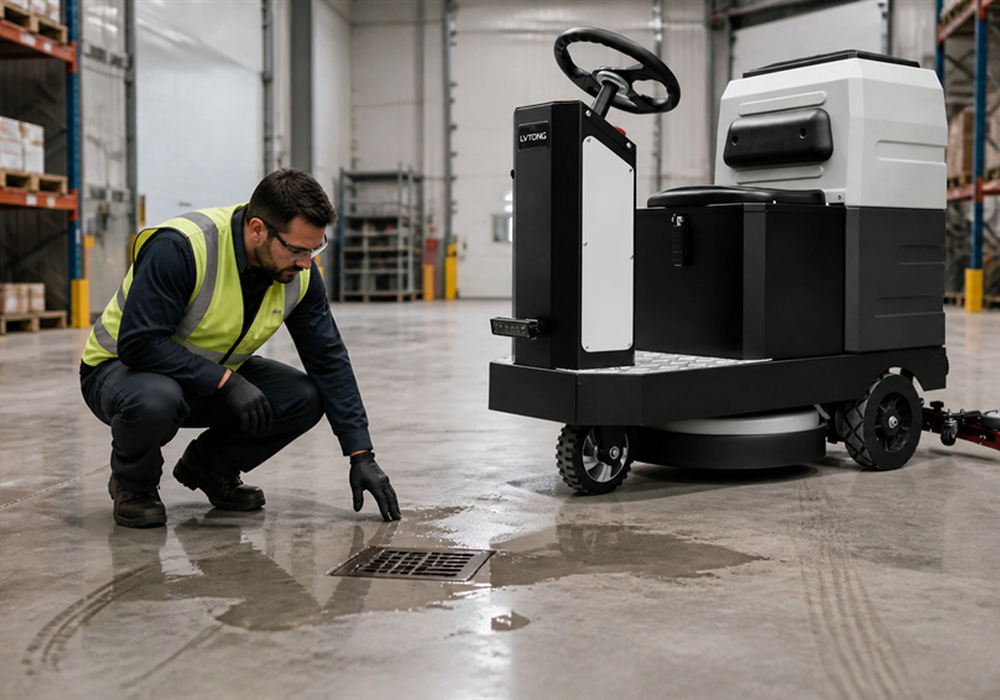
Light Dust on Sealed or Polished Concrete
Sealed or polished concrete gives feedback quickly. Under showroom lights, fine dust looks like a gray film, footprints break the gloss, and too much water dries into visible tracks. Before increasing pressure, test a small area with a soft pad or damp mop and check what comes up on the pad. If the pad only shows light gray dust, keep the method gentle. If it comes back dark, oily, or gritty, the floor needs pre-treatment or a slower scrubbing pass.
Vacuuming, dust mopping, or soft sweeping removes loose soil before light damp cleaning with a pH-neutral cleaner. On scrubber dryers, a soft pad or gentle brush, controlled water output, and a check after drying help protect the existing finish.
In offices, showrooms, and retail environments, visible dust, footprints, water streaks, or uneven surface appearance can make otherwise clean areas look poorly maintained. A hard pad leaves fine scratches on a polished floor, and the dull patch shows up under the downlights. Too much water dries into streaks across a sealed surface. Too much pressure burnishes part of the floor brighter than the rest, and that patchy look reads worse than the dust did.
Unsealed or Rough Concrete That Absorbs Water Quickly
Unsealed or rough concrete tells on itself as soon as water hits it. The slab darkens quickly, low spots hold gray slurry, and dust often returns after the surface dries. On this kind of floor, the cleaning route has to stay small enough for the operator to scrub and recover the dirty solution before it soaks back in.
If the floor keeps powdering after a dry pass and a wet pass, the issue may not be cleaning frequency. It can point to surface wear, weak concrete, or embedded soil that routine scrubbing cannot fully remove. In that case, the floor needs a surface-condition review before the team keeps adding more water or stronger chemicals.
Oil, Grease, and Forklift Tire Marks
Garages, workshops, production areas, loading bays, and forklift routes often accumulate oil, grease, rubber residue, and tire marks. These contaminants can adhere to concrete surfaces and become harder to remove when they are repeatedly spread during routine cleaning.
Light residue can be pre-treated before scrubbing. Heavier buildup needs stronger mechanical action and prompt recovery of the dirty solution. When stronger chemicals are used, facility teams should follow the product label and safety data sheet. Read Section 8 first. It tells you what gloves and eye protection that product needs, and whether the area has to be aired out. Closed garages, service pits, and loading bays with the doors down give the fumes nowhere to go, so open the doors or run the fans before the solution goes on the floor. OSHA’s hazard communication requirements provide the broader framework for communicating those chemical hazards.
Removing loosened oil and grease from the floor keeps residue from being carried into surrounding areas and reduces repeated cleaning.
Large Warehouse, Factory, or Logistics Floors
Large indoor concrete floors require a different cleaning approach because cleaning teams often need to cover large areas within limited operating windows. In warehouses, factories, and logistics facilities, repeated manual cleaning, frequent interruptions, and longer drying times can affect normal operations and make consistent floor maintenance more difficult.
These areas also collect dry debris such as dust, sand, pallet residue, and packaging waste. Push brooms and a backpack vacuum cover small floors. Long aisles and repeated shifts make hand sweeping slow work. Commercial ride-on sweepers remove loose dust and debris before wet scrubbing, while oil film, chemical residue, and tire marks still need pre-treatment and water recovery.
Delicate Painted, Epoxy-Coated, or Decorative Concrete
Painted, epoxy-coated, and decorative concrete show mistakes quickly. A hard brush may leave swirl marks before it removes the haze. The wrong cleaner can lift color at worn edges or make a glossy aisle look patchy under lights.
Start with a small test patch. Use a soft pad, low pressure, and a pH-neutral cleaner, then judge the floor after it dries, not while it is still wet. Water can hide haze, light scratches, and cleaner residue for a few minutes.
In showrooms, retail areas, and public facilities, those small defects stand out. Footprints, dull spots, and uneven gloss often bother the site manager more than the original dust did.
How to Clean Concrete Floors Indoors
A reliable indoor concrete floor cleaning process follows six stages. Each stage prepares the floor for the next and reduces avoidable rework.
Step 1: Remove Loose Dust, Sand, and Debris
Dry debris should be removed before wet cleaning. Loose particles left on the surface can create scratches, form muddy residue when mixed with water, and reduce the performance of the recovery system during scrubbing.
In warehouse projects, these issues often appear around loading doors and forklift routes where debris accumulation is more common. Starting wet scrubbing before removing loose material can leave residue behind even when the floor appears recently cleaned. A dry sweeping or vacuum pass helps prepare the surface for the next cleaning stage.
Step 2: Identify the Concrete Surface Type and Cleaning Risk
The floor assessment records surface wear, coating condition, water absorption, existing cracks, and previous cleaning marks before wet cleaning begins. These conditions can change the way the surface responds to scrubbing.
Worn coatings call for gentler contact. Porous concrete needs tighter moisture control and faster residue recovery.
Step 3: Pre-Treat Oil, Grease, Tire Marks, and Heavy Contamination
When oil, grease, forklift tire marks, or embedded dirt remain after routine cleaning, pre-treatment helps loosen contamination before mechanical scrubbing. These residues often adhere strongly to concrete surfaces and require additional treatment before effective removal.
A compatible cleaning solution needs enough dwell time to loosen the residue before scrubbing. Chemical cleaners should be used according to their product labels and safety data sheets. Facilities seeking products that meet the EPA Safer Choice Standard can review EPA Safer Choice-certified cleaning products.
In the automobile assembly workshops and epoxy warehouses where our V6 ride-on scrubber runs, metal chips come out of the machining bays on shoe soles and pallet trucks and land in the oil. Those chips get swept off before any water goes down. A chip is harder than the epoxy, so a wet brush drags it across the coating and then holds it in the bristles, which turns the brush into sandpaper for the rest of the shift. Whatever the brush misses ends up under the squeegee blade or inside the recovery hose. Once the floor is bare, the oil film gets its dwell time and the machine scrubs it off. The V6 ride-on floor scrubber is used in epoxy warehouse and automobile assembly workshop environments with these cleaning challenges.
Step 4: Scrub Using the Appropriate Manual or Machine Method
A mop and bucket handle a fresh oil drip under one machine, the strip along a dock leveller, the gaps between racking legs, and the corners a round brush deck never reaches. Past that, the mop leaves water sitting on the floor and spreads the dirt more than it lifts it. Larger spaces, frequent cleaning schedules, and heavier contamination often require machine scrubbing for more uniform coverage. A scrubber dryer combines controlled brush action with water recovery across larger indoor concrete floors.
Step 5: Recover Wastewater and Remove Cleaner Residue
Scrubbing loosens soil from the surface. Dirty water, detergent residue, and oily solution still need to be recovered before they dry back onto the floor.
OSHA's walking-working surface requirements emphasize keeping workplace floors clean and, where feasible, dry. Effective water recovery removes remaining solution before it becomes residue or creates a slip hazard.
Squeegee condition and suction performance influence streaking, standing water, and the time required before the area returns to use.
Step 6: Inspect Dryness, Streaks, Slip Risk, and Missed Areas
A final check under normal working light should cover remaining moisture, visible residue, uneven results, and missed areas before the space reopens.
Remaining water can point to recovery performance, machine settings, or cleaning speed. Dust that reappears after drying can signal incomplete dry removal or a change in the concrete surface.
The findings guide any adjustment to the cleaning method, equipment setup, or operator route before the next cycle.
How to Choose the Right Floor Scrubber for Indoor Concrete Floors
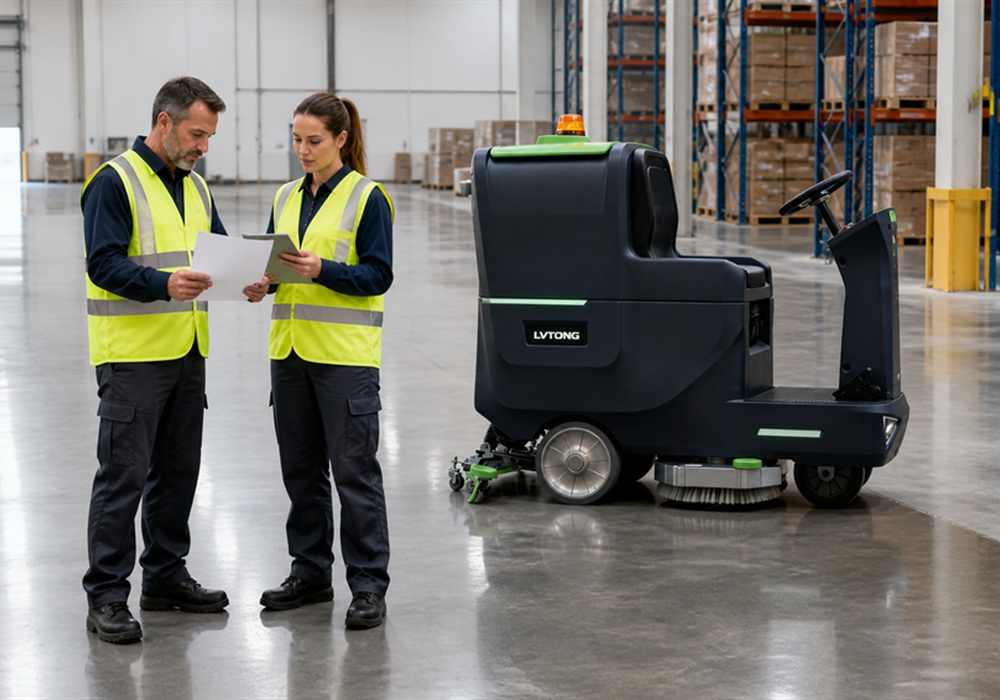
Floor scrubber selection should match the facility layout, floor condition, contamination level, cleaning schedule, and wastewater recovery requirements.
Choose Between Walk-Behind and Ride-On Scrubbers Based on Facility Size
Walk-behind scrubbers work well where maneuverability matters, including narrow aisles, smaller commercial spaces, and layouts with frequent obstacles. Their compact format provides better control through restricted routes and frequent direction changes.
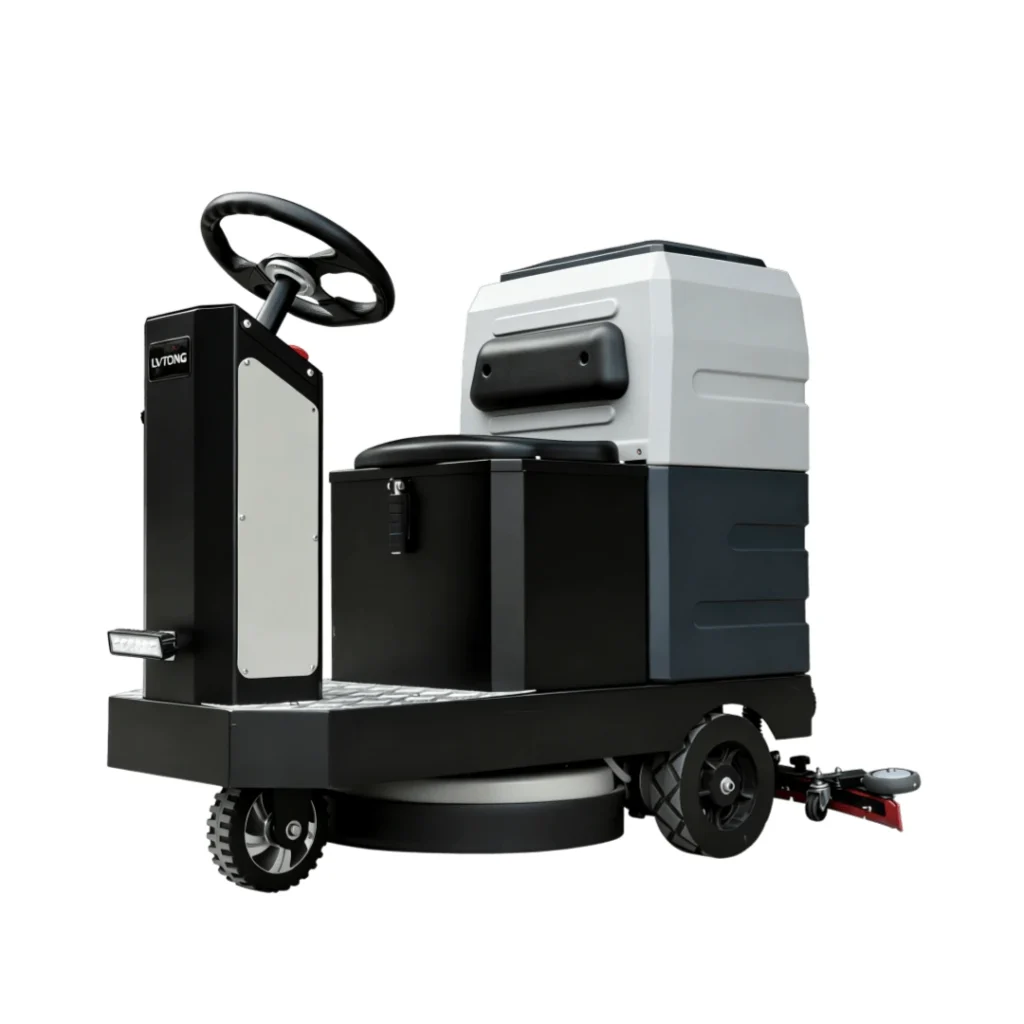
Ride-on scrubbers fit larger open facilities such as warehouses, factories, airports, logistics centers, and supermarkets. Seated operation reduces the physical demand of long cleaning tasks and supports broader coverage during extended shifts.
LVTONG groups its indoor scrubber range into walk-behind models for tighter routes and ride-on models for wider, longer cleaning paths.
Match Cleaning Width to Aisle Width and Floor Area
Cleaning width should match the actual layout of the facility. Wider scrubbers improve coverage across open floors. Narrow racking aisles, fixed machinery, and restricted clearance require a more compact machine.
The narrowest passage, available turning space, and daily cleaning area set the practical size limit. A properly sized scrubber reduces repositioning and keeps the route moving smoothly.
Choose the Brush or Pad Based on Surface Texture
Brush and pad choice starts with what the floor gives back during a test pass. A soft pad is usually the safer first move on polished, sealed, painted, or epoxy-coated concrete because the surface can show swirl marks before the soil is fully removed. If the pad comes back clean but the mark stays, the issue may be embedded residue, not surface dust.
Rough concrete gives a different signal. The pad may glide over low spots while dirt remains in the texture, so a brush can be the better starting point. The test area should be checked after drying, not only while it is wet, because water can hide streaks, haze, and light abrasion.
Compare Tank Capacity, Runtime, and Water-Recovery Performance
Large warehouses and production areas often operate within limited cleaning windows. Runtime and tank capacity determine how often the route pauses for charging, refilling, or wastewater disposal, while effective recovery supports faster reopening.
Our equipment selection process compares the facility layout, cleaning frequency, floor condition, and practical coverage target. The warehouse floor scrubber selection guide explains how machine capacity, real coverage, and operating costs change under warehouse conditions.
The three models below mark the points where the route itself changes. One still has to fit between racking legs. One opens up across a workshop floor. One runs long straight passes where extra width pays back more than tight turning does. The rest of the range fills in around them.
| Model | Type | Scrubbing width | Solution / recovery tank | Published efficiency or route scale | Typical fit |
|---|---|---|---|---|---|
| LT-S530X | Walk-behind | 530 mm | 62 L / 65 L | 2,100 m²/h; up to 4,000 m² cleaning area | Narrow aisles and compact commercial or industrial routes |
| LT-S560X | Ride-on | 560 mm | 85 L / 90 L | Mid-size ride-on route planning; confirm the final efficiency figure on the quotation sheet | Workshops and open commercial floors with fewer tight turns |
| LT-S860X | Ride-on | 860 mm | 130 L / 135 L, confirm final tank configuration on the quotation sheet | 6,800 m²/h reference capacity; built for longer open-floor routes | Large warehouses, factories, logistics centers, and other open facilities |
For LT-S860X, the 130 L / 135 L tank reference comes from our public product-category/spec information rather than a dedicated FAQ field on the product page, so the final tank configuration should be confirmed on the quotation sheet.
Theoretical productivity is a comparison figure. Turns, overlapping passes, refilling, obstacles, and wastewater handling reduce the practical area cleaned per hour. The table lists both solution and recovery tank capacity because wastewater recovery often sets the real stopping point on dirty concrete routes.
Prepare Facility Details Before Requesting a Recommendation
An accurate floor scrubber recommendation requires the facility's actual floor and operating information. The site brief should include the following details.
- Floor area and daily cleaning requirement
- Concrete surface condition
- Main contamination type
- Narrowest aisle and available turning space
- Cleaning frequency and available operating time
- Photos or videos of the floor, drains, and problem areas
These details help our team match the machine type, brush or pad, tank capacity, and water-recovery setup to the actual floor. Site-specific requests can be submitted through LVTONG's floor scrubber consultation page.
Common Concrete Floor Cleaning Problems and Fixes
Dust Comes Back After Cleaning
When dust comes back after the floor dries, check where it returns first. Dust near doors, dock areas, and forklift routes usually means dry debris was not removed before wet cleaning. Dust rising evenly from the slab can mean the concrete surface is powdering, and another wet pass will only move that powder around.
Oil Stains or Tire Marks Remain
Persistent oil and tire marks show that the residue was not fully loosened before scrubbing. Persistent buildup often needs more dwell time or stronger mechanical action, provided the cleaner and brush remain compatible with the floor finish.
Water Streaks or Dirty Water Are Left Behind
Water streaks point to incomplete recovery. Squeegee condition, suction performance, water flow, and travel speed should be reviewed as one operating system, especially on rough concrete.
The Floor Looks Dull or Loses Its Finish After Cleaning
A dull finish can follow excessive abrasion, an unsuitable cleaner, or residue left to dry. Polished and coated concrete respond better to a gentler pad, controlled pressure, and a cleaner tested on a small area.
Scratches, Sealer Damage, or Slippery Areas Appear
Abrasive debris and excessive brush aggression can mark the sealer or coating. Standing water and detergent residue create a separate slip concern, so the area should remain closed until recovery and the final inspection are complete.
FAQ
How Often Should Commercial Interior Concrete Floors Be Scrubbed?
Traffic, contamination, safety requirements, and appearance standards set the cleaning frequency. A low-traffic office may only need periodic damp cleaning. Forklift routes often need daily spot work plus scheduled full-area scrubbing.
How Do You Clean Indoor Concrete Floors Without a Floor Drain?
Cleaning without a floor drain relies on controlled water use, smaller work zones, and immediate wastewater recovery with a scrubber dryer or wet vacuum. Recovered water should be discharged according to facility procedures and local requirements.
Can a Floor Scrubber Clean Unsealed Concrete Without Damaging It?
Yes. Correct water flow, a compatible brush or pad, and prompt recovery allow a scrubber to clean unsealed concrete. A small test area is useful because porous slabs absorb liquid quickly and vary in surface condition.
What Cleaner Works Best for Oil and Forklift Tire Marks on Concrete Floors?
Oil type, stain age, surface porosity, and floor finish guide the cleaner selection. A compatible low-foam degreaser needs dwell time before the brush goes down. The window is easy to see on the floor. The stain darkens and the edge softens once the degreaser has worked into it, and that is the moment to scrub. Let it dry and the loosened oil settles straight back into the concrete, so the second attempt starts harder than the first.
What Information Should I Send Before Asking for a Floor Scrubber Quote?
A useful quote request includes the total and daily cleaning area, concrete type, narrowest aisle, main contamination, available cleaning time, and clear site photos. Our team uses those details to assess the route before matching a machine configuration.
Conclusion
Send the floor and we will come back with a fit. The checklist above covers what we need to start, and the photos carry the most weight, since a powdering slab or a worn coating shows up in a picture and never in a floor area figure. What comes back is a scrubber dryer or a sweeper, the brush or pad that suits the surface, a tank size matched to the route, and a coverage figure you can hold against your own cleaning window rather than against a theoretical number. Requests go through LVTONG's floor scrubber consultation page.