Introduction
Is a scrubber drier easy to use? For most commercial and industrial cleaning teams, the answer is yes. A modern scrubber drier is designed to make floor cleaning faster, safer, and easier than traditional mopping or manual scrubbing.
A scrubber drier can scrub, wash, dry, and recover dirty water in one pass. Instead of using separate tools for washing and drying, operators can complete the whole floor cleaning process with one machine. This helps businesses save time, reduce labor effort, improve floor safety, and keep commercial or industrial spaces cleaner.
This practical guide explains how a scrubber drier works, how to use a professional scrubber drier step by step, what training is needed, and how to choose a reliable model for your facility.
Quick Answer
Yes, a scrubber drier is generally easy to use after basic training. Most professional scrubber driers are designed with simple controls, clean water tanks, recovery tanks, brushes or pads, squeegees, and vacuum systems. Operators mainly need to fill the clean water tank, add the right cleaning solution, lower the brush and squeegee, control the machine speed, and empty the recovery tank after cleaning.
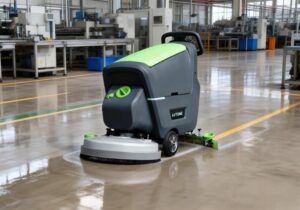
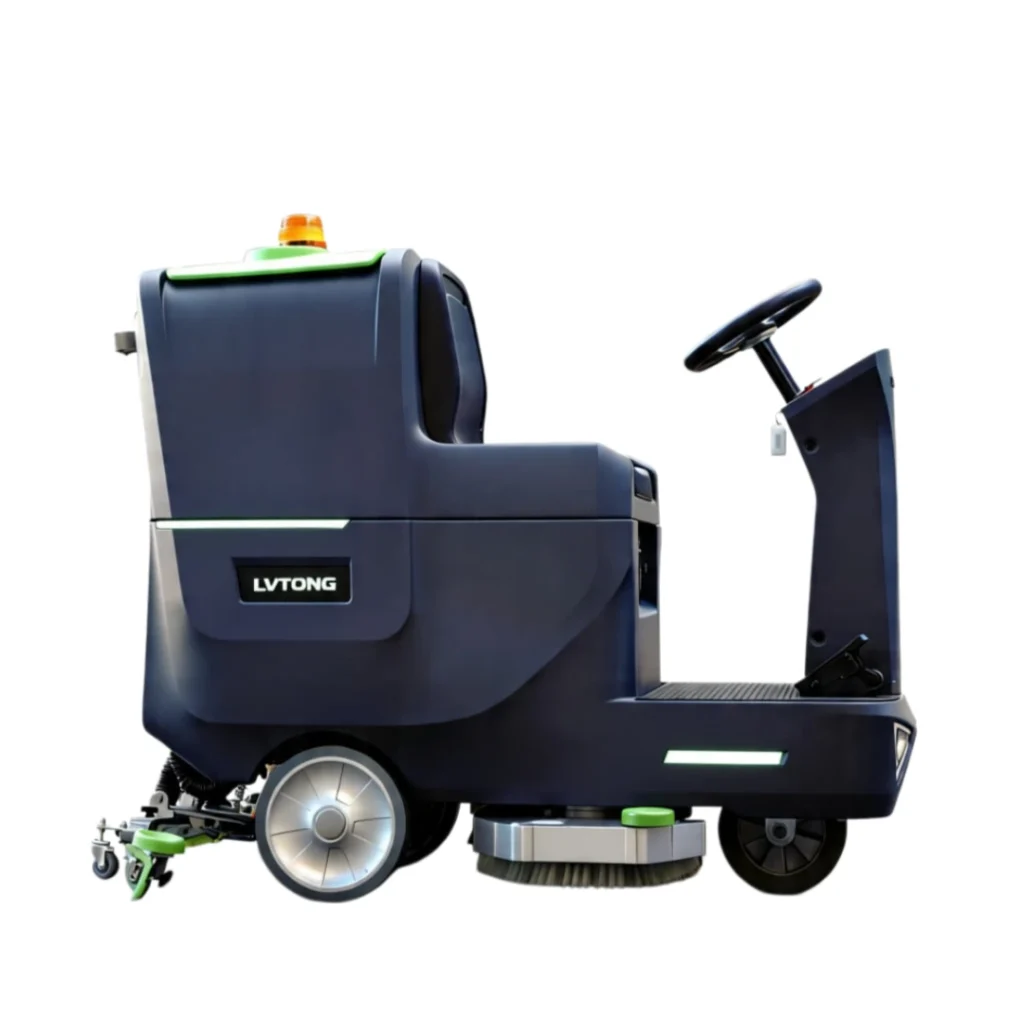
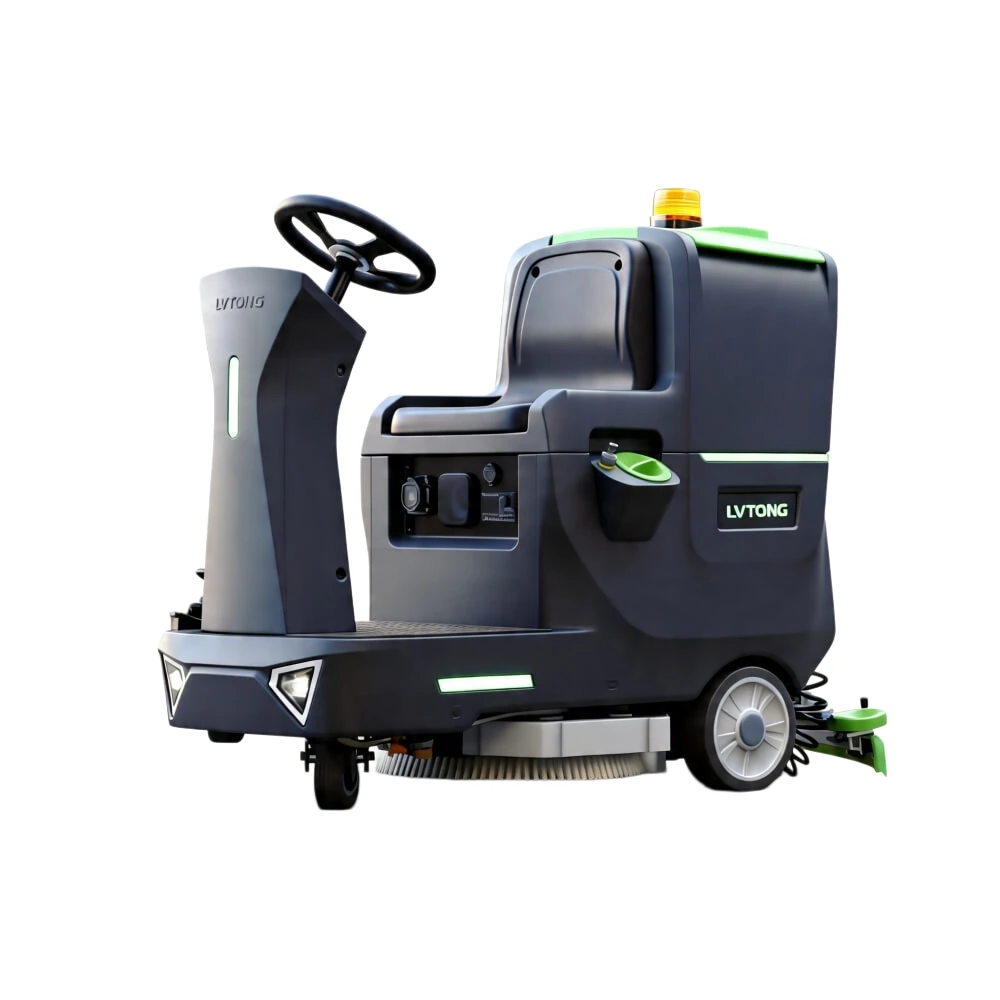
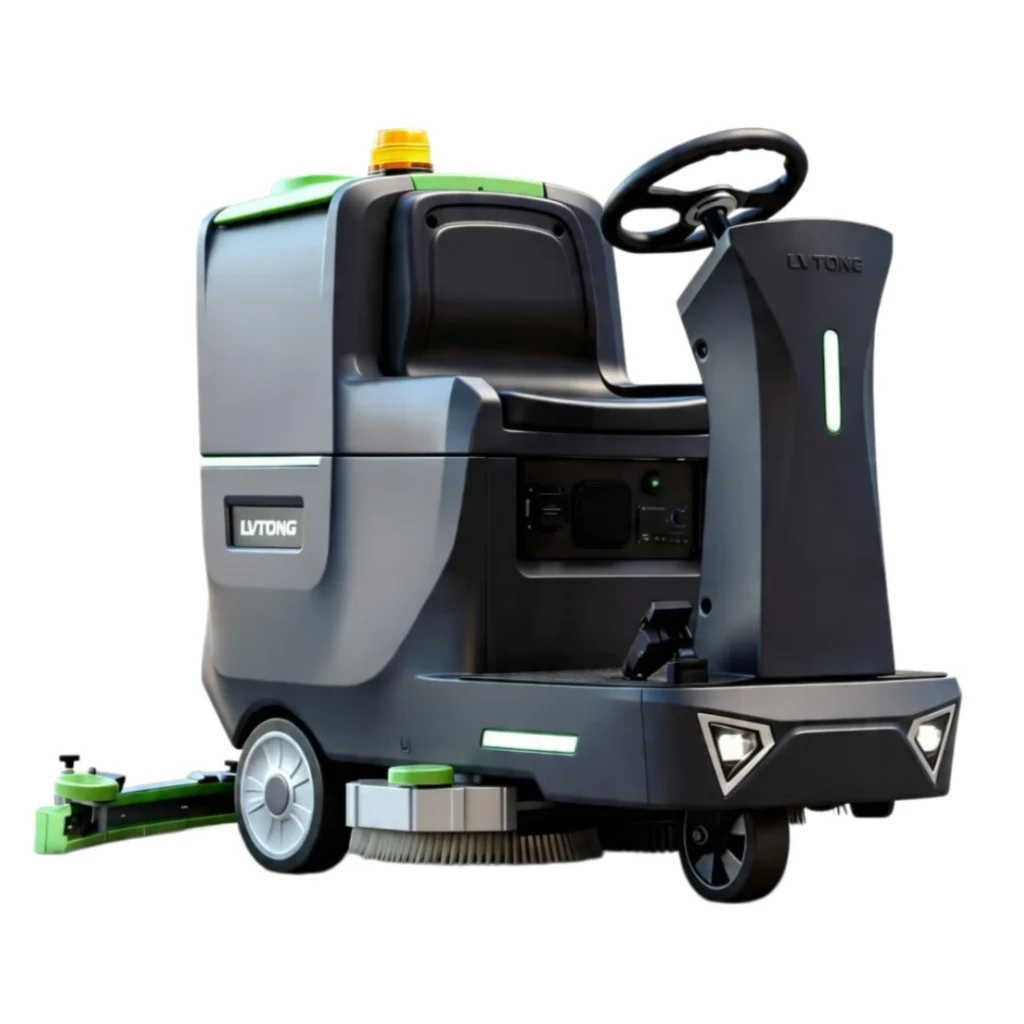
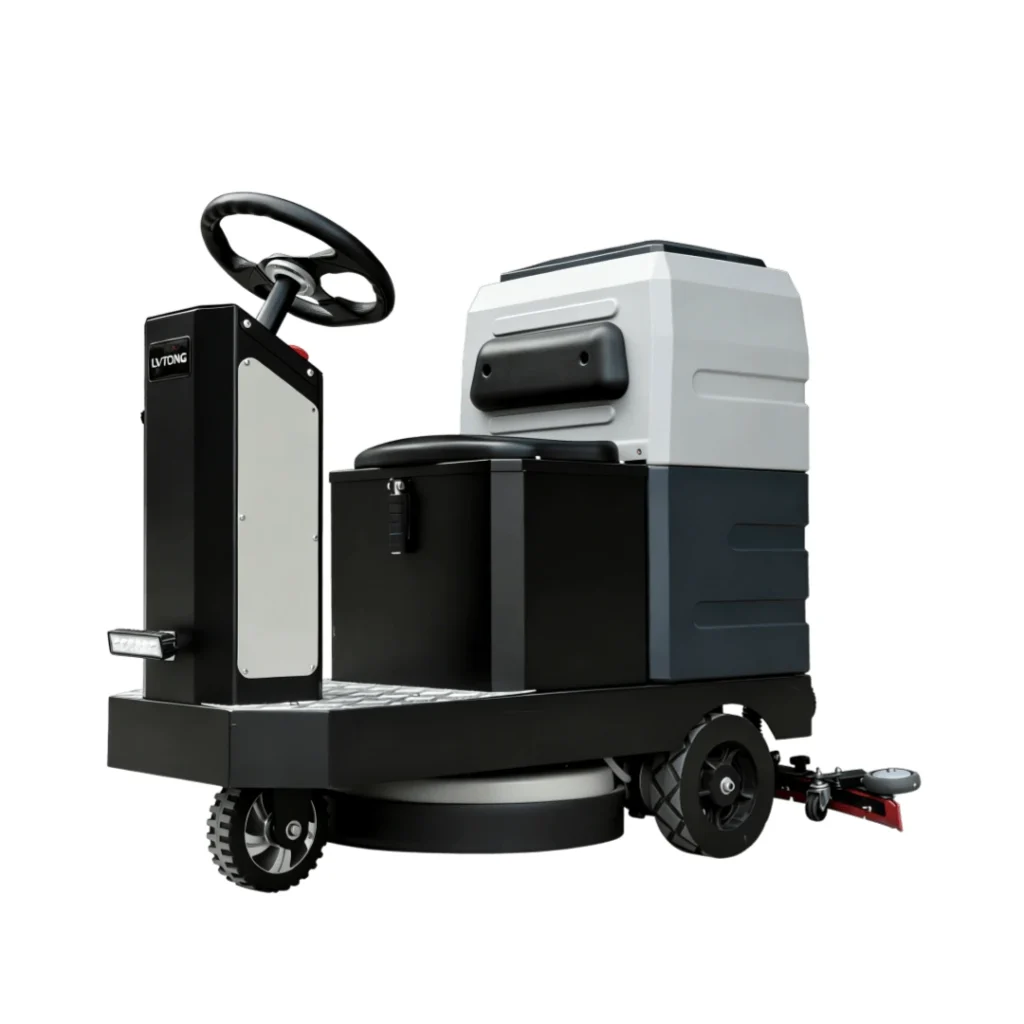
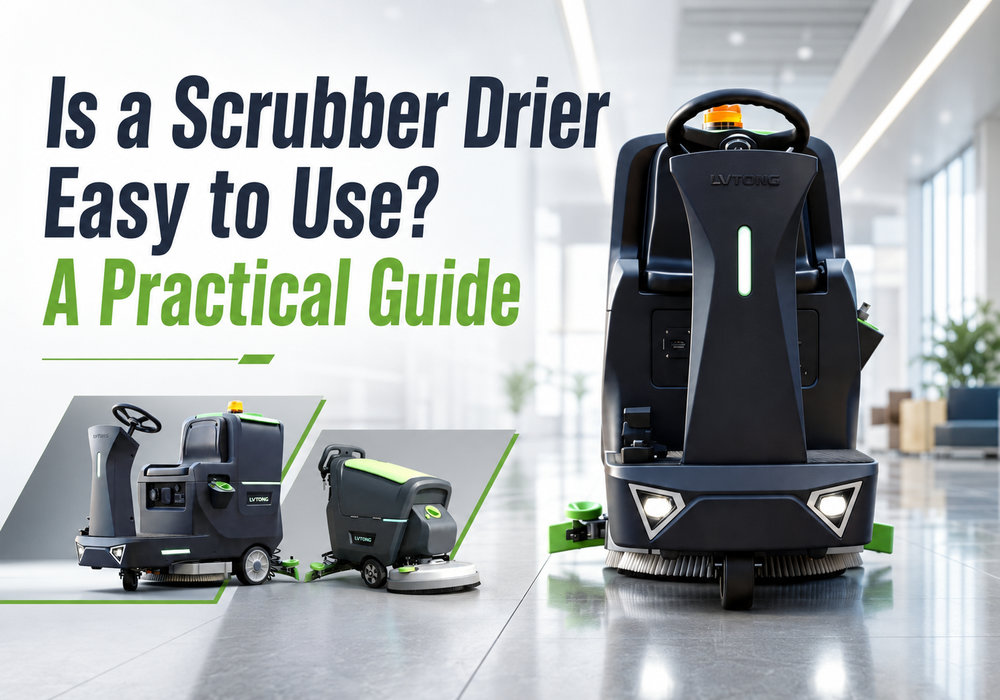
For small or congested spaces, a walk-behind scrubber drier is usually easier to control. For large facilities such as warehouses, factories, airports, and shopping malls, a ride-on scrubber drier can clean larger areas with less operator fatigue.
What Is a Scrubber Drier?
A scrubber drier, also called a scrubber dryer, is a professional floor cleaning machine that scrubs and dries hard floors at the same time. It uses water, cleaning solution, rotating brushes or pads, a squeegee, and a vacuum system to remove dirt and recover dirty water from the floor.
In simple terms, a scrubber drier does three jobs in one pass:
- It applies water or cleaning solution to the floor.
- It scrubs the floor with brushes or pads.
- It vacuums dirty water into a recovery tank and leaves the floor drier and safer.
This makes it more efficient than traditional cleaning methods that require separate washing, scrubbing, rinsing, and drying steps.
Scrubber driers are widely used in:
- Warehouses
- Factories
- Shopping malls
- Airports
- Hospitals
- Schools
- Supermarkets
- Hotels
- Logistics centers
- Parking areas
- Commercial buildings
They are especially useful in places where floors need to stay clean, dry, and safe during daily operations.
For buyers who want to compare different machine types, LVTONG offers a full range of commercial floor scrubber dryers for commercial and industrial floor cleaning.
How Does a Scrubber Drier Work?
A scrubber drier is easy to understand once you know its basic working process. Most machines follow the same cleaning principle.
1. Water and Cleaning Solution Are Released
The machine has a clean water tank. Operators fill the tank with water and, when needed, add a suitable low-foam cleaning solution. During operation, the machine releases water or cleaning solution onto the floor.
2. Brushes or Pads Scrub the Floor
The brush or pad rotates against the floor surface. This helps loosen dust, dirt, stains, oil marks, and other floor contamination. Different brushes or pads can be selected according to the floor type and cleaning demand.
3. Dirty Water Is Collected
After scrubbing, the squeegee collects the dirty water. The vacuum system then sucks the wastewater into the recovery tank. This prevents dirty water from spreading across the floor.
4. The Floor Dries Faster
Because the dirty water is recovered immediately, the floor dries much faster than with manual mopping. This helps reduce slip risks and allows people or equipment to return to the cleaned area sooner.
This integrated cleaning and drying process is the main reason why scrubber driers are easier and more efficient than traditional floor cleaning methods.

How to Use a Professional Scrubber Drier Step by Step
Using a scrubber drier is not complicated, but operators should follow the correct process to protect the machine, the floor, and workplace safety. If your facility uses compact machines, this guide on how to use a walk-behind floor scrubber can help new operators learn basic operation more quickly.
Step 1: Check the Floor Area
Before using the machine, check the cleaning area. Remove large debris, packaging materials, stones, metal pieces, or anything that may damage the brush, squeegee, or vacuum system.
Also check whether the floor has heavy oil, water, obstacles, ramps, or narrow aisles. This helps the operator choose the right cleaning speed and route.
Step 2: Fill the Clean Water Tank
Open the clean water tank and add clean water. Do not overfill the tank. For most daily cleaning tasks, clean water plus a suitable cleaning solution is enough.
Always follow the supplier’s guidance for water level and detergent use.
Step 3: Add the Right Cleaning Solution
Use a cleaning solution that is suitable for the floor surface and dirt level. For example:
- Neutral cleaner for general daily cleaning
- Degreasing cleaner for oil-stained floors
- Low-foam cleaner for scrubber driers
- Suitable disinfectant cleaner for hygiene-sensitive areas
Avoid using high-foam chemicals, strong corrosive liquids, or unsuitable detergents, because they may damage the machine or reduce vacuum recovery performance. To avoid foam problems and poor cleaning results, it is important to choose the right floor scrubber cleaning solution for your machine and floor type.
Step 4: Check the Brush, Pad, and Squeegee
Before starting, make sure the brush or pad is installed correctly. Also check the squeegee blade. A damaged or dirty squeegee may leave water streaks on the floor.
If the floor is rough, oily, or heavily stained, choose a stronger brush or a more suitable pad.
Step 5: Start the Machine
Turn on the scrubber drier and lower the brush and squeegee. Adjust the water flow, brush pressure, and cleaning mode if the machine supports these settings.
Start with a moderate speed. Do not drive too fast, because the brush needs enough time to scrub and the vacuum system needs enough time to recover dirty water.
Step 6: Clean in Straight and Overlapping Paths
Move the machine in straight lines whenever possible. Slightly overlap each cleaning path to avoid missing strips of floor.
In corners, narrow aisles, or areas with obstacles, slow down and control the machine carefully.
Step 7: Empty the Recovery Tank
After cleaning, empty the dirty water from the recovery tank. Do not leave dirty water inside the tank for a long time, because it may cause odor, bacteria growth, or blockage.
Rinse the recovery tank after use.
Step 8: Clean the Brush, Pad, and Squeegee
Remove dirt, hair, debris, and residue from the brush or pad. Wipe the squeegee blade and check whether it is worn or damaged.
Simple daily maintenance helps keep the scrubber drier easy to use and reliable over time.
Step 9: Recharge the Battery
If the machine is battery-powered, charge it after use according to the manufacturer’s instructions. Do not wait until the battery is completely damaged or deeply discharged.
Good charging habits help extend battery life and reduce machine downtime.
Is a Scrubber Drier Difficult to Learn?
A scrubber drier is usually not difficult to learn. Most operators can understand the basic operation after short training, especially if the machine has simple buttons, clear water controls, easy brush installation, and a user-friendly control panel.
However, operators should still learn:
- How to fill and empty the tanks
- How to choose the right brush or pad
- How to adjust water flow
- How to use the squeegee correctly
- How to avoid obstacles and slopes
- How to clean and maintain the machine after use
- How to stop the machine safely in an emergency
The goal of training is not only to make the operator faster, but also to protect the floor, the machine, and people nearby.
Walk-Behind vs Ride-On Scrubber Drier: Which Is Easier to Use?
Both walk-behind and ride-on scrubber driers can be easy to use, but they are suitable for different environments.
| Factor | Walk-Behind Scrubber Drier | Ride-On Scrubber Drier |
|---|---|---|
| Best for | Small and medium spaces | Large open areas |
| Operator position | Walks behind the machine | Sits and drives the machine |
| Maneuverability | Better in tight spaces | Better for long cleaning routes |
| Learning difficulty | Usually easy | Easy, but needs more driving awareness |
| Operator fatigue | Higher for long hours | Lower for large areas |
| Tank capacity | Smaller | Larger |
| Cleaning productivity | Medium | Higher |
| Suitable locations | Shops, schools, small warehouses, narrow aisles | Factories, airports, malls, large warehouses |
For large facilities using seated machines, this step-by-step guide explains how to use a ride on scrubber drier safely and efficiently.
A walk-behind scrubber drier is often easier for first-time users in narrow or crowded spaces. A ride-on scrubber drier is easier for large-area cleaning because the operator can sit and drive instead of walking for long hours.
The best choice depends on the cleaning area, aisle width, floor condition, working time, and operator experience.
What Makes a Scrubber Dryer Reliable?
A reliable scrubber dryer should be easy to operate, easy to maintain, and stable during daily cleaning. Reliability is especially important for businesses that clean large areas every day.
When choosing a scrubber dryer, look for these factors:
Simple Control System
The machine should have clear buttons, easy operation logic, and simple water flow control. A complicated panel may increase training time and operator mistakes.
Strong Brush and Vacuum System
A good scrubber dryer should scrub the floor effectively and recover dirty water quickly. Weak suction or poor squeegee design may leave water behind.
Durable Tank and Body Design
Commercial and industrial cleaning environments can be demanding. A reliable scrubber dryer should have a strong body structure, durable tanks, and stable wheels.
Easy Maintenance
The recovery tank, brush, pad, filter, and squeegee should be easy to remove, clean, and replace. This reduces downtime and helps operators keep the machine in good condition.
Good Battery Performance
For battery-powered models, battery runtime and charging efficiency are important. A machine with poor battery performance may interrupt daily cleaning tasks.
Spare Parts and Service Support
A reliable machine also depends on supplier support. Spare parts, technical service, and operator training are important for long-term use. Before purchasing a machine, buyers should also check whether the supplier provides reliable scrubber dryer service support and spare parts.
What Is the Most Efficient Scrubber Dryer?
The most efficient scrubber dryer is not always the largest one. It is the machine that matches your floor area, cleaning frequency, floor type, and working environment.
For small spaces, a compact walk-behind scrubber dryer may be more efficient because it can move around obstacles easily.
For large areas, a ride-on scrubber dryer is usually more efficient because it has:
- Larger cleaning width
- Larger clean water and recovery tanks
- Longer working time
- Better operator comfort
- Higher cleaning productivity
- Less stopping for refilling or emptying water
For factories, warehouses, airports, and shopping malls, ride on floor scrubber machines are often more suitable for high-efficiency large-area cleaning.

What Is the Most Versatile Scrubber Dryer?
A versatile scrubber dryer should work on different floor types and cleaning environments. It should be suitable for daily cleaning, light stains, moderate dirt, and different hard floor surfaces.
A versatile model usually has:
- Adjustable water flow
- Different brush or pad options
- Good suction recovery
- Suitable tank capacity
- Easy maneuverability
- Stable cleaning performance
- Simple daily maintenance
Common floor surfaces include:
- Concrete
- Epoxy
- Tile
- Vinyl
- Marble
- Sealed industrial flooring
For multi-site cleaning companies or distributors, versatility is important because one machine may need to serve different customers and floor conditions.
Are Cheap Scrubber Dryers Any Good?
Cheap scrubber dryers can be useful for light-duty cleaning, small areas, or low-frequency use. However, buyers should not judge a machine only by price.
A low-cost scrubber dryer may have limitations such as:
- Smaller tank capacity
- Shorter battery runtime
- Lower suction power
- Weaker body structure
- Fewer brush or pad options
- Less comfortable operation
- Limited spare parts or service support
For professional cleaning, commercial facilities, warehouses, factories, and high-frequency use, a reliable scrubber dryer with better service support may provide better long-term value.
Before buying a cheap scrubber dryer, compare the total cost, including maintenance, spare parts, downtime, cleaning efficiency, and machine lifespan.
Scrubber Drier vs Manual Cleaning
A scrubber drier is usually easier and more efficient than manual cleaning for medium and large floor areas.
| Factor | Scrubber Drier | Manual Cleaning |
|---|---|---|
| Cleaning process | Scrubs and dries in one pass | Requires separate mopping and drying |
| Labor demand | Lower | Higher |
| Cleaning speed | Faster | Slower |
| Dirty water recovery | Yes | Limited |
| Floor drying | Faster | Slower |
| Slip risk | Lower if used correctly | Higher if water remains |
| Cleaning consistency | More stable | Depends on worker experience |
| Suitable area | Medium and large areas | Small areas |
Manual cleaning may still be suitable for very small rooms or corners, but for commercial and industrial floor cleaning, a scrubber drier can reduce workload and improve cleaning quality.
Safety Tips for Using a Scrubber Drier
Although a scrubber drier is easy to use, operators should follow basic safety rules.
- Read the user manual before use.
- Wear suitable work shoes.
- Check the floor for obstacles before cleaning.
- Do not use the machine on unsafe slopes.
- Slow down when turning.
- Keep people away from the cleaning path.
- Use the correct cleaning solution.
- Do not leave the machine running unattended.
- Empty the recovery tank after use.
- Charge the battery correctly.
Following these safety tips helps reduce accidents and keeps the cleaning process smooth.
Daily Maintenance Tips
Daily maintenance is important if you want your scrubber drier to remain easy to use.
After each use, operators should:
- Empty the recovery tank
- Rinse the dirty water tank
- Clean the brush or pad
- Wipe the squeegee blade
- Check filters and hoses
- Remove debris from the machine
- Charge the battery if needed
- Store the machine in a dry area
Regular maintenance helps improve cleaning performance, reduce odor, protect the battery, and extend the machine’s service life. For a more detailed checklist, read this floor scrubber maintenance guide to prevent common machine problems and reduce downtime.
FAQ About Using a Scrubber Drier
Is a scrubber drier easy to use?
Yes. A scrubber drier is generally easy to use after basic training. Most machines are designed with simple controls and can scrub, wash, dry, and recover dirty water in one pass.
How do you use a professional scrubber drier?
To use a professional scrubber drier, first check the floor and remove large debris. Then fill the clean water tank, add suitable cleaning solution, check the brush and squeegee, start the machine, clean in overlapping paths, empty the recovery tank, and clean the machine after use.
Does a scrubber drier need special training?
A scrubber drier does not usually require complex training, but operators should receive basic instruction. They should learn how to control the machine, adjust water flow, use the brush and squeegee, empty the tank, and maintain the machine safely.
How does a scrubber drier work?
A scrubber drier releases water or cleaning solution onto the floor, scrubs the surface with brushes or pads, and uses a squeegee and vacuum system to recover dirty water into a tank. This allows the floor to become cleaner and drier in one pass.
What makes a scrubber dryer reliable?
A reliable scrubber dryer should have a durable body, strong brush system, effective vacuum recovery, simple controls, good battery performance, easy maintenance, and stable spare parts and service support.
What is the most efficient scrubber dryer for large areas?
For large areas such as warehouses, factories, airports, and shopping malls, a ride-on scrubber dryer is usually more efficient because it has a larger cleaning width, larger tanks, better operator comfort, and higher cleaning productivity.
What is the most versatile scrubber dryer?
The most versatile scrubber dryer is one that can handle different floor types, dirt levels, and cleaning environments. It should support different brushes or pads, adjustable water flow, good suction, and easy daily maintenance.
Are cheap scrubber dryers any good?
Cheap scrubber dryers may be suitable for small spaces or light-duty cleaning. However, for commercial and industrial use, buyers should also consider durability, suction performance, battery runtime, spare parts, maintenance cost, and after-sales support.
Is a walk-behind or ride-on scrubber drier easier to operate?
A walk-behind scrubber drier is usually easier in narrow or congested spaces. A ride-on scrubber drier is easier for large areas because the operator can sit and drive, reducing fatigue during long cleaning tasks.
How do you maintain a scrubber drier after use?
After use, empty the recovery tank, rinse the tank, clean the brush or pad, wipe the squeegee, check filters and hoses, remove debris, and charge the battery if needed. Regular maintenance keeps the machine reliable and easy to operate.
Conclusion
So, is a scrubber drier easy to use? Yes. For most commercial and industrial cleaning teams, a scrubber drier is easy to operate after basic training. It combines scrubbing, washing, drying, and dirty water recovery in one machine, making floor cleaning faster, safer, and more consistent.
The key is to choose the right type of scrubber drier for your facility. Walk-behind models are suitable for smaller or congested areas, while ride-on models are better for large spaces and high-frequency cleaning tasks.
When selecting a scrubber drier, consider floor area, floor type, cleaning frequency, tank capacity, battery runtime, operator comfort, maintenance needs, and service support.
If you need a practical scrubber drier solution for your facility, contact Lvtong Cleaning Equipment for machine selection support, product recommendations, and customized floor cleaning advice.